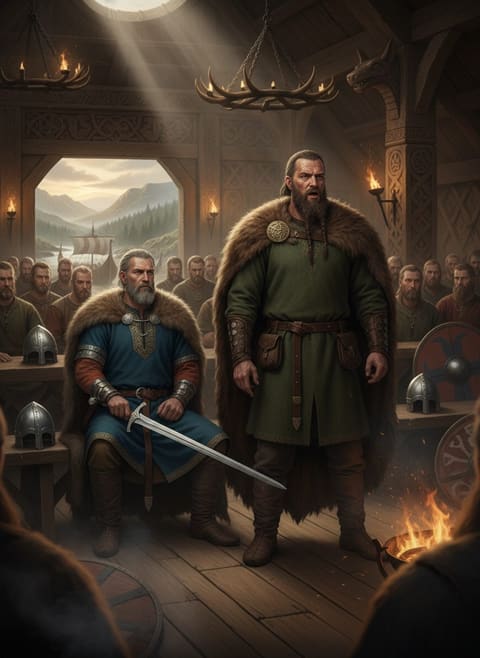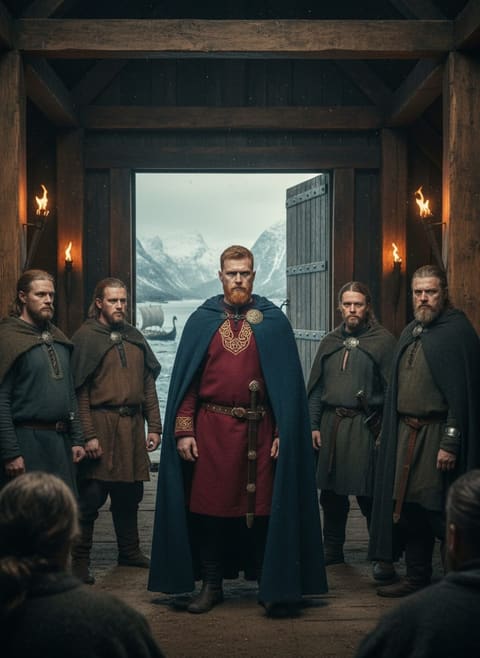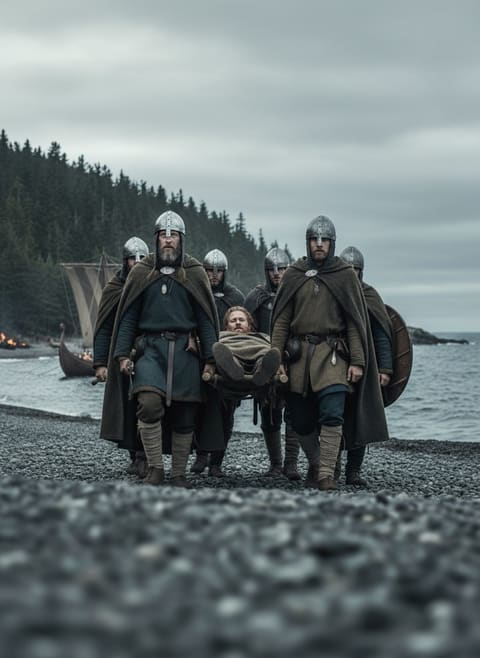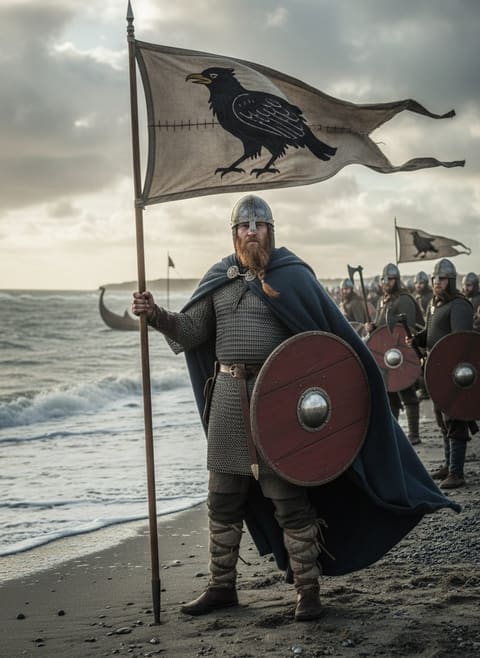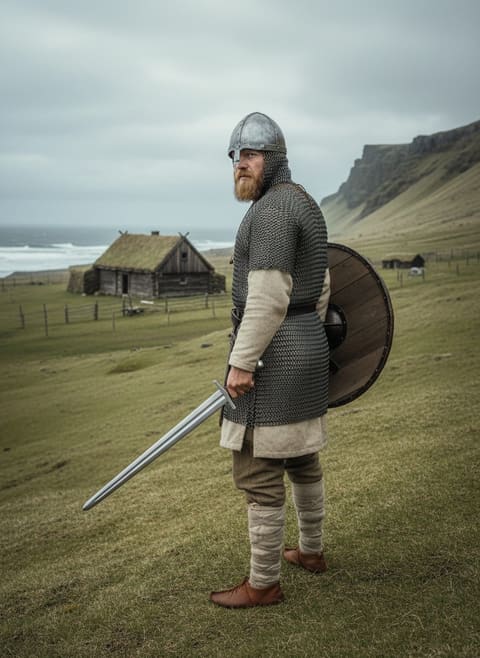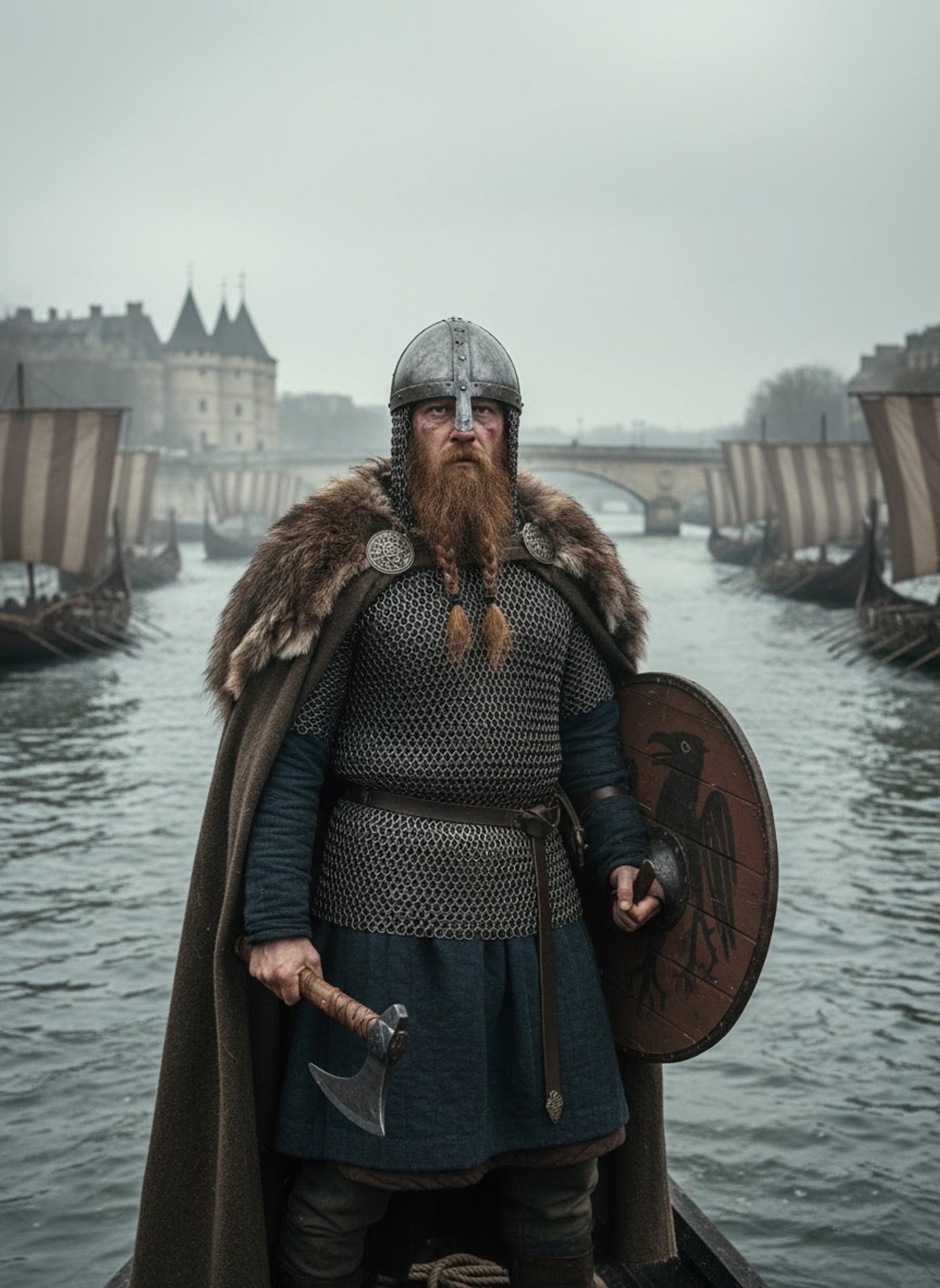
The mists of the Seine in November 885 clung stubbornly to the fields and hillsides, muffling the world in a pale-grey shroud. The waters of the river, placid and winding, bore a different sort of reflection as the largest Viking fleet ever assembled advanced on Paris, 700 ships strong, their sails a patchwork of color against the slate sky.
Aboard were 30,000 hardened warriors, driven by more than the lust for gold. They were here to avenge their legendary ancestor, Ragnar Lothbrok, whose tales of heroism and bloody demise chimed in the air like old war songs. As these Norsemen descended upon the city, the stakes became clear: control of Paris and dominance over the lands beyond.
The Call to Arms
Ragnar Lothbrok, remembered in Norse sagas as a warrior king and seeker of glory, became more than a man; he was myth. His death at the hands of King Ælla, in England, spurred a legendary revenge narrative. His sons, united in purpose if often strategizing separately, were formidable figures in their own right. Their campaigns carved paths of destruction across the known world, but it was beneath Paris' sky that they sought both vengeance and validation for their lineage.
The accumulation of ships and men was an awe-inspiring feat of logistics and persuasion. Viking leaders used not only the promise of wealth but the deeper lure of honor, binding men to their cause with tales of Ragnar’s exploits. These warriors, toughened by endless raids and sieges, represented the pinnacle of Viking sea power. What drove them was not just the promise of plunder but the specter of their forefather’s disgrace, calling for reckoning across time and tide.
Read next: Leif Eriksson's Pilot Bjarni Herjólfsson Sighted America First
The Siege Begins
Paris, though a jewel of Frankish lands, was ill-prepared for the storm that gathered. The Seine, the city's watery thoroughfare, once teemed with the commerce of peace but now bore war’s trappings. As the Viking fleet sailed upriver, the city’s leader, Count Odo, fortified by resolve and 200 soldiers, prepared to defend their home.
On November 25th, 885, the Vikings commenced their siege. Their first strategic move was to burn the key bridge linking the city’s two halves, severing a vital artery. The air filled with the crackle of flames and the sharp tang of smoke, an ominous prelude to the relentless campaign that followed. Yet Count Odo and his men remained unmoving, bolstered by Paris’ stout stone walls and their indomitable spirit.
Knife-sharp arrows darkened the sky, and the Viking siege machines unleashed their fury, battering against the resolute battlements. For eleven months, the city was a tributary caught in a storm, endured by its insistent defenders who resisted the onslaught with unwavering defiance. The tales of Odo’s bravery became songs around campfires, each night a testament to human endurance under divine winds.
The Pivot of History
What kept Odo and the Parisians from succumbing was more than just the stone that cast their city in shadowy relief each night. It was the knowledge that their endurance was a bulwark for France itself. With the Frankish world hanging in the balance, every passing day of resistance inspired renewed efforts, and their plight echoed down to Charles the Fat, the ruling emperor, who eventually negotiated a hefty bribe to make the Vikings withdraw.
Duke Odo emerged not just as a hero but as a pivotal figure in European history. His stand at Paris cemented his place in the annals of time and pointed to the potential for leadership beyond just local control. The siege further altered the Norse campaign strategy; neither loss nor complete victory, it was a sobering whisper of the limits of power and the tangled web of fate.
After nearly a year, the siege culminated with the Vikings retreating—but not before securing substantial payment, their tactical legacy staining Parisian memories. The once-rebellious invaders departed, their ships heavy with wealth, yet they left behind an indelible mark on continental consciousness.
Read next: Gudrid Thorbjarnardóttir Sailed to Vinland and Gave Birth There
The Lasting Impact
The great Viking siege of Paris expanded beyond the ambitions of revenge, weaving into the broader tapestry of European transformation. As raiders stretched their influence, even amidst retreat, they spread cultural threads that would be woven into the tapestry of the societies they encountered. The tale of Ragnar Lothbrok’s sons became an echo resonating through sagas and stories, preserving the Viking drive for exploration and conquest.
Yet, Odo’s defiance kindled the sparks needed to forge stable defense structures, nudging France towards the building of prolonged resistance against future incursions. The siege underscored the need for unity in the face of adversity and highlighted the human capacity for resilience.
In the end, the story of the siege of Paris intertwines tragedy and triumph, a narrative where the determination of a few reshaped the destiny of many. Remembering these events extends beyond nostalgia; it's an exploration into how shared challenges forge the bedrock upon which present-day societies stand.
Perhaps, it also serves as a reminder that the echoes of the past are never truly silent, and legends—like those of Ragnar’s sons—speak to us still, urging us to seek both knowledge and courage in equal measure.