Polycrates ruled the Aegean Sea with an iron fist. And yet, one letter unraveled his empire.
The Rise of a Sea Tyrant
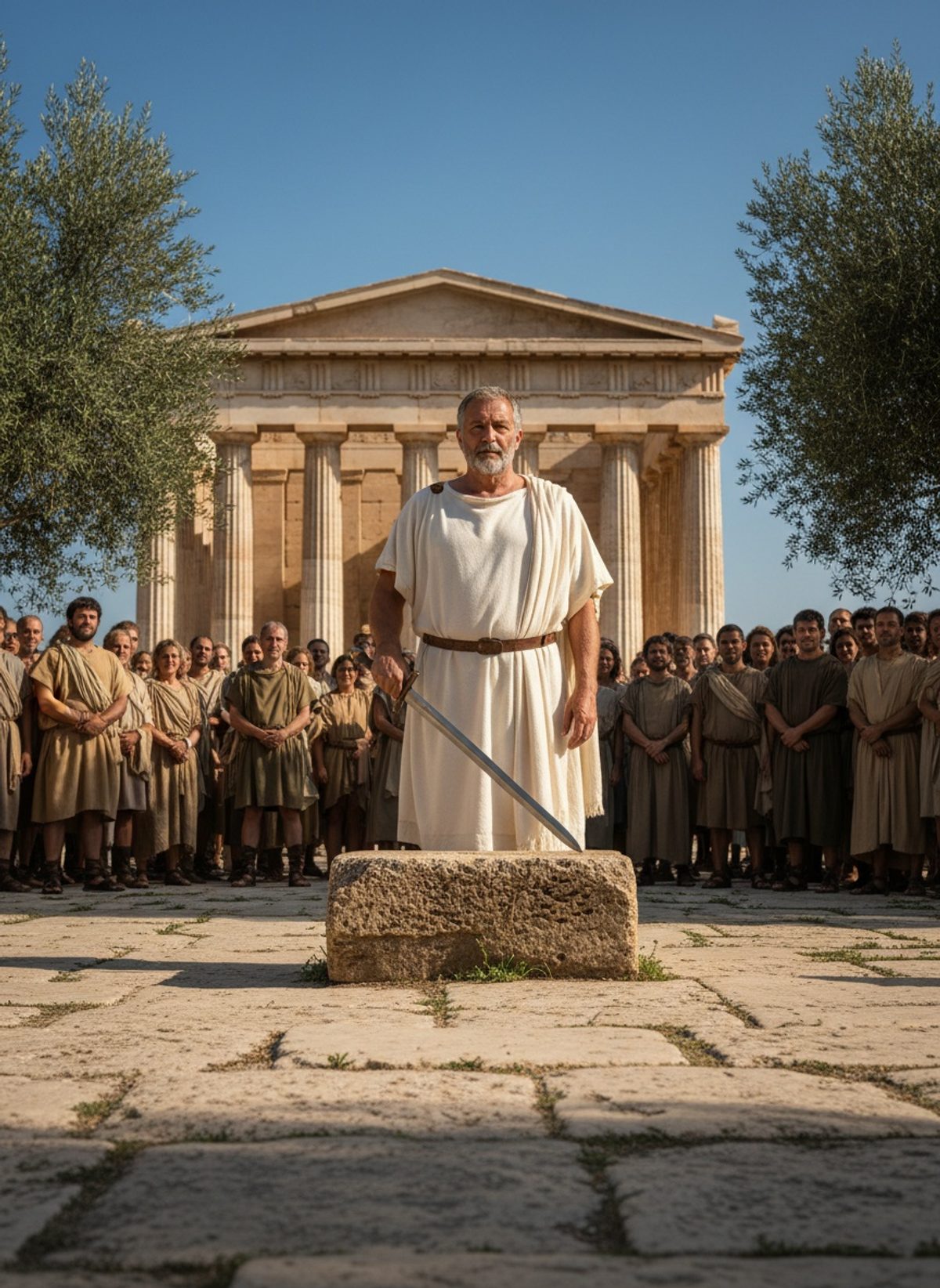
In the mid-sixth century BC, Samos was a powder keg of civil unrest. Out of this chaos rose Polycrates, a shrewd leader who turned turmoil into triumph. With just fifteen trusted men and his two brothers, Polycrates seized control of Samos around 540 BC, as detailed by the ancient historian Herodotus. His ascent was neither smooth nor gentle; he soon consolidated power by killing one brother, Pantagnotus, and banishing the other, Syloson.
Polycrates wasn't content to simply rule Samos. He aimed to dominate the Aegean Sea. Through a potent mix of naval prowess, strategic alliances, and sheer audacity, Polycrates expanded his influence far beyond the shores of his island. His navy was unmatched—its ships a testament to unrivaled maritime ability. The people of Samos found themselves at the center of a bustling hub of trade and power, their island transformed into the envy of rival city-states.
The Unyielding Mastery of the Aegean
Under Polycrates' rule, Samos flourished in unprecedented ways. Soon, he had secured control of numerous islands and even gained a foothold on the mainland, effectively turning the Aegean Sea into his private territory. His fleet of fifty warships patrolled the waters, confident no enemy could withstand their might. This amassed naval force was both a weapon and a tool, facilitating economic prosperity through control of crucial trade routes.
Read next: Leonidas's Rival Saved Greece. No One Remembered His Name.
But Polycrates didn't rely on brute force alone. He was an opportunist with a keen eye for alliances. He formed a formidable bond with Pharaonic Egypt—solidifying trade partnerships and cultural exchanges alike. This connection was vividly highlighted when Polycrates gifted a vast fleet to Pharaoh Amasis II, a pledge of unity and shared dominance.
Despite—or perhaps because of—his ambitions, Polycrates earned a reputation for hubris. He believed himself divinely favored, a notion bolstered by his luck in battle and politics. One particularly striking tale reveals that when a precious emerald ring was cast into the sea as an offering to the gods, it astonishingly returned to him in the belly of a fish. This episode further convinced him of his invincibility.
The Courting of Danger
As convenient and rewarding as his choices seemed, his belief in destiny would eventually spell his downfall. While joy reigned in Samos and the tyrant maintained dominance of the sea, ominous clouds gathered on the horizon. The looming Persian Empire, far larger and fiercer than any local rival, was setting its sights ever westward. Under the directives of Darius I, the Persian Empire was extending its sprawl across the Greek states.
Polycrates, aware of the encroaching threat, carefully weighed his options. Herodotus tells us that he pondered aligning himself with Persia, yet such alliance would mean relinquishing autonomy—a prospect anathema to the fiercely independent ruler.
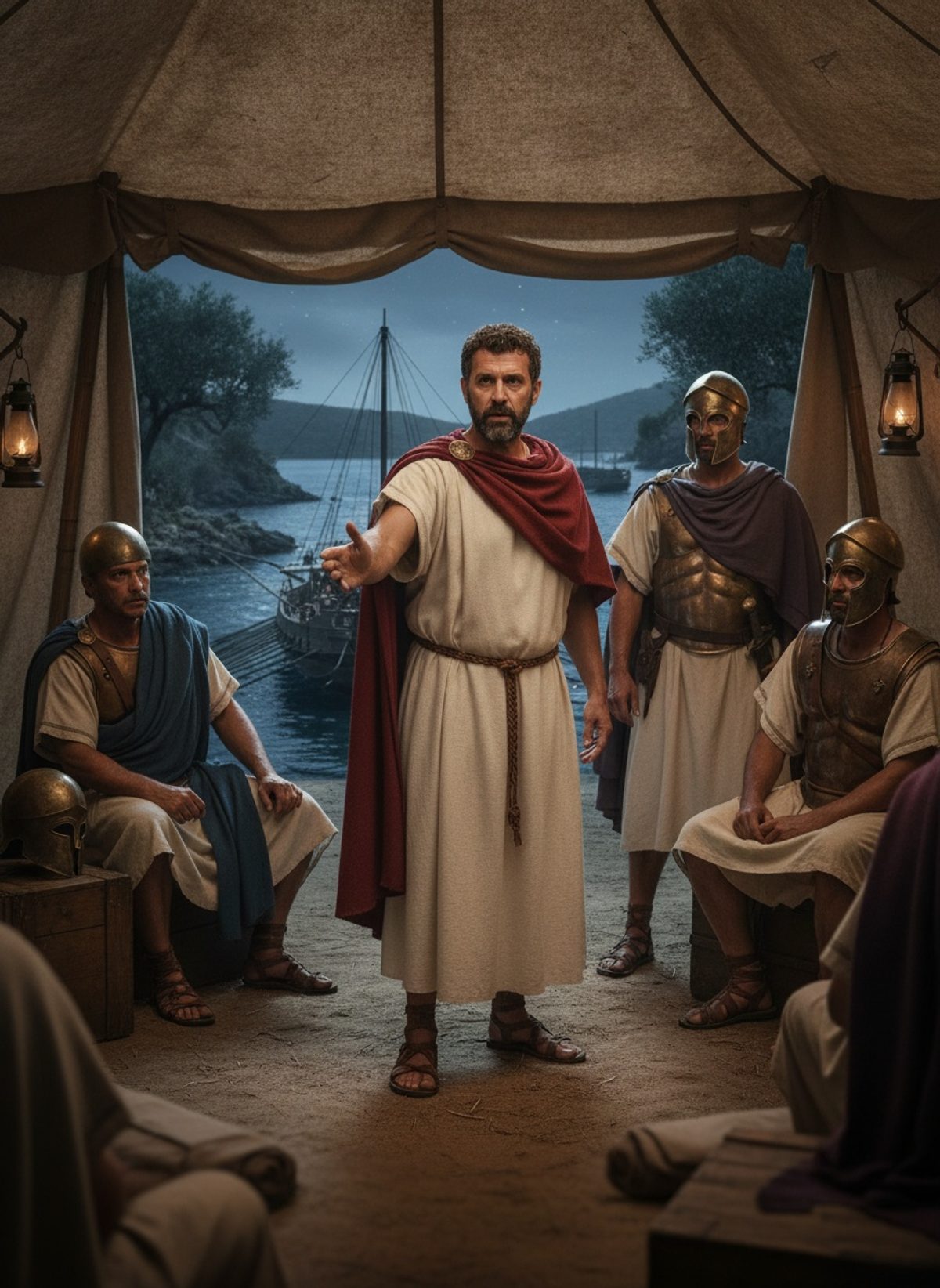
Unexpectedly, a Persian satrap named Oroetes saw an opportunity in Polycrates' fame. Oroetes set a trap—a plot sketched by pen rather than sword, contained within the folds of a singular letter. This letter ventured not through stormy seas but carried a proposal: a tempting pact of friendship and potential wealth. It was an offer designed to ensnare anyone with ambitions matching Polycrates'.
The Decision That Changed the Voyage
Samos' tyrant weighed the proposition. Was this an olive branch or a noose disguised in words? Ultimately, the allure of expanding his influence into Persian territory was too great to resist. Against the advice of his pharaoh ally Amasis, who had severed ties upon learning of Polycrates' intentions, he set out to meet Oroetes in Sardis.
Polycrates’ decision to heed the Persian letter—instead of cautious skepticism—sealed his fate. Setting course towards the awaiting Oroetes, he left the security of his domain, a risky step into treacherous waters.
The meeting at Sardis bore no token of diplomacy, only betrayal. Oroetes arrested Polycrates, marking the end not only of a powerful ruler but of Samos' golden era under his deft leadership. The finality of the event reverberated, its echoes still heard across Greece and beyond.
A Story Etched in the Seas
Polycrates never returned to Samos. The island, once buoyed by his might, found itself rudderless. The dominance they enjoyed at sea gave way to Persian overrun, as Syloson returned to rule under Persian grace—a stark reminder of the fragile nature of power.
The story of Polycrates serves as a timeless parable about the limits of ambition and the enduring forces of fate. Would Polycrates, so adept at wielding power, have succumbed if not for his own unchecked desires? The allure of an insatiable quest for expansion proved no less perilous than the tide against which he once sailed. In the end, his tale poses a poignant question: does ambition empower us, or does it ultimately consume us?