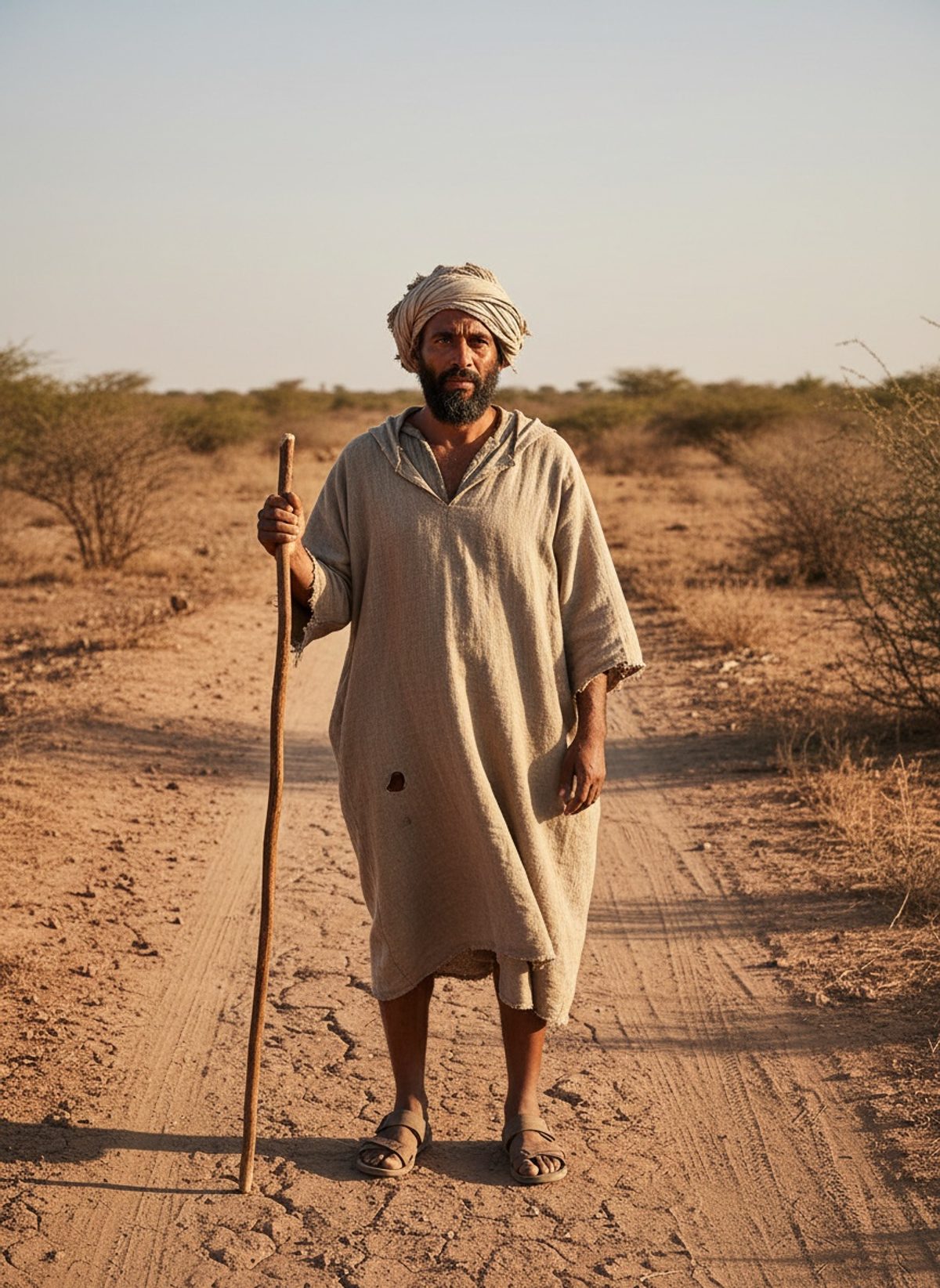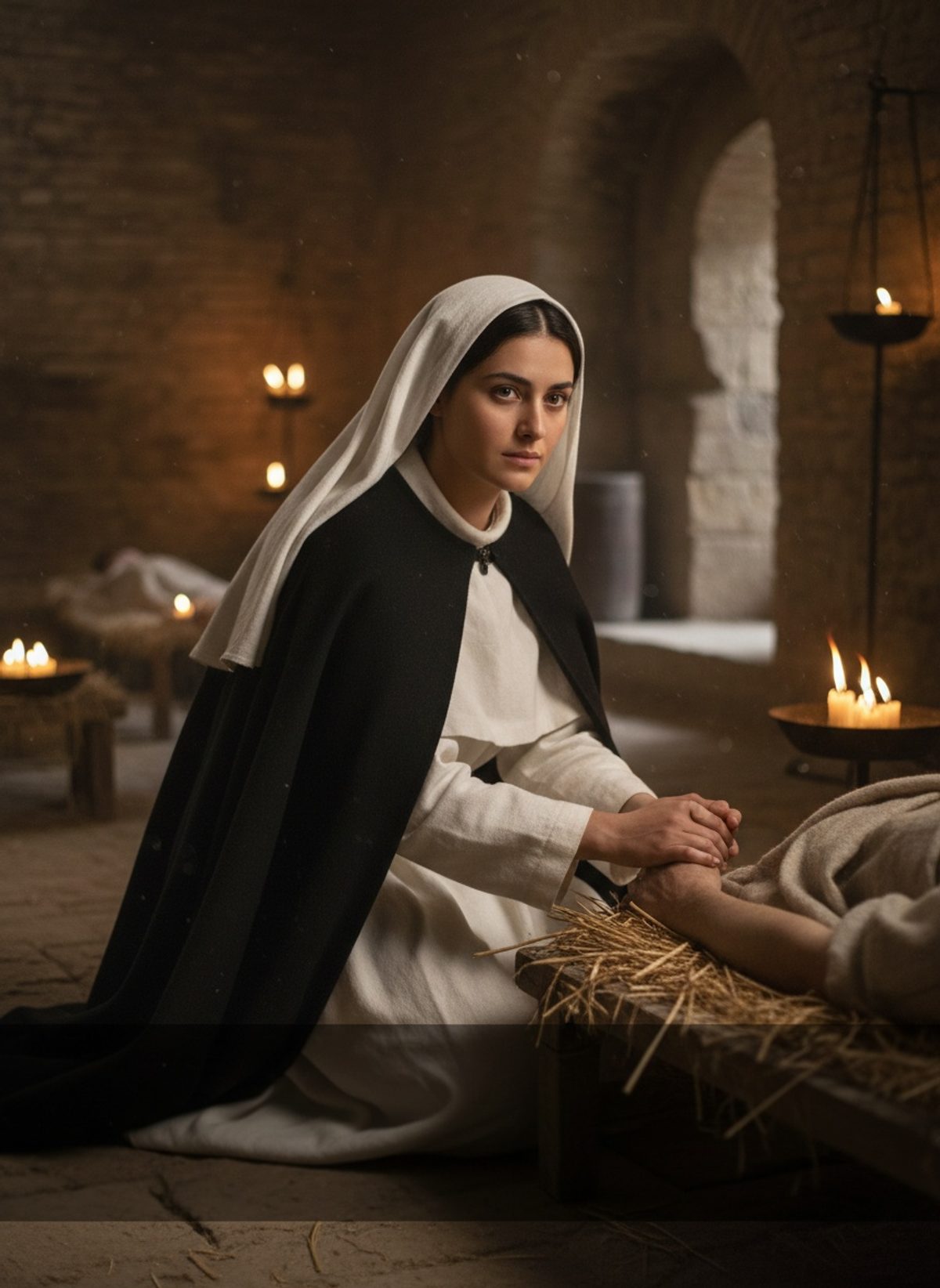
History remembers the conquest of Jerusalem by Saladin in 1187 as a campaign marked by mercy instead of massacre. Yet, just eighty-eight years earlier, the city's streets ran red with blood when conquered by Crusaders.
The Lion at the Gates
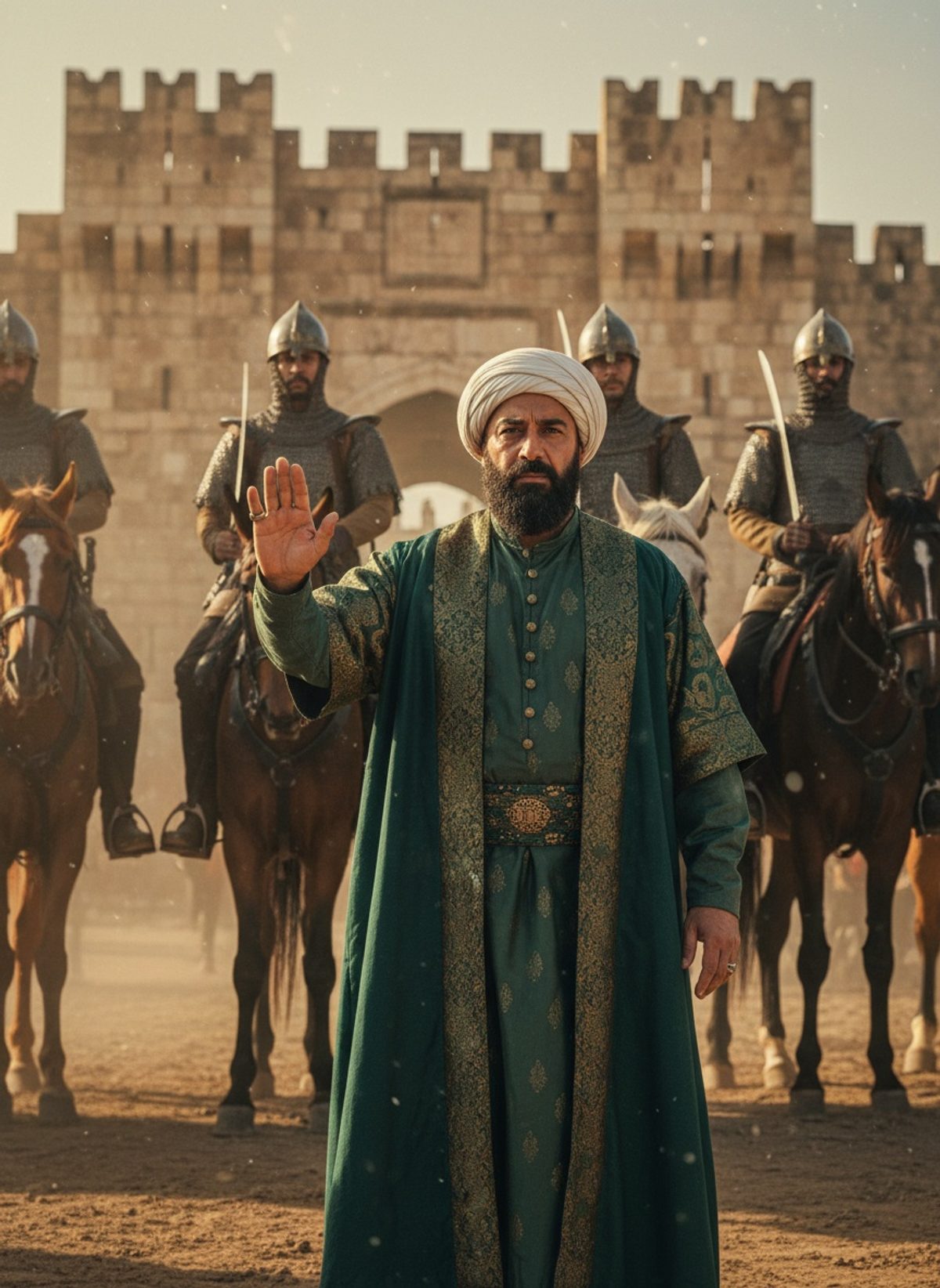
On the morning of October 2, 1187, Saladin, the formidable ruler of the Ayyubid dynasty, stood poised to reclaim Jerusalem. This was a moment of unparalleled significance. With victories across Egypt, Syria, and beyond, his power was unmatched. Born Salah ad-Din Yusuf ibn Ayyub, this Kurdish sultan was a stern force against the Crusader states. Known throughout the medieval world for his military prowess, the capture of Jerusalem was not the objective itself, but a milestone in his broader strategy for domination.
As he surveyed the ancient city, now standing at the head of the most powerful Islamic army of the time, expectations ran high. Many anticipated a reciprocal massacre, forecasting blood-stained streets as retribution for the horror of 1099 when the first Crusaders seized Jerusalem. Medieval chroniclers recounted how that earlier conquest saw inhabitants slaughtered mercilessly, leaving towers littered with bodies. Saladin, however, had other plans.
An Unprecedented Act of Clemency
Instead of unleashing his troops, Saladin offered a surprising ultimatum: surrender the city and its people would be spared. This was not the norm for medieval warfare, an era where victory often coupled with carnage as a final humiliation. Even his advisors urged for a harsher course, one that would satiate the desire for revenge among his soldiers, yet Saladin opted for a different path, a testament to his vision of what true strength entailed.
Read next: Margery Kempe Stood Before the Archbishop. She Would Not Be Silent.
The city's defenders, led by Balian of Ibelin, chose negotiation over annihilation. It was agreed that citizens could ransom their lives, paying a fixed sum to secure safe passage out of the city. However, countless could not afford this fee. Saladin’s response was one of generosity: those unable to pay were freed, demonstrating that his patronage and reputation were built as much on compassion as on conquest.
Contemporary chroniclers expressed astonishment at this clemency. A warrior famed for his determination, Saladin was proving to be a nuanced leader, breaking the cycle of vengeance that so often plagued his era. It was an act that puzzled and impressed both foes and followers, enlarging his legend across the Christian and Islamic world alike.
A City Respected, Not Ruined
The days following the surrender saw orderly evacuations rather than the chaos of sacking and pillage. With astonishing coordination, the Christians, shielded by Saladin's men, began to leave. Amidst the larger convoy departing Jerusalem, a stark contrast to the frantic flights commonly associated with fallen cities, the scene spoke of a disciplined execution of mercy.
Saladin's entrance into Jerusalem was not marked by triumphalist spectacle but rather by solemnity and reflection. Sources describe how he wept upon entering the city. These tears were not of sorrow, but of profound recognition of the town's spiritual significance to Islam and the broader Abrahamic traditions. His actions ensured the holy Christian sites remained unharmed and respected the city's importance to all faiths. By doing so, he drew a stark distinction between his reign and the devastation wrought by the earlier Crusaders.
The strategic advantages of such actions were not lost on Saladin. Demonstrating respect for the Christian population and sites helped consolidate his hold on the region, sending a message of cooperation and mutual respect, even in conquest. Diplomatically, it endowed him with a moral standing that would resonate long after his subsequent campaigns.
The Echoes of Mercy
Though Saladin's conquest of Jerusalem marked a critical victory in the region, it was his display of character that continued to echo through the corridors of time. His decision to show mercy rather than wielding the sword shaped his historical legacy, projecting an image that defied the monolithic portrayal of medieval warfare as entirely brutal and unforgiving.
This act of clemency became a benchmark against which both adversaries and successors would measure their conduct in conflict. Saladin's choice presented a narrative of human dignity amid the throes of medieval power struggles, offering a chapter of civility in a period often perceived as solely driven by force. In a world fractured along religious lines, his actions became a bridge, inviting dialogue over discord.
In contemplating Saladin's actions in 1187, we witness more than a military victory; we see a philosophical triumph that proposed that true power lies in restraint, not rage. Jerusalem's fall showed that even in an era characterized by war, mercy could chart a new course toward enduring respect and peace. Thus, the story of Saladin stands as a poignant illustration of how moral choices not only forge enduring legacies but illuminate paths for future reconciliation, inspiring narratives of hope and humanity in the annals of history.