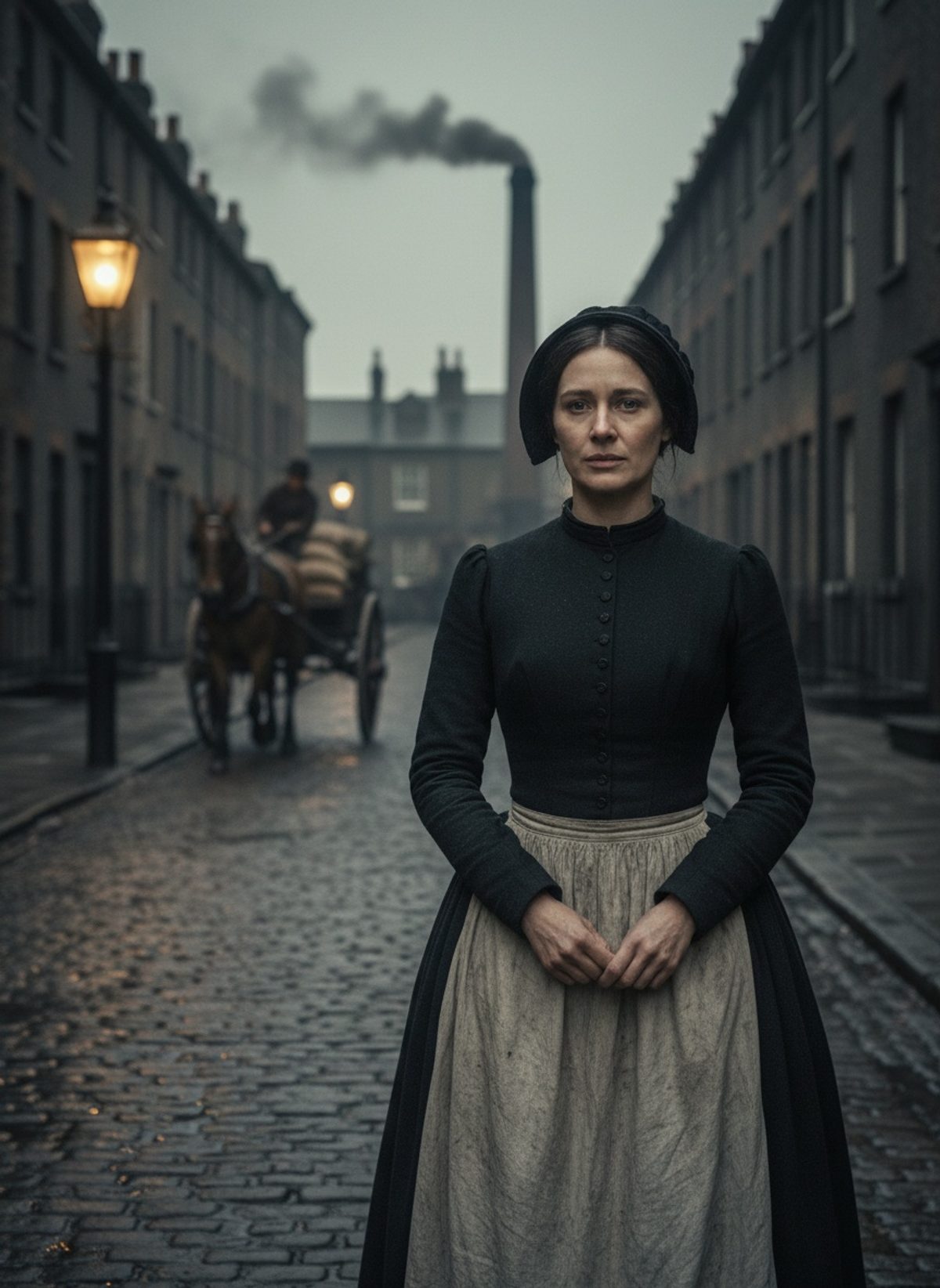
October 4, 1886. The morning mist lingered stubbornly over the cobblestone streets of London, shrouding the gas-lit city in a cloak of the unknown.
Defying Convention: The Women Who Chose Hardship
In an age when the shadows of chimney sweeps seemed matched only by the shadows cast over women's rights, the late Victorian era stood as a paradox of progress and restriction. Women of this period faced colossal hurdles. Yet, amidst the stifling confines of societal norms, some defied the era's expectations, choosing a path laden with adversity and daring.
For a working-class woman in 1880s London, life was a dance on a razor's edge. Many worked 14-hour days in factories fraught with peril, exchanging their youth and strength for a meager wage. Beneath layers of soot and sweat lay a spirit that refused to be dimmed. The same hands that pieced together a family's bread also wielded the resolve to carve out change, even when the society at large offered no refuge from their trials.
These extraordinary women saw their lives not as static prisons but canvases upon which they could imprint their wills. Some adopted revolutionary garments, controversially swapping corsets for more liberating attire, even as it risked public scorn — a silent rebellion echoed in every unencumbered step they took.
Read next: Yasuke Walked Into the Castle. Nobunaga Wept.
Victorian London: Light and Shadow
Victorian London was a city of contrasts, where opulence and squalor collided. Gas-lit drawing rooms of the affluent cast a comforting glow on polished mahogany and plush velvet, while mere blocks away, open sewers carved through districts like festering wounds. The city was a living entity, breathing in an air heavy with coal dust and exhaling a foul miasma that clung to its inhabitants.
Despite the oppressive conditions, the Victorian era was characterized by an unprecedented flourish of invention and thought. It was a time when Charles Darwin challenged the established order and industrial advances heralded a new frontier of technology. Under this blanket of innovation, women began to question the restrictions laid upon them — unable to vote, own property, or seek divorce, their very autonomy was often shackled.
Yet, it is precisely these contradictions of choice that fueled the fires of change. Midst open sewers and crumbling tenements, the ground was fertile for ideas of autonomy and rights to take root and flourish, even if only in whispered conversations or the written word passed discreetly hand to hand.
The Silent Sufferers and Voices of Change
The unseen battles fought by Victorian women were as varied as they were significant. Each stitch drawn through a piece of fabric, or each coin saved for a family dinner, was a testament to their survival and resilience. The omnipresent specter of childbirth — a harrowing ordeal often endured without painkillers — saw many women face the ultimate sacrifice, leaving behind infants doomed to infancy's treacheries.
These struggles birthed champions of reform, their names whispered with reverence and disdain across the intricate social web. Through intrepid articles in radical bulletins and pamphlets distributed in quiet alleys, they sowed seeds of enlightenment that would, in due time, bear fruit.
Within such constraints, women found solace in small revolutions. Illuminated by gaslight, clandestine gatherings thrived, offering a voice to those often silenced. Whether in smoke-filled tea rooms or austere lodges, conversations ignited a collective consciousness that demanded change.
The Woman Who Couldn't Be Broken
An intriguing case study in the narrative of Victorian female defiance was the extraordinary woman who faced unimaginable challenges head-on. She lived amid a society structured to deny her basic liberties, yet she harnessed the very forces designed to confine her as tools of liberation.
The darkened, gas-lit alleyways of London bore witness to her unwavering tenacity. Though expected to yield to her husband's every whim, she found ways to assert herself in the only domains open to her. Through skill and cunning, she managed to carve out a semblance of independence, securing a fragile financial footing by turning personal adversity into opportunity.
Her story was not one of grandiose acts but of incremental victories. Each one an astonishing testament to the human spirit's indomitability against the grindstone of institutional inequity.
The Enduring Spirit of Choice
In the vast tapestry of history, the late Victorian era stands out as a monument to the audacity of those who dared to demand more from life, despite formidable resistance. The tumultuous trials endured by the women of this age draw a stark portrait of struggle, yet they encompass within them threads of resilience and ingenuity.
The extraordinary women who navigated this viper's nest of challenges and inequalities emerged not unscathed, but certainly unbroken. Their decisions to step boldly into the restricted roles they were born to contemplate the very nature of choice and freedom itself. As much as their corsets and crime-ridden streets tried to crumple their spirit, they chose to persevere, influencing generations of revolutionaries who would light the path to a more equitable future.
In celebrating these lives of quiet defiance, we are reminded of the enduring power of choice and the relentless march toward a horizon brimming with the promise of equality and rights for all.