104 stories
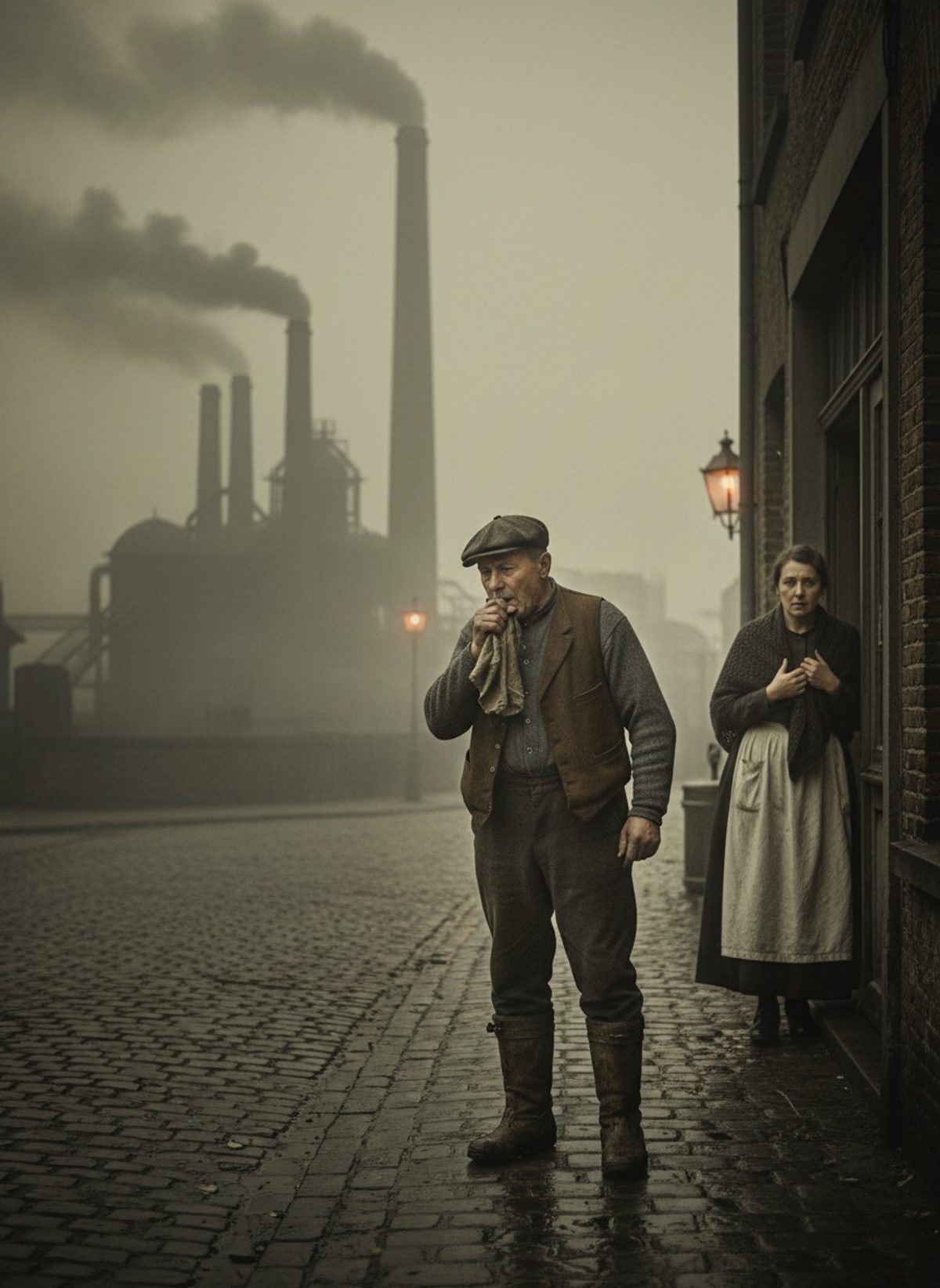
December 1930. A valley in Belgium. The air stopped moving. Factories poured smoke into a trapped layer of fog. Sixty people died in seventy-two hours. The world's first industrial air disaster — and almost no one remembers it.
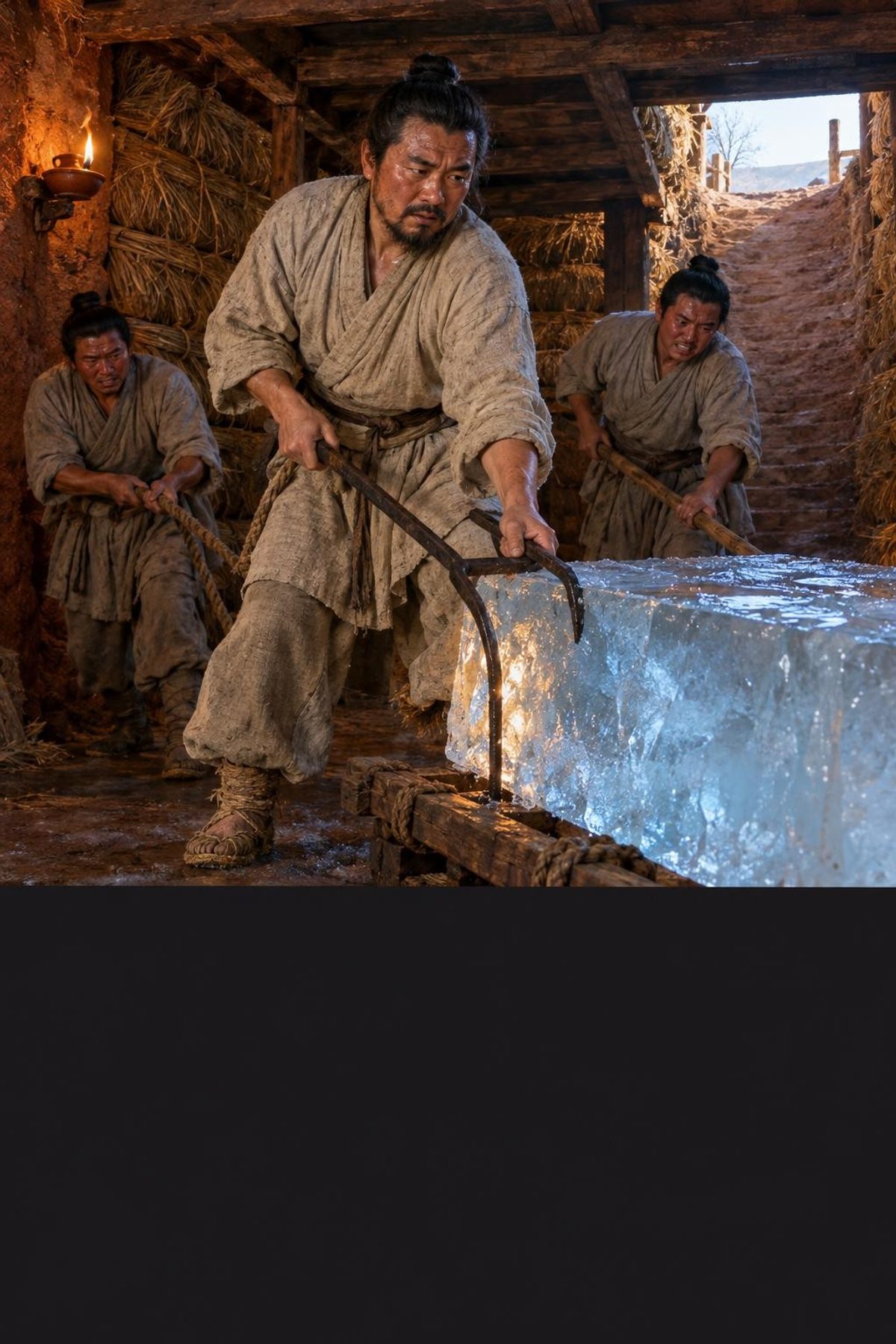
Summer in Chang'an. The emperor's banquet waited. Workers had spent the winter cutting blocks from frozen rivers. They buried them deep in straw-lined pits. Months later, they hauled them out. The ice was still there.
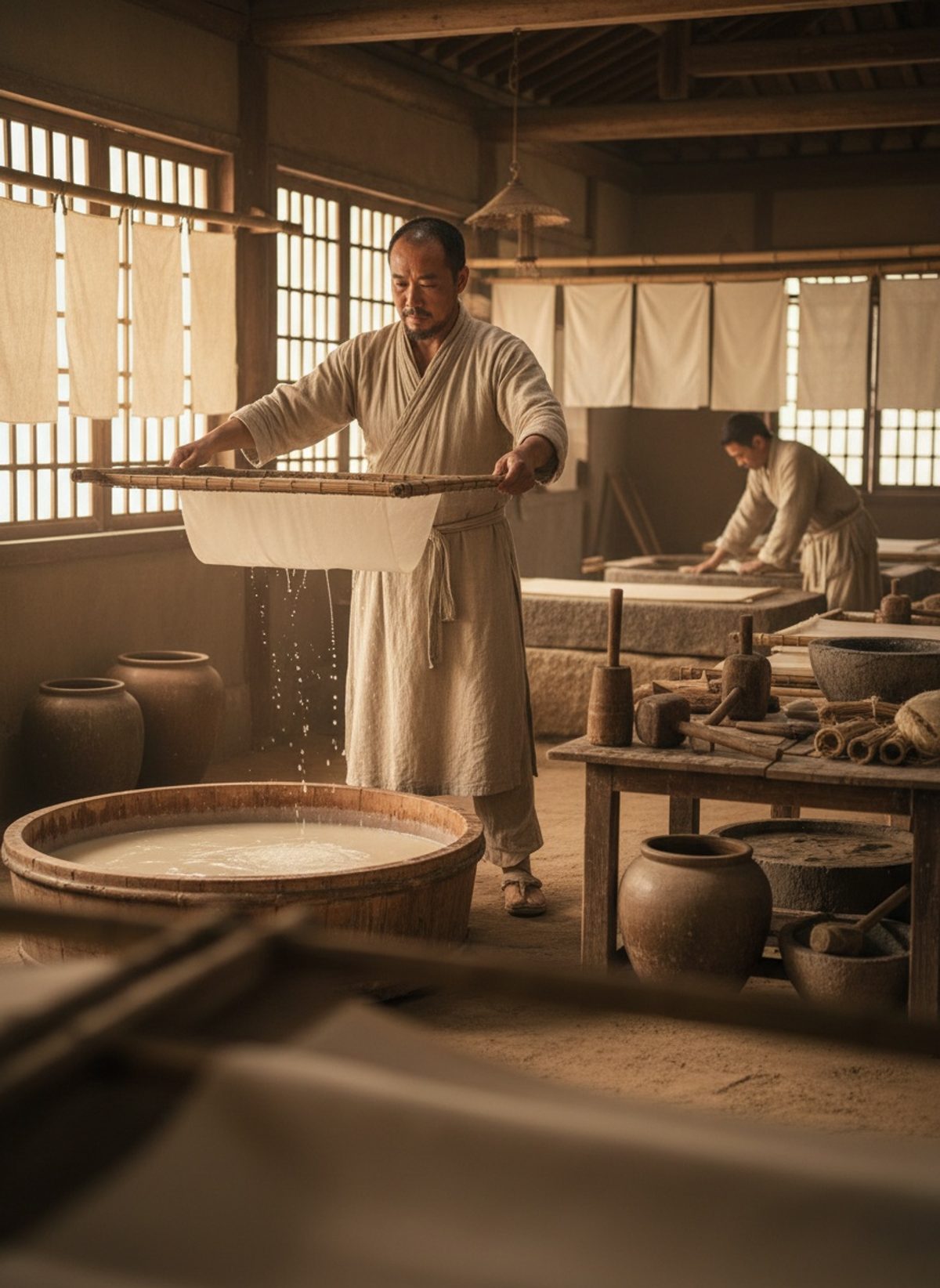
Tang China. A workshop in Yangzhou. Workers soaked bamboo. Beat it. Pressed it flat. Dried it in the sun. The sheet that emerged would carry poetry, law, medicine, and trade across half the world. One craft changed everything.
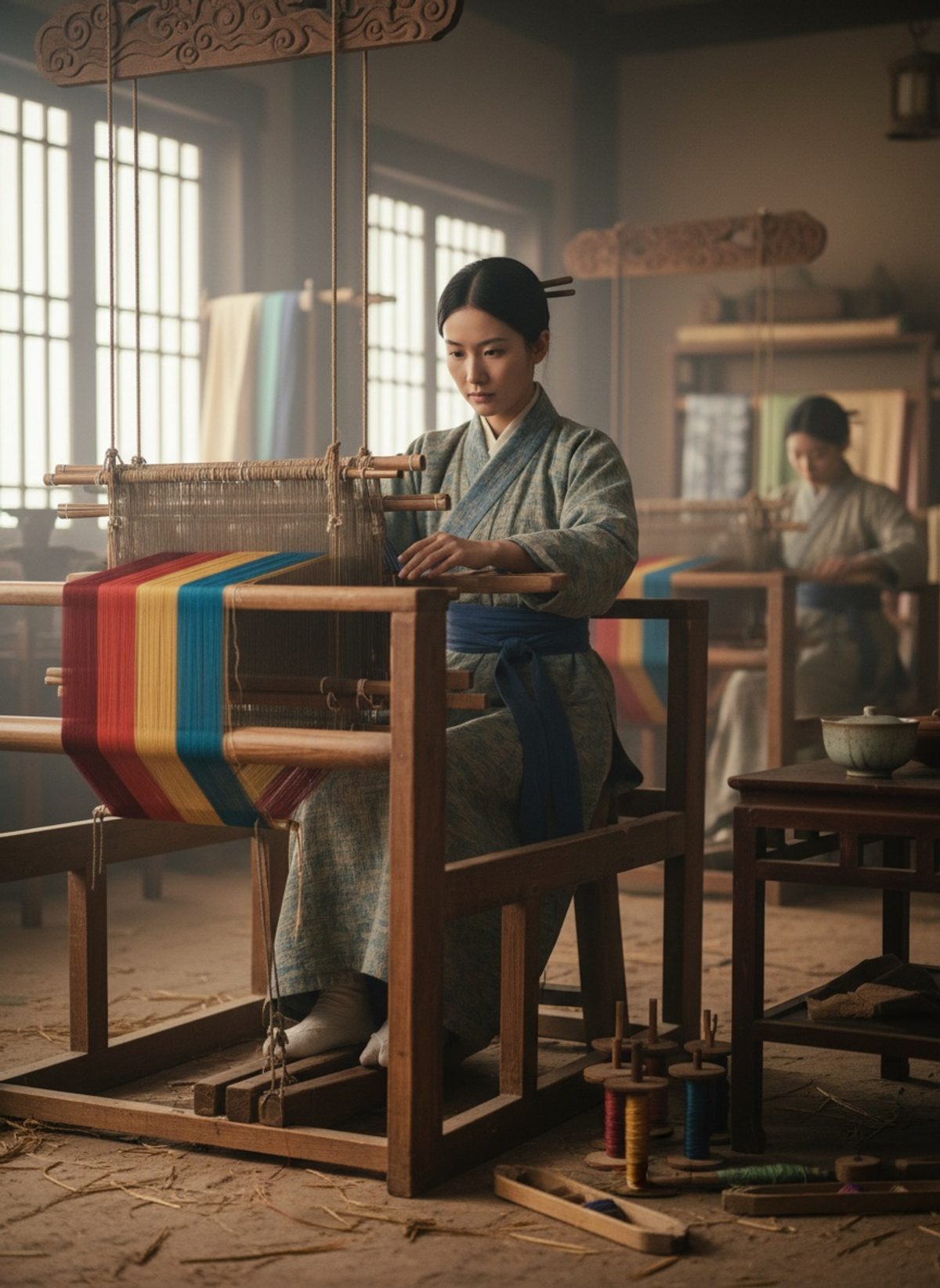
Chang'an, 750 CE. The city held a million souls. In its weaving districts, women worked looms taller than men. Silk was currency. Silk was power. One bolt could buy a horse. The hands that made it were never still.
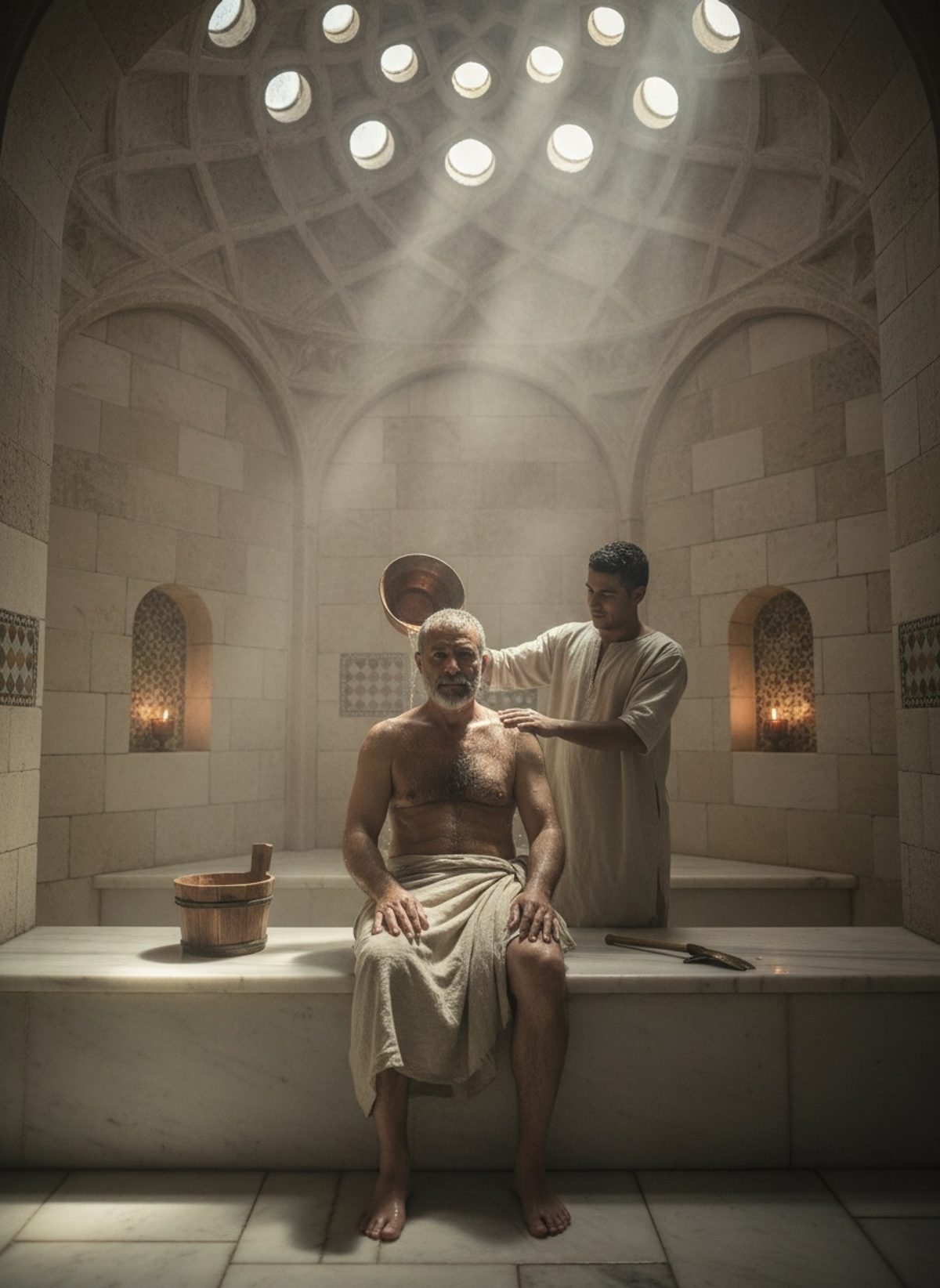
Baghdad. 900 CE. The city had over 60,000 public bathhouses. Rich and poor entered the same door. Attendants scrubbed, oiled, and cupped the skin. Physicians prescribed the hammam as medicine. No court. No rank. Just steam.
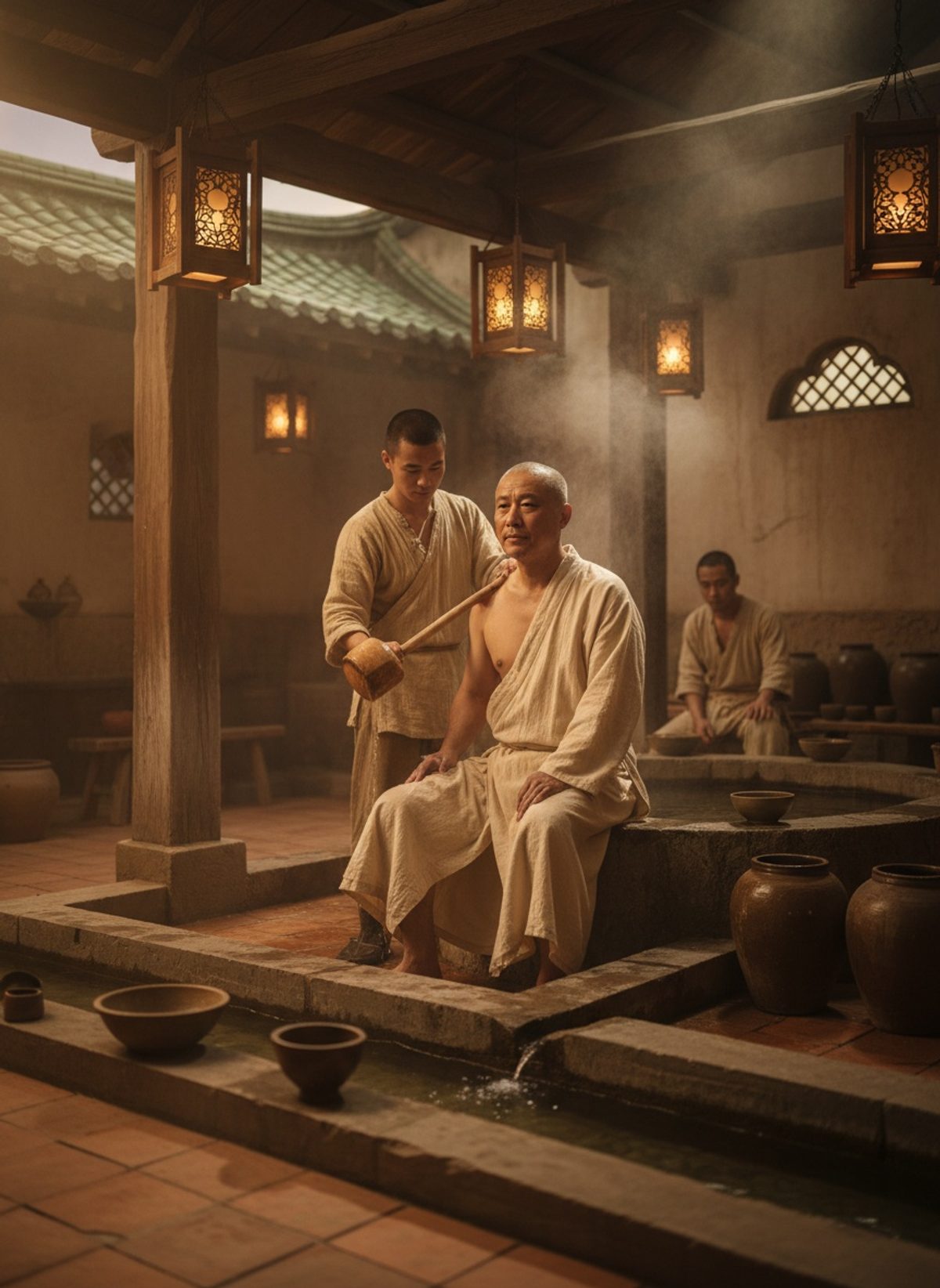
Tang China, 800 CE. The bathhouse was open before dawn. Merchants, monks, and labourers queued together. Inside, hot spring water ran through stone channels. The attendant scrubbed every back the same.
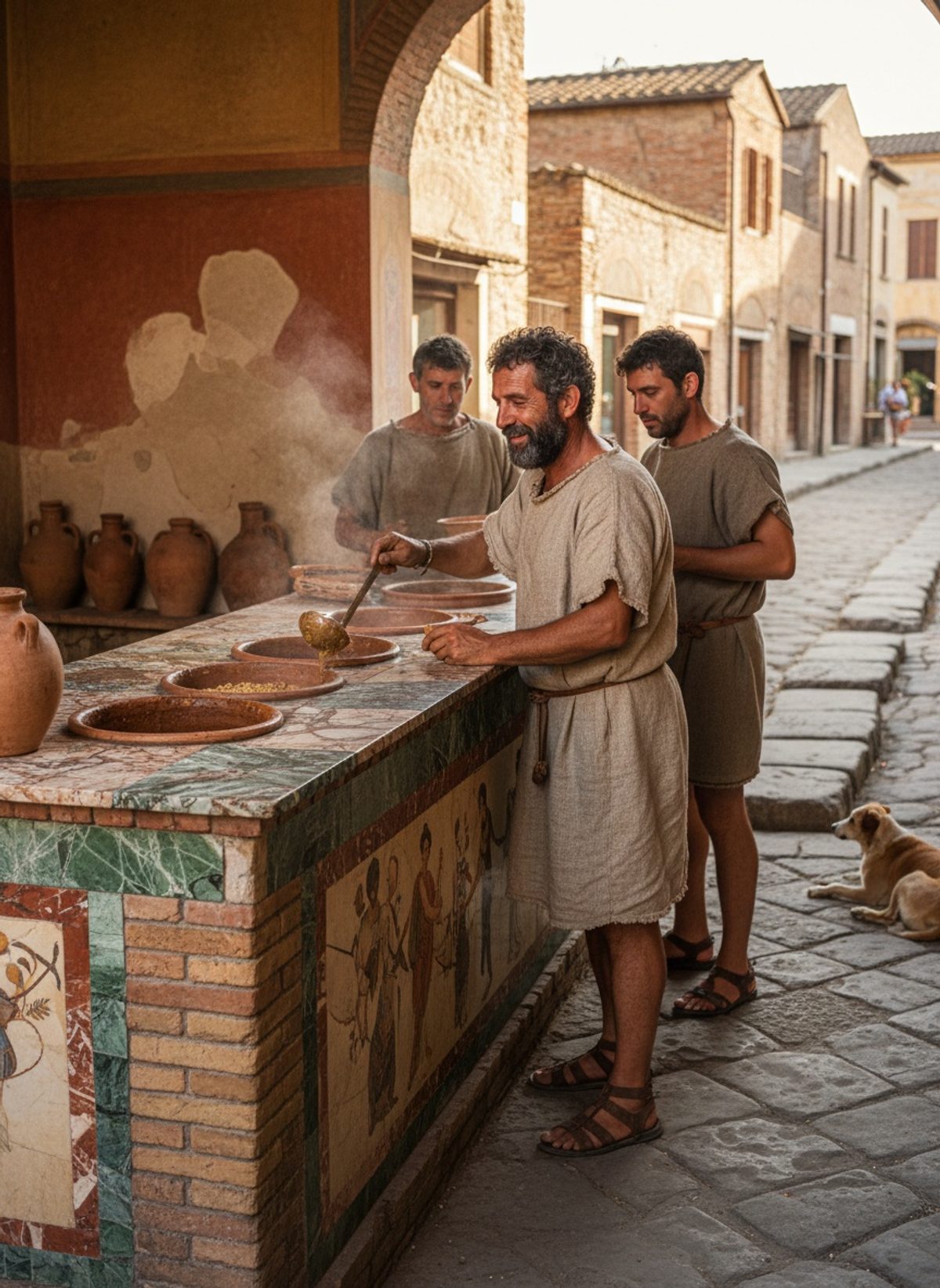
Pompeii. 79 CE. The city hums before the volcano. At the corner thermopolium, a slave ladles hot lentil stew from a sunken terracotta jar. The counter is marble. The crowd is real. This is where Rome ate every day.
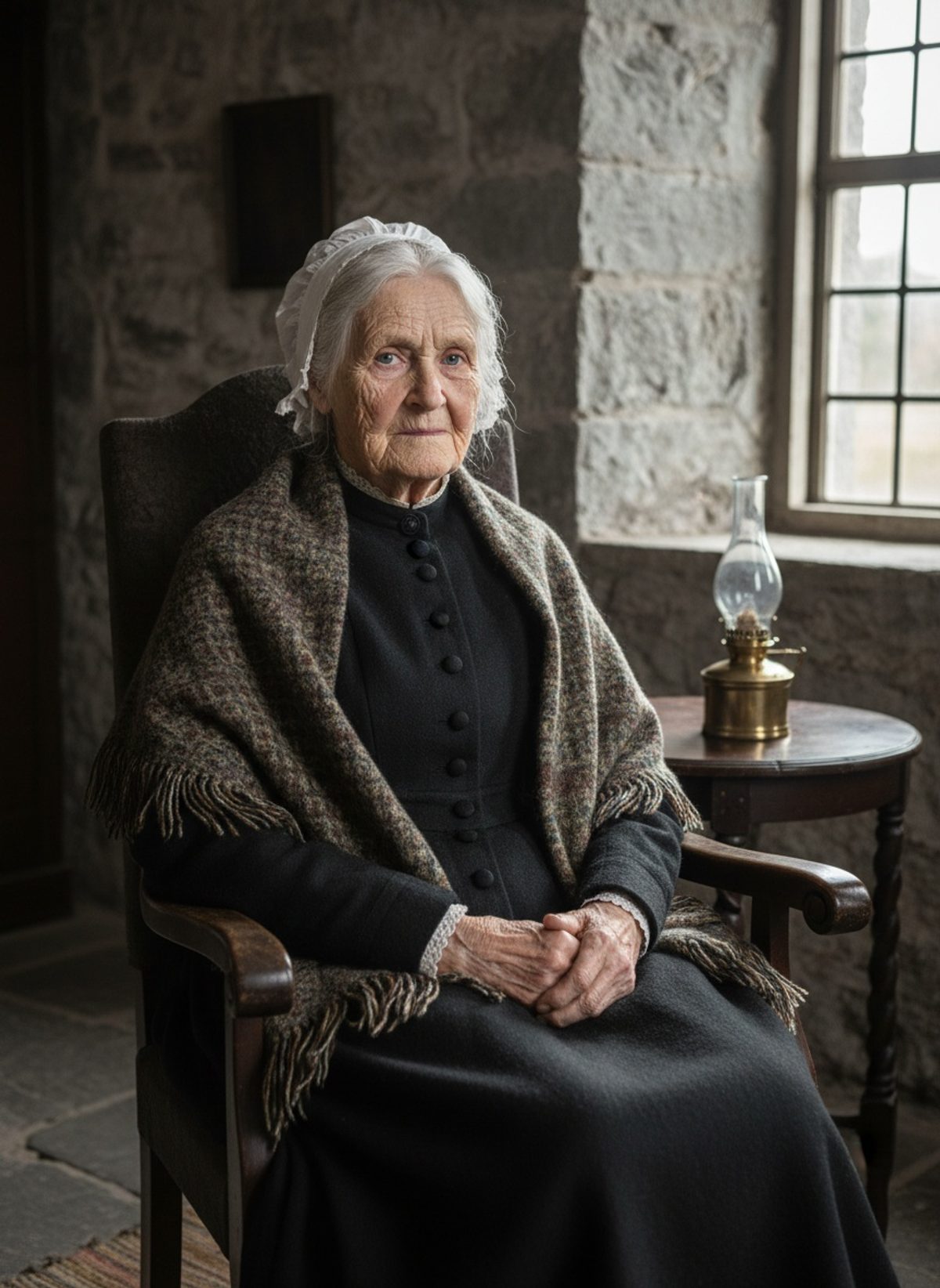
Margaret Ann Neve was born in 1792. She died in 1903. She lived 110 years across three centuries — watching empires fall, industries rise, and the world transform beyond recognition.
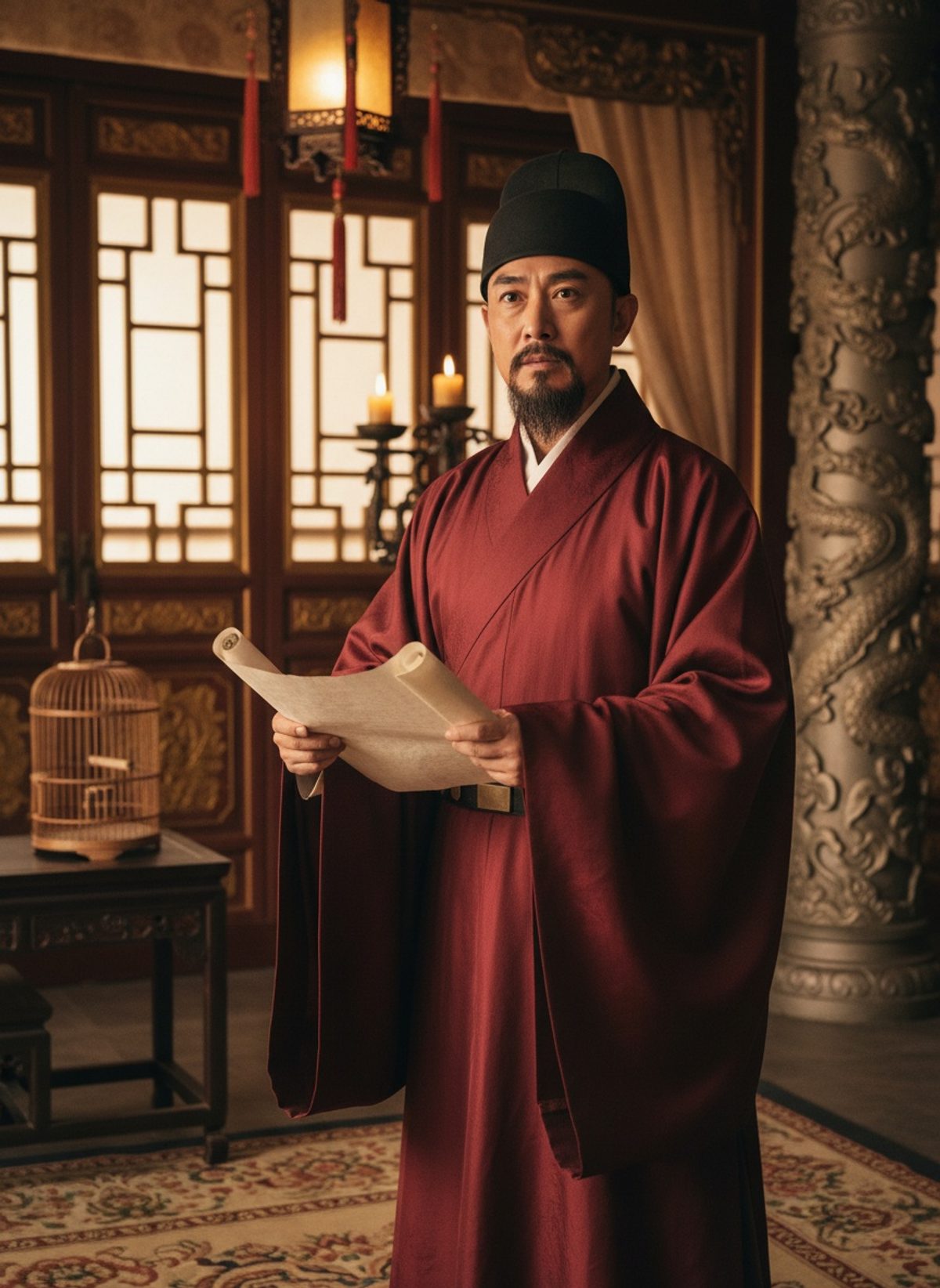
Tang China. 820 CE. A court official watched a caged sparrow die. He wrote the emperor a letter. Not about war. Not about taxes. About mercy. The emperor read it. Then he opened every cage in the palace.
Einstein hated washing dishes. So he stopped. He cooked his egg directly in his soup — same pot, same heat, zero extra cleanup. His friends called it genius. He called it obvious.
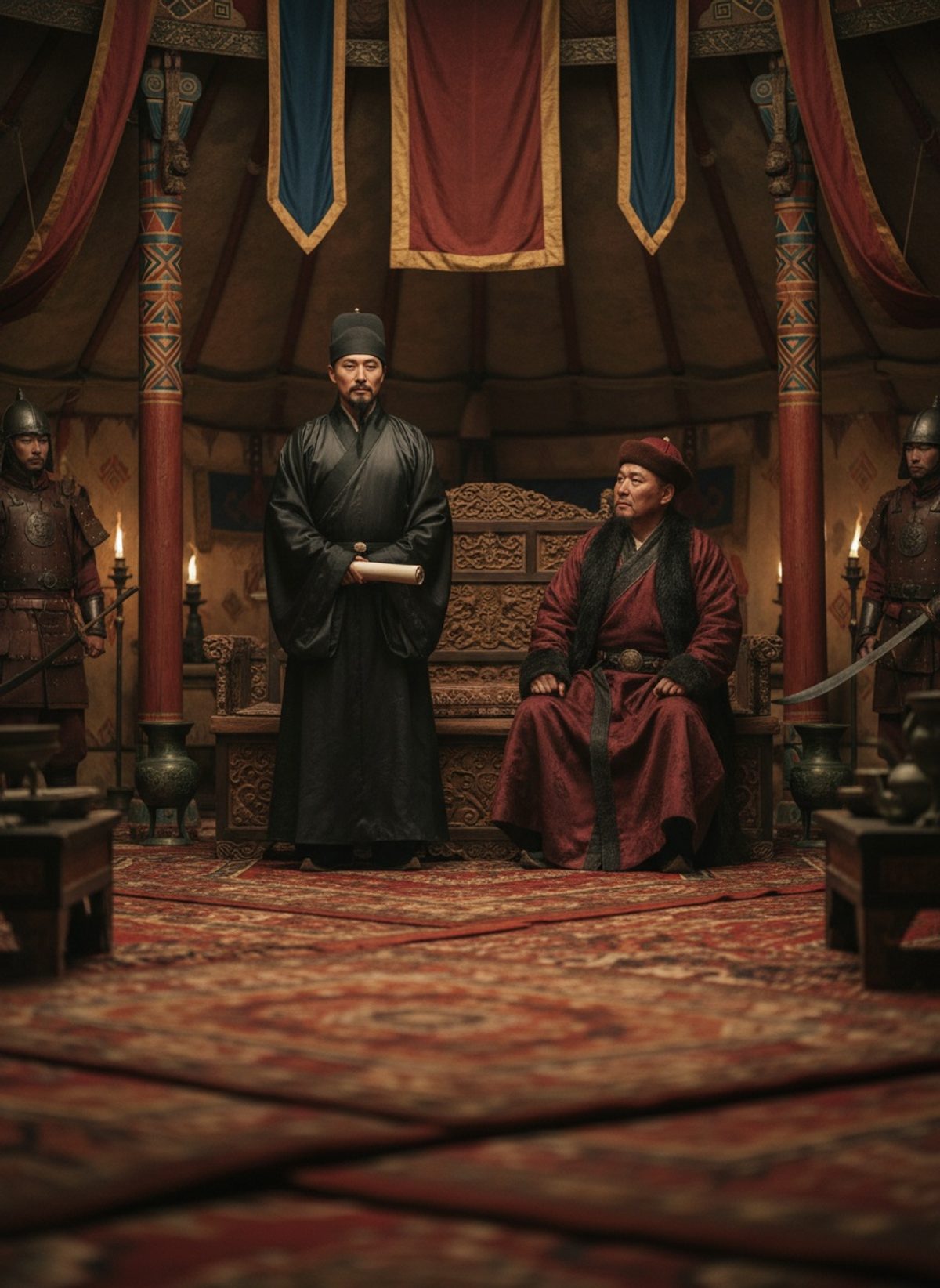
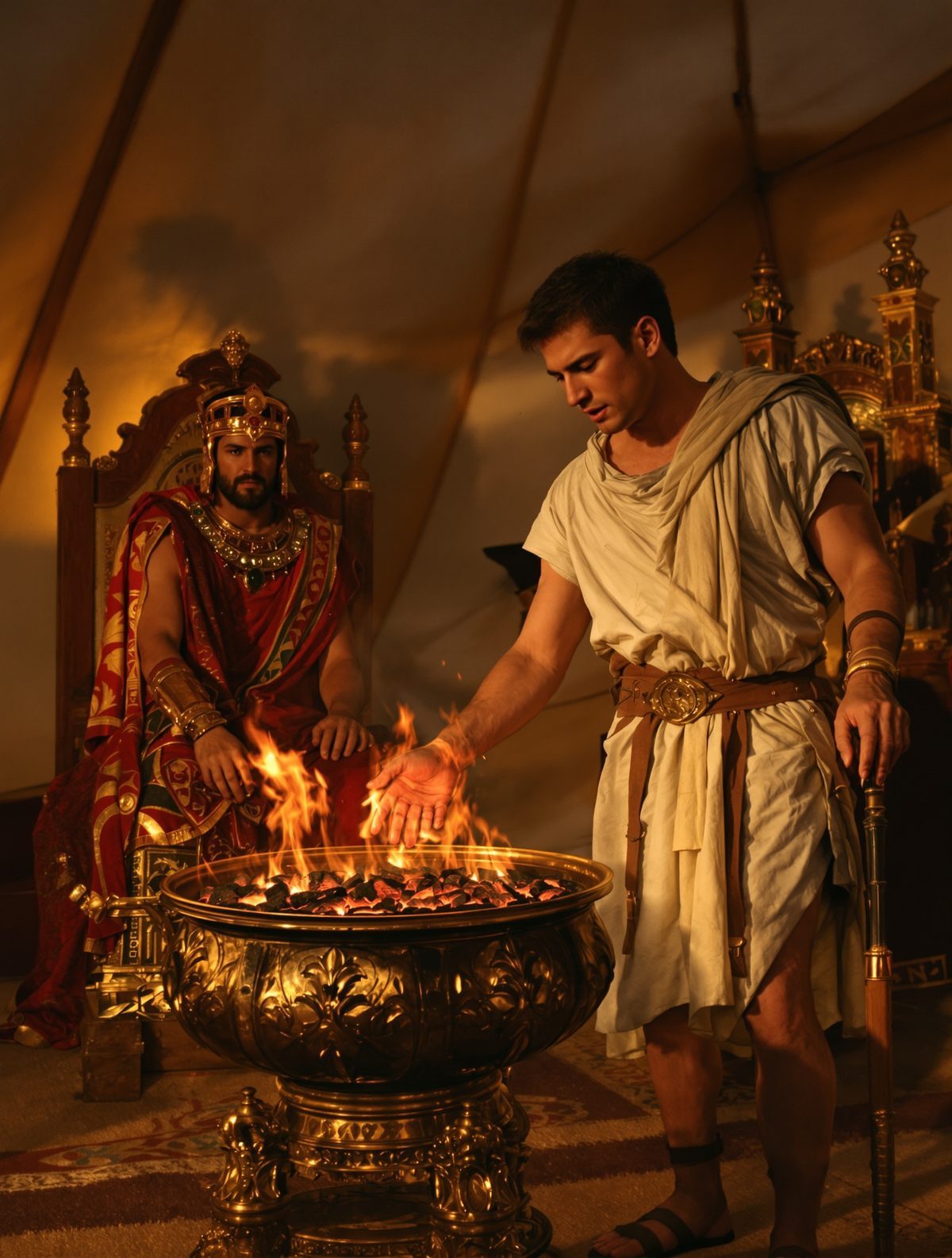
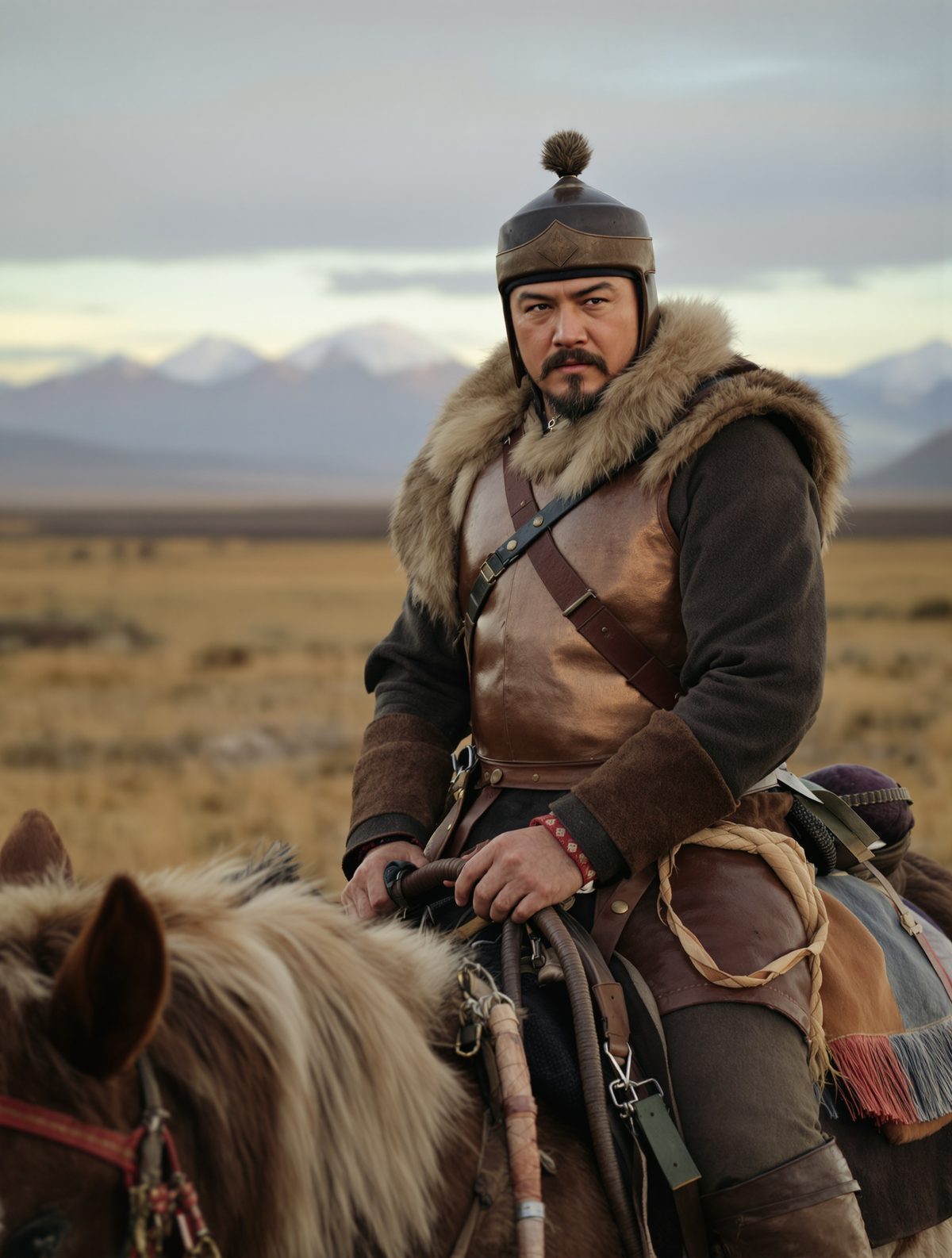
1251. The Mongol court was absolute. A Chinese official named Yelu Chucai stood before Ögedei Khan. He listed the names. One thousand enslaved Chinese. He asked for their lives. The Khan listened.
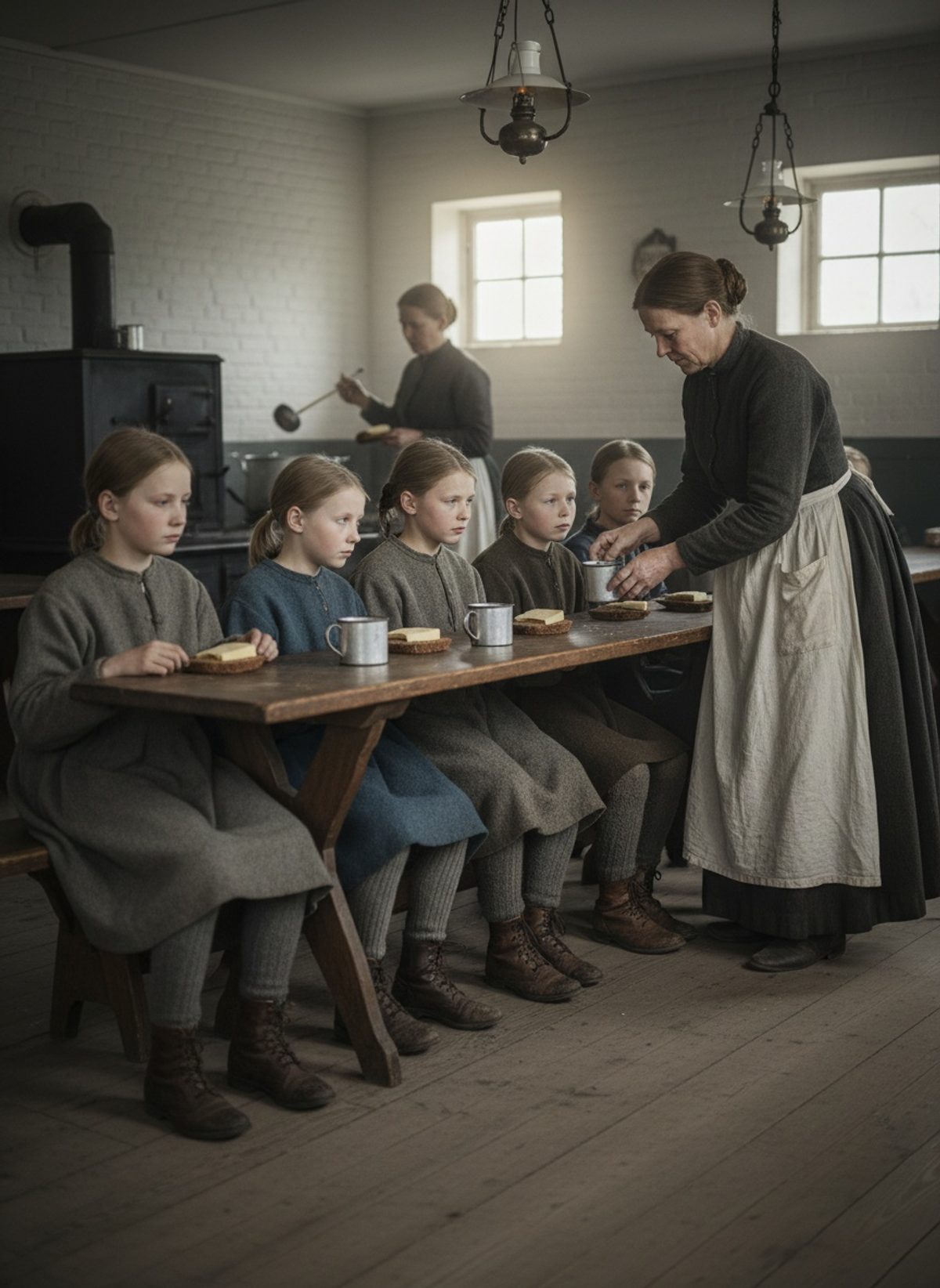
While Europe's children starved, one Scandinavian city ran an experiment. Daily milk. Cod liver oil. Rye bread with cheese. Within a decade, the data was undeniable. Every government wanted to know how they did it.
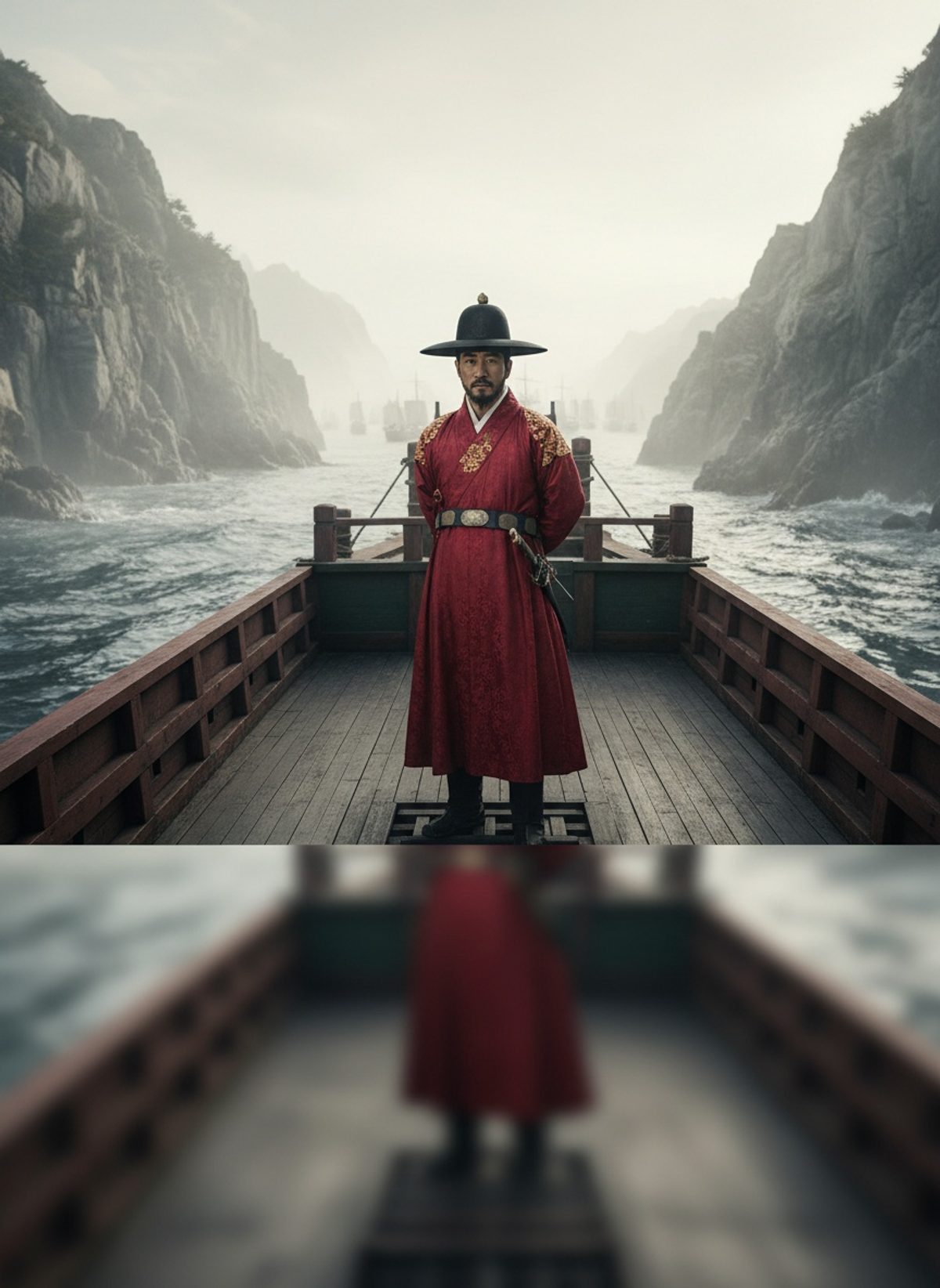
1597. Korea's navy was gone. Thirteen ships remained. Admiral Yi Sun-sin sailed them into the strait. The Japanese sent three hundred. He sank half. Not one Korean ship was lost.
Eight days after Pearl Harbor, Ruth Lee went sunbathing in Miami. She brought a Chinese flag and laid it beside her on the sand. One photograph. A nation's fear captured in a single afternoon.
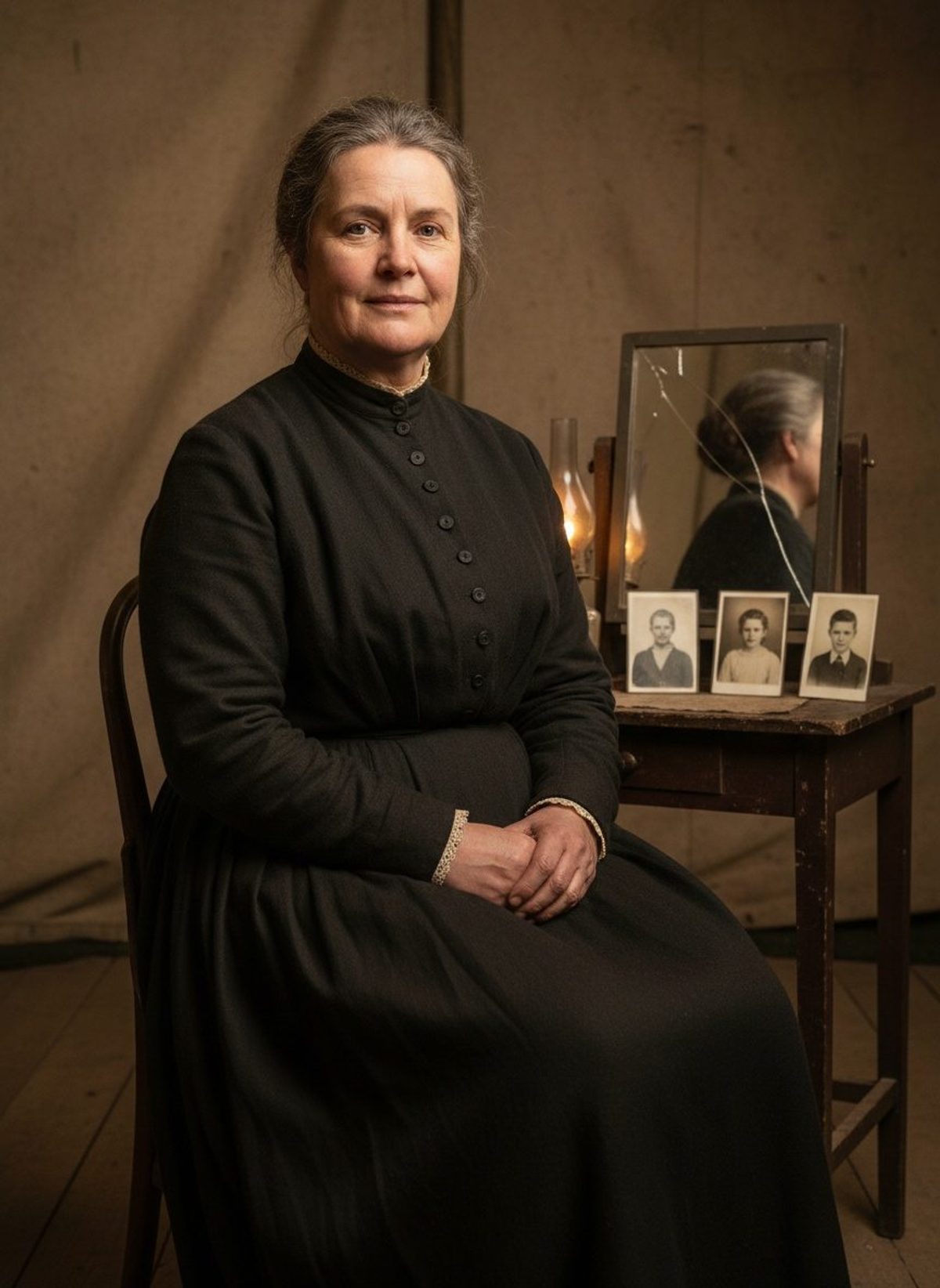
Victorian women survived childbirth, no painkillers, 14-hour workdays, and corsets that cracked ribs. They had no vote, no divorce, no bank account. And yet — some chose it anyway.
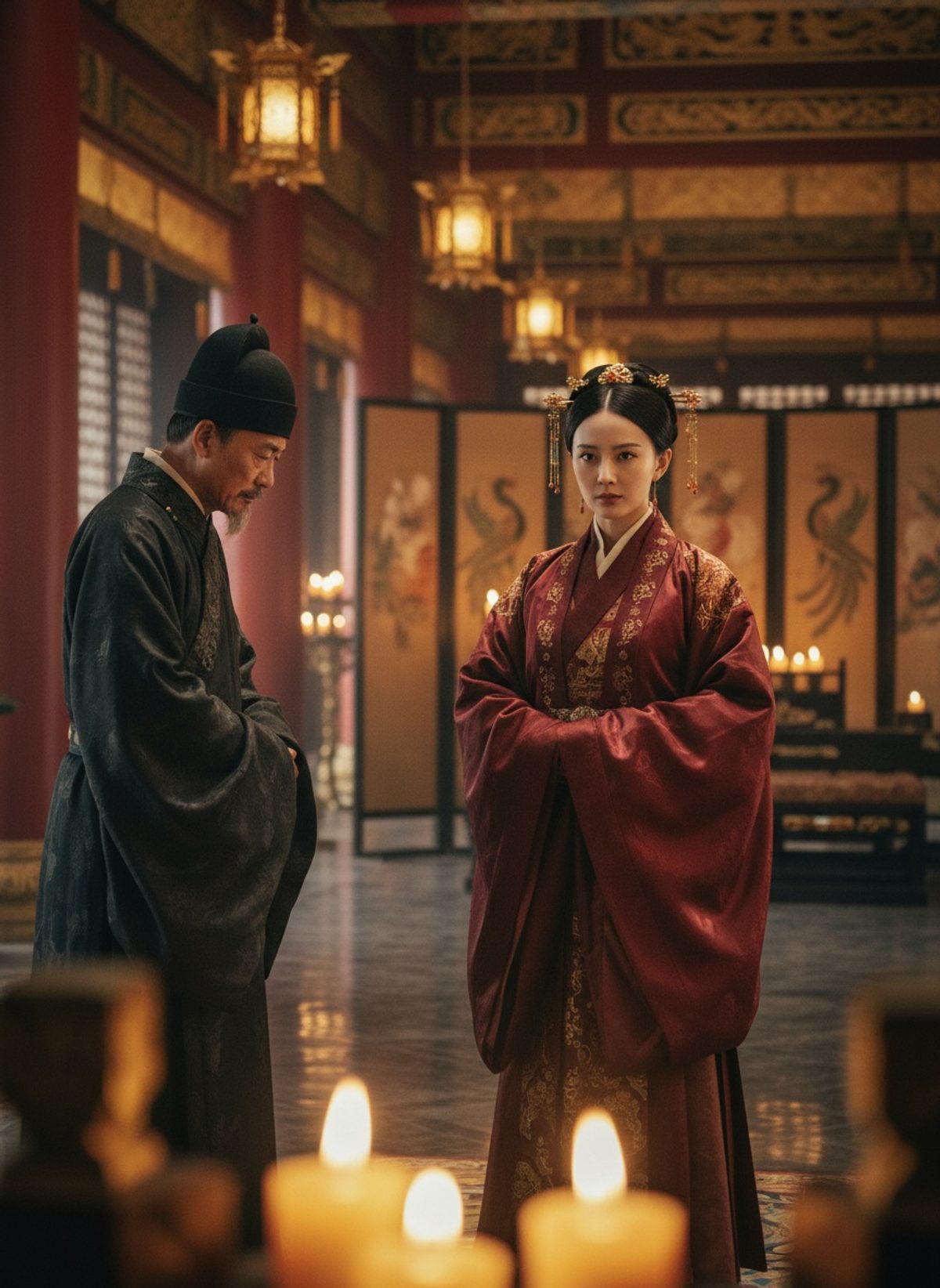
Tang Dynasty China. 655 CE. Wu Zetian was a concubine. No woman had ever ruled China. She walked into the emperor's court anyway. She never walked out as anything less than its master.
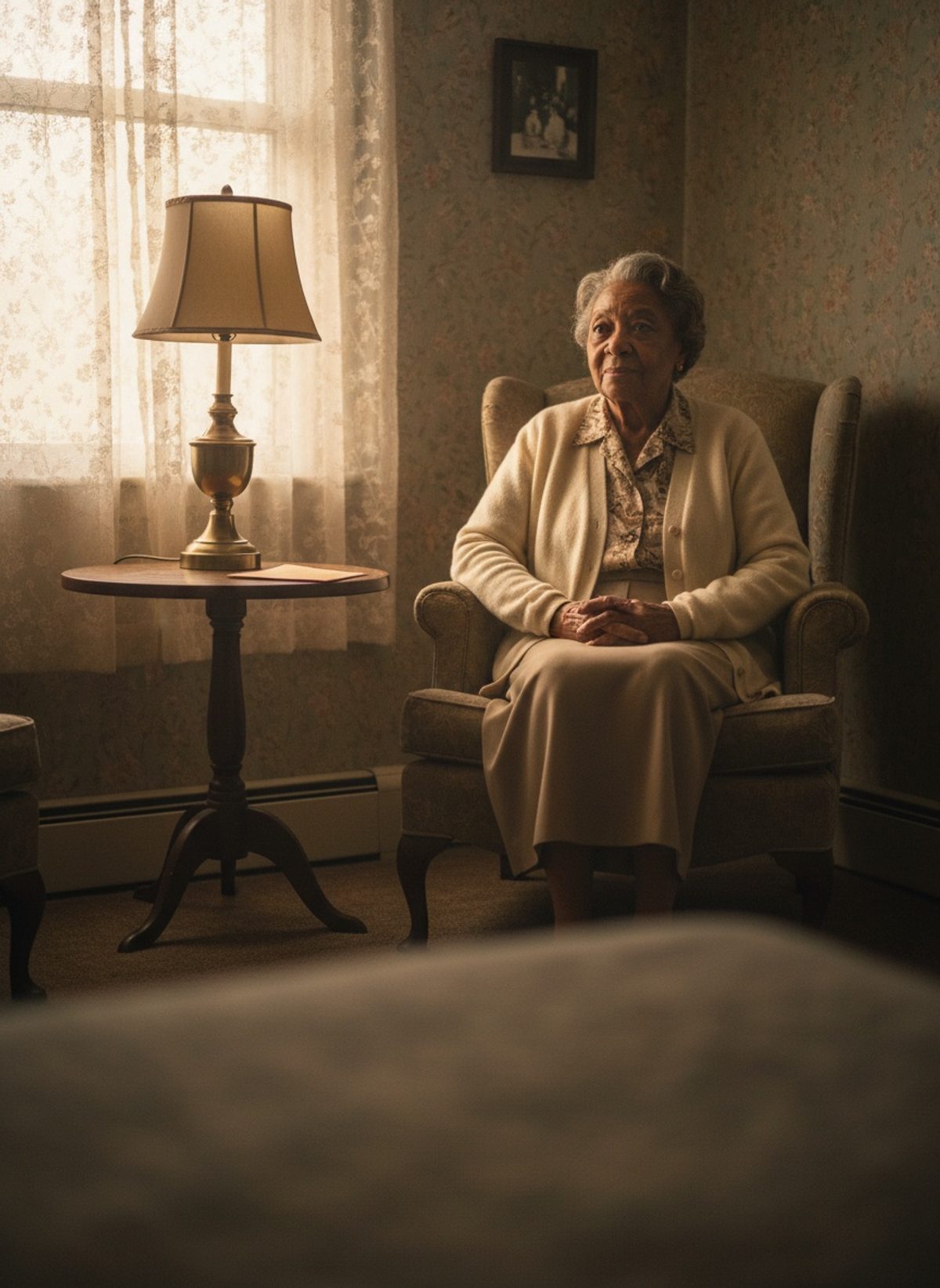
Rosa Parks was robbed in her own home at 81. A federal judge helped her move. Then a Detroit businessman quietly began paying her rent — and told no one for years.
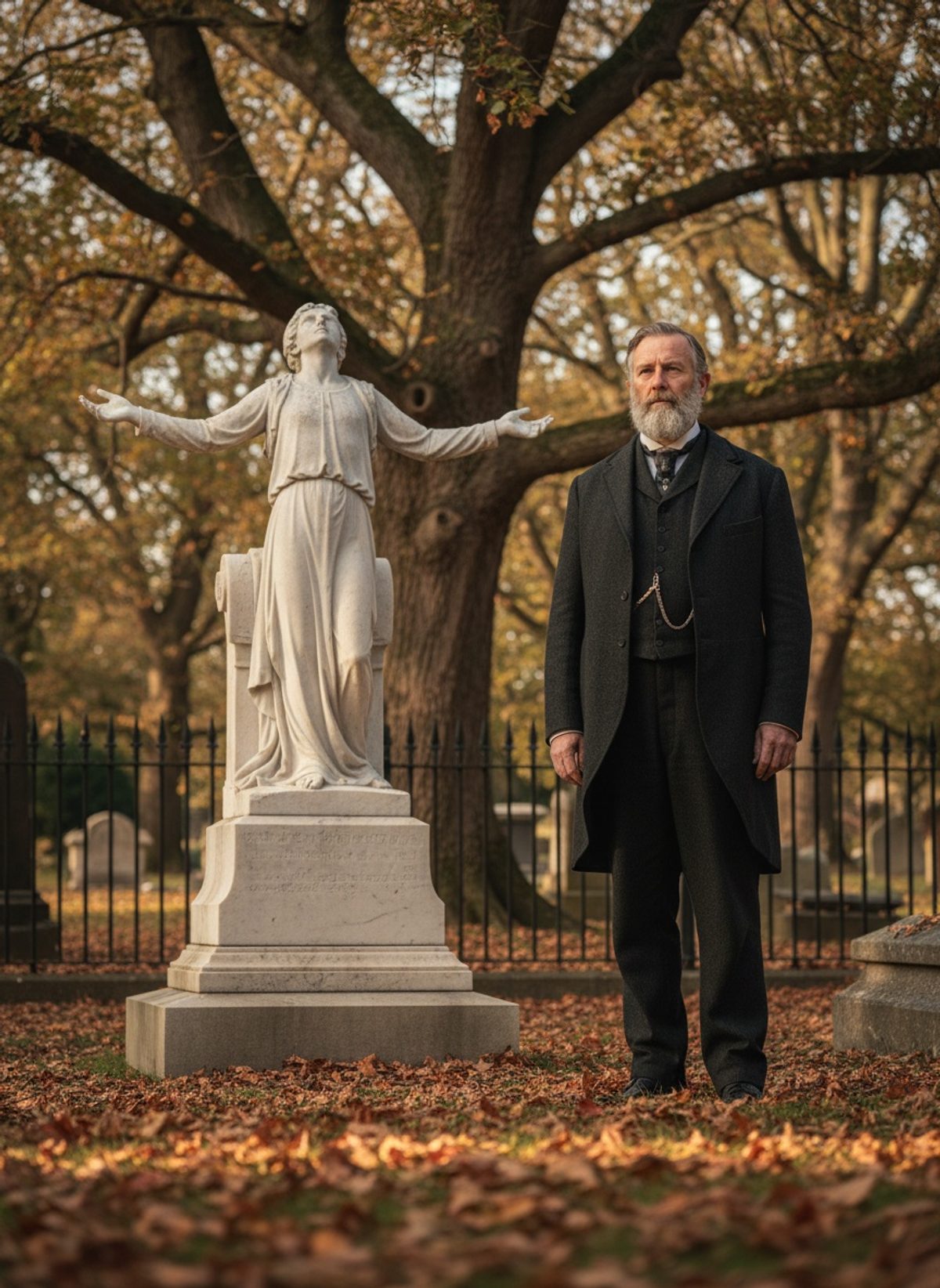
Matthew Stanford Robison spent his life confined to a wheelchair. When he died, his father refused to remember him that way. He commissioned a gravestone showing Matthew rising — arms wide open, finally free.
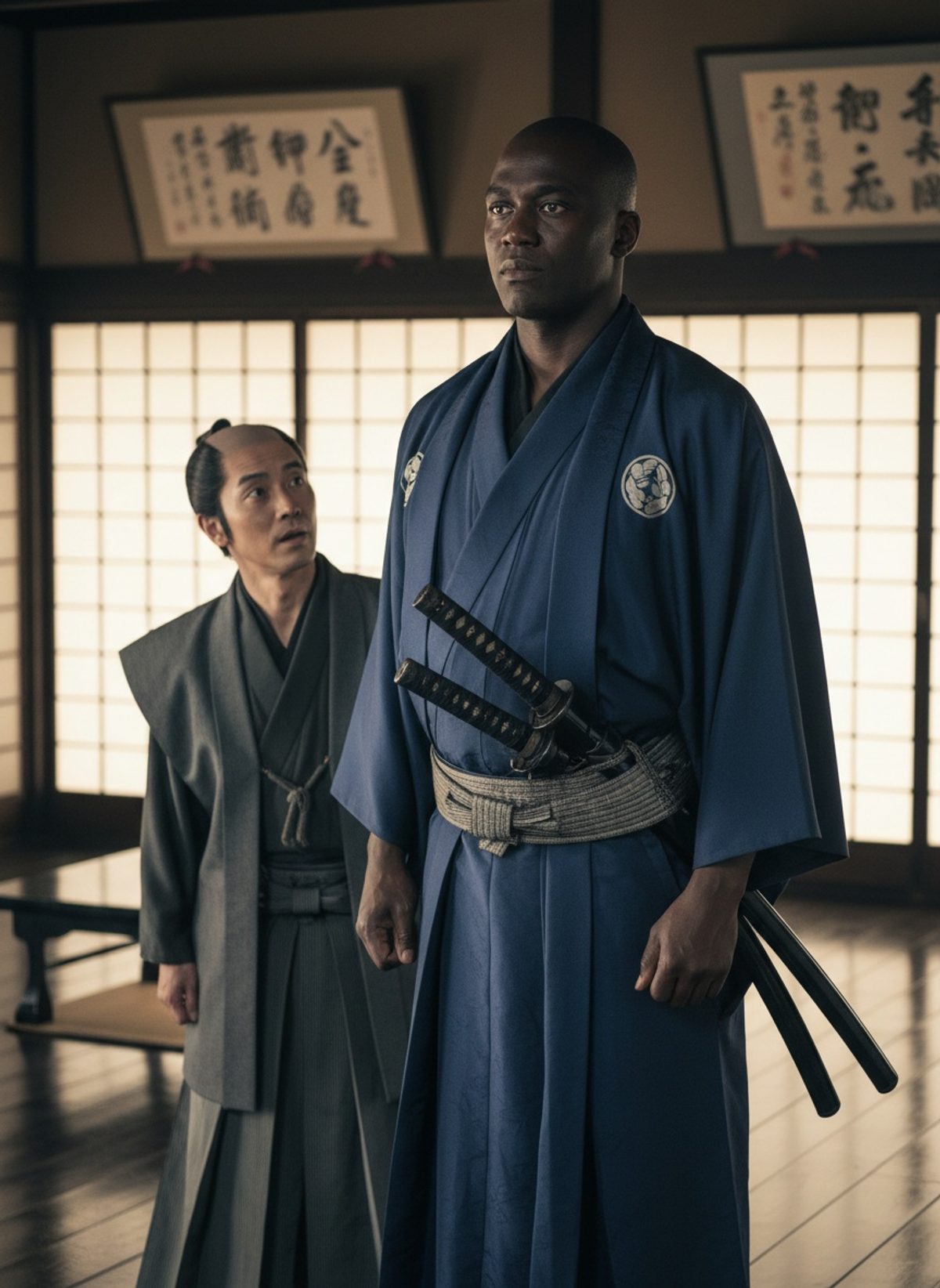
Japan, 1581. A man arrived at Nobunaga's castle. Nobunaga had never seen anyone like him. He ordered his skin scrubbed. It did not change. Yasuke became the first African samurai in history.
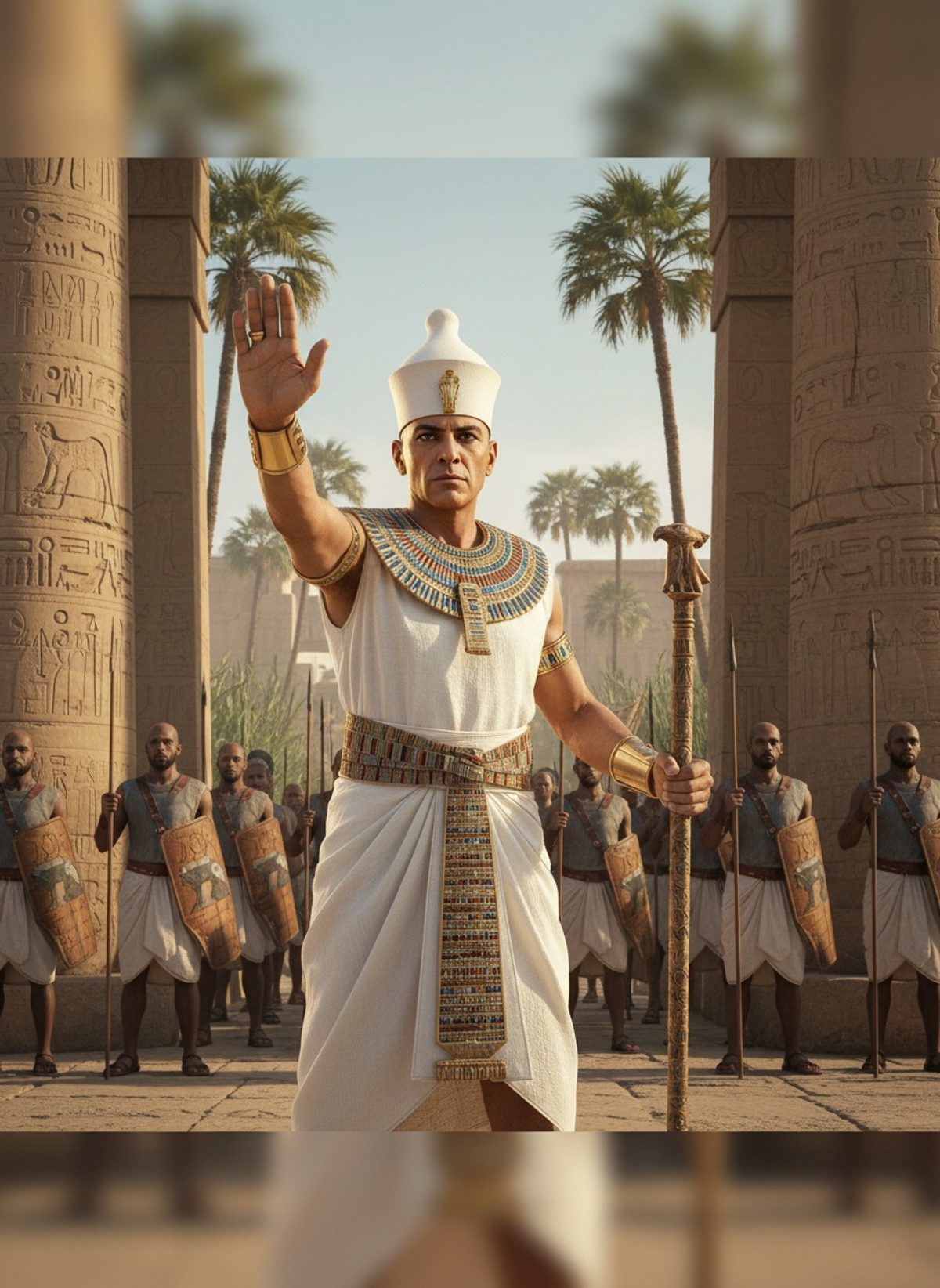
Egypt was broken. Eleven pharaohs ruled at once. One man ended it. Mentuhotep II marched north. City by city, he took them back. Then he sat on a single throne. Egypt had not seen that in a century.
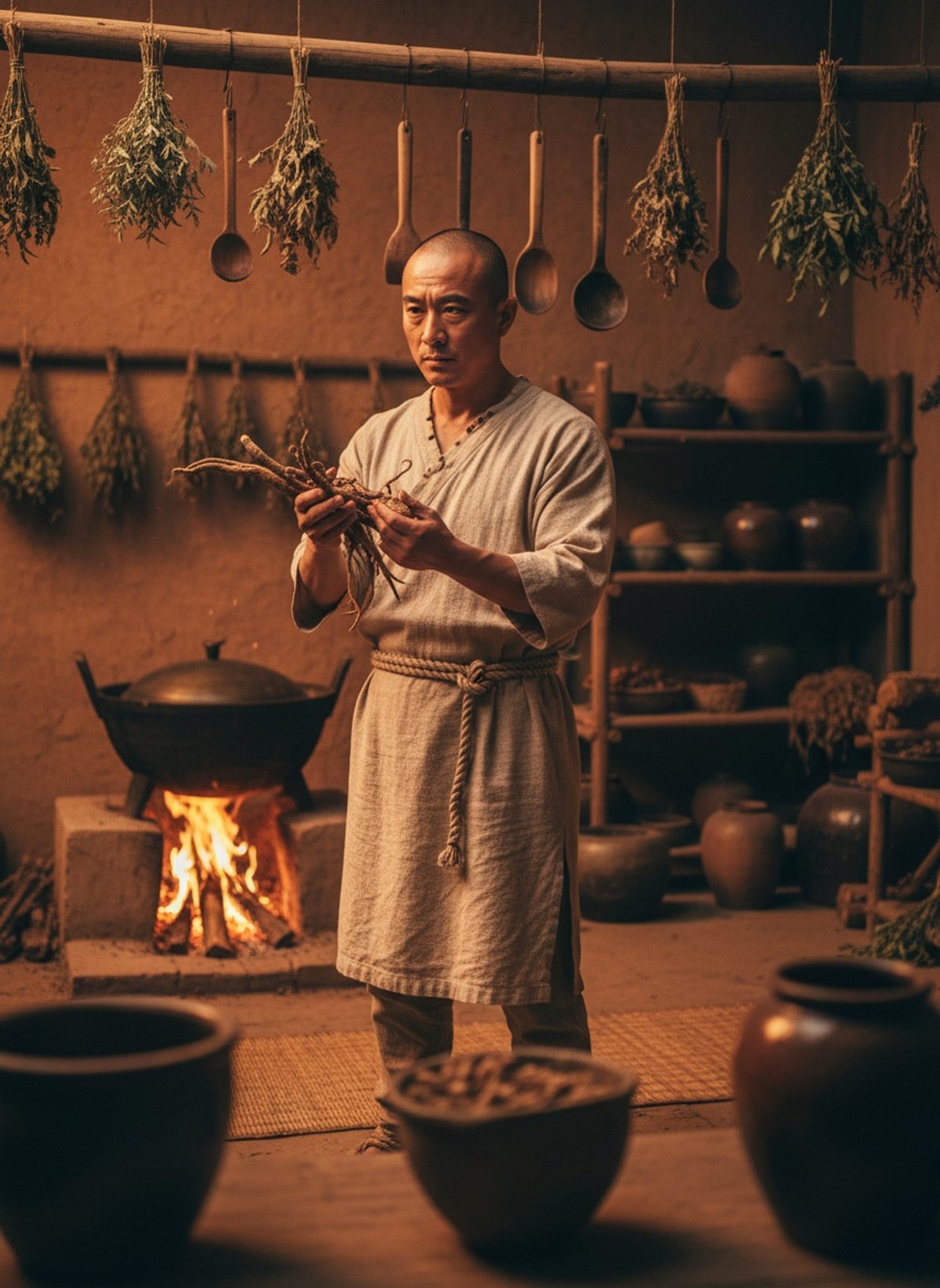
Ancient China. 1600 BCE. A slave stood in the royal kitchen. He carried no sword. Only knowledge. He had tasted every plant in the land. He used that knowledge to heal a dying emperor. Then he was made the most powerful man in China.
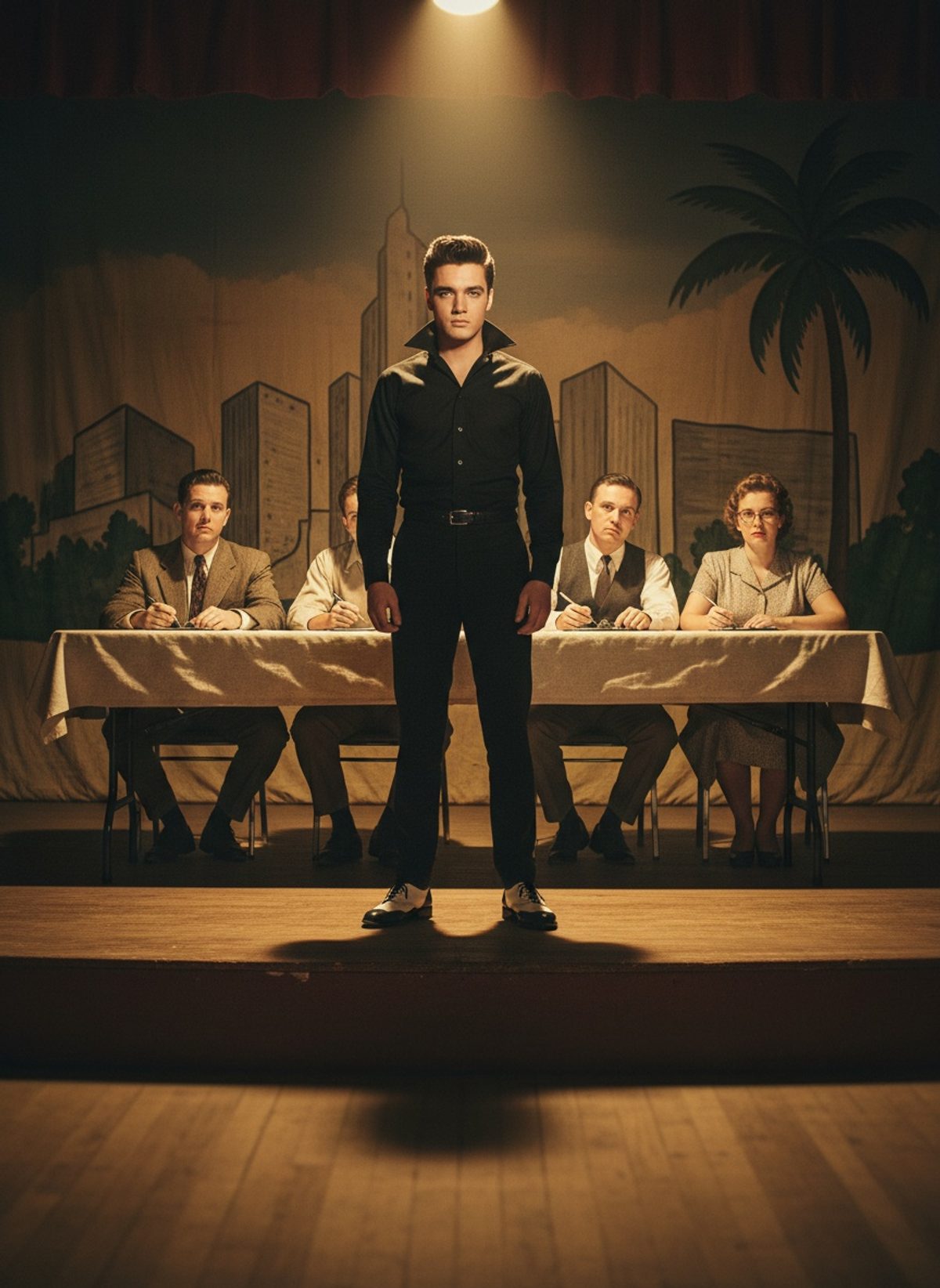
Elvis Presley entered an Elvis lookalike contest in disguise. He walked across the stage with his trademark sneer and hip roll. The judges eliminated him in the first round.
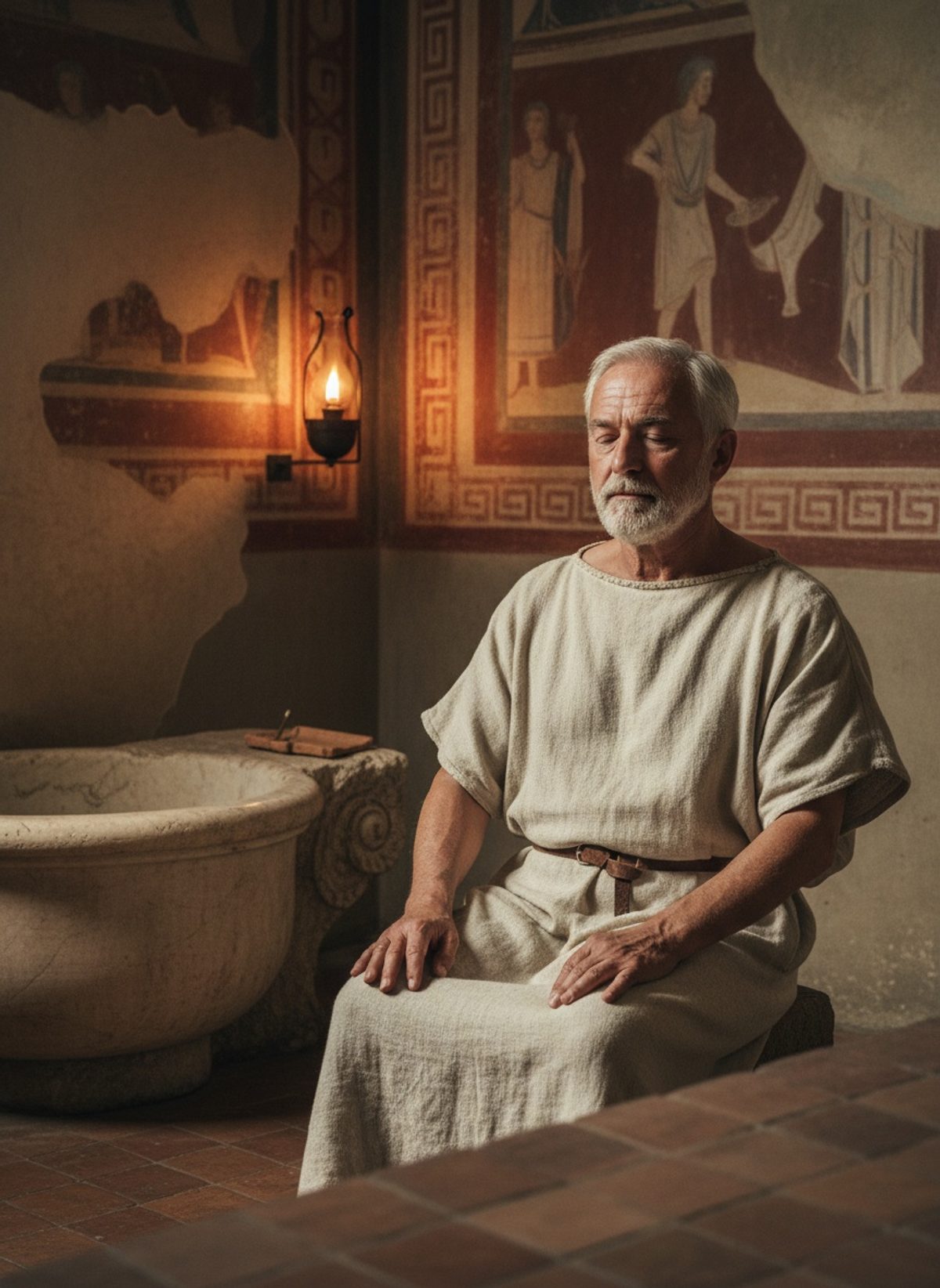
65 CE. Nero ordered him dead. Seneca had taught the emperor everything. He sent his friends away. Filled the bath. Spoke quietly until the end. He chose how to leave.
One Devon landowner reportedly reached 105 in 1386, but only about 5% of the population lived to 60.
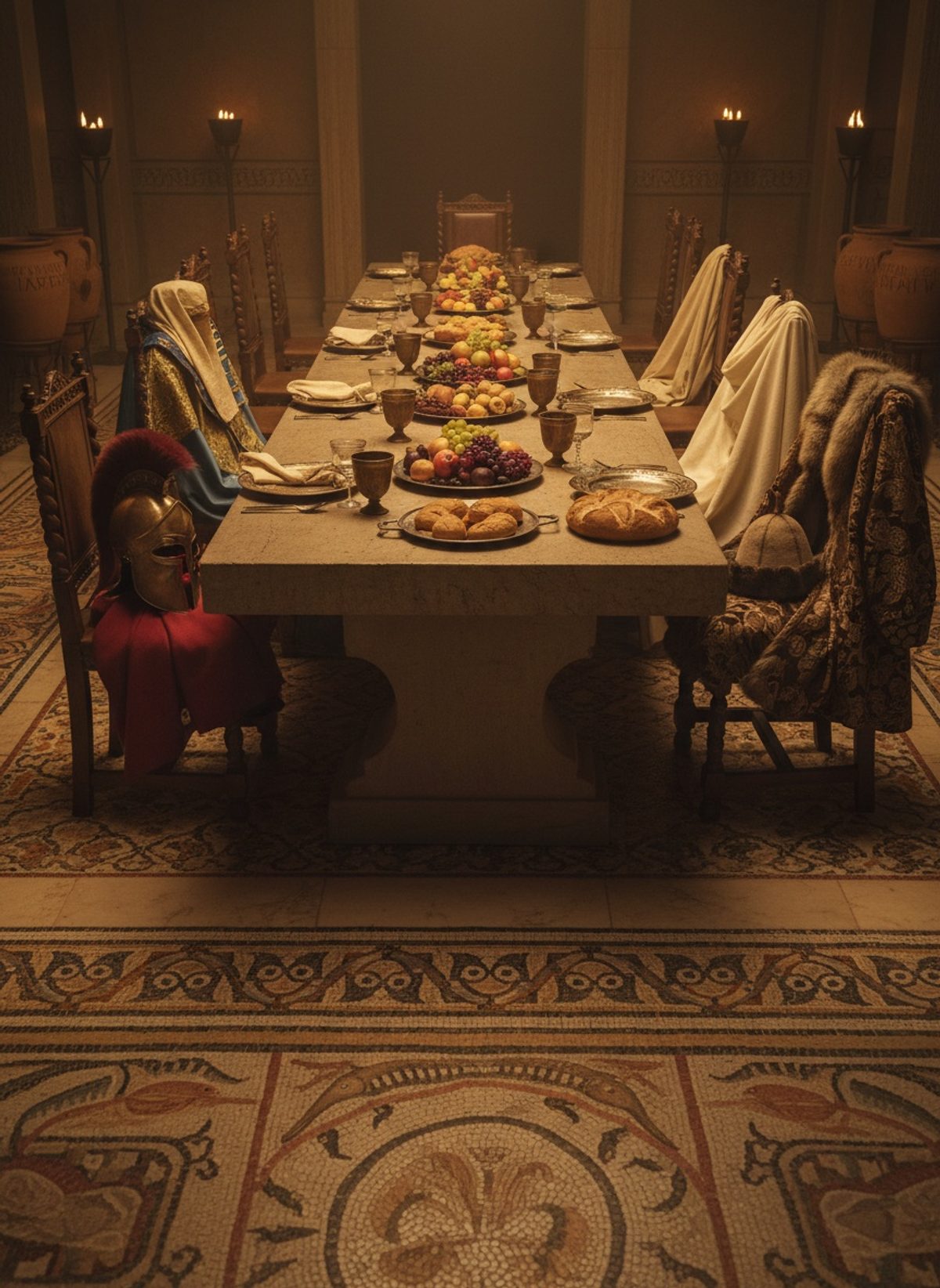
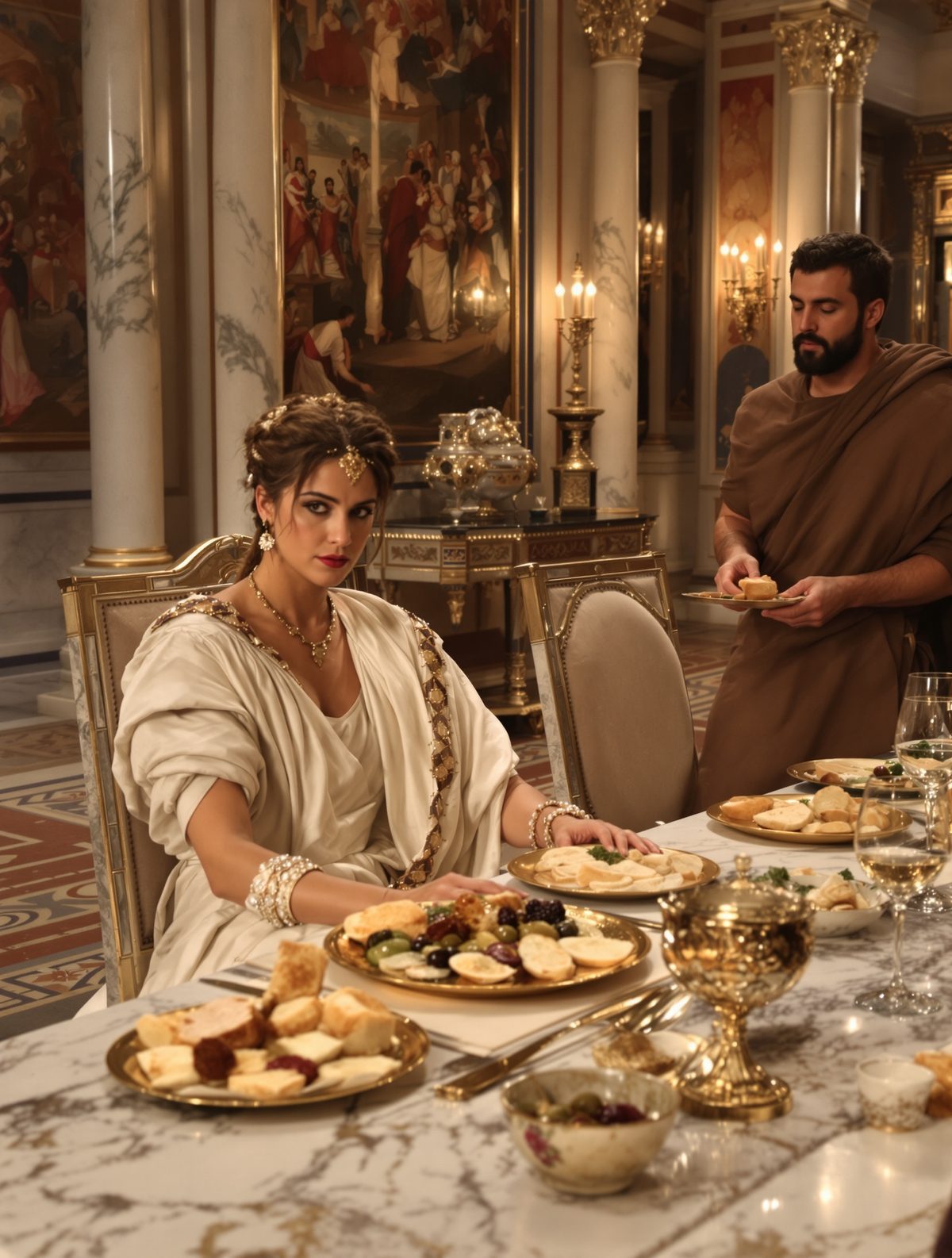
Imagine the table. Caesar pours the wine. Cleopatra watches the door. Genghis Khan hasn't touched his fork. Every seat holds a world that ended — or began — because of one meal.
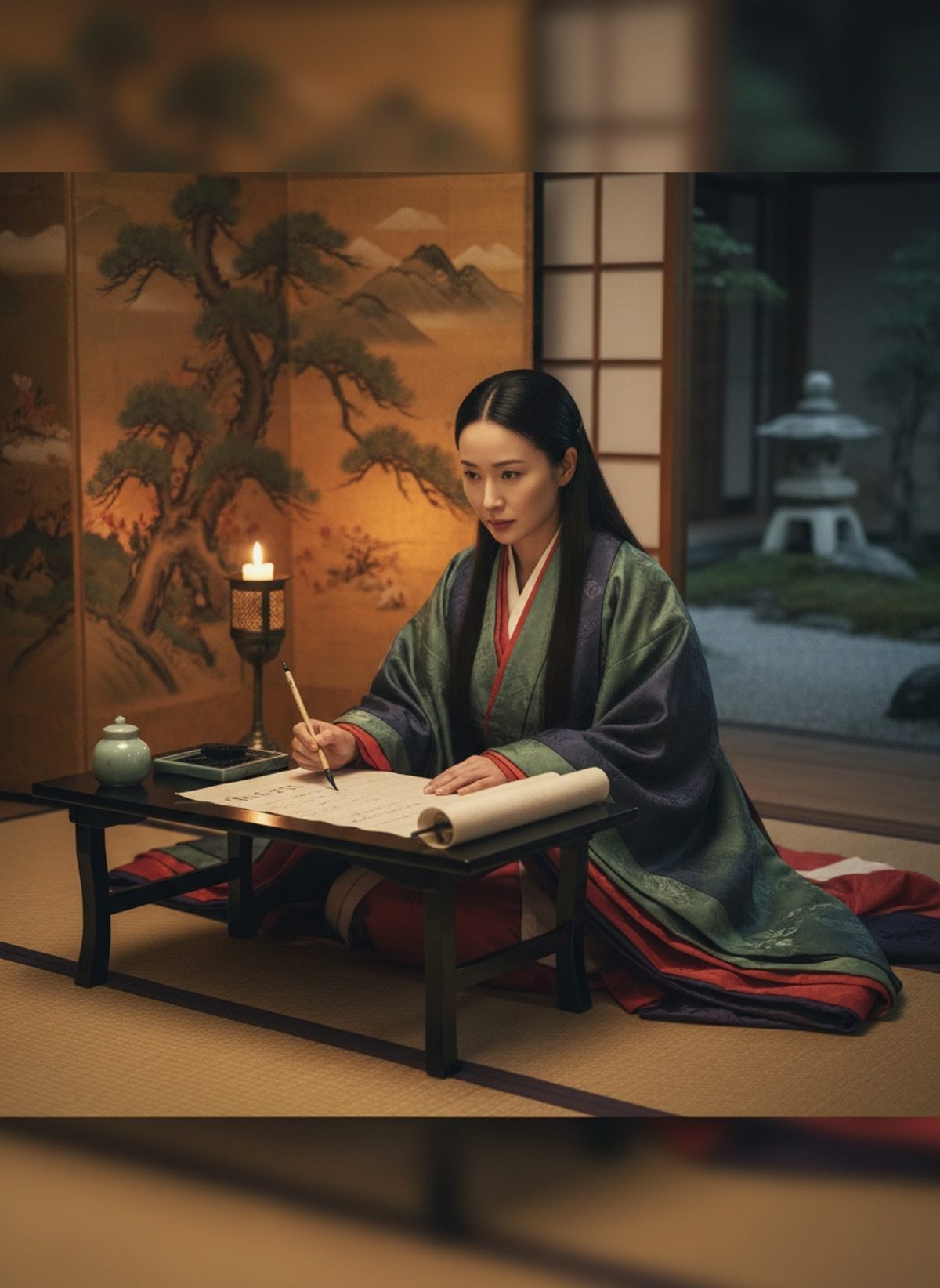
Kyoto. The year 1000. Murasaki Shikibu entered the imperial court as a lady-in-waiting. She watched everything. She wrote it down. The world's first novel was born inside palace walls.
In 1890, Yellowstone ranger Charles Myers fell into a boiling hot spring during a routine patrol. He was pulled out within seconds. He died hours later. The park he protected killed him.
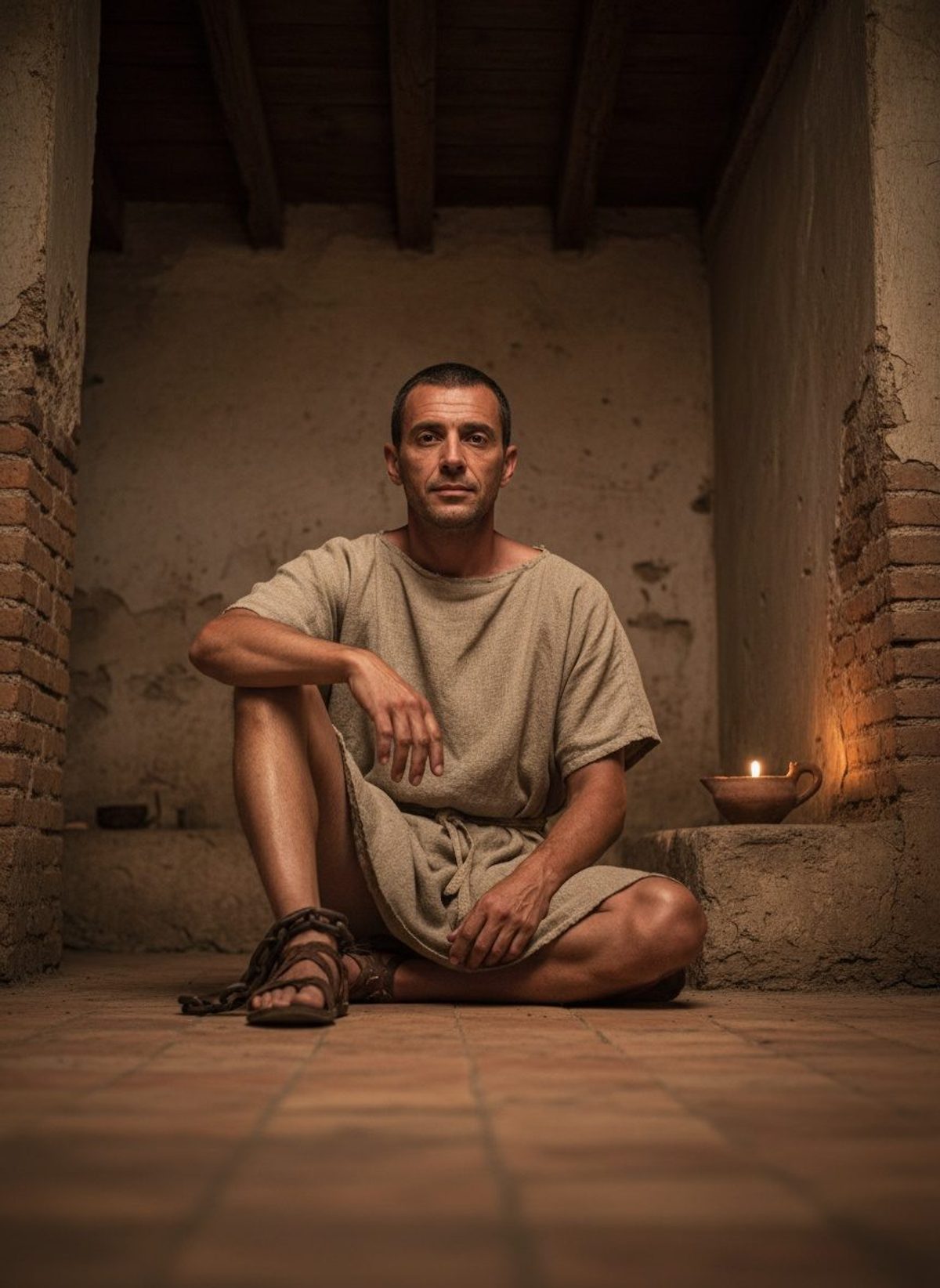
Rome. 60 CE. A slave sat in chains while his master broke his leg. He looked up calmly. Said it would break. Then said nothing more. Epictetus walked with a limp for life. He taught half of Rome to be free.
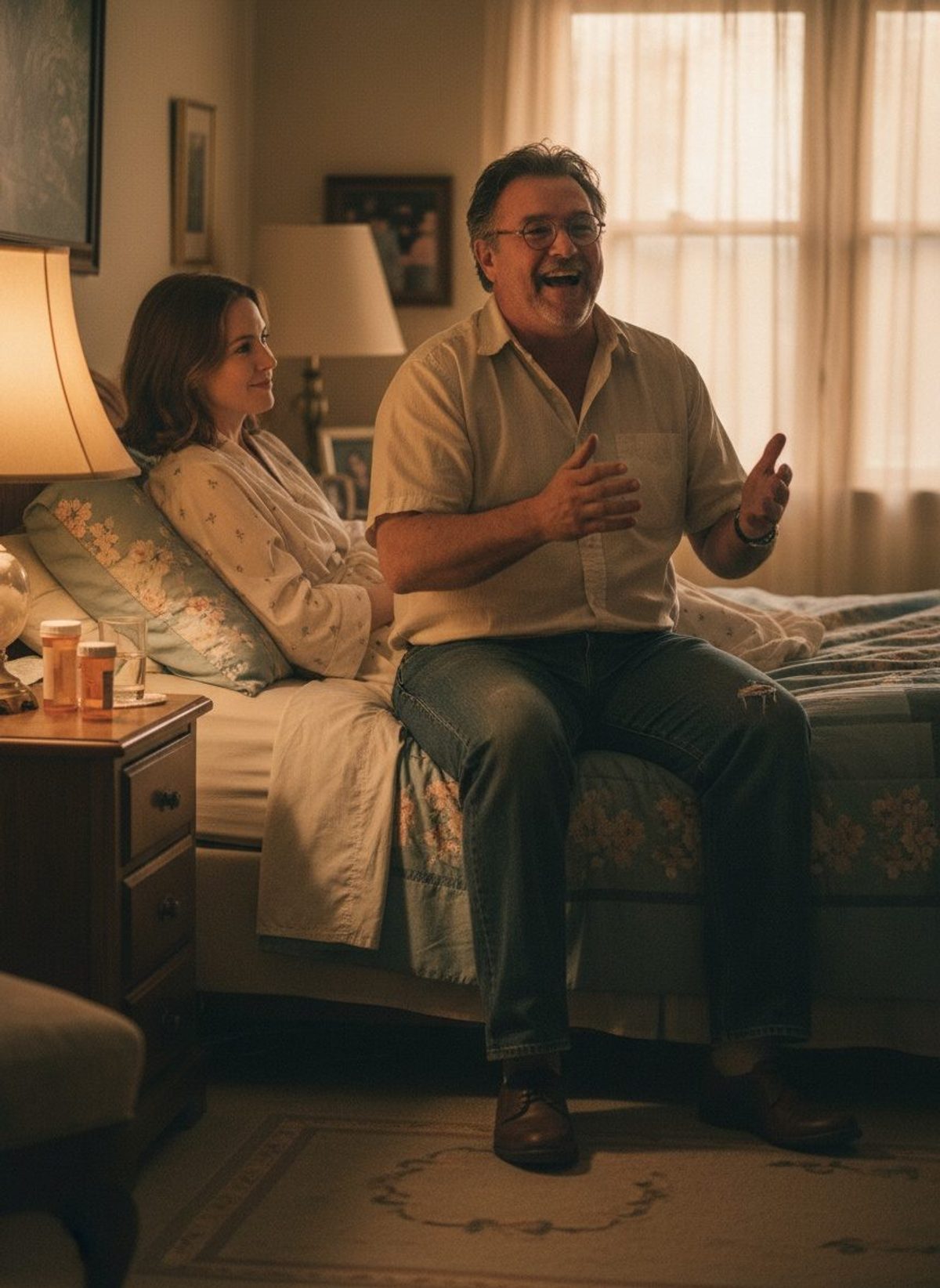
Sharon Osbourne was losing her will to continue chemotherapy. Ozzy made one secret call. Robin Williams — a stranger — came to their home, climbed into bed beside her, and spent two hours making her laugh. She returned to treatment the next day.
Mary Ann Bevan was a nurse, a wife, a mother of four. When illness changed her face and poverty threatened her children, she did the unthinkable — and won a title no one should ever want.
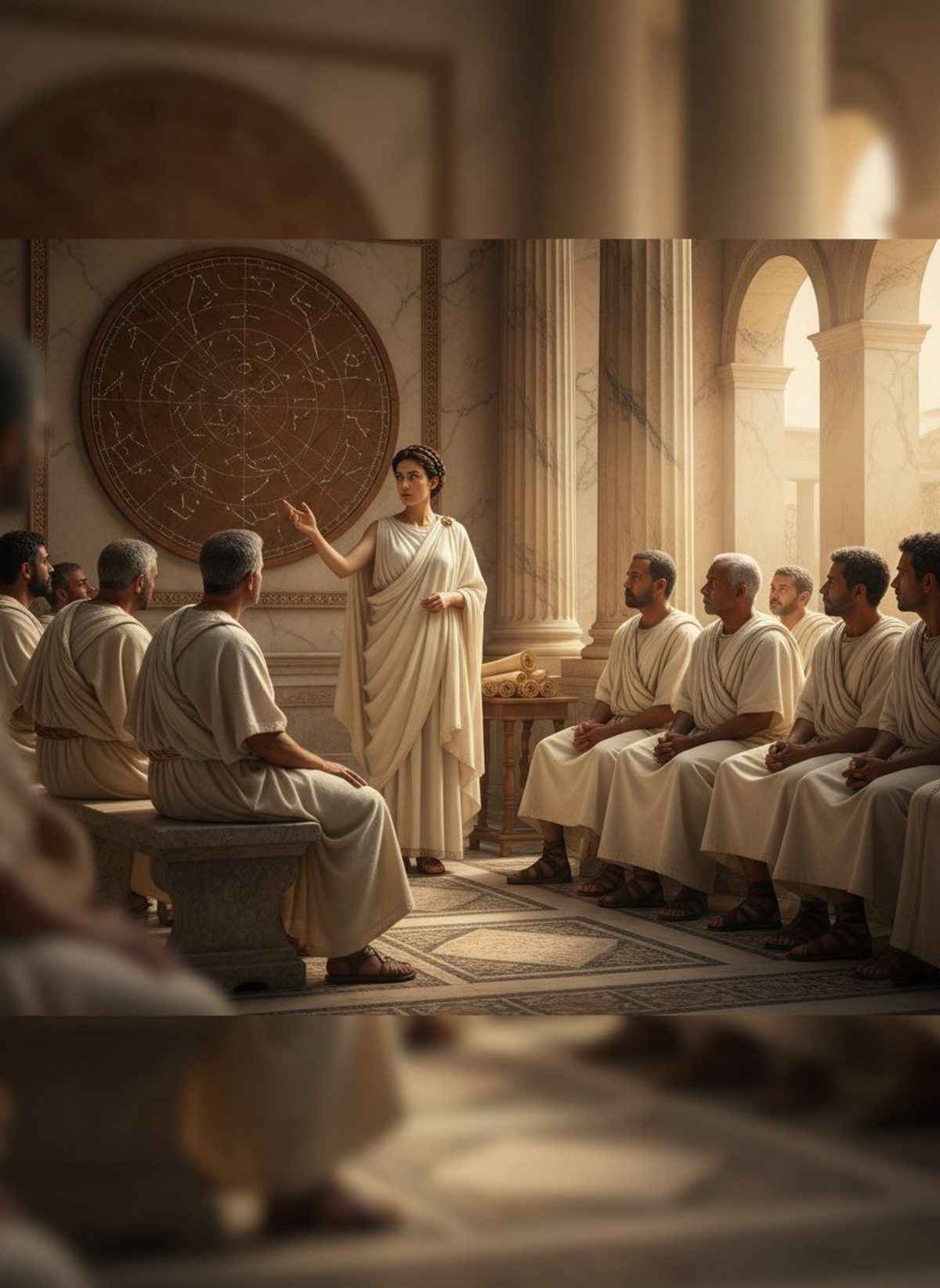
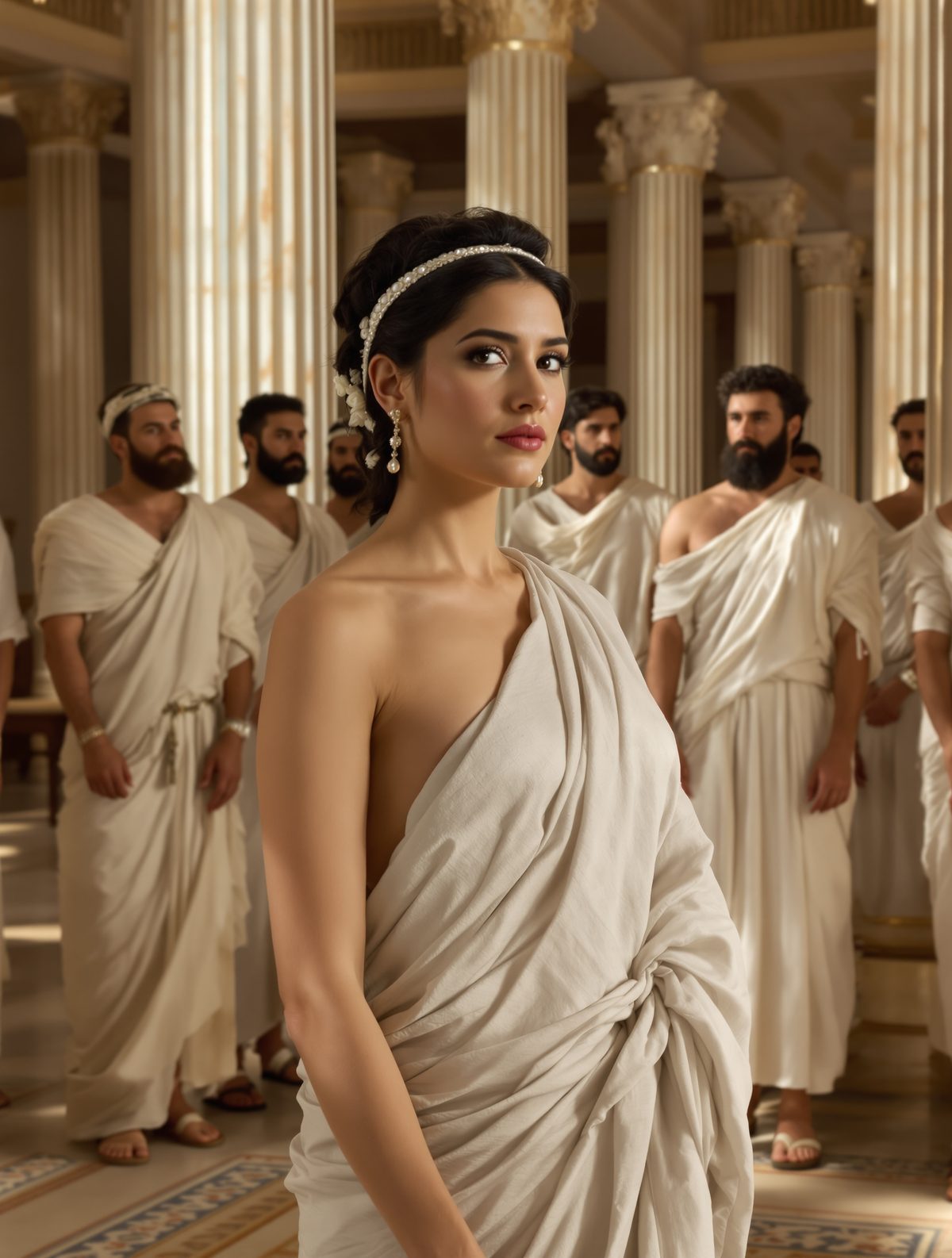
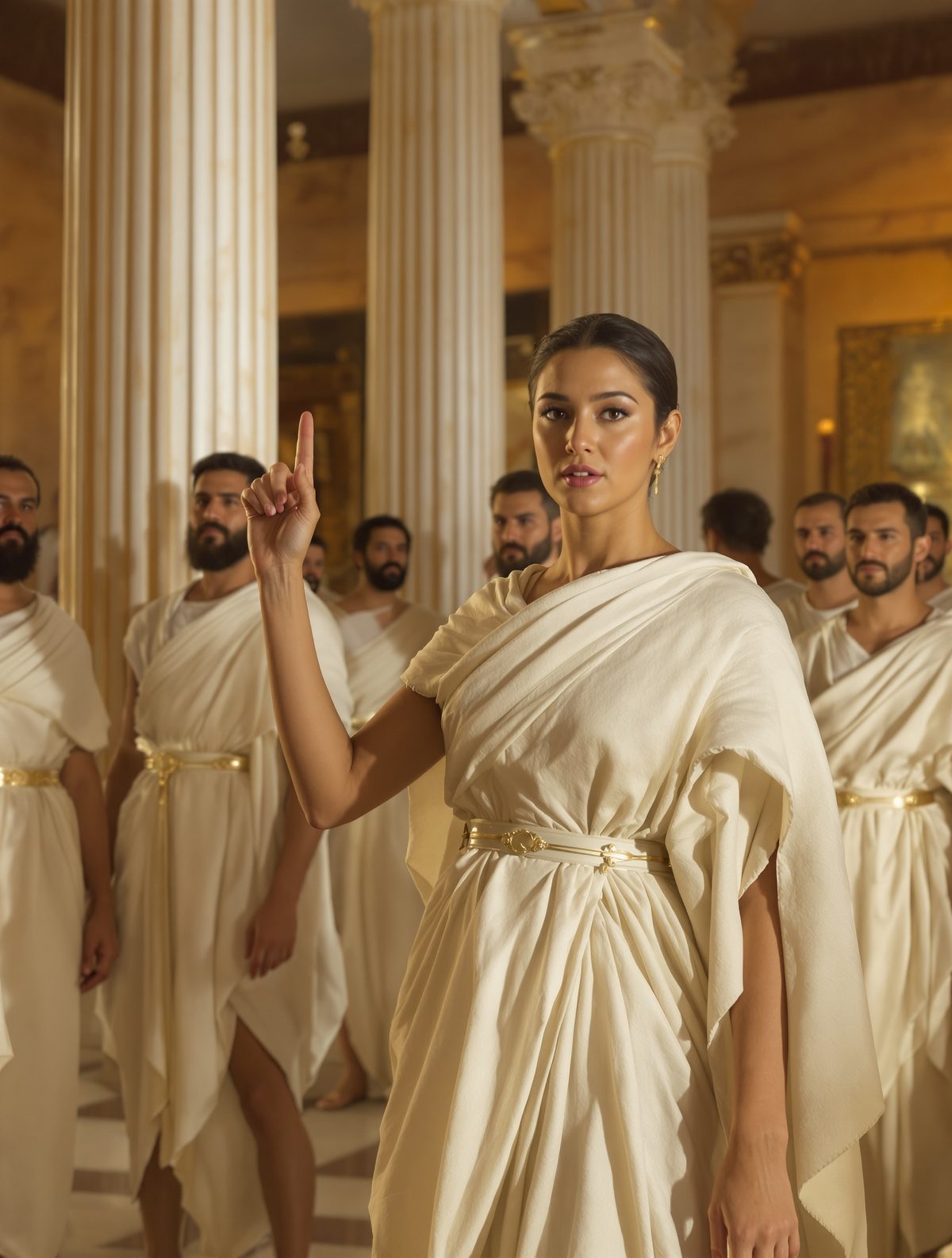
Alexandria. 400 CE. A woman climbed the steps of the lecture hall. Crowds gathered. Senators. Philosophers. Governors. She taught mathematics, astronomy, and reason. No one left early.
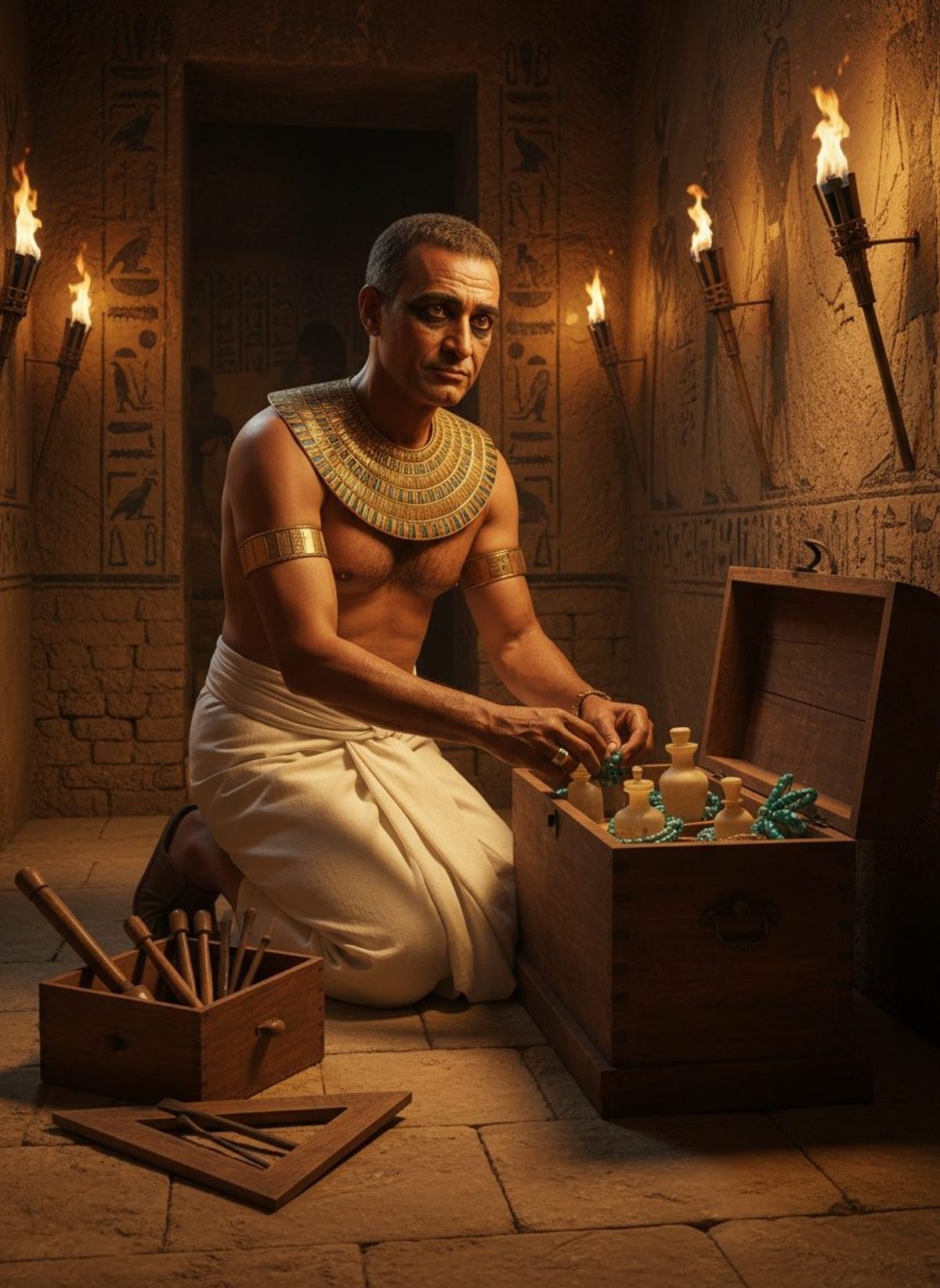
Deir el-Medina. 1400 BCE. A craftsman named Kha sealed his wife Merit's tomb beside his own. He left her perfume. Jewellery. Every tool he owned. The seal was never broken. When excavators opened it in 1906, her belongings were still there.
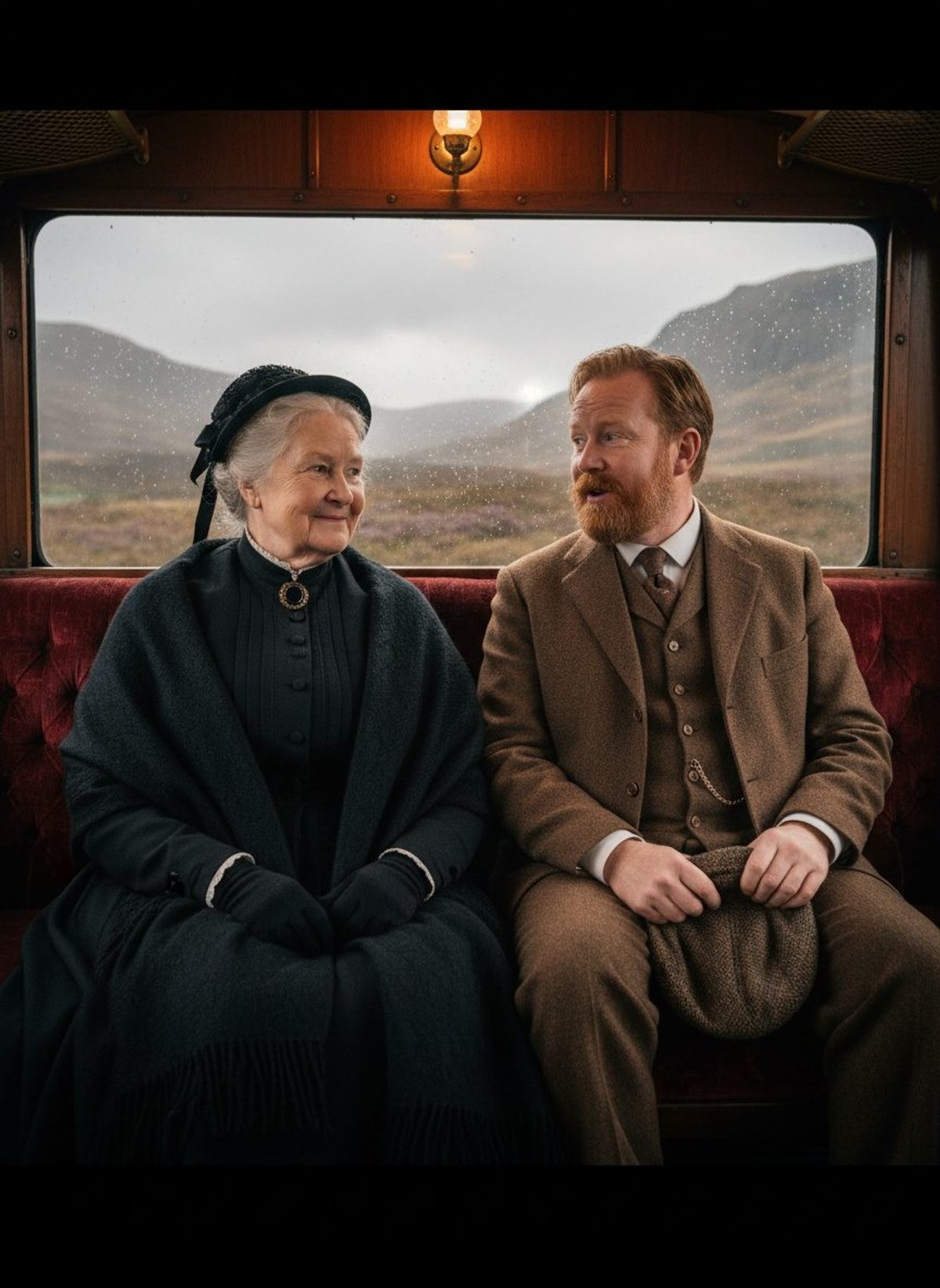
Queen Victoria once sat beside a traveller on a Scottish train. He chatted freely. She answered warmly. He stepped off at his stop never knowing he had spent an hour beside the most powerful woman on earth.
She was a trained singer and dancer who packed theatres across Europe. Audiences came to stare, not listen. Julia Pastrana gave them both. She died in 1860. Her story took 150 years to reach its ending.
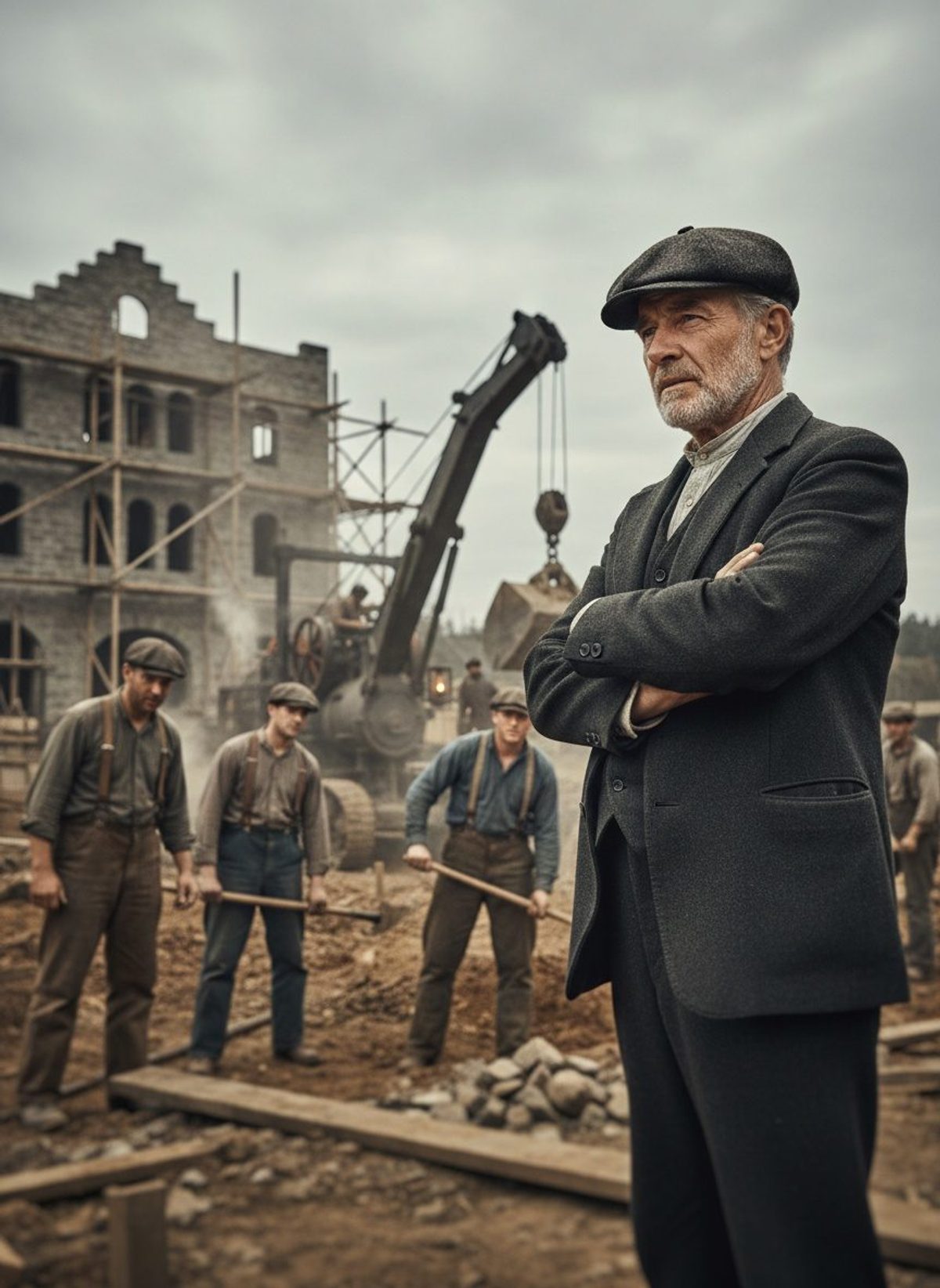
1930s. Millions unemployed. Milton Hershey watched two steam shovels arrive on site. A foreman said they could replace 40 men. Hershey's answer built a town — and fed hundreds of families.
Mary Ann Bevan was a nurse, a wife, a mother of four. When illness changed her face and her husband died, she entered a contest that called her ugly — and used the prize to give her children everything.
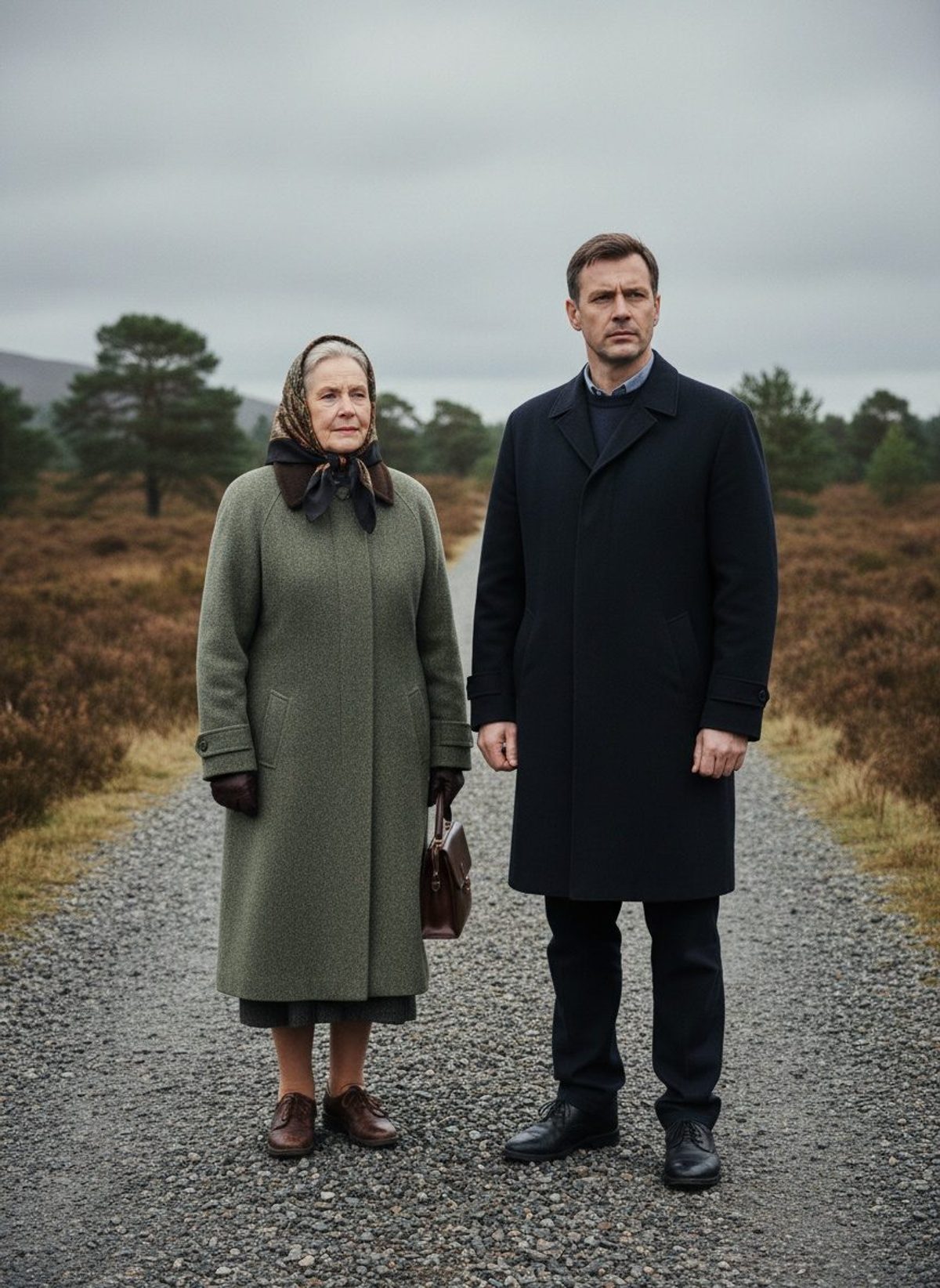
Near Balmoral, Queen Elizabeth met two American tourists on a walk. They asked her if she'd ever met the Queen. She said she hadn't. They handed her their camera — and posed with her bodyguard instead.
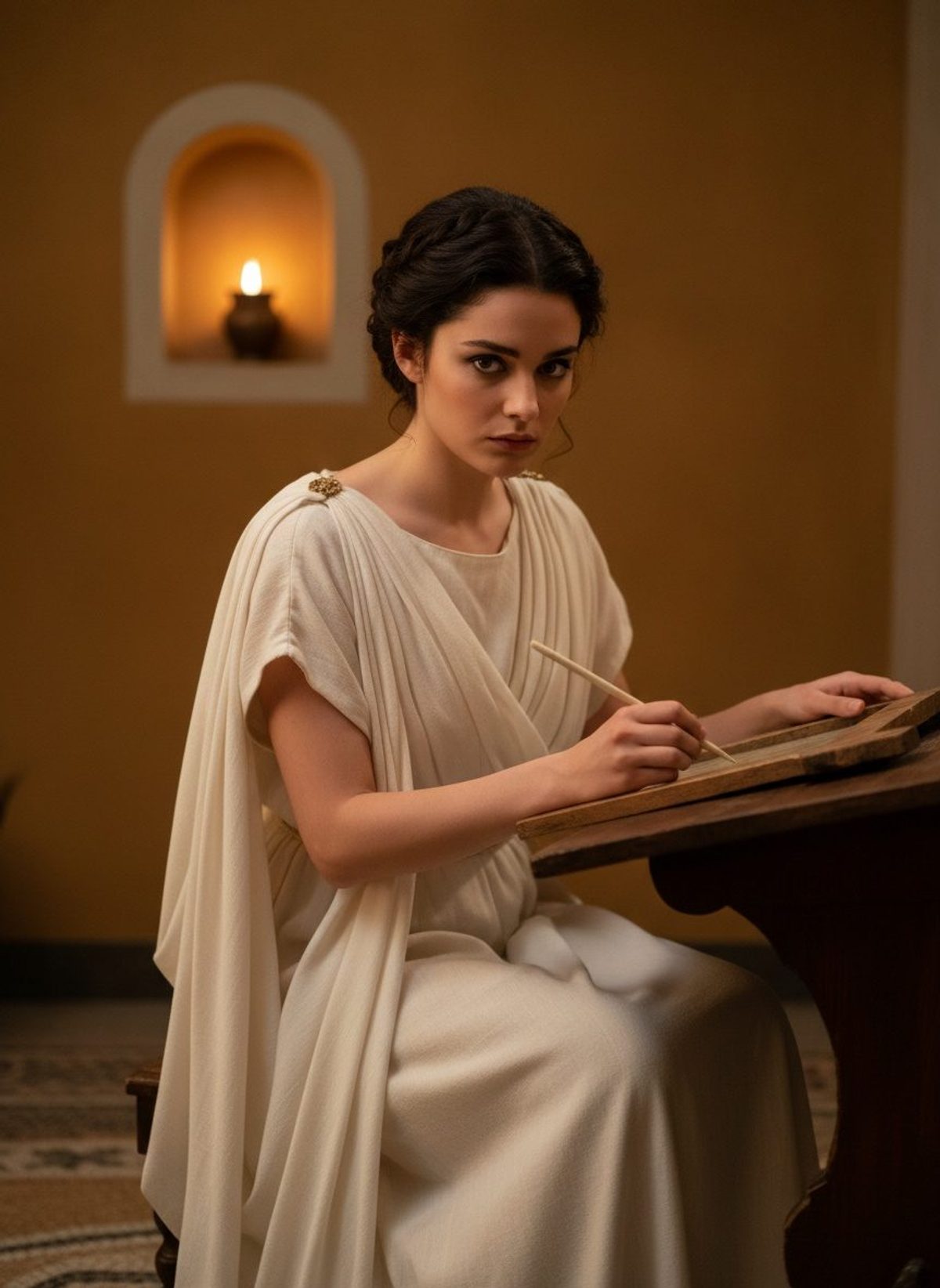
Rome. 25 BCE. A young woman sat alone and wrote. Not letters. Poems. Six survived. They named her desire out loud. No woman had done that before. Rome kept them.
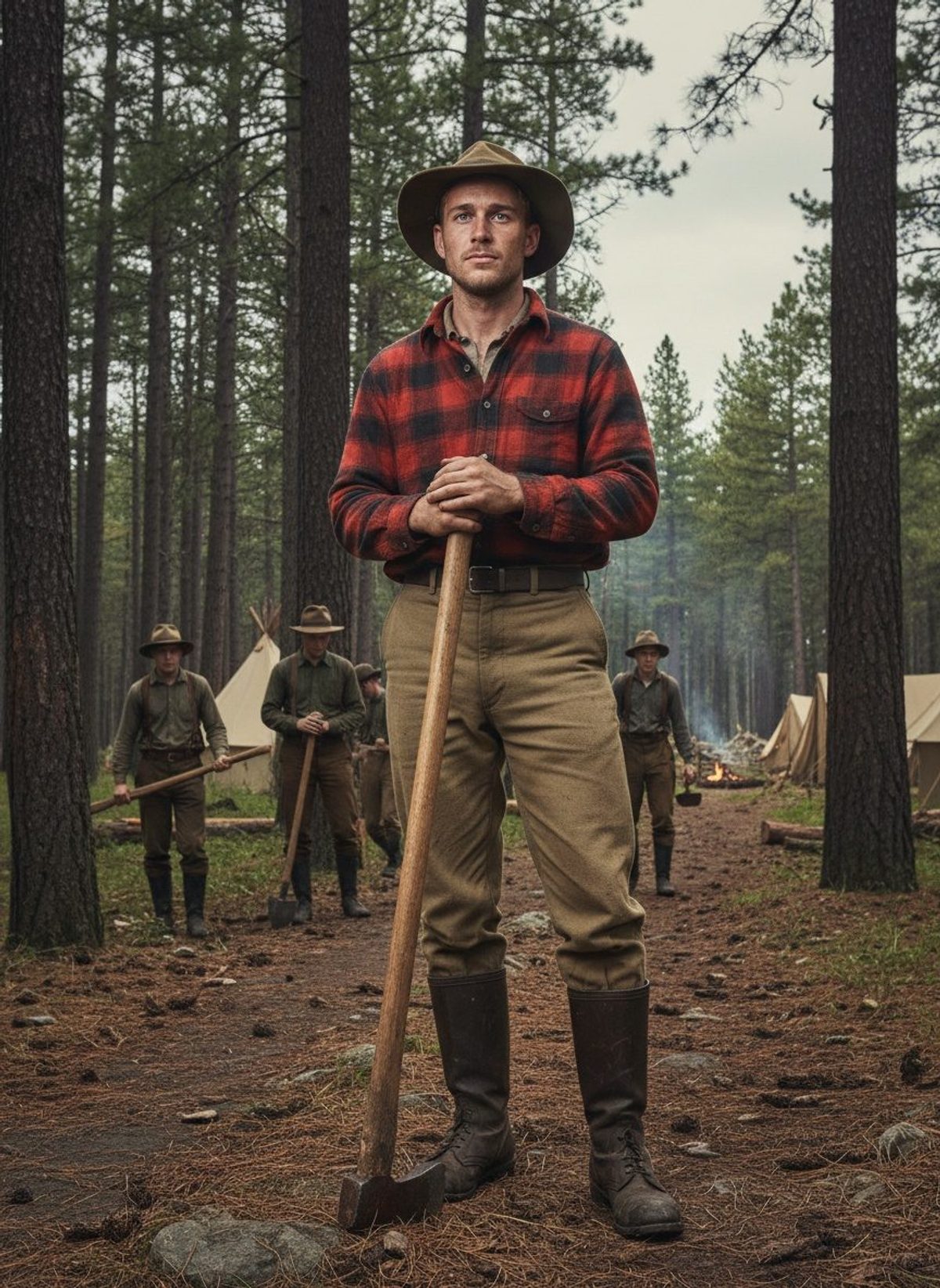
America was broken. Millions had nothing. Roosevelt didn't just offer relief — he handed them axes, shovels, and a reason to get up. Three million men rebuilt a nation. Their work still stands.
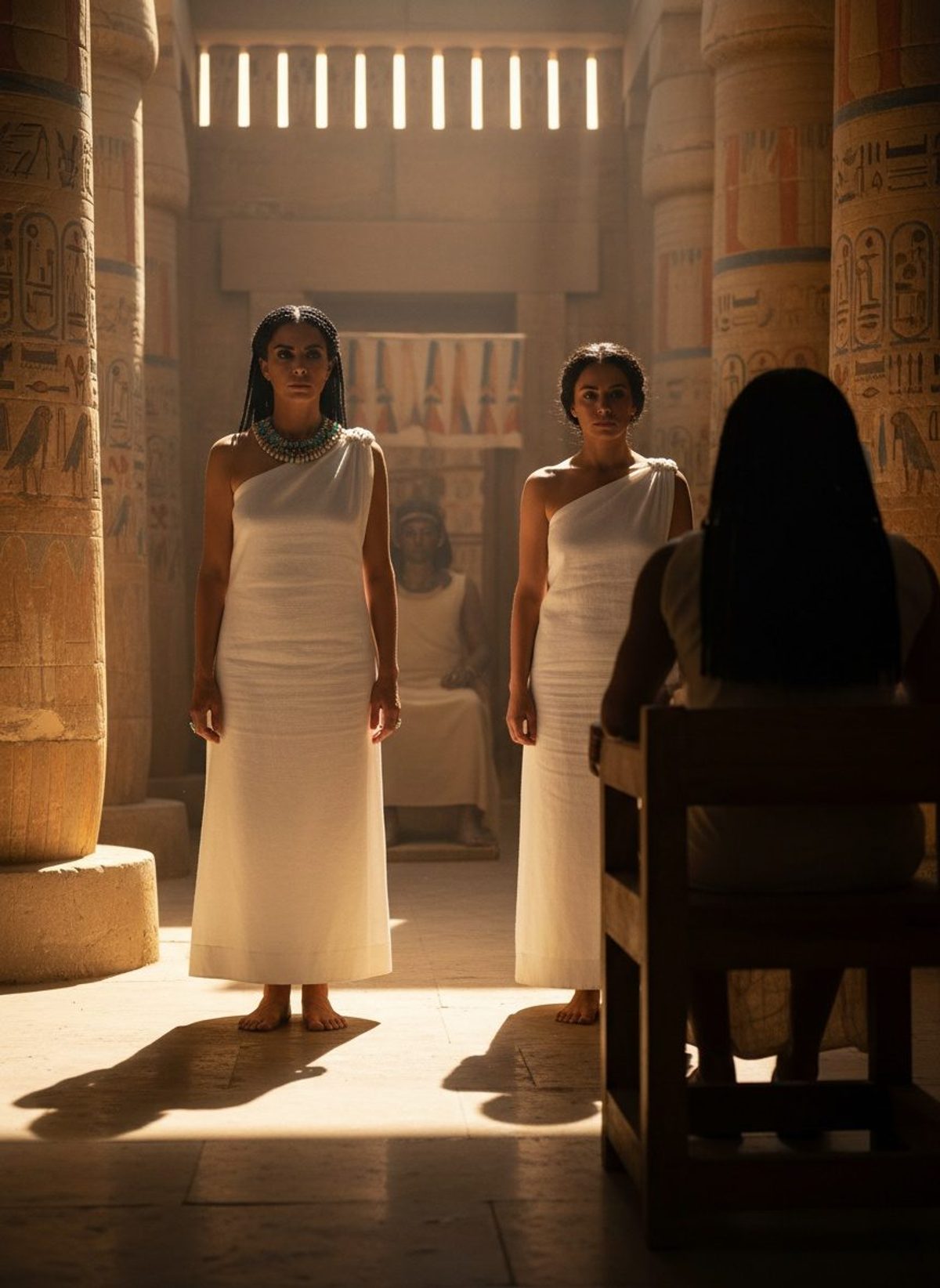
Egypt. 1300 BCE. Pharaoh ordered every Hebrew boy killed at birth. Two midwives refused. He summoned them. They stood before the most powerful man on earth. They looked him in the eye. They did not break.
In 1212, an inn opened beside the bridge at Sion, Switzerland. Crusaders passed through. Merchants slept in its beds. Wars swept across Europe. The inn stayed open. It is still serving guests today.
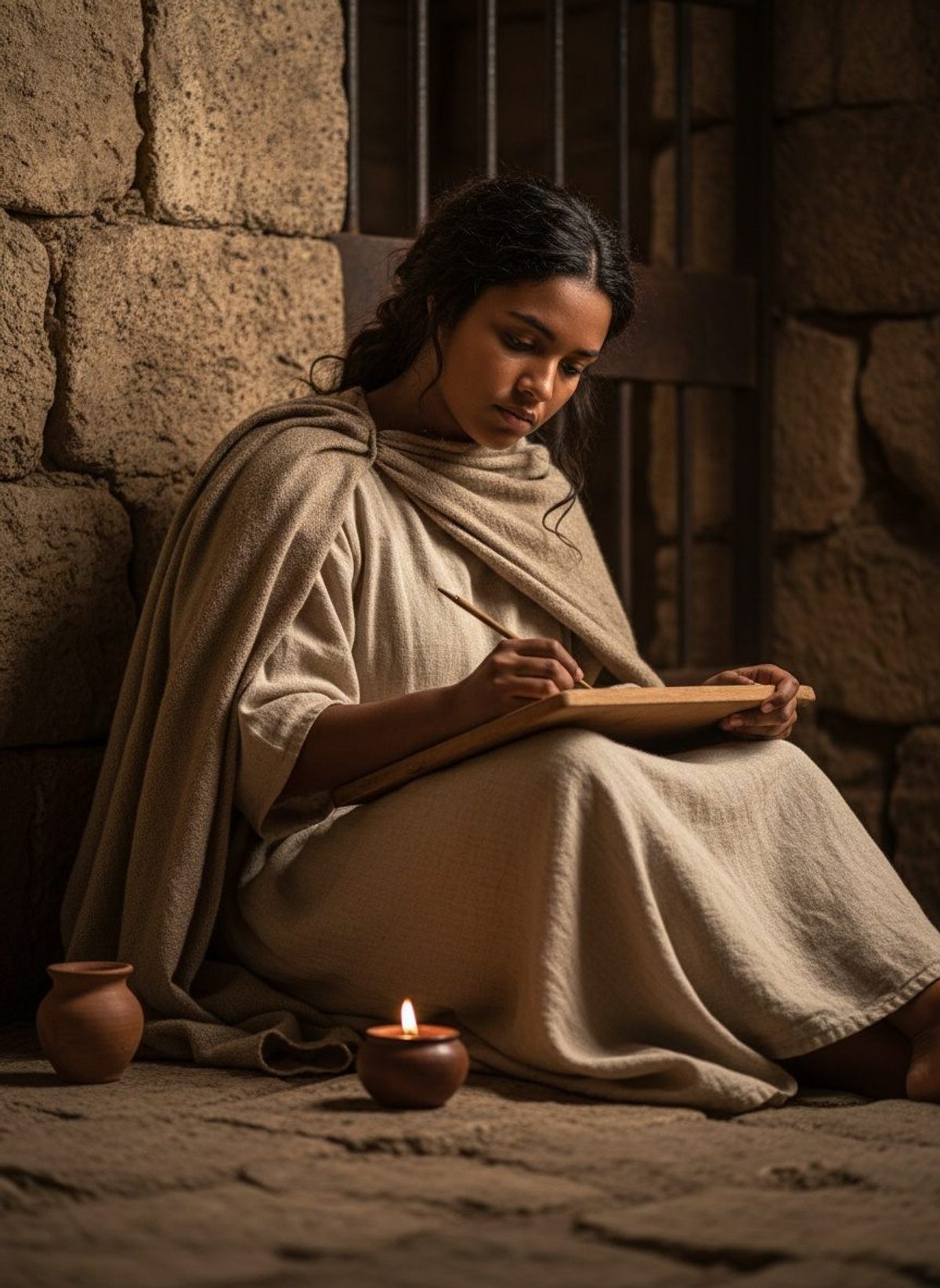
Carthage. 203 CE. A Roman noblewoman sat in a dungeon. She had a nursing infant. She had a chance to walk free. She wrote instead. Every word. Her own hand. Rome could not silence her.
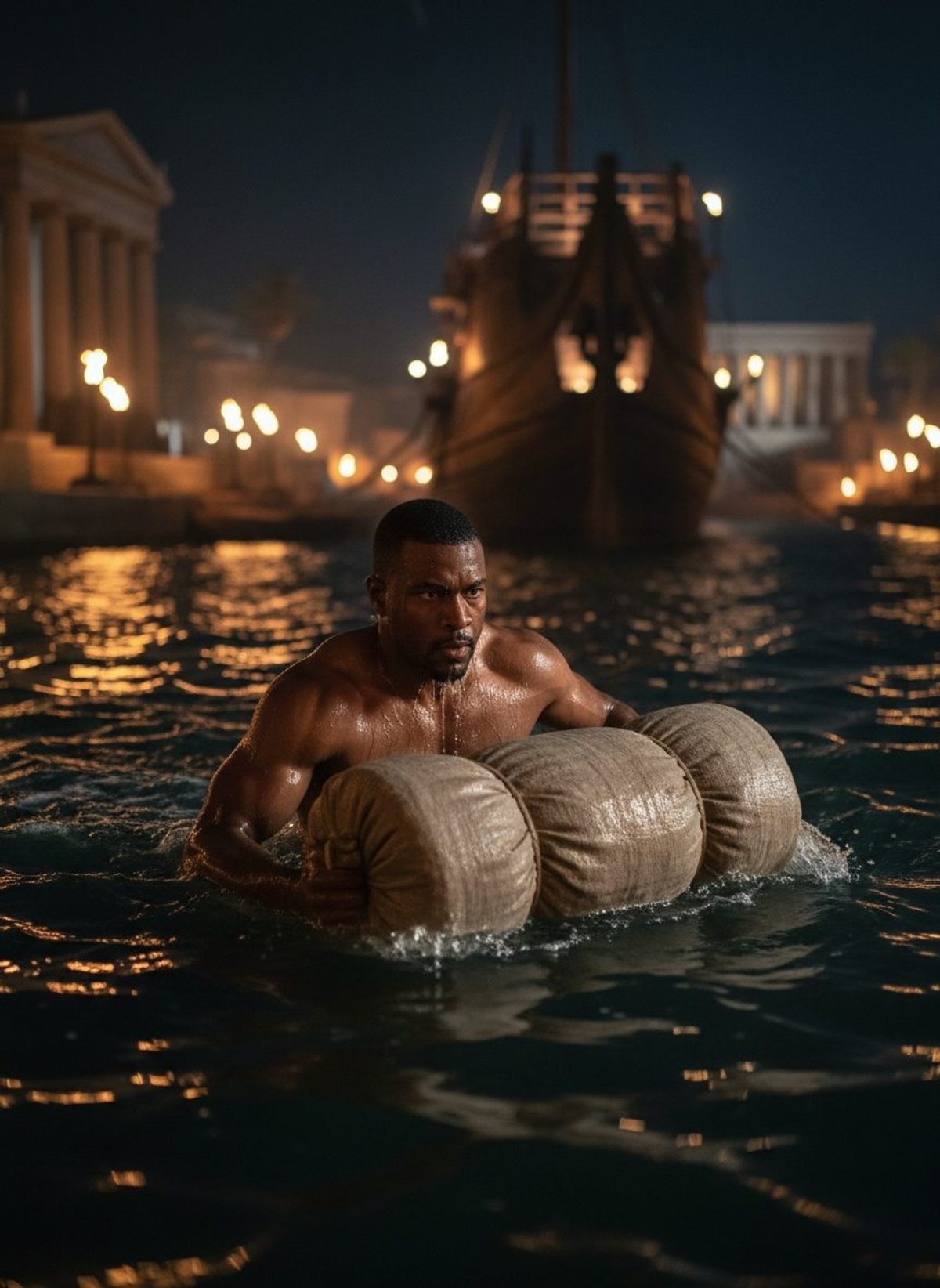
Alexandria. 48 BCE. Cleopatra was exiled. Her brother held the throne. She had one chance. A servant named Apollodorus rolled her inside a linen sack. He swam it to Caesar's ship. She stepped out. Egypt changed forever.
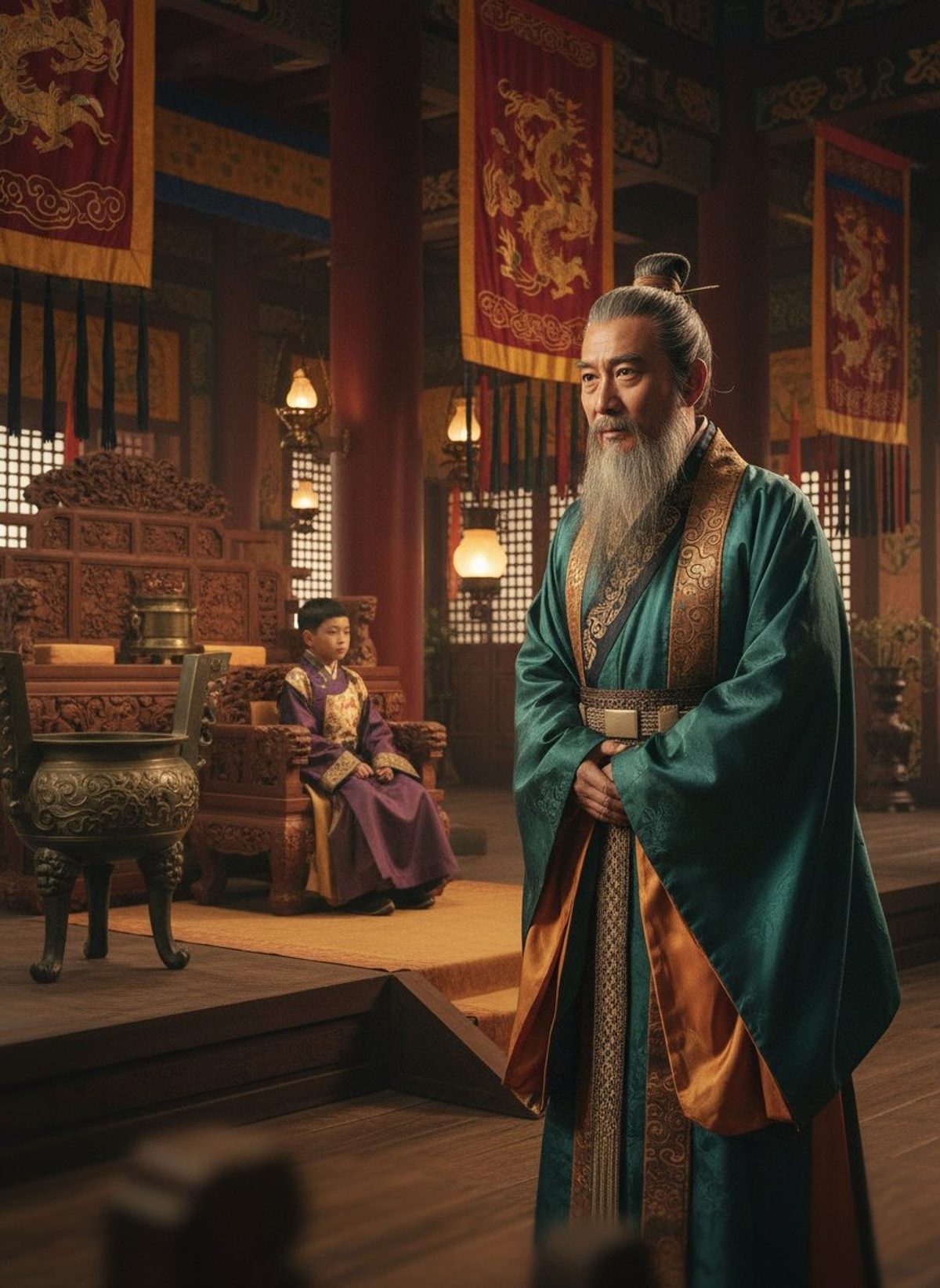
China. 1600 BCE. The old king was dead. His heir was a child. The most powerful man in the realm held everything. He could have taken the throne. He gave it back.
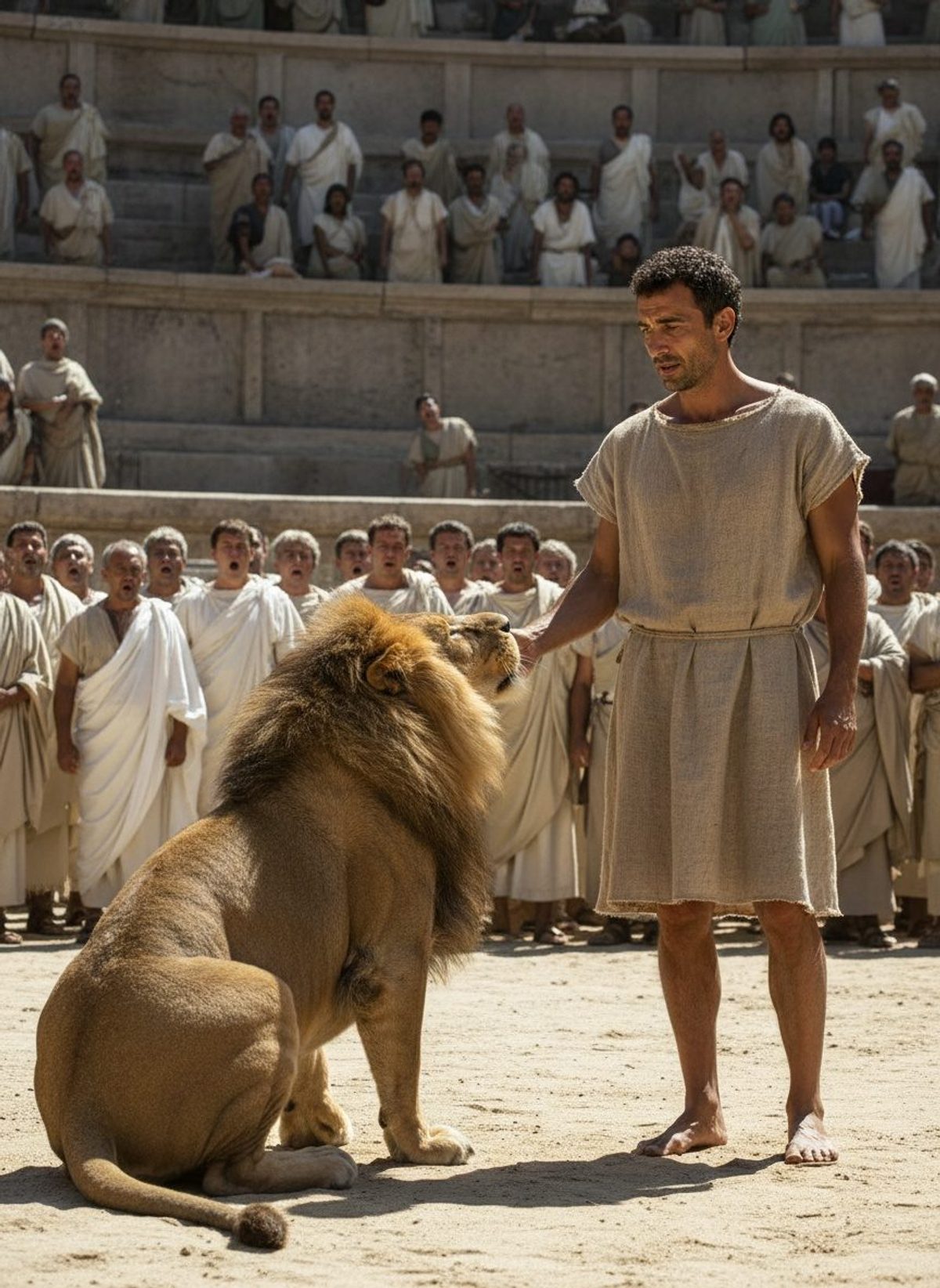
Rome. The arena. A slave stood unarmed before a lion. The crowd fell silent. The lion stopped. It pressed its great head against the man's hand. It had not forgotten.
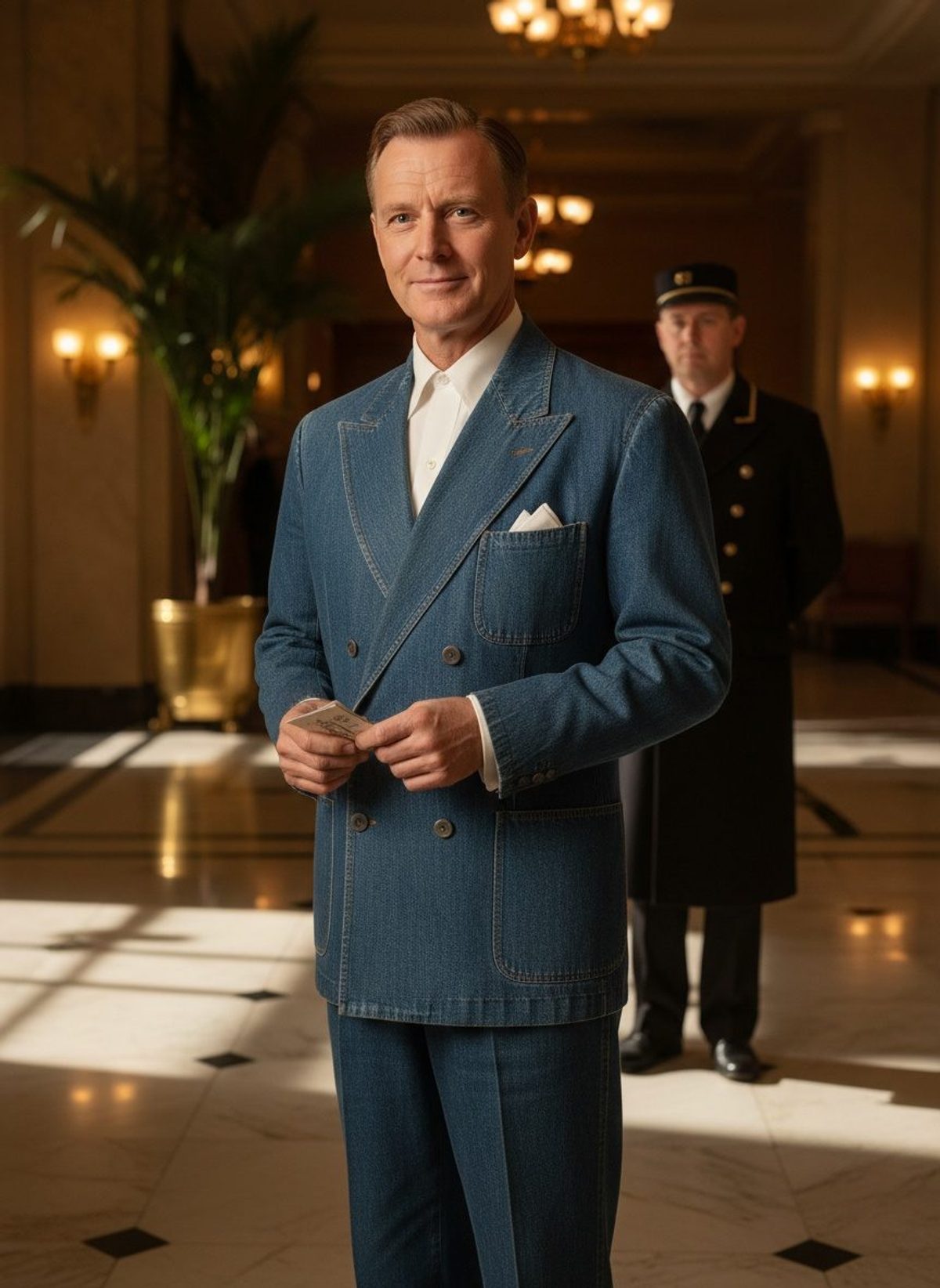
A Canadian hotel turned Bing Crosby away for wearing denim. Levi's heard the story. They stitched him a denim tuxedo jacket — and sent it with a note for hotel managers everywhere.
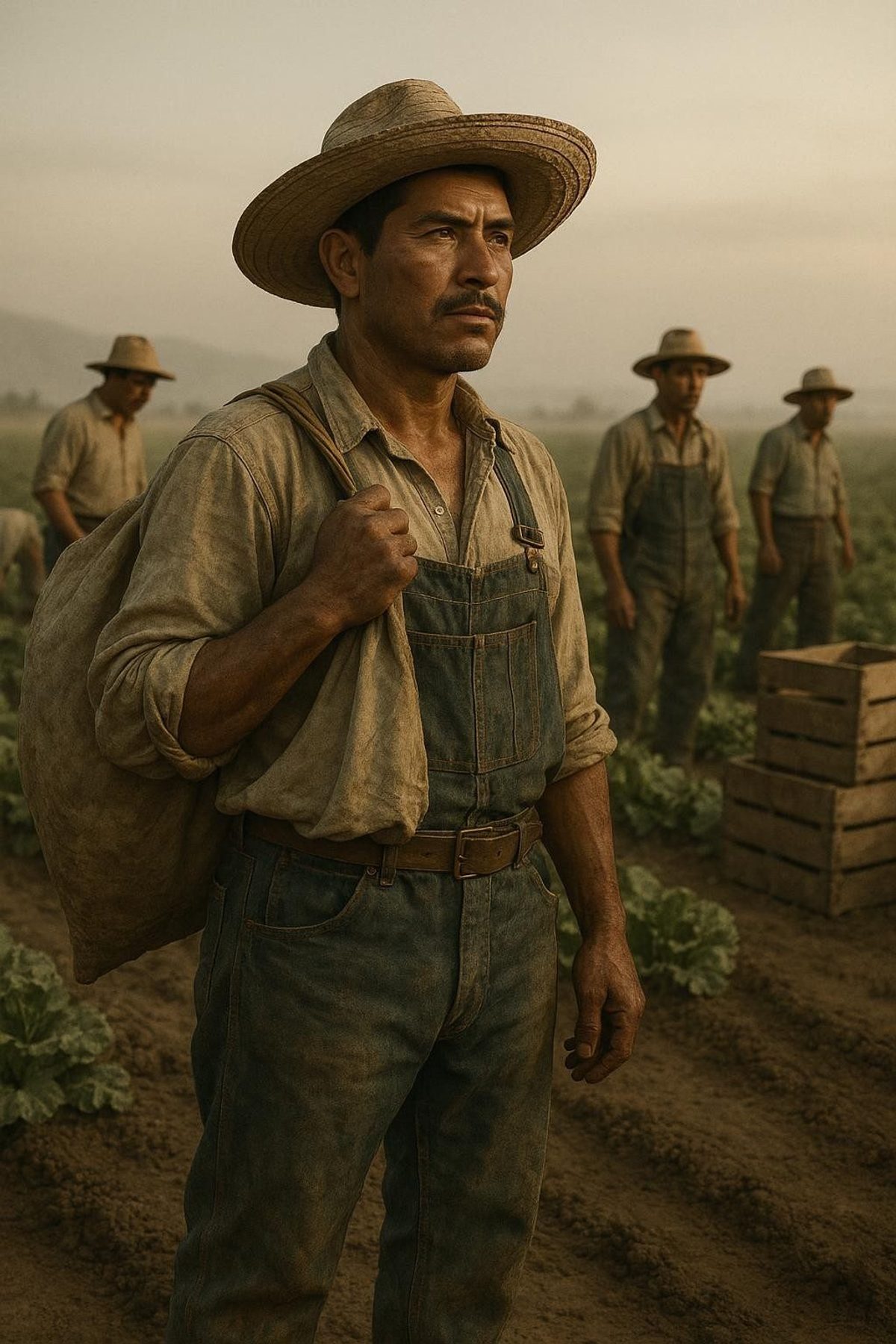
When American men went to war, farms went empty. Mexico sent 4.6 million workers to fill the gap. They fed a nation — then were deported the moment they weren't needed.
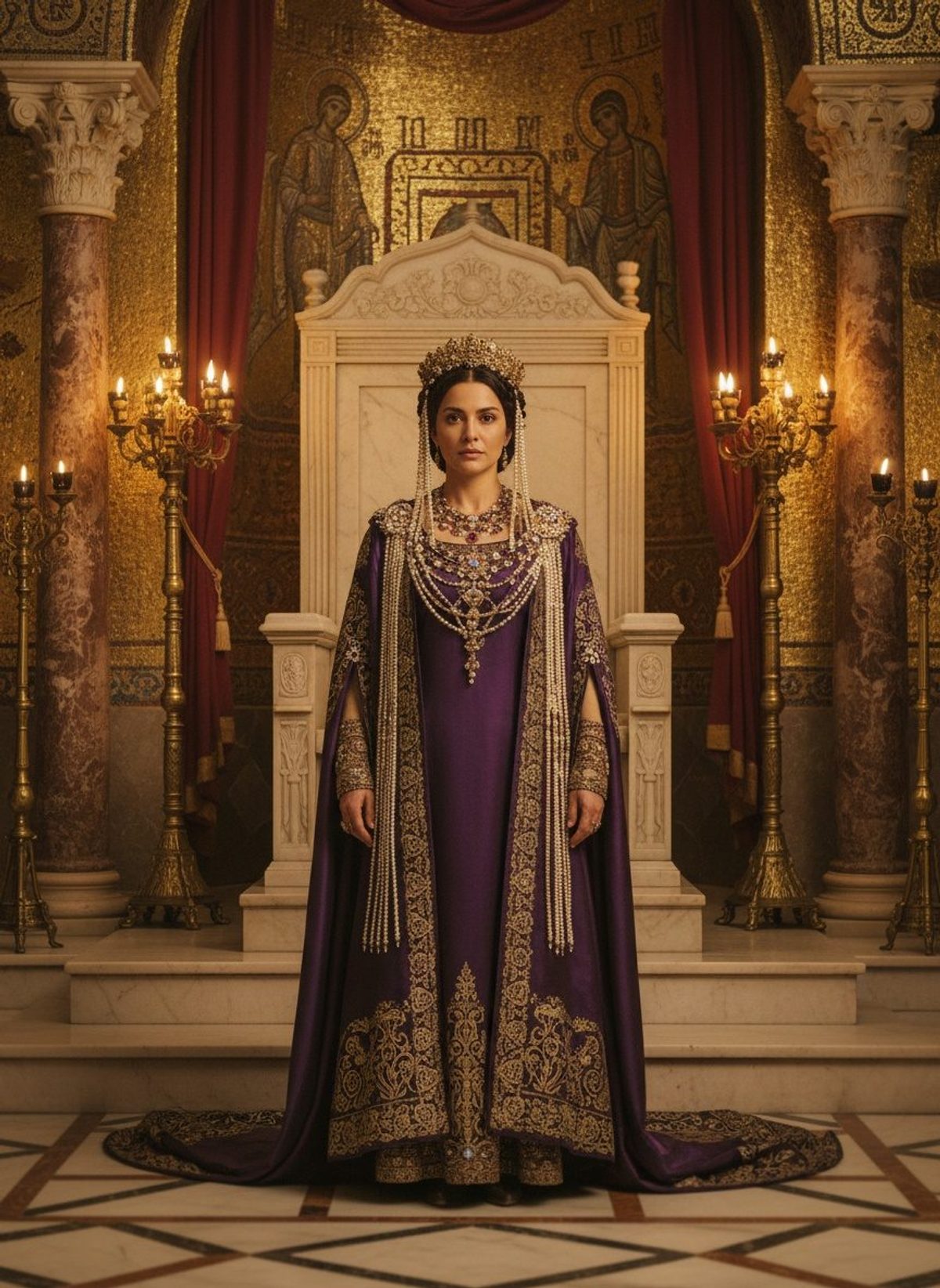
She was born in a circus tent. Her father tended bears. By thirty, she sat on the throne of the Roman Empire — and refused to run when the city burned.
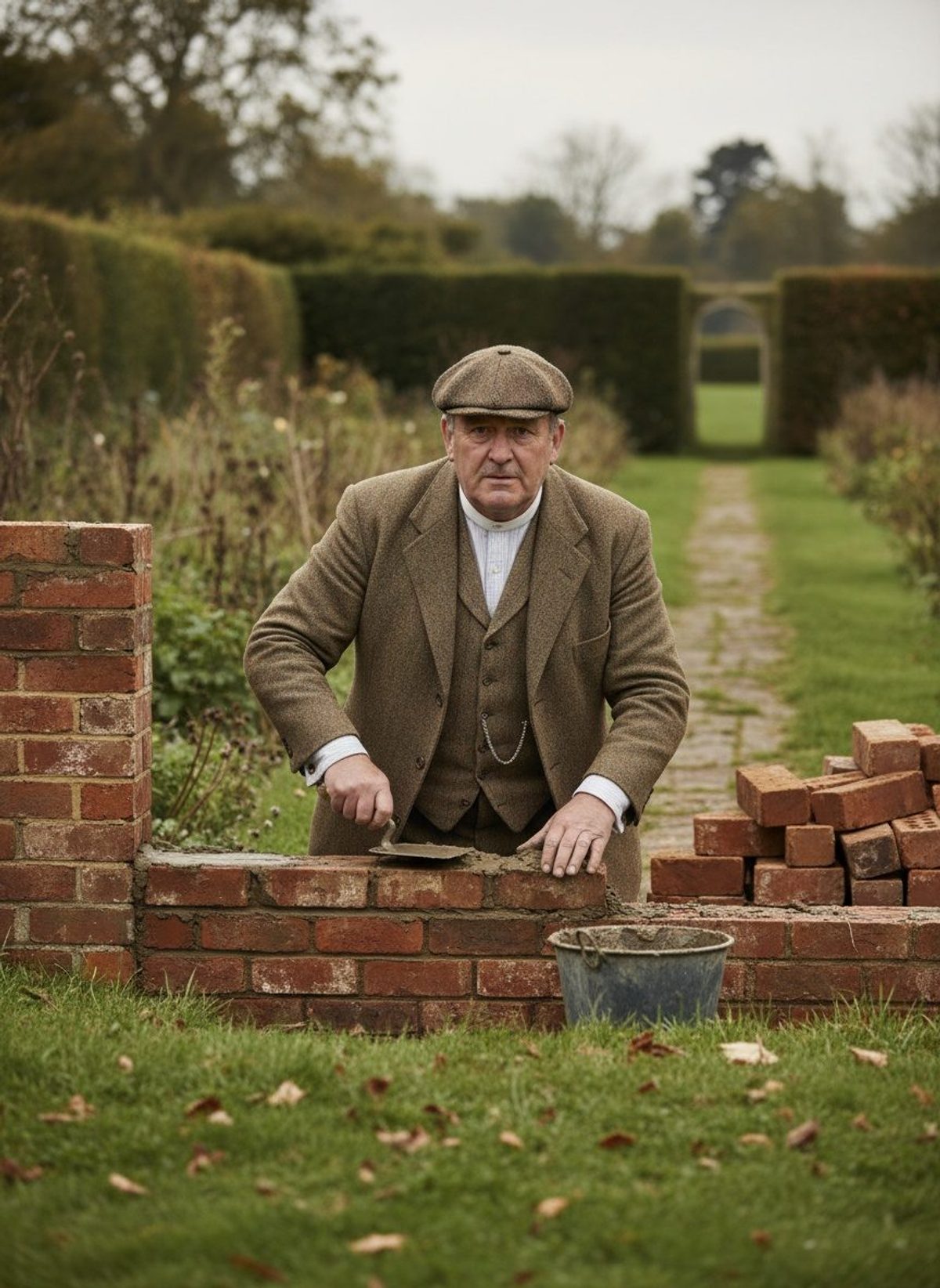
Churchill called his depression 'the black dog.' Politics gave him power but no peace. So he picked up a trowel. He laid bricks by hand — walls, garden structures, chimneys — until he could breathe again.
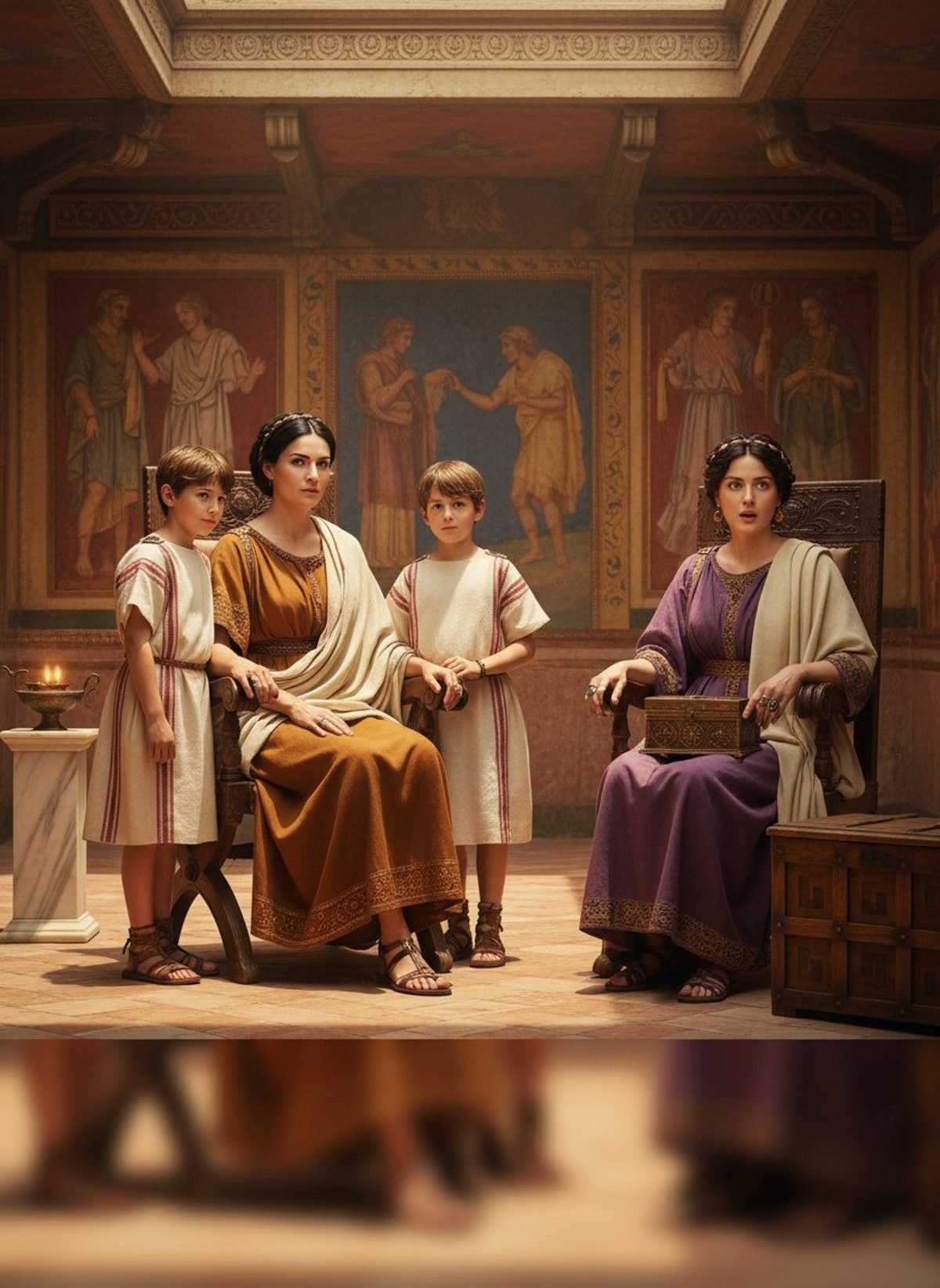
Rome, 162 BCE. A wealthy woman asked Cornelia to show her jewels. Cornelia waited. Her two sons walked in. She smiled. She pointed. 'These are my jewels.'
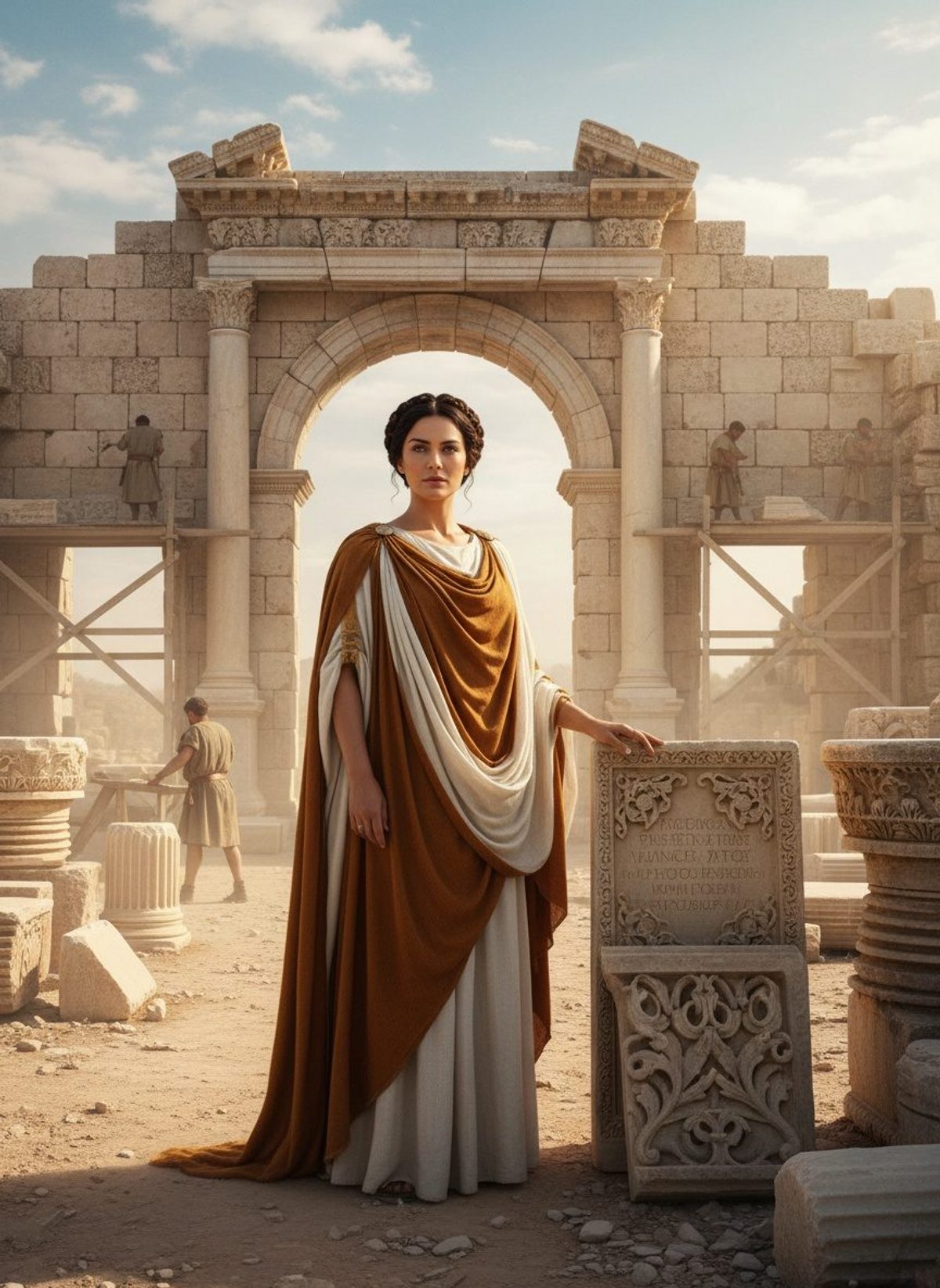
Perge, Asia Minor. 121 CE. The city needed a monument. Plancia Magna paid for it herself. A woman. Unmarried. She dedicated it to the emperor and her city. Perge never forgot her name.
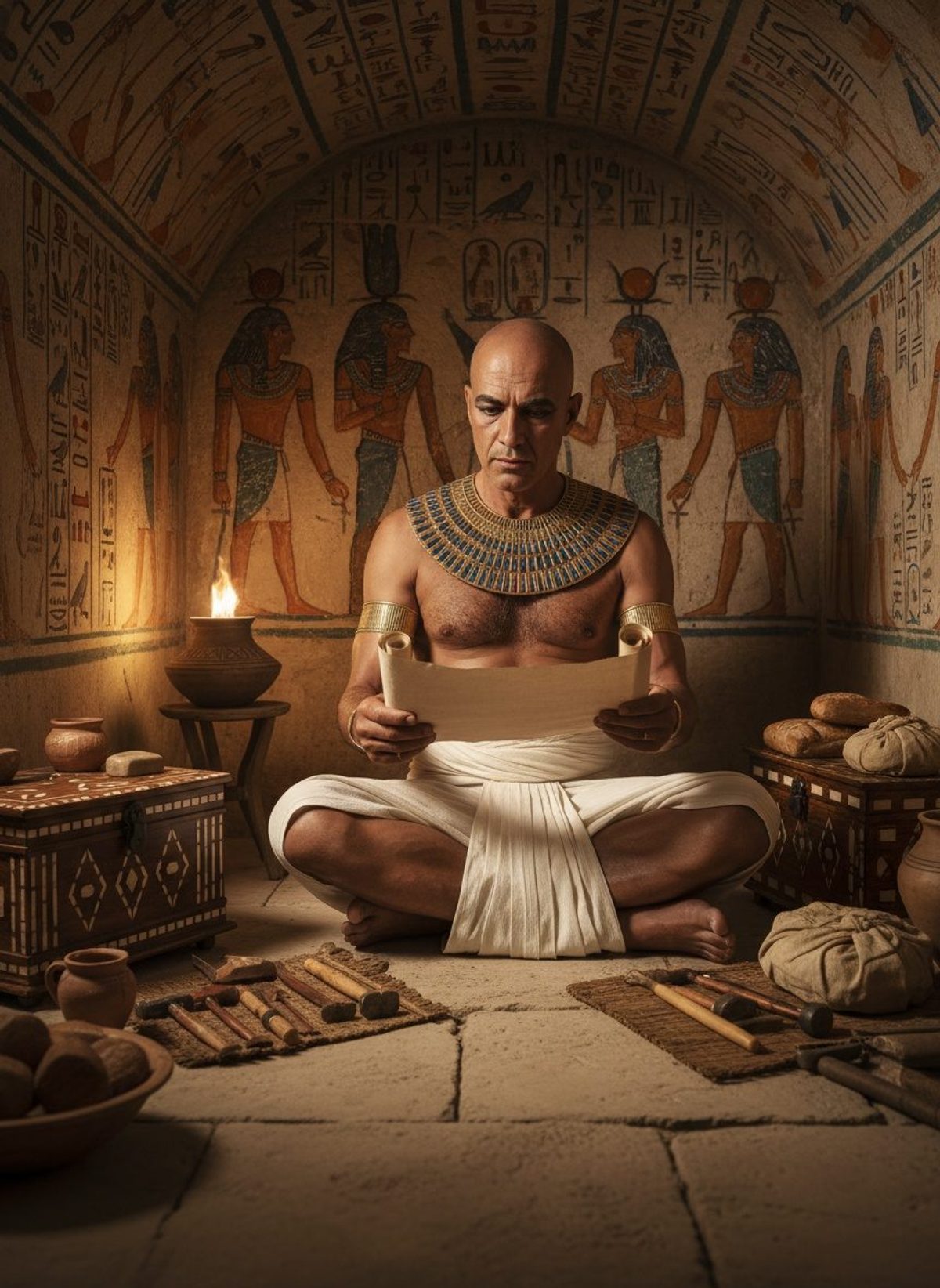
1400 BCE. Kha was Egypt's master tomb builder. He served three pharaohs. When he died, he packed his own tomb with everything he loved. No priests looted it. No thieves came. It waited 3,300 years. Untouched.
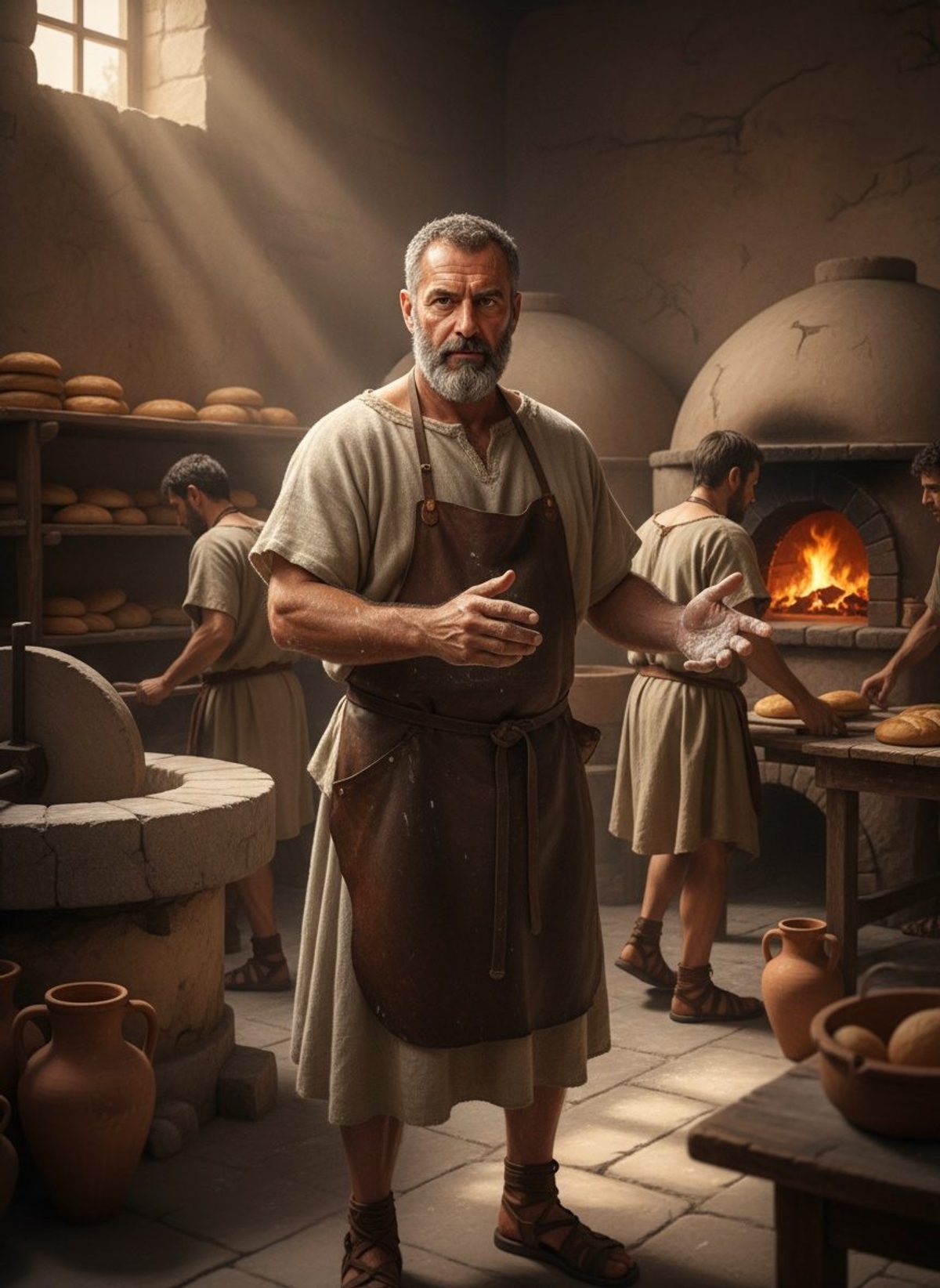
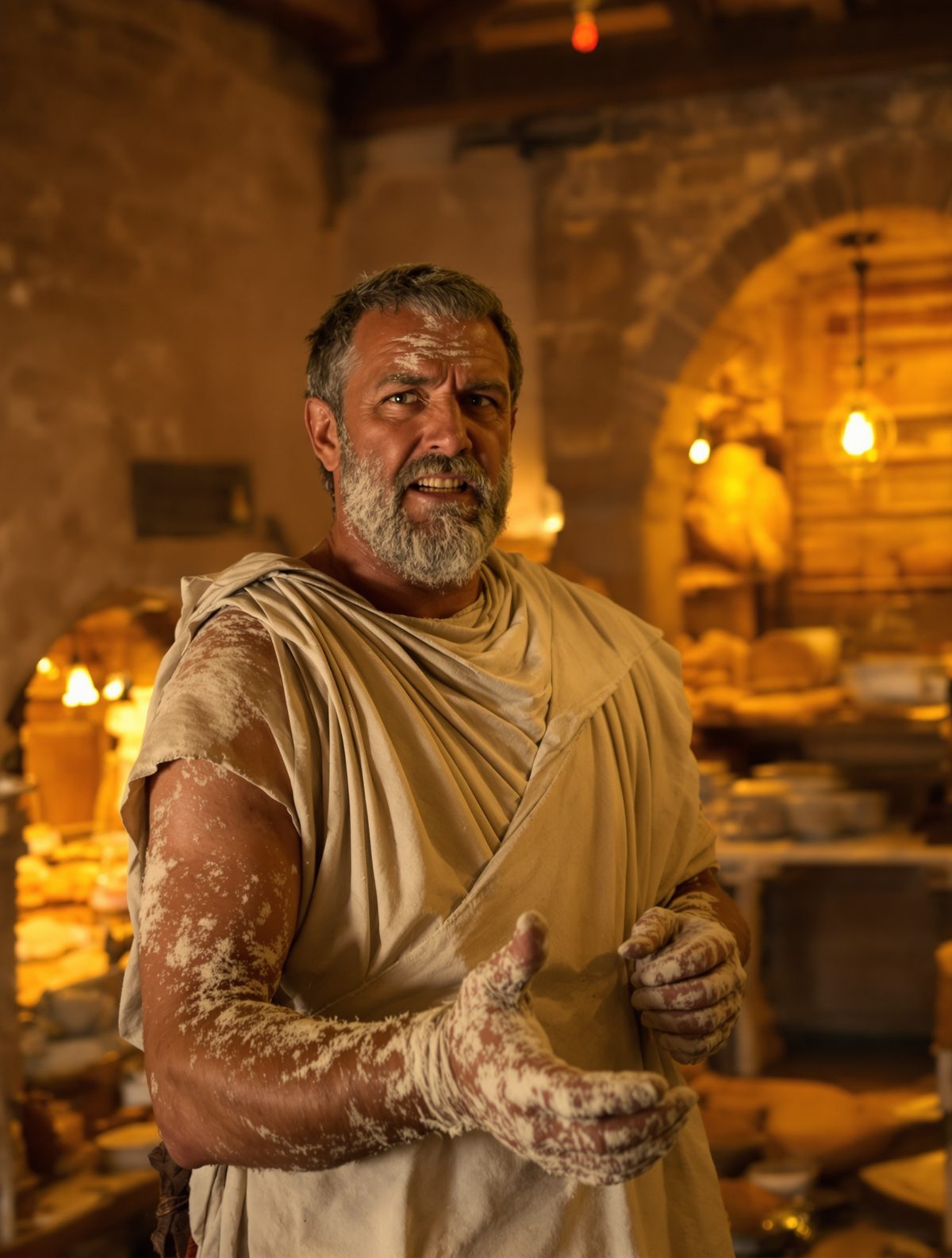
Rome. 100 CE. Marcus Vergilius Eurysaces ran the greatest bakery in the city. He baked for the army. He baked for the grain dole. He fed thousands. Then he built his own tomb. In the shape of an oven.
Rome. 50 BCE. A slave sat in a Roman household. He watched. He listened. He wrote fables that would outlast the empire. His name was Phaedrus. No one saw him coming.
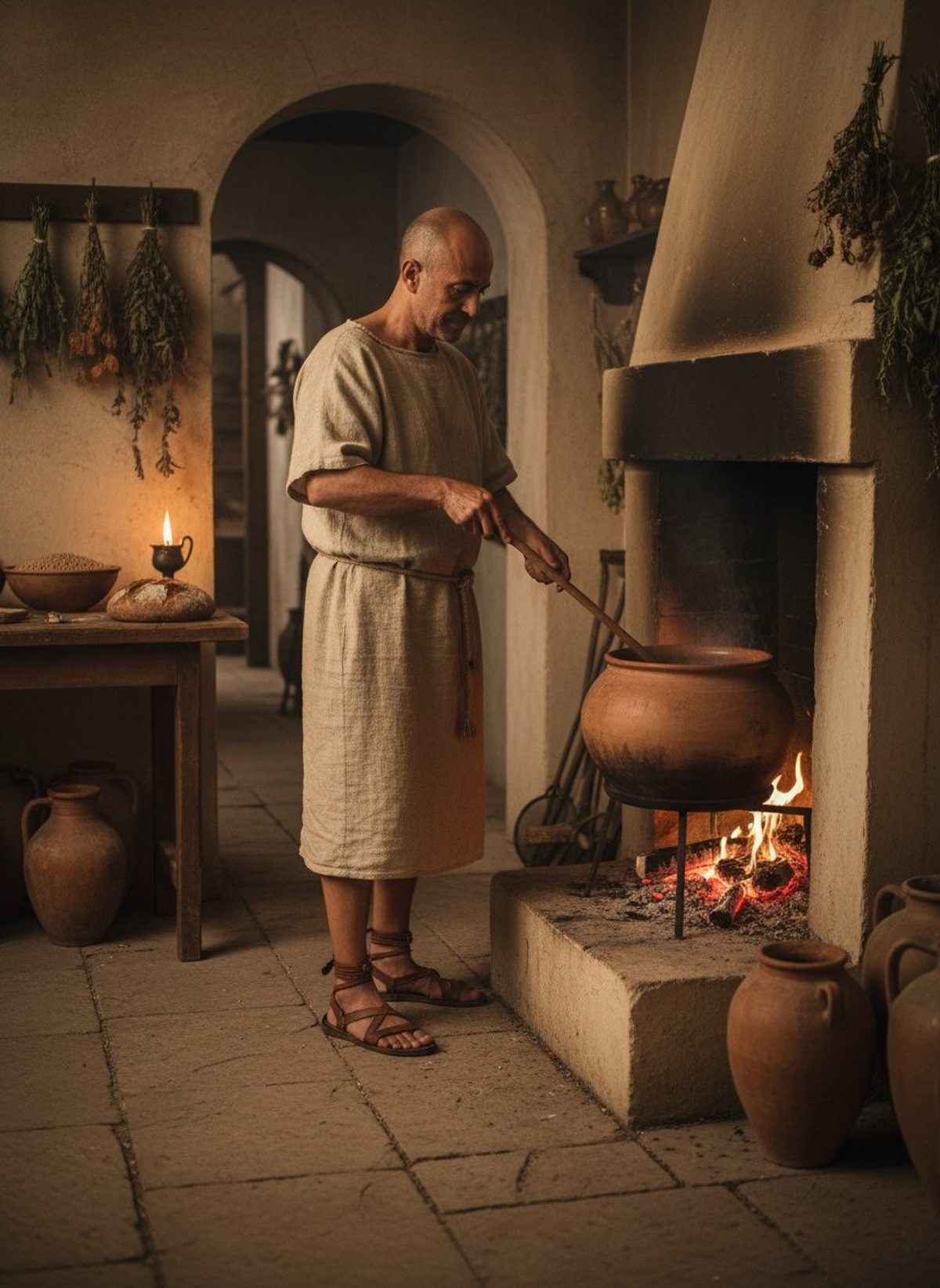
Rome. 100 CE. The emperor ate simply. No golden plates. No exotic feasts. His cook served lentils, fish, and bread. Trajan ruled an empire of millions. His kitchen fed one man like any other.
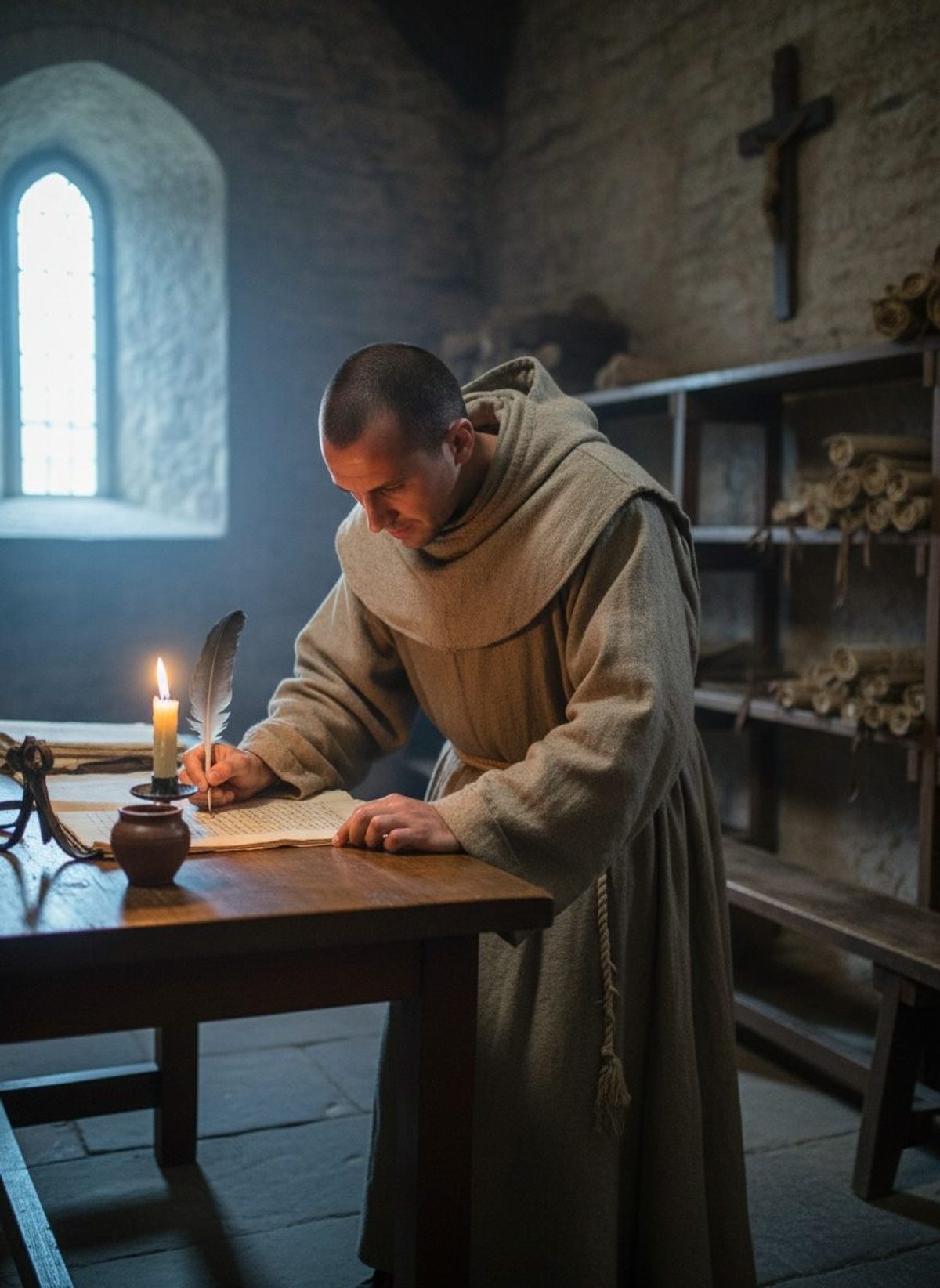
Tenth century England. A monk at Bald's scriptorium wrote a recipe. Garlic. Leek. Wine. Bile from a cow's stomach. Left to brew for nine days in a brass vessel. Modern scientists tested it. It killed MRSA. Dead.
657 AD. Hild of Whitby ran England's greatest school. Kings sent their sons to her. She taught Latin, scripture, and law. Five of her students became bishops. A woman. In the Dark Ages.
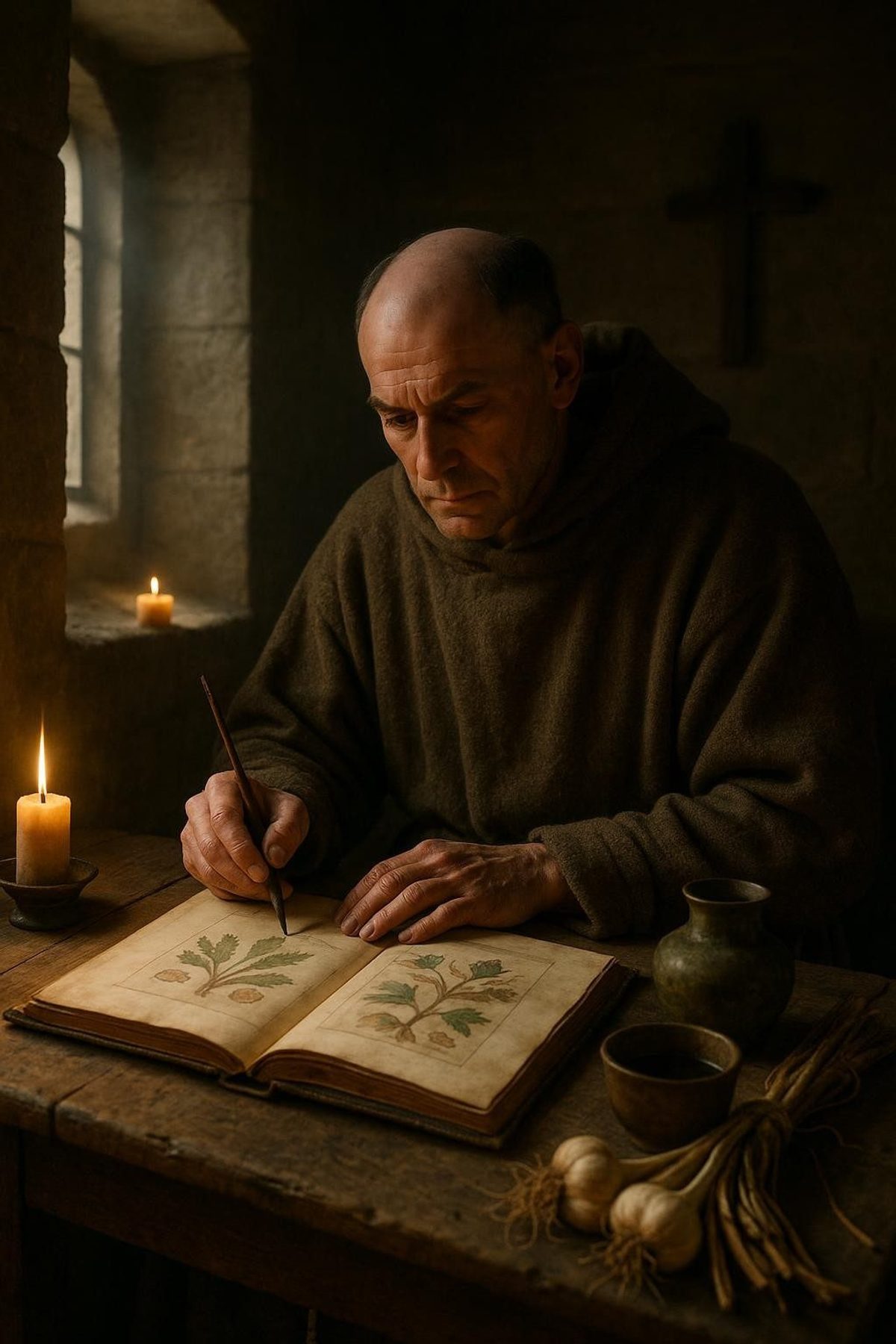
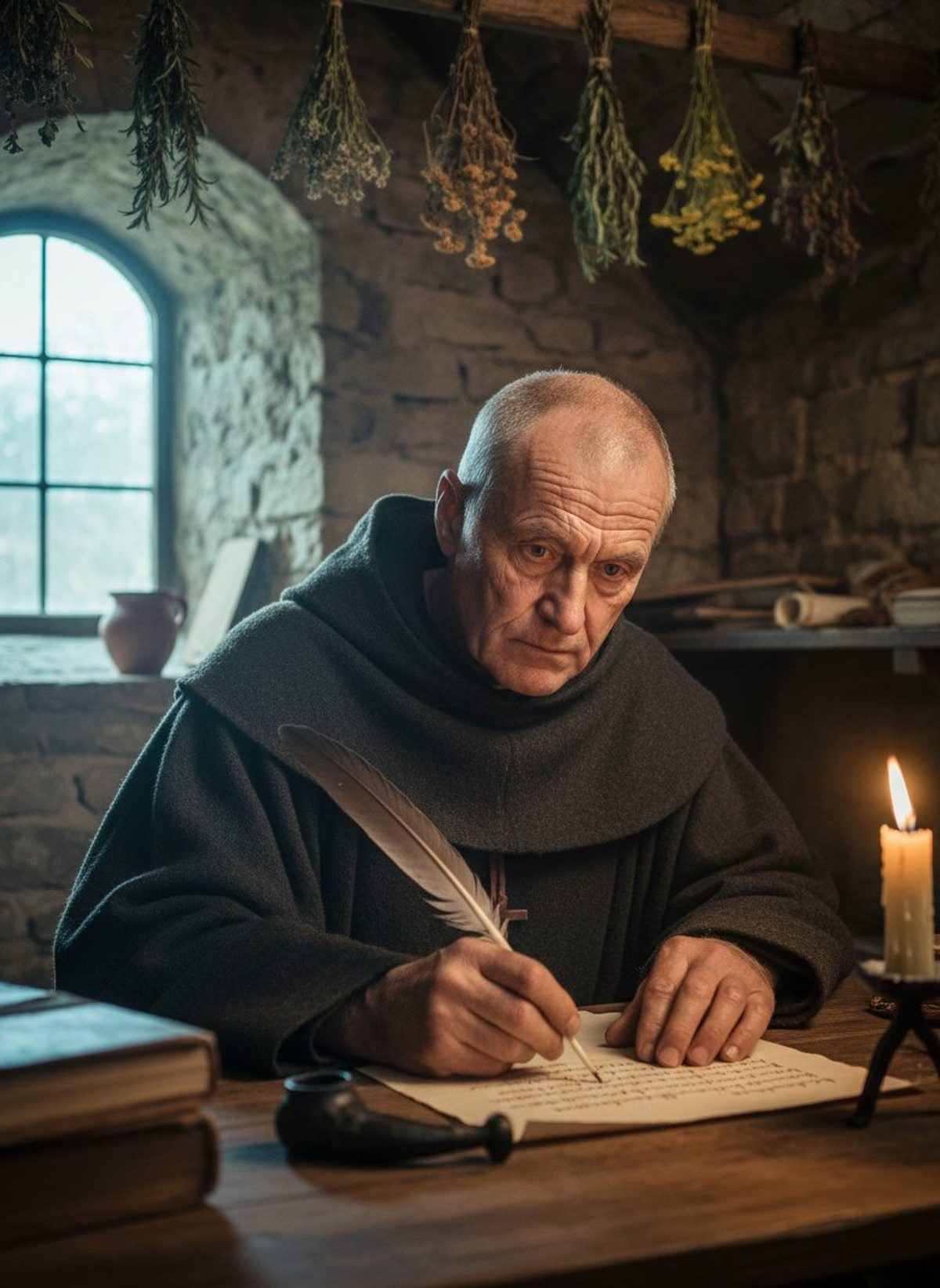
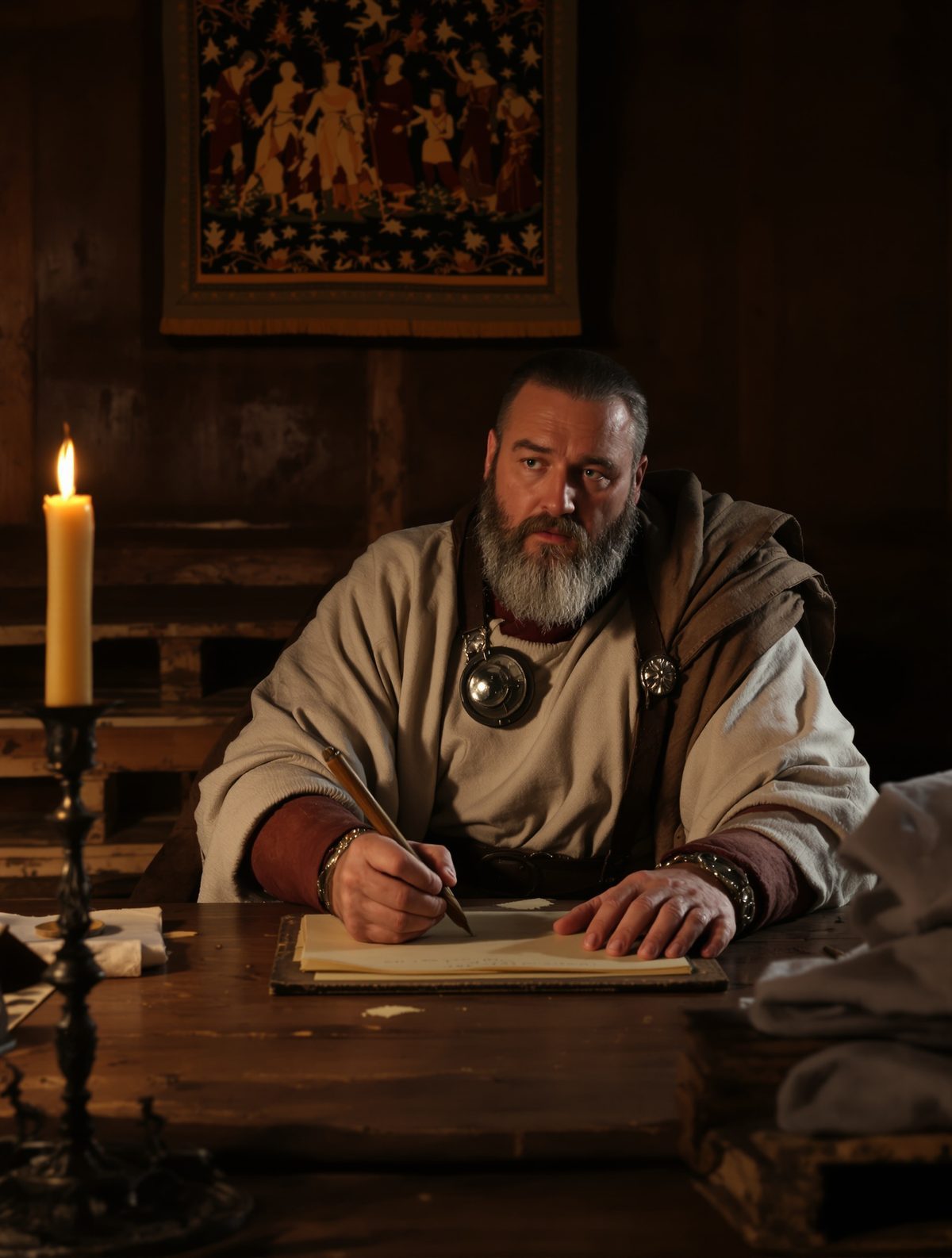
10th century England. A monk sat alone with a quill. He wrote down every remedy his people knew. Herbs. Charms. Cures. The book survived a thousand years. It still works.
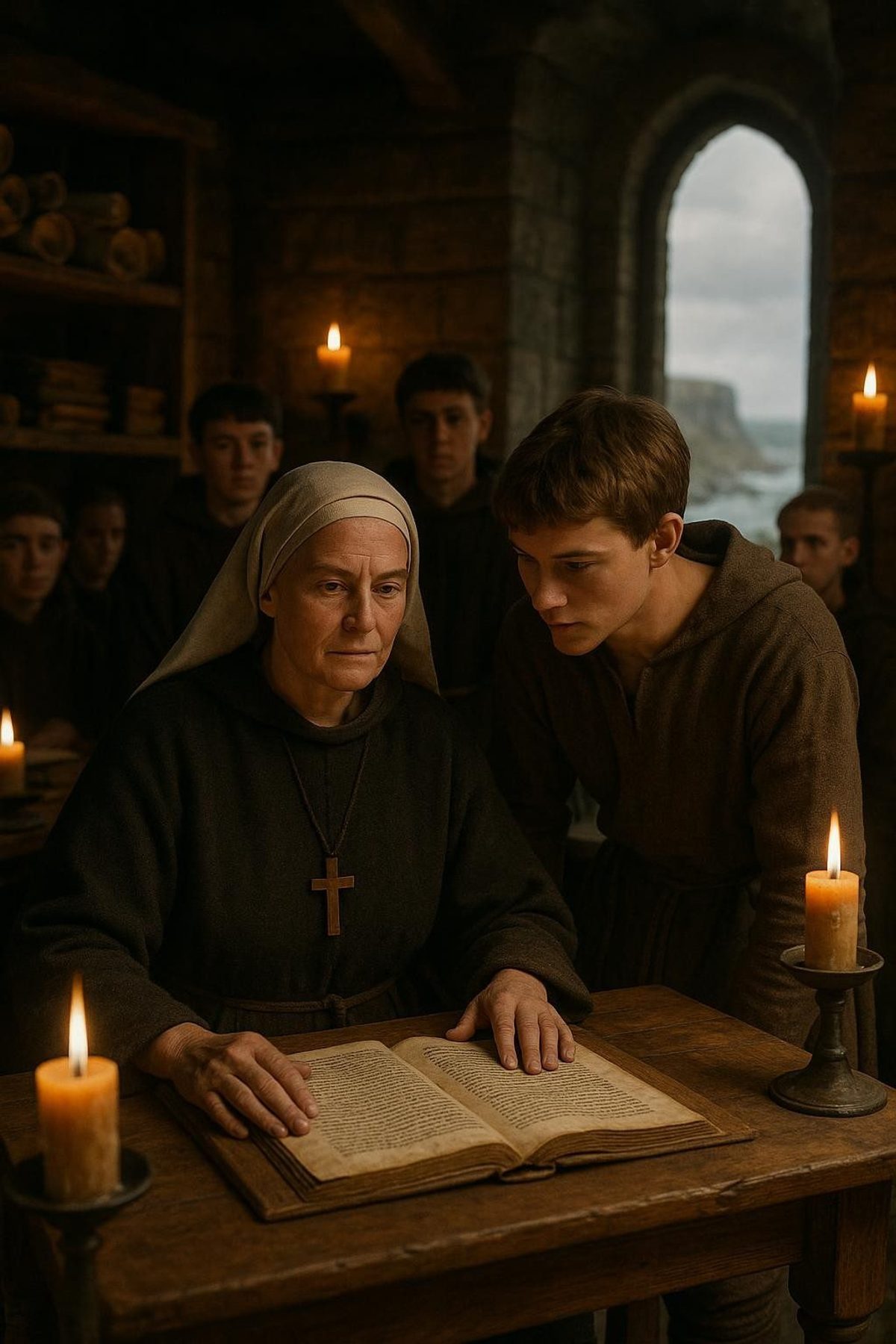
672 AD. A boy arrived at a Northumbrian monastery with nothing. He learned to read by candlelight. He became the greatest scholar in Europe. Bede never left his monastery. The world came to him instead.
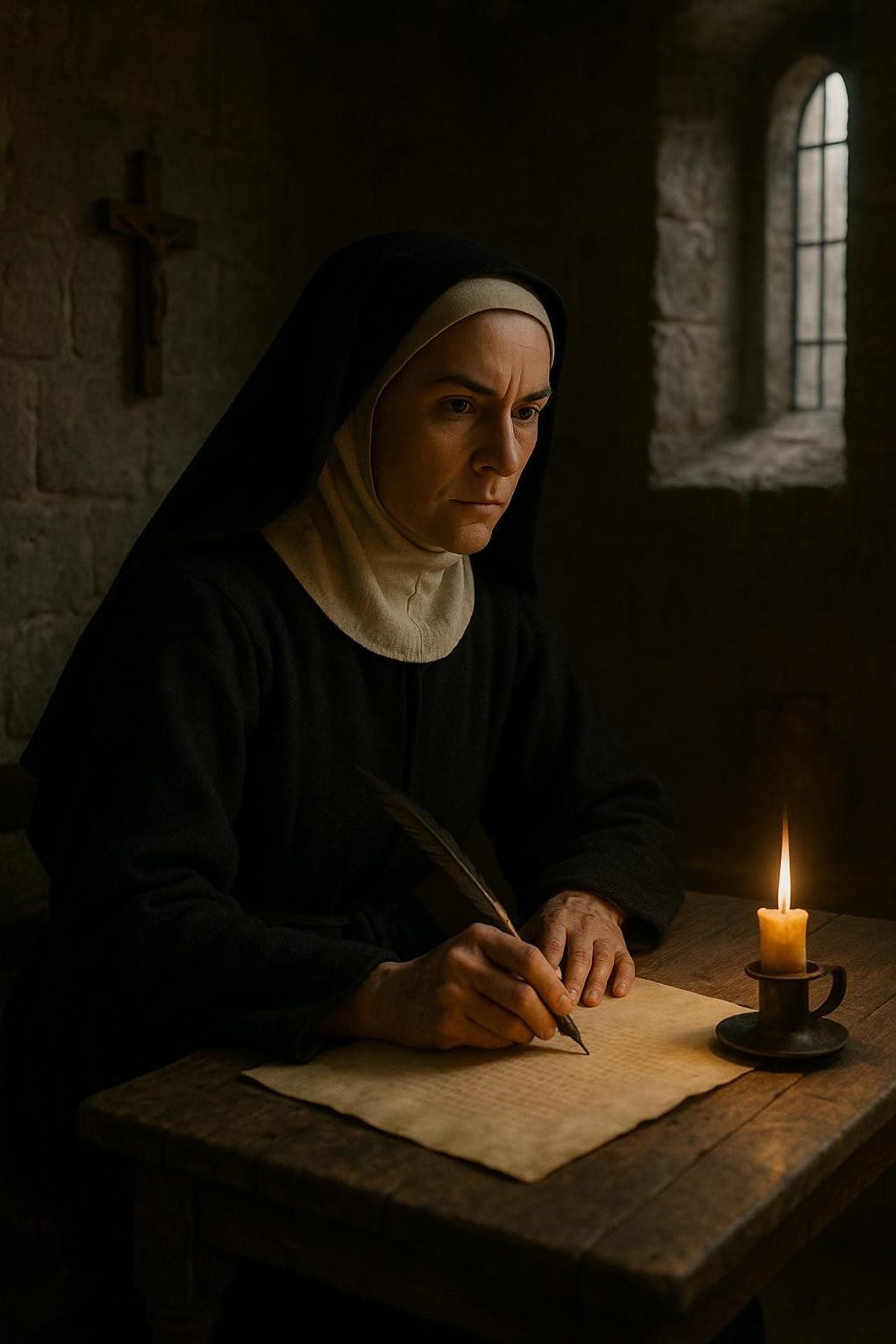
Norwich. 1373. Julian was gravely ill. She expected to die. Instead she saw sixteen visions. She recovered. Then she walled herself into a stone cell. She spent the next twenty years writing down what she had seen. She never left.
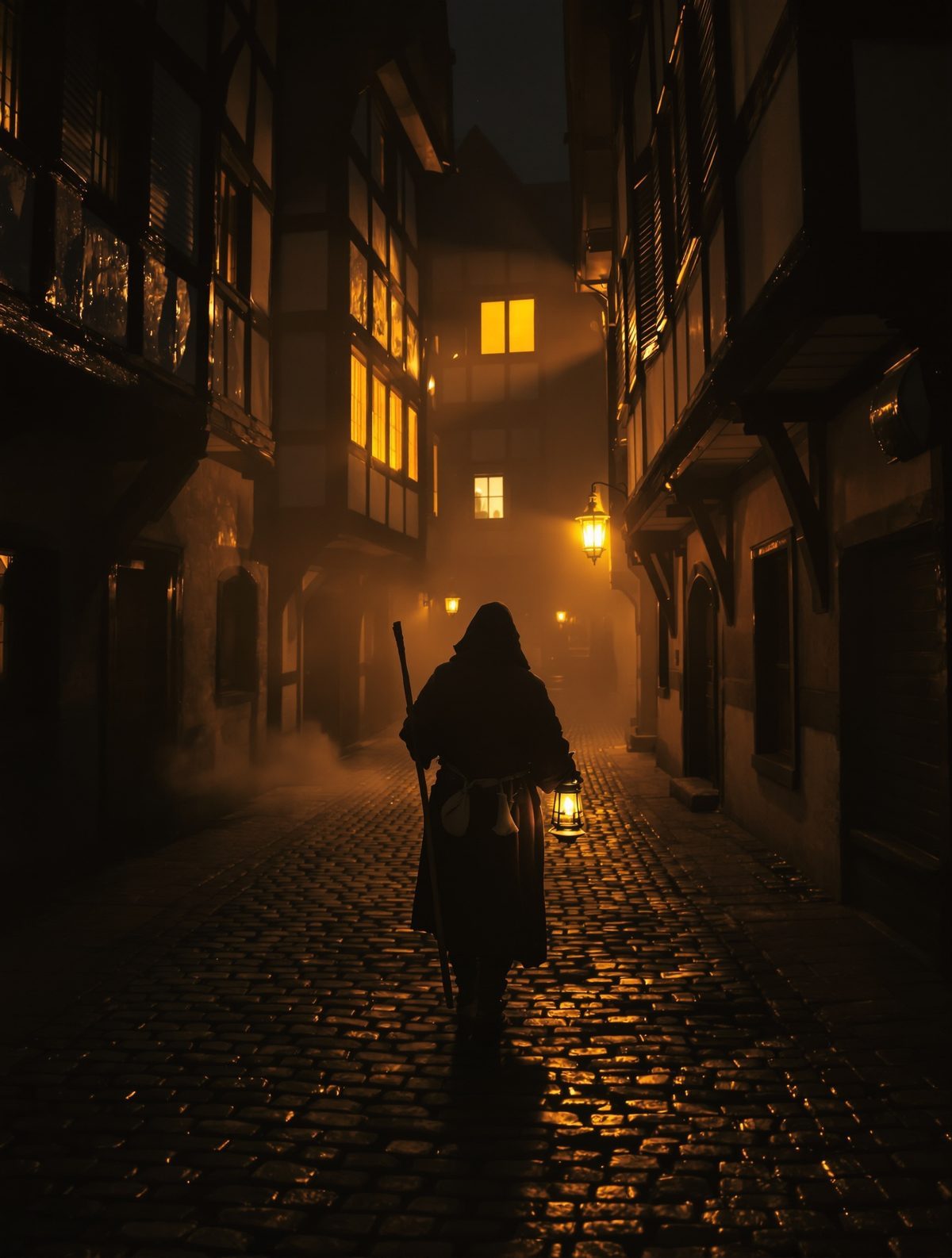
Armed with lanterns and horns, these men kept medieval cities safe through the night
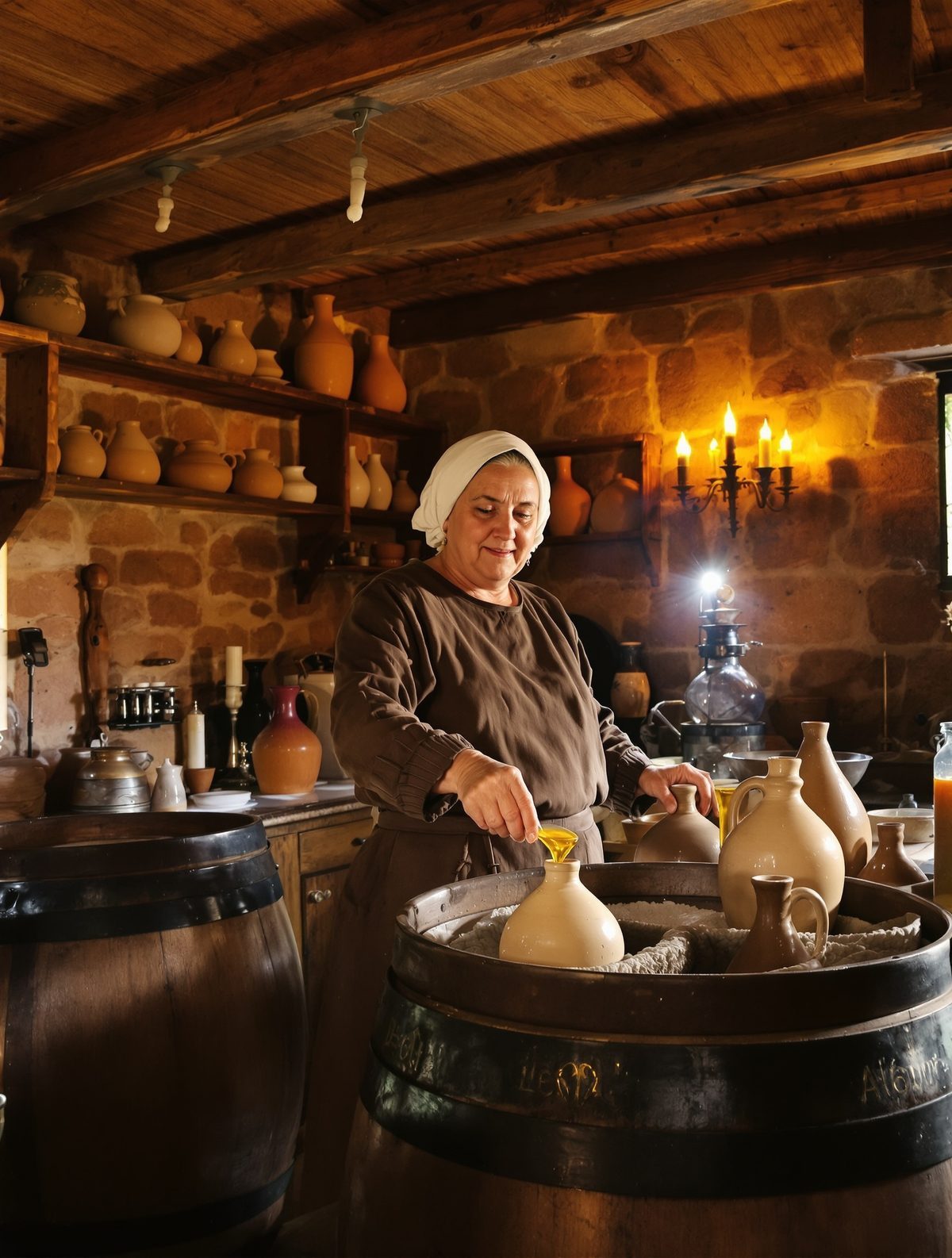
Before pubs, medieval women brewed beer in their homes and sold it door-to-door
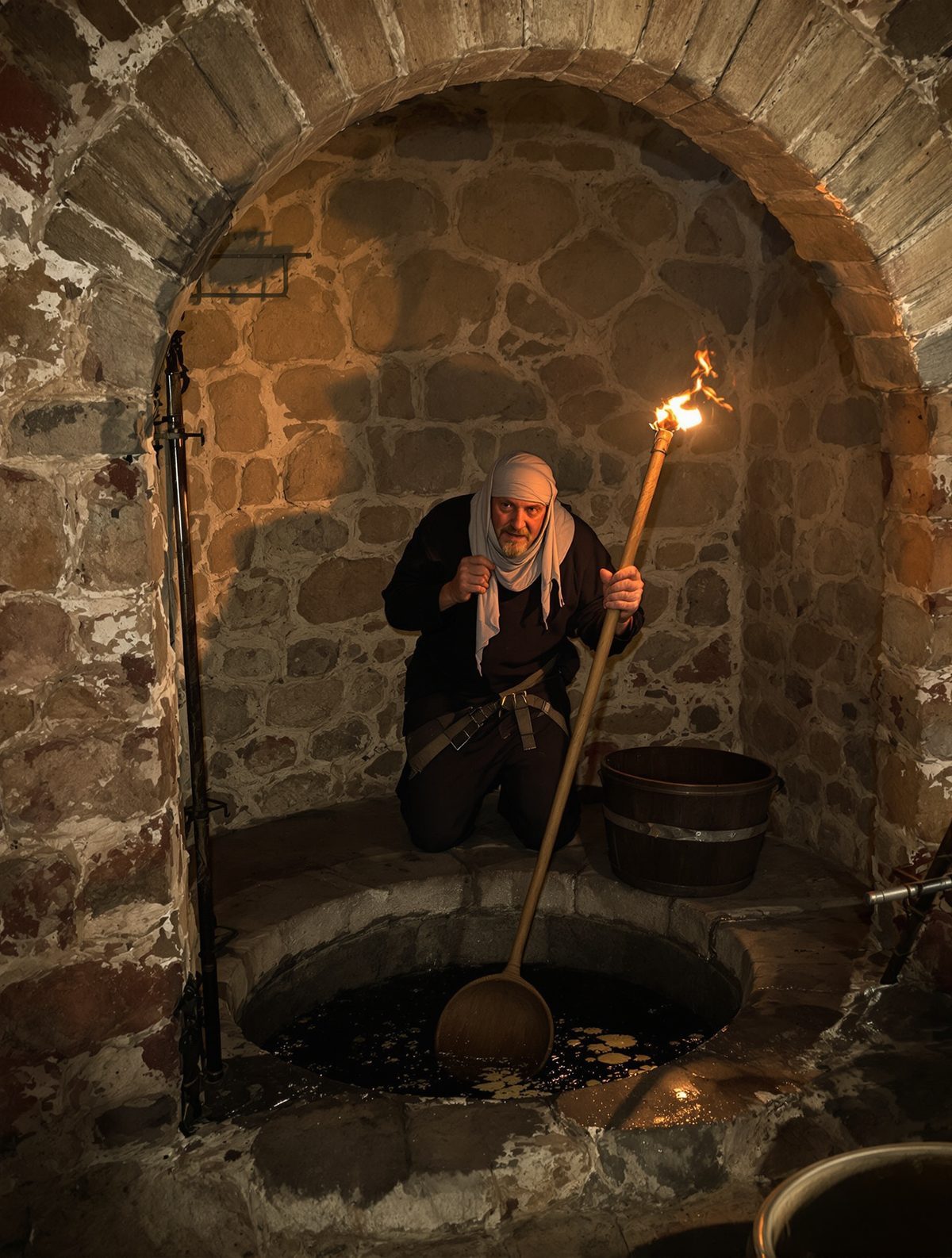
Medieval 'gong farmers' earned a fortune cleaning castle toilets - but only at night
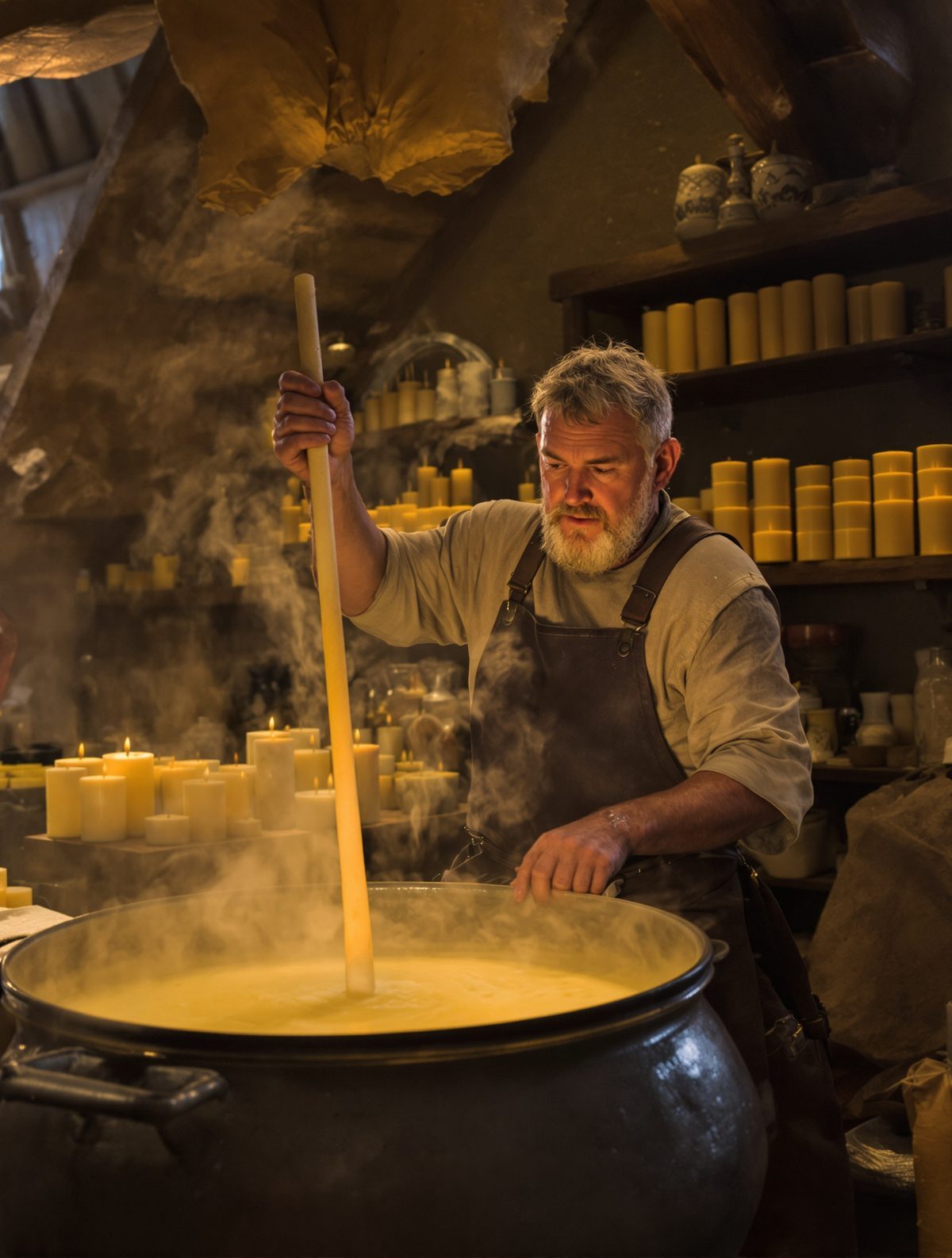
Making light in medieval times could literally blow you up
Lucius Caecilius Jucundus was updating his wax tablets when Vesuvius erupted. He dropped everything and fled. Those abandoned business records. Survived 2,000 years under ash. Now they're our only window into an ordinary Roman's final morning.
A slave woman named Antonia nursed baby Caligula back to health. Then she raised Claudius from infancy. Finally, she cared for young Nero. Three future emperors. One forgotten woman who shaped Rome's destiny.
Salpe had delivered three generations of Roman nobles. She knew every family secret. When Caesar's enemies needed proof of his affair with Cleopatra, they called her to testify. Her words helped justify his assassination.
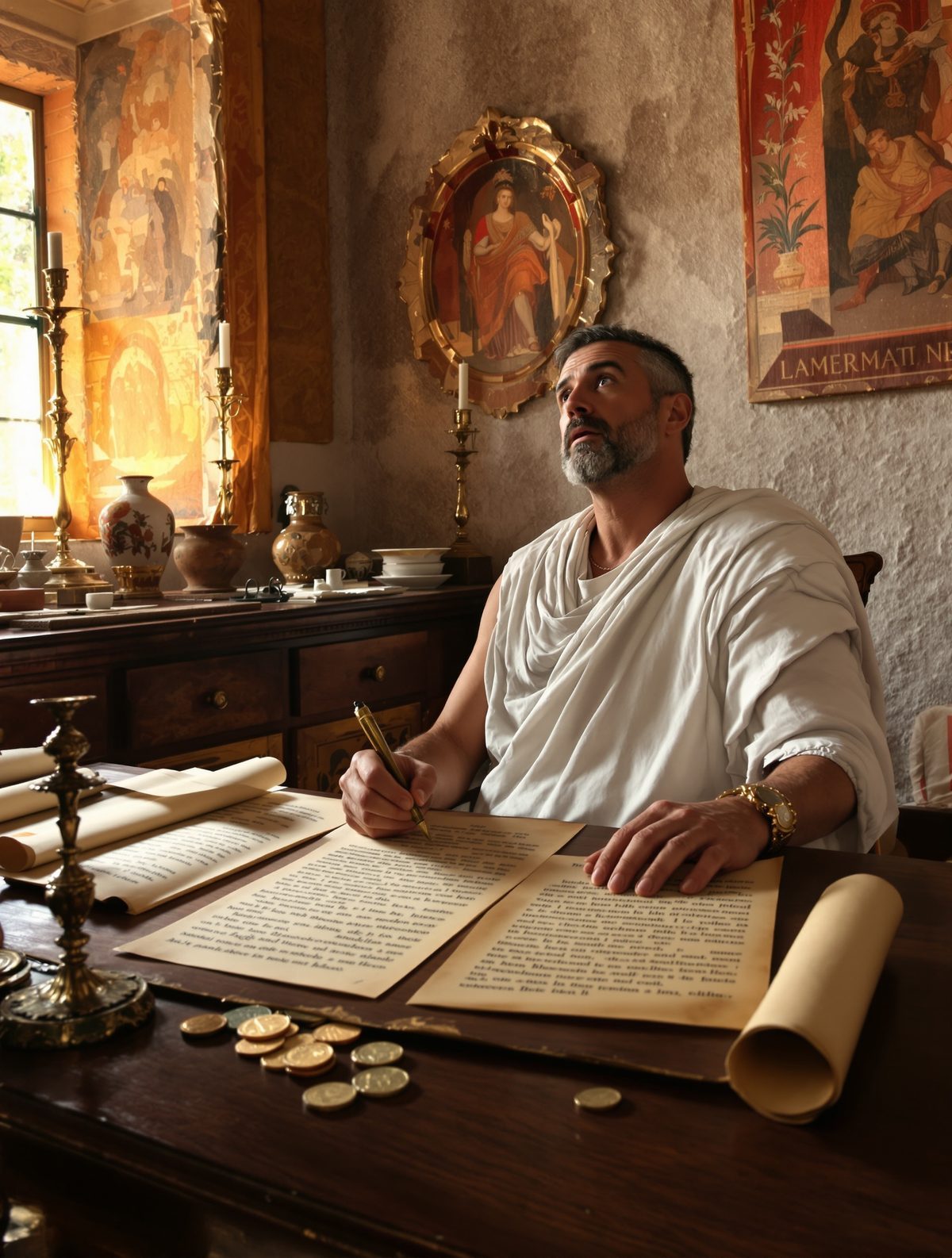
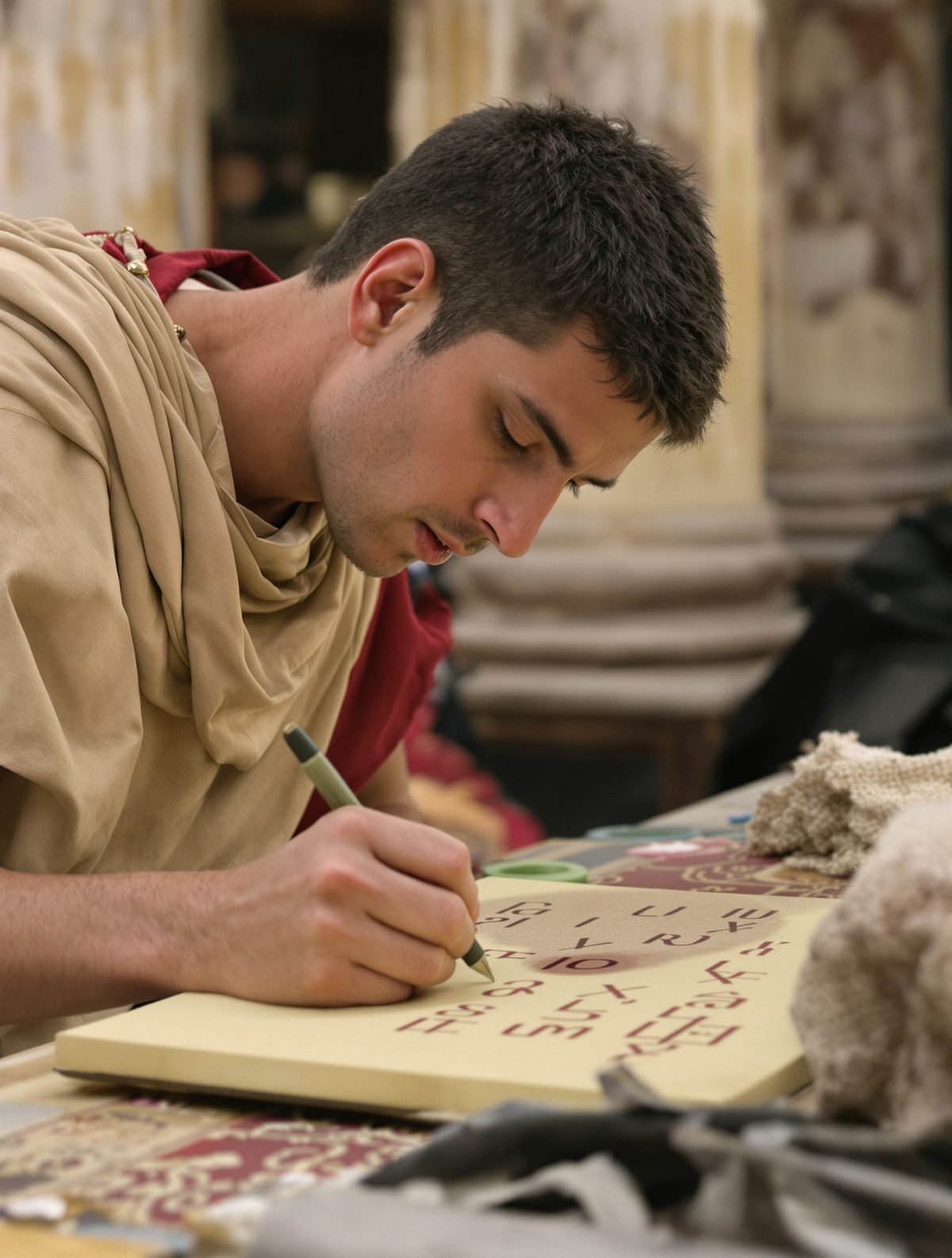
Marcus Tullius Tiro was Cicero's slave secretary. Roman senators spoke faster than scribes could write. Tiro created a system of symbols to capture every word. His 'Tironian notes' recorded history's greatest speeches. Freed slaves across Rome learned his secret code.
Antonia raised abandoned babies in her modest Roman home. Five of them became emperors. She died poor and forgotten. The most powerful woman in Rome was never born noble.
Empress Theophano of Byzantium suffered from terrible nightmares about her own death. Every evening before bed, she would embroider her funeral shroud by candlelight. She completed it the night before dying unexpectedly at age 31.
Celtic druids spent two decades memorizing their entire legal system. No scrolls. No tablets. Just pure memory. They could recite thousands of laws, punishments, and precedents perfectly. One mistake meant losing everything.
Peter de Colechurch needed stone for London Bridge. The Church wanted impossible payment. He sold his own kidney to Arab physicians. The bridge stood for 600 years on his sacrifice.
Clodia sold her three children to wealthy families each October. Every spring she bought them back with her weaving profits. Roman law allowed parents to sell children up to three times. For twenty years, her family survived winters this way.
Young Julius Caesar was captured by pirates. They demanded 20 talents ransom. Caesar laughed. He insisted they raise it to 50 talents. He told them he would crucify them all when freed. They thought it was a joke.
A baker in Pompeii scrawled a furious complaint about his cheating wife on his bakery wall. The eruption of Mount Vesuvius preserved his angry graffiti for 2,000 years. Archaeologists found it perfectly intact.
Venice's greatest explorer lay dying. Friends begged him to admit his China stories were lies. Marco Polo refused. 'I have not told half of what I saw,' he whispered.
Marcus Cato ended every Senate speech the same way. No matter the topic. Roads, taxes, grain imports. Always the same three words. 'Carthage must be destroyed.' For years senators rolled their eyes. Then Rome listened.
Roman admiral Pliny the Elder commanded the imperial fleet at Misenum. When Vesuvius erupted, he sailed directly toward the disaster. Not to evacuate civilians. To study the volcanic phenomenon up close for science.
Emperor Claudius loved mushrooms. His wife Agrippina knew this. She served him his favorite dish one autumn evening. The mushrooms were perfectly prepared. They were also perfectly poisoned.
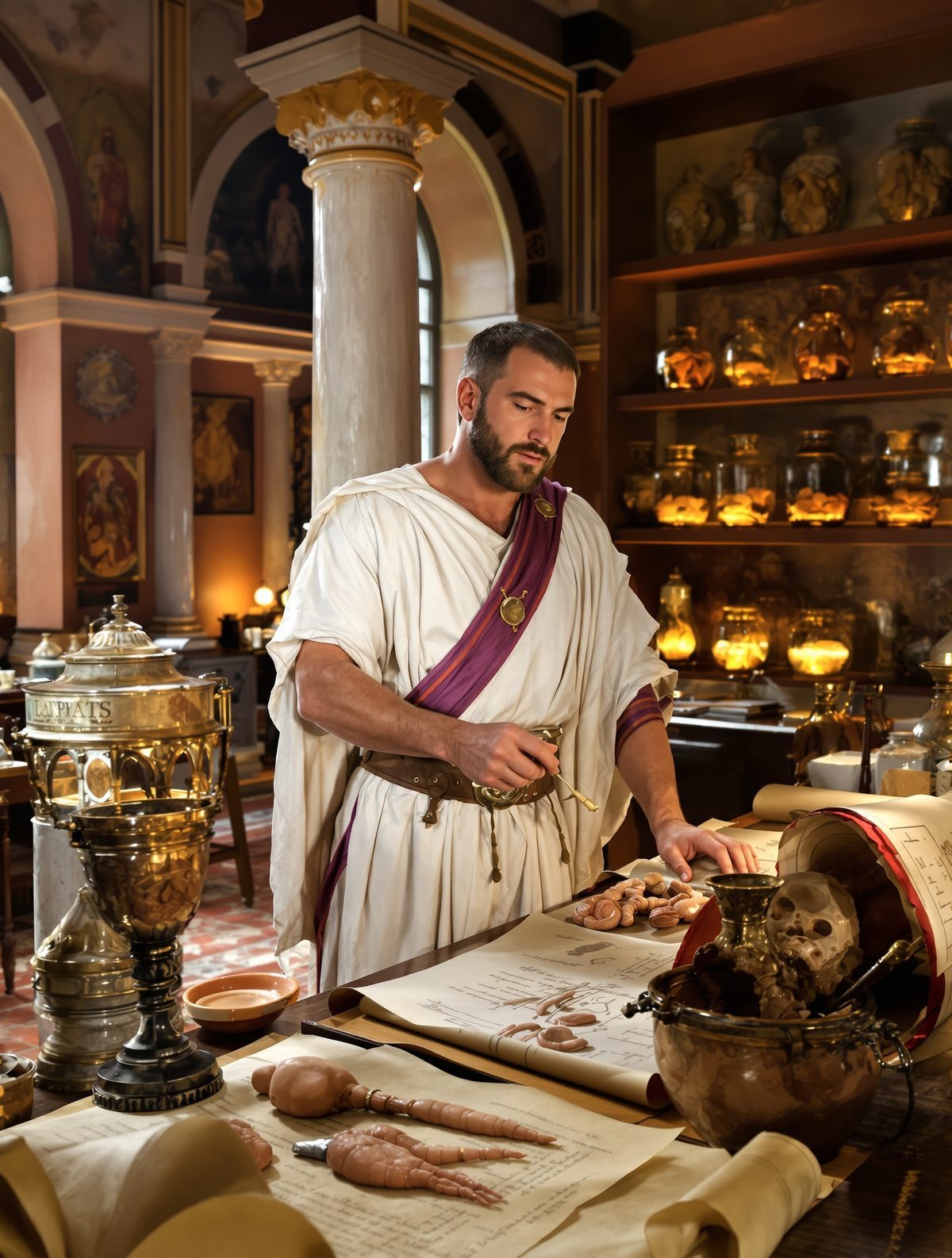
Galen served as personal physician to five Roman emperors. But human dissection was forbidden in Rome. So he cut open pigs and monkeys instead. Then applied what he learned to imperial patients. His guesswork became medical law for 1,400 years.
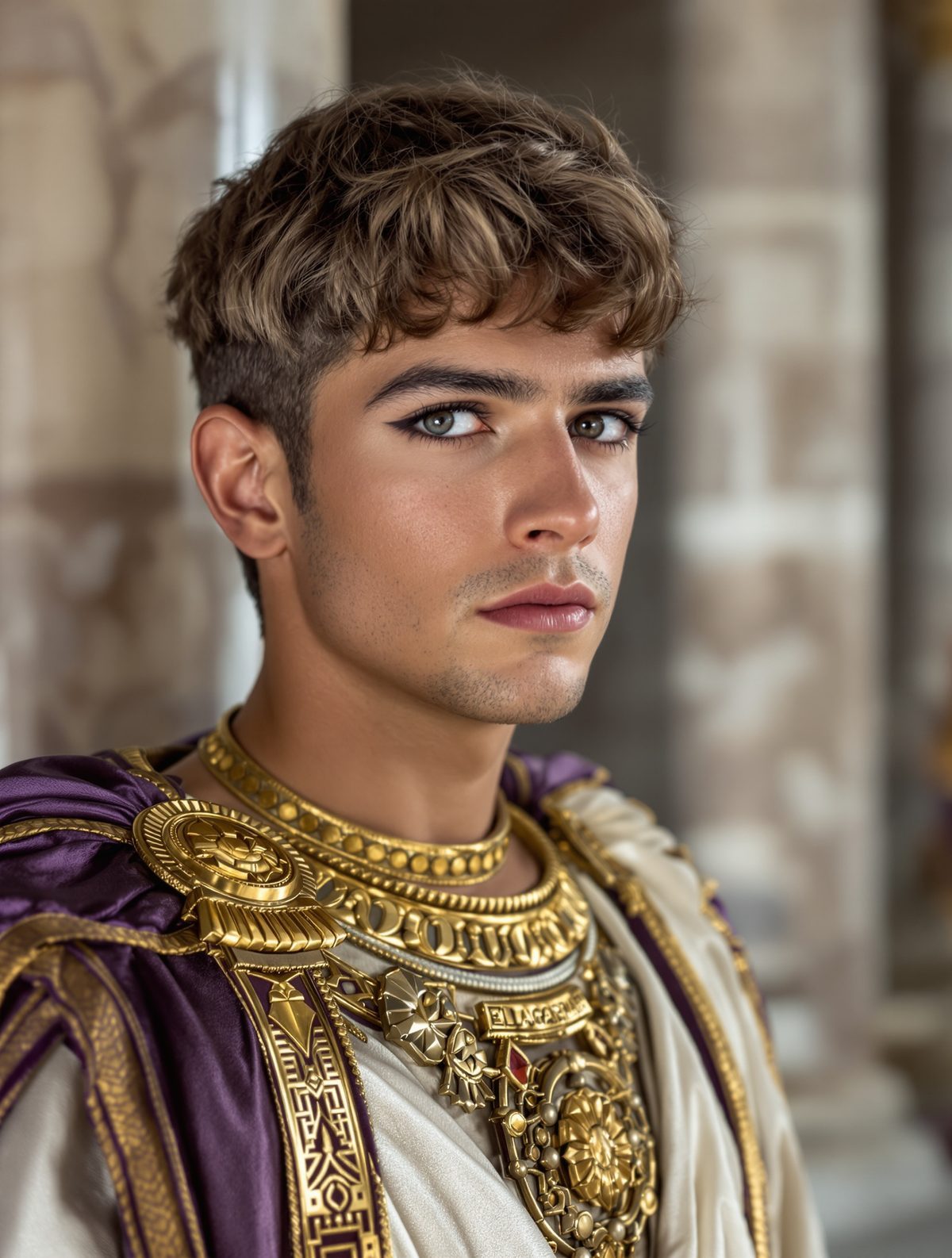
Emperor Elagabalus shocked Rome by marrying his charioteer Hierocles in a public ceremony. He called Hierocles his husband. The Senate watched in horror as their emperor wore makeup and played the bride.
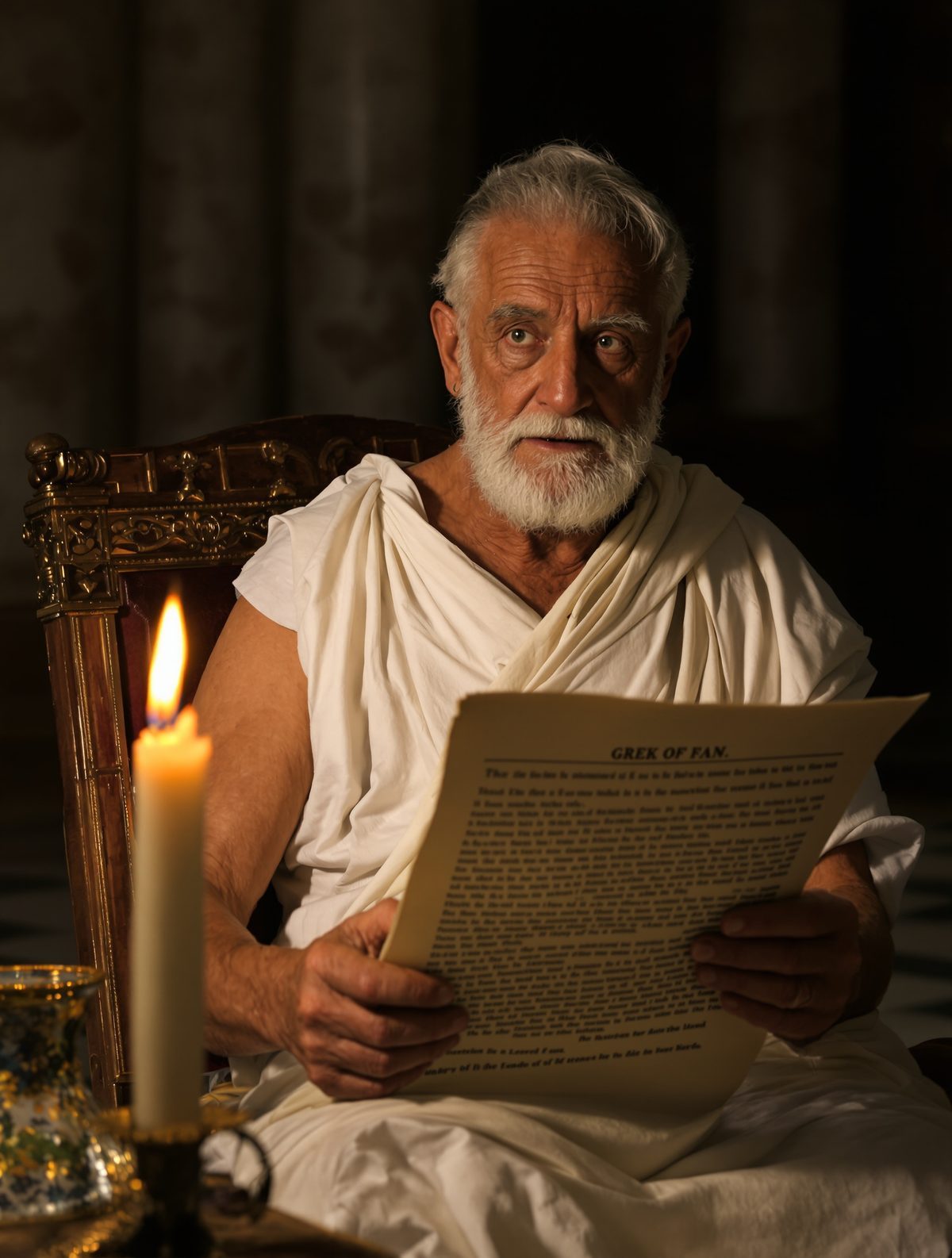
Marcus Cato spent his life raging against Greek influence on Rome. Called their culture weak and corrupting. At age 80, facing death, he secretly began learning Greek. His servants found him reading Homer by candlelight.
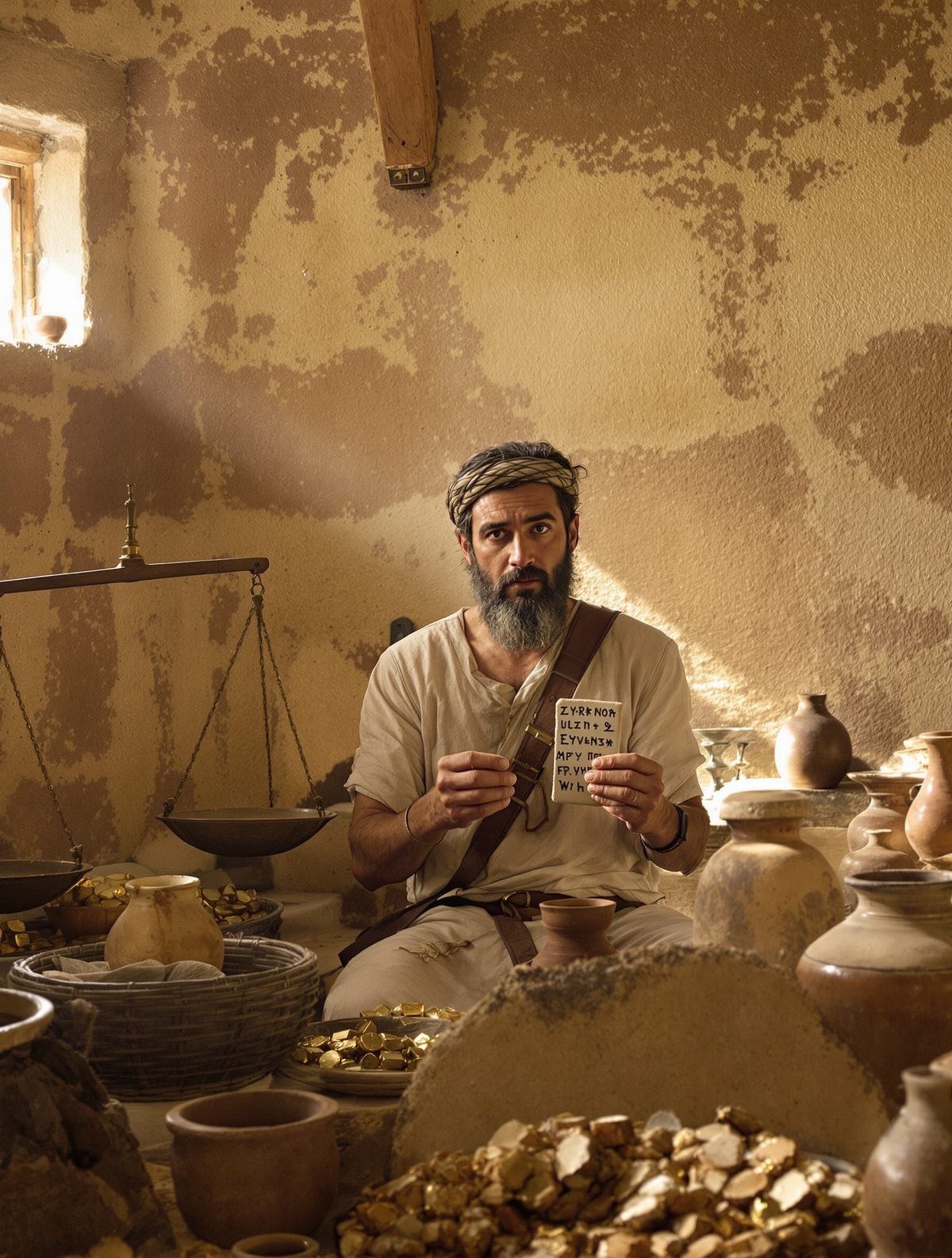
Nanni bought copper from merchant Ea-nasir in ancient Babylon. The copper was terrible quality. So Nanni carved his angry complaint into a clay tablet. That tablet survived 4,000 years to become history's first recorded customer review.
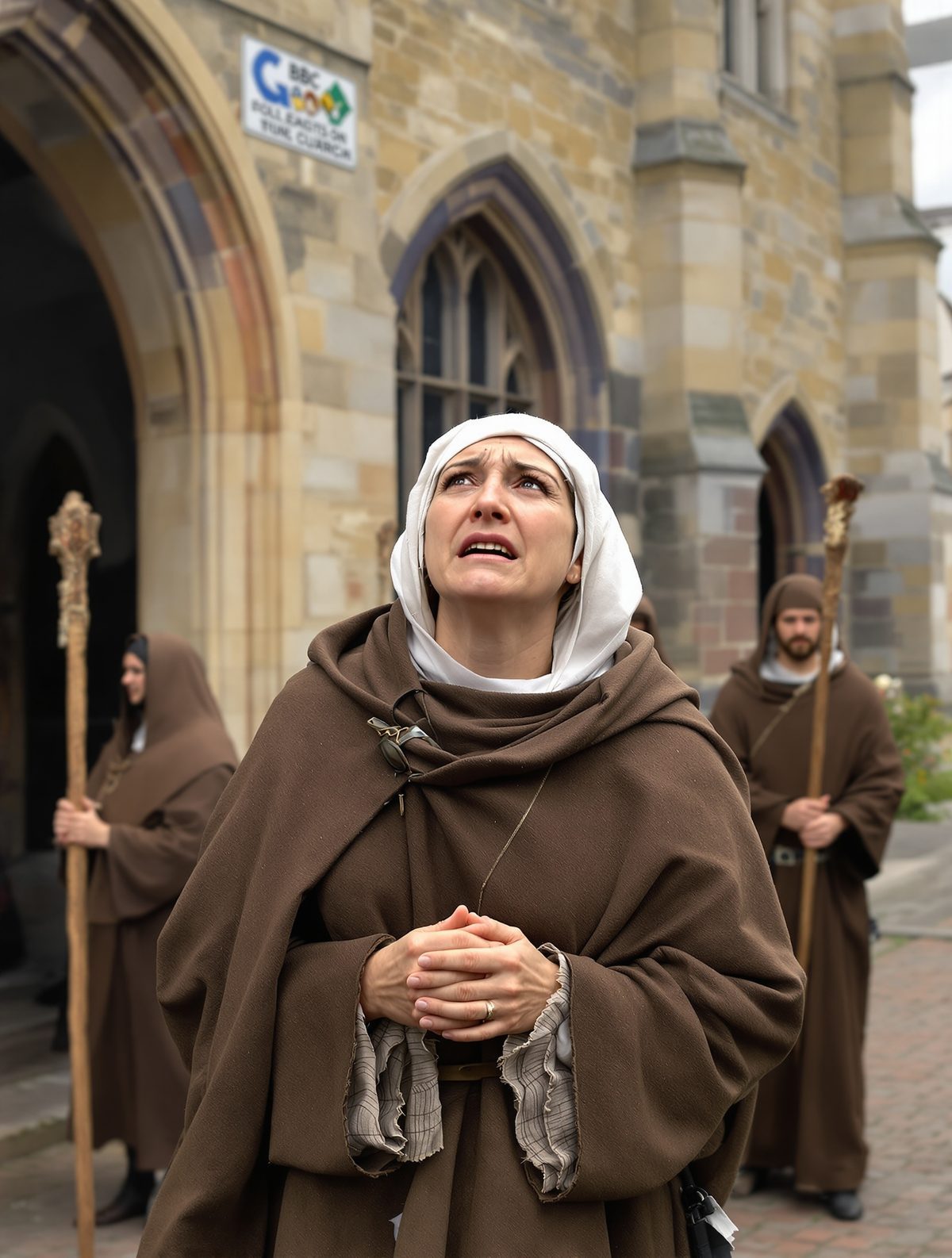
Margery Kempe toured medieval Europe's holiest sites. She wept so loudly during prayers that priests banned her from churches. Fellow pilgrims abandoned her on dangerous roads. She kept screaming anyway.
Ancient Athens' most famous courtesan faced death for impiety. Her lawyer's defense was failing. Then he stripped off her robe in court. The judges declared her too beautiful to execute.
The tyrant Dionysius wrote terrible poetry. His court critic Philoxenus refused to lie about it. So Dionysius banished him to a stone quarry. When freed and asked to review new poems, Philoxenus simply said: 'Take me back to the quarry.'
Marcus Gavius Apicius spent 100 million sestertii on banquets. Flamingo tongues. Peacock brains. Parrot stew. When only 10 million remained, he did the math. Not enough for proper dining. He chose poison over peasant food.
The Roman senator sat chained in his prison cell. Accused of treason by King Theodoric. While awaiting execution, he penned 'The Consolation of Philosophy.' The book that would teach Europe to think.
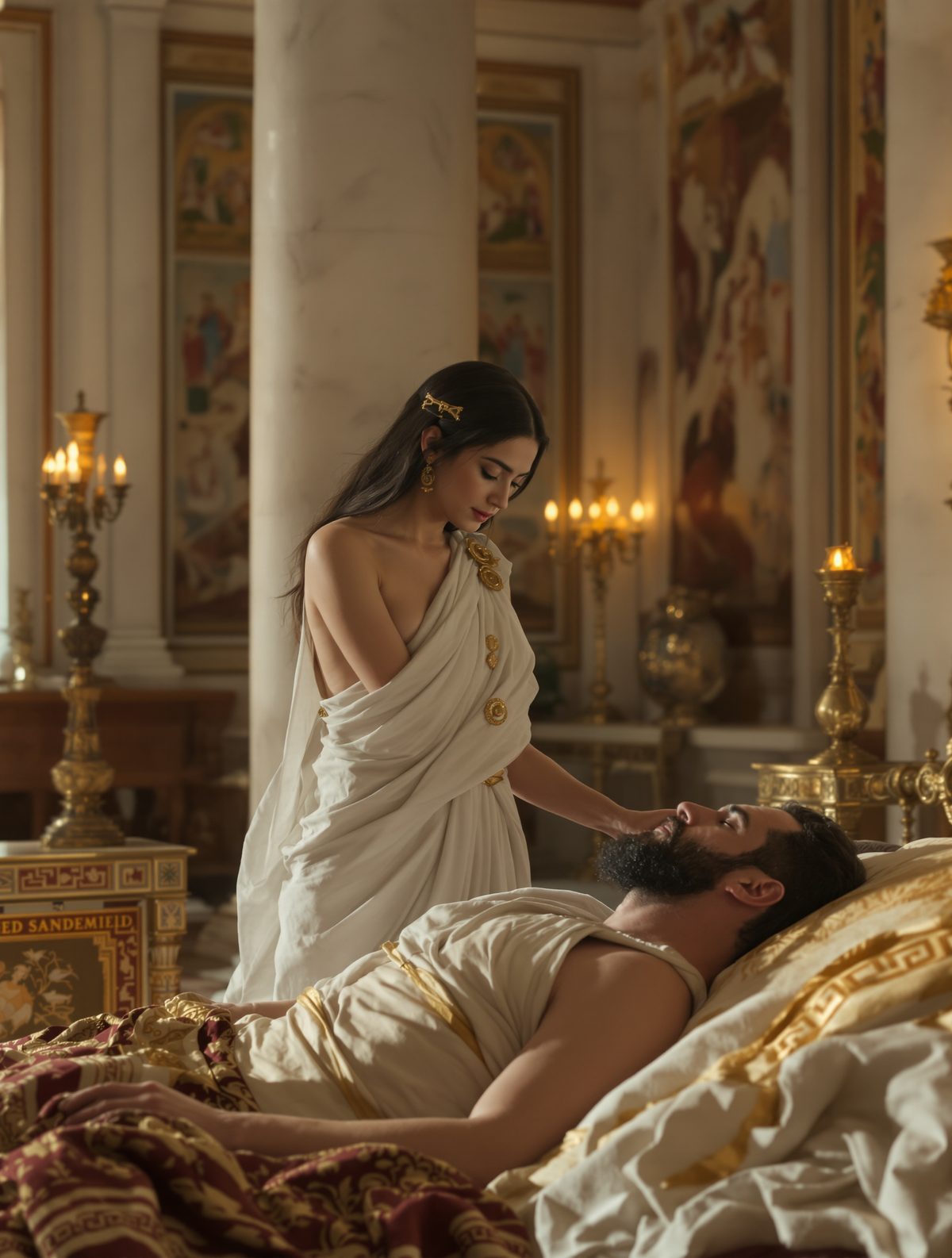
When King Admetus lay dying, the gods offered a deal. Someone else could die in his place. His parents refused. His friends fled. Only his wife Alcestis stepped forward.
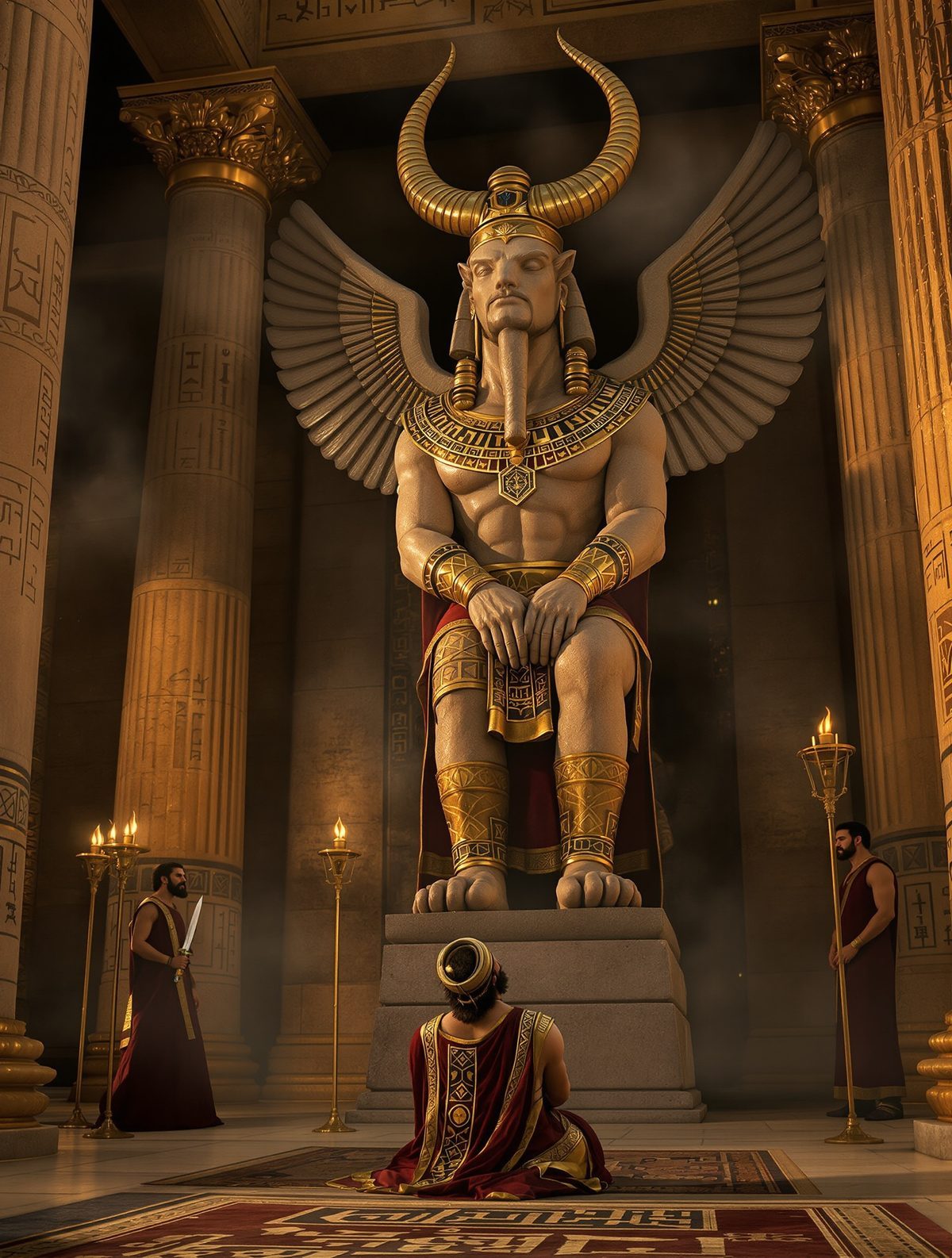
King Sennacherib knelt in prayer at Nineveh's temple. His own sons crept behind him with daggers drawn. The conqueror of nations never heard them coming. He died where he felt safest.
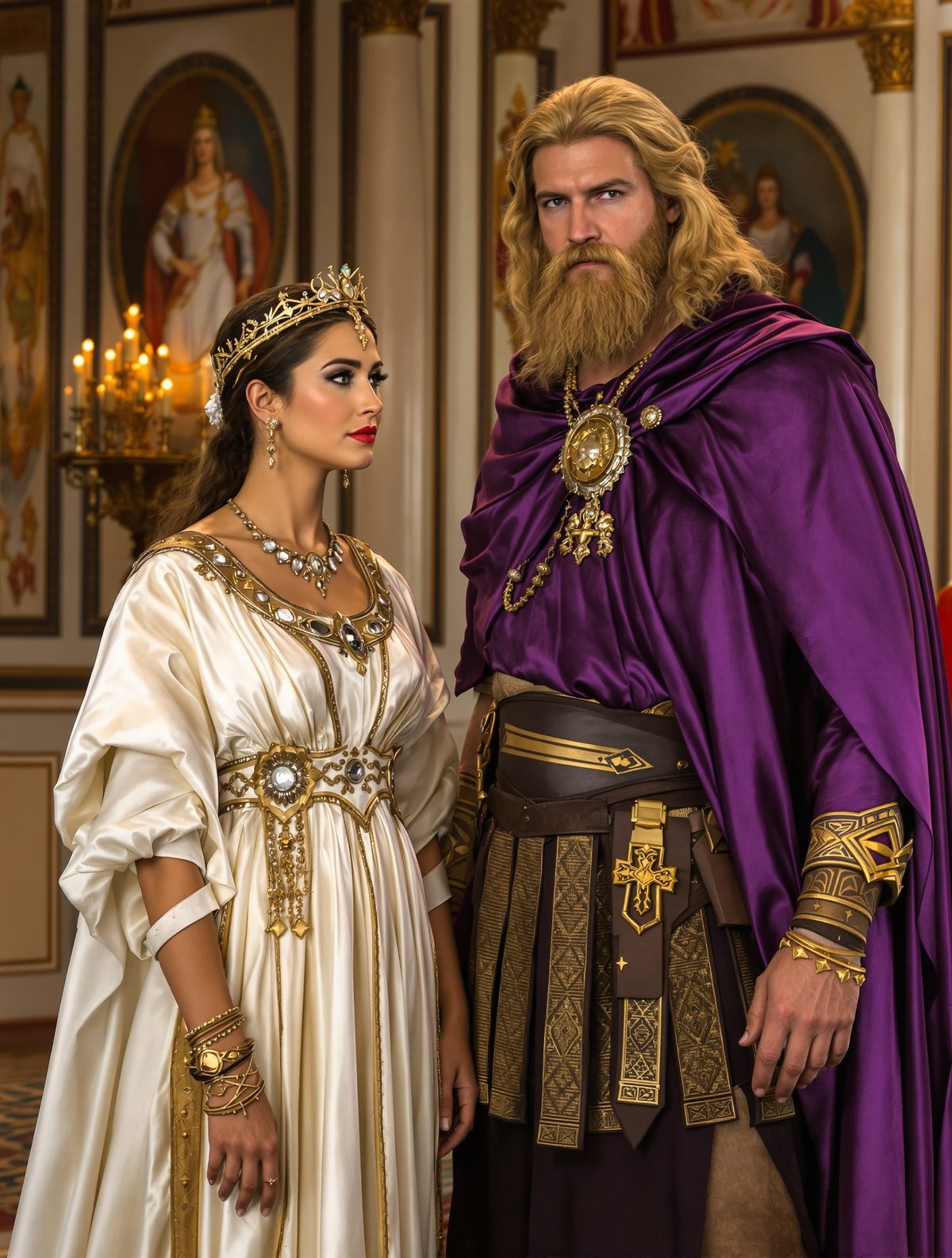
Roman Princess Galla Placidia was captured when Visigoths sacked Rome. Her captor King Alaric died soon after. His successor Athaulf fell in love with her. She agreed to marry him in a lavish ceremony. The barbarian became her devoted husband.
Emperor Augustus's wife Livia employed food tasters for every meal. She trusted no one in the imperial court. Even her morning bread was tested. The woman who helped build an empire lived in constant fear of assassination by poison.
Young Roman Gaius Mucius snuck into the enemy camp to assassinate their king. He killed the wrong man. Captured and facing torture, he calmly placed his right hand in the sacrificial fire. The enemy king was so terrified by this display that he immediately sued for peace.
Rome's greatest physician had a problem. Human dissection was forbidden. So Galen cut open apes instead. For 1,400 years, doctors believed humans had the same anatomy as monkeys. All because of one brilliant Roman's workaround.
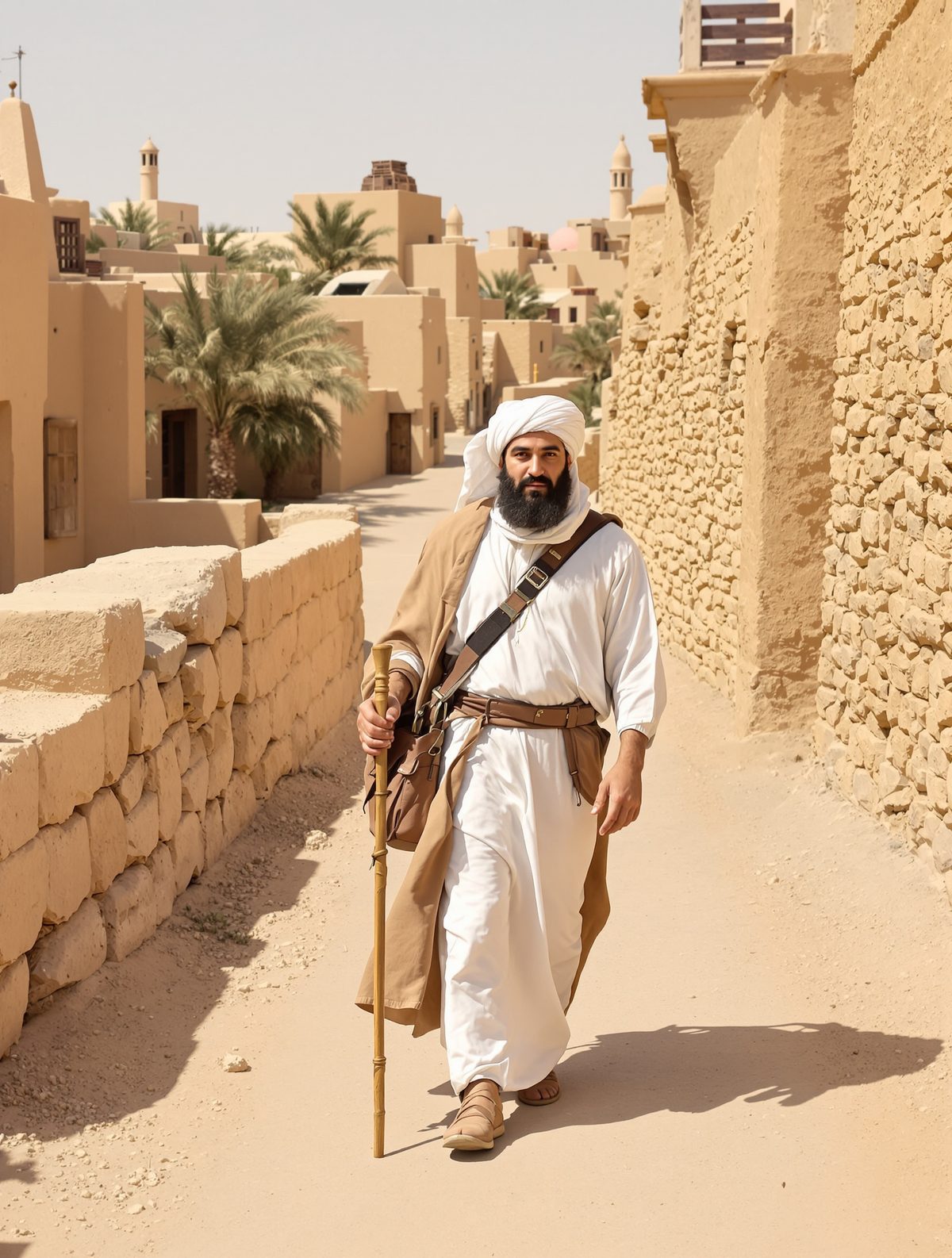
Ibn Battuta left Morocco for a simple pilgrimage to Mecca. He walked for 29 years instead. Crossed three continents. Served as judge in the Maldives. Survived shipwrecks and bandits. Traveled 75,000 miles before cars existed.
Athens banned women from medicine. Agnodice cut her hair, donned male robes, and studied in secret. When female patients preferred her gentle touch, jealous doctors accused 'him' of seducing patients. At trial, she revealed her true identity.
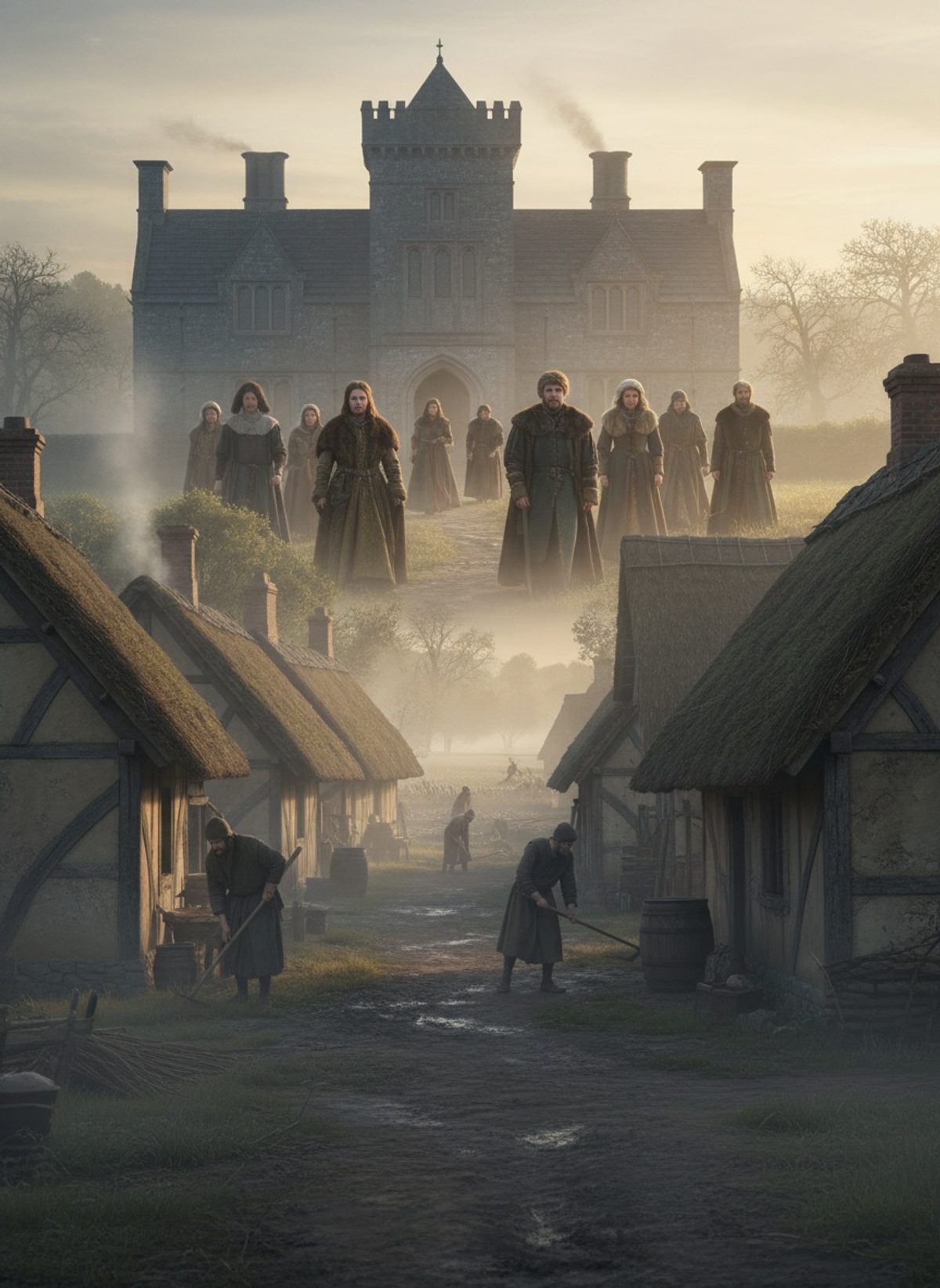
He owned nothing. No land. No title. But on feast days, a 12th-century English serf ate more meat than a modern office worker does in a week. The Church fed the poor better than history remembers.
Roman legionaries didn't drink wine on the march. They drank posca. Vinegar mixed with water. Sometimes herbs. It killed bacteria. It kept them alive. The drink the emperors mocked was the one that built the empire.
She had visions her whole life. She told no one for decades. Then a voice commanded her to write. She sent the manuscript to the Pope. He wrote back with approval.
Hadrian didn't rule Rome from a throne. He walked its streets in disguise. He ate in taverns. He listened. What he heard changed the empire forever.
No supply lines. No kitchens. No mercy. The men who built the largest land empire in history survived on blood, dried meat, and mare's milk. Their diet was their weapon.
Charlemagne ruled half of Europe. He commanded armies. He reformed law. But at night, alone, he slipped tablets under his pillow to practice writing letters. He never mastered it.
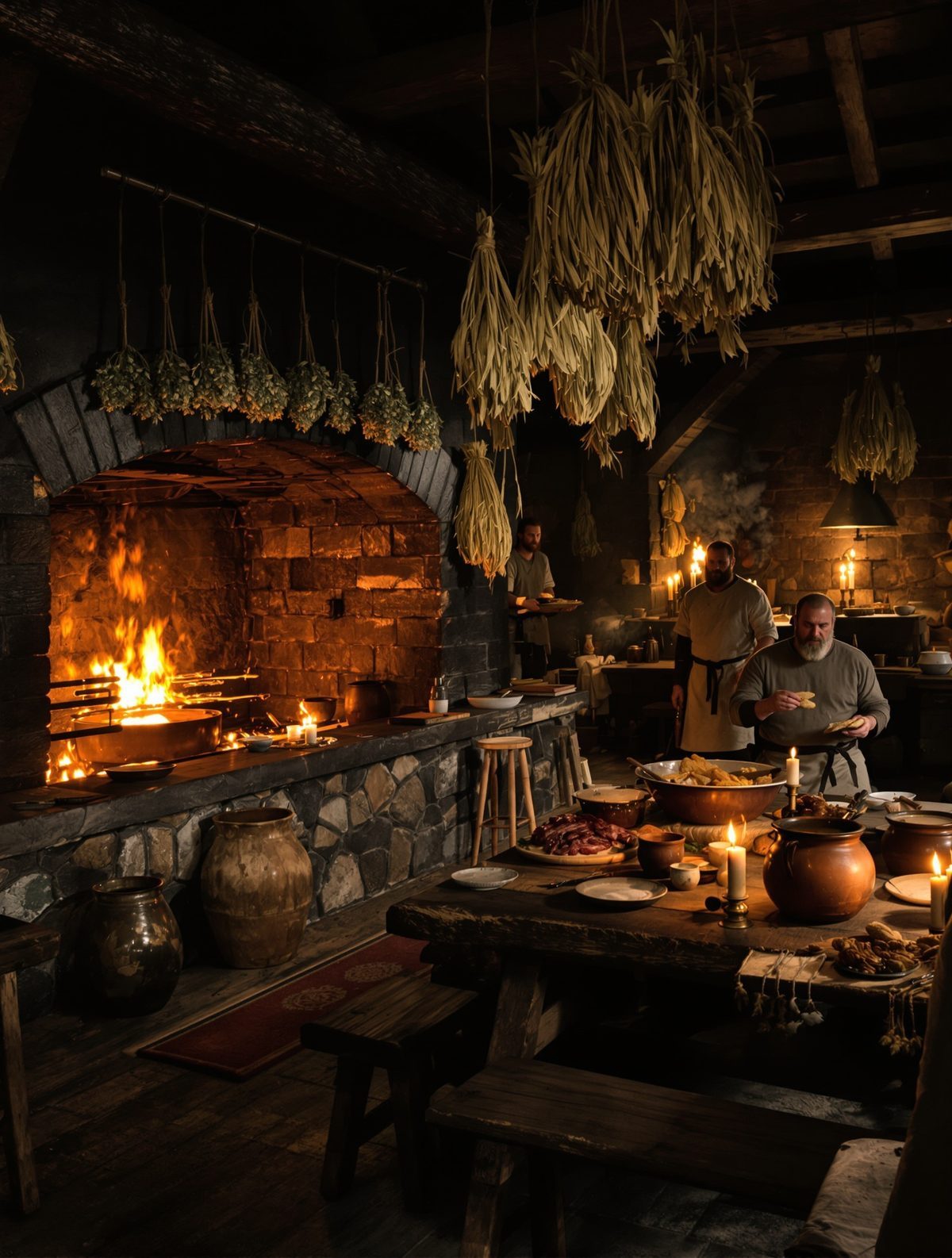
Charlemagne ruled half of Europe. But every morning, he walked to his own kitchen and ate with his servants. No throne. No ceremony. Just bread, roasted meat, and conversation with the men who fed him.
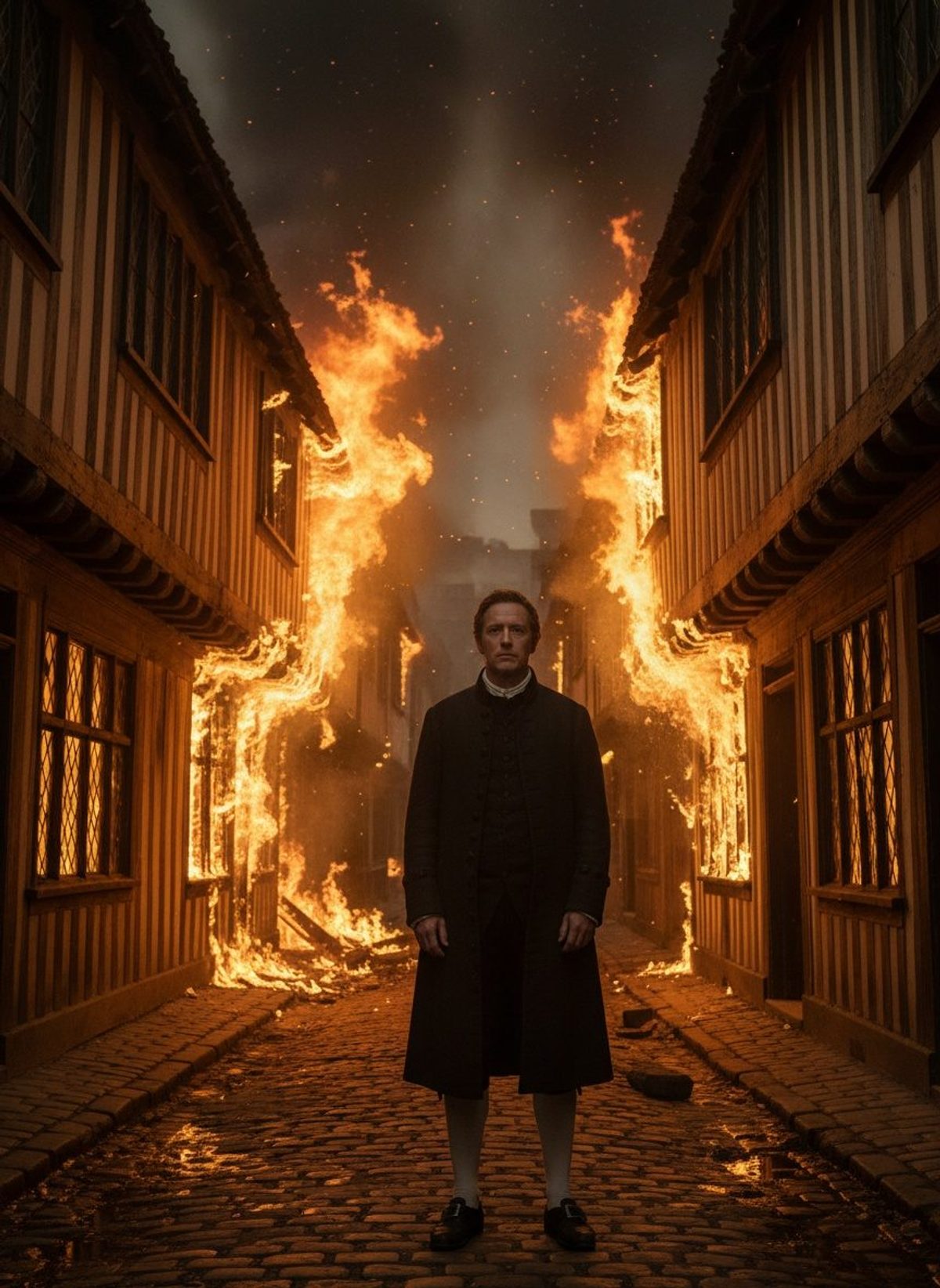
A bakery fire on Pudding Lane burned for four days. 13,200 homes gone. 87 churches ash. But when the smoke cleared, something far deadlier had died with them.
Hand-picked from Britain Untold's archive. The stories you weren't taught at school. 3-minute read.
No spam. Unsubscribe in one click. We hate spam too. Privacy Policy.