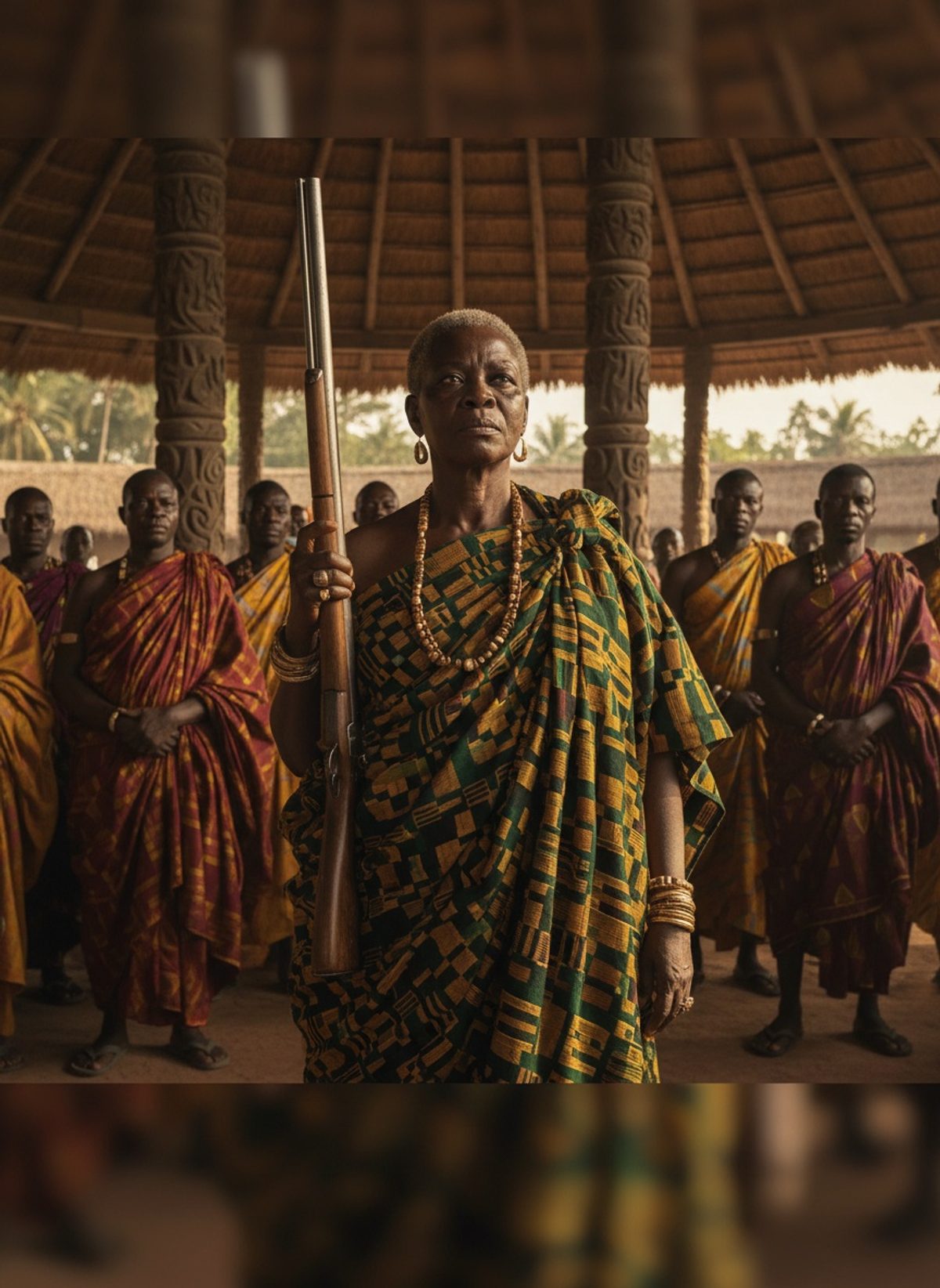
Most people have never heard of the Kingdom of Kongo. They should have.
In the early 16th century, the Kingdom of Kongo was one of Africa's most powerful and complex societies, a beacon of culture and authority south of the equator. The kingdom stretched across areas that today lie in northern Angola, southern Gabon, and the eastern part of the Democratic Republic of the Congo. Its capital, M'banza Kongo, was a vibrant hub of trade and diplomacy. By 1526, the kingdom was under the rule of King Afonso I, a monarch whose reign connected spirituality with territorial ambitions, however, these ambitions soon faced a complex moral quandary.
Afonso was a remarkable ruler, not least because of his Christian faith which he had embraced zealously after Portuguese missionaries brought the religion to his region. Displaying a deep commitment, he aligned himself closely with the Portuguese, enmeshing their trade and practices within his own kingdom. His court was composed of nobility characterized by cloth robes and the intricate, orderly titles borrowed from the Portuguese court. Yet amidst this cultural exchange, a darker tide began to swell. The Portuguese traders, initially partners in trade and religion, had begun to exploit their access to Kongo’s people. The transatlantic slave trade was burgeoning, and tens of thousands were being taken from Kongo's soils, sold into the brutal and unforgiving plantation economies of the New World.
The crisis in Kongo demanded an unparalleled solution. Unlike previous African rulers faced with foreign encroachment, Afonso took an unprecedented step; he penned a letter directly to the king of Portugal. In 1526, under the palpable tension of injustice and upheaval, King Afonso I composed one of the most critical diplomatic letters of the period. Through parchment and ink, Afonso made an appeal not just for his own people, but on the principles of moral and human rights—a notion centuries ahead of its time. This gesture was unprecedented, for never had an African monarch directly confronted a European power in writing.
Read next: She Walked Into the Room With No Throne. She Built One.
Afonso’s words called upon the duty of Christian brotherhood, urging King João III of Portugal to put a halt to the enslavement of his people. Afonso cited the detrimental impact this was having on his society—his nobles, once proud stewards of their territories, were being abducted alongside commoners, a desecration that stung at the social fabric and undermined his authority. The letter became symbolic, not just of the appeal for human compassion, but as a representation of an African ruler asserting his sovereignty in an international context.
However, Afonso's appeal was more than a simple cry for help; it was an expertly crafted piece of political negotiation. The king invoked their shared faith as Christians to appeal to the moral consciousness of his Portuguese counterpart. He was diplomatic yet firm, acknowledging the need for trade while emphasizing the catastrophic social disruption the slave trade imposed on Kongo. This was rhetoric steeped in a keen understanding of his audience; Afonso wielded his pen with as much deftness as the sword, seeking to remind the Portuguese of their shared religious commitments.
Despite its passionate and heartfelt content, Afonso's letter did not bring immediate relief. The king's correspondence highlighted the gap between morality and economics. For Portugal, plagued by religious wars and in constant need for profits to fuel its empire, the economic imperatives of the slave trade were hard to ignore. Yet, the correspondence marks an important historical moment—a monarch from an African kingdom actively sought to shape international policy by appealing to shared ethics. It was a bold move that set a rhetorical precedent and remains a testament to the power of diplomatic engagement in the face of oppressive forces.
During Afonso’s reign, the Kingdom of Kongo itself was a testament to African ingenuity and resilience. He had modernized his army, expanded the influence of Christianity, and nurtured a school system inspired by European practices—a kind of renaissance occurring far from the confines of Europe’s known centers. His efforts transformed M'banza Kongo into a city of political significance and religious prominence. The vibrancy of its streets, bustling markets, and the diversity born from trade were the backdrop against which this plea to halt the slave trade took place.
The story of King Afonso I's letter is not just one of a plea unheard, but a powerful reminder of the early fight for human rights. As Europe raced towards globalization through conquest and commerce, Afonso made it clear that the lands and people of Africa were not merely resources to be bartered with impunity. His narrative emerges from the threads of history as a beacon, challenging the very foundations of colonial economics with a call for justice fueled by faith and mutual respect.
Today, Afonso’s legacy endures, transcending the annals of history as a challenging reflection on the intertwining narratives of oppression and resistance. This remarkable encounter between the Kingdom of Kongo and Portugal encapsulates a significant moment wherein Africa actively voiced its challenge to inhumane practices imposed by colonial powers. It is a story of courage and agency, one that forces us to question the dynamics of power and morality that still echo through modern times. It reminds us of the potency of standing firm against injustice, a lesson as relevant today as it was nearly five centuries ago.