67 stories
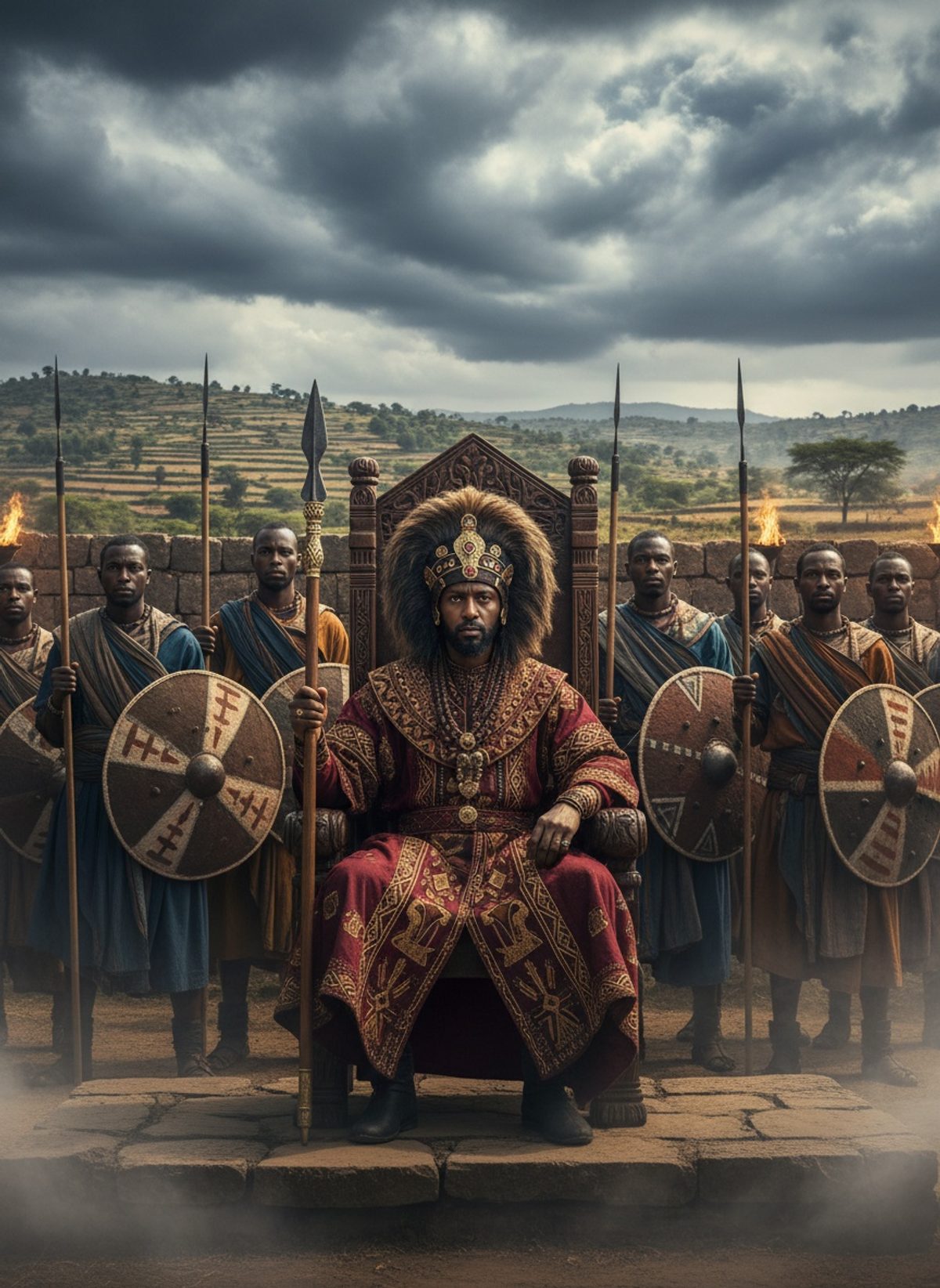
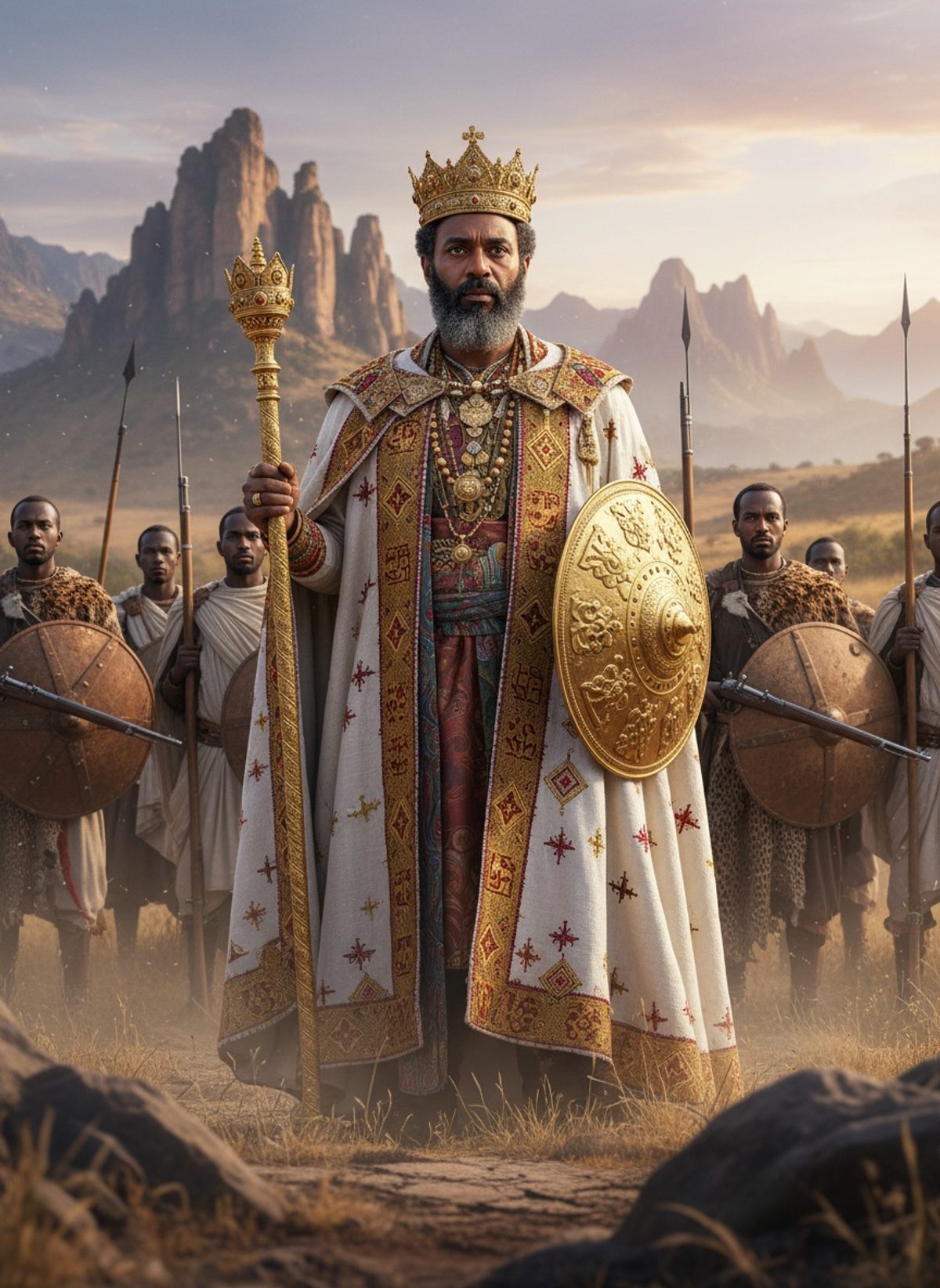
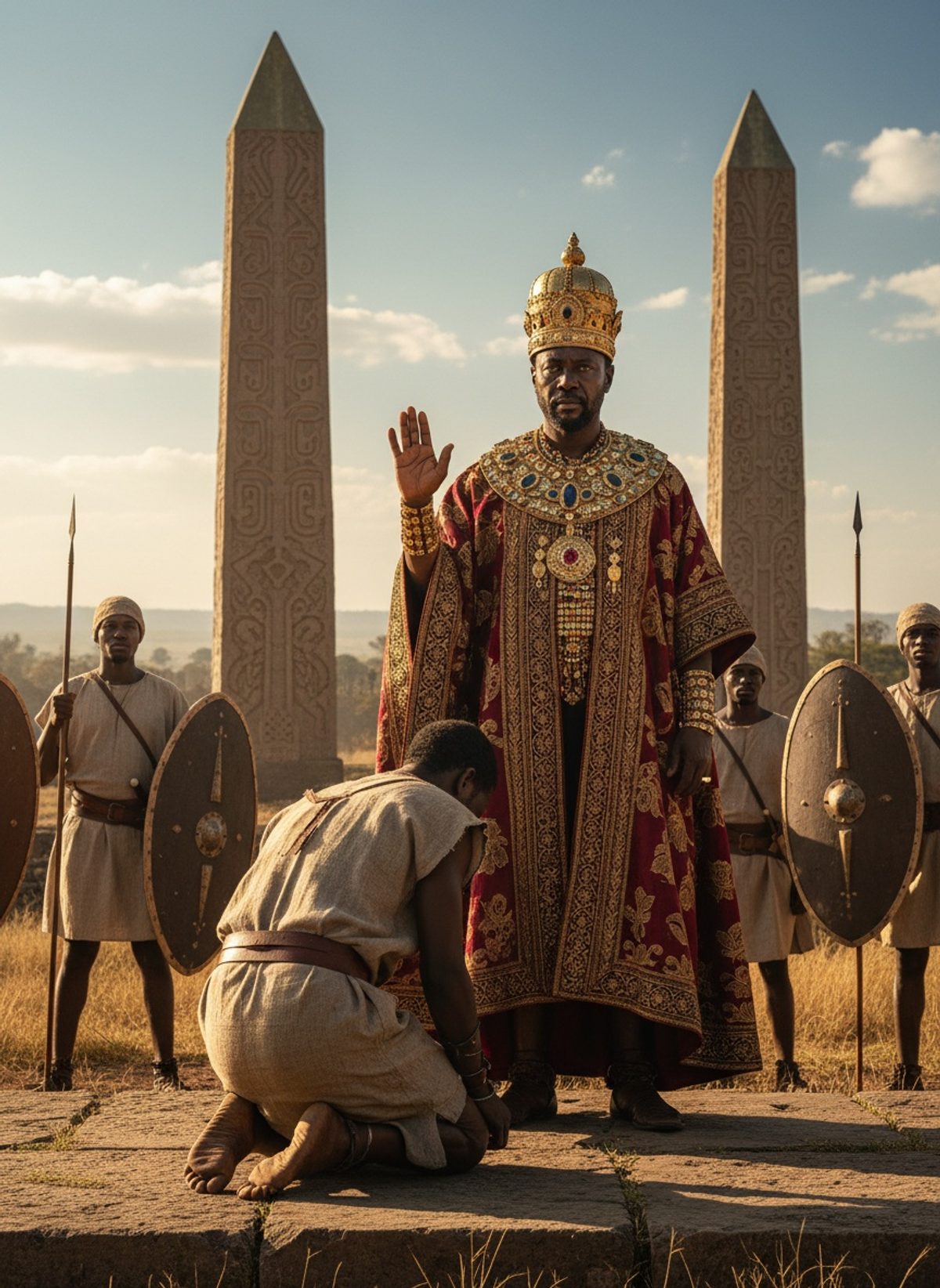
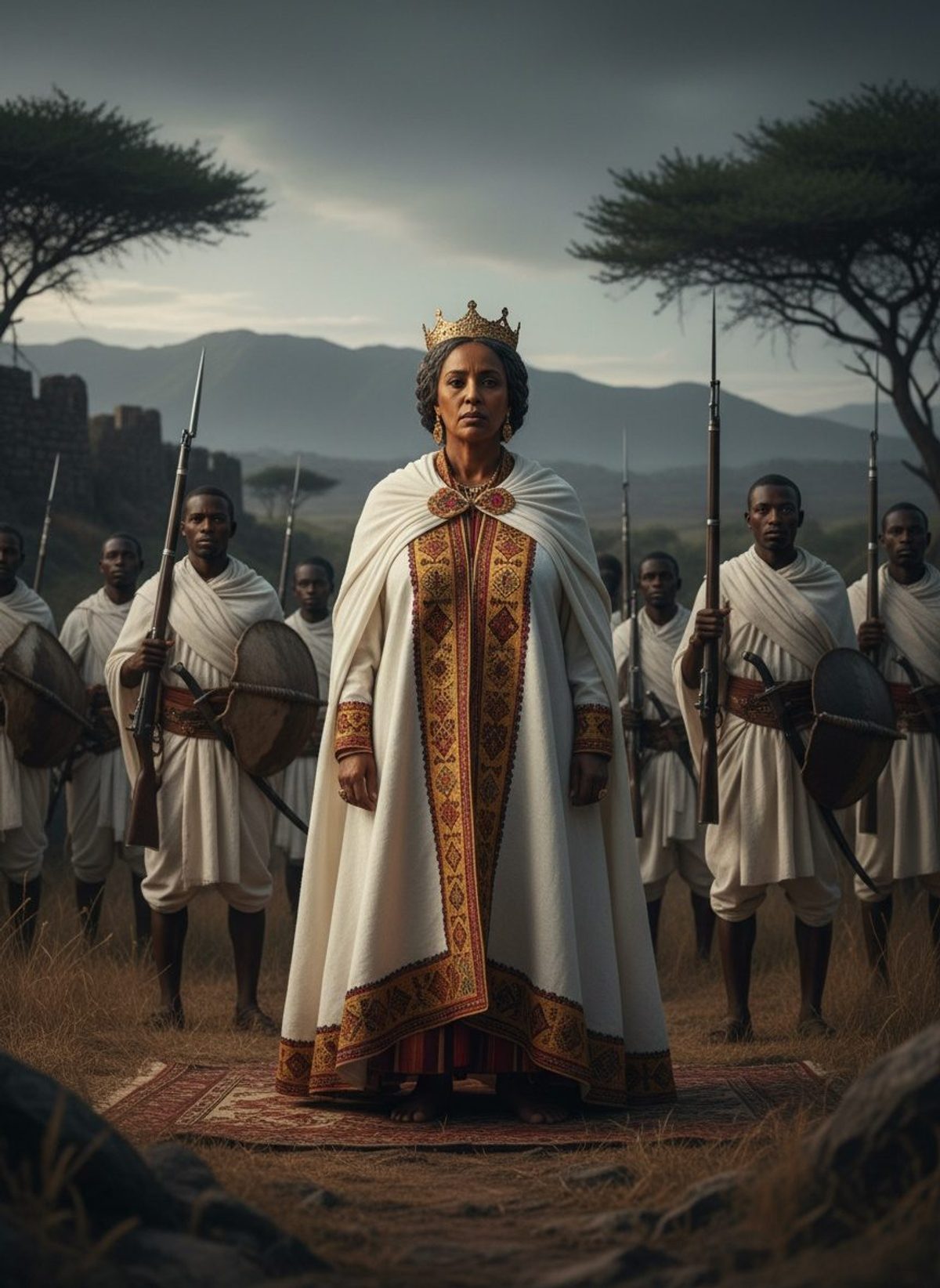
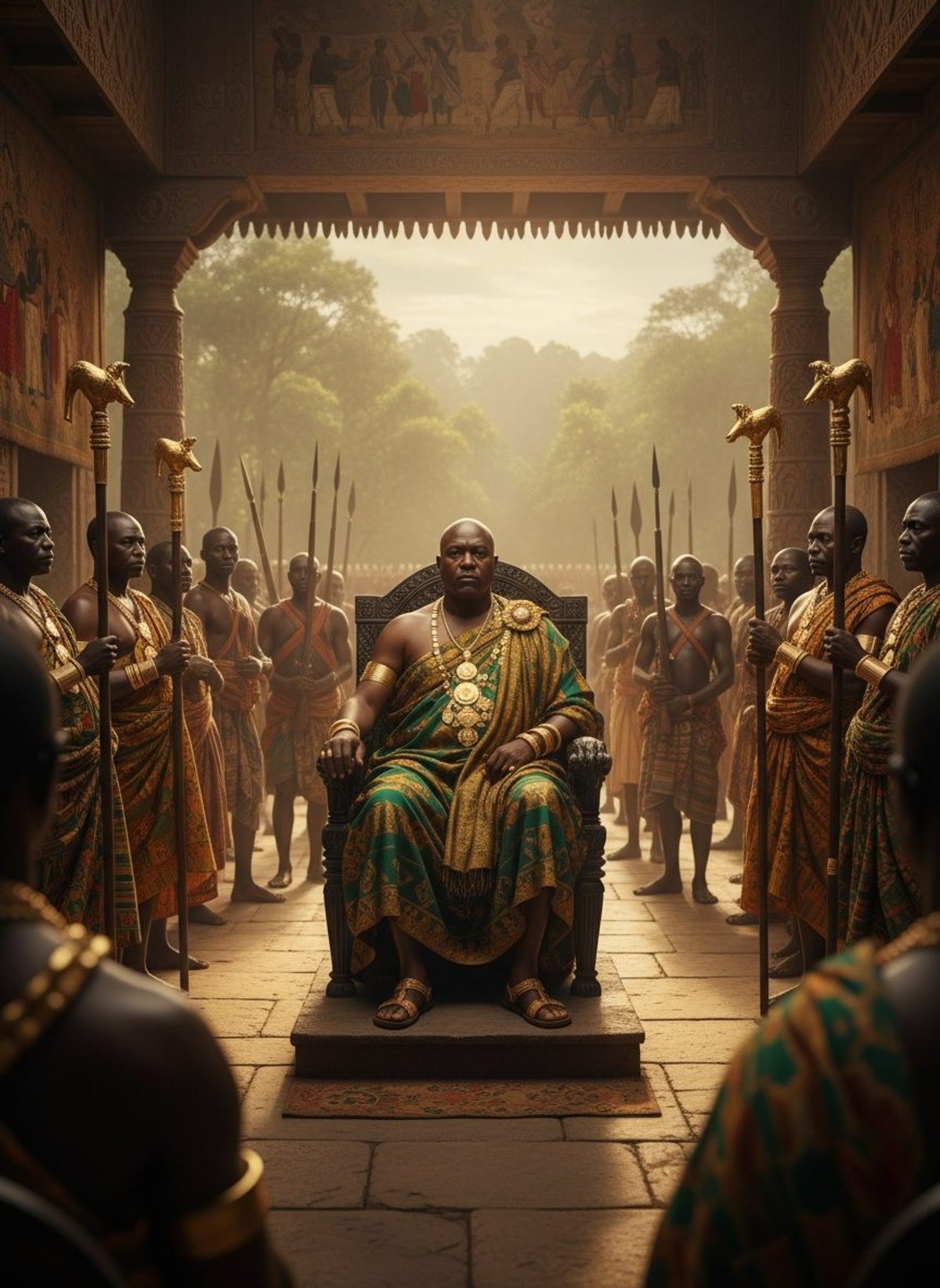
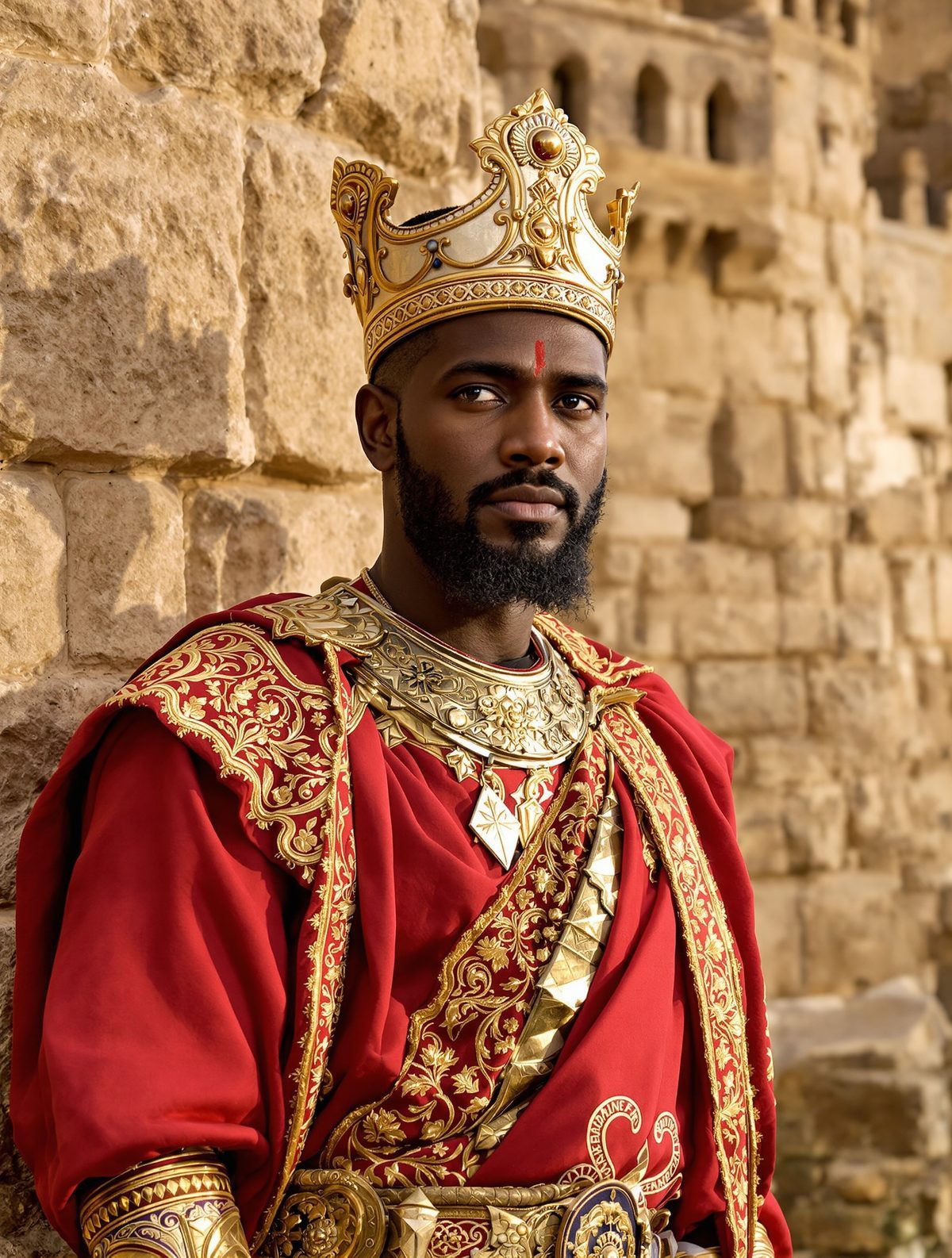
1329. Ethiopia's emperor faced five hostile Muslim sultanates at once. Amda Seyon I took the field himself. He shattered each army in turn. No Ethiopian king had ever marched so far. He brought them all back as vassals.
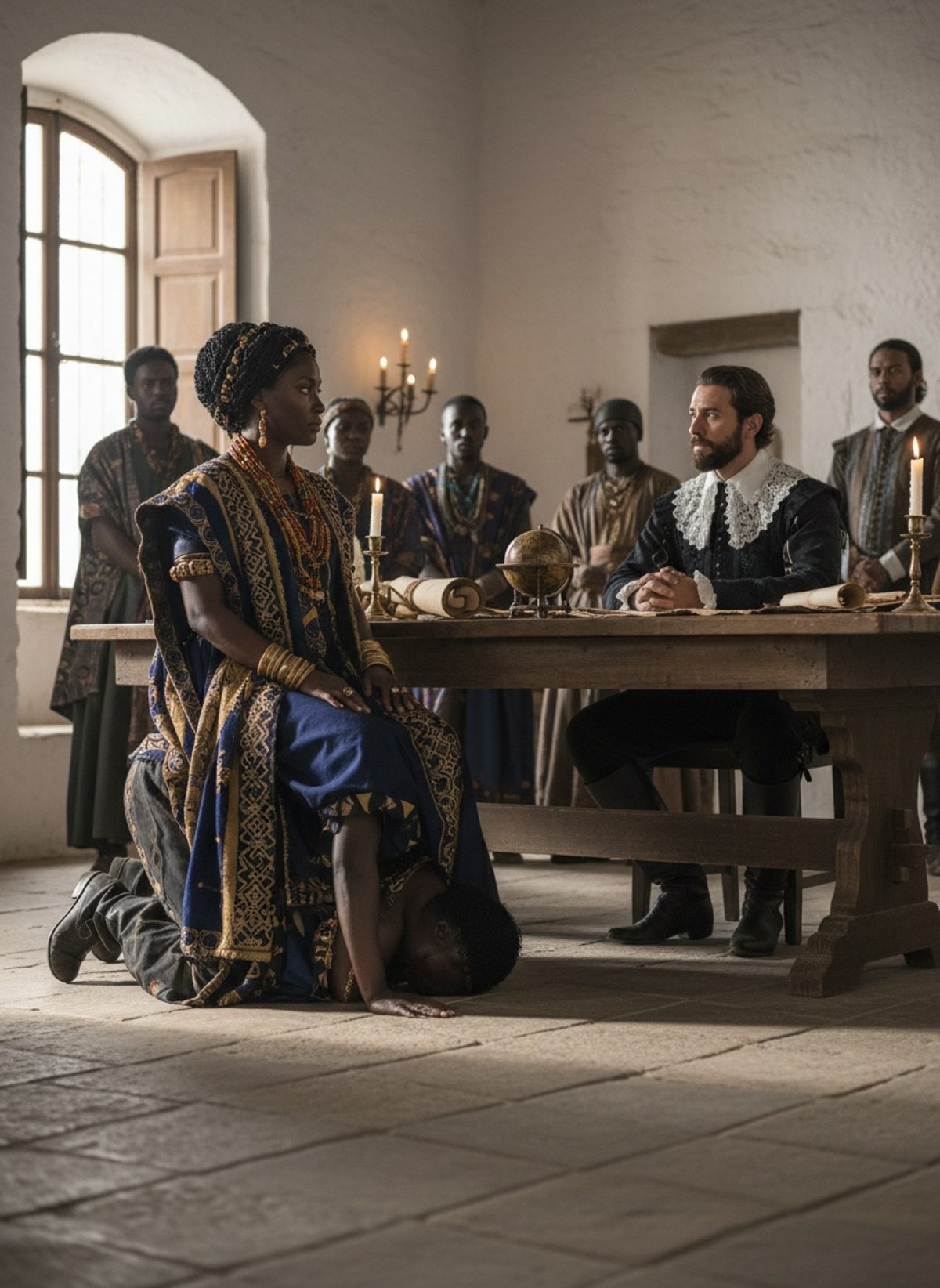
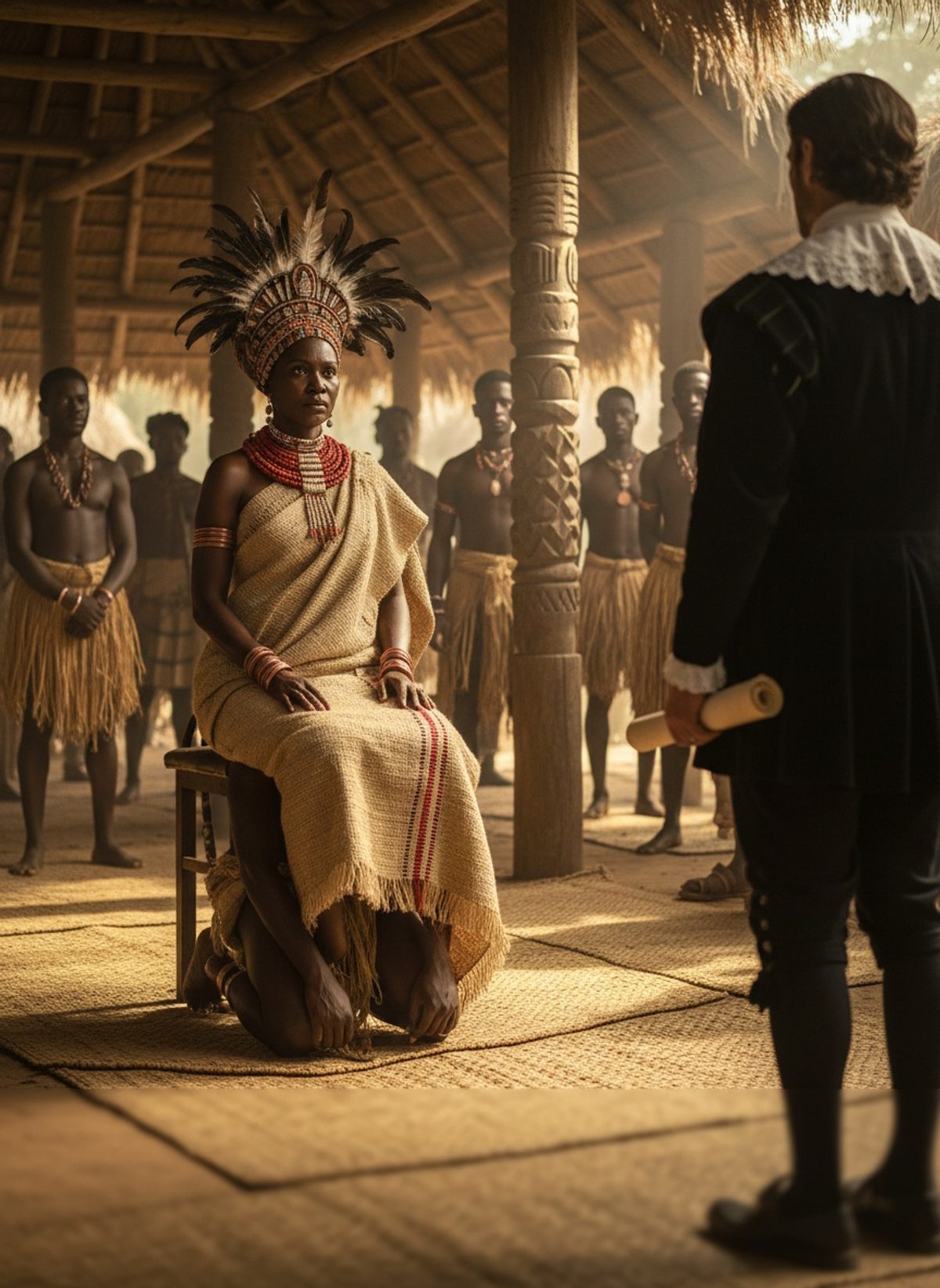
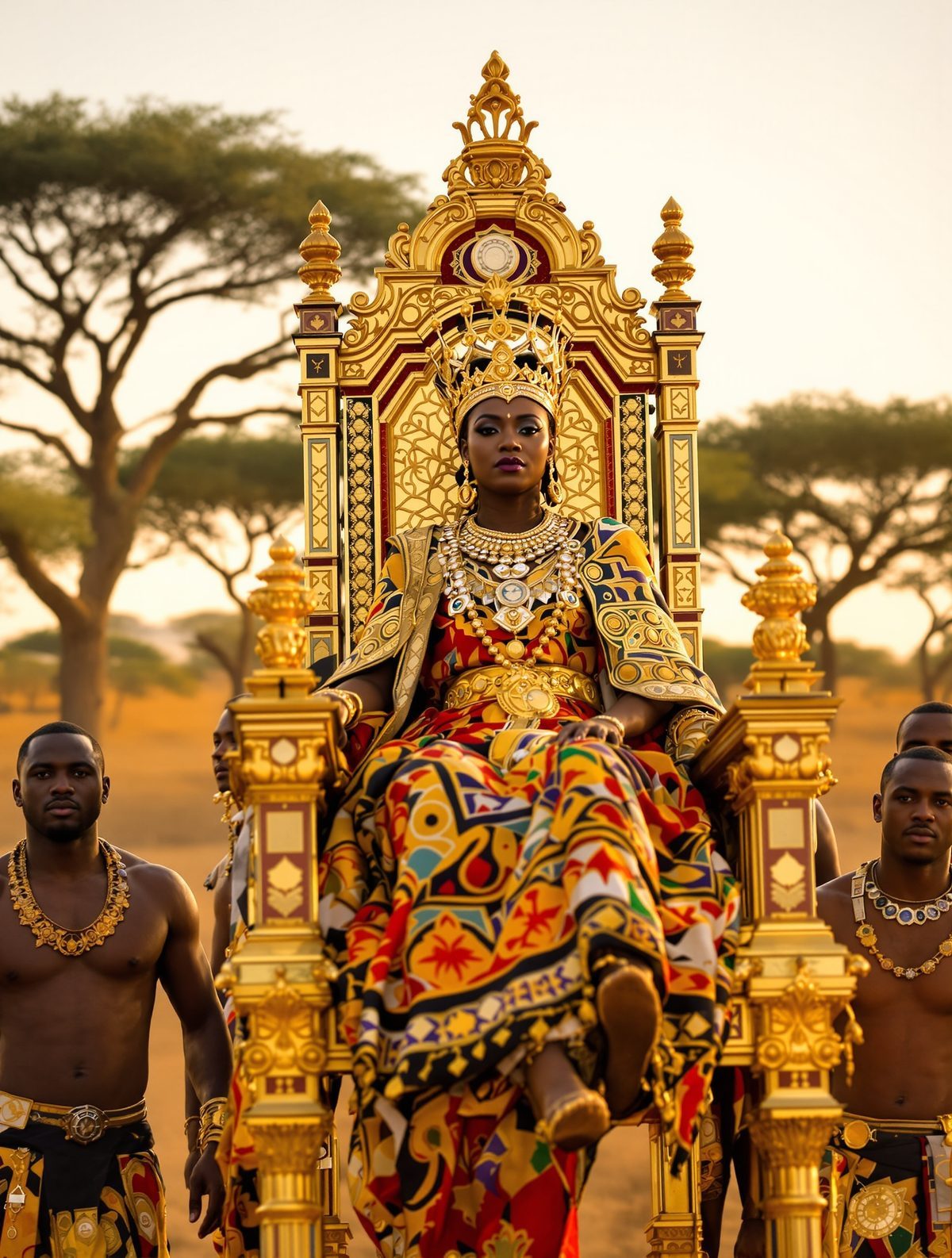
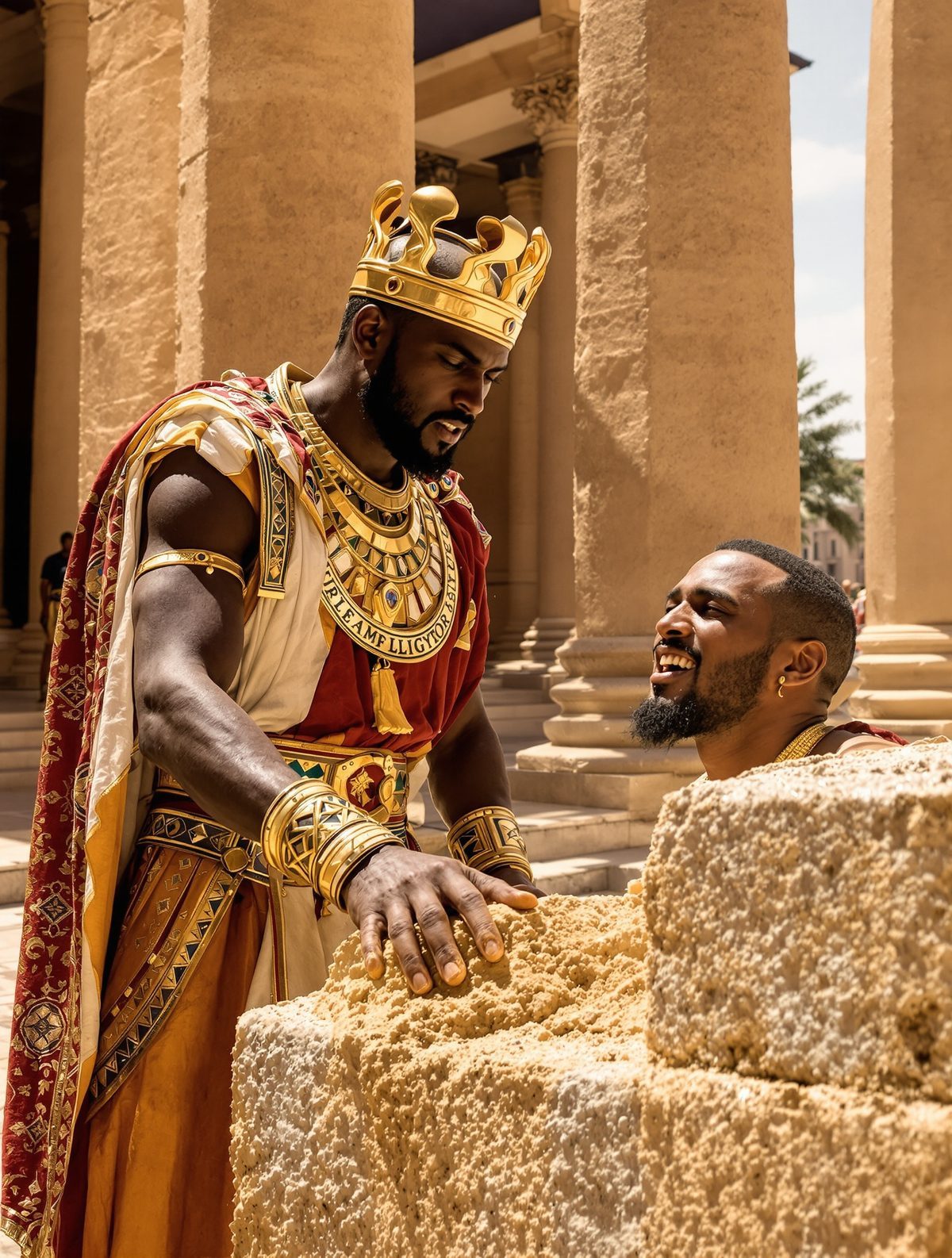
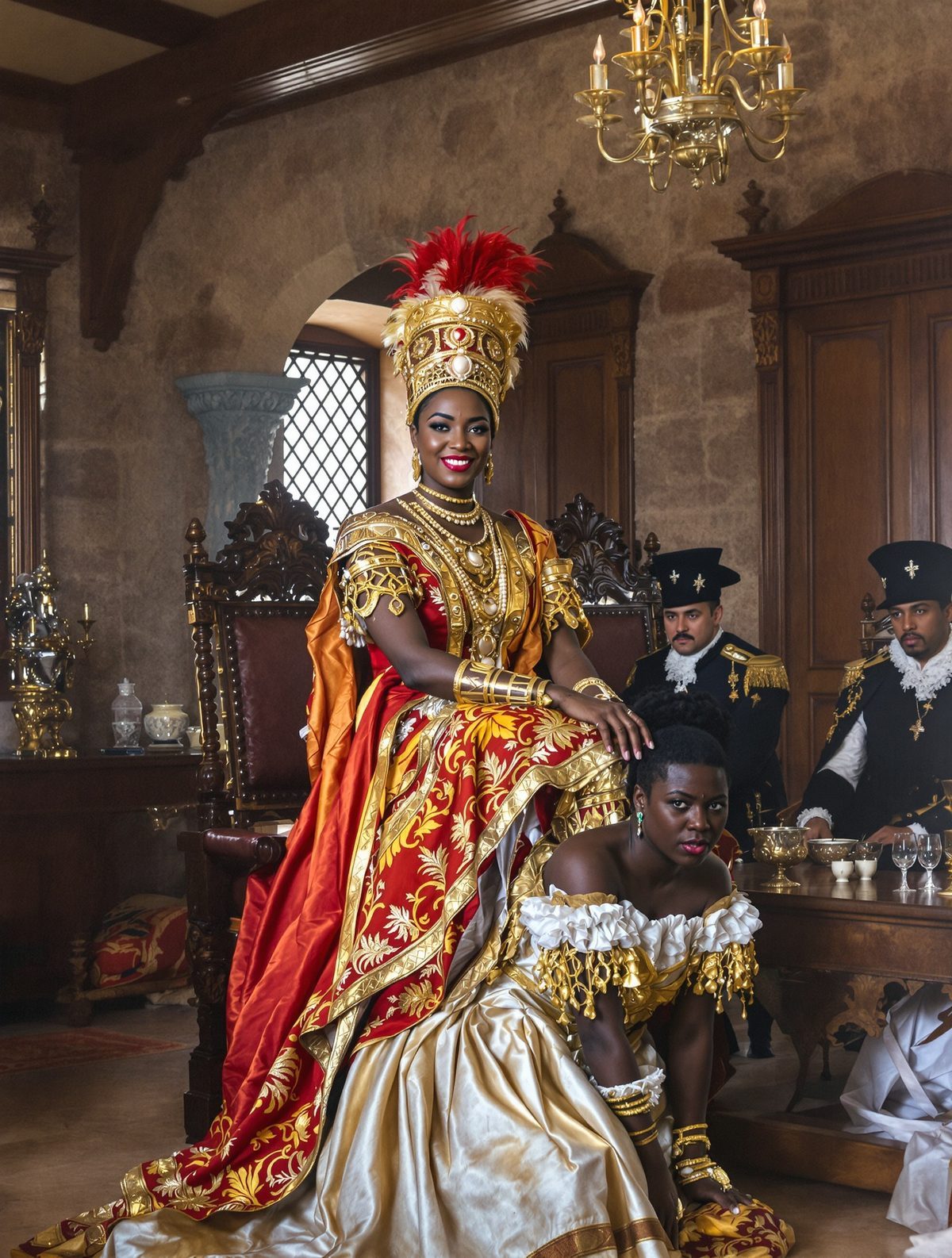
1622. The Portuguese governor offered no chair. He wanted her to kneel. Nzinga called a servant forward. She sat on his back. She negotiated as a queen. The Portuguese signed.
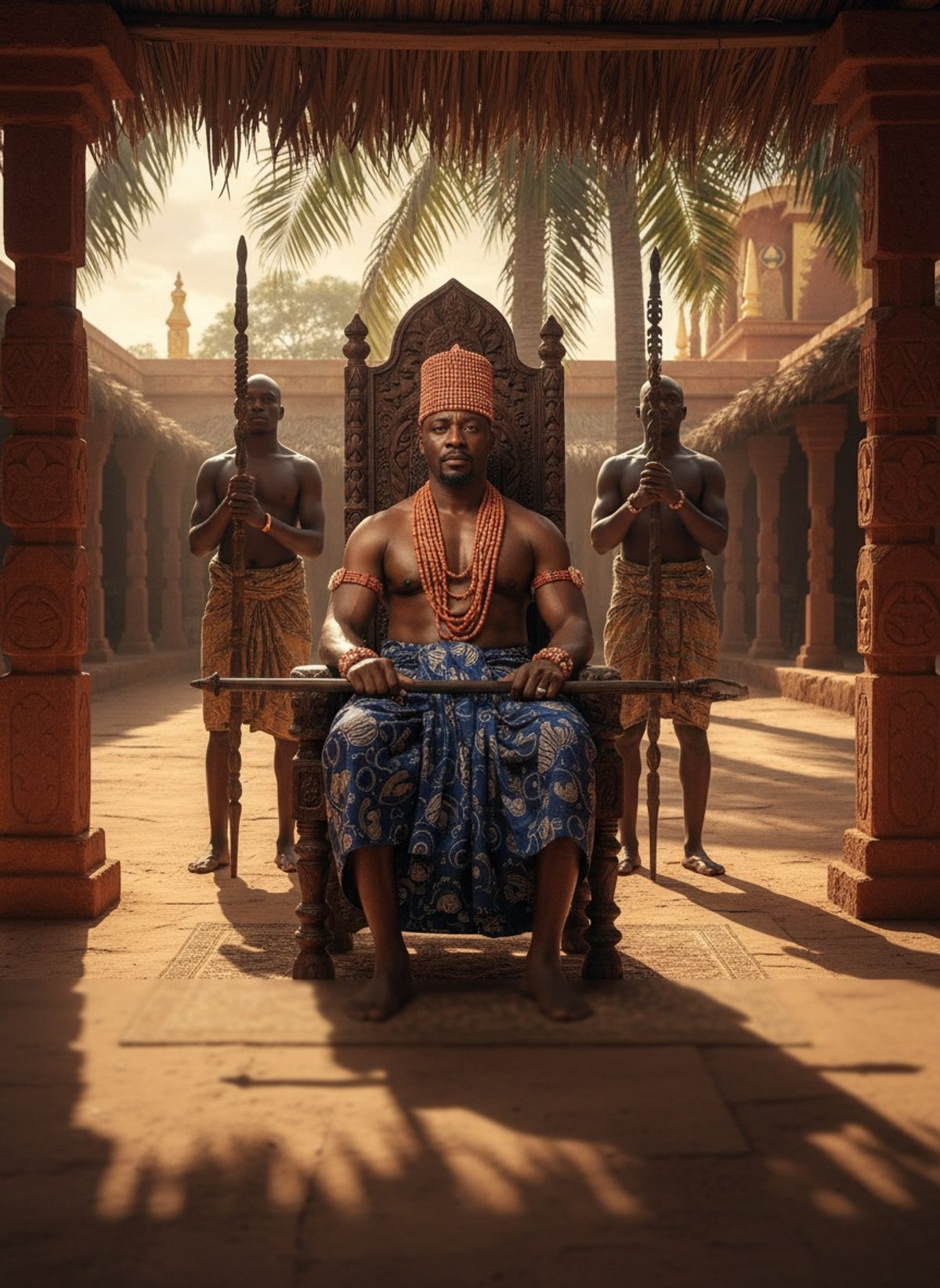
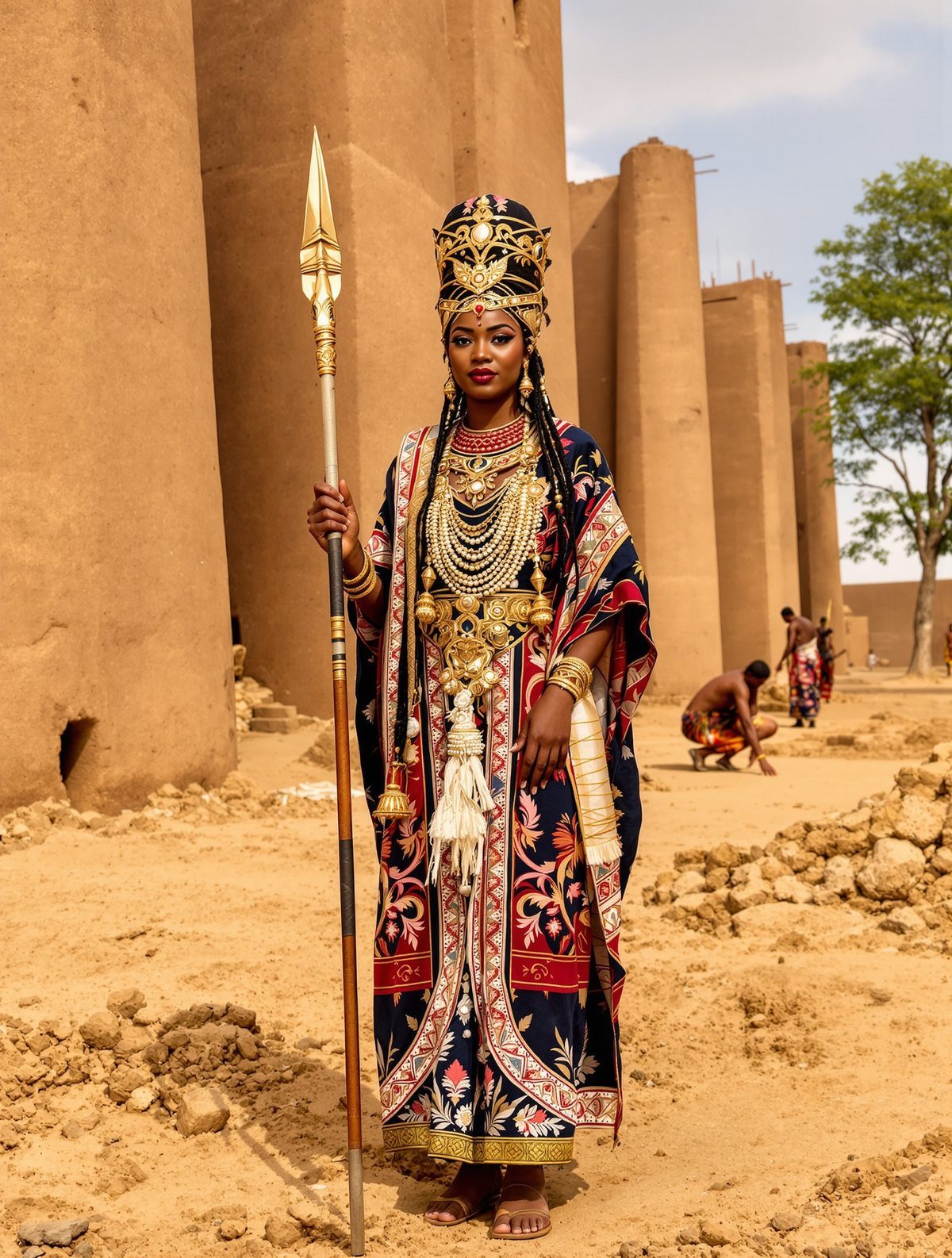
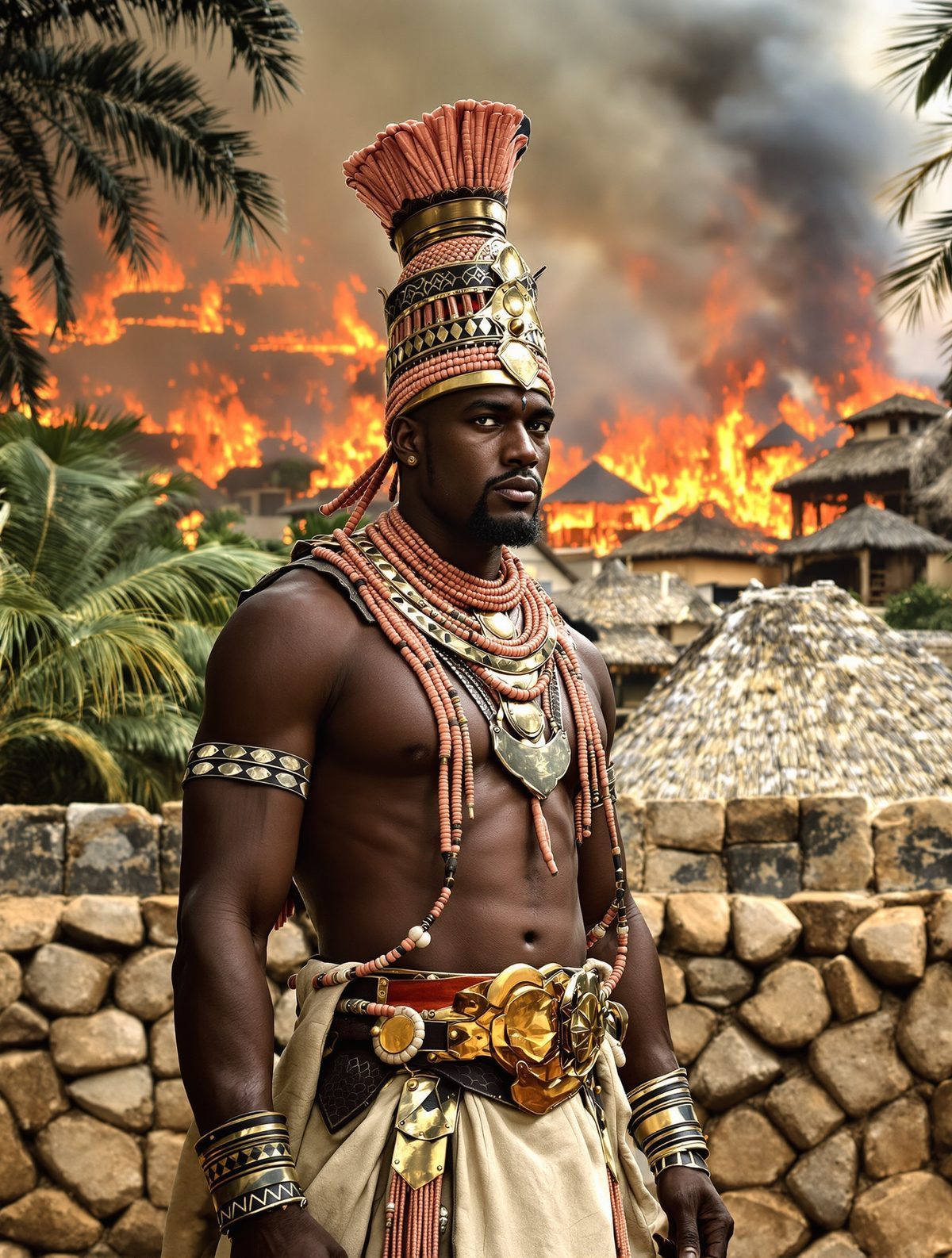
1440. Prince Ogun seized the throne of Benin and exiled his own brother. The brother returned. He became Ewuare the Great. He rebuilt the city from ash. Planted trees. Carved roads. Made Benin the greatest kingdom in West Africa.
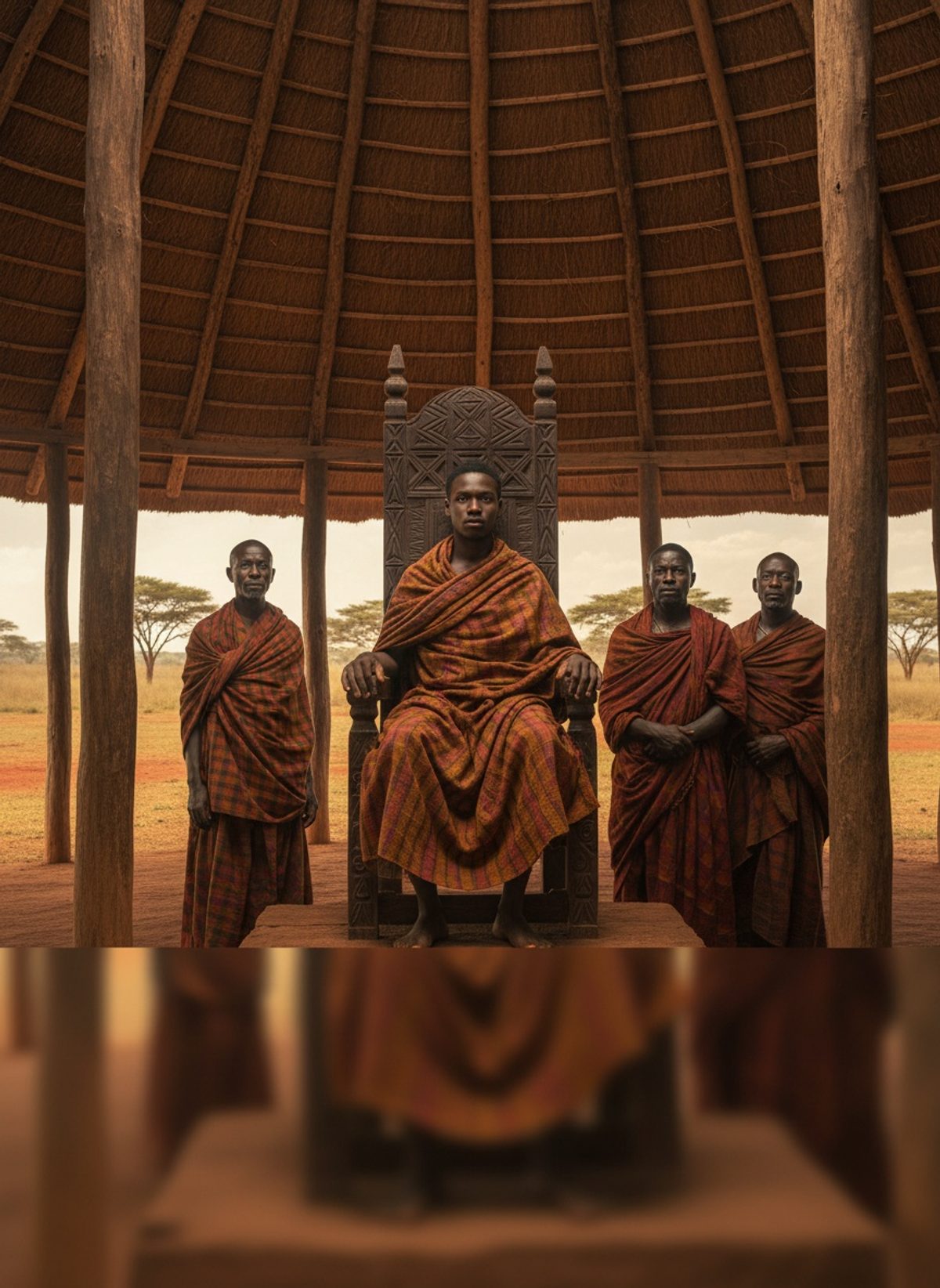
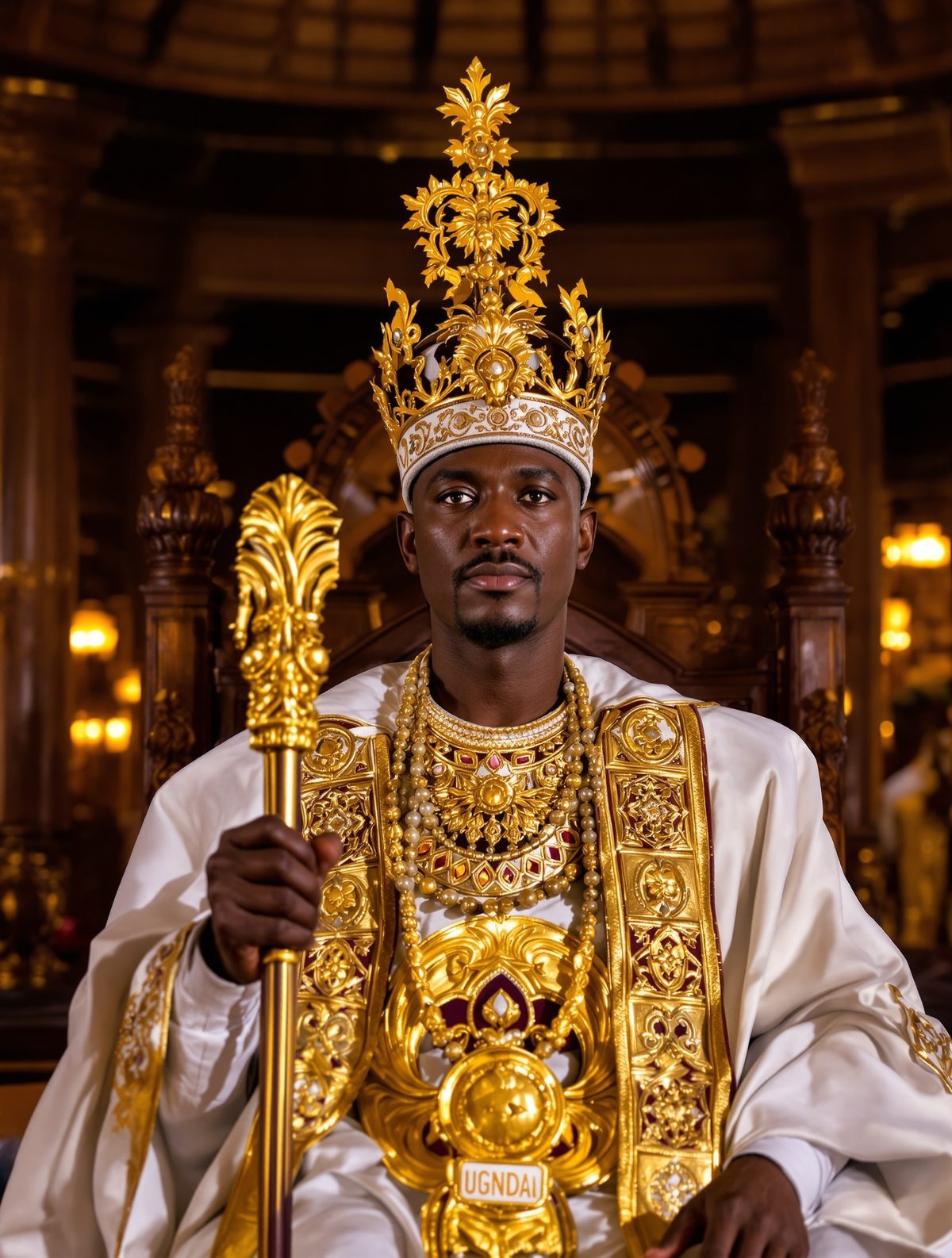
1856. The Kingdom of Buganda. The old king was dead. His advisors moved to seize power. Muteesa was young. Untested. They did not expect what came next.
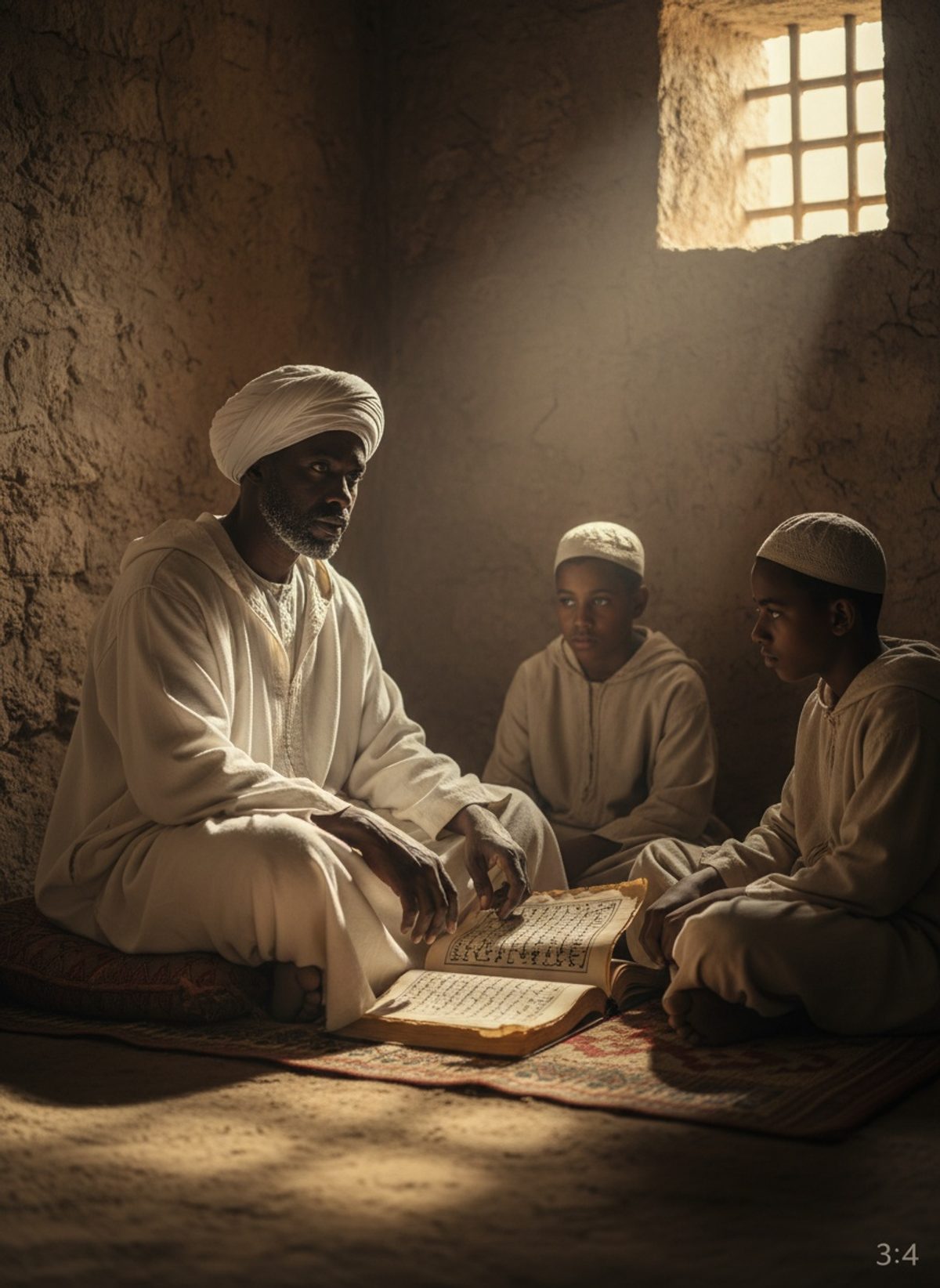
1593. Moroccan soldiers stormed Timbuktu. They seized its greatest scholar. Ahmad Baba was chained and marched across the Sahara. In Marrakesh, they locked him away. He kept teaching. Students came to his cell. He refused to stop.
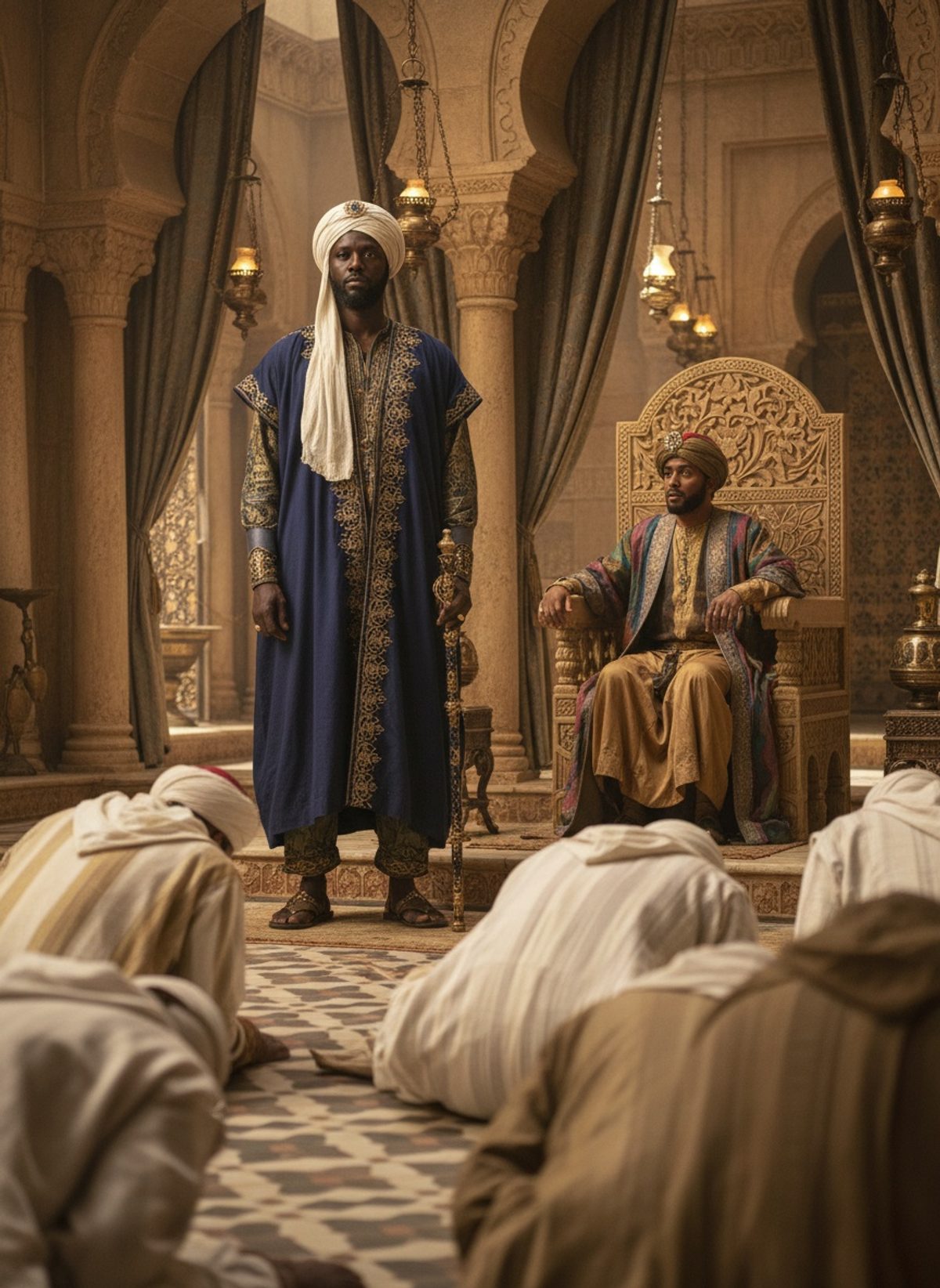
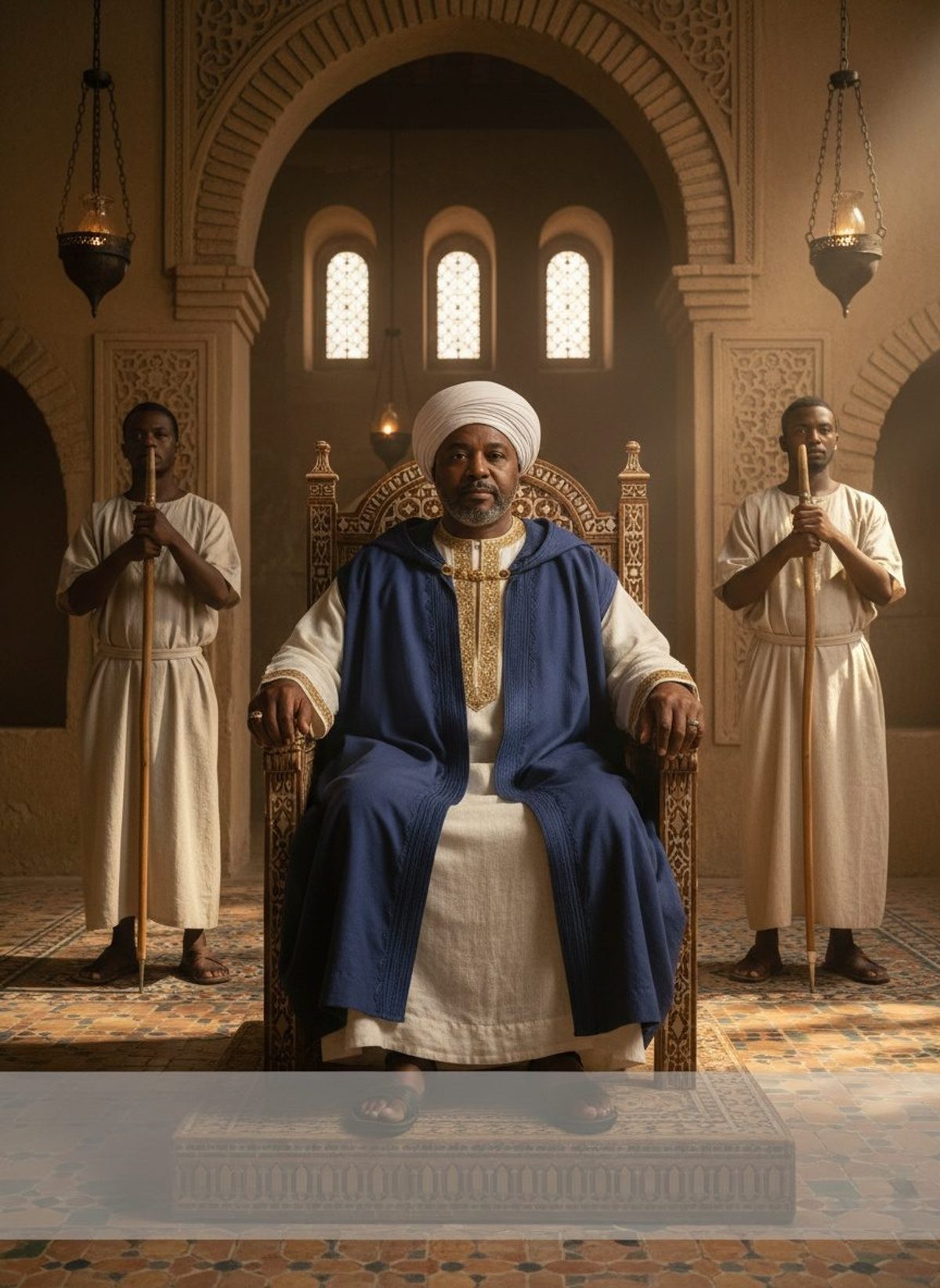
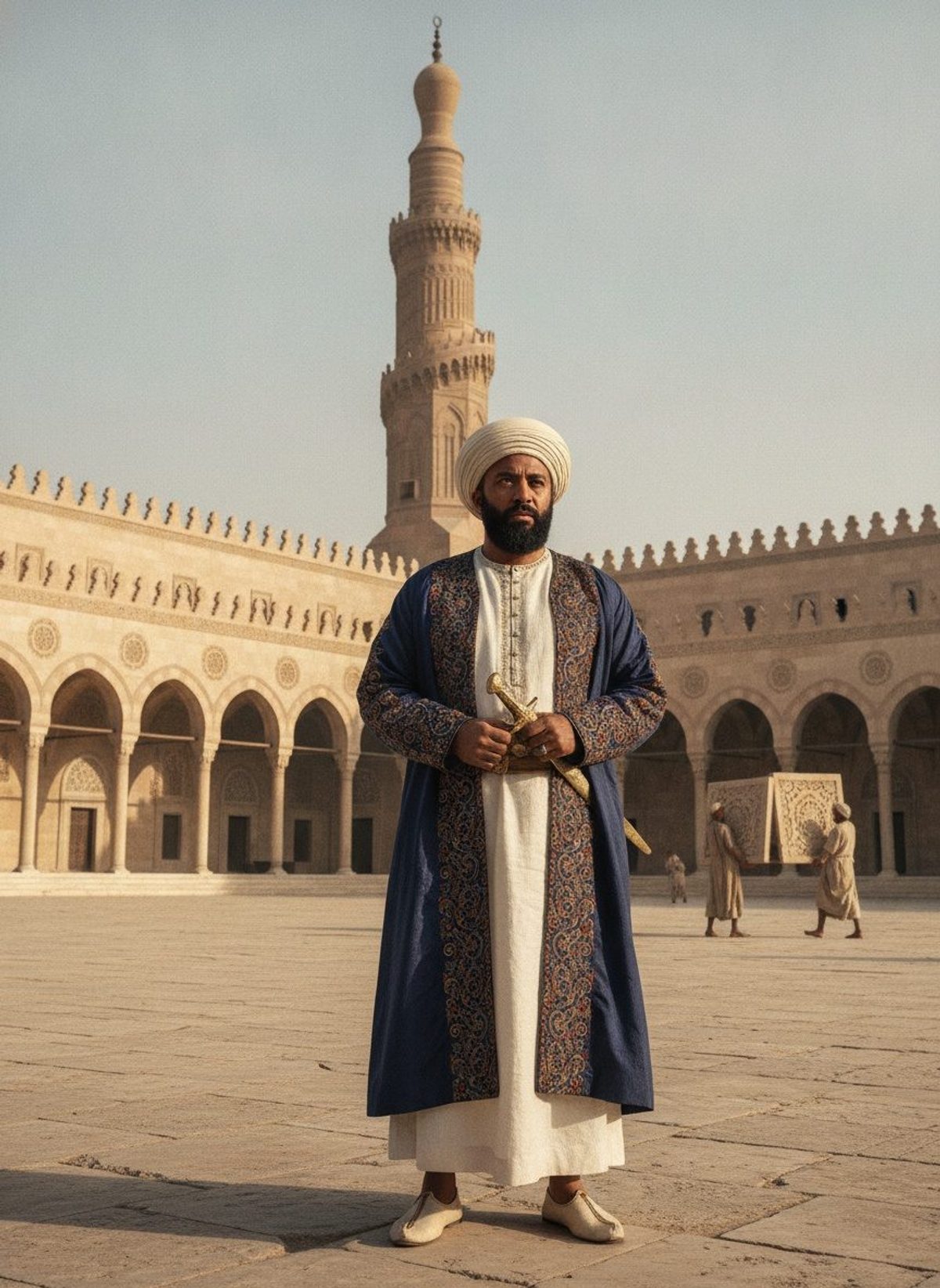
1324. Mansa Musa's ambassador stood before the Sultan of Egypt. Every man in the room bowed. He did not. He spoke. The Sultan listened.
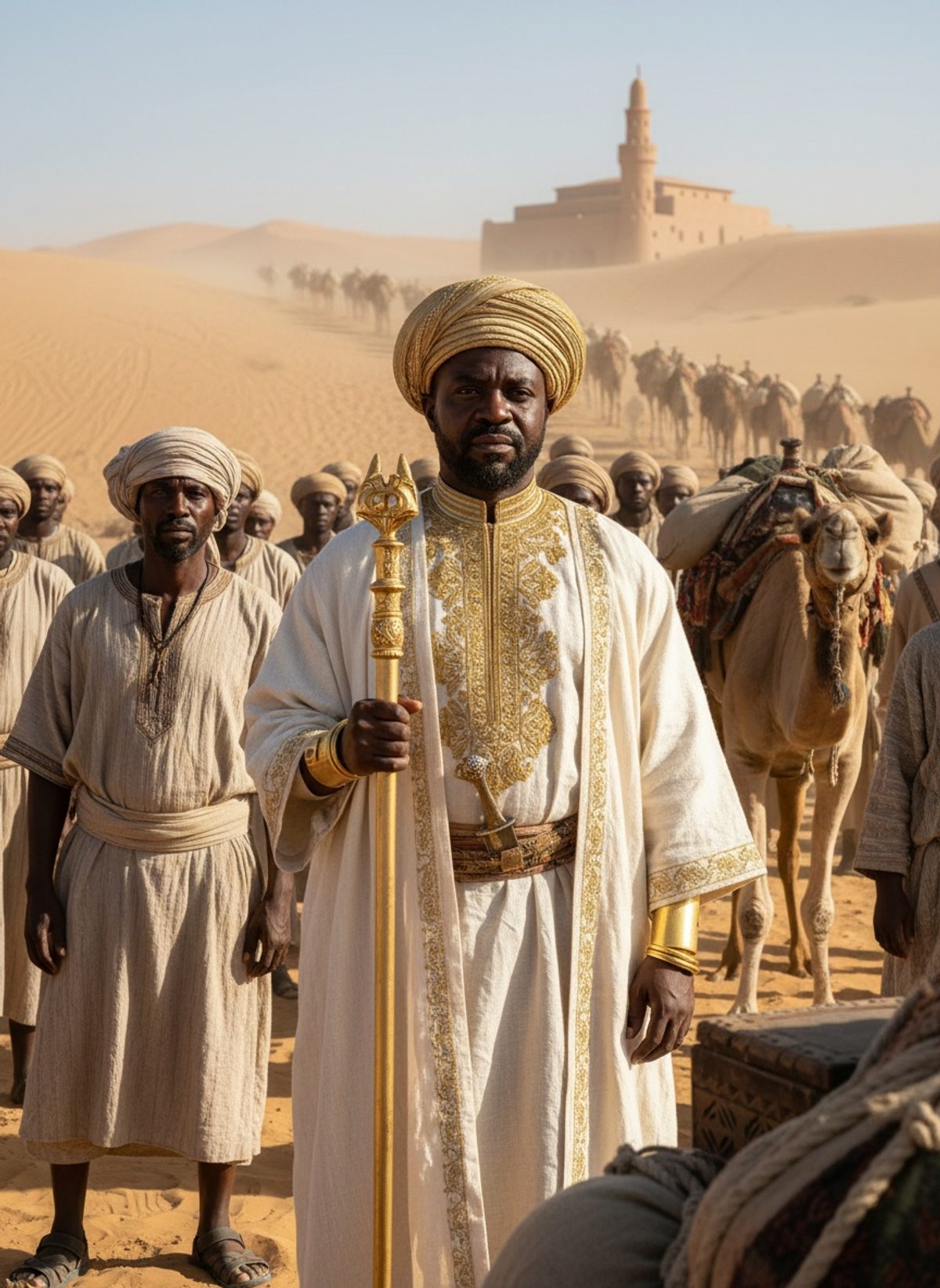
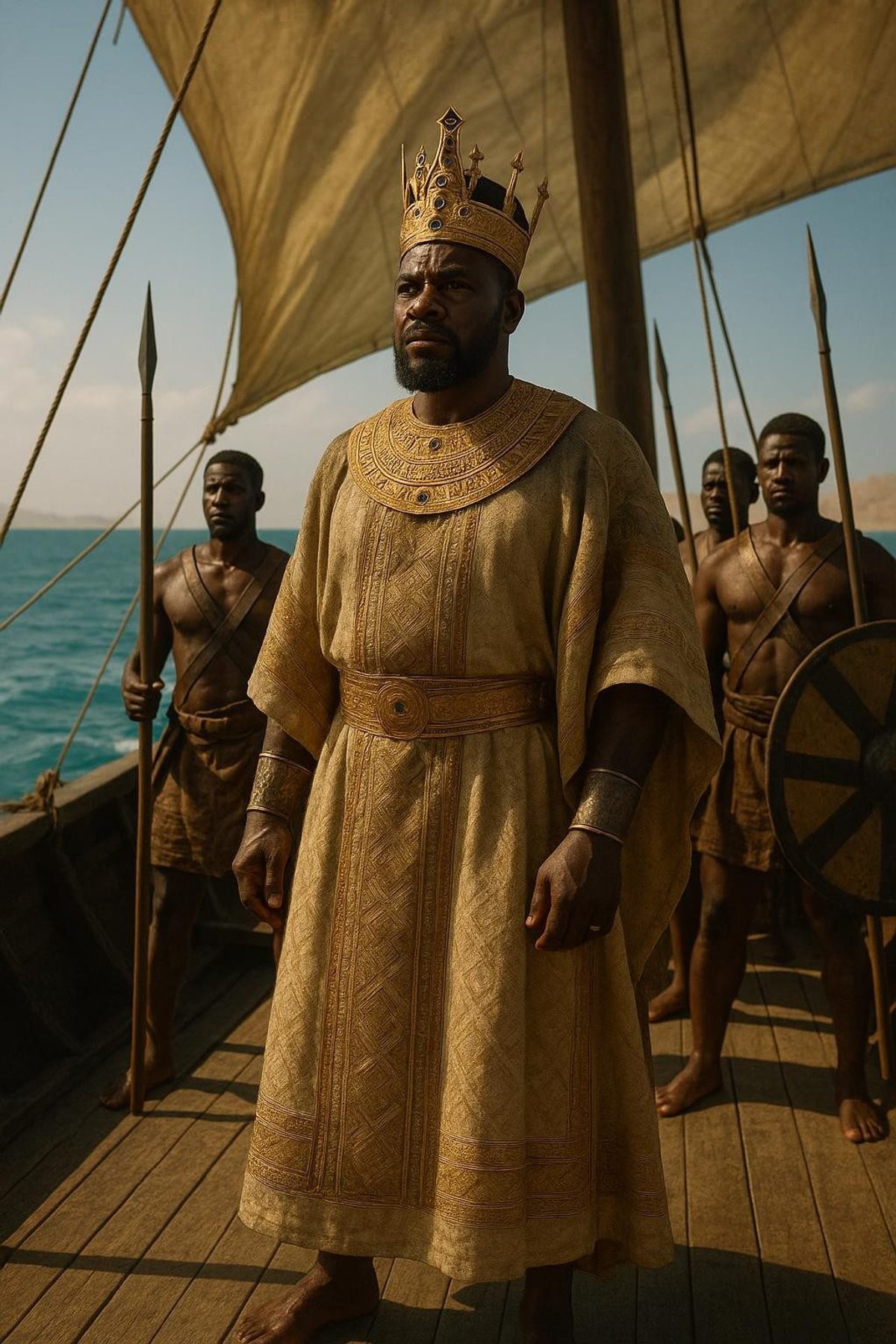
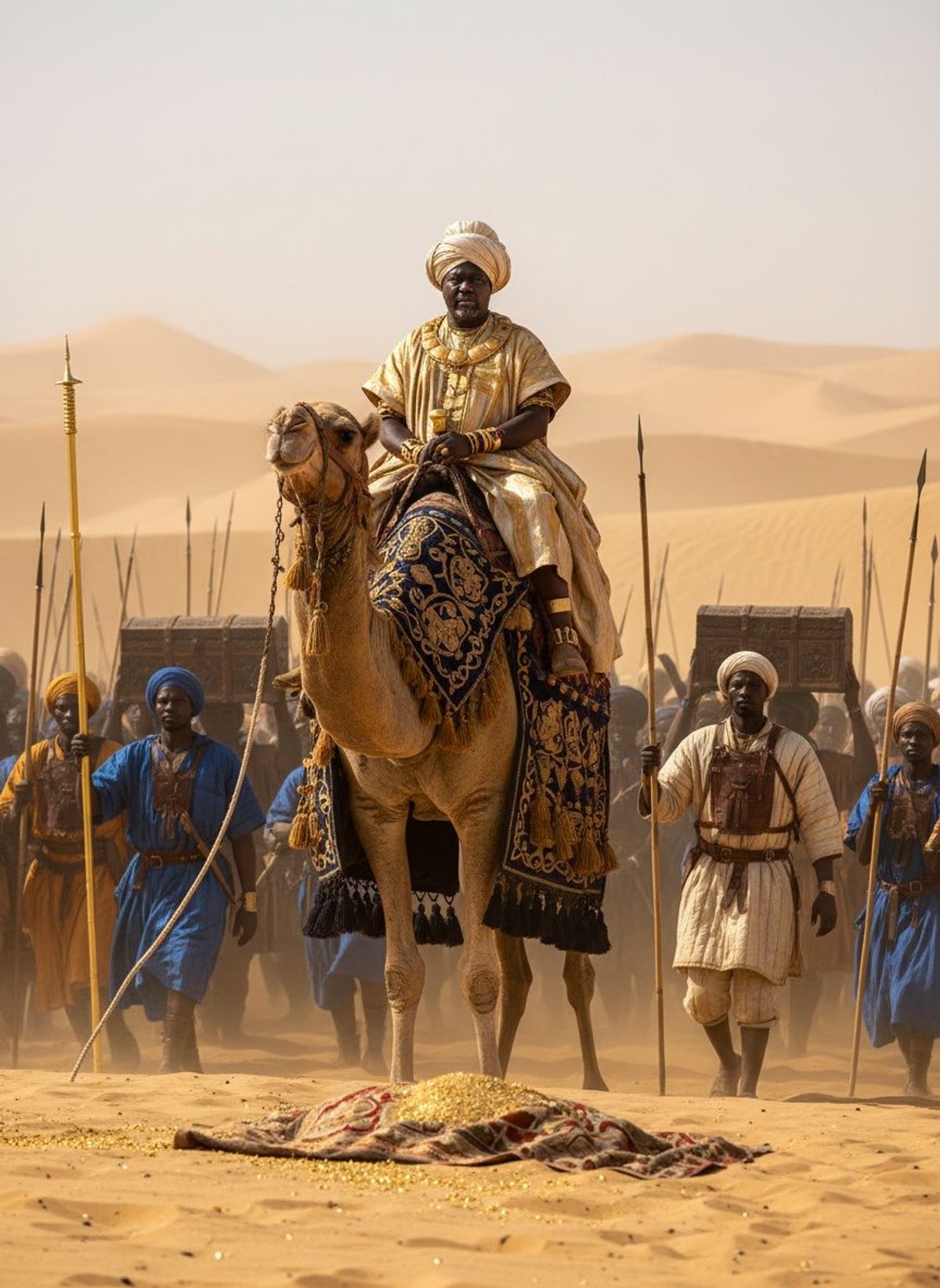
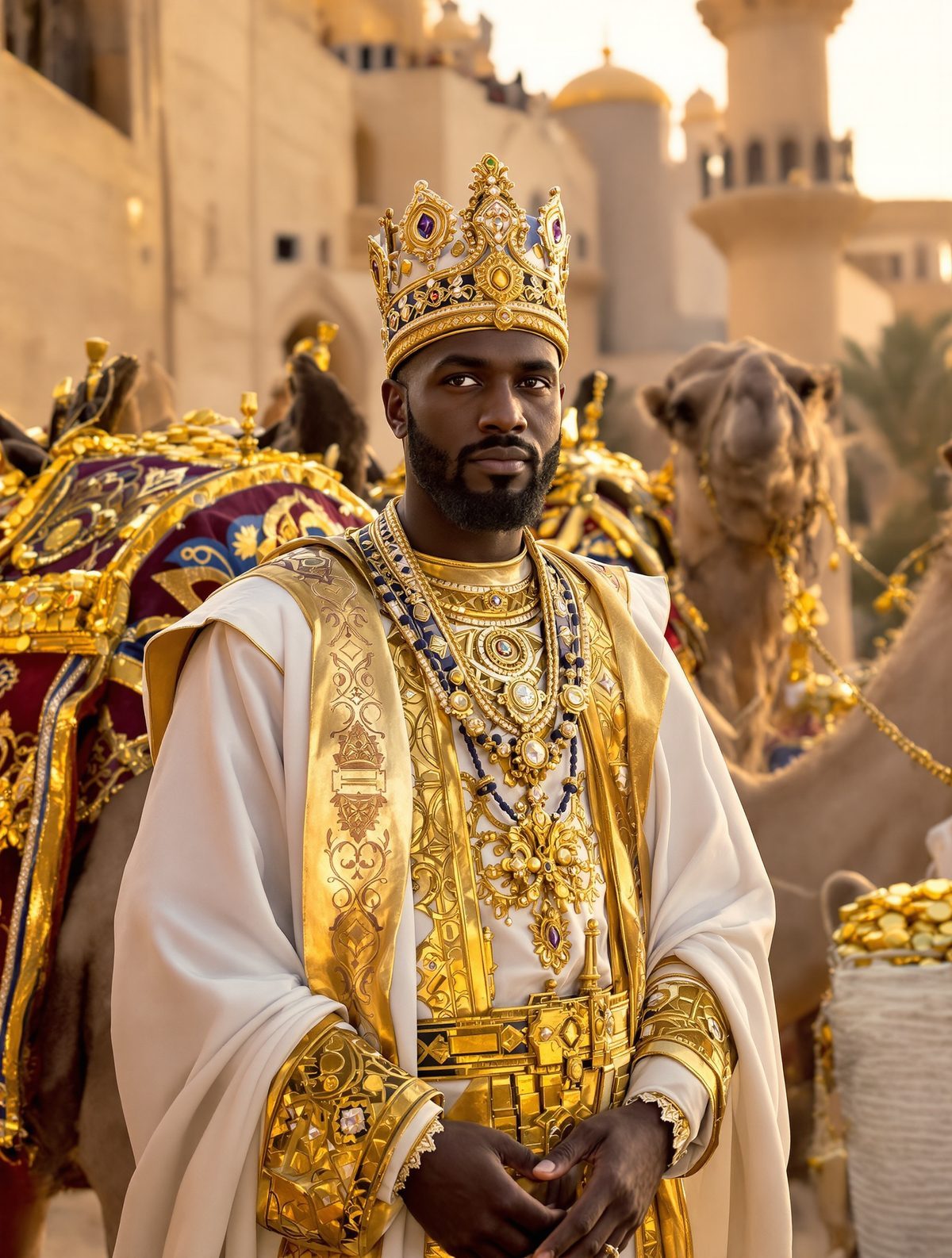
1324. A king left Timbuktu with sixty thousand men. He carried more gold than anyone had ever seen. Then he began to give it away. By Cairo, he had collapsed an entire economy. He kept walking.
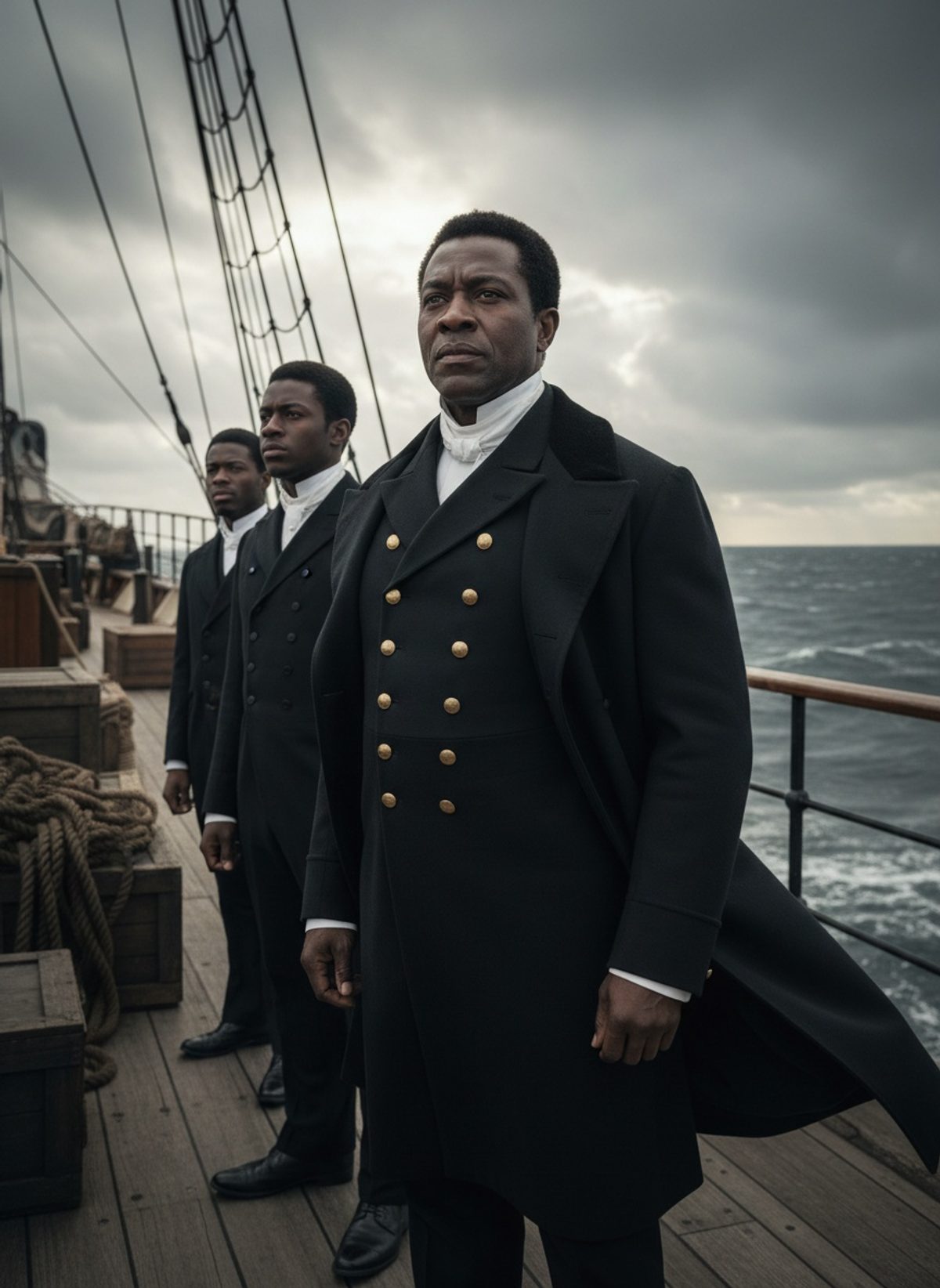
1895. The British planned to hand Bechuanaland to Cecil Rhodes. Three chiefs boarded a ship. They crossed the ocean alone. They walked into London. They did not leave empty-handed.
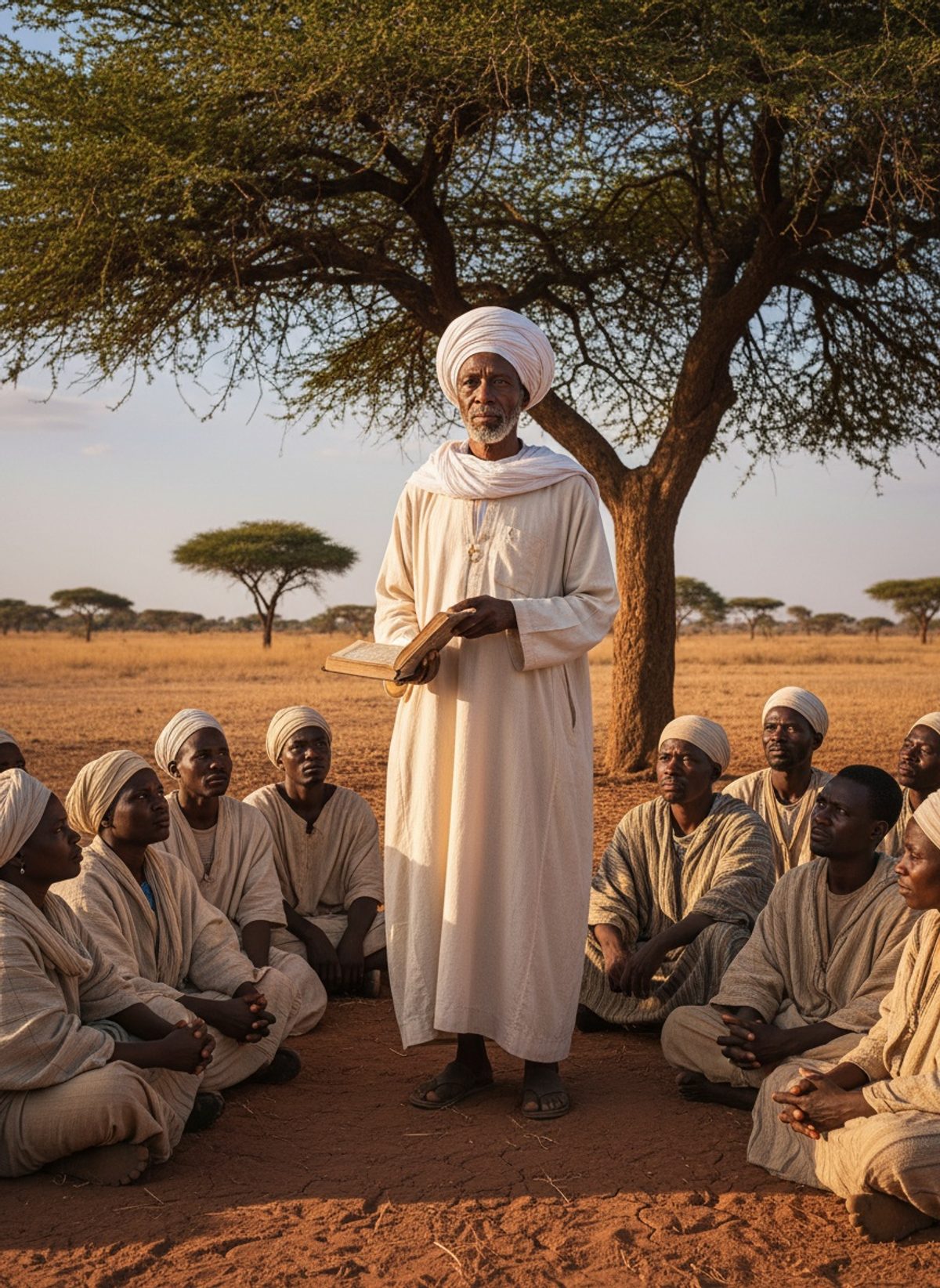
1804. The scholar Usman dan Fodio was outnumbered. The Sultan had ordered his silence. He kept speaking. The poor came anyway. He never stopped.
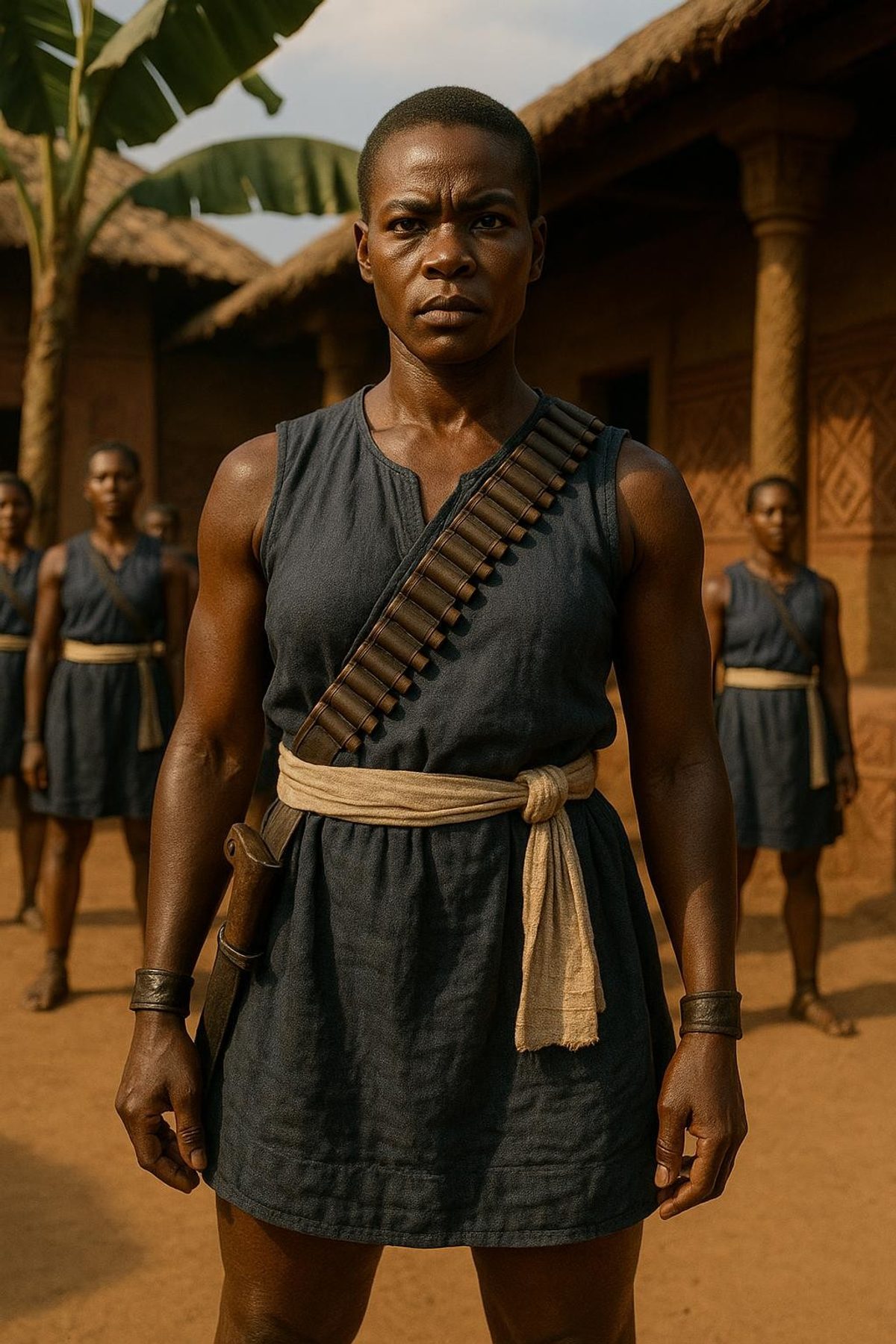
Dahomey, 1851. The slave traders came with gifts. King Ghezo listened. Then his female general Seh-Dong-Hong-Beh stepped forward. She spoke. They left empty-handed.
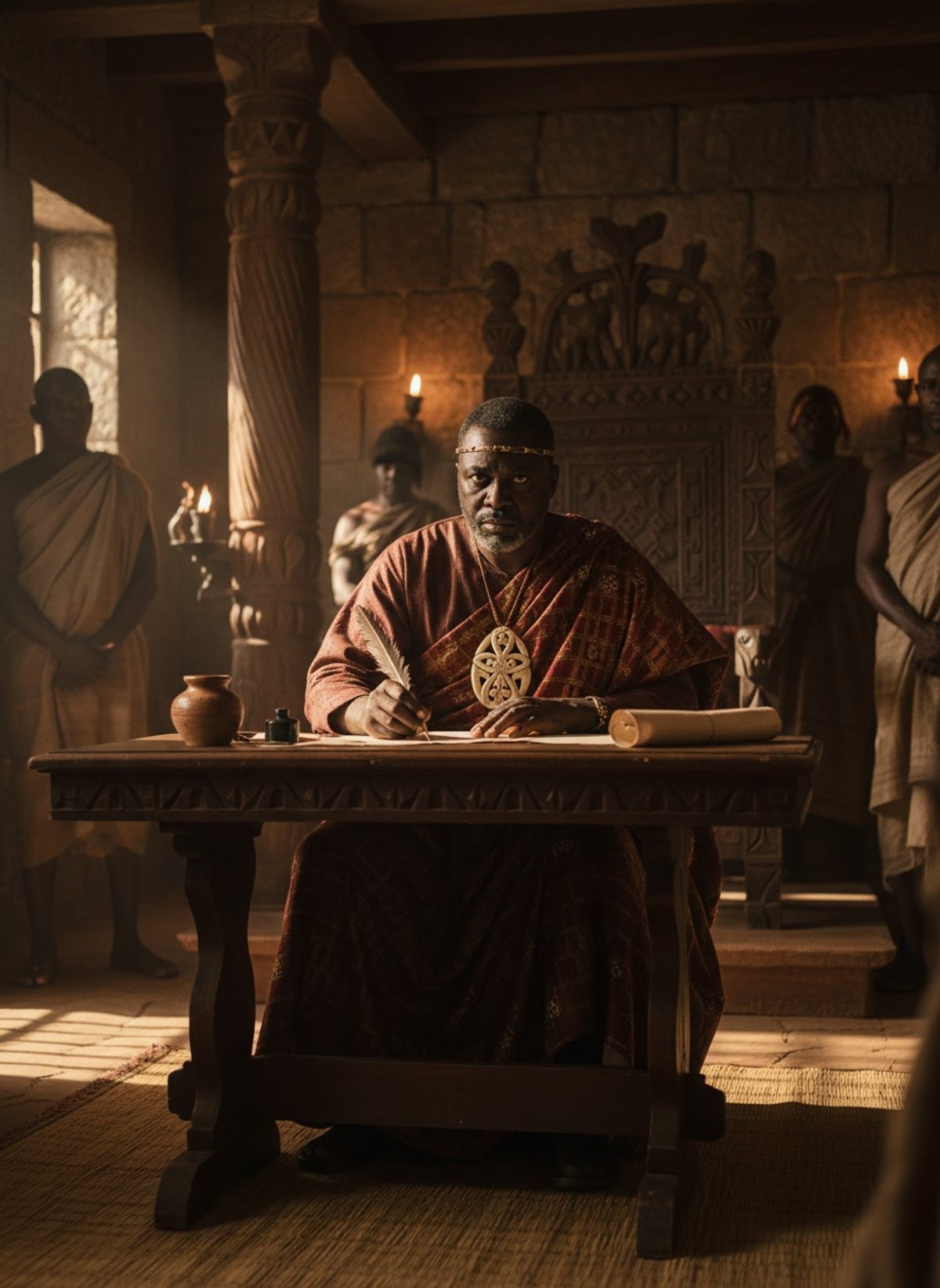
1526. The Kingdom of Kongo. King Afonso I held power over thousands. Portuguese traders were taking his people. He wrote a letter to the King of Portugal. No African king had ever done it. He demanded it stop.
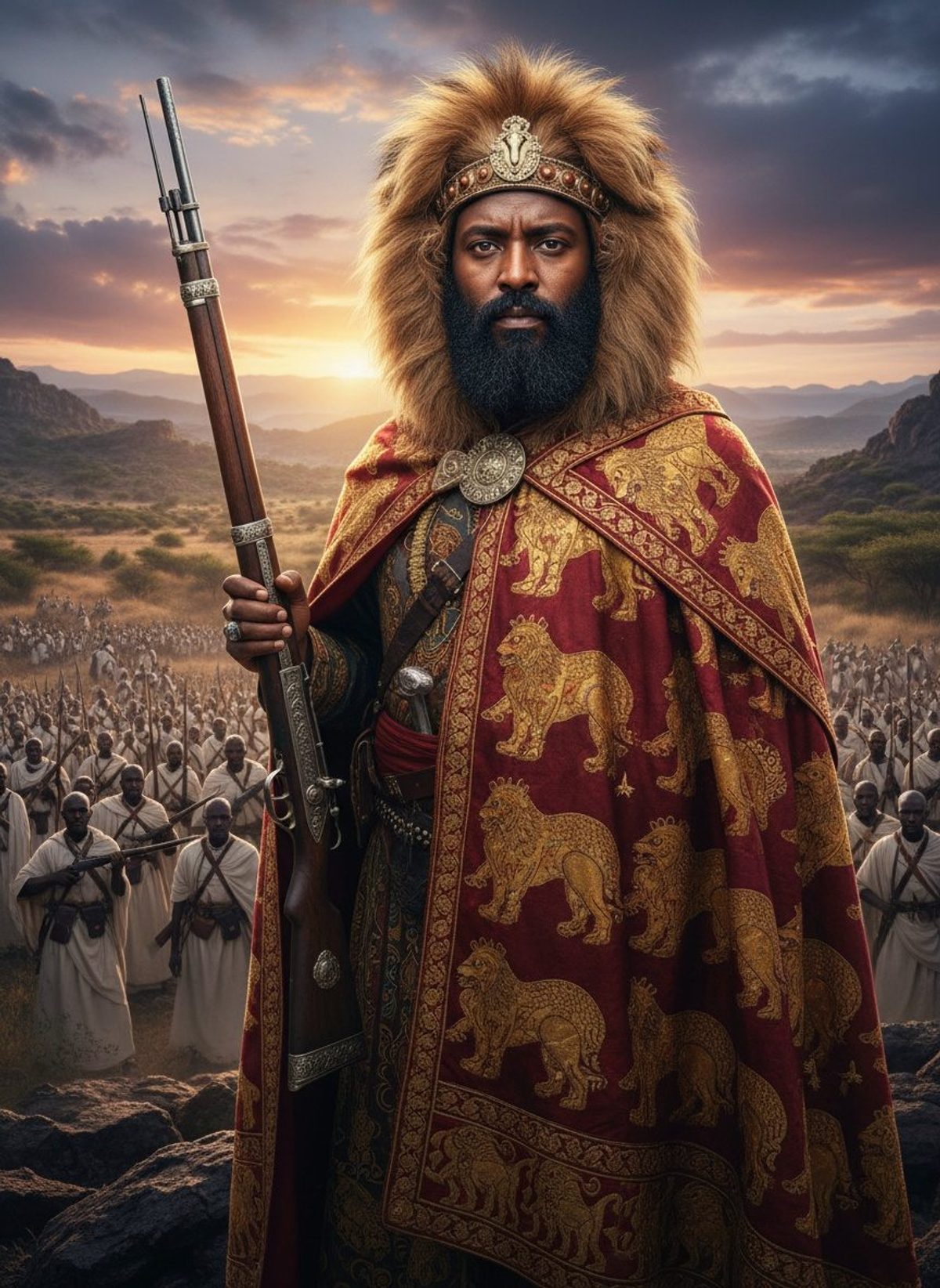
March 1896. Italy sent an army to conquer Ethiopia. Menelik II met them at Adwa. One hundred thousand Ethiopians charged. In one morning, a European colonial army was shattered. Africa watched.
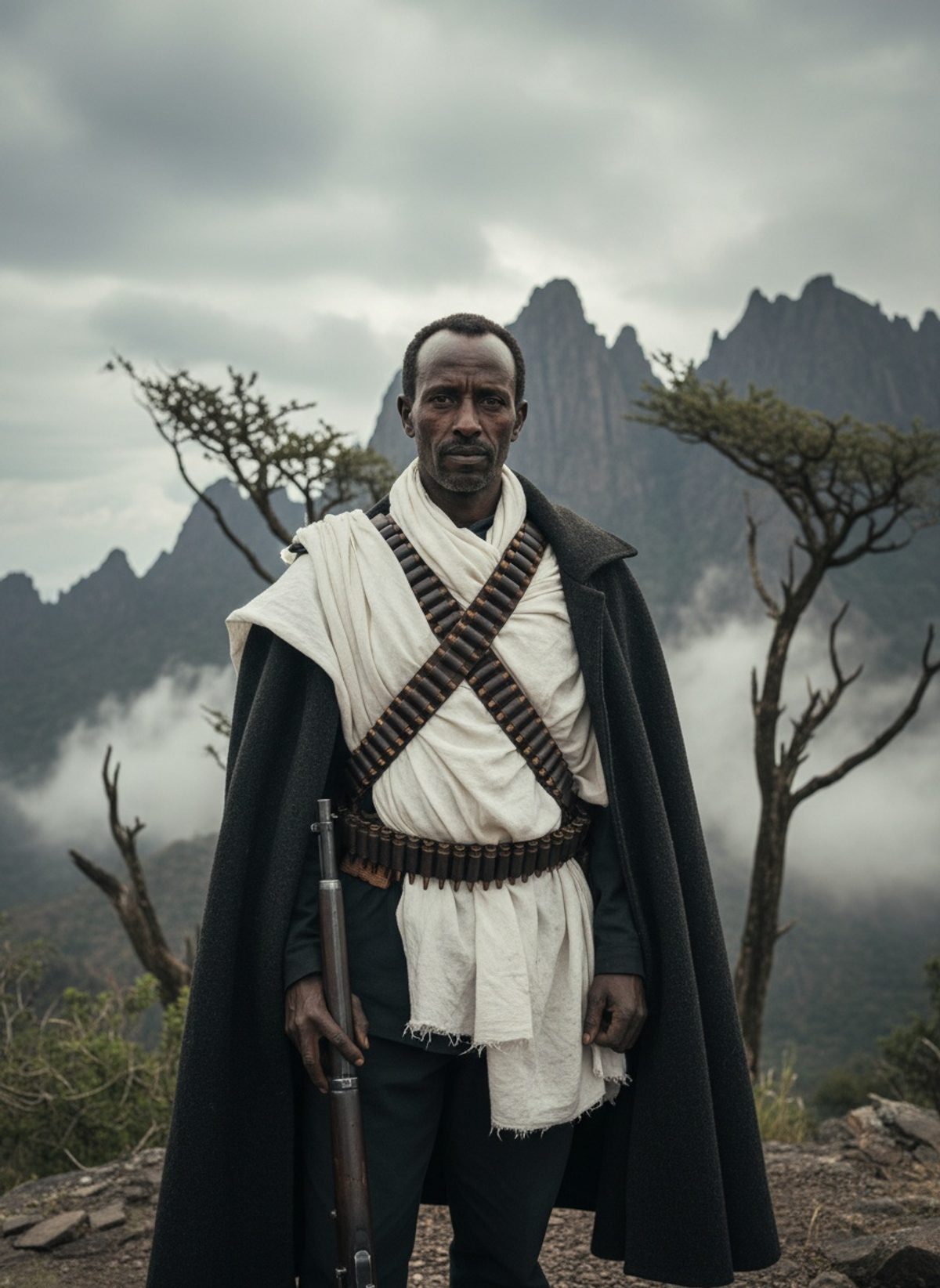
1936. Italy occupied Ethiopia. Every warlord submitted. Abebe Aregai did not. For five years he fought from the mountains. Alone. Forgotten. He never stopped.
1643. The Portuguese envoy arrived expecting surrender. Queen Njinga of Ndongo sat waiting. There was no chair for her. She gestured to one of her attendants. Knelt down. Used him as her throne. She never looked away.
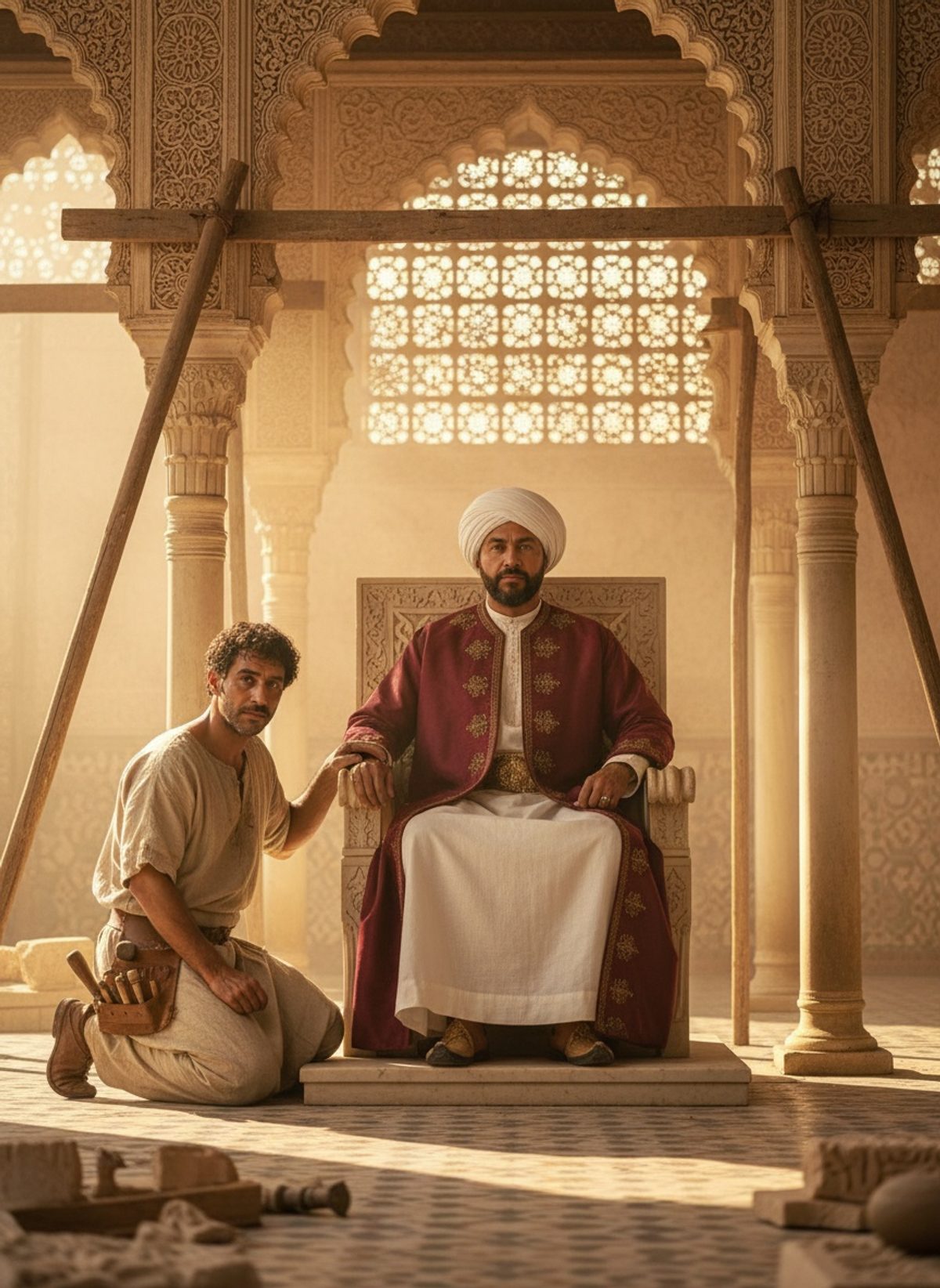
1354. The Sultan of Granada lay dying. His enslaved architect knelt beside him. The Alhambra was unfinished. Yusuf had promised him freedom. He kept his word. The man walked out. The palace still stands.
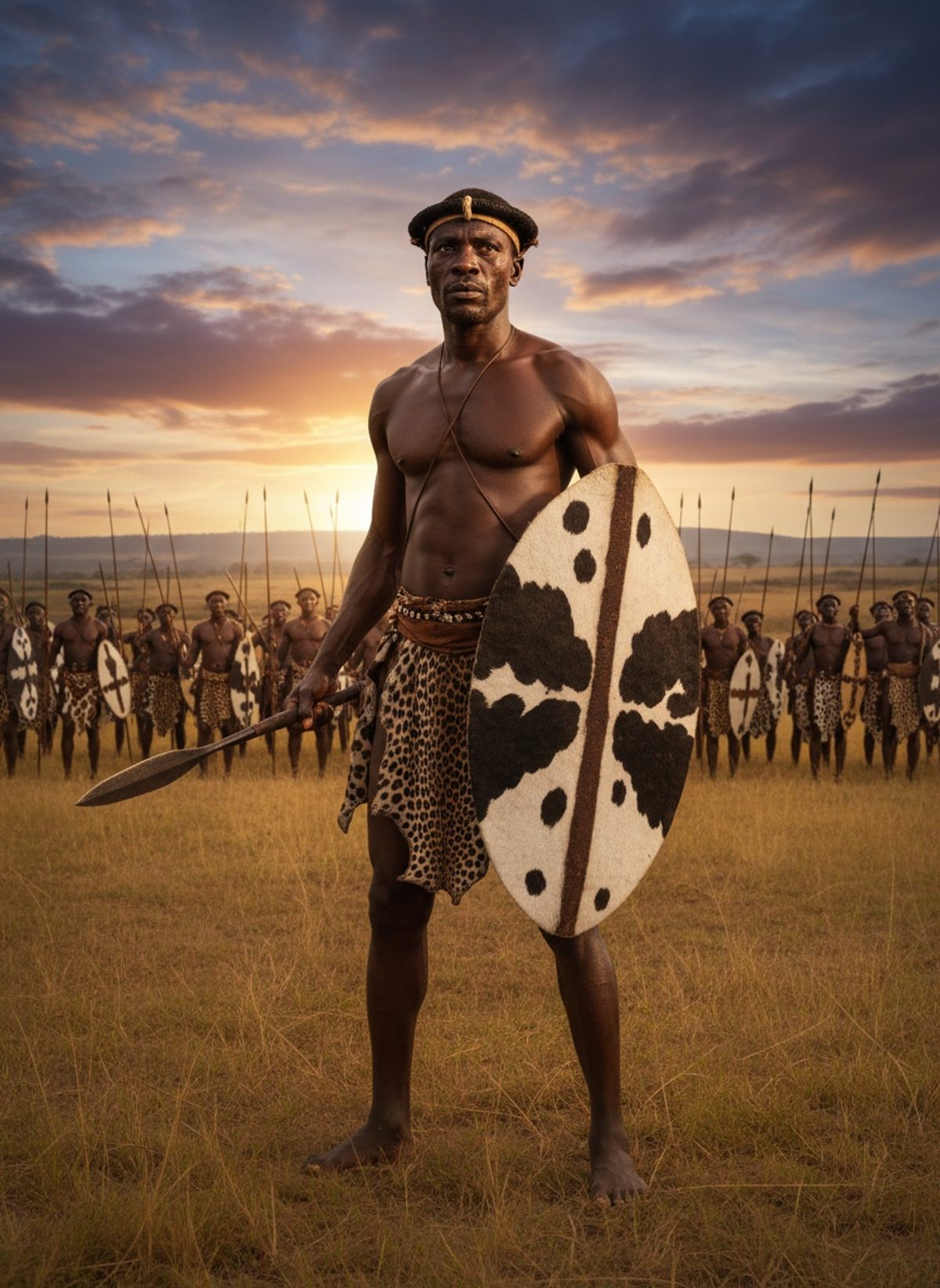
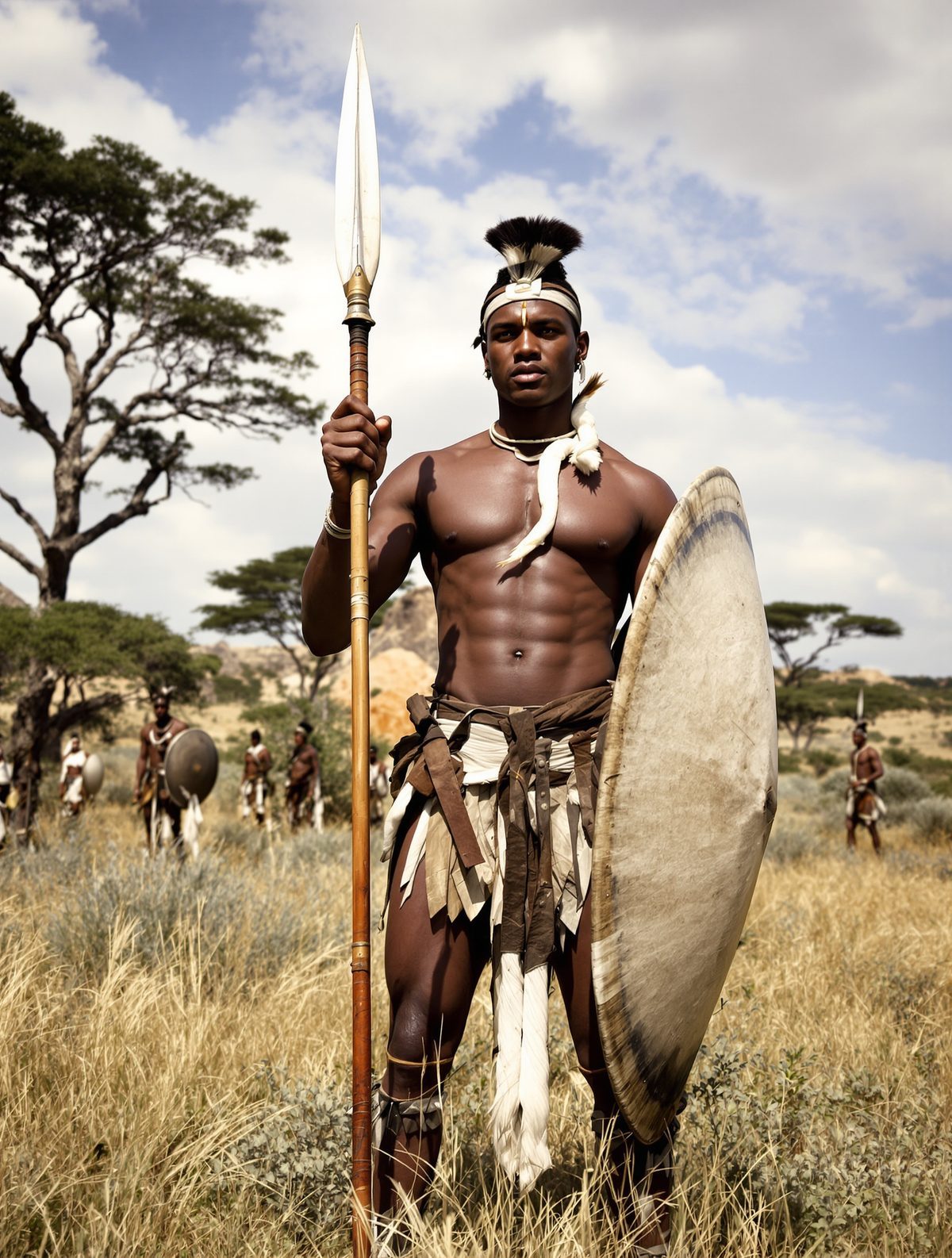
A young man was handed a small chiefdom. He asked: what if warriors never stopped moving? In twelve years, Shaka built the most feared fighting force Africa had ever seen.
525 AD. The Aksumite fleet crossed the Red Sea. General Abraha had crushed the enemy king. The captive was brought forward in chains. Kaleb looked down. Then he ordered the chains removed.
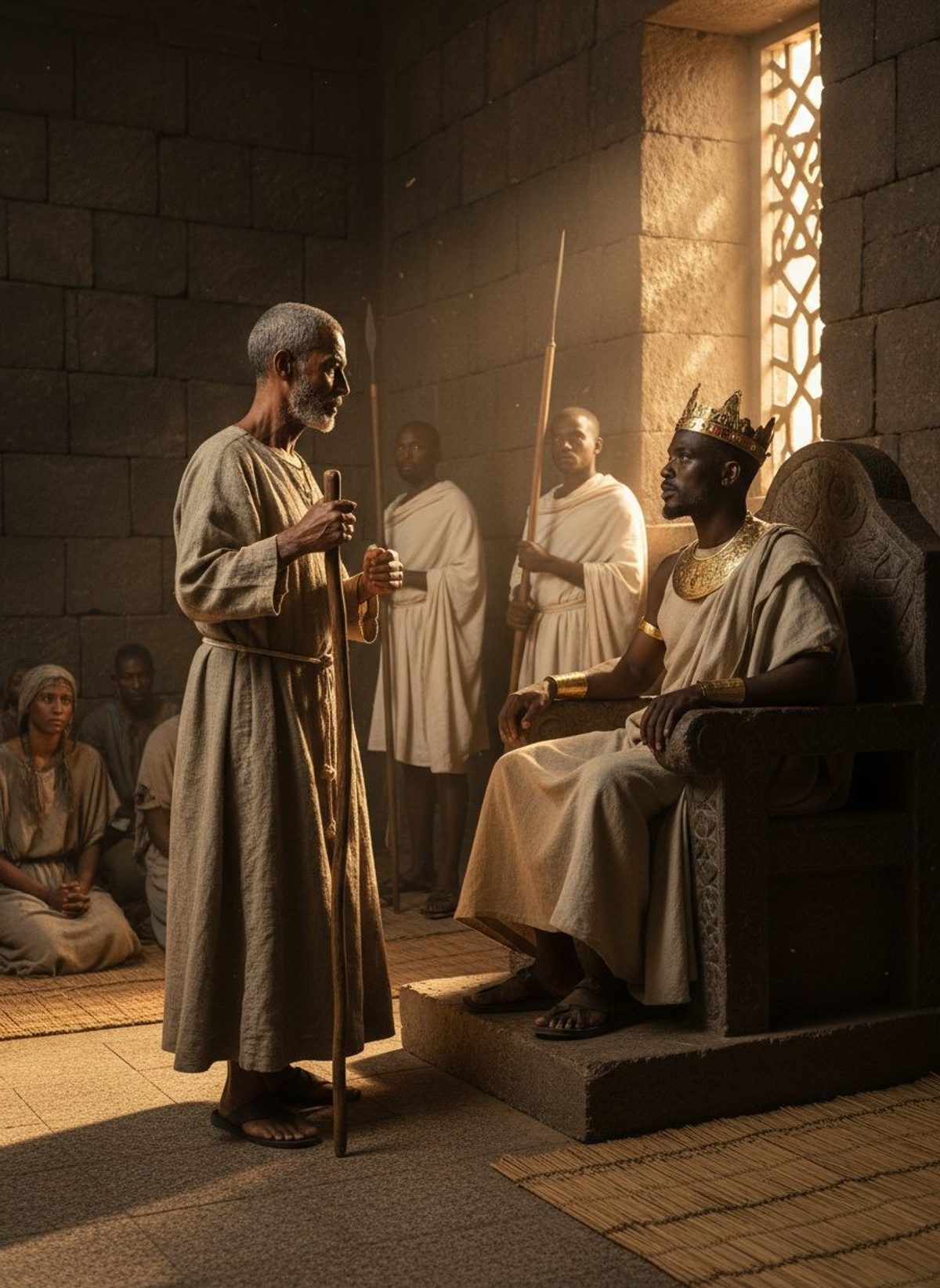
520 AD. The Aksumite king Kaleb held all of Africa's most powerful throne. A monk walked in. No gold. No army. He asked the king to free his captives. Kaleb listened. Every prisoner walked out.
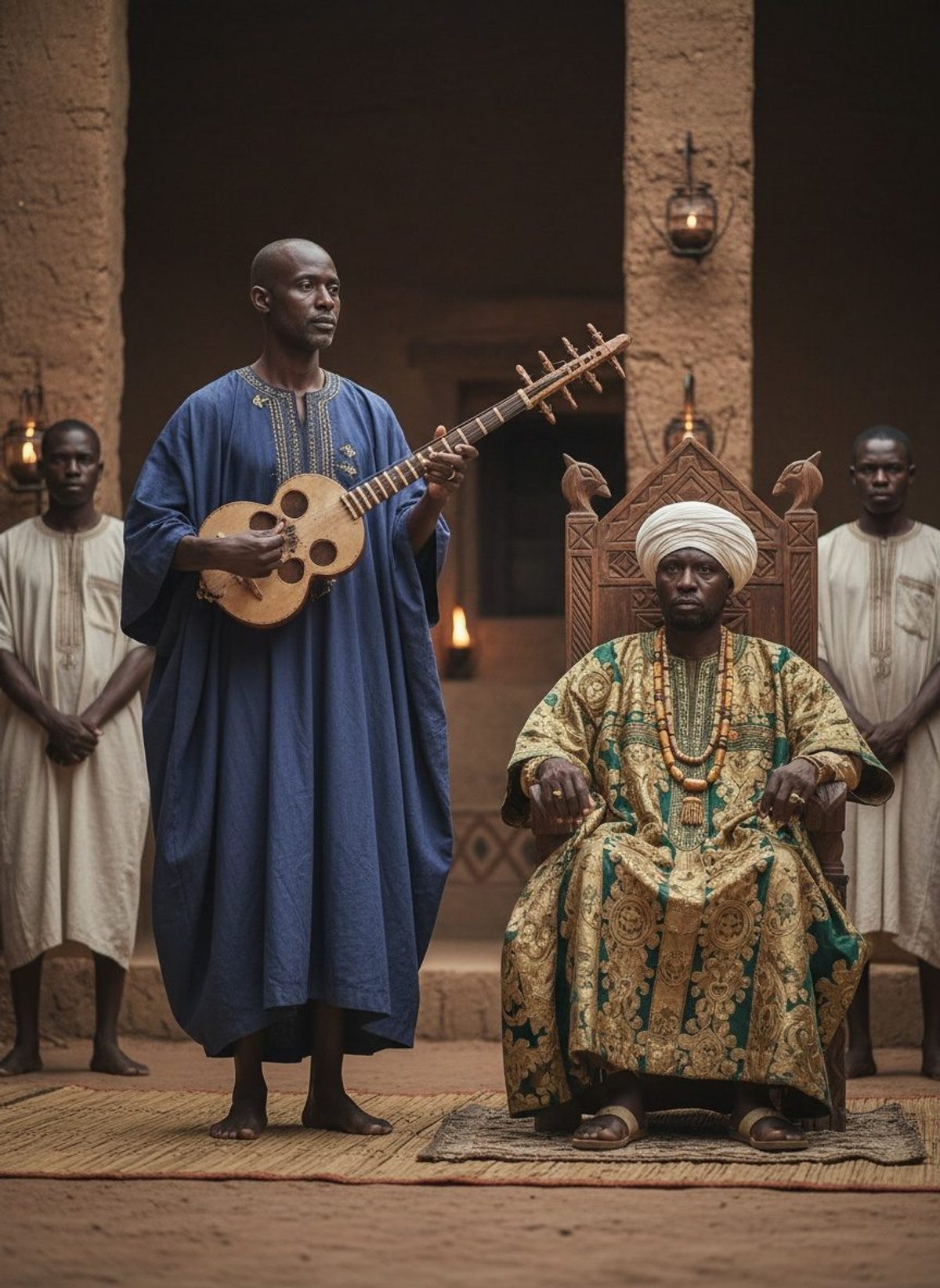
Sundiata's empire had fallen. A griot named Kuyaté was captured and caged. When Mansa Musa heard him sing, he wept. Then he freed him — and made him royal historian.
945 AD. A eunuch slave stood before Egypt's throne. He had been bought for eighteen dinars. Now he held the power of a caliph. He ruled justly for twenty-two years. No one forgot his name.
690 AD. The Arab armies had swept across North Africa. Every kingdom had fallen. One Berber queen gathered the tribes. She faced them alone. She did not kneel.
1626. Queen Nzinga of Ndongo faced Portuguese slavers destroying her kingdom. She retreated into the highlands. She rebuilt her army. Then she fought back for thirty years.
1086 AD. The Christian kings were dismantling Al-Andalus. The rulers of Iberia begged Africa for help. An eighty-year-old general answered. He crossed the sea. Then he broke an army in a single afternoon.
1594. The Moroccan army sacked Timbuktu. They took its greatest scholar in chains. Ahmad Baba refused to be silent. He lectured his captors on law. They built him a school.
525 AD. The kingdom of Aksum ruled the Red Sea. King Kaleb received a single letter. His Christian subjects in Yemen were being slaughtered. He crossed the sea anyway. No one expected him to win.
March 1896. Italy sent 17,000 soldiers to conquer Ethiopia. Menelik II rode out to meet them. He brought 100,000. The Italians broke. Africa had won.
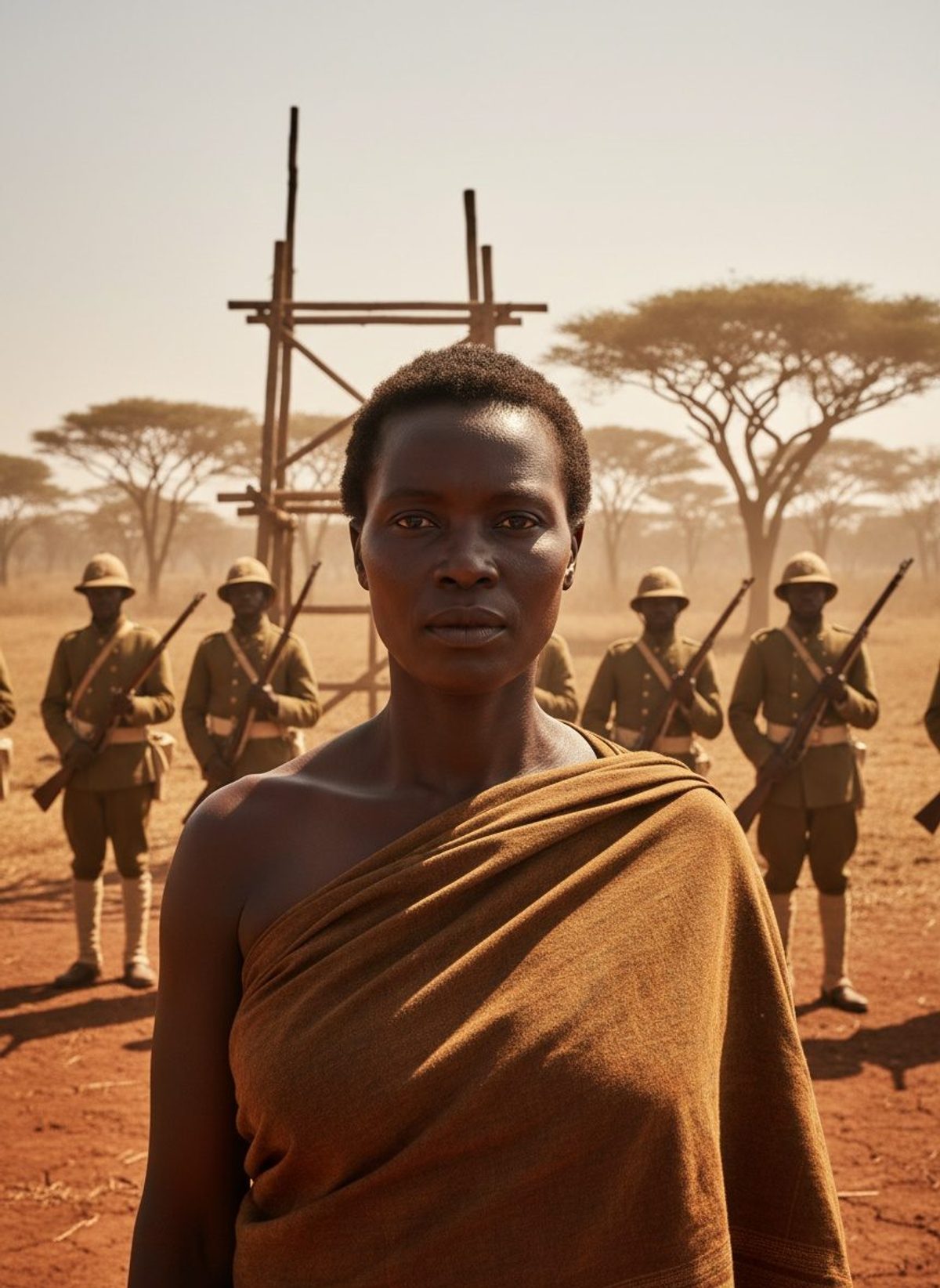
Zimbabwe, 1898. The British came to hang her. She refused a blindfold. She refused to convert. She looked at the rope. Then she told her people. Rise again.
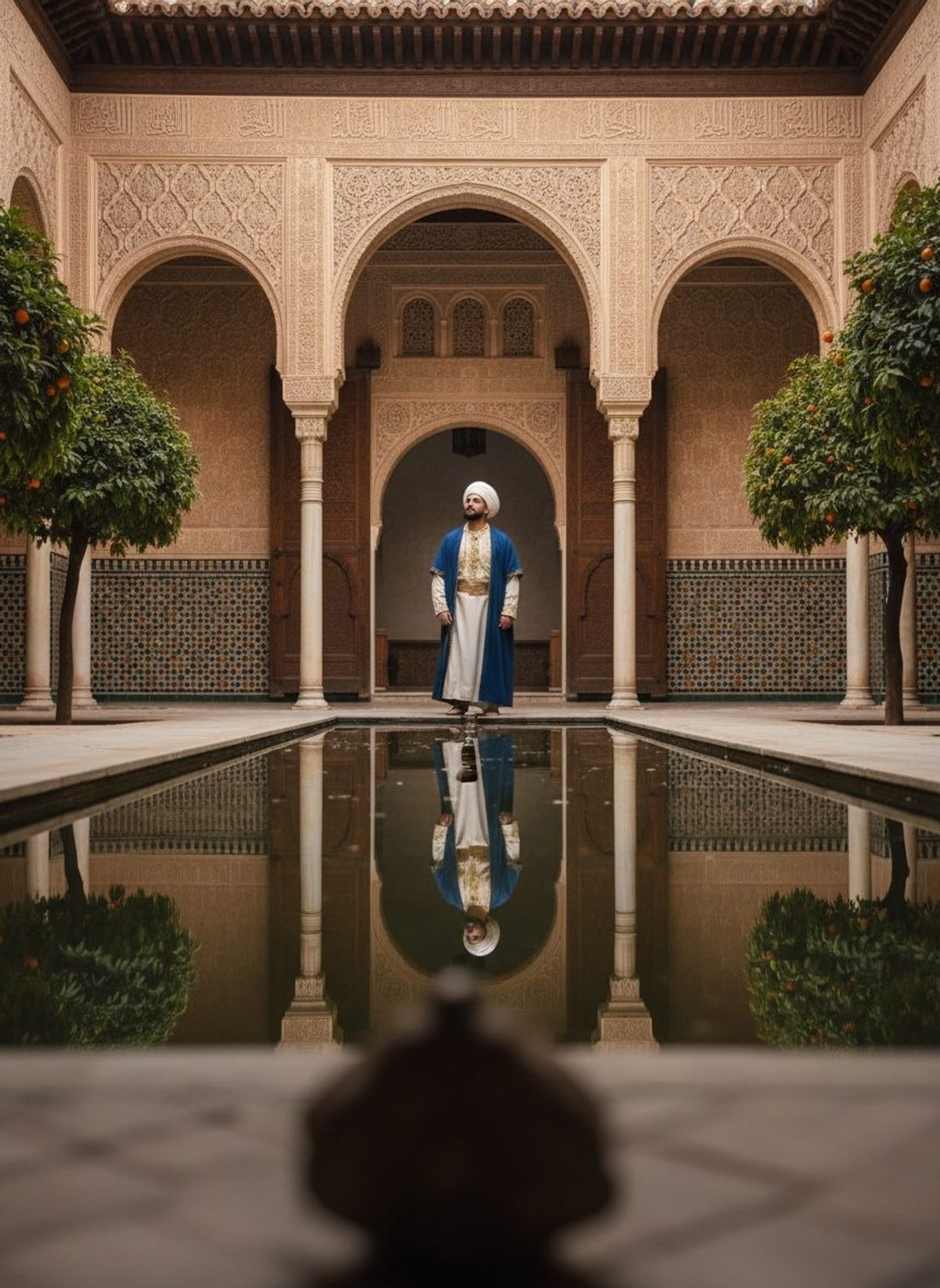
Granada, 1333. A young king took the throne. His city was threatened on every side. He did not build walls. He built beauty. The Alhambra rose. Stone became water. Silence became prayer.
March 1896. Italy marched on Ethiopia. Every European power expected it to fall. Empress Taytu stood before her husband. She said: do not negotiate. He listened. Ethiopia crushed an empire.
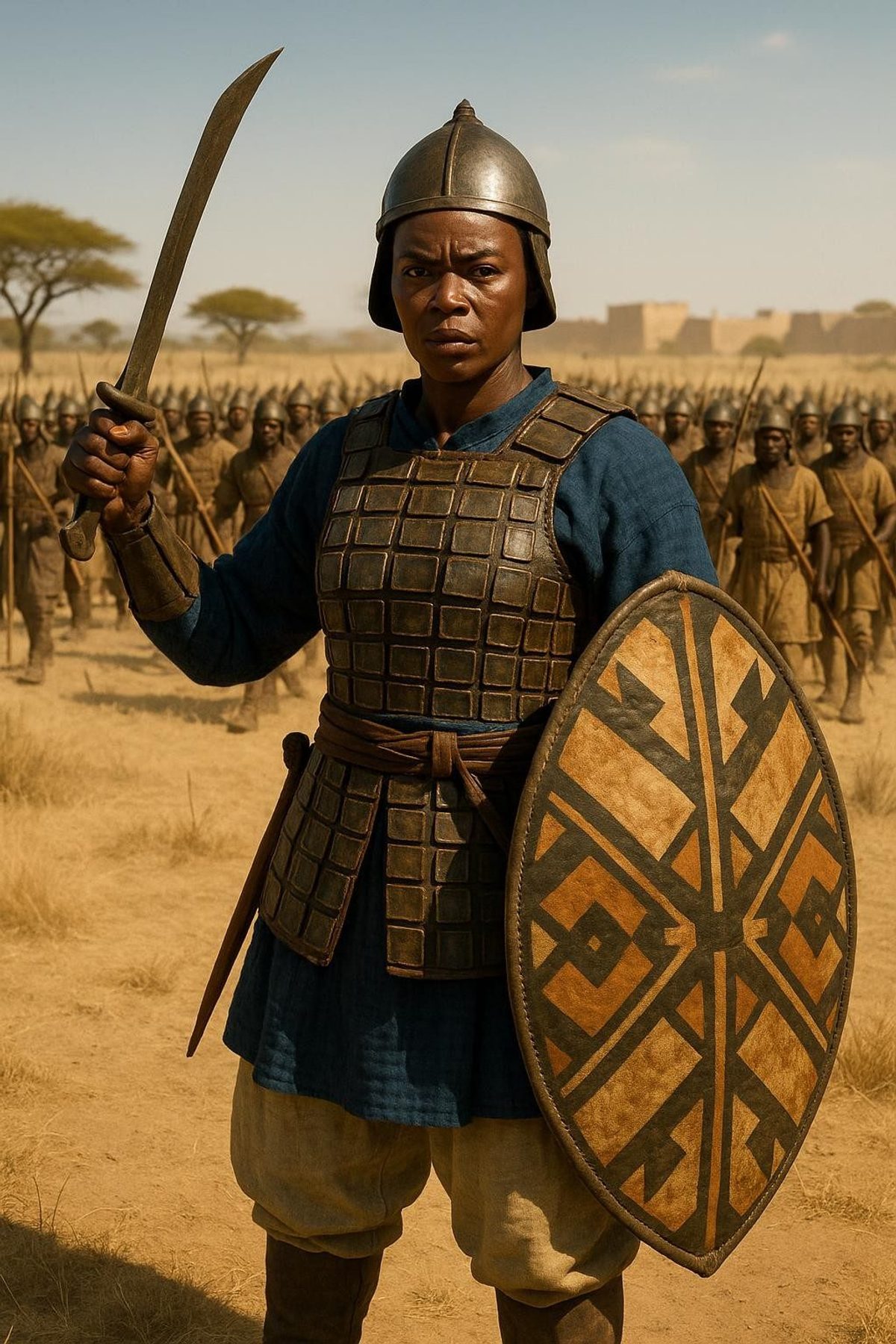
Late 1500s. A queen stood before an army of 20,000. She pulled on her iron helmet. No man questioned her. Amina of Zaria led every charge herself. She built an empire with a sword and never asked permission.
876 AD. A Turkish governor ruled Egypt for a distant caliph. He built something no one expected. A mosque so vast it could hold an army. It still stands today. Unchanged. After 1,100 years.
Mali. 1324. Mansa Musa left for Mecca. He took 60,000 people. He took 12 tons of gold. He gave it all away. Cairo's gold price crashed for a decade.
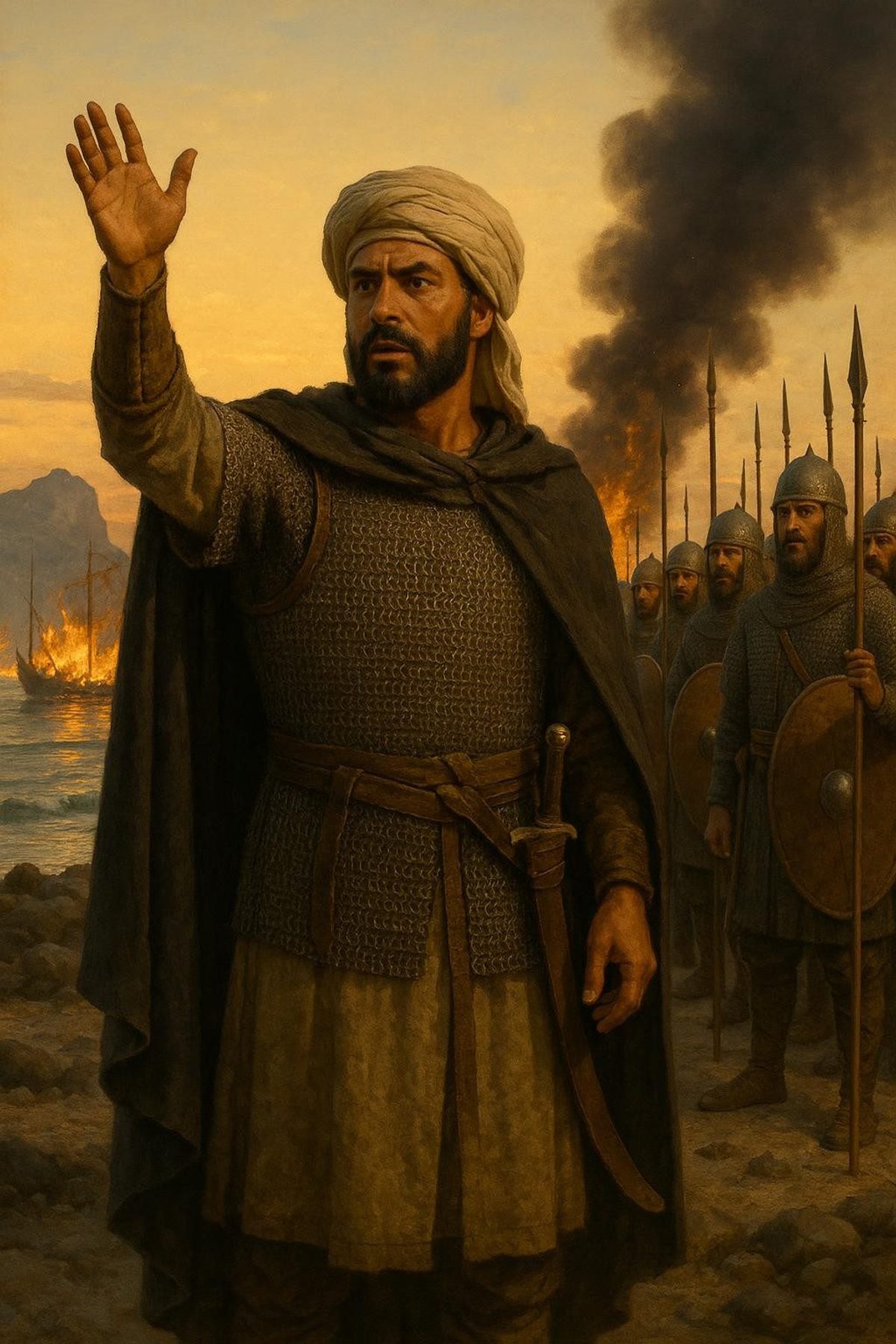
711 AD. Tariq ibn Ziyad landed 7,000 men on a foreign shore. Then he burned every ship behind them. No retreat. No return. Only victory or death. Europe would never be the same.
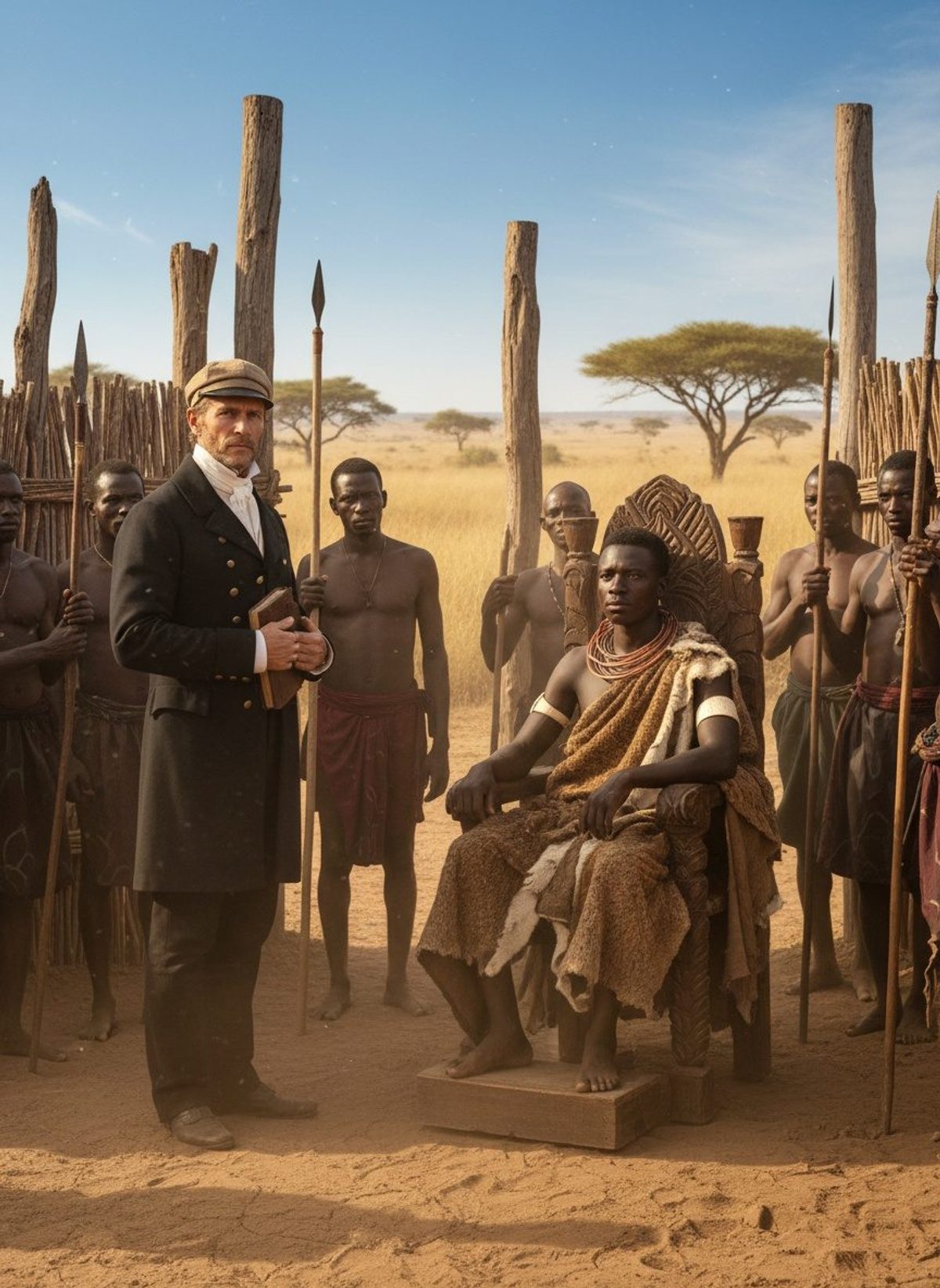
Central Africa. 1855. David Livingstone arrived at the court of King Sekeletu of the Makololo. The king gave him men. Supplies. Safe passage. Without Sekeletu, there was no journey. No Victoria Falls.
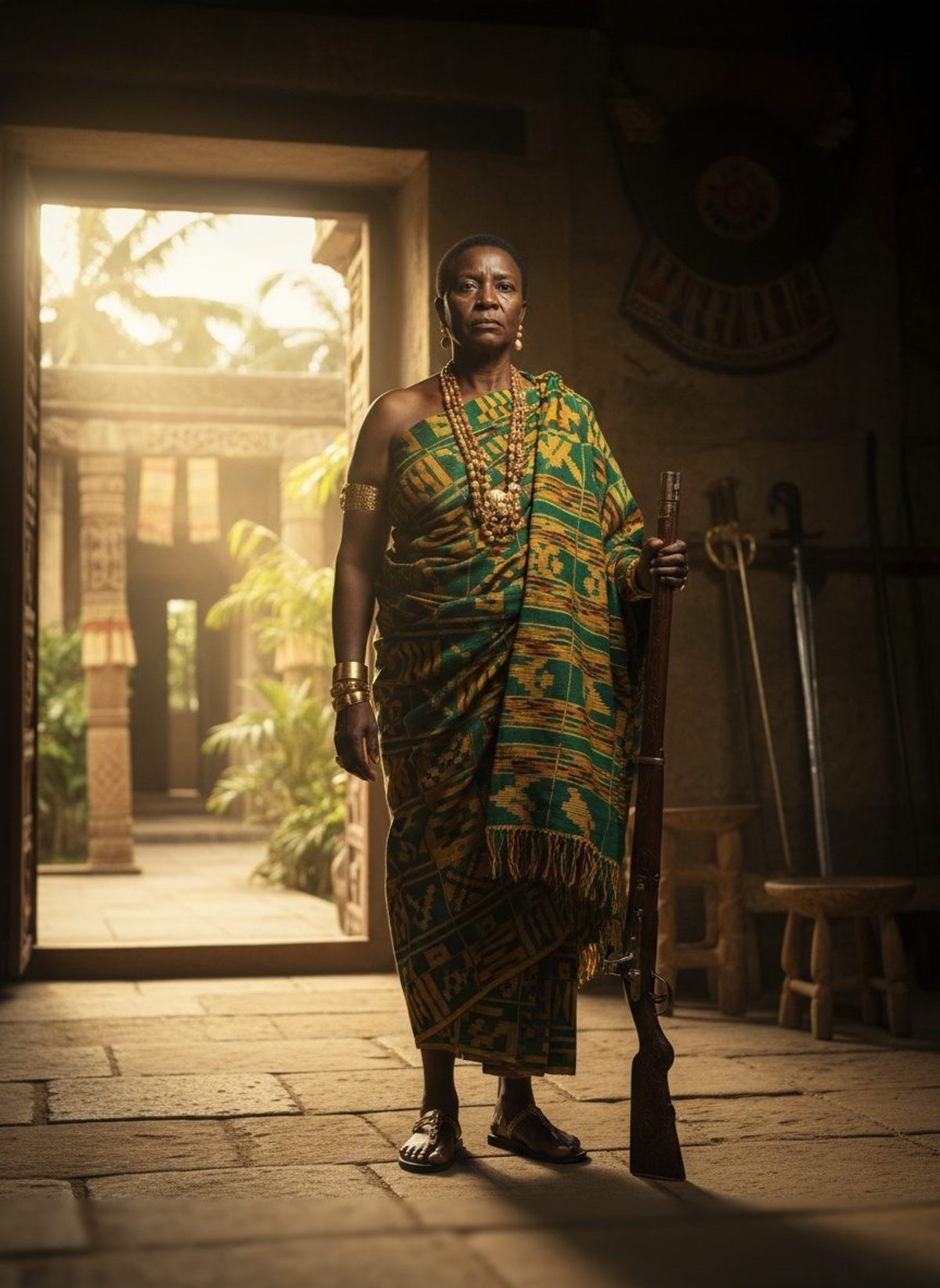
1895. The British wanted Asante land. Queen Mother Yaa Asantewaa stood alone. The chiefs had surrendered. She had not. She raised her rifle. She told them to fight.
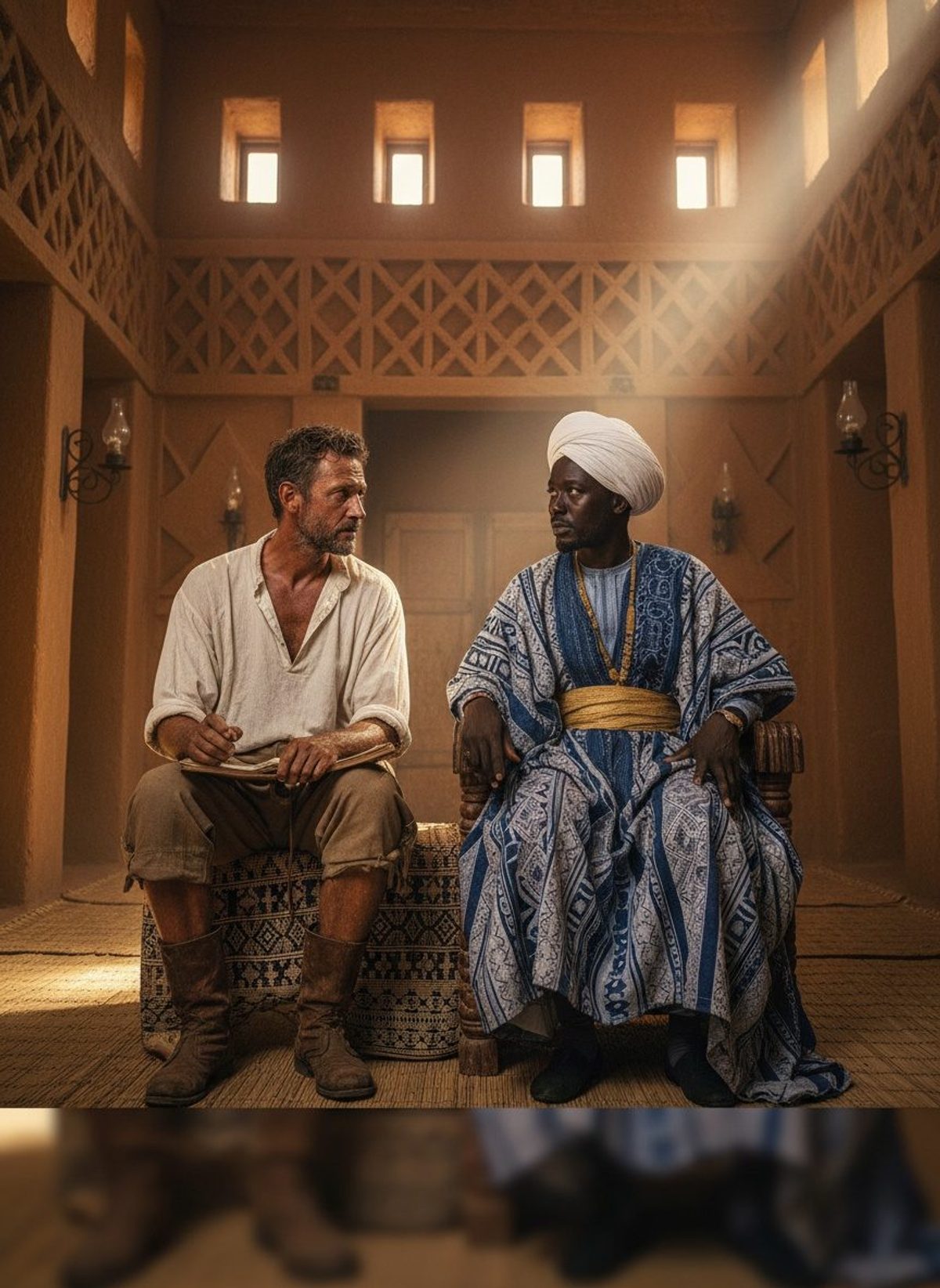
1826. The Sahara had swallowed every man who tried. Hugh Clapperton tried again. He reached the great Sultanate of Sokoto. He was the first European ever welcomed inside. He died there. His servant walked his notes home alone.
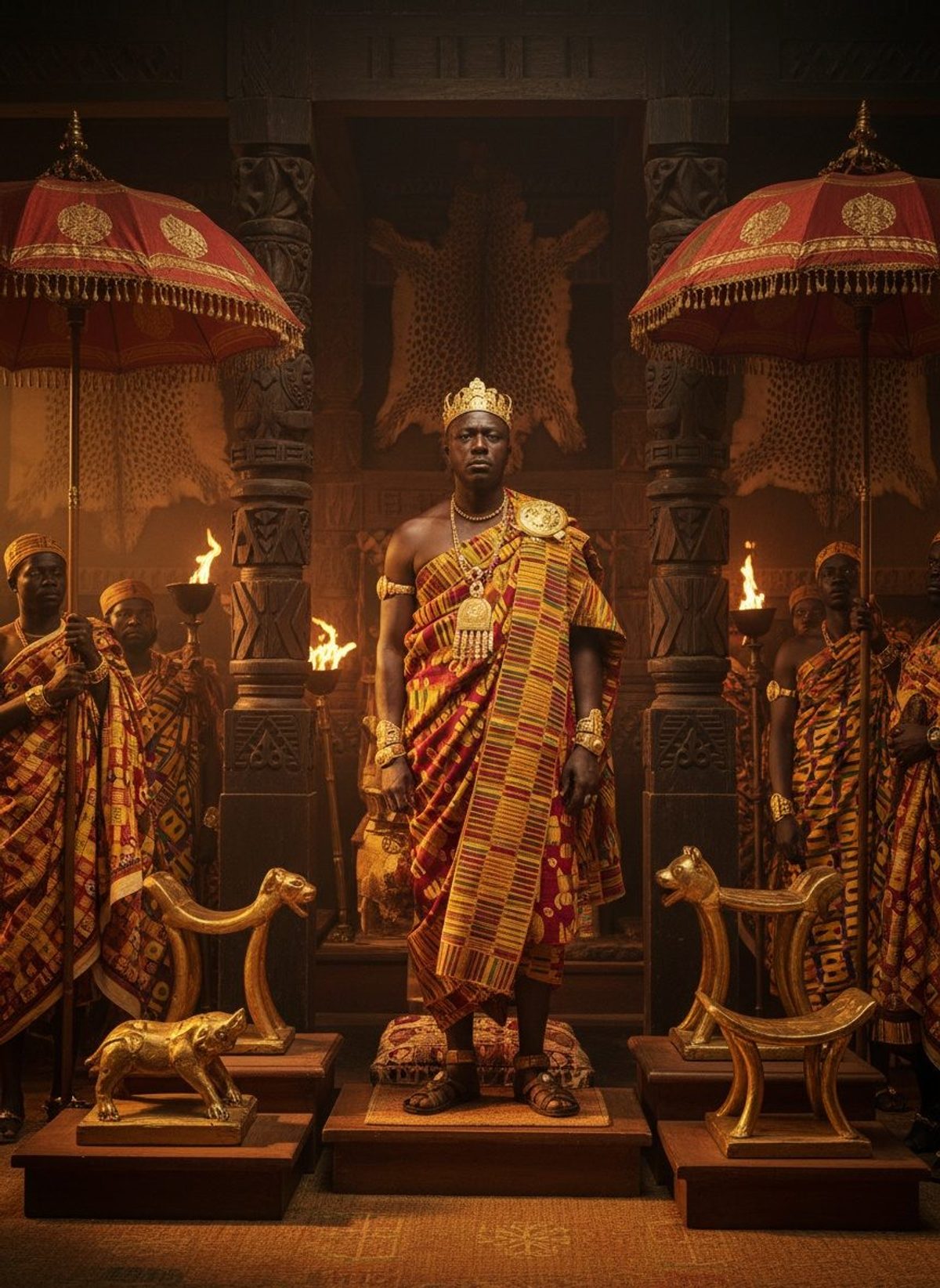
January 1874. Asantehene Kofi Karikari faced the British advance. His generals held the forest roads. For weeks they bled Wolseley's columns. Britain won. But the cost shocked London into silence.
January 1874. Deep in West Africa. A British army pressed toward Kumasi. But Kofi Karikari had already stripped his palace bare. The Golden Stool was hidden. The king was gone. Britain found ashes.
Queen Amanirenas engineered massive stone dams that still stand 2,000 years later
Uganda's Buganda Kingdom had a sophisticated parliament centuries before Europe
Queen Nzinga's feet never touched earth - carried everywhere as a living goddess
Princess Sabla Wengel of Ethiopia sent secret messages to Portugal. She promised them Christian alliance against Ottoman expansion. Portugal sent 400 musketeers to save her kingdom. The princess had lied about everything.
Queen Shanakdakheto ruled Kush with absolute power. Her own son Prince Arakakamani plotted against her throne. She discovered his betrayal through palace spies. The queen personally signed his death warrant.
Prince Mpanzu a Kitima watched his father welcome Portuguese missionaries. His brother embraced Christianity and became heir. Mpanzu refused to abandon ancestral spirits. When he rebelled, they tied him to a stake. Africa's first Christian civil war claimed the prince who wouldn't convert.
Queen Eleni of Hadya prepared a grand wedding feast. She served poisoned wine to every guest. Then drank from the same cup. Her new husband watched 200 nobles die before realizing the trap.
Sultan Hassan of Kilwa refused to kneel to Portuguese invaders. They killed him on his throne. His people buried him standing upright. Still wearing his golden battle armor. Still facing the sea where the ships came from.
Princess Fatima accompanied her uncle Mansa Musa to Cairo. While he distributed gold carefully, she gave away so much to beggars and merchants that she single-handedly crashed Egypt's economy. Gold became worthless overnight. Cairo took 12 years to recover.
King Ezana of Aksum discovered his royal stonemason plotting rebellion. Instead of executing him immediately, he forced the traitor to carve his own death sentence into granite. The mason spent three days chiseling every letter of his doom.
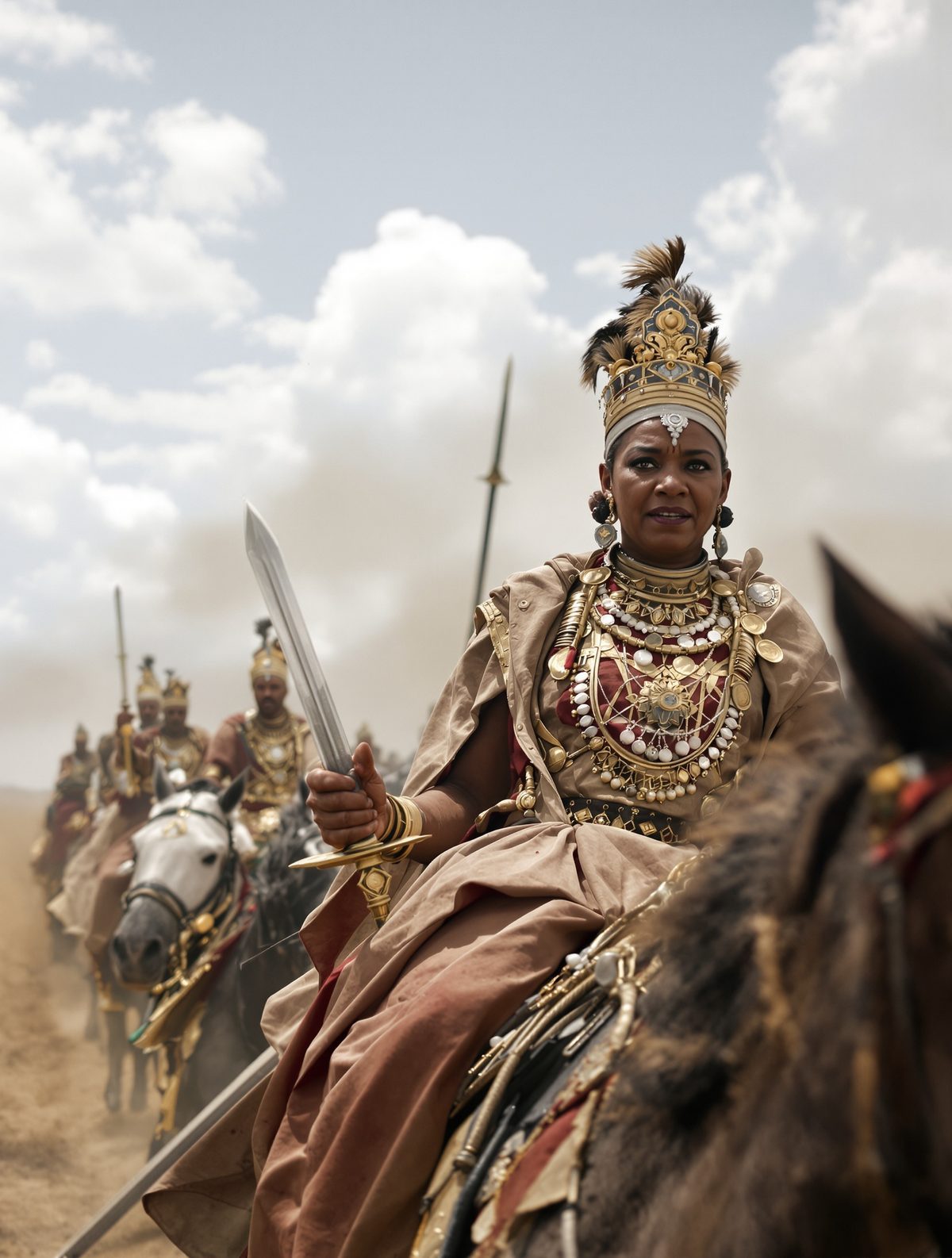
Queen Nzinga was 60 years old when Portuguese forces invaded Angola. Most rulers would send generals. She grabbed her sword and personally led cavalry charges into battle. For 30 years, this grandmother terrified European armies.
Prince Sundiata of Mali couldn't walk until age seven. His legs were too weak to support his body. When his father died, enemies mocked the crippled heir. Sundiata crawled to the iron bar that would make him king. He pulled himself upright for the first time. Founded the Mali Empire that day.
King Ezana of Aksum controlled the Red Sea trade routes. Then he converted to Christianity. His next move was unprecedented. He minted new coins showing the cross instead of ancient gods. The first ruler to announce his religious conversion through currency.
Queen Amina of Zazzau led her cavalry into battle at age 16. She conquered territory across northern Nigeria for 34 years. After each victory, she built massive walls around captured cities. Some of her fortifications still stand today.
When Zulu princess Nandi became pregnant, the elders claimed it was just an intestinal beetle. They were wrong. Her son Shaka would become Africa's greatest warrior king. The beetle story saved them both from execution.
Ethiopian warlord Yekuno Amlak overthrew the last Zagwe king in 1270. He needed legitimacy fast. So he claimed direct descent from King Solomon and the Queen of Sheba. The lie worked so well it became Ethiopia's founding myth for 700 years.
The Berber queen watched Arab armies approach her mountain fortress. She ordered her people to burn every farm, destroy every well, raze every city. 'If they want my land, they'll inherit ashes.' She scorched North Africa for three years.
Queen Nzinga of Ndongo was 60 years old when Portuguese forces invaded Angola. Most rulers would negotiate from their throne. She strapped on armor and personally led cavalry charges into battle. Her warriors followed a grandmother into combat for 30 years.
Princess Yennenga defied her father by stealing his finest stallion. She rode south to escape an arranged marriage. Got lost in the wilderness for weeks. The horse finally stopped at a remote village. She married a local hunter and founded the Mossi Kingdom.
Queen Amanirenas of Kush lost her eye fighting Rome. When she captured a bronze statue of Emperor Augustus, she buried it beneath her palace steps. Every visitor walked on Caesar's face.
Emperor Amda Seyon trusted his uncle to rule a province. His uncle declared independence and raised an army. The emperor personally led the attack that captured the traitor. He ordered his own uncle executed for treason.
Queen Amina conquered city after city across Nigeria. After each victory, she ordered massive earthen walls built around her new territories. In 34 years of rule, she constructed over 1,000 miles of fortifications. Many still stand today.
The richest man in history was making his pilgrimage to Mecca. He stopped in Cairo with 80 camels carrying pure gold. Mansa Musa gave away so much gold that Egypt's economy crashed for a decade.
The Portuguese governor refused Queen Nzinga a chair. She snapped her fingers. Her attendant dropped to hands and knees. Nzinga sat on her back and negotiated Angola's future from a human throne.
Young Shaka throws away his long spear. His enemies laugh. Then he charges with a short stabbing blade. Within minutes, seasoned warriors lie dead. The ikwa assegai would transform African warfare forever.
Prince Ewuare was exiled from Benin City by his own brother. When he returned with an army, he set fire to the capital. The flames forced his brother to flee. Ewuare became Oba and rebuilt the city in bronze and glory.
Assyria had never lost. Then a Nubian king marched north and stopped their advance cold. Taharqa ruled both Egypt and Kush. The Bible named him. Assyrian kings carved his defeats in stone — and still couldn't erase him.
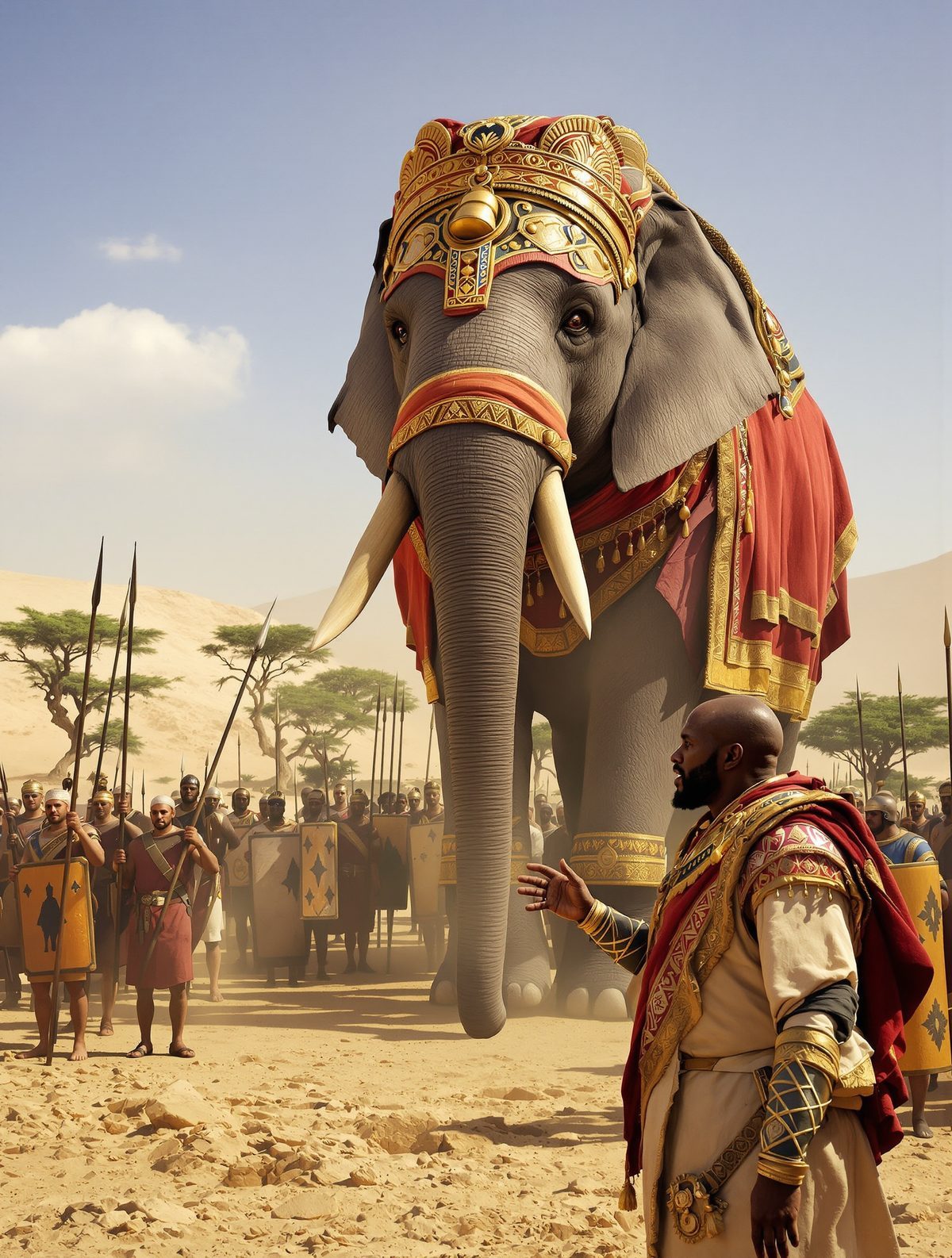
An Aksumite viceroy led a war elephant army to demolish the Kaaba. The people fled in terror. Then the elephants stopped. They refused to advance. They turned back. The army collapsed. The year was never forgotten.
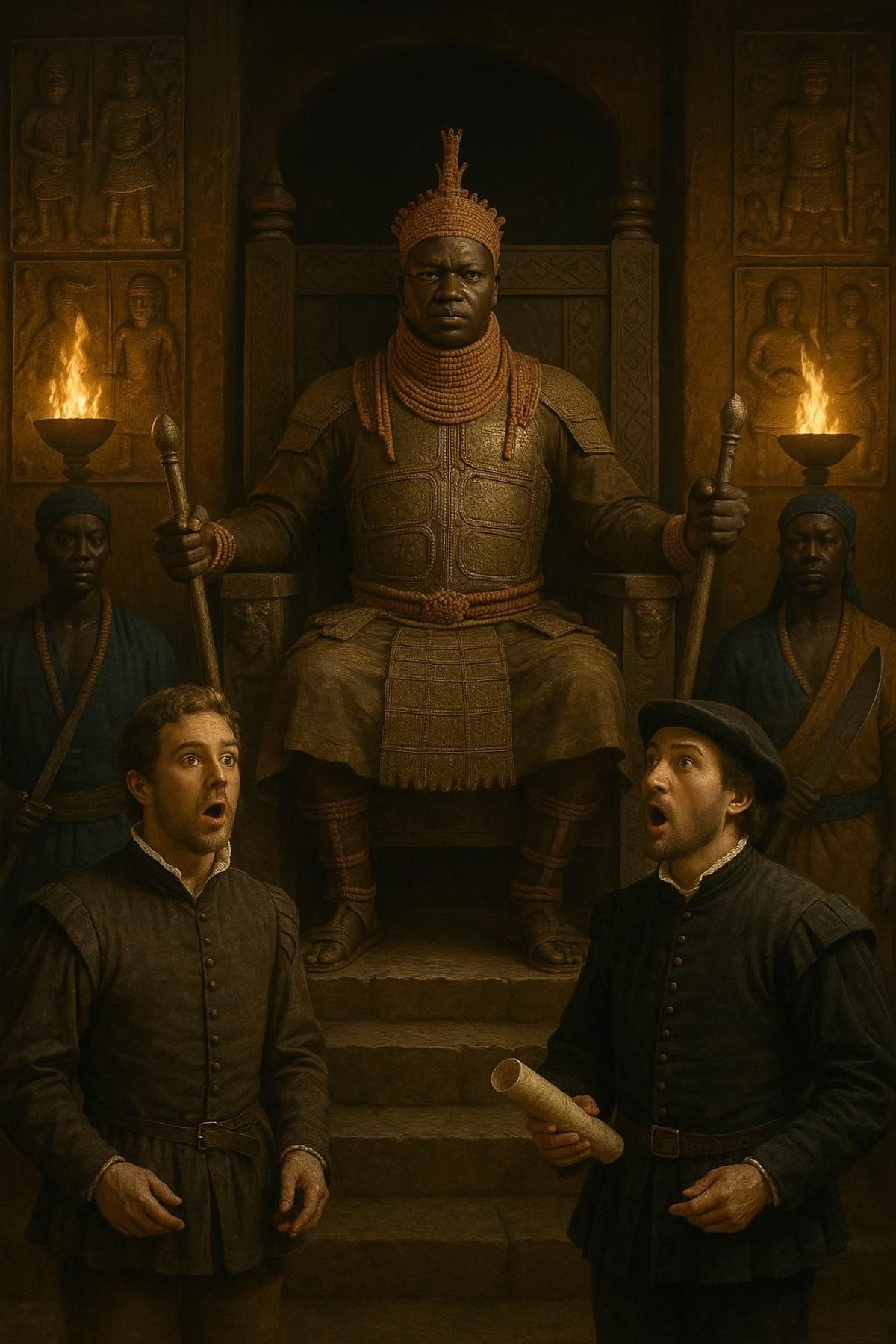
1486. Portuguese sailors arrived at Benin City. They expected a village. They found a capital wider than Lisbon. Oba Ozolua received them in a palace of brass and ivory. They went home speechless.
Hand-picked from Britain Untold's archive. The stories you weren't taught at school. 3-minute read.
No spam. Unsubscribe in one click. We hate spam too. Privacy Policy.