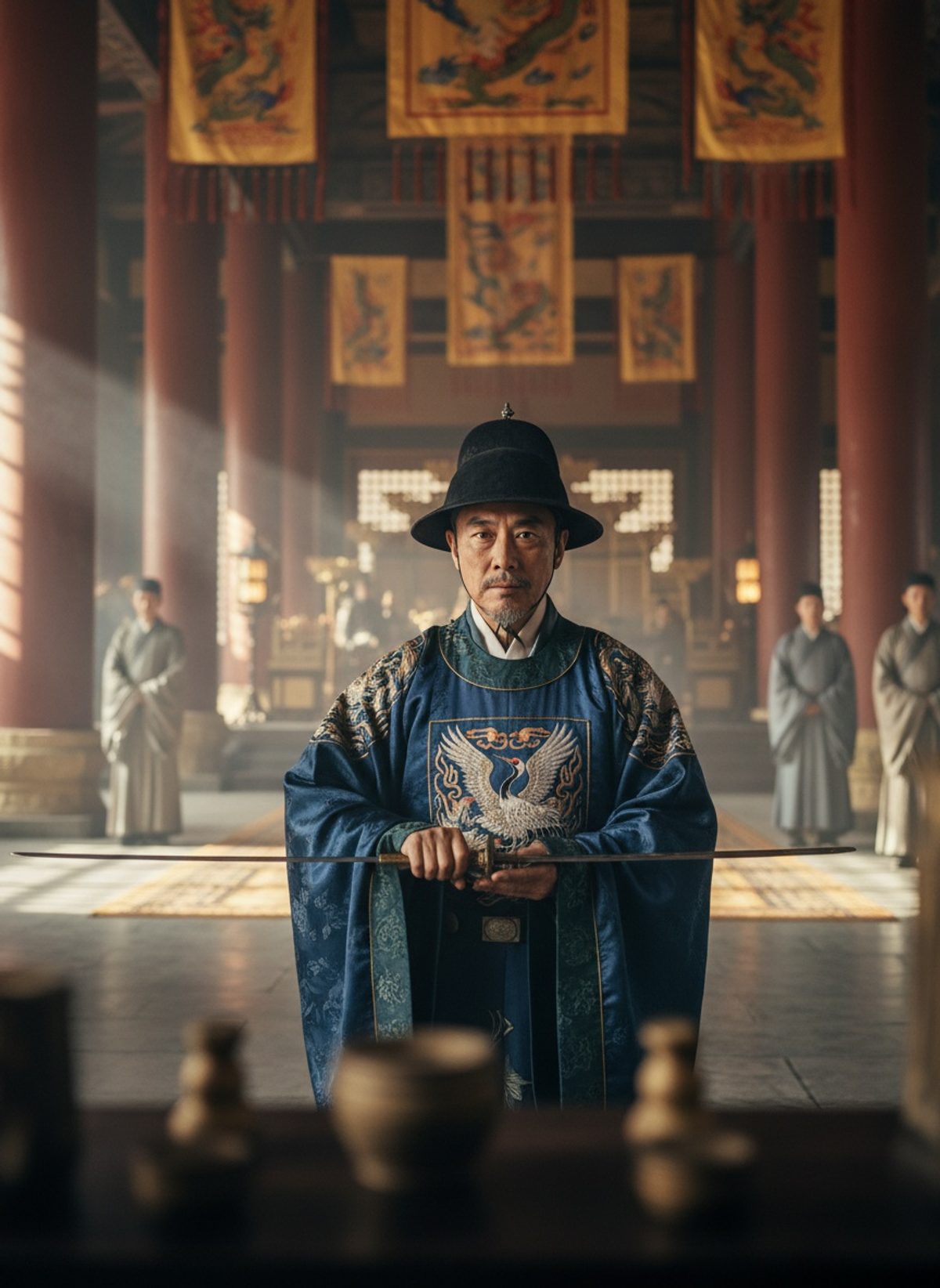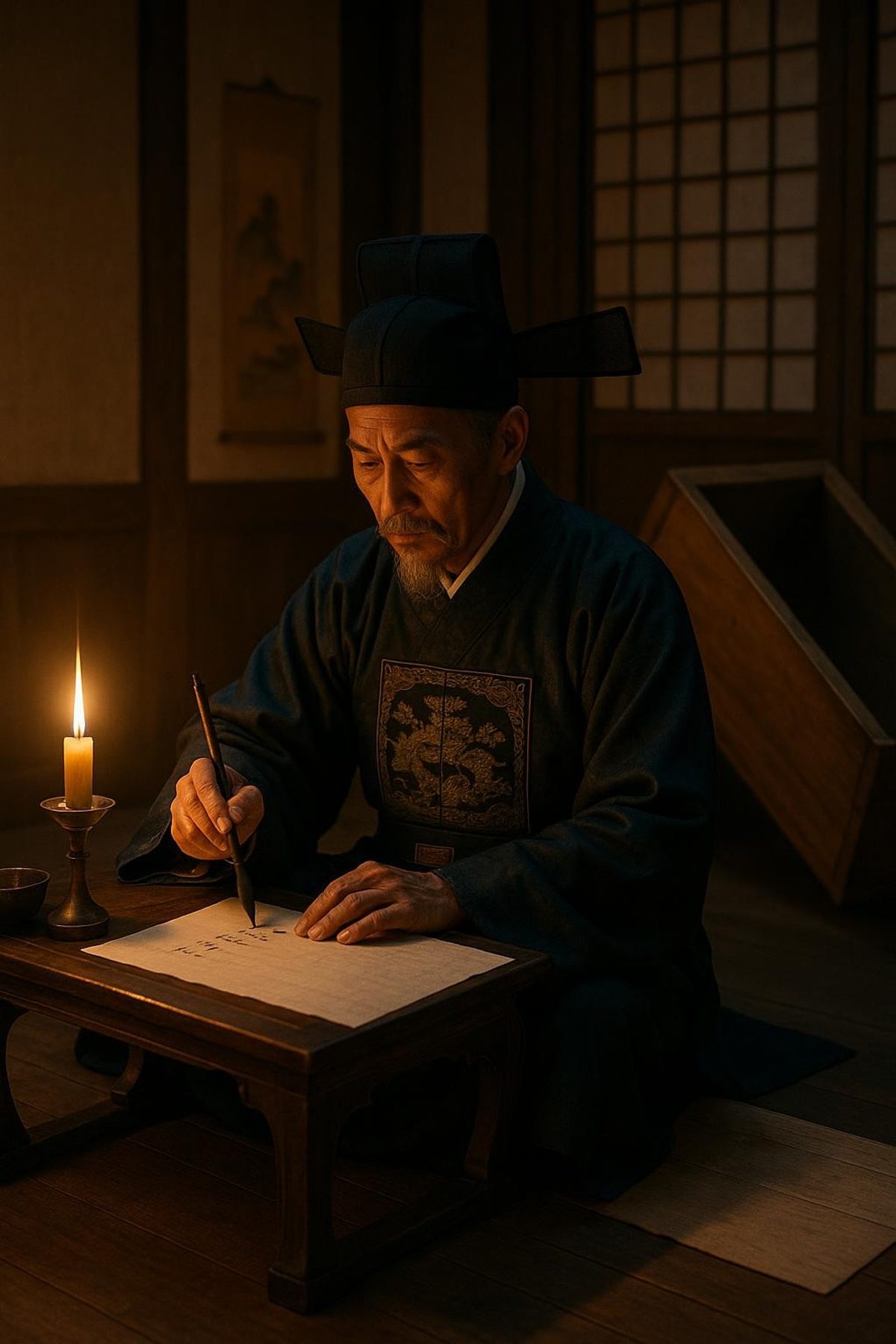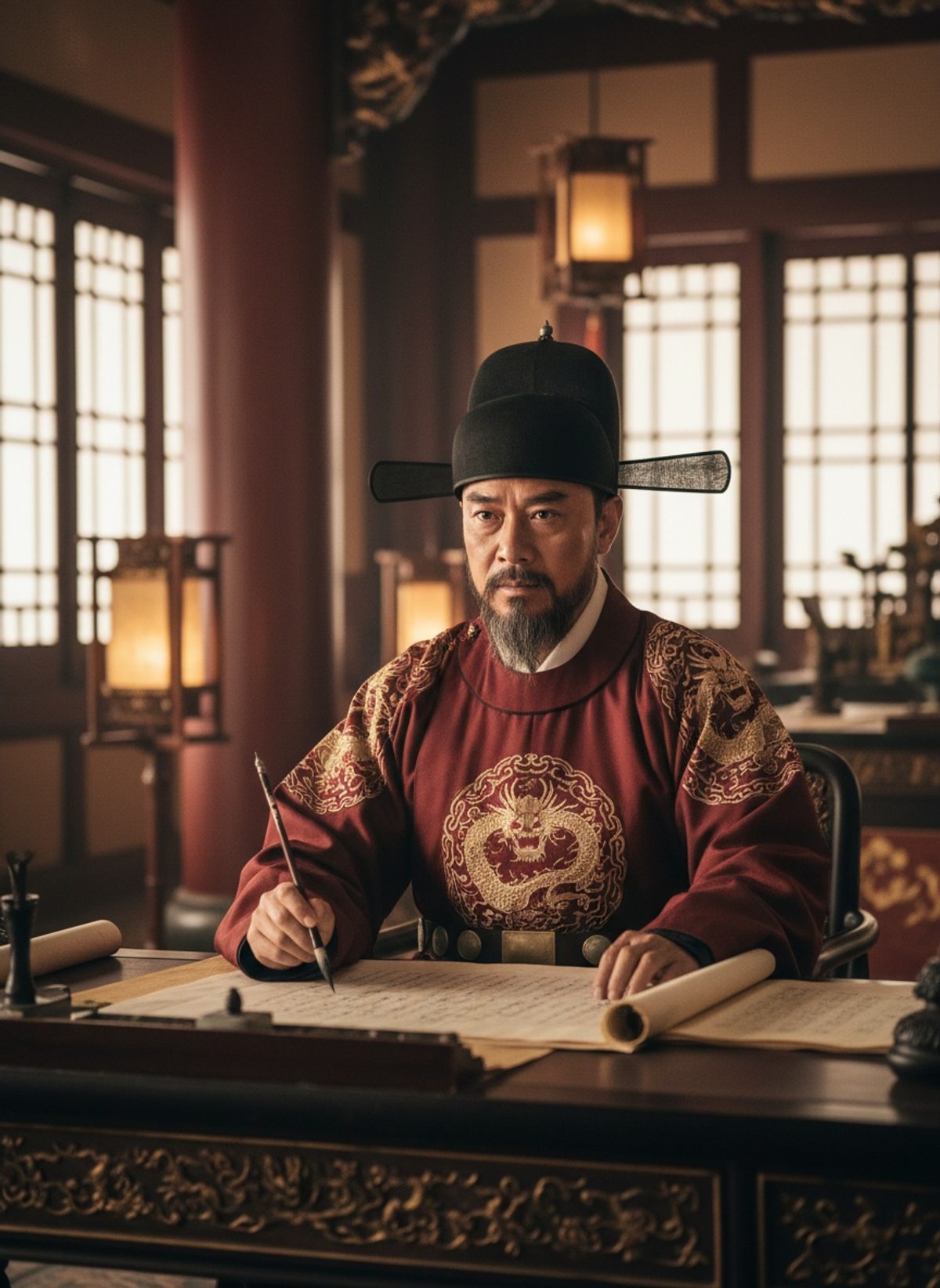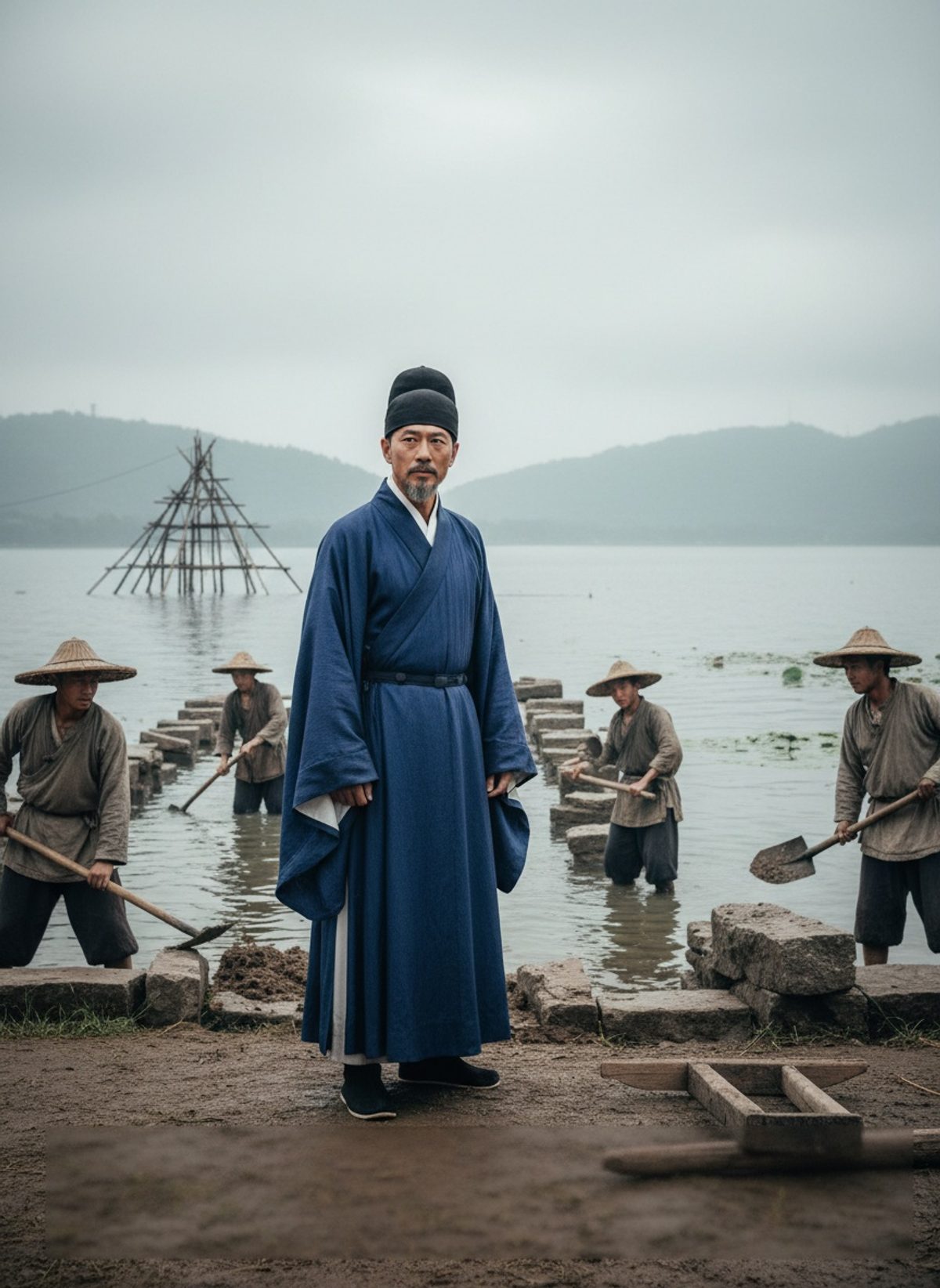
In 1089 AD, the city of Hangzhou was a landscape of grey skies and turbulent waters. Torrential rains had swollen the banks of the Qiantang River, flooding the fields and devastating crops. The cries of desperate farmers filled the humid air, mixed with the chattering of worried merchants pacing the soaked streets. Those who once thronged the vibrant markets now found themselves clinging to survival, as hunger gnawed at the foundations of this once-thriving city of the Song Dynasty.
The Poet Turned Problem Solver
Striding through this watery anguish was Su Shi, better known by his nom de plume, Su Dongpo. The tale of how this scholar and poet became an unexpected savior in Hangzhou is one the corridors of power did not intend. Su Dongpo had been cast out from the vibrant political sphere of the Song Dynasty, sent to Hangzhou ostensibly as a punishment. Politics in the Song court were famously labyrinthine, and at some point, Su Shi found himself on the wrong side of the divide. His verbal jousts and sharp critiques of government policies under Emperor Shenzong of Song won him more enemies than allies.
Yet, fate delivered him to Hangzhou, not as a mere exiled official but as a beacon of hope. Despite his circumstances, stripped of any significant power, Su Dongpo's resilience was just beginning to reveal itself. He took up his new post as governor with a determination to improve the lives of those caught in nature's crossfire, compassion outweighing the bitterness of his forced demotion.
Breaking the Chains of Bureaucracy
In the world of imperial China, where bureaucracy was both an art and an impediment, Su Dongpo wielded his influence outside the halls of conventional governance. After witnessing the dire straits of Hangzhou's populace, he resolved to use his official salary — which was modest at best — to fund relief efforts. Where others might have seen hopelessness, Su saw an opportunity for humanity.
Read next: Guo Shoujing Measured the Sky. The Emperor Obeyed.
Su's background as a scholar and a man of letters meant he was no stranger to the power of words. He mobilized resources by convincing local merchants and affluent citizens to contribute to the relief cause. His ability to inspire their trust and contributions developed not through decrees but through eloquent petitions and heartfelt pleas. Despite the looming threat of further isolation and potential punishments, Su lobbied tirelessly for the city, prioritizing human decency over personal safety.
The Causeway That Bridged Lives
As Su Dongpo watched the city struggle under relentless floods, he recognized the need for a sustainable solution — something beyond handing out food. The narrow, treacherous roadways couldn’t withstand the pressures of both the floods and the expanded population seeking refuge. The answer was an ambitious construction project: a causeway that would bridge the city's most problematically flooded areas.
Blending ingenuity with necessity, Su Dongpo designed the causeway not just as a means of transportation but as a multi-functional infrastructure marvel. It alleviated the water flow issues, providing better irrigation and a reliable route for transportation and trade. Over time, it became a lifeline for Hangzhou's commerce and culture. Known today as the Su Causeway, this structure still stands, etched in history and in the hearts of those who have walked along its serene expanse, lined with willow and peach trees in later centuries.
Beyond Poetry: A Legacy Cemented in Stone
Su Dongpo’s tenure in Hangzhou, marked by the construction of the causeway, is a stellar example of how adversity can unveil profound resilience and creativity. The lasting impact of Su's work was not noted at first by the emperors who had shunned him but by the common people who benefitted from his foresight. Here was a leader who could have languished, his poetic legacy his only testament. Instead, he added monument-maker to his repertoire, his feats more enduring than any imperial edict.
It’s worthwhile to note that Su Dongpo's contributions extended far into the annals of literary, culinary, and administrative domains. Whether through advocating policies, enchanting with his prose, or engineering solutions, Su's brilliance made him an everyman of the ages. His story is partly captured in the 2012 Chinese TV series "Su Dongpo," which portrays his dynamic life and the profound range of people and roles that shaped his experiences.
Why It Matters Now
Time-worn as it may seem, Su Dongpo's narrative endures because it speaks to the acts of ordinary people choosing extraordinary paths. While emperors come and go, their legacies often confined to the pages of dusty tomes, Su's efforts in Hangzhou have outlived the icons of his era. What can we draw from Su Dongpo's story, especially today? Perhaps it's a gentle reminder that real change often stems from conviction rather than convention, from individuals who see their community's struggles as their own. In an age when leaders could look to enrich themselves at any cost, here was one who gave freely and wisely, forming bridges — literally and metaphorically — that continue to connect us across time.