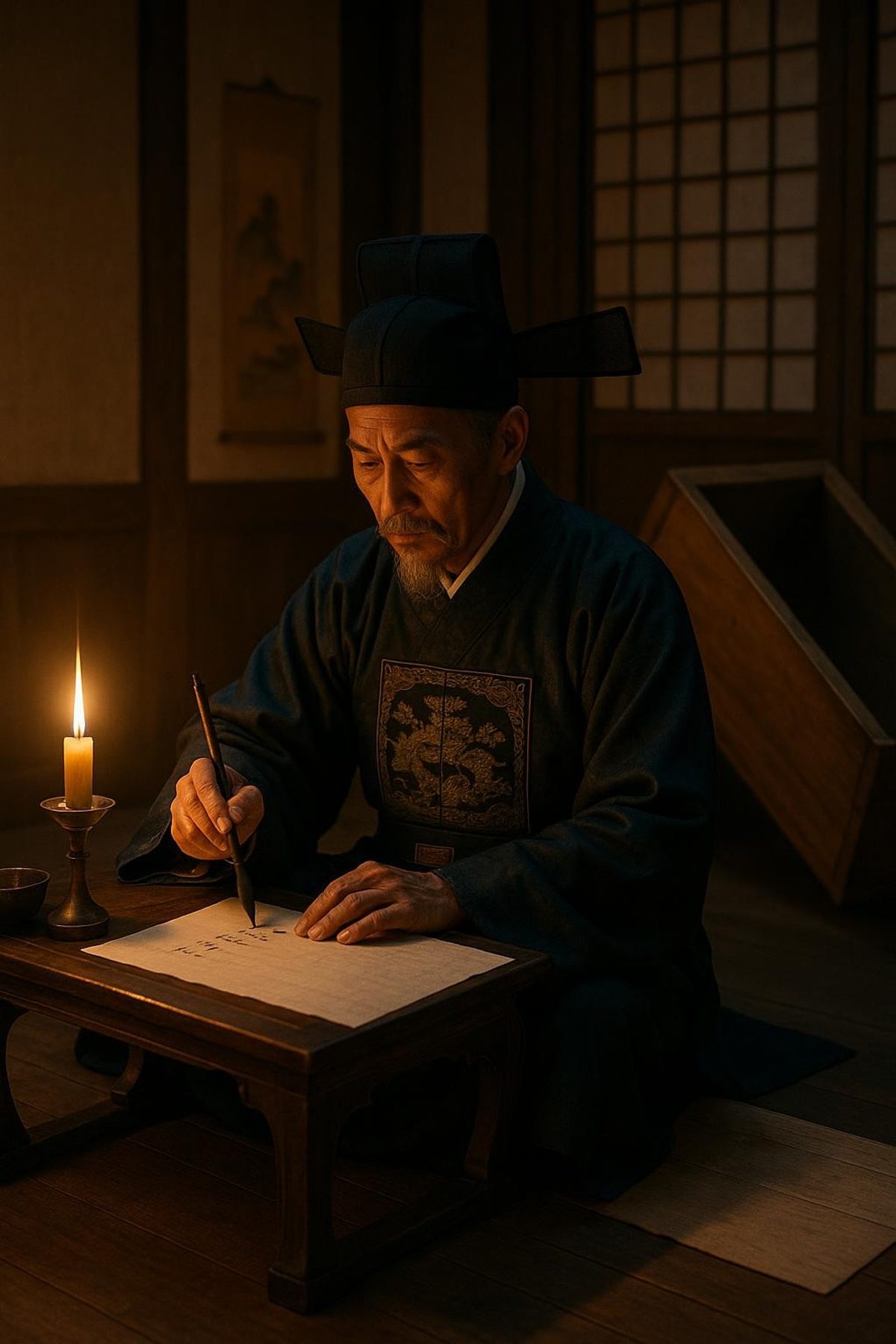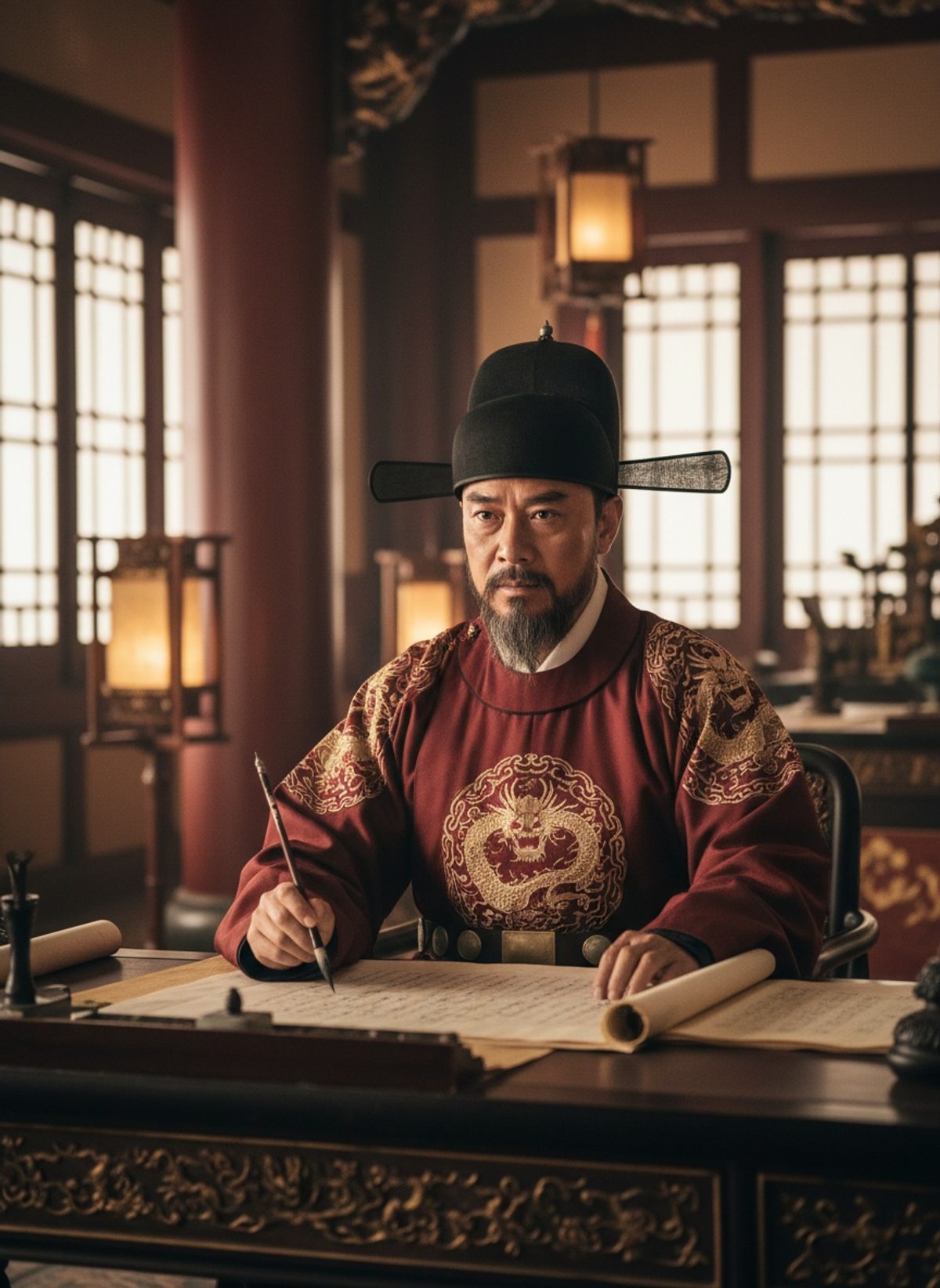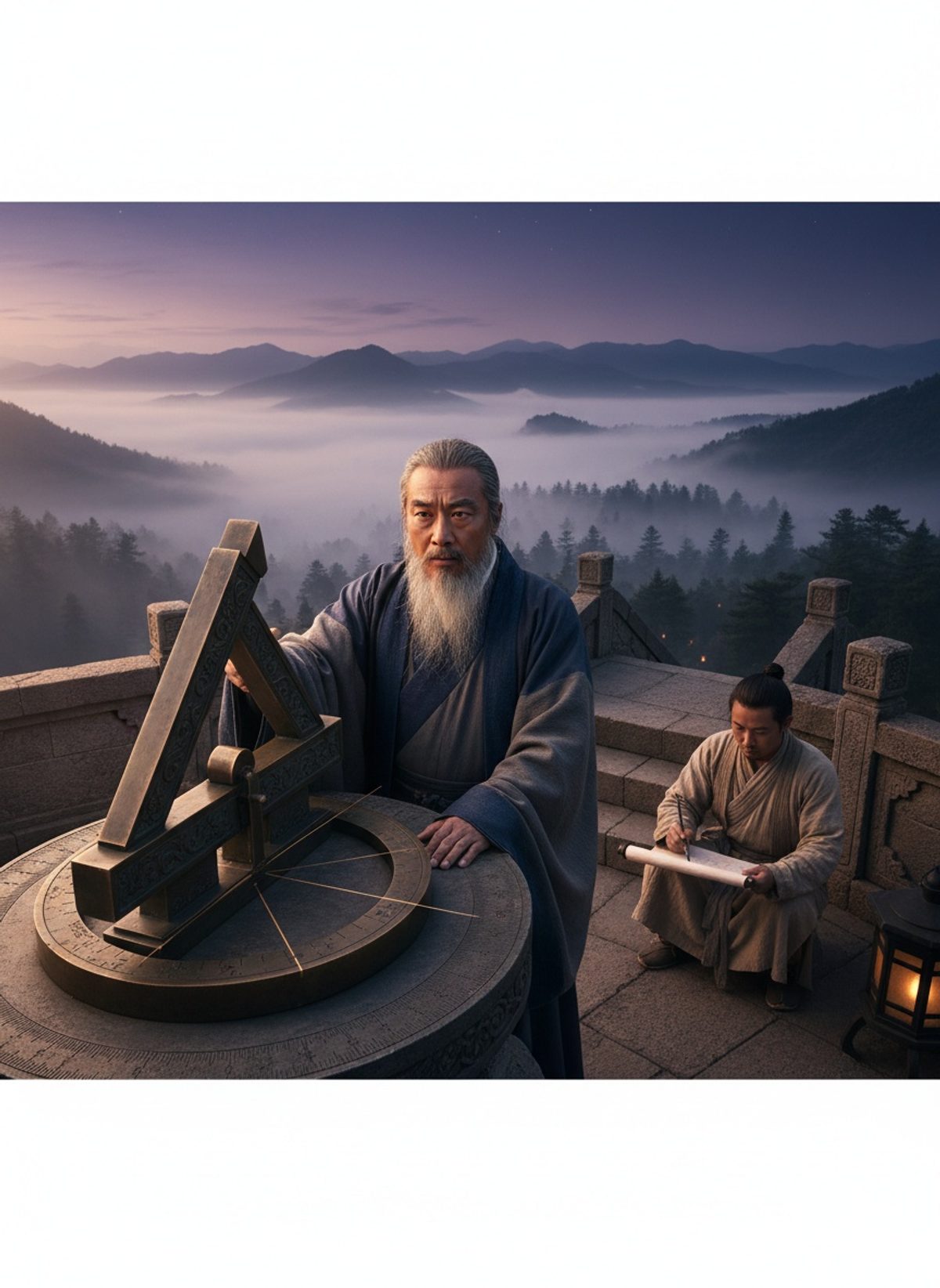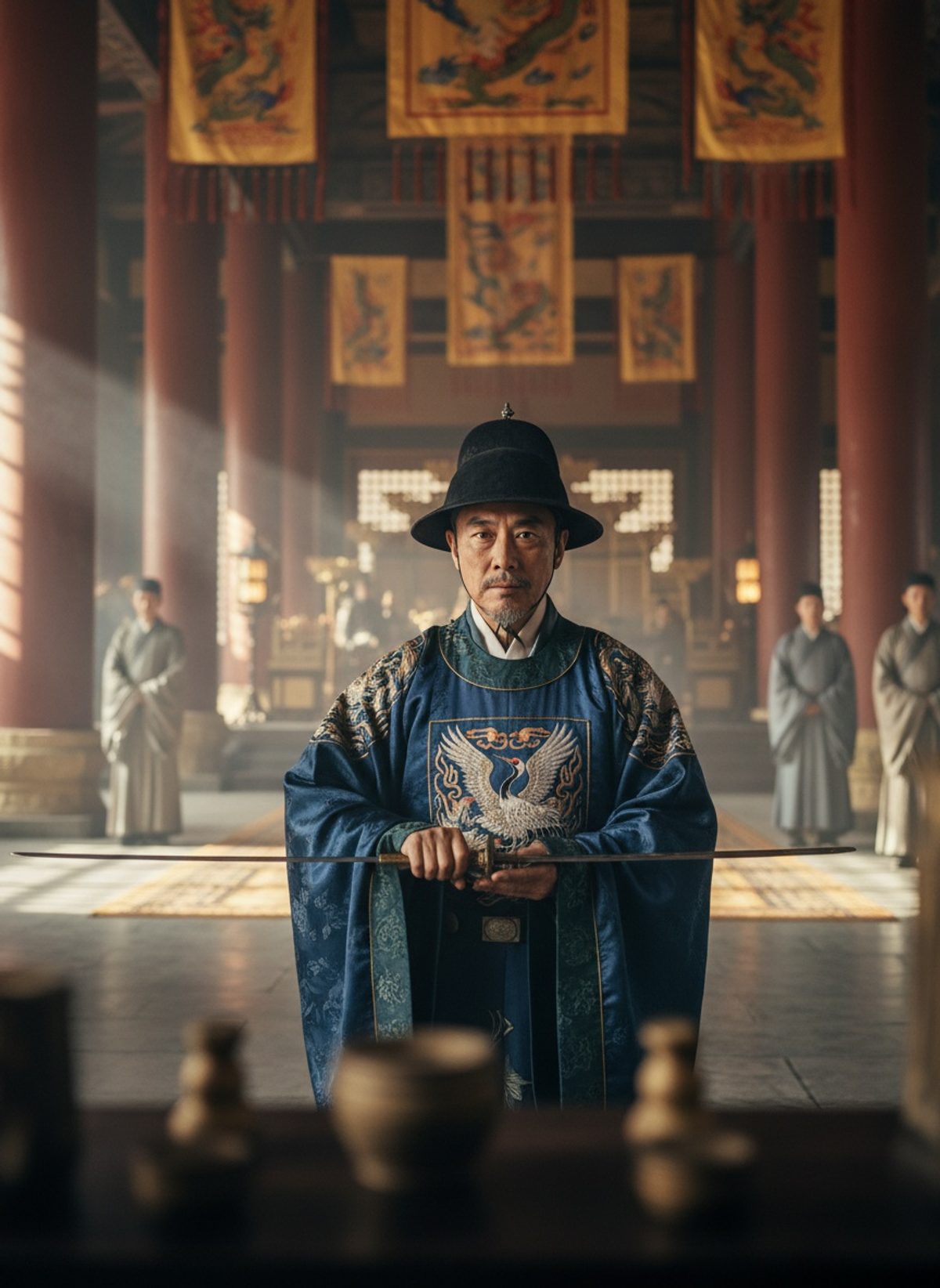
The rebel caused chaos in the realm. Wang Yangming stopped him faster than anyone imagined possible.
A Flash of Defiance in a Turbulent Court
In the year 1519, under the esteemed rule of the Ming Dynasty, the imperial court of China found itself besieged by uncertainty and whispers of an impending downfall. The source of this turmoil was a rebellion led by Zhu Chenhao, the ambitious and defiant Prince of Ning. Few conflicts could match the drama and intricacy of intrigues at the Chinese court, and this defiance was anticipated to be a protracted struggle. Yet, in a breathtaking curve of events, Wang Yangming, a scholar with an unparalleled grasp of both philosophy and warfare, crushed the revolt with a swiftness that left members of the court reeling.
The Philosopher Who Became a Warrior
Wang Yangming was renowned, not just for his prowess in the battlefield, but for his deeply influential work in Neo-Confucian philosophy. Born Wang Shouren, he was a visionary thinker and adept strategist who became as versed in the art of war as he was in the pursuit of wisdom. His tactics were not just physical confrontations but a psychological battle designed to weaken his opponents' resolve even before swords were drawn. With a sharp intuition and a deep understanding of human nature, Wang Yangming's approach to war was to strike at the core of the rebel spirit.
His triumph over the Prince of Ning in forty-three days was an extraordinary testament to his capabilities. While many expected a tedious campaign filled with tragedy and loss, Wang's strategic acumen transformed what could have been a lengthy war into a succinct victory. Using clever infiltration and rapid mobilization, he undercut not just the military strength of the rebels, but also their very will to fight.
Read next: She Carried the Emperor's Words. He Listened.
A Journey of Unequaled Resolve
The decisive triumph over the Prince of Ning's forces was completed in the province of Jiangxi, the heart of Zhu Chenhao's bid for power. However, if the swiftness of Wang Yangming's victory was a narrative of military brilliance, what followed was a profound statement of personal conviction. With his forces securing victory, Wang returned to the capital not as a hero seeking accolades but with a singular request for peace.
The imagery conjured by his entrance into the imperial court is one of elegance and a quiet, thunderous defiance. Wang Yangming did not seek the spoils of war or the adulation usually craved by victors. Instead, his purpose was to relinquish the sword he wielded so effectively in battle. To an emperor and a court eager to heap rewards upon him, Wang's intention was simple yet profound — to step away from conflict and to channel his energies into the sagas of thought and governance that captivated his intellectual spirit.
The Sword's Return
Stepping into the presence of the Emperor, Wang Yangming presented the weapon, a symbol not just of his successful campaign but of his philosophical ideals that transcended the battlefield. The act of handing back the sword was both literal and symbolic — a gesture underscoring the transient nature of power and violence as tools of true governance. In a single, elegant stroke, Wang refused tangible rewards that most would covet fiercely. This was a lesson in understanding the lasting legacy of peace over the fleeting triumph of conflict.
For the members of the imperial court, Wang's actions were both perplexing and enlightening. In a society where power was often gauged by military success and political maneuvering, Yangming's relinquishment of military accolades was a profound reflection on the inner moral compass guiding decisions. His act challenged the conventional norms of power that defined courtly life, posing difficult questions about the true objectives of leadership.
A Wisdom Far Beyond the Sword
The impact of Wang Yangming’s actions reverberated far beyond the Ming court. His ability to transition seamlessly from military conqueror to philosophical sage was more than just an act of personal conviction. It set a precedent for the priorities of leadership — illustrating that the greater valor lies not just in battlefield victories but in the pursuit of enduring peace and thoughtful governance.
Today, in contemplating this story, one might consider the enduring lessons of Wang Yangming’s relinquishment of his sword. It reminds us that power is not always the result of force but can be defined by restraint, integrity, and profound wisdom. His life serves as a beacon to those who grapple with the complexities of leadership, emphasizing the power of perspective and the transformative impact of a steadfast commitment to higher ideals.