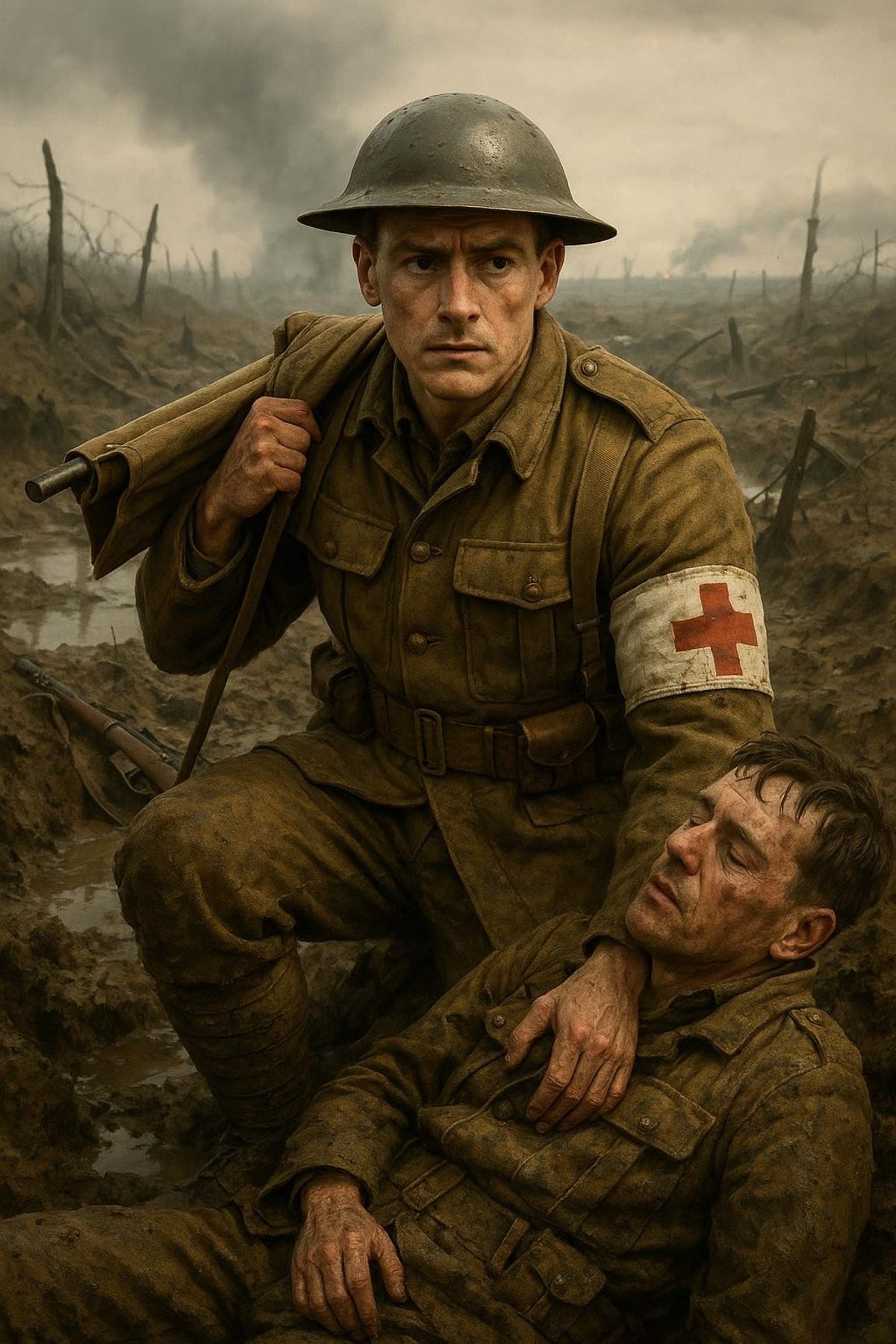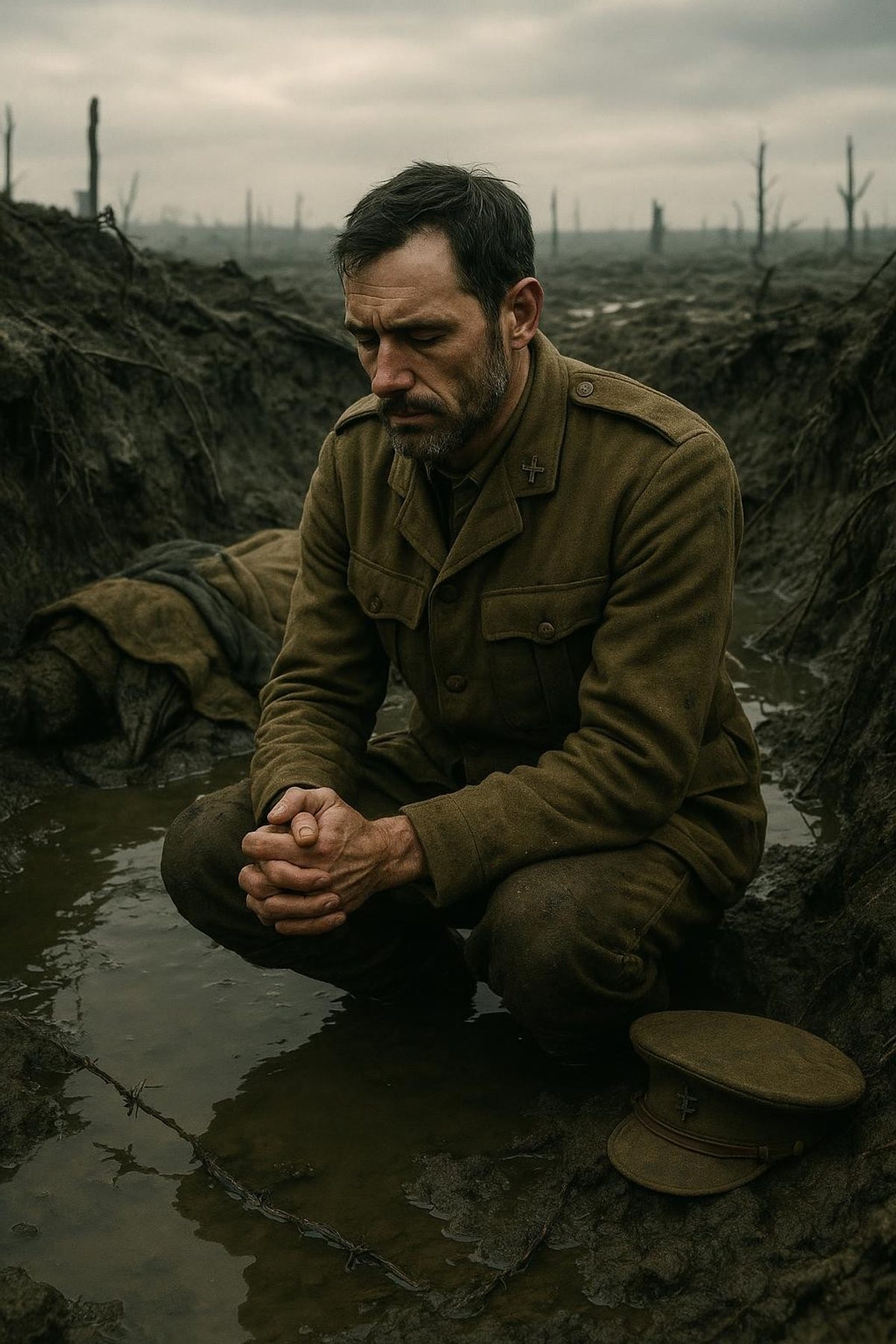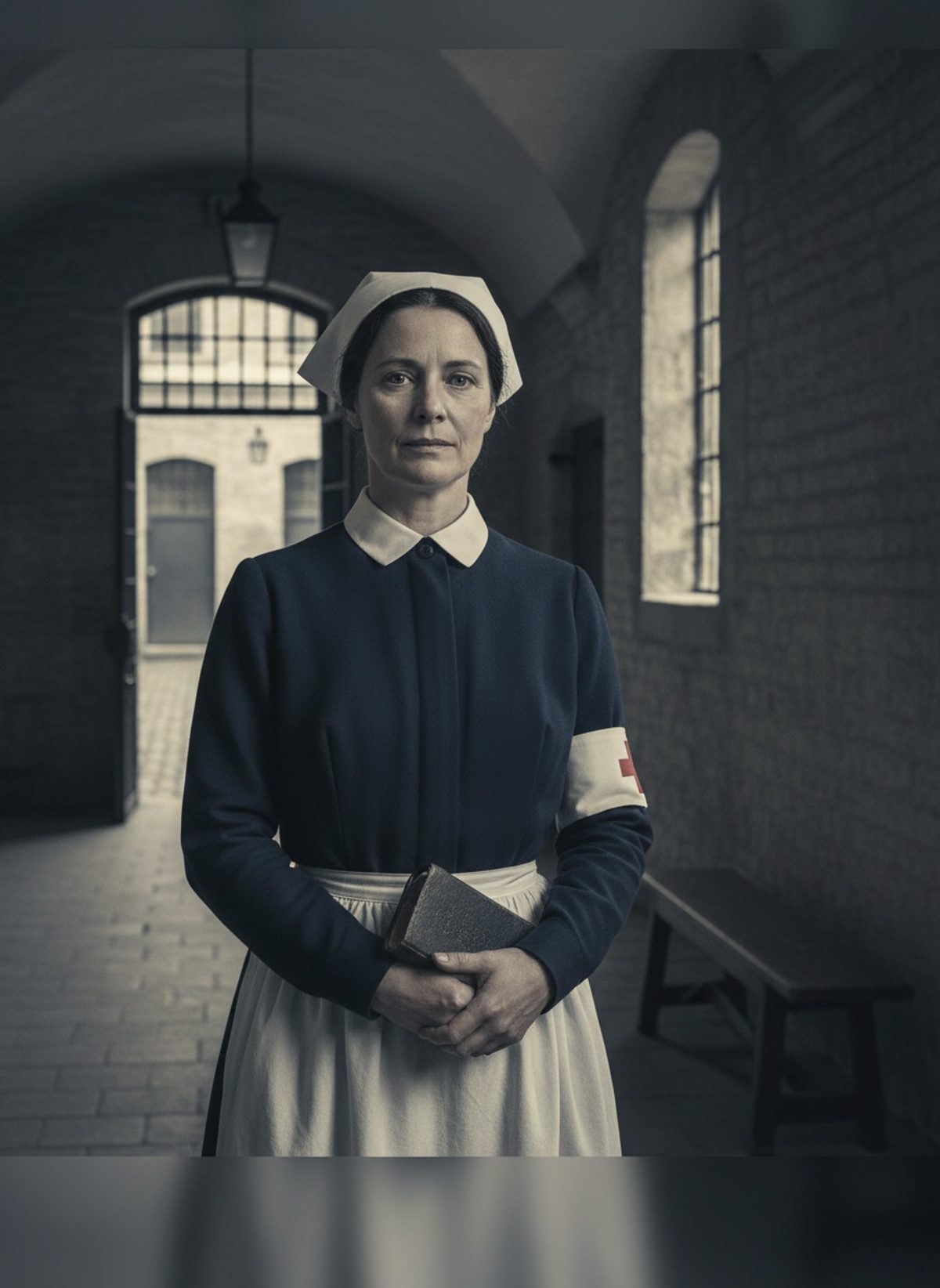
The air was chill on that October morning in 1915, the damp cobblestones of Brussels shimmering under a reluctant dawn. The sun, hidden behind heavy clouds, only hinted at its presence, casting a pale glow over the occupied city where the rhythm of daily life continued in the shadow of war. Somewhere, a bell tolled its solemn routine, a mere backdrop to an unfolding drama in a German military courtroom. Here, amidst faded banners and stoic soldiers, history was on trial. Edith Cavell stood accused, a nurse from Norfolk, her resolve as unyielding as the stone walls surrounding her.
The Quiet Defiance
Edith Cavell wasn't a name etched into the annals of war with the grandeur of generals or the might of monarchs. Instead, her battlefield was lined with hospital beds. In occupied Belgium, under the stringent watch of German forces, she could have confined herself to duty alone, attending to the injured without a whisper of dissent. But Cavell chose a path of quiet defiance—she saved lives not just within the white-washed walls of her medical school but guided them to freedom, threading them through a clandestine network right under the occupiers' noses.
Born in Norfolk, Cavell was a product of her upbringing—imbued with a sense of duty and compassion that transcended borders and conflict. By 1915, her medical school in Brussels had become pivotal, not merely for its intended purpose of training nurses but as a beacon for Allied soldiers seeking refuge. She developed an intricate web—a lifeline grasped by over two hundred soldiers as they made harrowing escapes across the Belgian border. Her actions bore no camouflage of disguise or deceit; she performed her covert work with an unassuming presence, her clear eyes and steady hands offering a rare sanctuary amidst chaos.
Facing the Court
When Cavell stood before the German court in October 1915, she was neither fierce nor frightened. Witnesses to the trial later recalled the unwavering strength she projected, even as the air was thick with accusations. Her admissions were startling in their clarity and sincerity. She confessed to aiding soldiers' escapes with the calm of a woman whose conscience was unperturbed.
Read next: The Day a Tunneller Refused to Leave His Men Underground
Her actions, rooted in the humane impulse to save life, transcended the simplistic binaries of patriotism and treachery. To Edith Cavell, aiding soldiers was not a crime; it was a moral imperative. There was no plea for mercy, no attempt to deflect blame. The naked admission of her guilt startled the world, challenging the very notions of war and justice under an occupation. It was a moment of absolute truth amidst a time of overwhelming deception.
The Final Dawn
The verdict, when it came, carried with it the chilling finality of predetermined justice. Condemned to face a firing squad, Cavell's fate was sealed. Her execution in the early hours of a wet October morning was intended to silence her, a cautionary tale etched into the occupied city's uneasy silence. Yet, her death, bathed in the first light of a muted dawn, echoed far beyond the barbed wire and watchful eyes of Brussels.
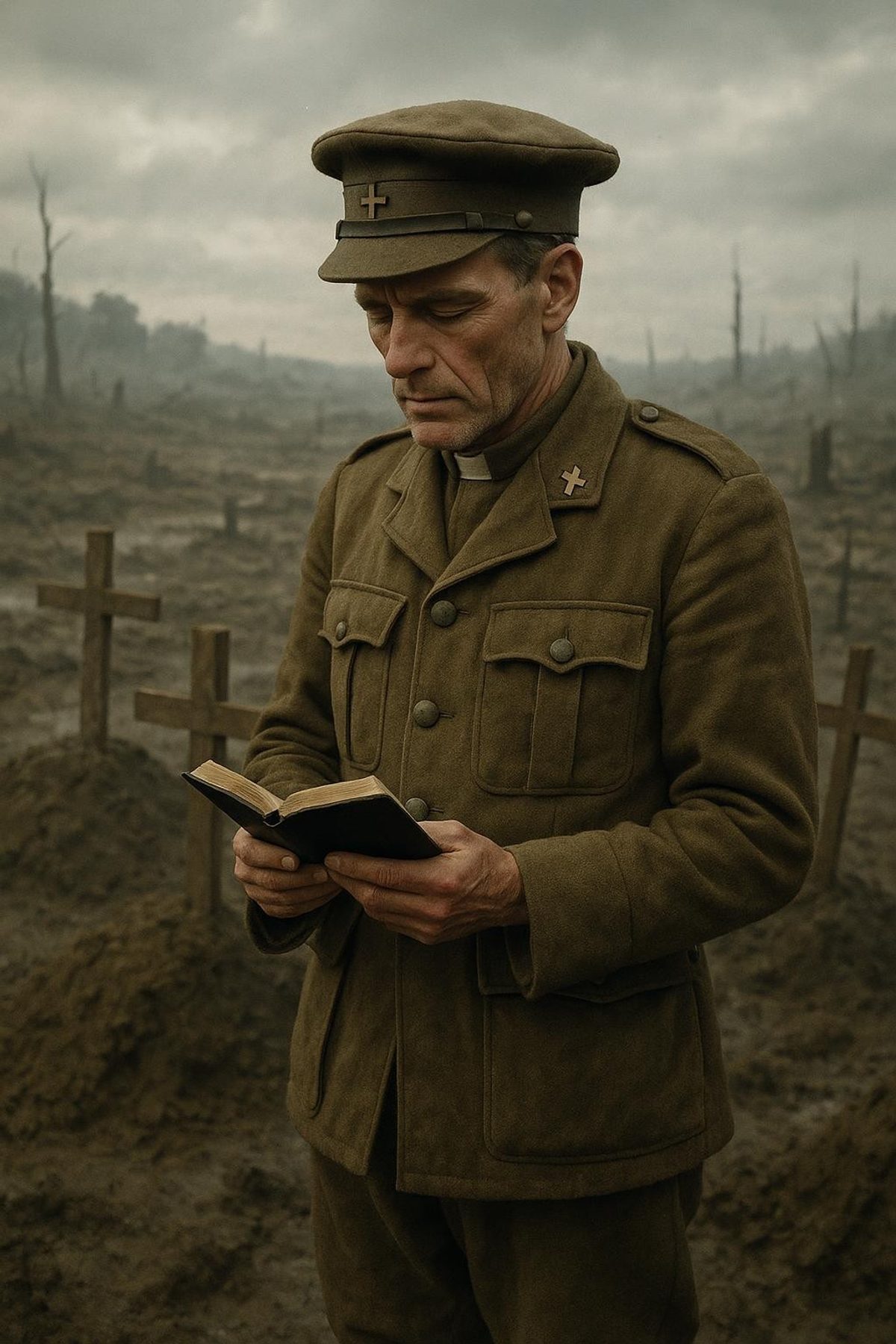
In her final hours, Edith Cavell displayed a profound serenity, rooted in her unwavering beliefs. She remarked calmly to her chaplain, "Patriotism is not enough. I must have no hatred or bitterness towards anyone." Her words, spoken softly yet with indomitable strength, reverberated across continents, igniting a surge of outrage and empathy. She became not just a martyr but an embodiment of the humanitarian spirit—her legacy intertwined with a call for compassion amidst the brutality of war.
The Legacy of Courage
Edith Cavell's tale is not simply a narrative of wartime heroism. It challenges us to reflect on the enduring complexities of moral courage and the profound impact of individual actions during tumultuous times. In an era defined by overwhelming destruction, she illustrated that even in the darkest hours, the light of humanity could not only flicker but blaze brightly.
Her story transcended the borders of Belgium and Britain, becoming a source of inspiration for countless others who faced similar moral dilemmas. Her courage, rooted not in the absence of fear but in the triumph over it, continues to compel us to reconsider what it means to stand for one's beliefs, even in the face of overwhelming odds. In remembering Edith Cavell, we are reminded that the fabric of history is often woven with threads of quiet defiance and steadfast compassion.