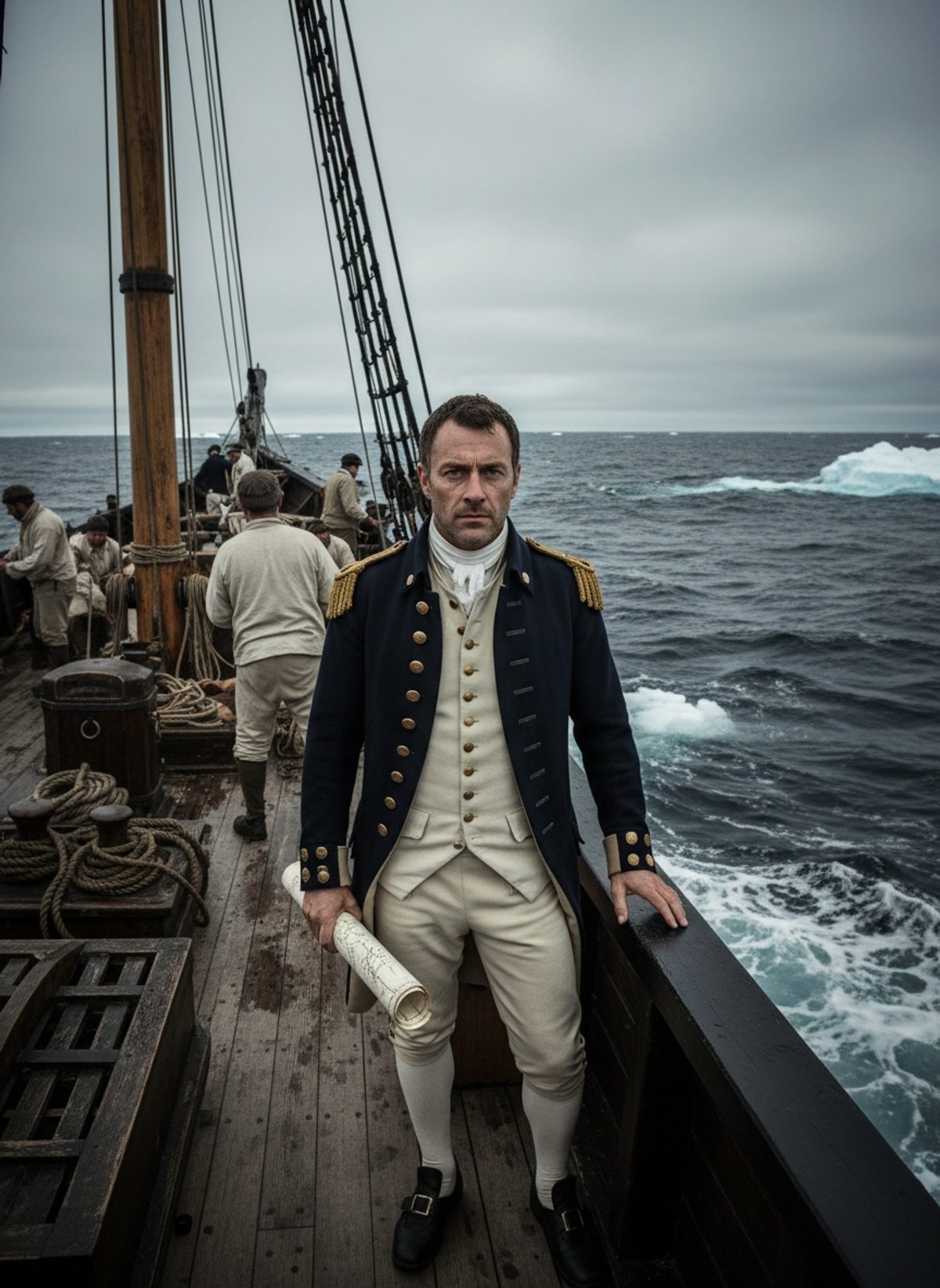
He was born in a humble Yorkshire cottage. By 1768, James Cook was about to redraw the map of the known world from the quarterdeck of the HMS Endeavour.
The Day Plymouth Watched Him Leave
On a clear August morning in 1768, the bustling port of Plymouth became the starting point of a voyage that would forever alter our maps and understanding of the world. James Cook, born to a farm labourer with little to his name, stood with a determination that belied his modest origins. His journey seemed improbable. As he embarked on this daring expedition, whispers of uncertainty swept through the crowd. A farmhand's son steering Britannia’s naval marvel into the great unknown — it was a daring narrative many found hard to grasp.
The coastal townsfolk watched, their eyes trailing the vessel as it grew smaller against the vast blue horizon. Few realized the magnitude of what was unfolding: this was not just any sea voyage. The exploratory objectives assigned to Cook by the Royal Society and the British Admiralty were audacious and boundless. Tasked with observing the Transit of Venus from Tahiti and seeking the speculative southern continent, his mission aimed to expand not just the borders of the map, but the limits of human knowledge.
The Man Who Wasn't Supposed to Be
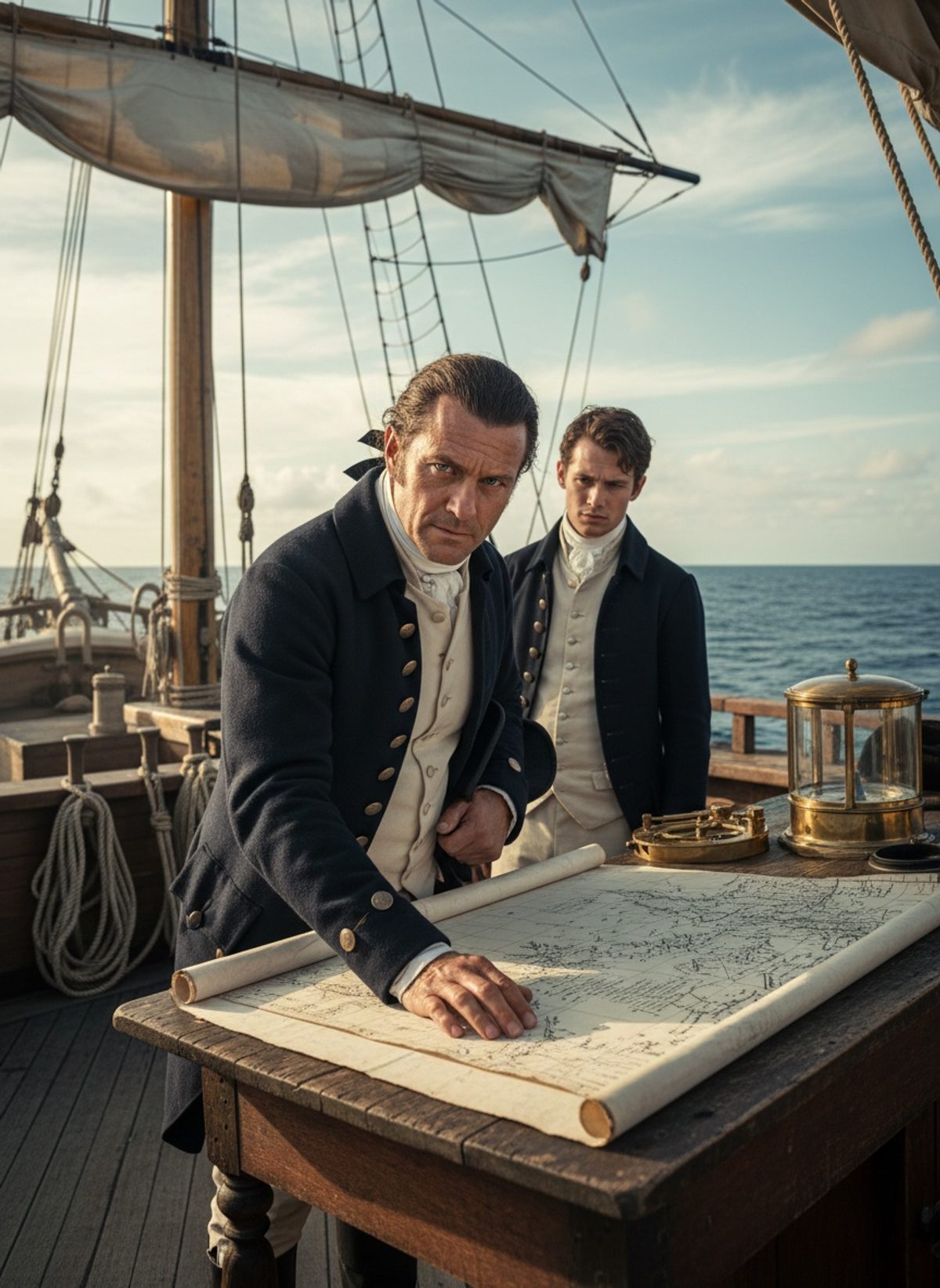
James Cook's rise in the naval hierarchy was nothing short of phenomenal. Born in a world where lineage and privilege often dictated one’s ceiling, Cook’s intellect and tireless work ethic built his backbone. His uncommon ability to understand and interpret navigation marked him a standout. Under his command, the HMS Endeavour carried instruments of precise measurement — a compass, sextant, and a well-worn charts. No captain had ever ventured as far with such precision at his fingertips.
Read next: The Day a Scots Surgeon Walked Into a Dying River Alone
His ascent was all the more remarkable given Britain's naval tradition of selecting men from distinguished backgrounds for command. Cook’s relationship with the sea began humbly. Initially trained as a merchant marine, he later served in the Royal Navy, where his talents shone through both during combat and peaceful mapping endeavors. His insights into marine cartography and celestial navigation earned him the reputation of a man destined for great things.
Journeys Beyond Imagination
As the Endeavour sailed past familiar waters into the realms of conjecture, Cook and his crew faced challenges that only the bravest could withstand. The vast Pacific, a maw of uncharted threats and wonders, stretched before them like a grand stage for history to unfold. Days blurred into weeks, with the ocean offering mystical islands in return — some forgotten, others newly sighted. It was not only the endurance of wood and sail that was tested, but the very spirit of exploration itself.
It was within these waters that Cook made astonishing discoveries. He unveiled the fertile expanses of New Zealand, threading his way through its intricate coastline. Overcoming adverse conditions, from storms to sickness, his meticulous chartwork allowed future voyagers to navigate these treacherous waters with newfound confidence. The maps he produced spoke to the unyielding focus he maintained amid peril and the nail-biting mysteries of unclaimed territories.
More Than the Mapmaker
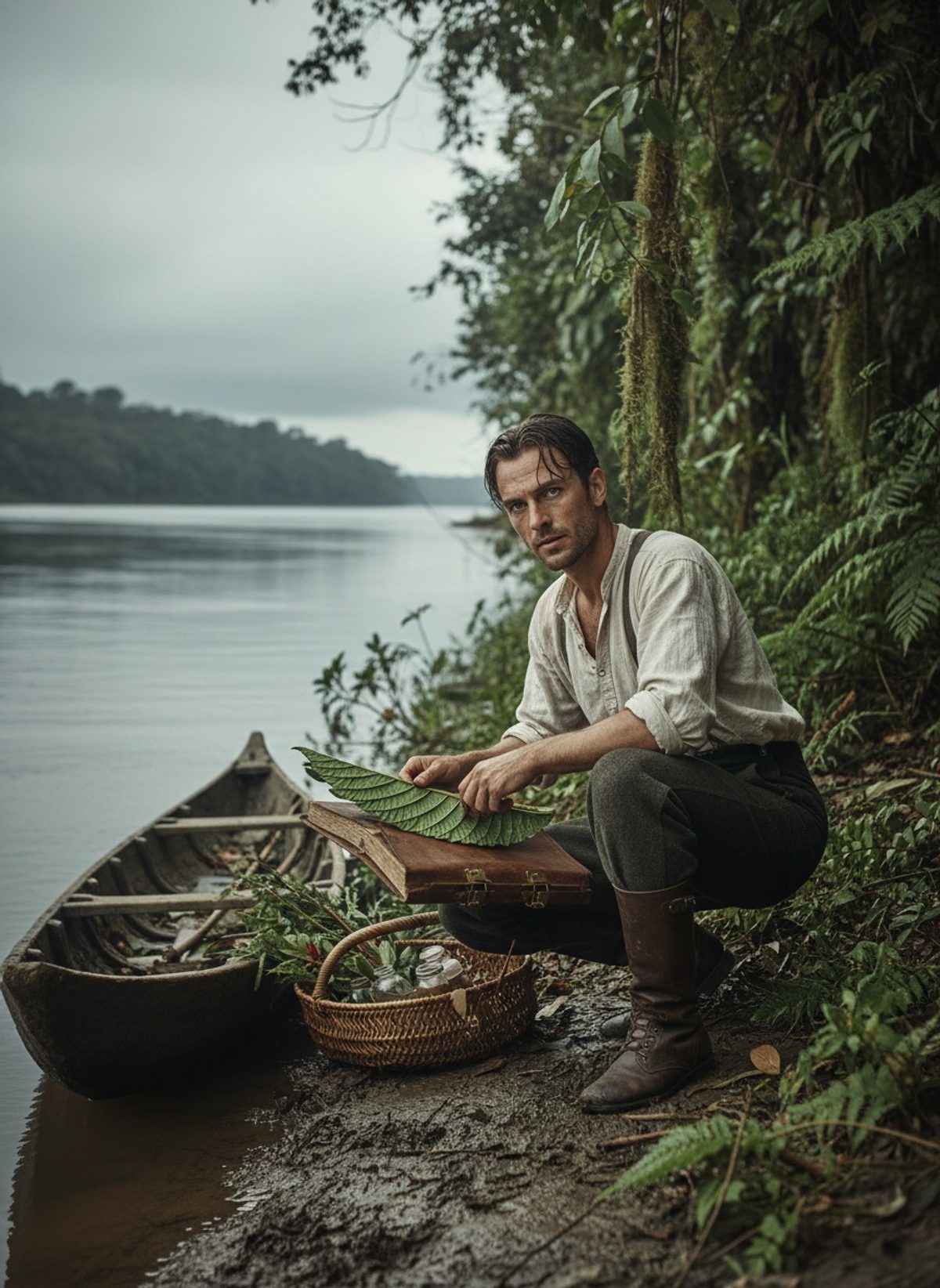
While Cook was deemed an artisan of cartography, he also embodied the ethos of scientific curiosity. The quest wasn’t merely to paint lines across parchment; it was about deciphering the globe’s whereabouts and compositions. Focused on the biological, anthropological, and geographical revelations awaiting him, Cook's ship became a floating laboratory.
One of the landmark interactions was with the Polynesian cultures, a striking contrast to European modes of existence. Cook, unlike some of his contemporaries, often showed a respect for indigenous traditions. He established exchanges, gleaning knowledge about their navigational techniques and understanding of the stars. This cultural dialogue, though fraught with misunderstandings, was significant. It emphasized discovery without domination, vision alongside veracity.
The Unfurling Legacy of James Cook
When Cook returned, he was no longer just the captain who sailed away from Plymouth. He had left as a mapmaker and returned as a constructor of possibilities. His detailed charts and records of the Pacific Ocean's expanse were revolutionary. In a single voyage, he pushed humanity's geographic knowledge lightyears ahead, heralding an age of deeper global interconnectedness.
Cook's impact ripples through time, influencing generations of explorers, scientists, and thinkers. His journeys taught the world that curiosity trumped conquest, that even the most audacious dreams could be realized with tenacity, courage, and an open mind. James Cook's unassuming beginnings remind us that the fires of discovery can kindle from the most modest of origins. His voyage was more than a mapping quest; it reshaped the way a continent saw the world, and how the world saw itself.