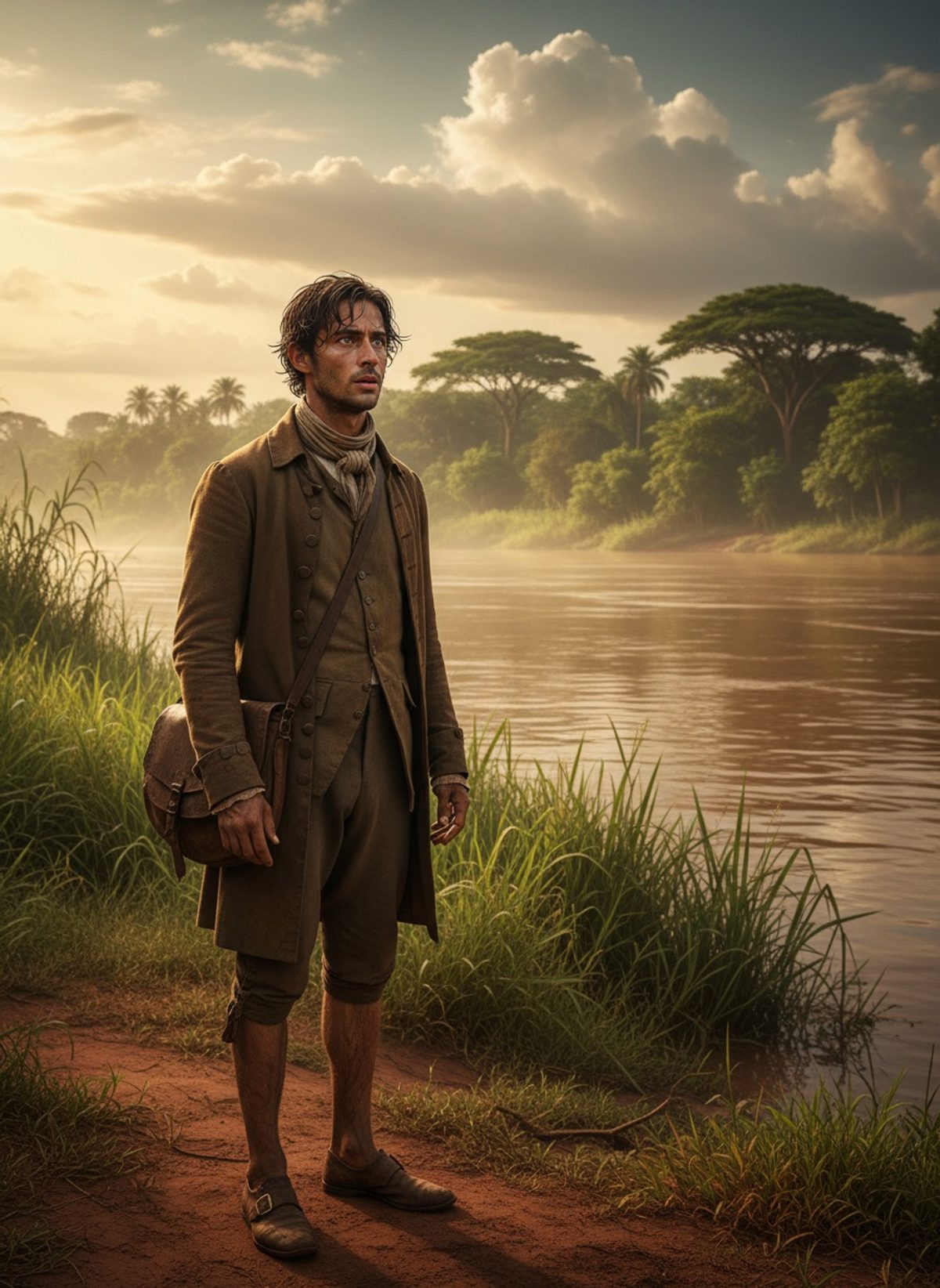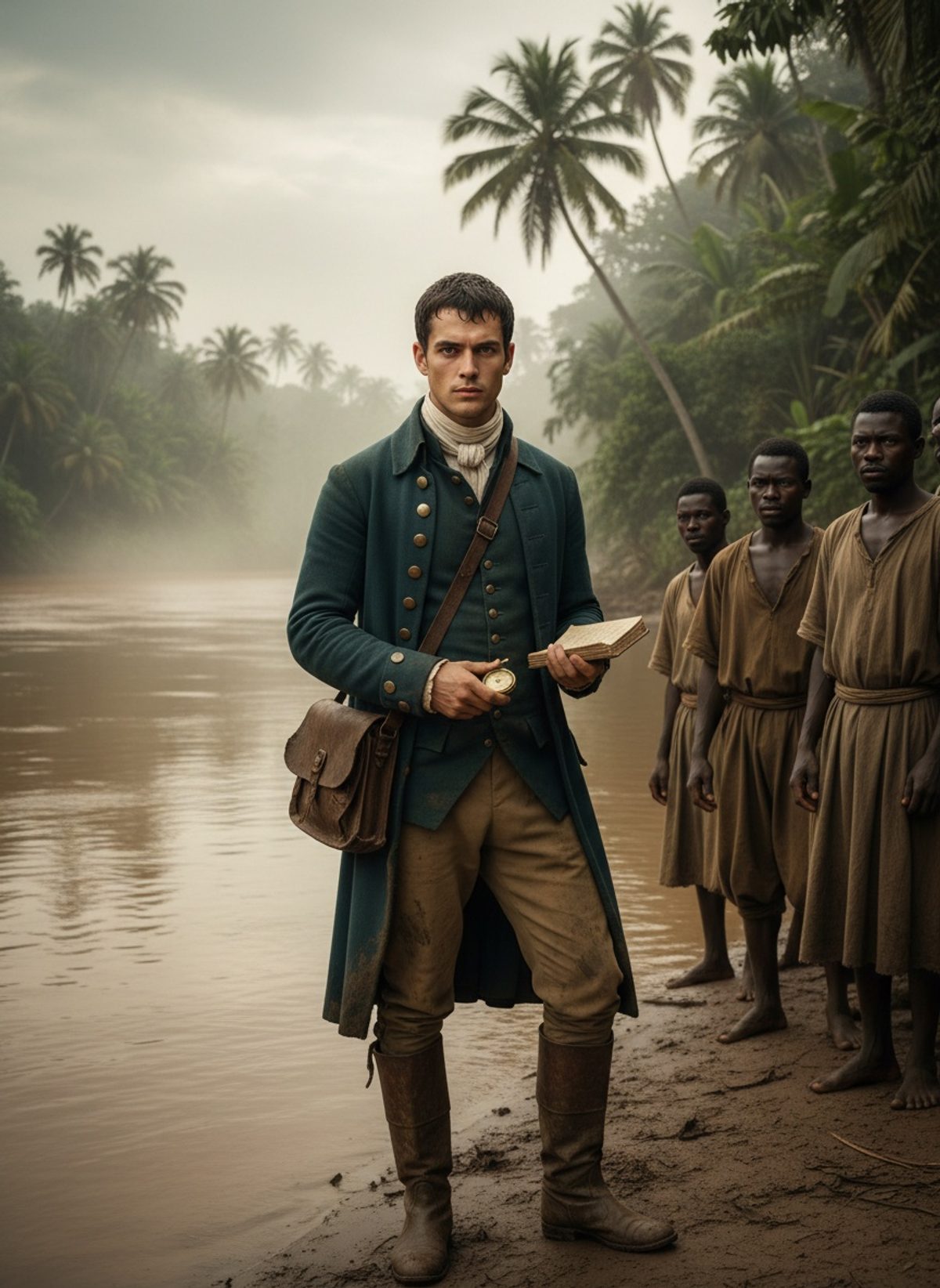
The thick, untamed jungle closed in around him as Richard Spruce hacked his way through the dense foliage, each swing of his machete revealing a tapestry of life he had never imagined. The air hung heavy with the cries of unseen creatures and the overpowering scent of damp earth, marking the precise moment when a lone Scotsman first set foot into the writhing heart of the Amazon. Little did this quiet schoolmaster's son from Yorkshire know that his journey would chart not only the territory but the course of medical history.
The Call of the Wild
Richard Spruce was never destined for the quiet life of a village schoolmaster, even if the halls of academia were his birthplace. Born in a modest family with no wealth or aristocratic connections, Spruce's love affair with the natural world began in the meadows and woodlands of Yorkshire. When the opportunity arose to explore the uncharted expanses of the Amazon Basin in 1848, he seized it, driven by little more than sheer determination and a passion for botany.
Spruce did not possess the patronage or resources that fueled the endeavors of his contemporaries. The few supplies he carried were selected with the precision of a seasoned explorer, a testament to his meticulous nature. A fateful day saw him board a ship bound for South America, alone, venturing into the unknown with only his wits and an insatiable curiosity. This singular leap of faith was the first stride on a path toward botanical discoveries that would change the world's understanding of this lush wilderness.
Into the Green Abyss
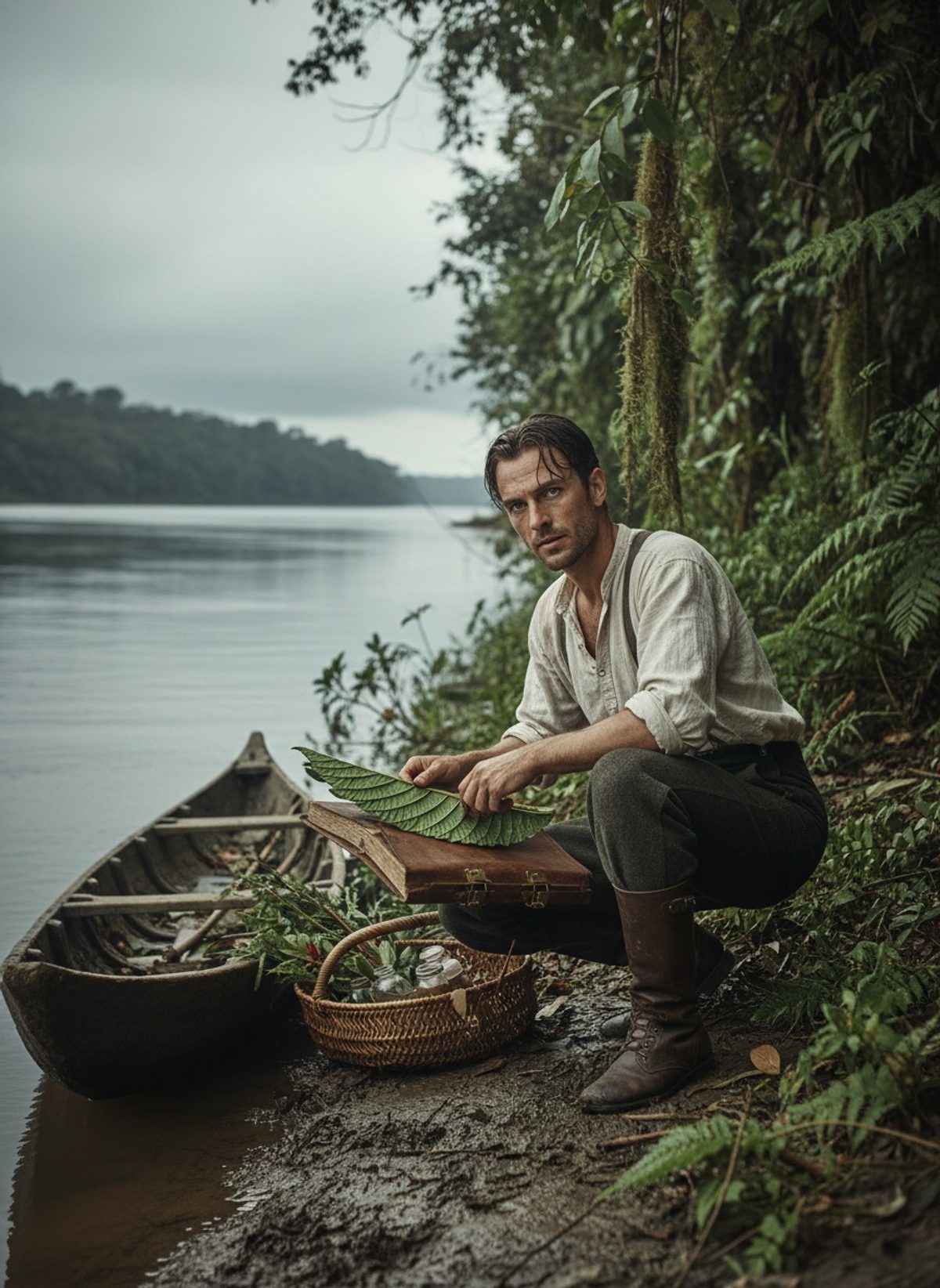
The Amazon laid before him a spectacular array of flora, a verdant jigsaw puzzle of forms and colors that had never met a European gaze. Spruce navigated the myriad waterways and obscure trails that twisted like living veins through the forest, observing nature with the eye of a poet and the precision of a scientist. Each discovery—a flower, a leaf, a tree—increased his urgency, a palpable hunger to document the previously unknowable. He painstakingly catalogued over thirty thousand specimens, revealing the forest's secrets one plant at a time.
Read next: The Day a Scots Surgeon Walked Into a Dying Continent
His meticulous journals, however, tell tales beyond simple scientific observation. They whisper of grueling conditions, of battles against the elements, and of encounters with indigenous tribes whose knowledge and cooperation were pivotal to his endeavors. Spruce's empathy and genuine respect for these people blossomed into friendships that helped him endure the trials that would have overwhelmed a lesser spirit.
The Bark that Broke Malaria's Hold
Among Spruce's botanical finds lay a treasure of medicinal potential. Quinine, derived from the bark of the cinchona tree, held the key to thwarting malaria—a disease that stalked colonial holdings with lethal efficiency. Although South American locals had long known of its properties, it was Spruce’s detailed documentation and transportation of cinchona seeds back to Europe that paved the way for large-scale quinine plantations.
Despite his groundbreaking work, Spruce received little recognition during his lifetime. His modesty perhaps eclipsed his monumental achievements, and the true impact of his endeavors only gained appreciation as quinine plantations proliferated across the empire, dramatically reducing malaria's toll. Spruce had single-handedly mapped out a life-saving resource, changing the fate of millions across the colonies.
A Return Marked by Sacrifice
Seventeen years of tireless exploration took their toll on Spruce. Illness wracked his body, a somber reminder of the hostile environments he had endured year after year. The blistering heat and constant humidity of South America's rainforests had exacted a severe price, growing evident with each pained step he took upon returning to England.
The recognition he craved was elusively deferred, but in his quiet heart, Spruce understood the gravity of his work. His volumes of meticulous sketches, notes, and preserved specimens spoke louder than any accolades could. Those seventeen years defined his legacy, a testament not only to human perseverance but to the boundless reach of curiosity and passion.
Beyond the Jungle Canopy
The tale of Richard Spruce serves as an echo of the trials and triumphs that accompany the pursuit of knowledge in its purest form. His sacrifices in the Amazon's wild embrace remind us of the undying human spirit's capacity to bridge worlds through understanding and shared purpose. He forged connections between continents, between cultures—ephemeral as leaves, yet solid as the trunks of the very trees he cataloged.
Richard Spruce returned a worn man, but he left behind a map—a roadmap to a healthier world. His story reverberates beyond the verdant canopy where he once stood, machete in hand. It inspires those who dare to dream and reminds us that even the humblest beginnings can transcend textbooks, birthing legends that transform lives unequivocally, shaping the paths of history long after their footsteps have faded into the earth.