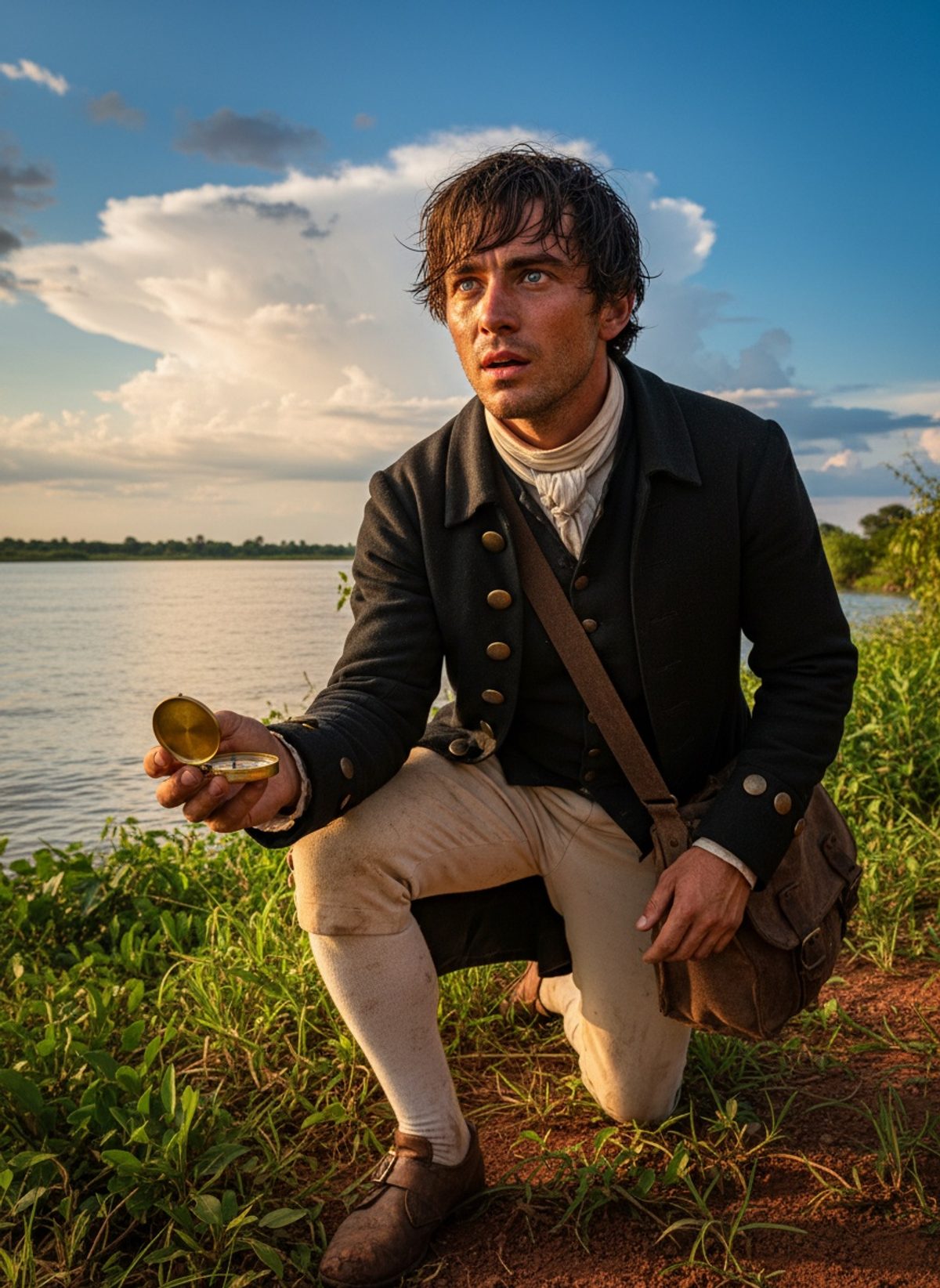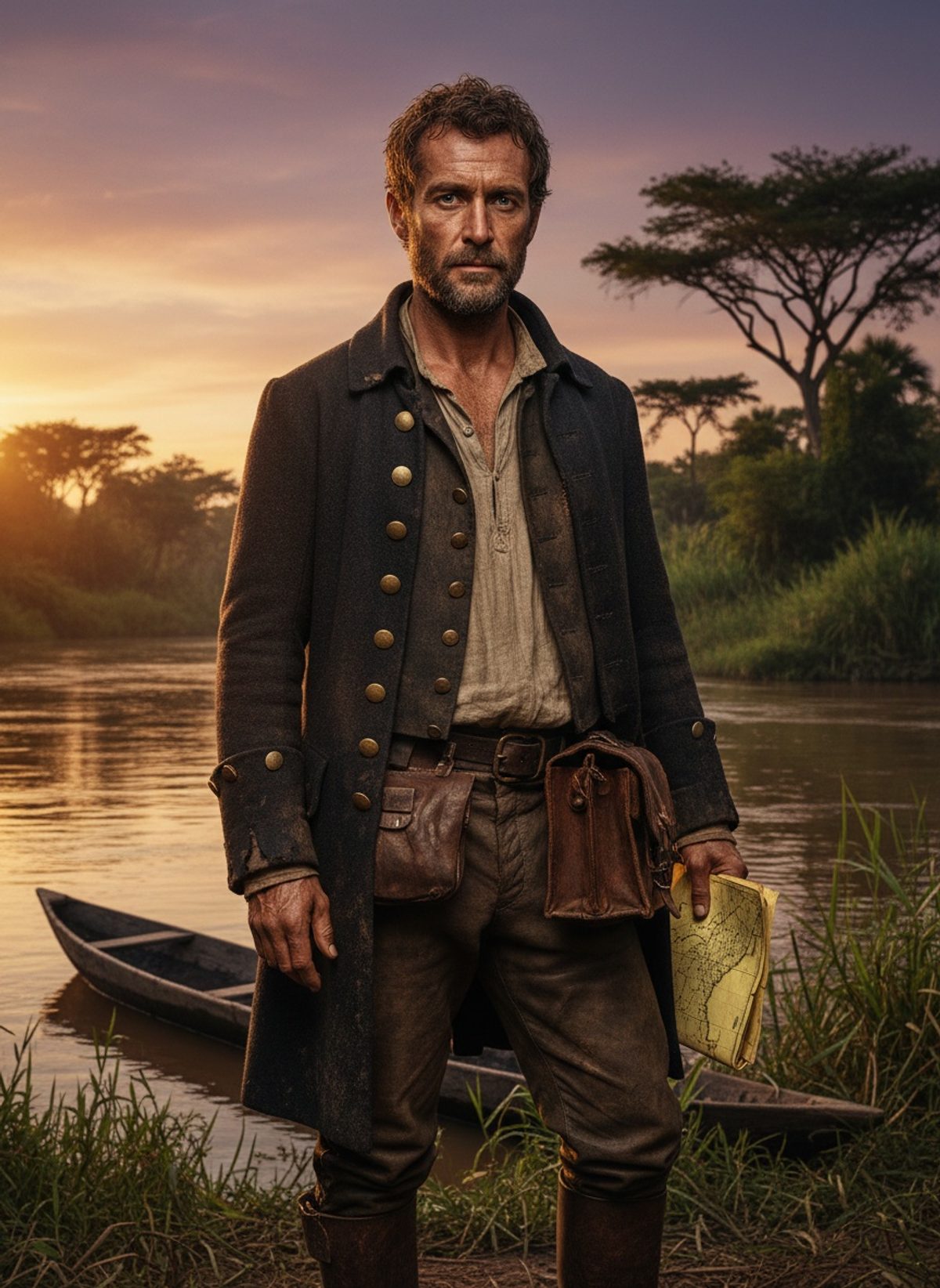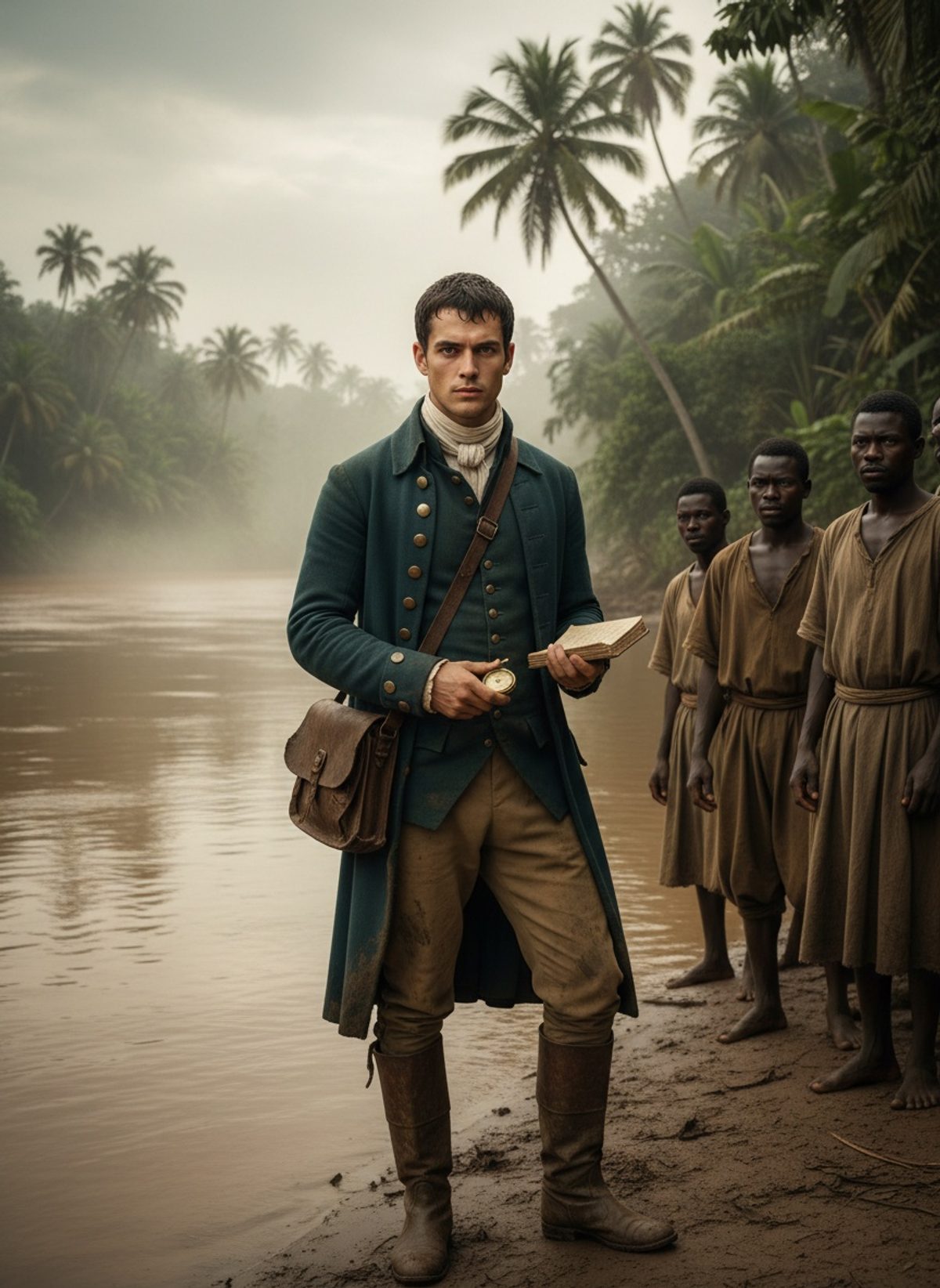
He was a young Scotsman of just 24 years, and his formal medical practice was minimal. Yet, Mungo Park would embark on a journey that would defy the stoic conventions of his time and forever alter the understanding of West Africa's daunting landscape.
Into the Heart of Mystery
The westward expedition began as an act of bold defiance, both against nature’s formidable obstructions and the suffocating grasp of ignorance about West Africa's interior. At the time, the almighty Niger River was more myth than map. Its source, direction, and eventual merging point into the Atlantic were speculative at best, rooted in the fantastical anecdotes of traders and oral traditions that drifted back to Europe. The British Association for Promoting the Discovery of the Interior Parts of Africa sought to demystify these tales, and so commissioned the eager Mungo Park in 1795.
Park set forth with few possessions — a compass, a sextant, and an unwavering resolve. What fueled his motivations? Perhaps it was the dual lure of adventure and fame. Perhaps it was the human urge to pierce through the world's remaining enigmas. As he stepped off his vessel, alone in a landscape that swallowed vast plains of horizon, curious eyes tracked him from behind thick foliage and weatherbeaten huts. To them, he was a spectacle of novelty, an outsider inexplicably drawn into a land that offered harsh inhospitability to those unprepared.
Through muddied paths and dense jungles, Park braved billowing heat and monsoon rains. Languages he couldn't decipher echoed through the wild. He relied on the goodwill of local tribes who watched this pale-faced wanderer with a mix of trepidation and hospitality. Often, his safety lay in the kindness of strangers who taught him the ways of the land — how to avoid the deadly embrace of crocodile-infested waters or identify safe passages through fever-ridden marshlands.
Read next: The Day a Yorkshire Captain Charted the Edge of the World
Captives, Thieves, and Solitude
They took hold of him at Segou, in the territory ruled by the Bambara king Mansong. Deprived of his possessions and cloaked in uncertainty, Park was subjected to captivity that gnawed at freedom's hopeful tether. Yet in confinement, he found odd solace in observing a foreign culture unfold. The markets bustled with life; drums narrated stories older than the sands underfoot. And while he longed for his liberation, Park's inquisitiveness never relented.
Fortunately, fortune marked its turn when the king decided that the young Scotsman was inconsequential, perhaps finding more interest in his journals than in Park himself. Released and lightened of his remaining supplies, Park's journey teetered on the brink of failure. Stripped-down, ravaged by nature and men alike, it was sheer tenacity that propelled him onward.
The essence of exploration, after all, was about venturing into the unknown, even if the unknown fought back. Park subsisted on a diet meager and inconsistent, frequently left to water spiked with millet or whatever forage could be found. Sleeping under limitless skies, he found comfort under blankets of stars, imagining celestial maps that might guide him to survival. His journey reflects an anthropology of resilience, where insurmountable obstacles became rites of passage.
Returning from the Abyss
As months unfolded into chapters of hardship, Mungo Park’s sole reliance on limited tools became a testament to human ingenuity. With nothing more than a slender journal that swelled with observations, sketches, and reflections, he captured the spirit and soul of a land often misunderstood from afar. After obstacles that seemed insurmountable, the young surgeon emerged transformed, both physically and intellectually weathered, yet invigorated.
Survivors speak to the evidence of being. Mungo Park's return to Britain signified not just the endurance of body and spirit, but an unraveling of African geography that spurred future maps and expeditions. His detailed depictions of the Niger's twists and turns sparked a fever of cartographic re-evaluations back home. Beyond the physical boundaries he crossed, Park crossed intellectual frontiers, bridging narratives between continents.
But why does this venture into the abyss linger beyond dusty volumes as part of our broader human legacy? The answer lies in humankind's relentless dance with exploration. In Park's solitary trek, we observe the enduring courage that pushes one towards enlightening the unknown, thereby illuminating the collective map of human knowledge. By threading his story into the vast tapestry of exploration, Park reminds us that some bridges are built not from stone or steel, but from the undying resolve to seek and understand a world that transcends our immediate grasp.