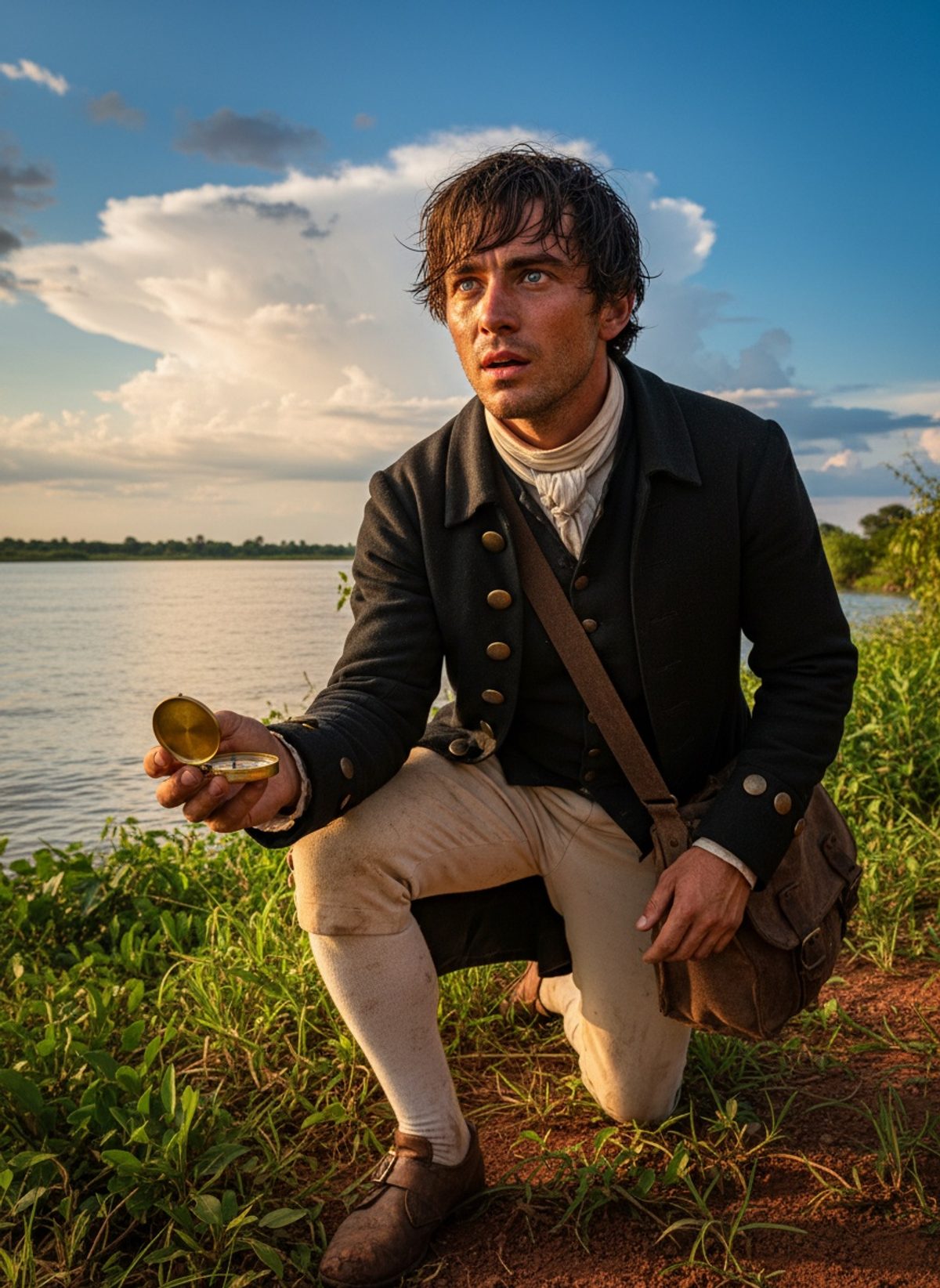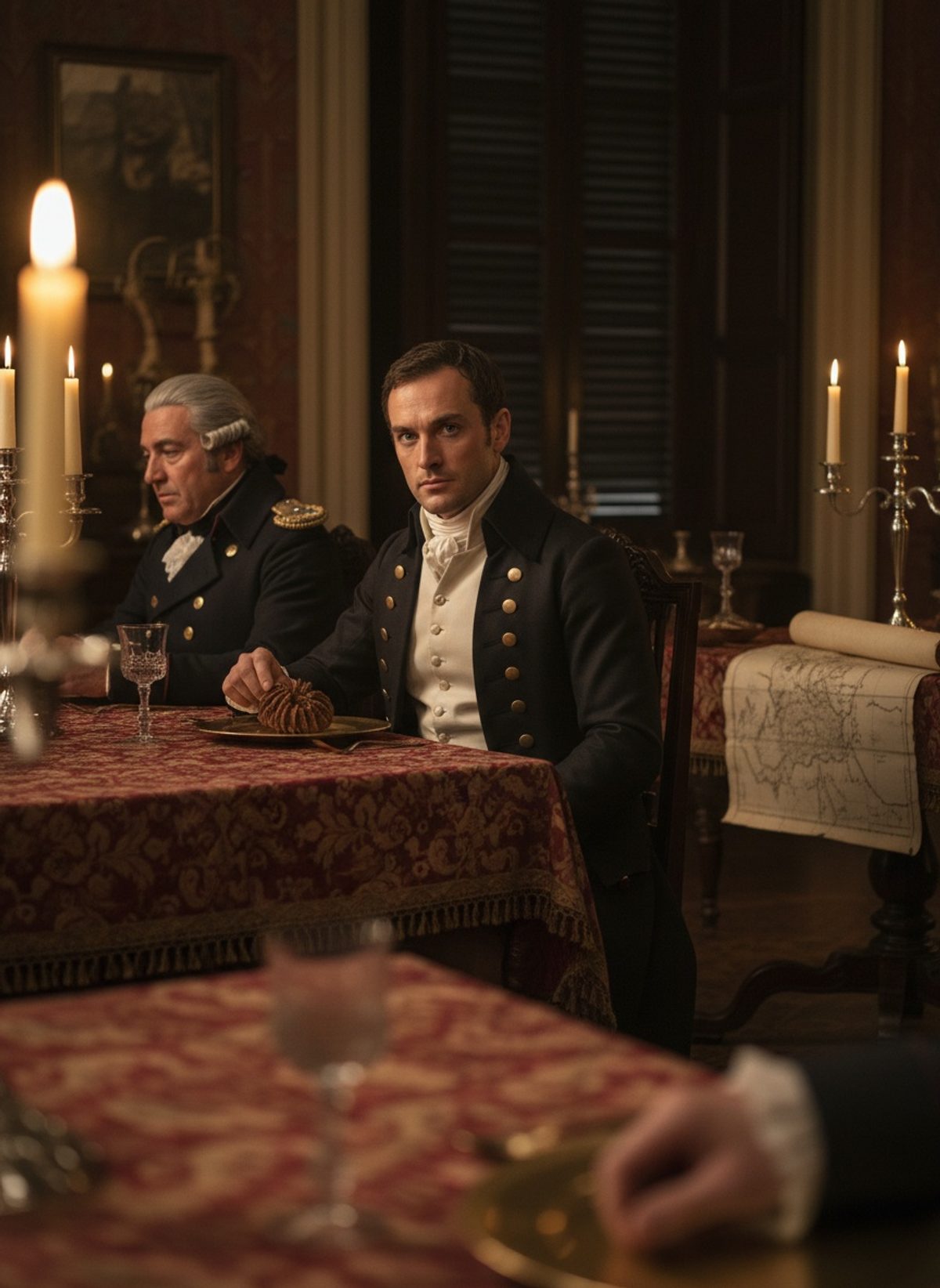
1787. The clink of fine porcelain echoed softly in the candlelit room of the Spanish governor’s residence.
The Dinner That Changed Botany
The year was 1787, and Archibald Menzies, the Scottish surgeon and botanist, found himself in an unlikely setting. His surroundings, though richly appointed in the Spanish colonial style, were far from the verdant Scottish highlands he called home. As a guest of the governor in the remote outpost at the southernmost edge of South America, Menzies’ curiosity was aroused not just by the company or the conversation, but by a peculiar dish. After a sumptuous meal, dessert arrived—an unusual nut, its protective shell rough and textured like nothing Menzies had ever seen.
Among those who dined in that room, bustling with the hum of diverse accents and the clatter of cutlery, few likely noticed as Menzies subtly slipped a few of these nuts into his pocket. To him, they were more than mere curiosities; they were potential treasures of the botanical world. Menzies was always on the lookout for new specimens, and it was this keen eye that would introduce something remarkable to the world.
The nut Menzies so audaciously pocketed was known locally as the "piñón," and it would soon find new life far from its native soil.
Read next: The Day a Yorkshire Captain Charted the Edge of the World
Voyage of Botanical Discovery
Archibald Menzies had joined Captain George Vancouver aboard HMS Discovery, part of an expedition tasked with exploring the Pacific Northwest. As the ship's surgeon and naturalist, Menzies was afforded the rare opportunity to encounter new flora spanning unknown coasts. His role was to document, collect, and wherever possible, bring back living specimens to the British Isles.
The voyage was arduous, with perilous seas and the relentless unknown constantly looming. Yet for Menzies, each stop was another potential for discovery. He had an eye for finding the extraordinary in the mundane, an instinct honed during his early days in Edinburgh’s wooded environs. His pockets must have rattled with seeds and nuts—each a possibility, each a promise.
Among his gathered treasures, those odd nuts from the Spanish governor’s table soon proved their worth. An experiment in tenacity, they endured the ocean’s salt-laden air, the rocking unpredictability of a wooden vessel on the high seas—and still, they began to germinate.
The Arrival of the Monkey Puzzle
Landing back in Britain, Menzies presented his wide array of botanical discoveries. But it was the tree that sprouted from those foreign nuts that captivated the British imagination. Araucaria araucana, dubbed the "Monkey Puzzle" tree, emerged like a living enigma from an age of exploration. With its sharply pointed leaves and towering form, it grew in defiant contrast to Britain's native woodland species. It wasn't just a tree—it was a snapshot of the exotic and the unknown, standing testament to a world that was getting both larger and smaller, with discoveries that bridged the two.
The tree's curious moniker stemmed from the amusing but unlikely notion that its spiny branches could "puzzle a monkey"—a reflection of its exotic appeal and alien nature. It wasn't long before the Monkey Puzzle became the latest horticultural sensation, gracing the gardens of the British elite who craved the unique and spectacular.
And thus, what began as a humble pilfered nut at a dinner far from home took root in Britain, forever altering its botanical landscape.
A Living Legacy in Britain's Gardens
The Monkey Puzzle tree's journey from the sub-Antarctic woods of South America to the manicured lawns of England was emblematic of the era's passion for exploration and discovery. It symbolized not just the thrill of botanical bounty but also the cultural exchange that defined the period. British gardens in the Georgian era were evolving—no longer mere repositories of native plants, they became vibrant showcases of global diversity.
For Menzies, the triumph was scientific as well as personal. His work cemented his reputation as a keen observer and collector—a botanist who didn't just catalogue nature, but brought it alive. The Monkey Puzzle trees that proliferated across estates throughout Britain owe their existence to his audacious spirit of inquiry and exploration.
Indeed, his actions on that 1787 evening did more than introduce a novel species; they challenged the conventions of the time, subtly confronting the limitations of known natural sciences with new, verdant evidence.
The Eternal Puzzle of Nature's Wonders
The introduction of the Monkey Puzzle tree to Britain speaks to the unending quest for knowledge that drives human endeavor—a journey fraught as much with risk and audacity as it is with discovery. Menzies' story is a reminder that even the simplest acts, like slipping a nut into a pocket, can have profound implications. In the hands of an inquisitive mind, such a small act was a gateway to a larger exploration of the earth's mysteries.
As the Monkey Puzzle trees stand tall amidst Britain’s landscapes, they remind us how the persistence of pioneers like Menzies has shaped our understanding of the world. They remain a living testament to an age when dinner-table curiosities could chart new knowledge and when unassuming little seeds could map out lush Edens at the world's end.