August 1849. Dust cloaked the air like a shroud.
The Mound That Spoke of Forgotten Ages
A dusty mound in the heart of modern-day Iraq, forgotten by time but oddly resistant to the relentless march of oblivion, became the focal point of a young Englishman’s audacious quest. In the mid-19th century, a time when tales of ancient cities often blurred the line between myth and reality, Austen Henry Layard found himself captivated by stories whispered across centuries. Stories of a city that once rivaled Babylon in its grandeur—a city called Nineveh.
Historians and adventurers alike had long regarded Nineveh as little more than a sprawling fable etched in dusty scrolls, a testament to human imagination rather than reality. Many believed its extravagance to be the stuff of legends, tales woven to entertain Babylonian court listeners or to serve as metaphoric warnings in sacred texts.
Yet, as Layard navigated the desert heat, his instincts told him otherwise. Each step he took on that soil carried the weight of an unresolved mystery, whispers of lost centuries drawing him ever closer to the truth beneath his feet. Little did he know, the crumbling relics buried just beyond his reach would rewrite history.
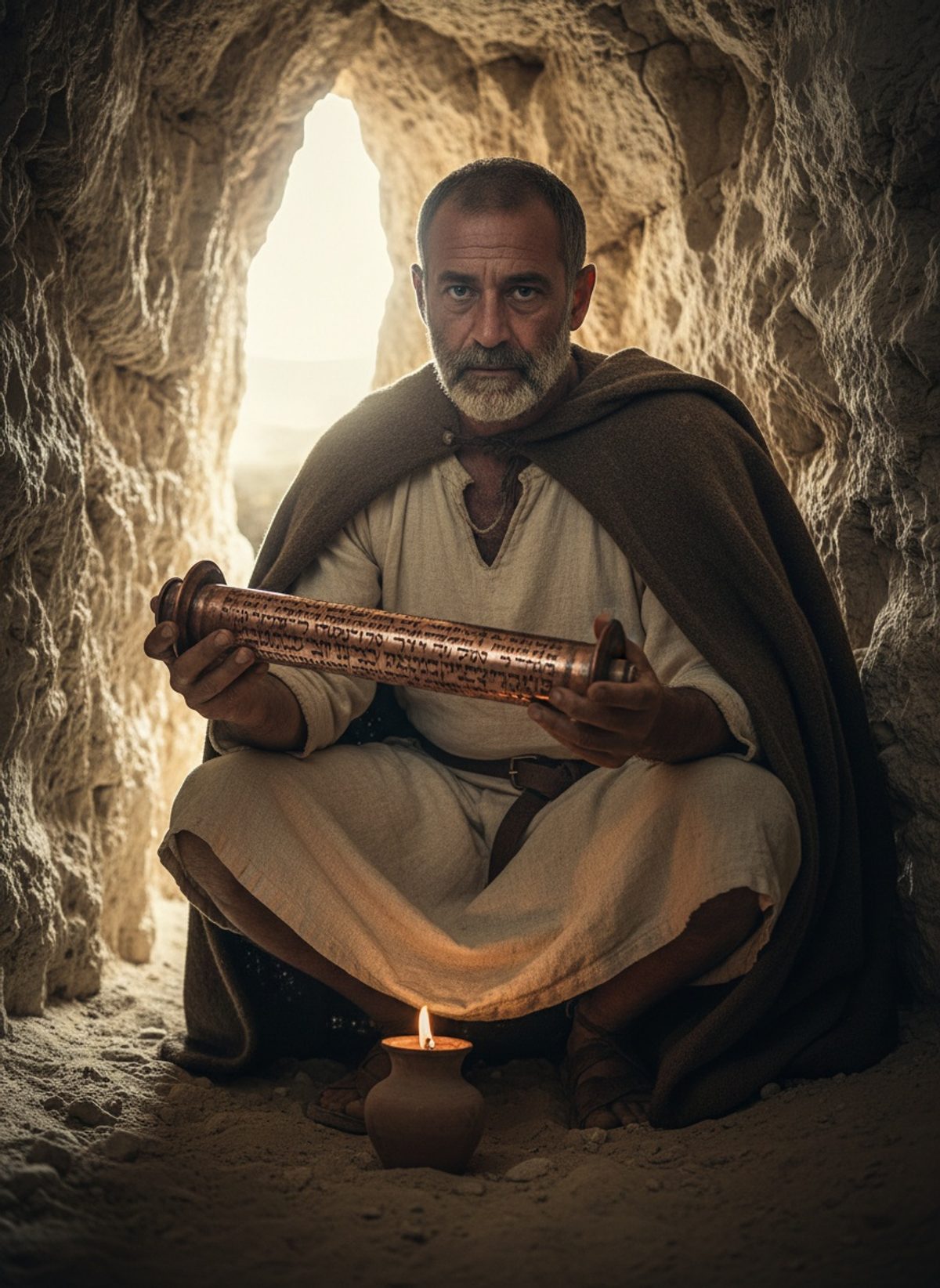
Read next: The Copper Scroll Was Found. No One Could Explain It.
The Tablet That Defied Belief
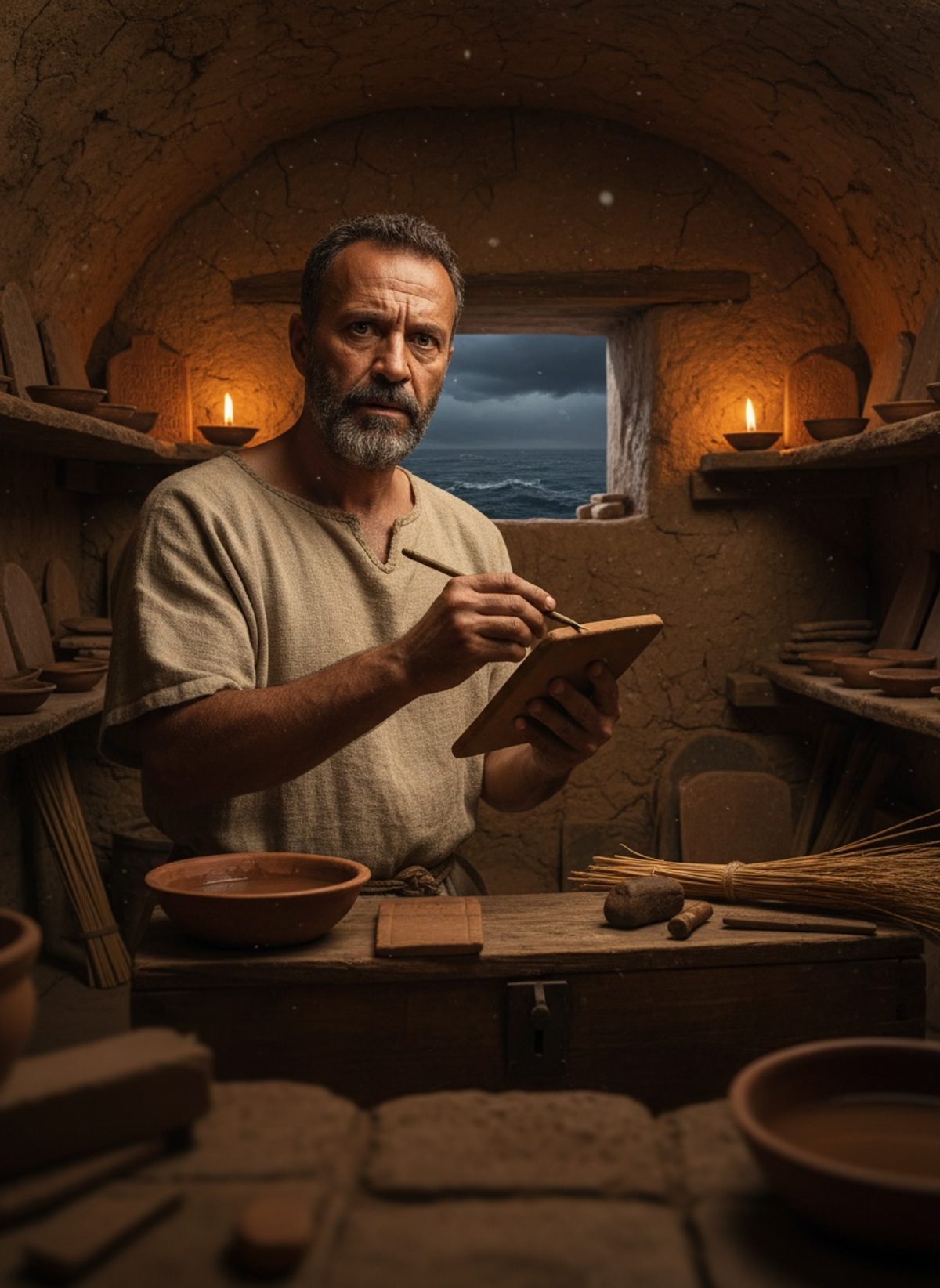
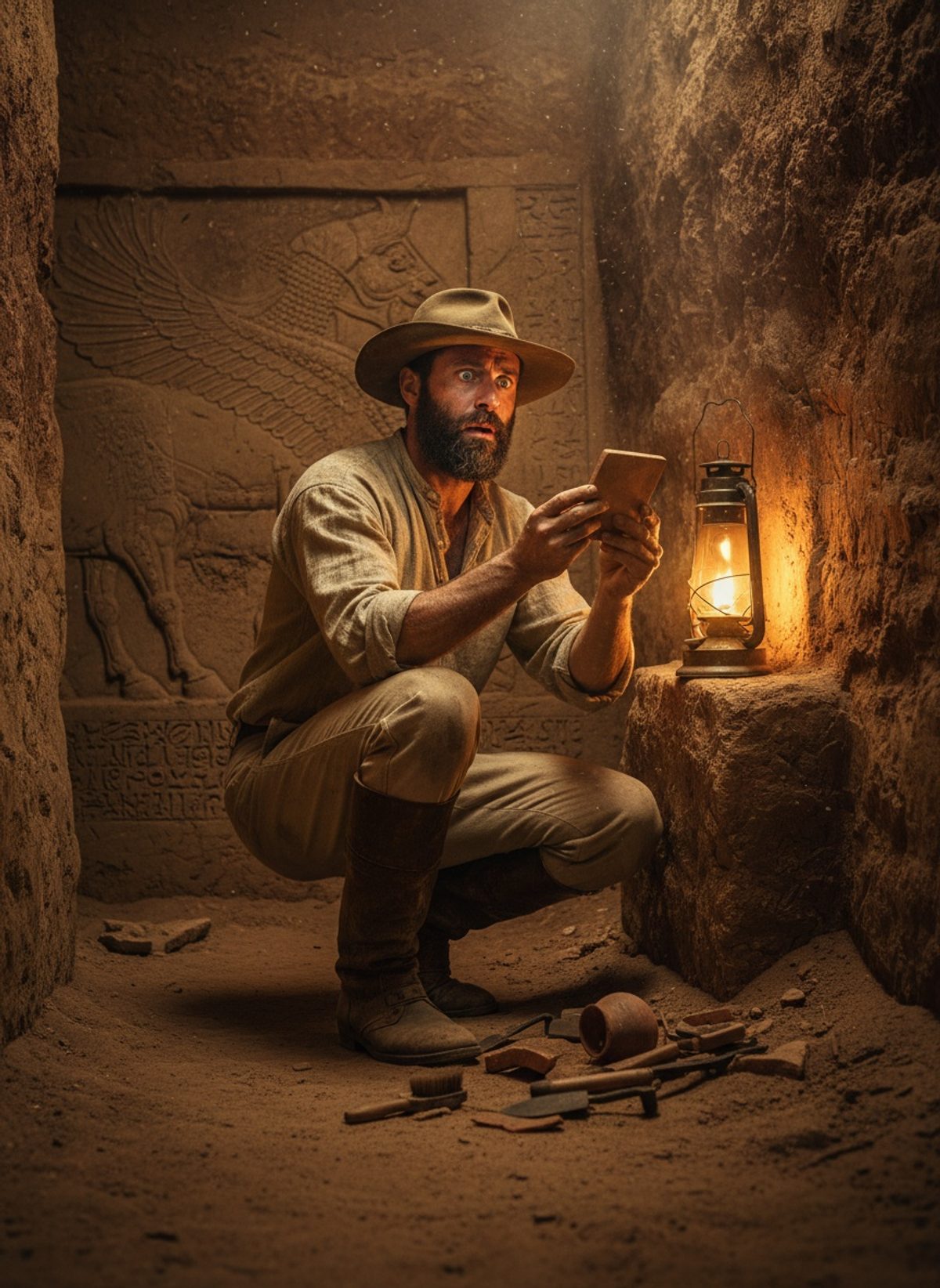
The sun had begun to set, casting long shadows over the excavation site, when Layard’s workers unearthed a delicate slab of clay. Careful hands brushed away millennia of dirt, revealing a tablet pressed with intricate markings. By the flickering light of a candle, Layard meticulously deciphered the ancient script. There, pressed into the clay, was a map—a map of a city named Nineveh.
In that moment of revelation, Layard shattered the chains of myth. The tablet spoke with an authority rooted in antiquity, offering undeniable proof that Nineveh was not merely the product of overactive imaginations. The city had been real, splendid, and embodying the pinnacle of human achievement at the dawn of civilization.
The map bore evidence of ordered streets and architectural grandeur, a sprawling complex reflective of the city’s stature in the ancient world. It was alive with the rhythmic thrum of Mesopotamian life: traders bartering in vibrant markets, priests performing sacred rituals, and scribes penning records of Earth’s earliest empires.
A City Lost and Found
What Layard discovered in the earth’s embrace was only the beginning. Further excavations revealed grand palaces, colossal gates, and intricate reliefs depicting the city’s epic history. Artistic renditions of battles, processions, and deities adorned the halls, painting a vivid picture of Nineveh’s dominance during the reign of the powerful Assyrian Empire. The city was believed to have reached its height under the reign of King Sennacherib, whose military prowess and architectural ambitions left an indelible mark on its landscape.
The tales carved into stone sang of a city that had been at the forefront of arts and learning, emphasizing the dichotomy of its existence—a place of breathtaking beauty and explosive ferocity, where culture and conquest marched hand in hand.
Yet, this storied metropolis, which once stretched across the horizon with its temples and towers, eventually succumbed to the unforgiving hands of time and adversity. Assyria’s enemies laid waste to Nineveh in a cataclysmic siege, blotting its brilliance from history’s annals until the soil whispered its secrets anew.
The Young Englishman’s Legacy
Layard’s discovery reverberated through the scholarly world, challenging entrenched perceptions and breathing life into ancient chronicles. His work crafted a bridge between myth and archaeology, urging future generations to explore the potential realities veiled within historical tales once dusted off as mere fiction.
The realization that Nineveh had been a flourishing seat of power spurred continued pioneer efforts into Mesopotamian archaeology, igniting a fervor for exploration that has unearthed numerous marvels of the ancient world. Each artifact extracted from Nineveh’s embrace symbolized a piece of our shared past, illustrating the interconnected threads of human history woven over centuries.
Layard’s findings evolved beyond mere artifacts. They repositioned the historical narrative of the region and enriched humanity’s understanding of its ancestral roots, offering a counter-narrative to the dismissive tones that had long accompanied discussions of ancient Mesopotamian legends. With Nineveh’s ruins emerging into view, ancient history opened a dialogue between the past and present, revealing lessons on the impermanence of power and the endurance of cultural legacy.
The Echoes of Nineveh's Walls
The discovery of Nineveh’s reality is far more than an archaeological triumph; it is a compelling testament to the constant tug-of-war between myth and history. In finding Nineveh, Layard and his contemporaries grappled with elemental truths about civilizations, challenging the ever-prevalent human tendency to dismiss what seems improbable.
Today, the ruins of Nineveh serve as a potent reminder of the phantoms that walk alongside our historical consciousness. They urge us to reconsider what we believe to be myth versus reality. The ennobling spirit of inquiry that led Layard to his breakthrough encourages us to remain vigilant, curious, and ever-ready to unearth the truths clinging to the shadows of our past. For buried beneath layers of time, there are stories waiting to emerge—tales that reshape our understanding of history as they illuminate the paths we have tread and hint at those we have yet to explore.