100 stories
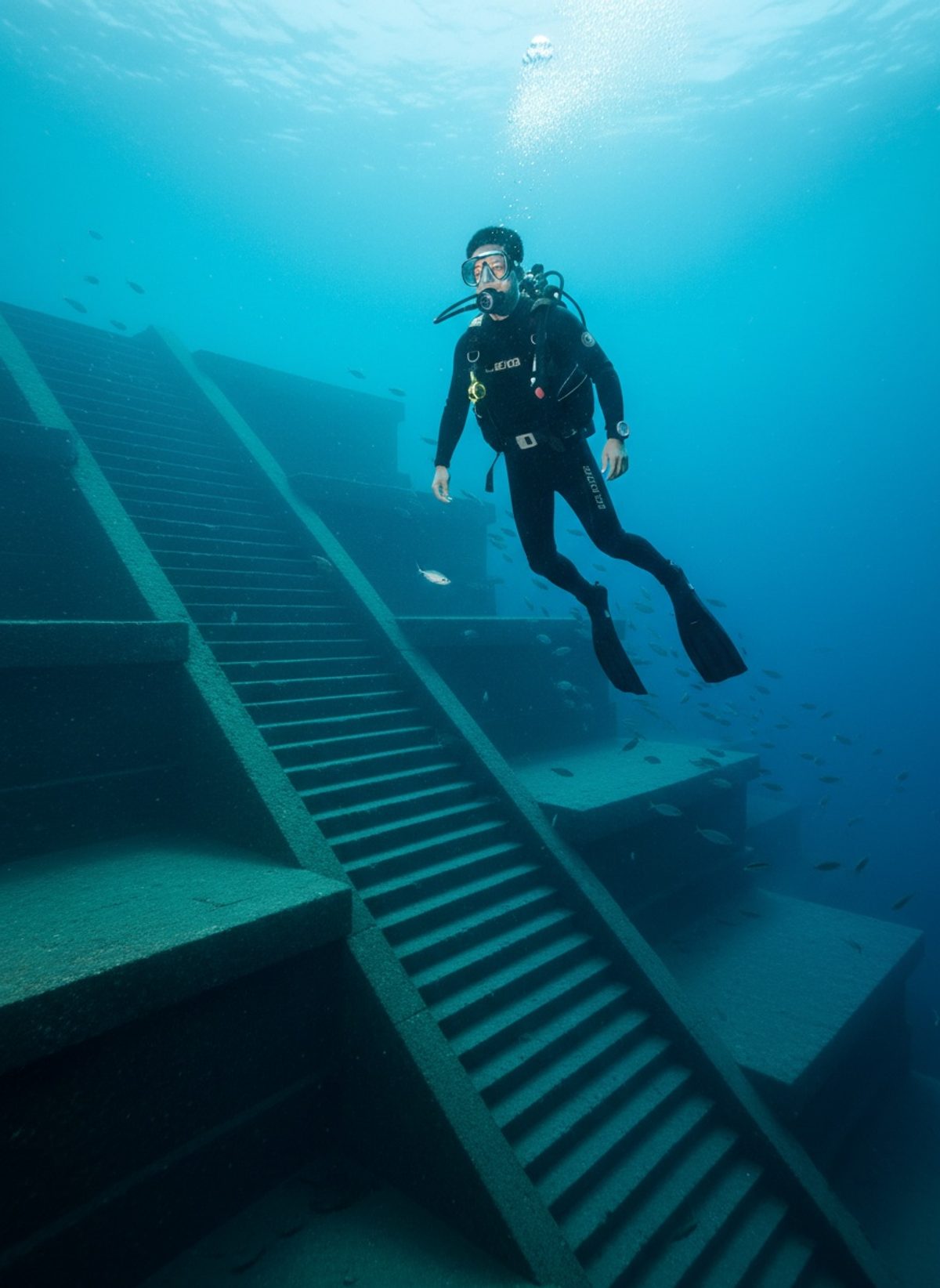
1986. A diver off Japan's coast found stone terraces under the sea. Perfect right angles. Flat platforms. Steps cut deep into rock. Was it carved by human hands? Or shaped by nature alone? No one has agreed since.
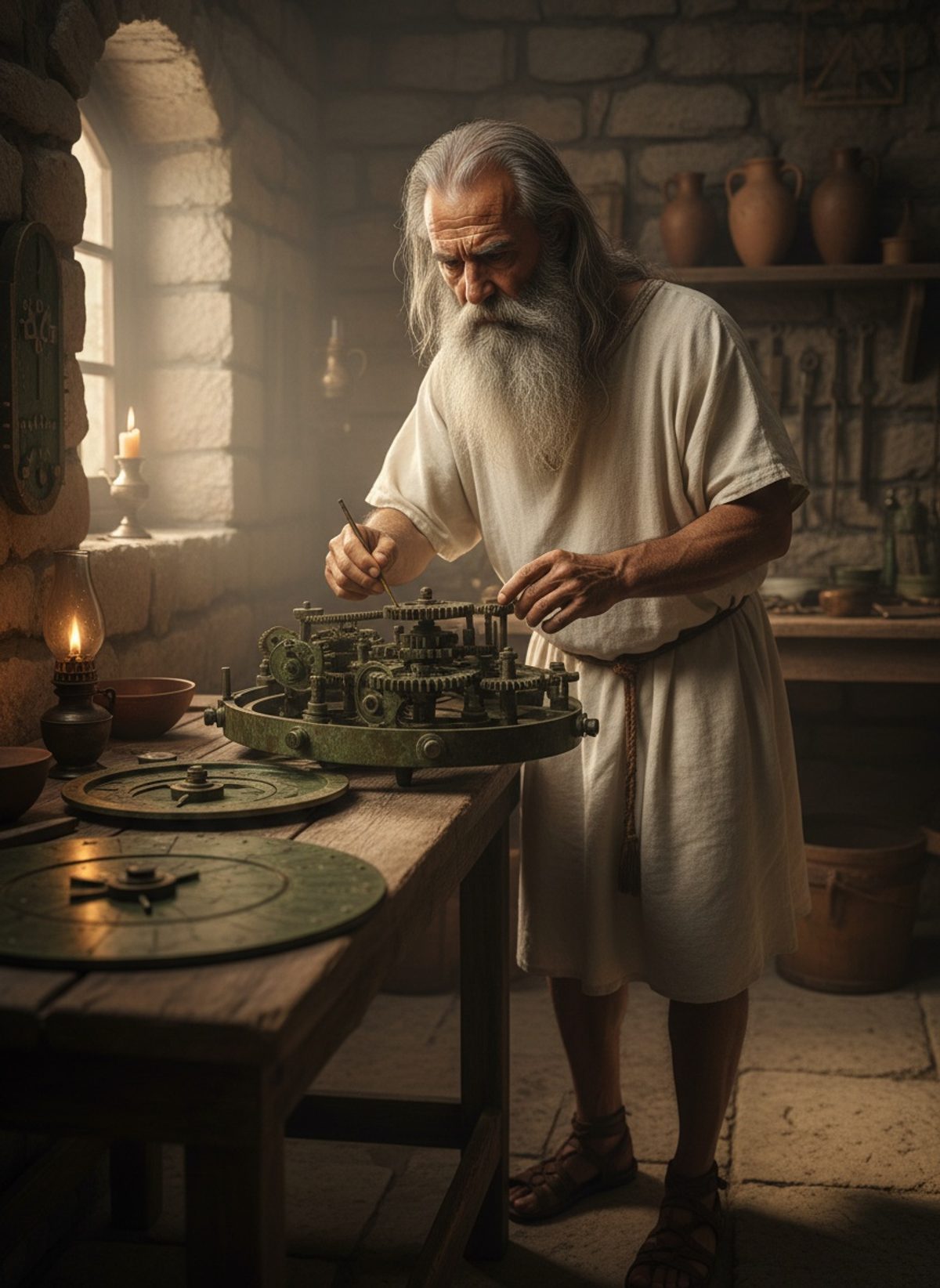
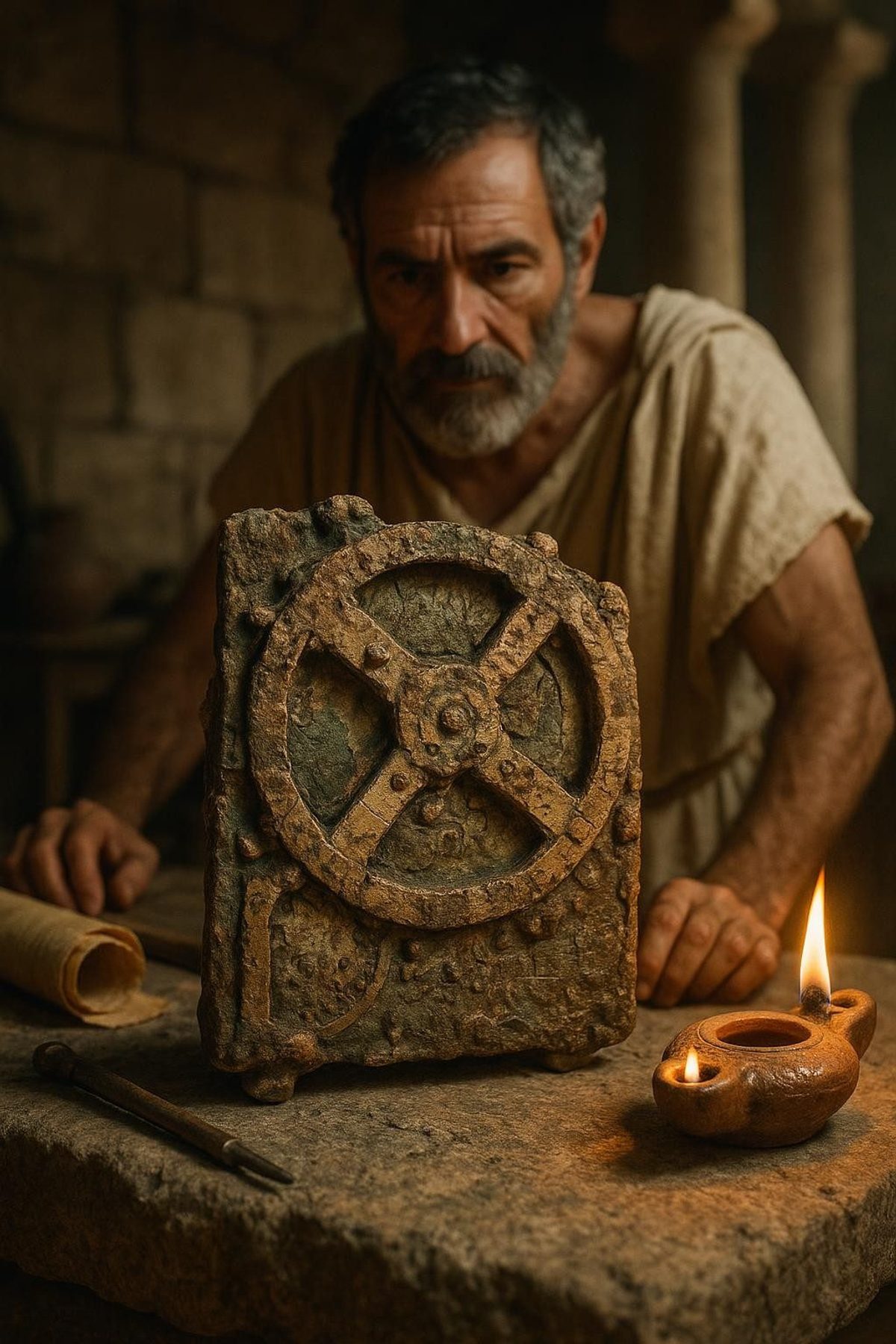
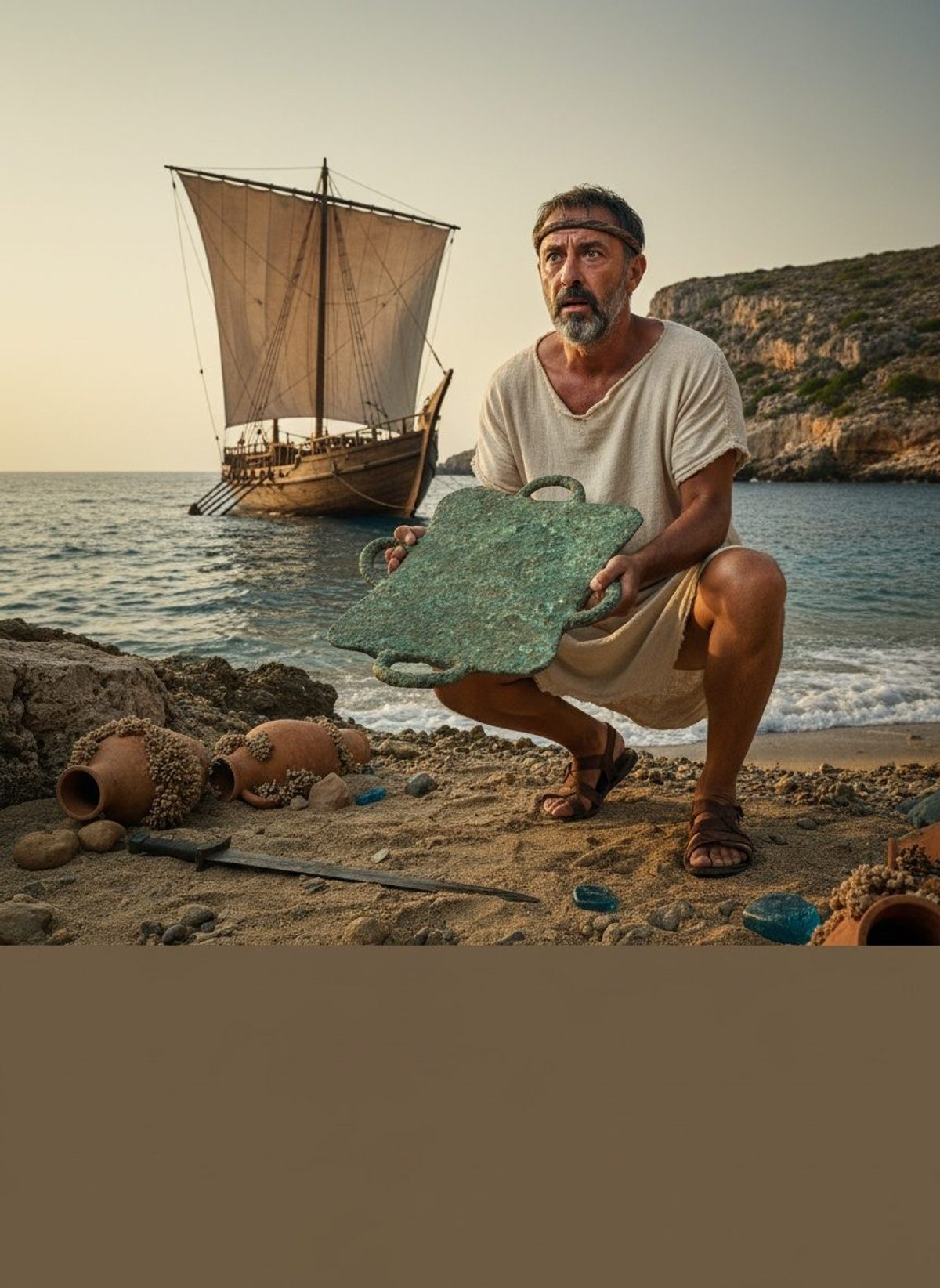
Around 70 BCE. Greek divers salvaged a lump of corroded bronze from a shipwreck. Inside were 37 interlocking gears. It predicted eclipses. It tracked the Olympics. No one knows who built it.
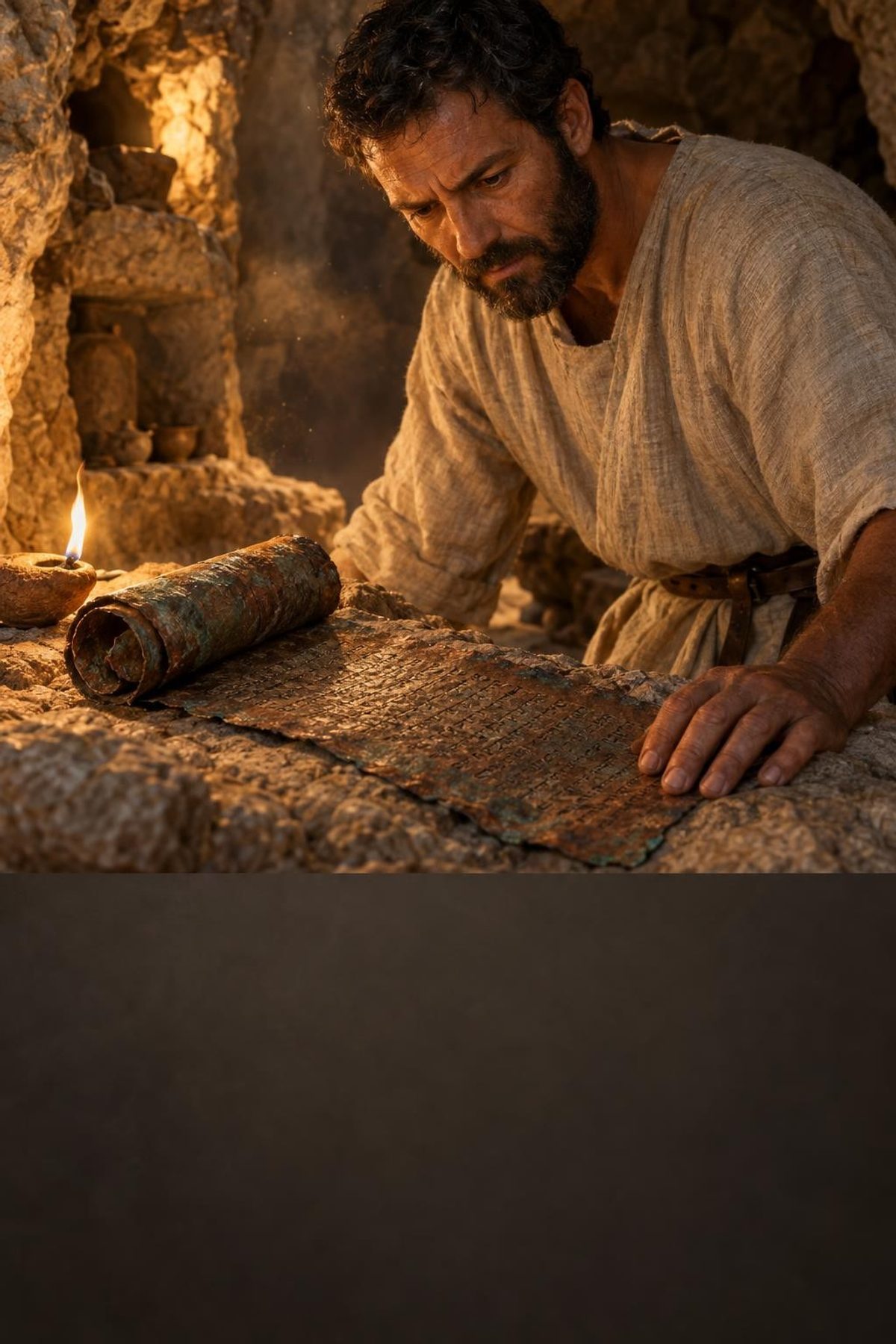
1952. A copper scroll found near the Dead Sea. Unlike the others, it was not scripture. It was a list. Sixty-four hiding places. Gold. Silver. Temple vessels. Real quantities. Real locations. No one has found a single item.
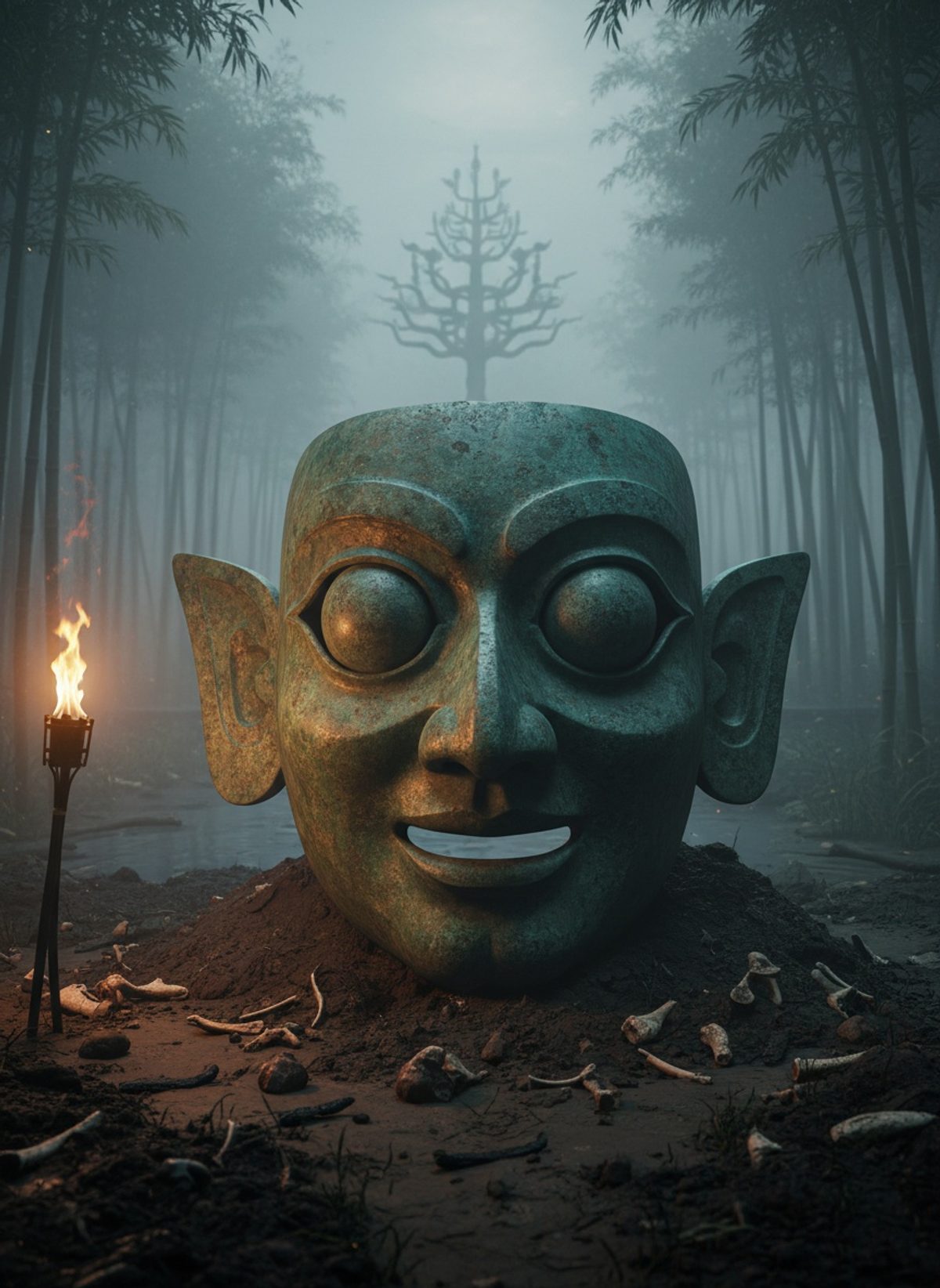
1986. Workers struck bronze in a field near Chengdu. They had found two buried pits. Inside: giant masks with protruding eyes. No text. No tomb. No dynasty claimed them. Sanxingdui had no name in any Chinese record.
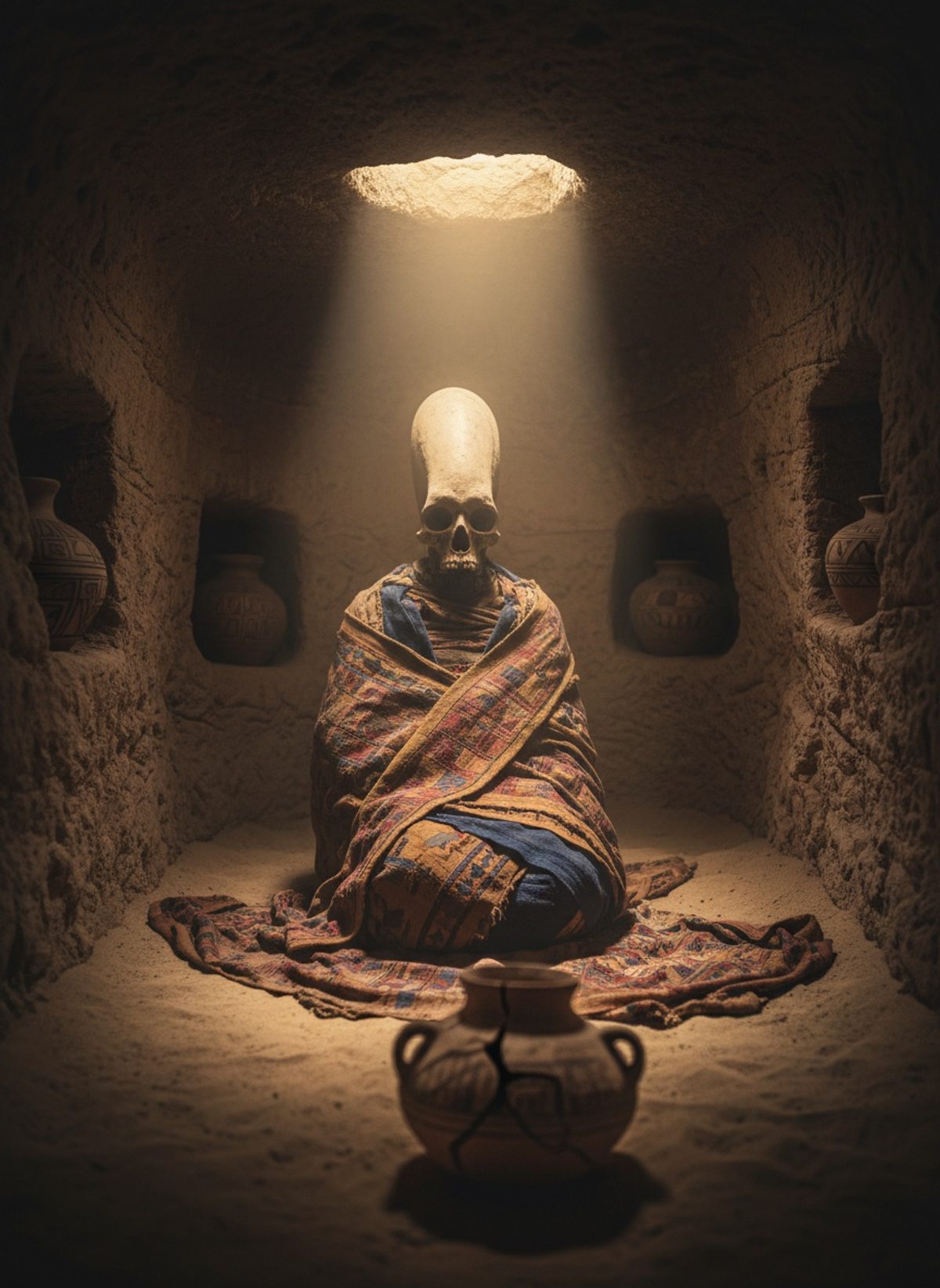
The Paracas Peninsula, Peru. Archaeologist Julio Tello opened the burial chambers in 1928. Inside were skulls unlike any he had seen. Elongated. Massive. Real bone. No surgery marks. The largest human skulls ever recorded.
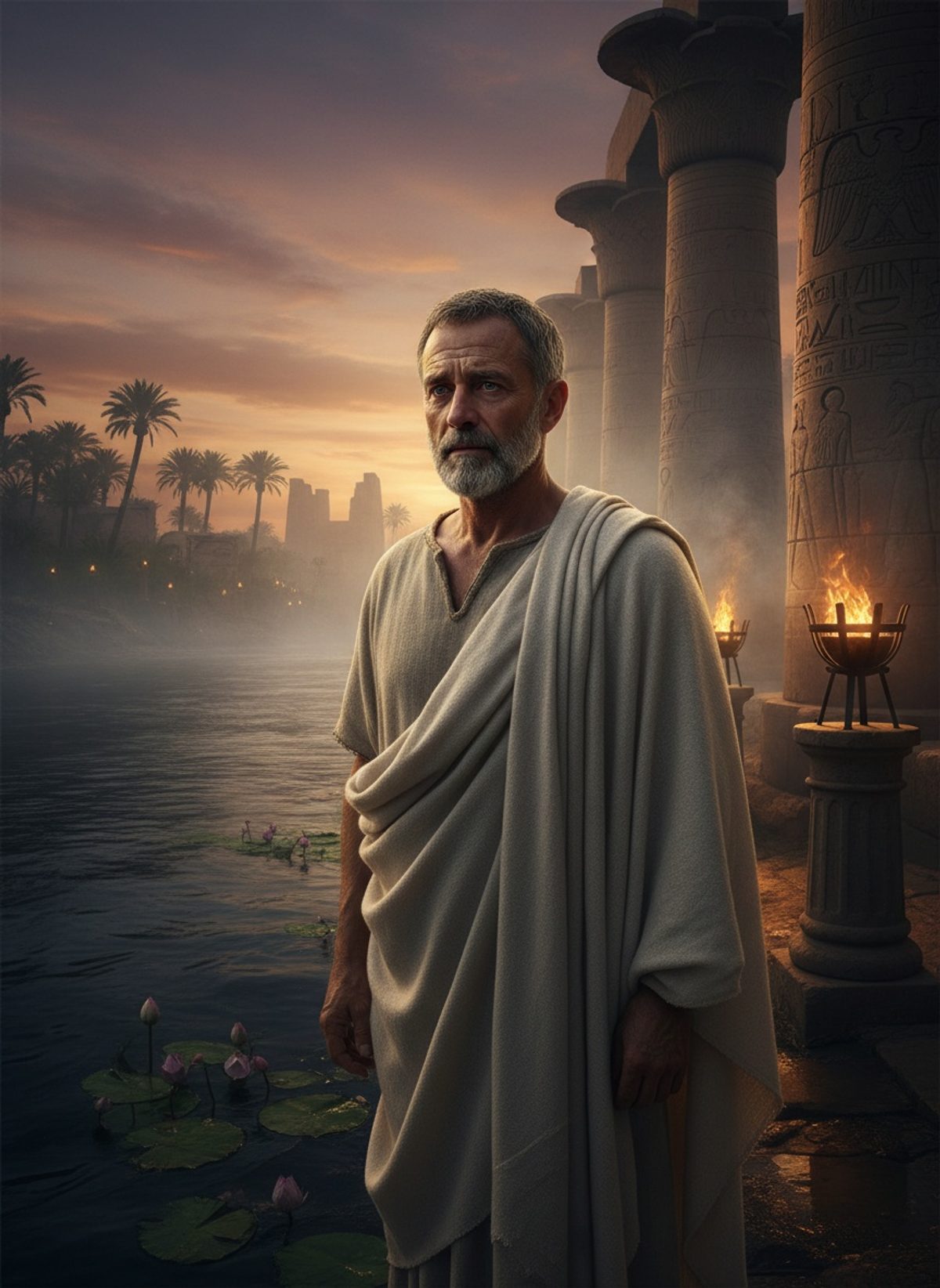
130 AD. The Emperor Hadrian's beloved companion drowned in the Nile. His body was recovered. A god was declared. Cities were built in his name. Then his tomb was sealed. No one has found it since.
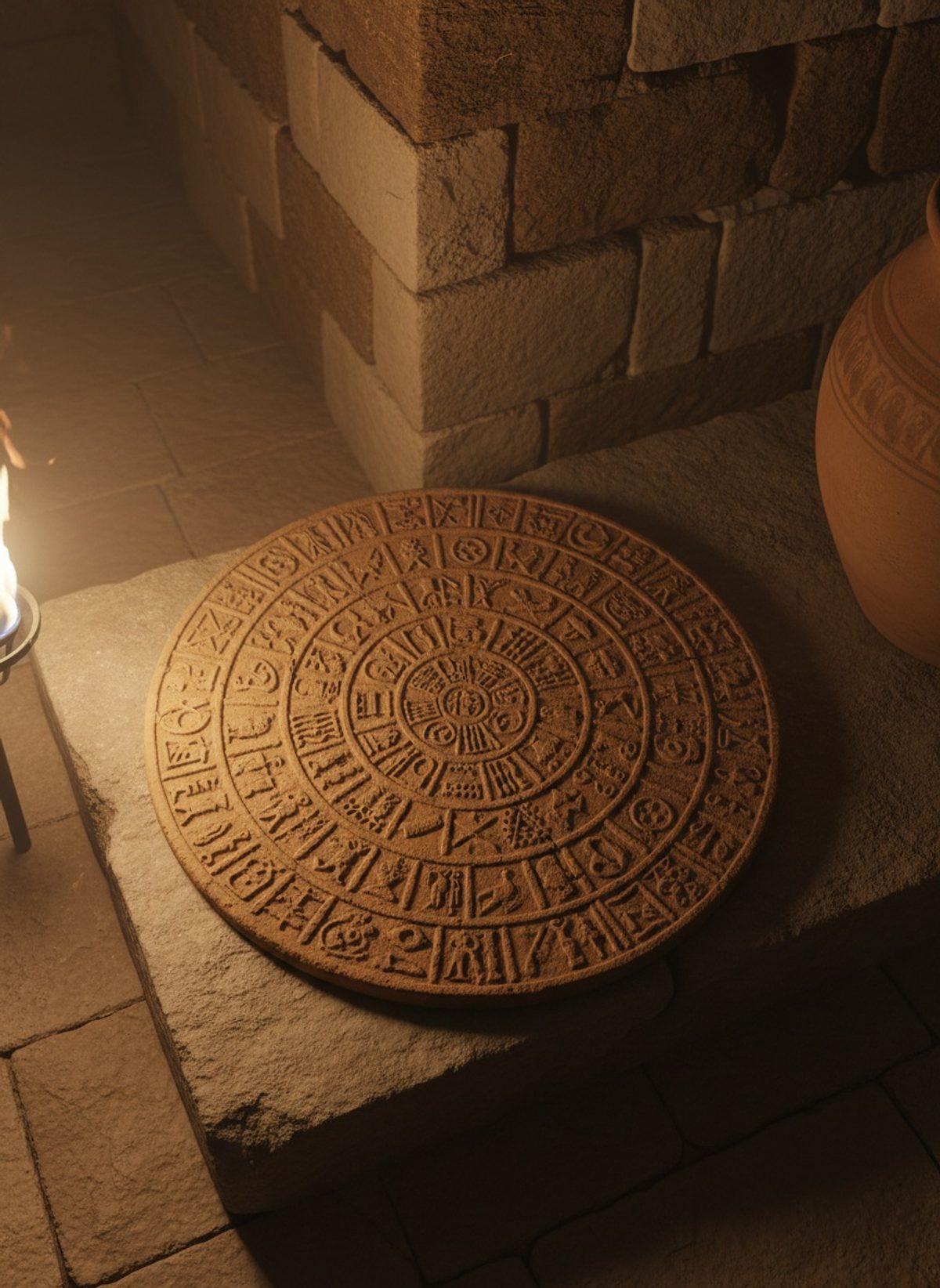
Crete, 1908. An Italian archaeologist pulled a clay disc from the ruins of a Minoan palace. Both faces were covered in spiralling symbols. 241 signs. 45 distinct characters. Pressed by a stamp. No language matches it. No one has decoded it.
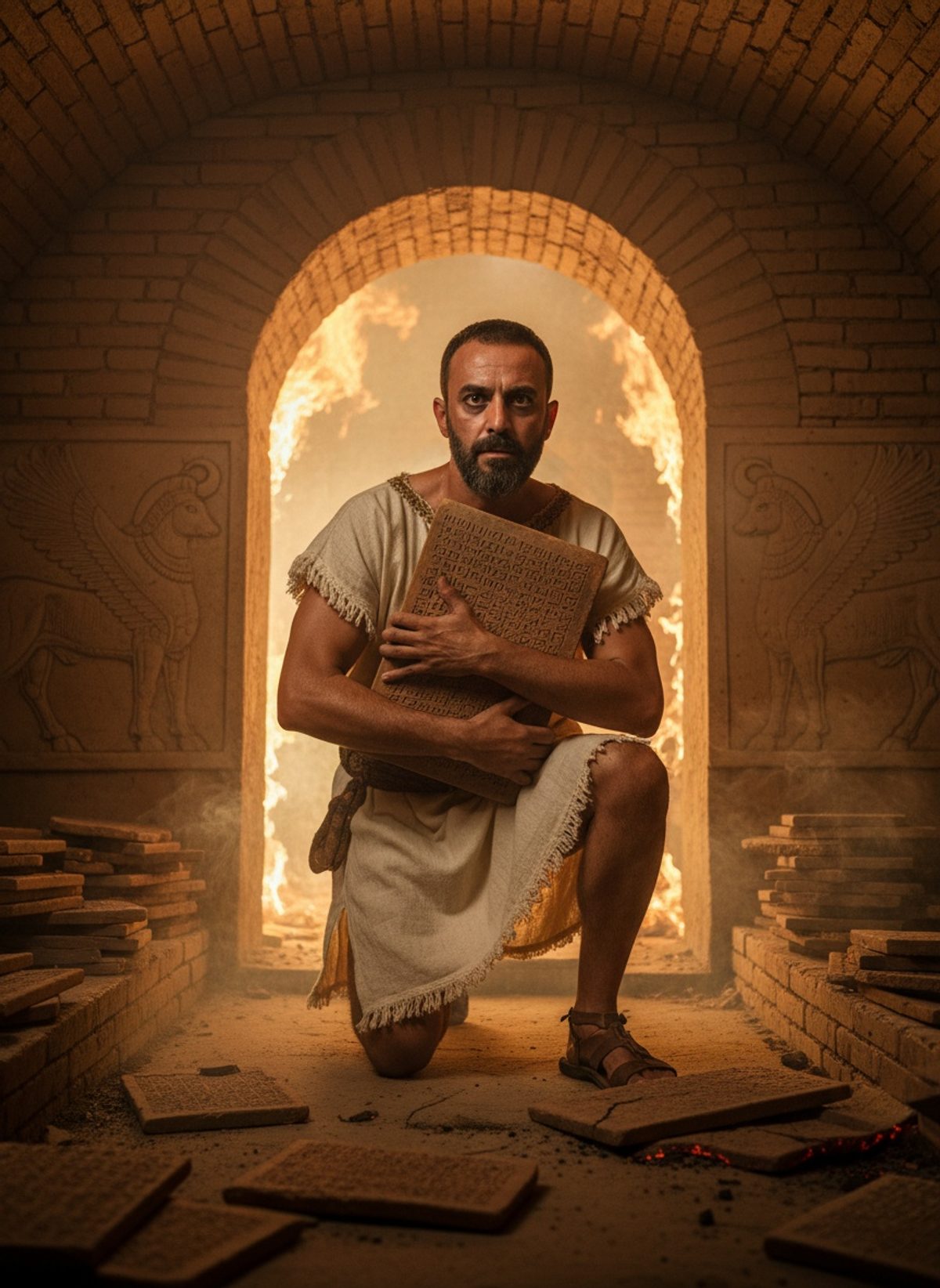
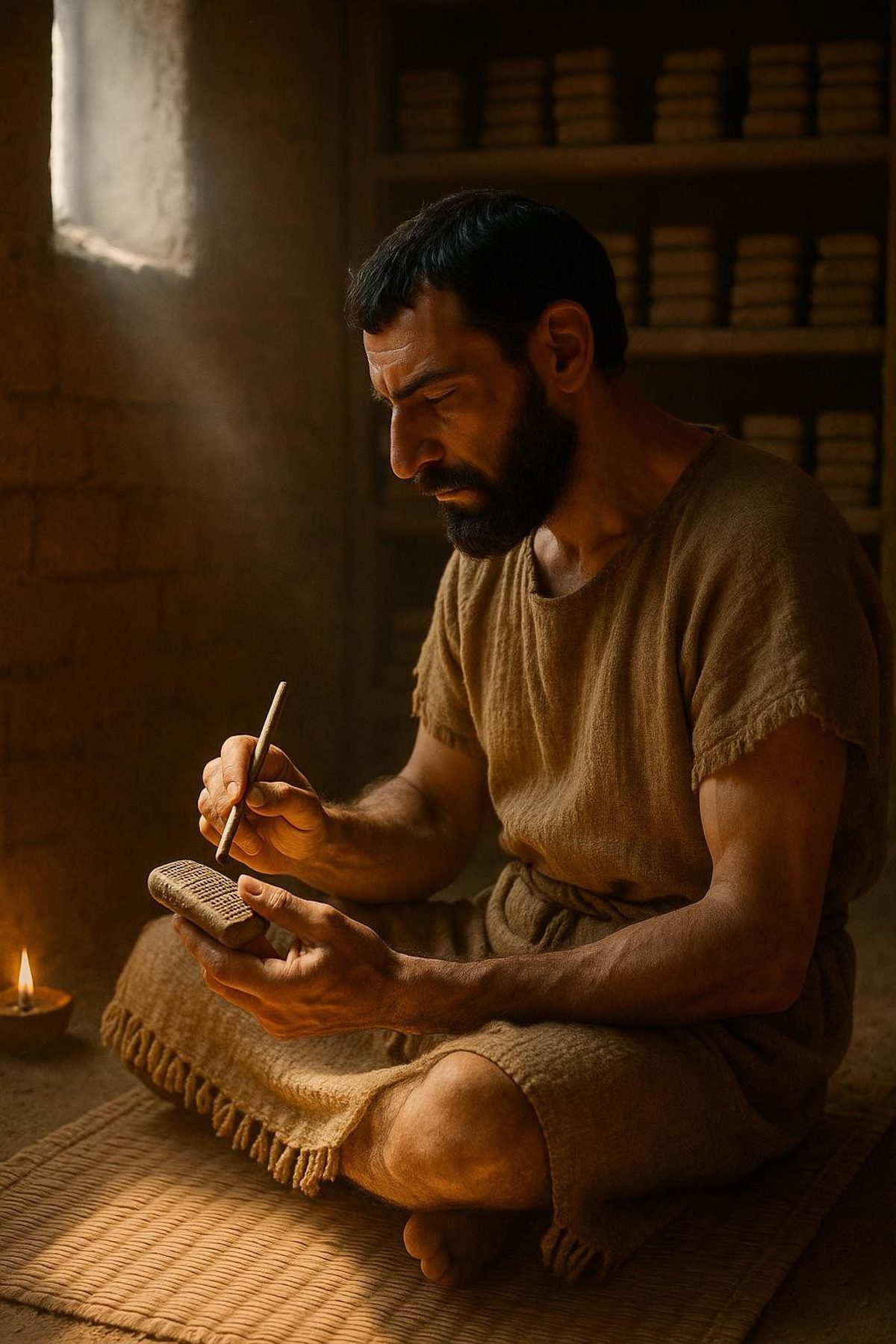
612 BCE. Nineveh was burning. The greatest library in the ancient world was falling. Thousands of clay tablets shattered. But the words had already spread. Scribes had copied them. The knowledge lived.
Centuries before the Bible was written, Mesopotamian scribes carved a flood story onto clay tablets. The hero had a different name. The ark was round. And it was older than anyone expected.
1849. A young Englishman dug into a mound in Iraq. He found a clay tablet. Pressed into it was a map. It showed a city. A city everyone thought was a myth. Nineveh was real.
1872. A clay tablet. Three thousand years old. George Smith read it. His hands shook. It described a flood. A boat. A dove. The story existed before the Bible. The world held its breath.
1200 BCE. Ugarit. A great city on the Syrian coast. Ships vanished. Harvests failed. Then came a letter sealed in clay. It begged for help. It arrived too late. The city was already gone.
1952. A cave near the Dead Sea. Archaeologists found a scroll made of pure copper. Not papyrus. Not leather. Copper. It listed sixty-four treasures. Tonnes of gold and silver. Hidden somewhere. No one has found them.
Kanesh, 1750 BCE. A merchant sent copper north. It never arrived. He wrote a letter of complaint. Merchants kept every copy. Four thousand years later, it was found. The oldest customer complaint in history.
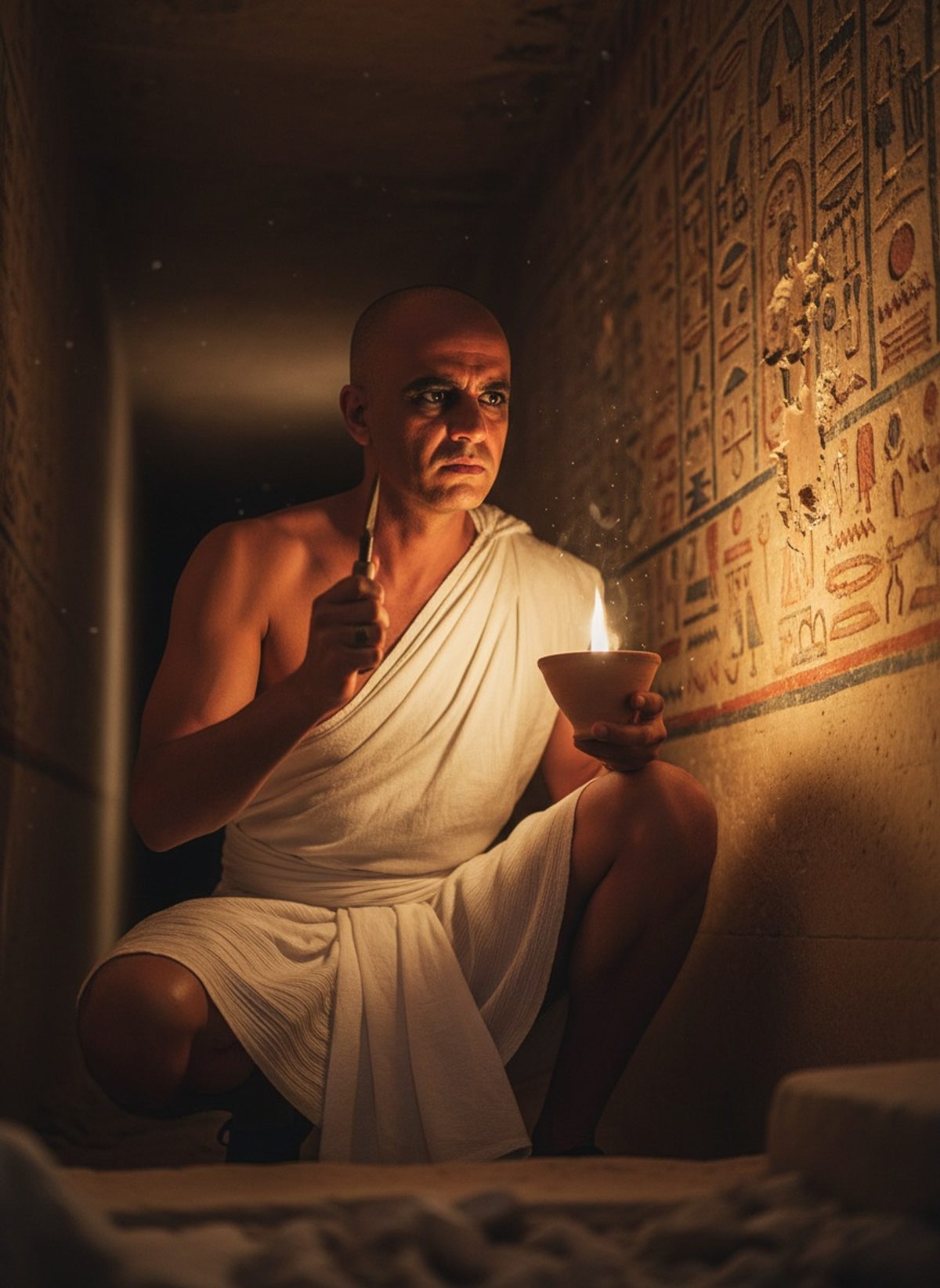
Egypt. 1330 BCE. A royal tomb sealed and untouched. Inside, a king's face. But the cartouche was altered. Chiselled over. Someone had replaced another name. The original was gone. Almost.
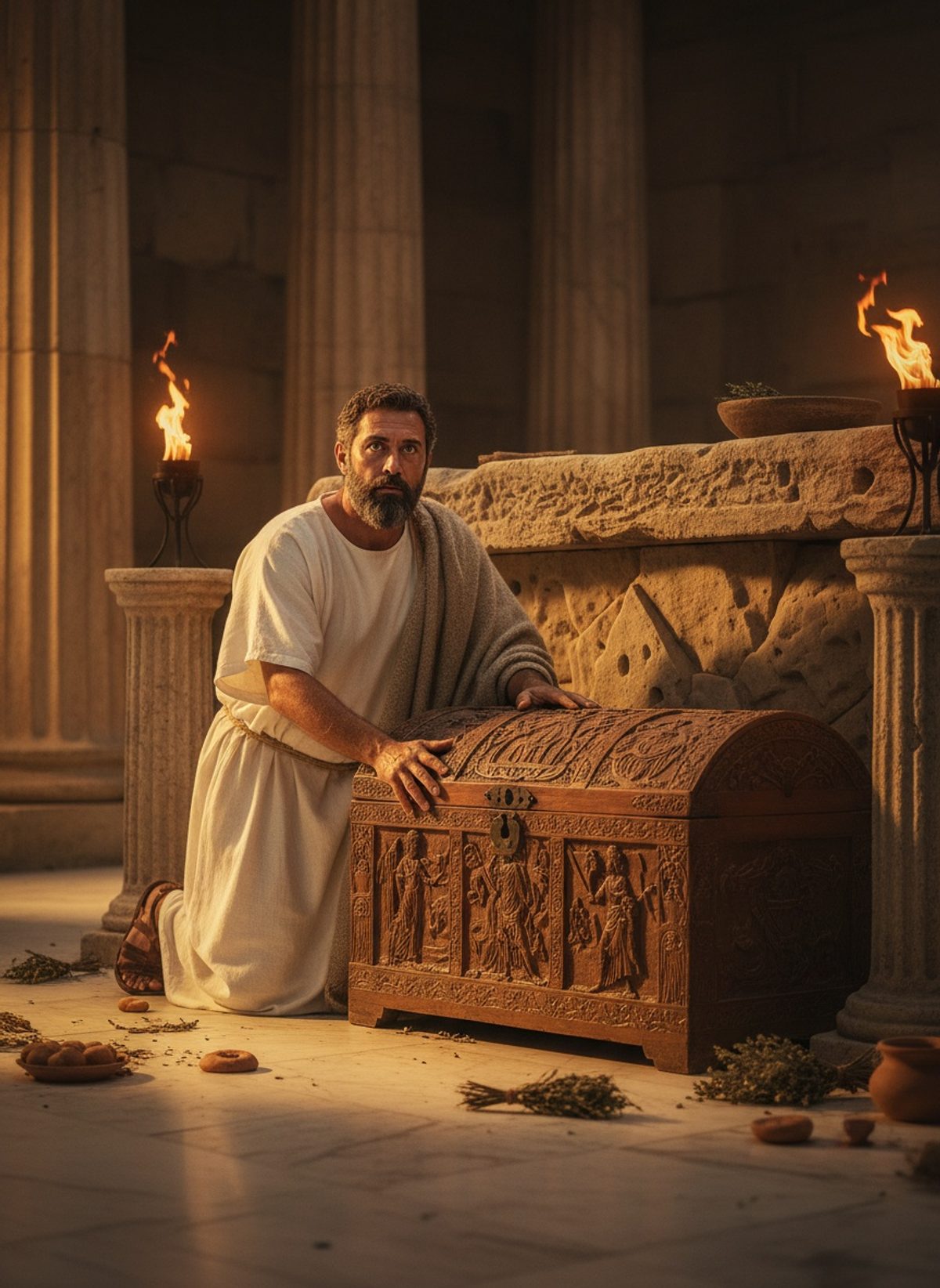
Corinth, 655 BCE. A wooden chest was placed in the sanctuary of Hera. Inside was a child. The child became a tyrant. The chest became a legend. It survived him.
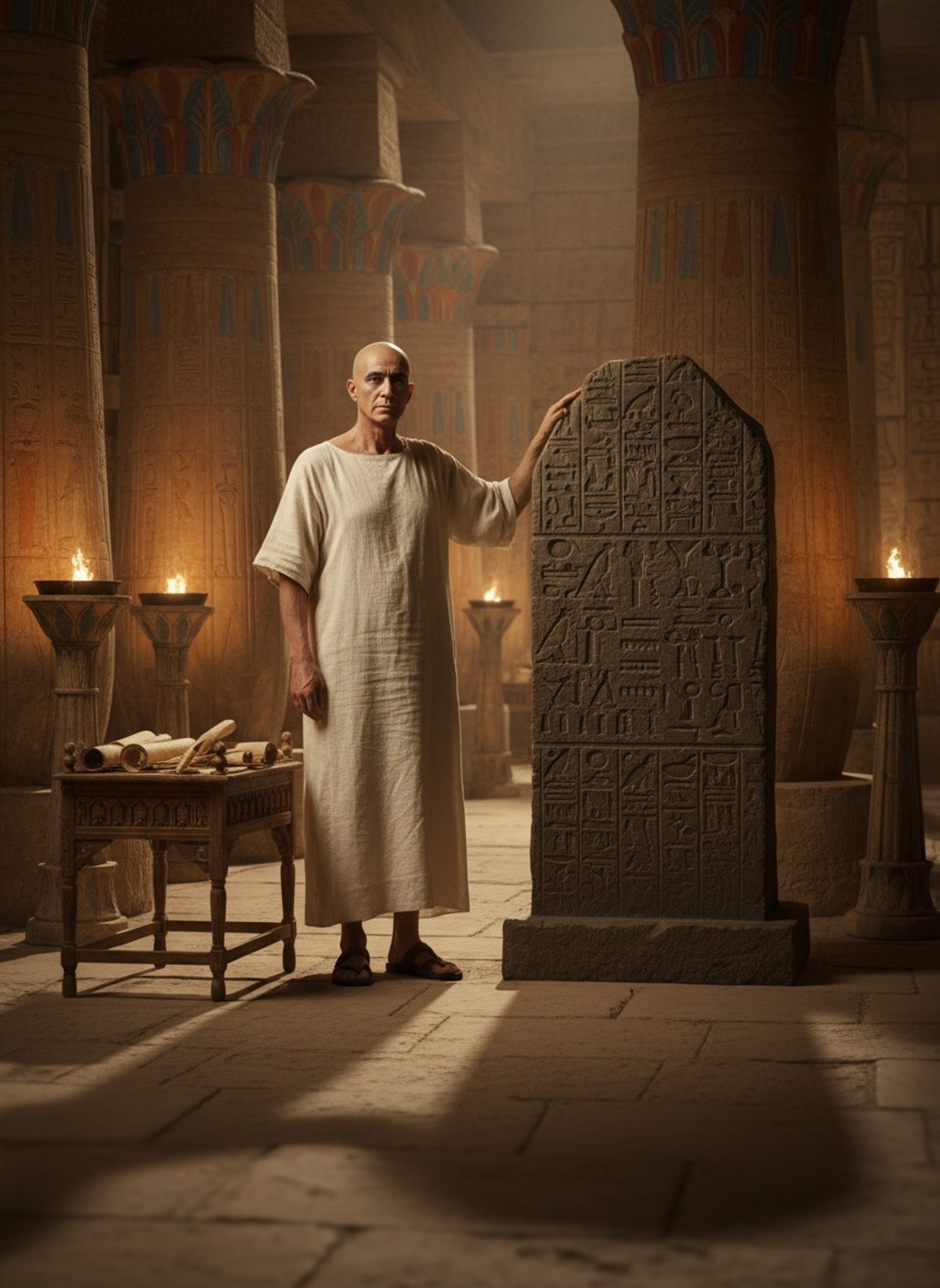
196 BCE. A black stone. Three languages. One decree. Priests carved it to honor a king. Then Egypt fell silent. Seventeen centuries passed. A French soldier found it in the dirt. The world held its breath.
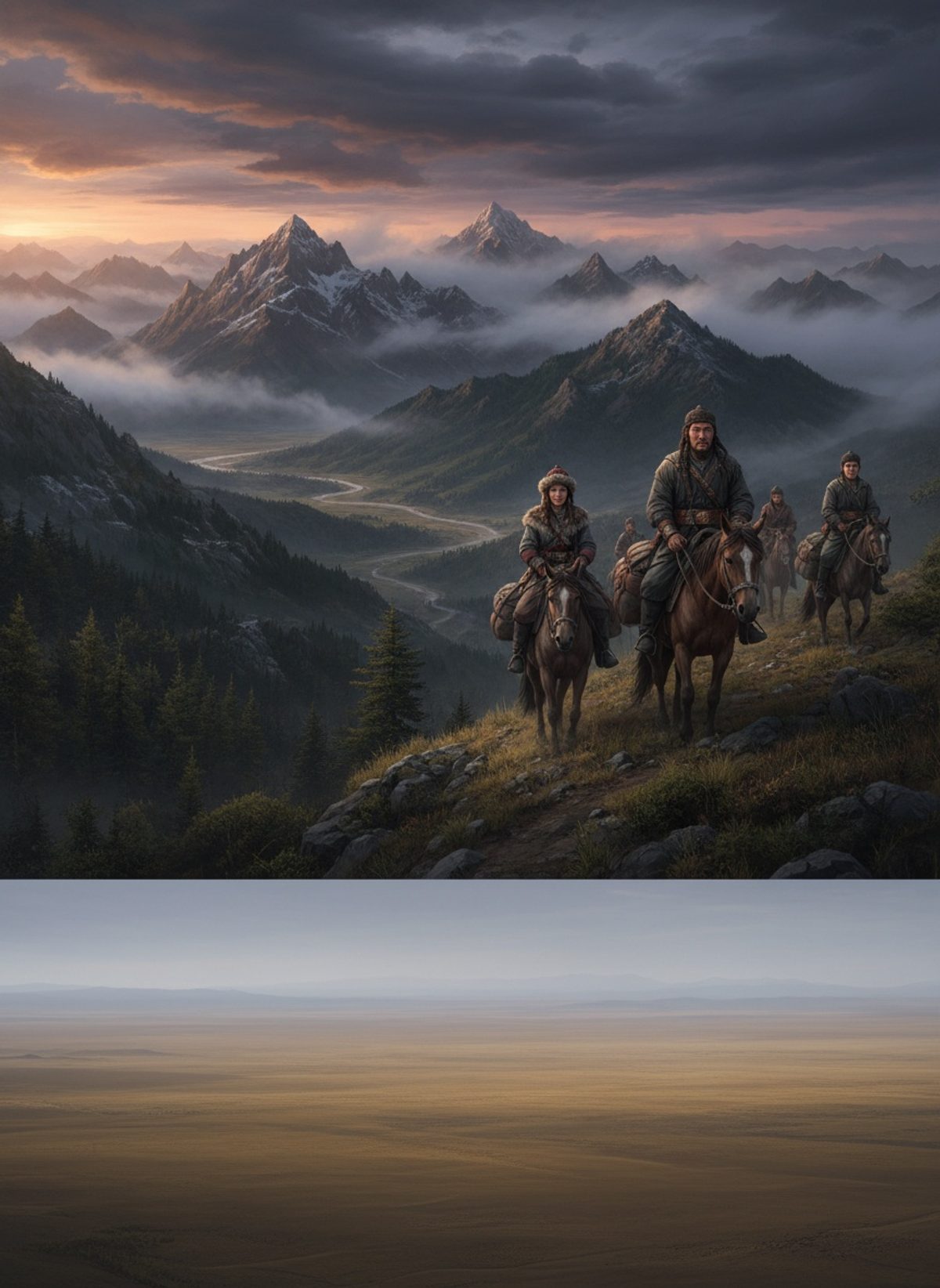
A thousand soldiers reportedly slaughtered everyone they met to conceal the burial site of the universal ruler.
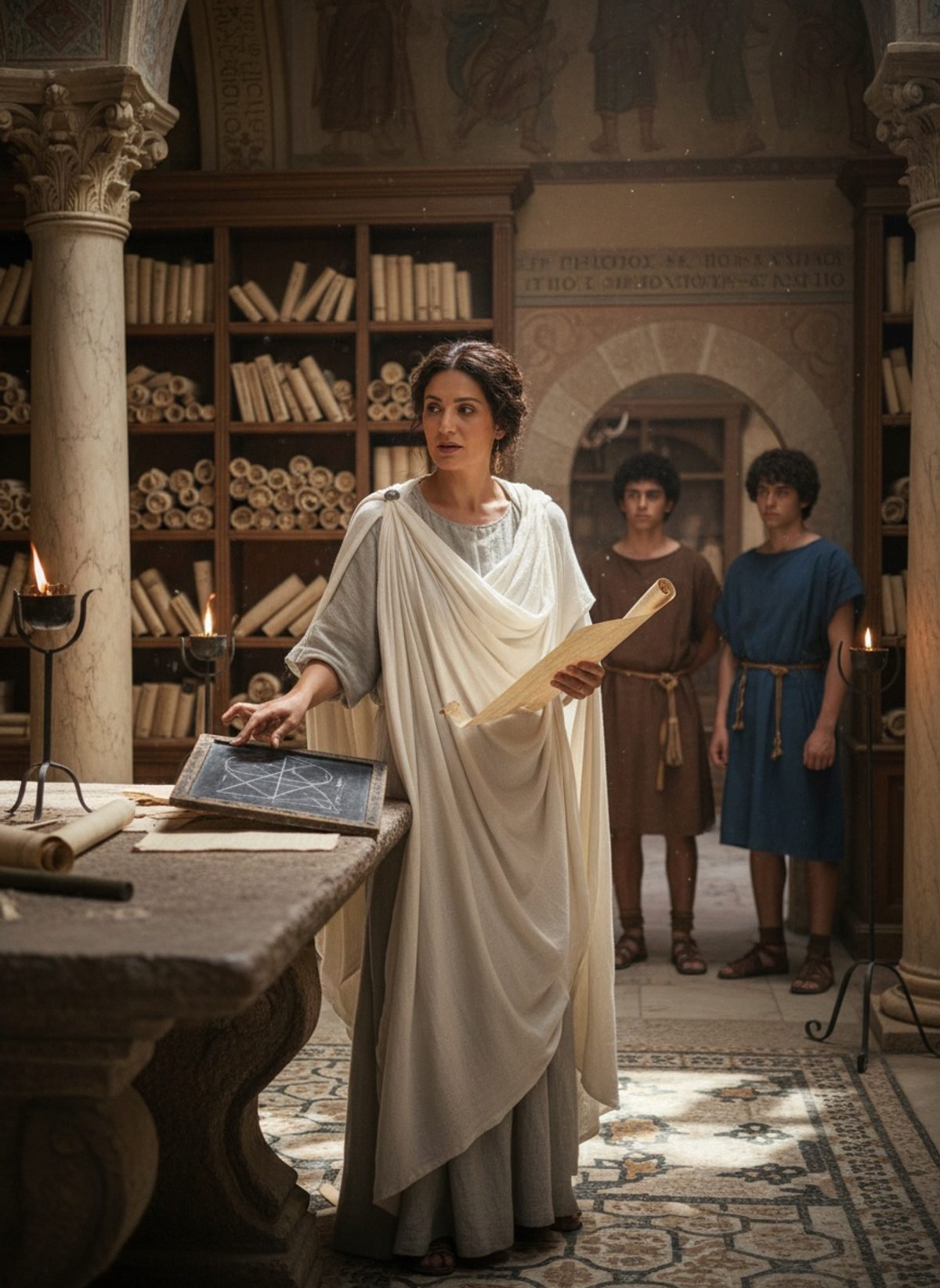
Hypatia taught math, astronomy, and philosophy in Alexandria. She answered to no one. Then the mob came. Her books vanished. But not everything was lost.
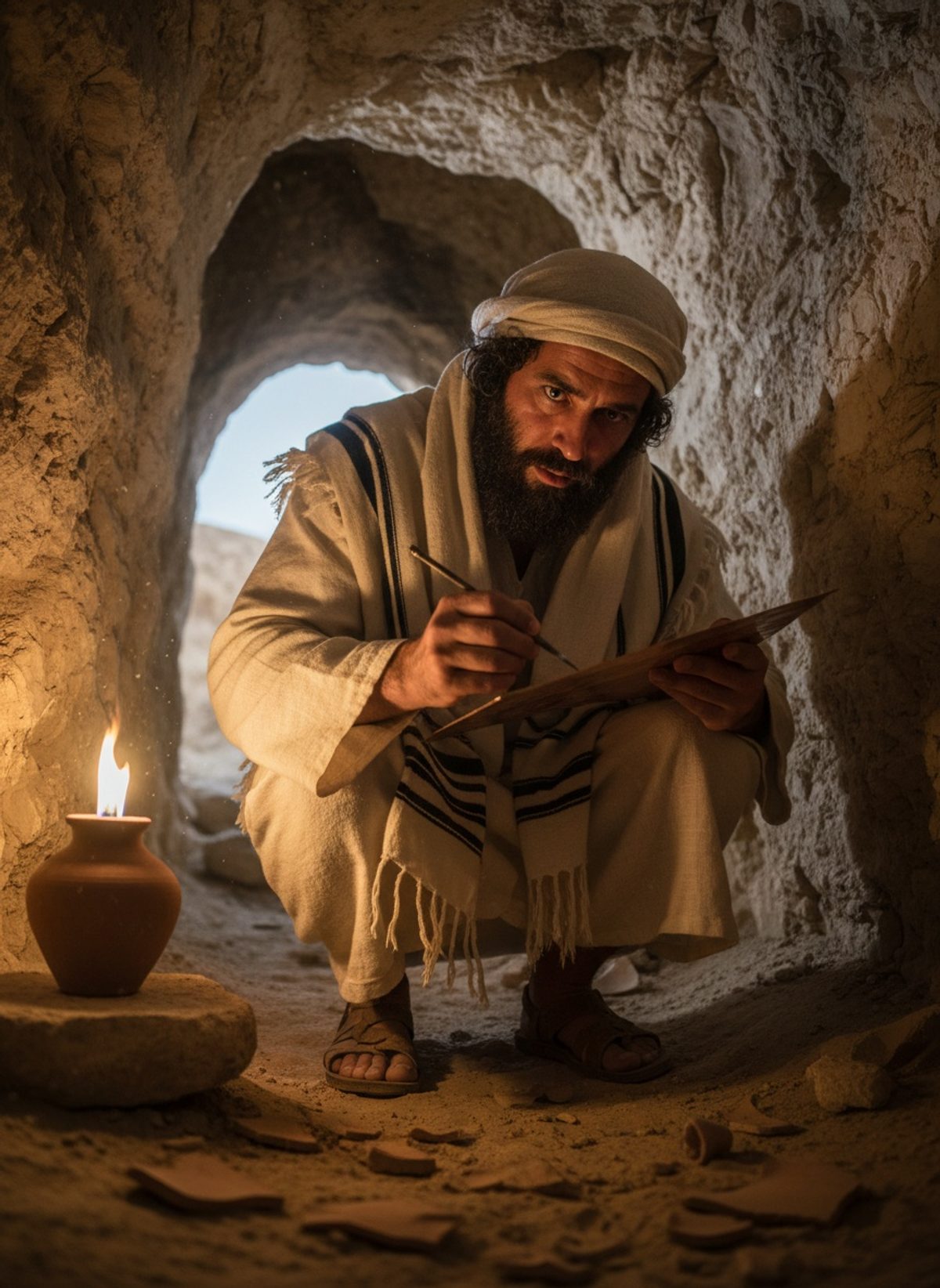
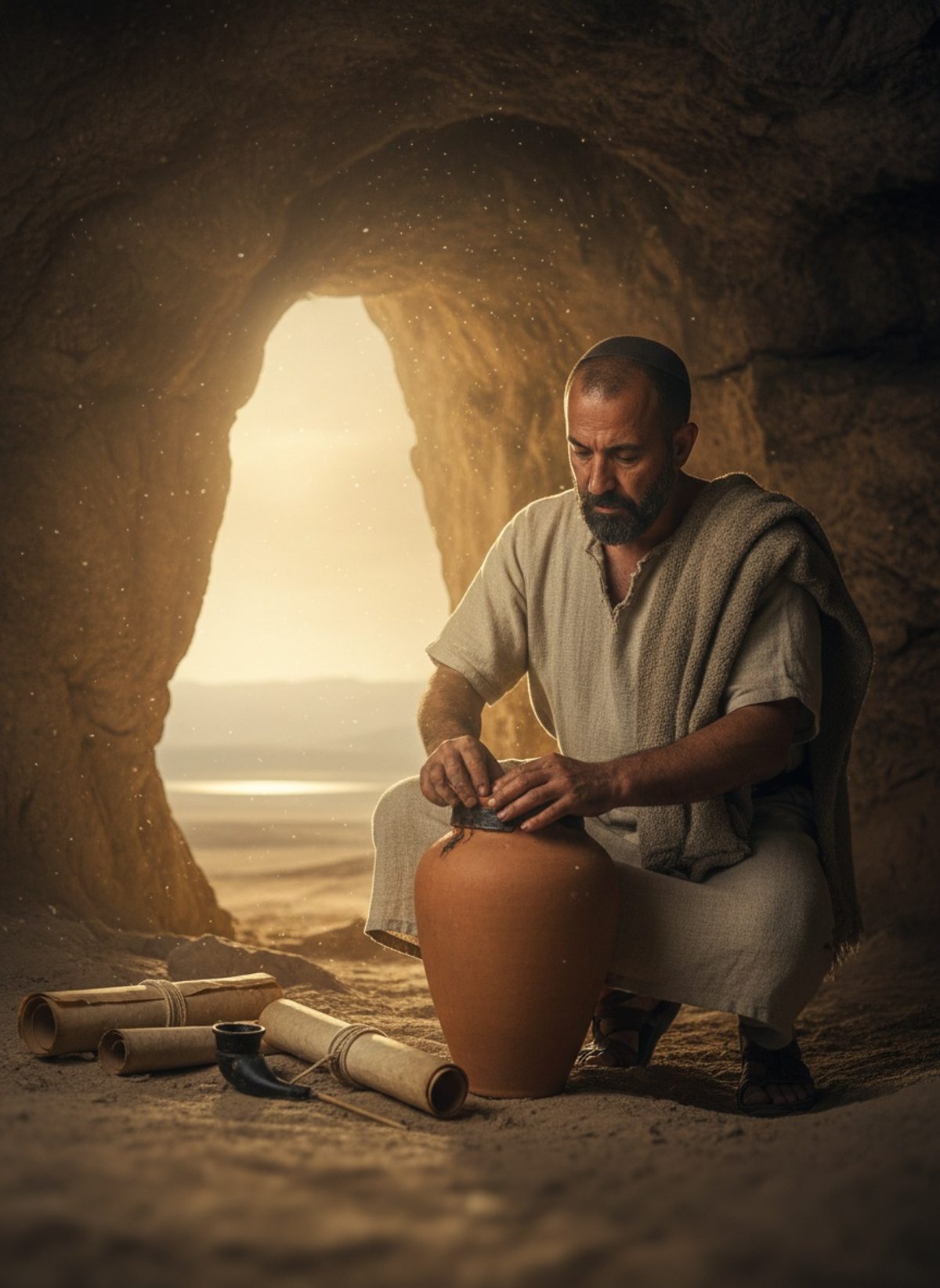
68 BCE. A man hid a scroll in a clay jar. He sealed it with pitch. Then he vanished. Two thousand years later. A shepherd threw a stone. And the ancient world spoke.
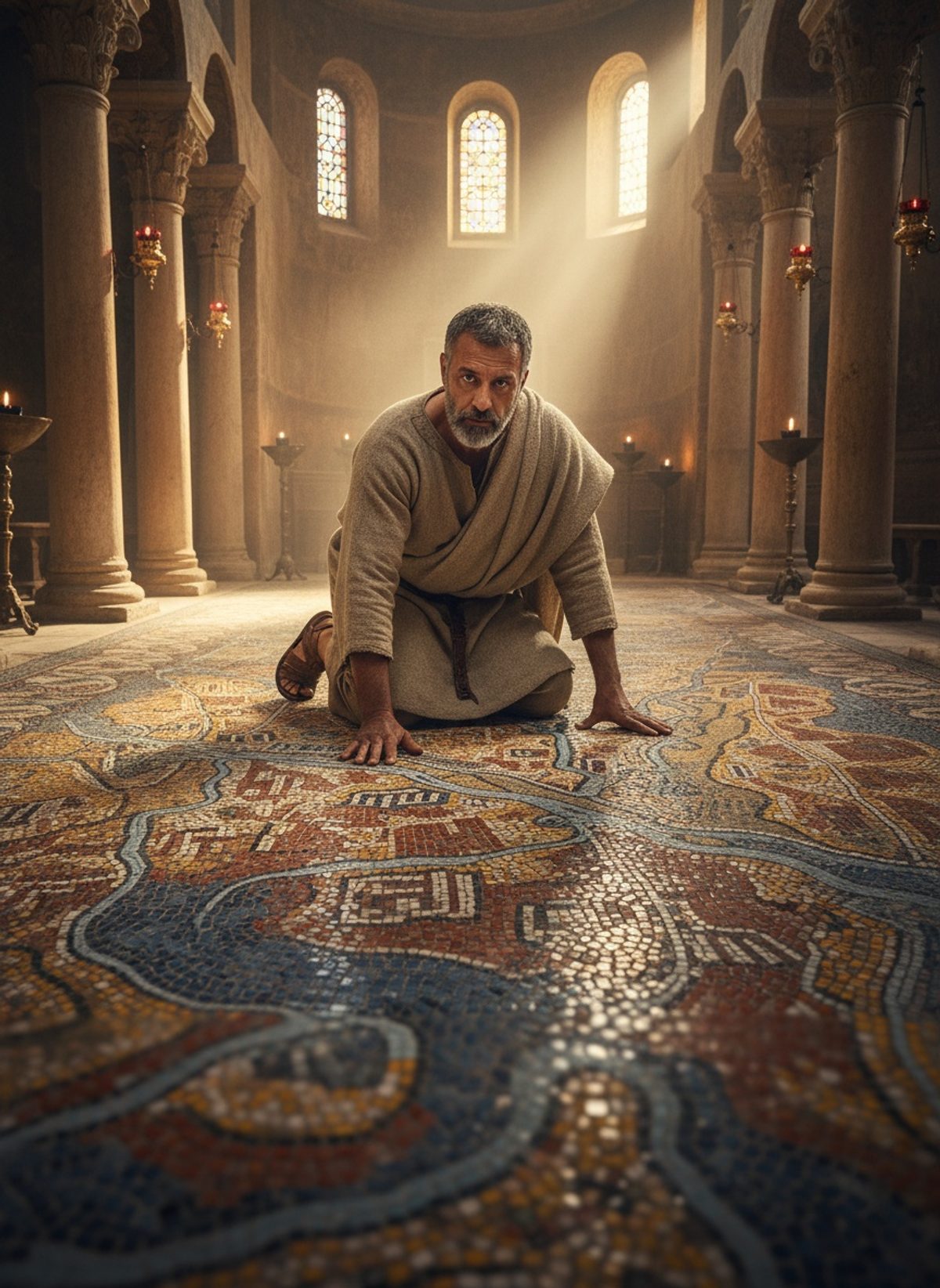
560 CE. A mosaic floor in Madaba, Jordan. Beneath decades of dust lay a map. Every city. Every road. Every river. The entire Holy Land. Drawn in stone. No one knew it existed.
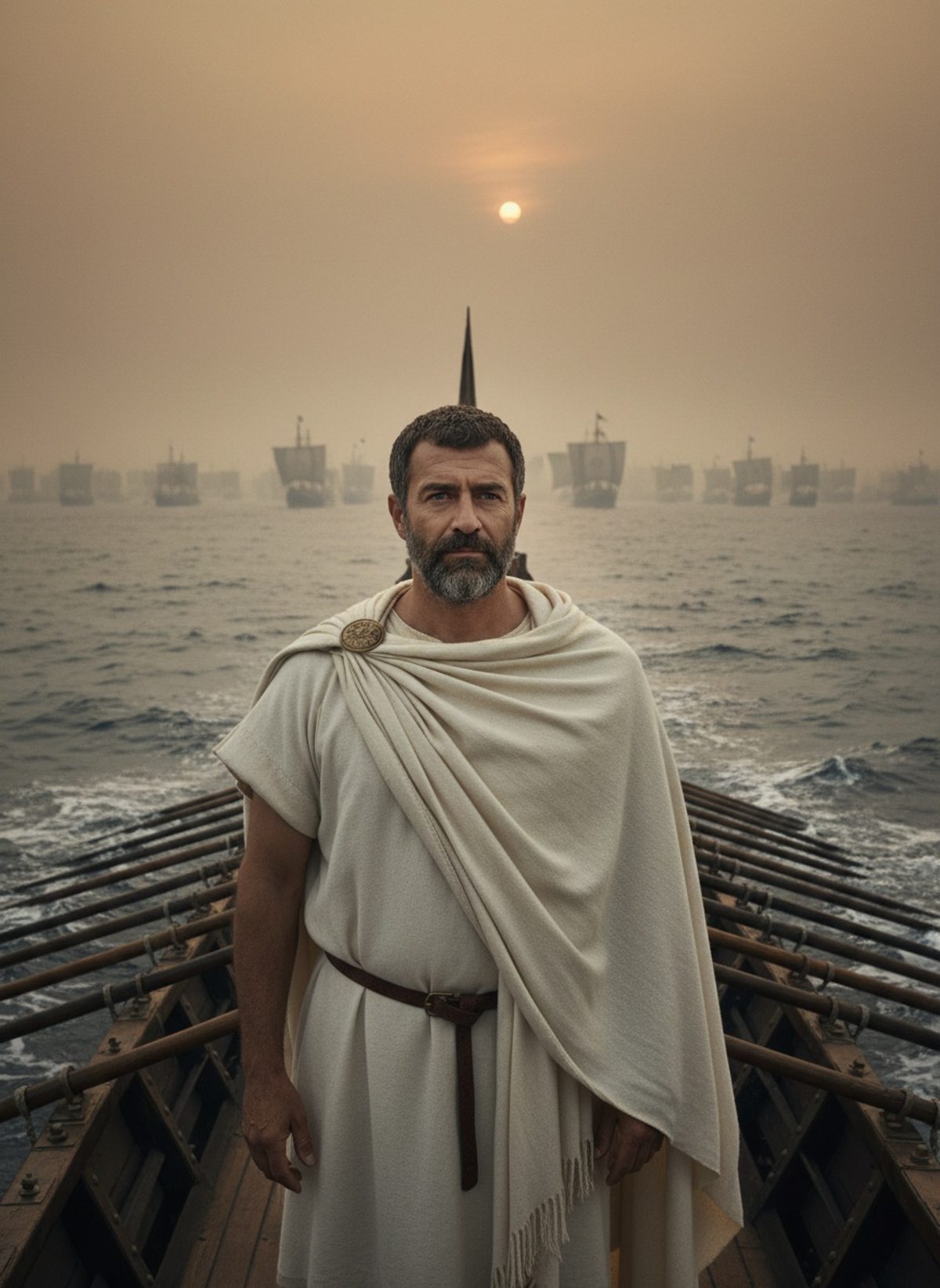
480 BCE. Persia was coming. Athens consulted Delphi. The oracle said the city would fall. One man read the prophecy differently. He said the wooden walls meant ships. Athens listened. They burned their own city. And won.
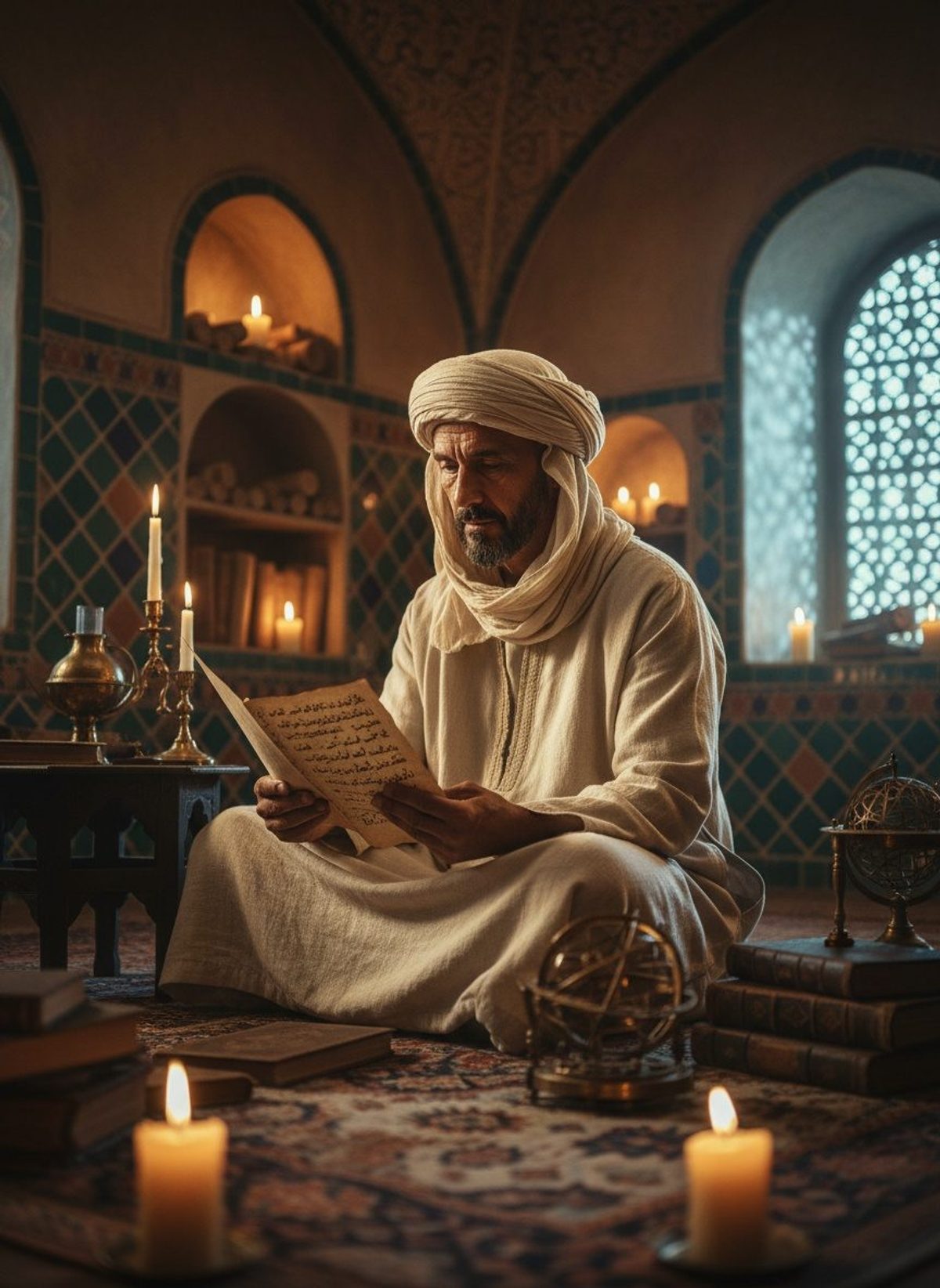
Baghdad's House of Wisdom held centuries of knowledge. When fire and war threatened, one scholar had already committed entire libraries to memory. Some texts survived only inside a single human mind.
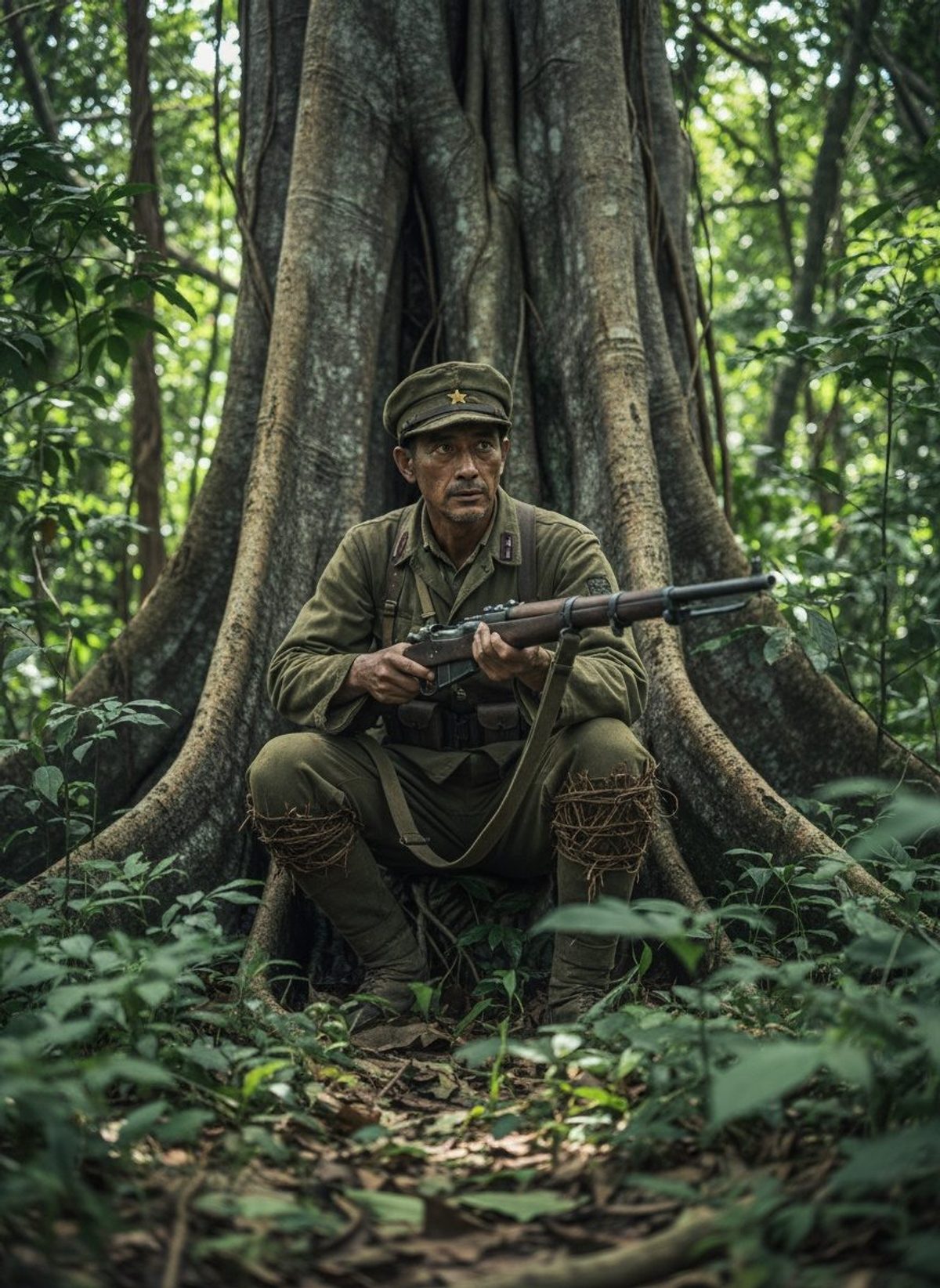
WWII ended in 1945. Hiroo Onoda never got the order. He kept fighting in the Philippine jungle for 29 years. One man finally brought him out.
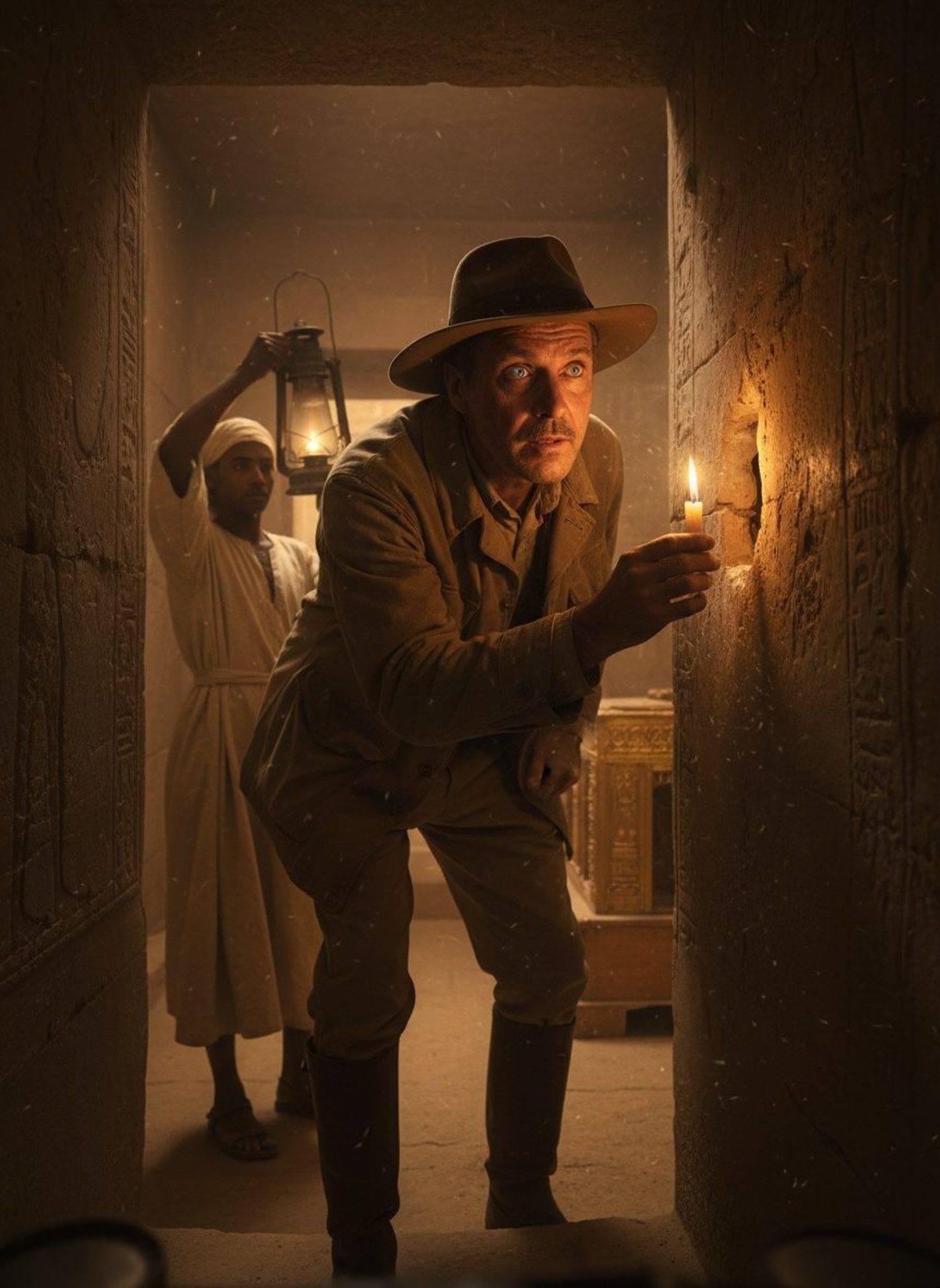
1922. A sealed doorway. Untouched for three thousand years. Howard Carter pressed a candle through the gap. He saw gold everywhere. Then he saw the warning carved above.
In 1854, HMS Resolute was swallowed by Arctic ice and abandoned. An American whaling crew found it drifting — free, intact, impossible. What happened next crossed two nations and changed the White House forever.
She was the most brilliant mind in Alexandria. She taught mathematics, astronomy, and philosophy to anyone who asked. Then a mob dragged her from her chariot. The library never recovered.
Leonardo began the Mona Lisa in 1503. It hung in private collections for 270 years before the French Revolution erupted. The world it was born into barely resembles the world that made it famous.
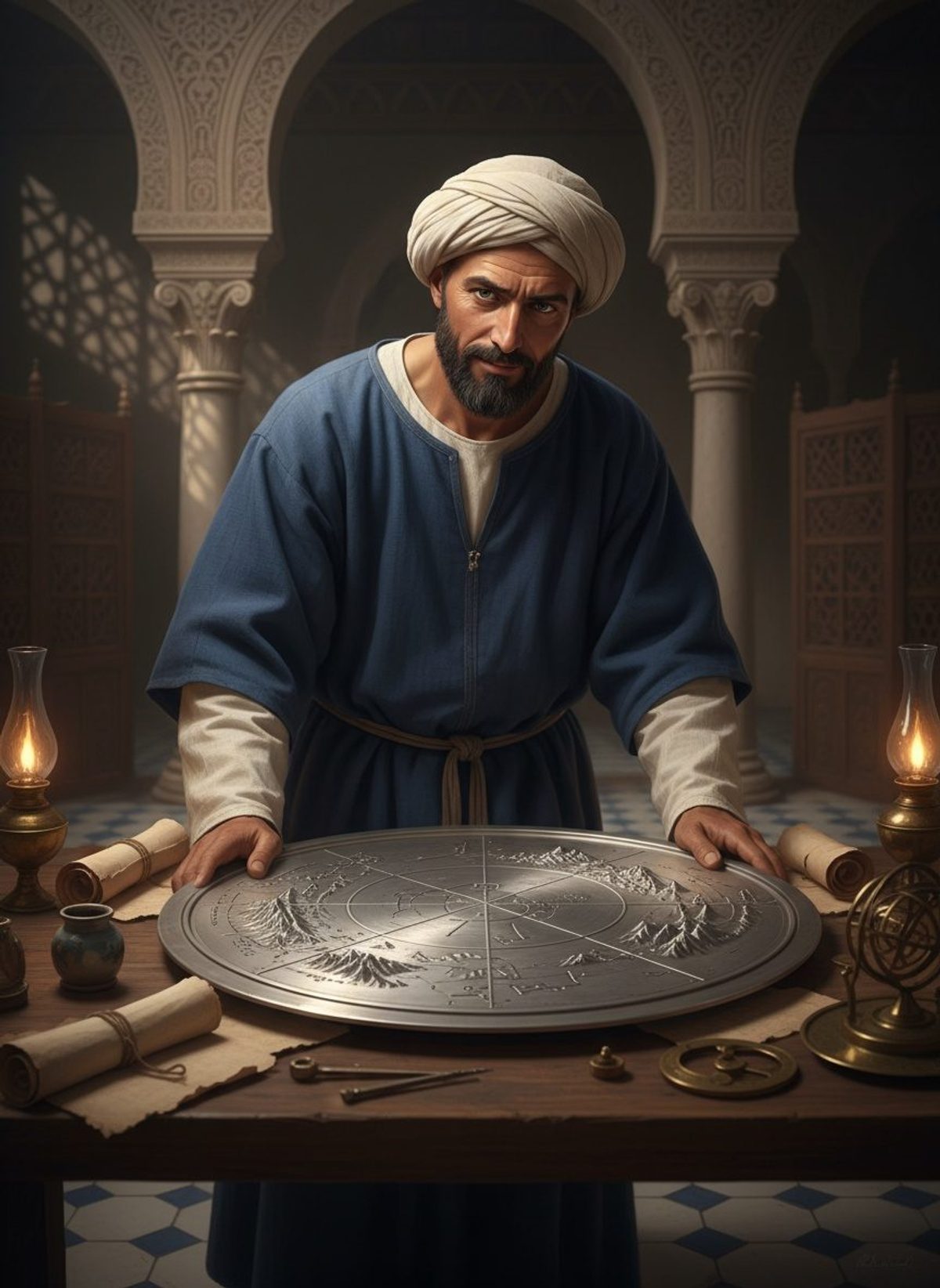
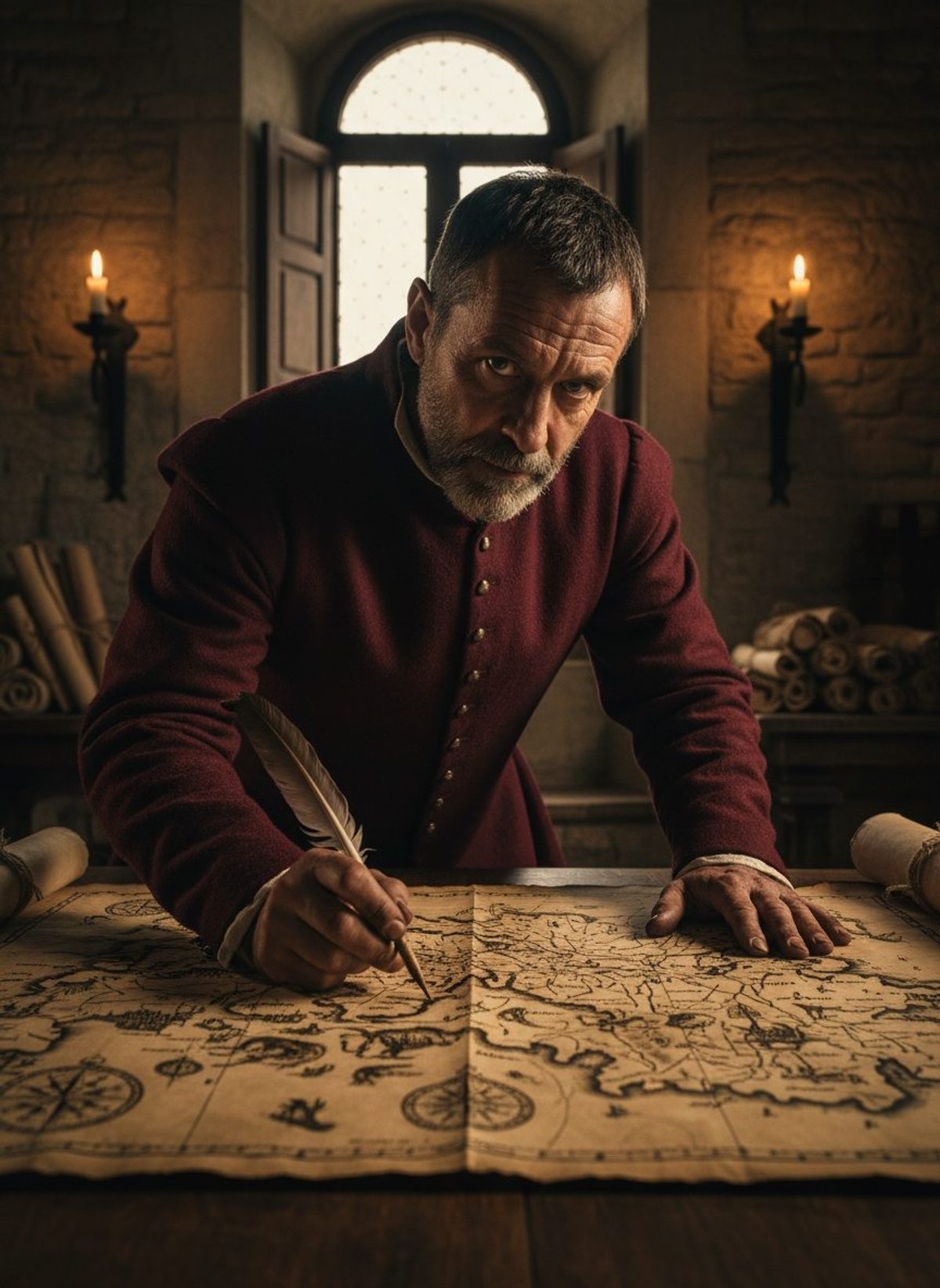
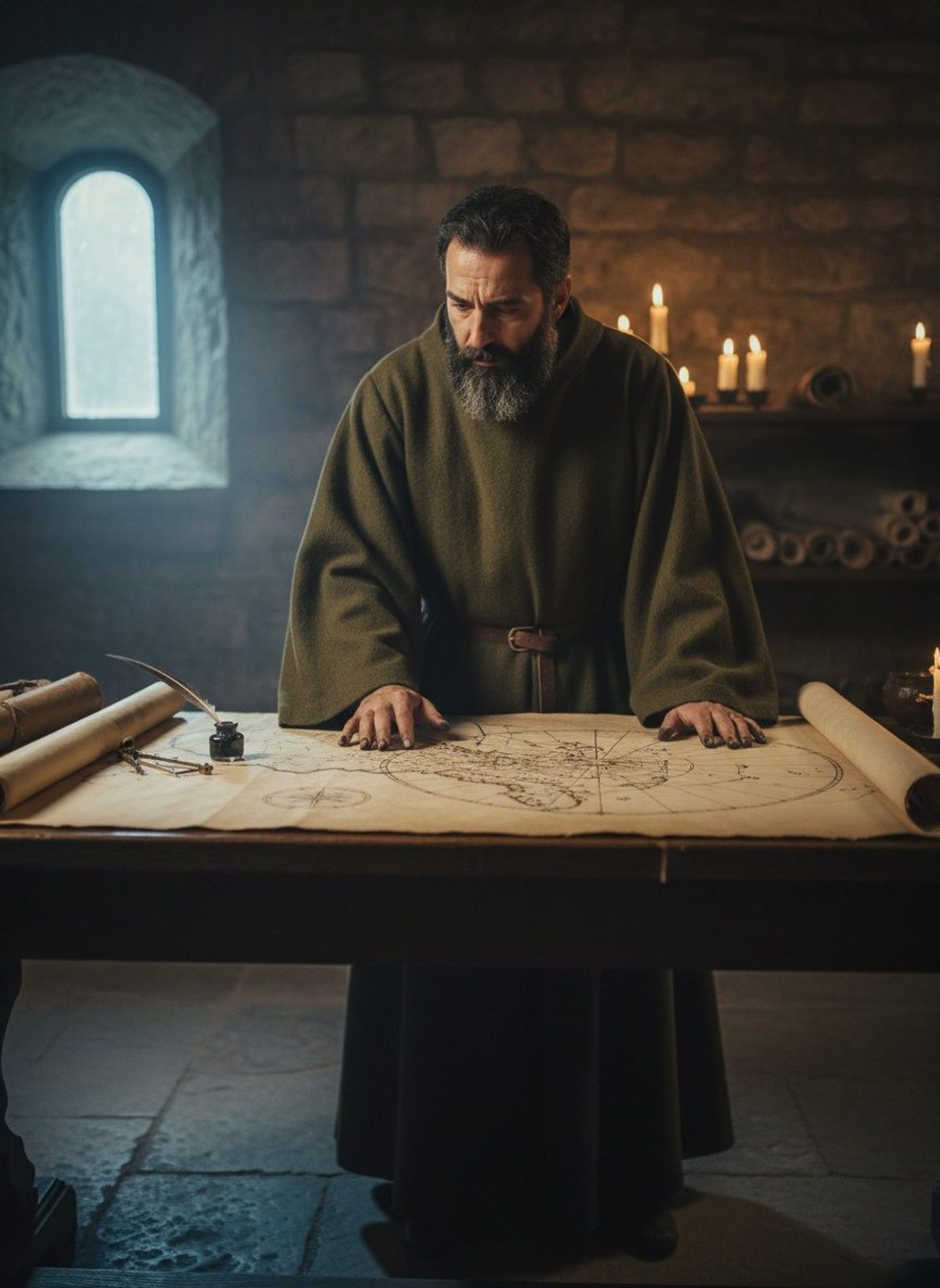
1154 AD. A Sicilian king summoned the world's greatest geographer. Al-Idrisi arrived in Palermo. He spent fifteen years drawing a map. It showed the world as no one had seen it. Then it disappeared.
She debated Rome's greatest minds and won. She predicted futures no one had seen. When asked who taught her, she said she could not remember learning at all.
Across 5,000 years of history, one question never gets old. Cleopatra? Genghis Khan? Tesla? The table only seats one. Who takes the chair?
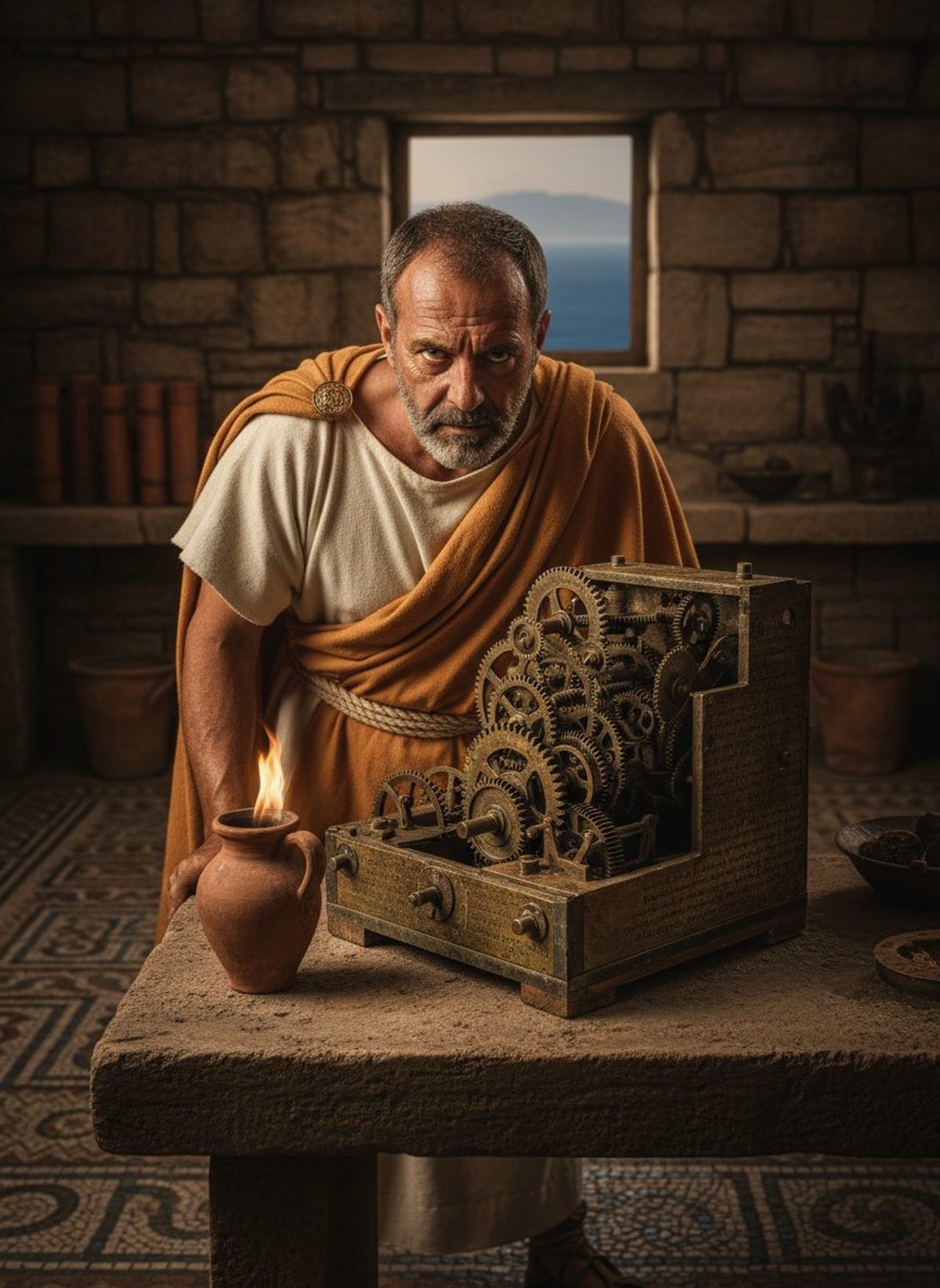
87 BCE. A Roman shipwreck sank off Antikythera. Inside: a lump of corroded bronze. Two thousand years later, scientists opened it. It was a computer. Built to predict the movements of every planet. Nobody knows who made it.
Around 1300 BCE. A merchant ship sank off Cape Uluburun. It carried copper from Cyprus. Glass from Egypt. Tin from Persia. Every great civilisation. One wreck. No one knows where it came from.
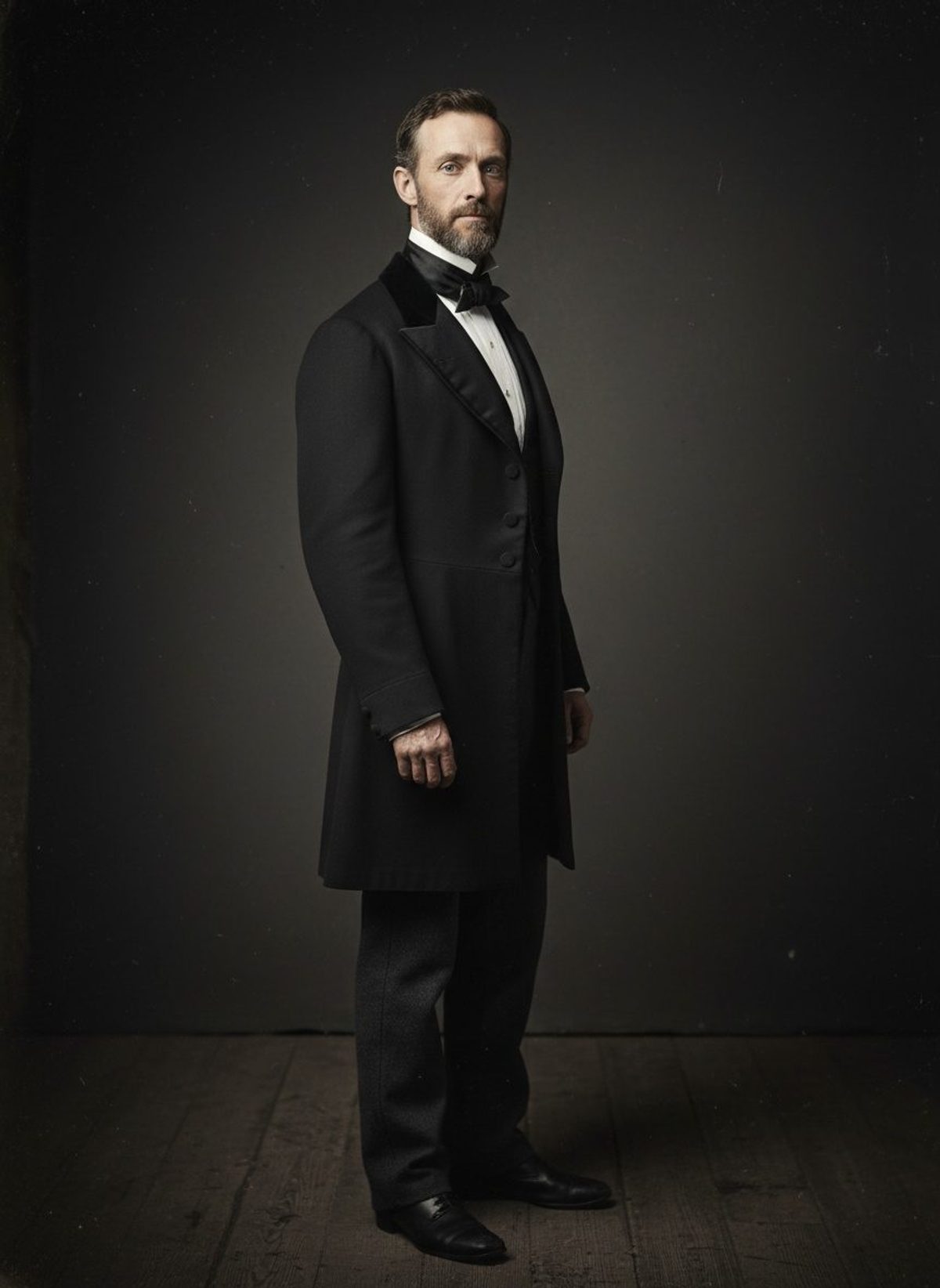
Abraham Lincoln died in 1865. But his face never entirely disappeared. A distant relative carries it still — the same jaw, the same brow, the same unmistakable profile across 160 years.
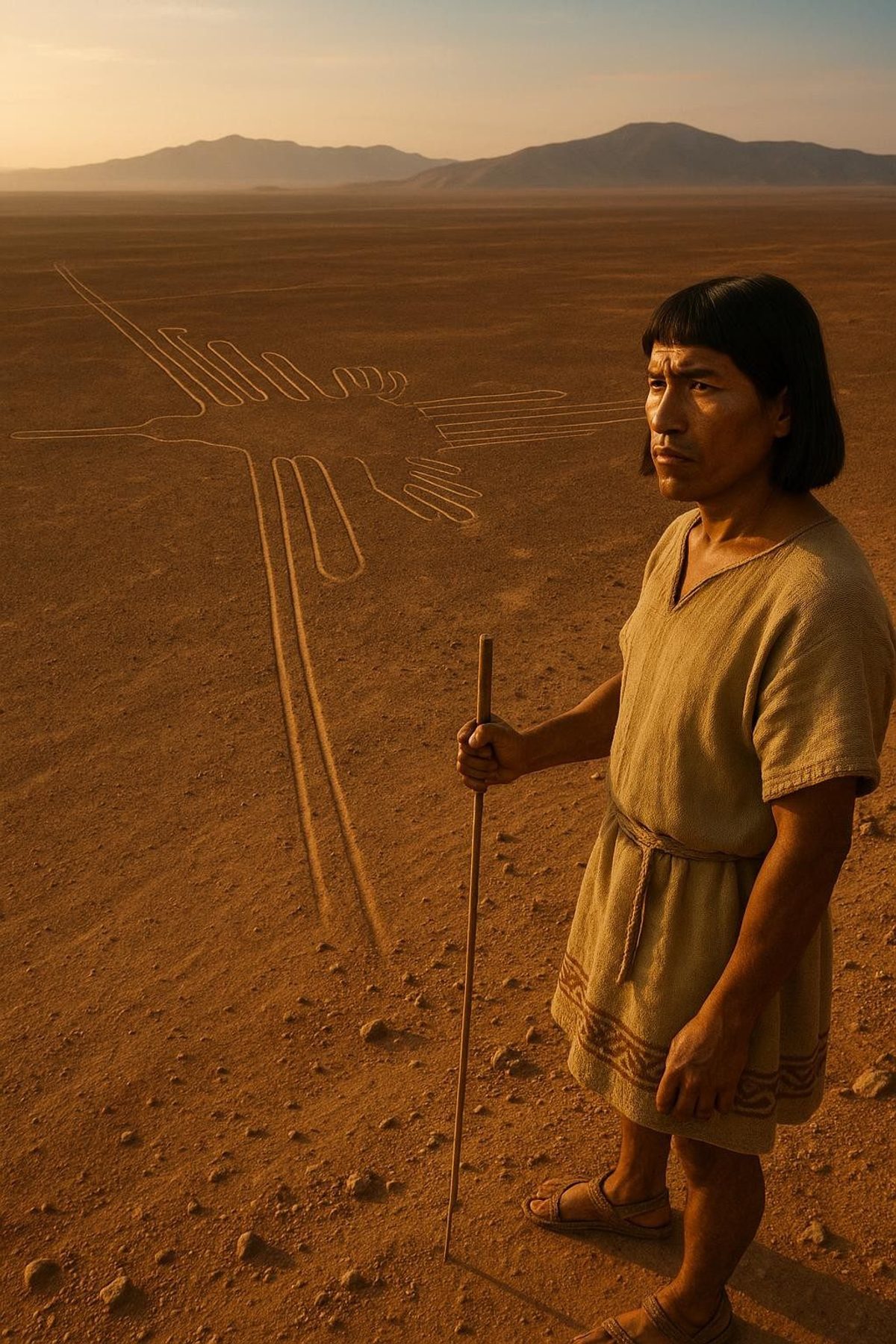
The Peruvian desert. Miles of perfect lines. Carved into rock so precisely they can only be seen from the sky. No ancient civilization had flight. Yet there they are. Waiting.
1901. Sponge divers off a Greek island hauled up bronze fragments. Scientists laughed. Then they looked closer. The gears inside were impossible. Two thousand years old. Nothing like it would exist again for fourteen centuries.
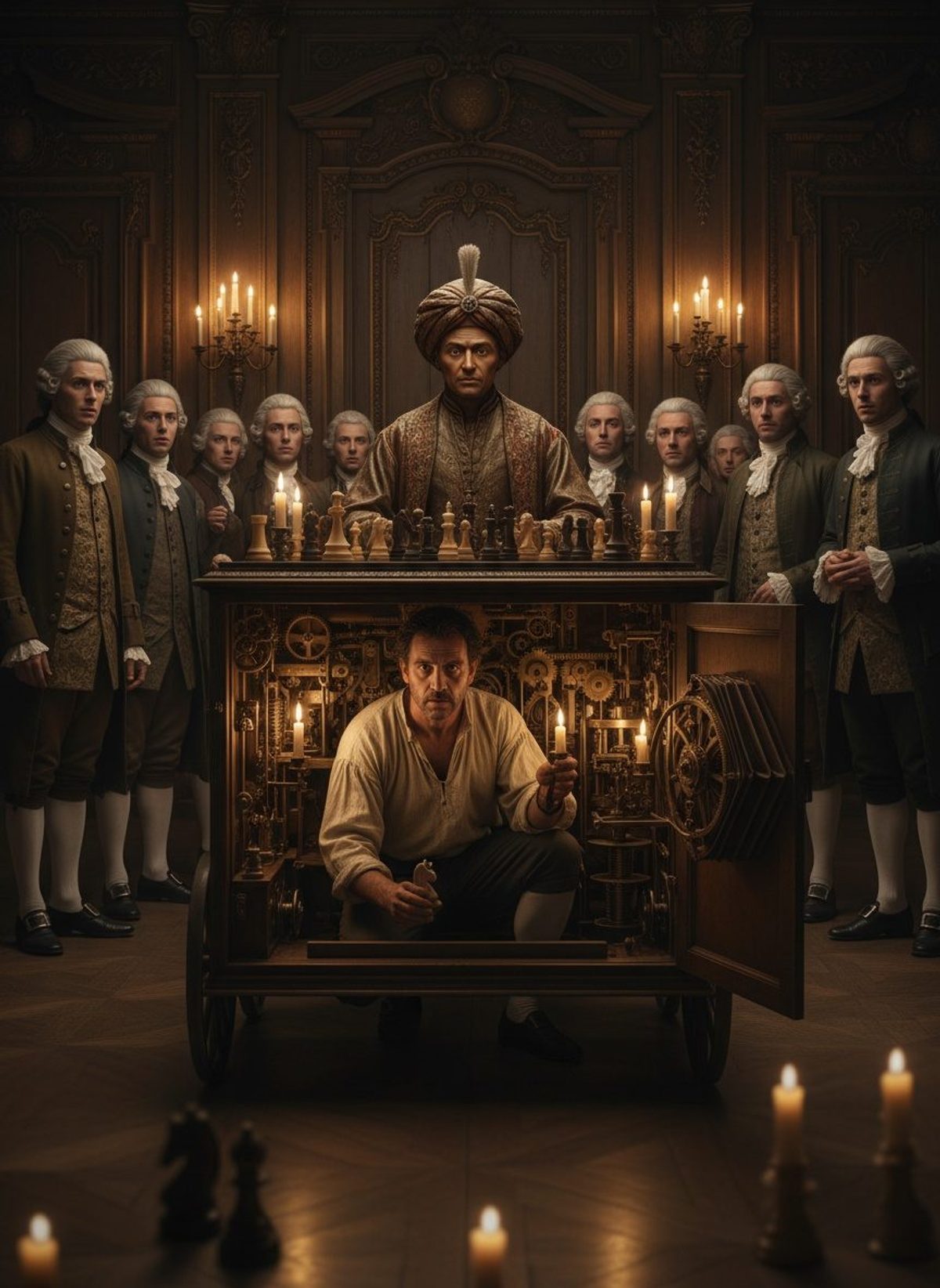
In 1770, a wooden automaton defeated Europe's finest chess players. Crowds called it impossible. The secret lived inside the cabinet — a hidden grandmaster, crouched in silence.
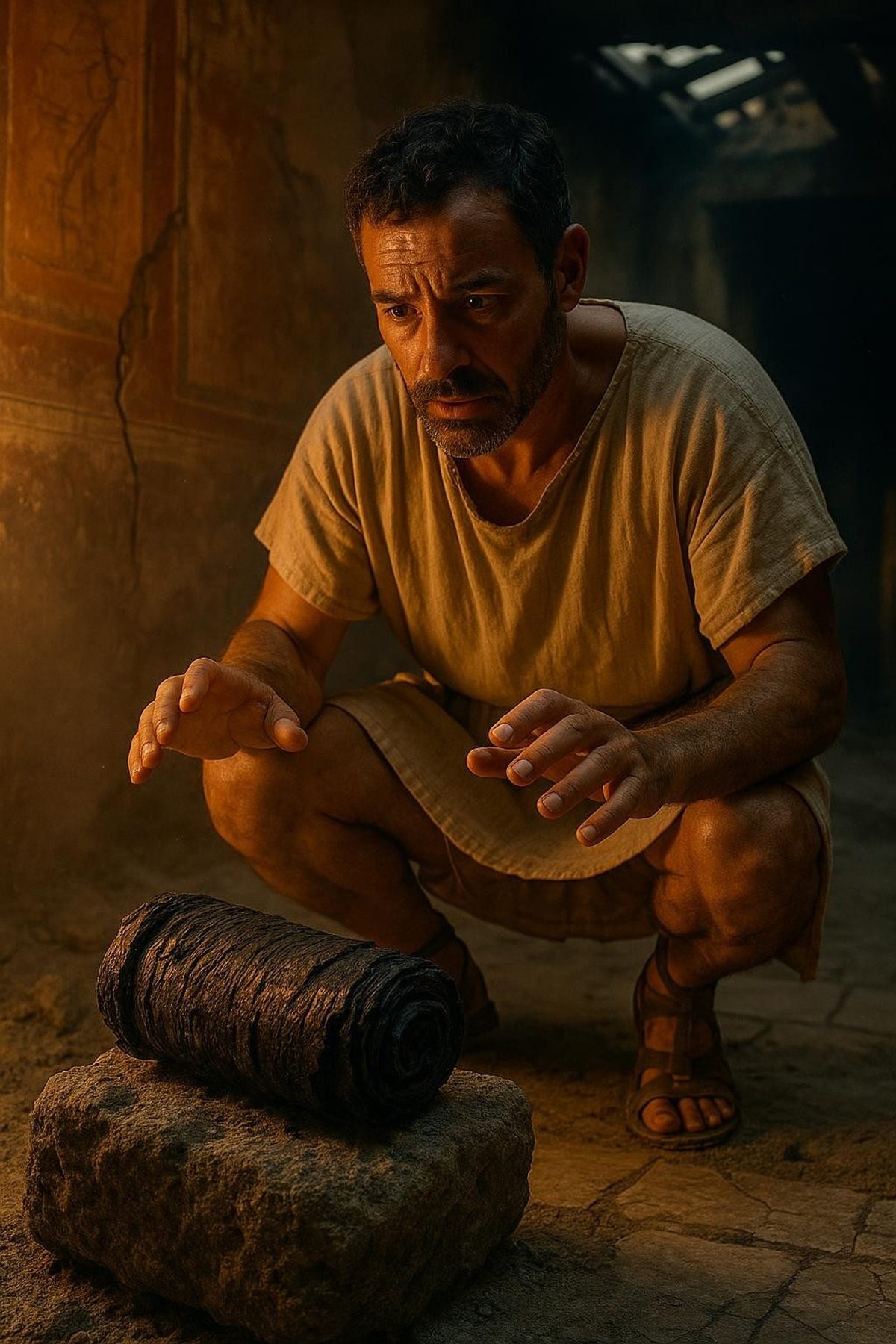
79 AD. Vesuvius buried a library. The scrolls turned to charcoal. For two thousand years no one could open them. Then a machine read the words inside. They were never supposed to survive.
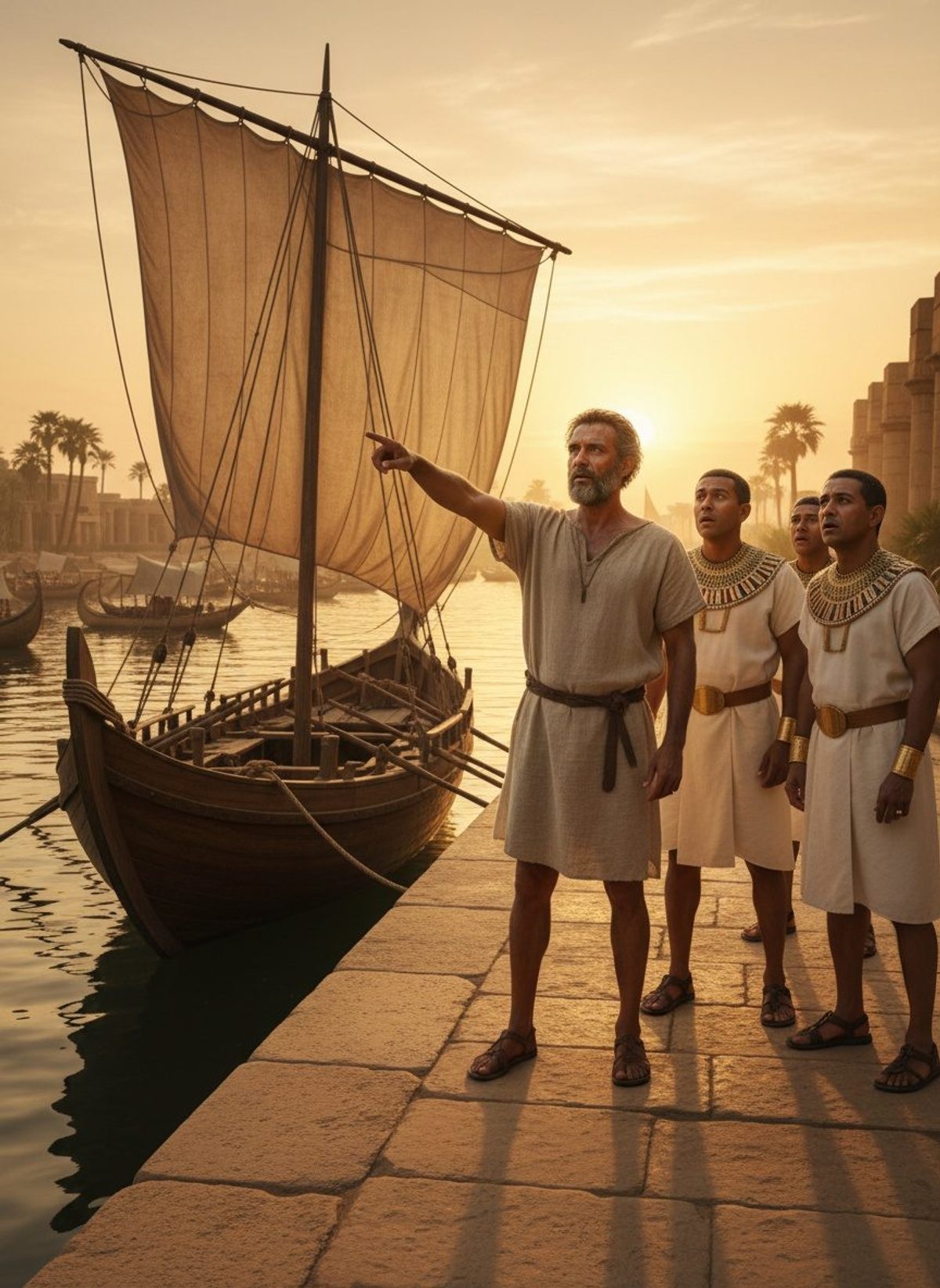
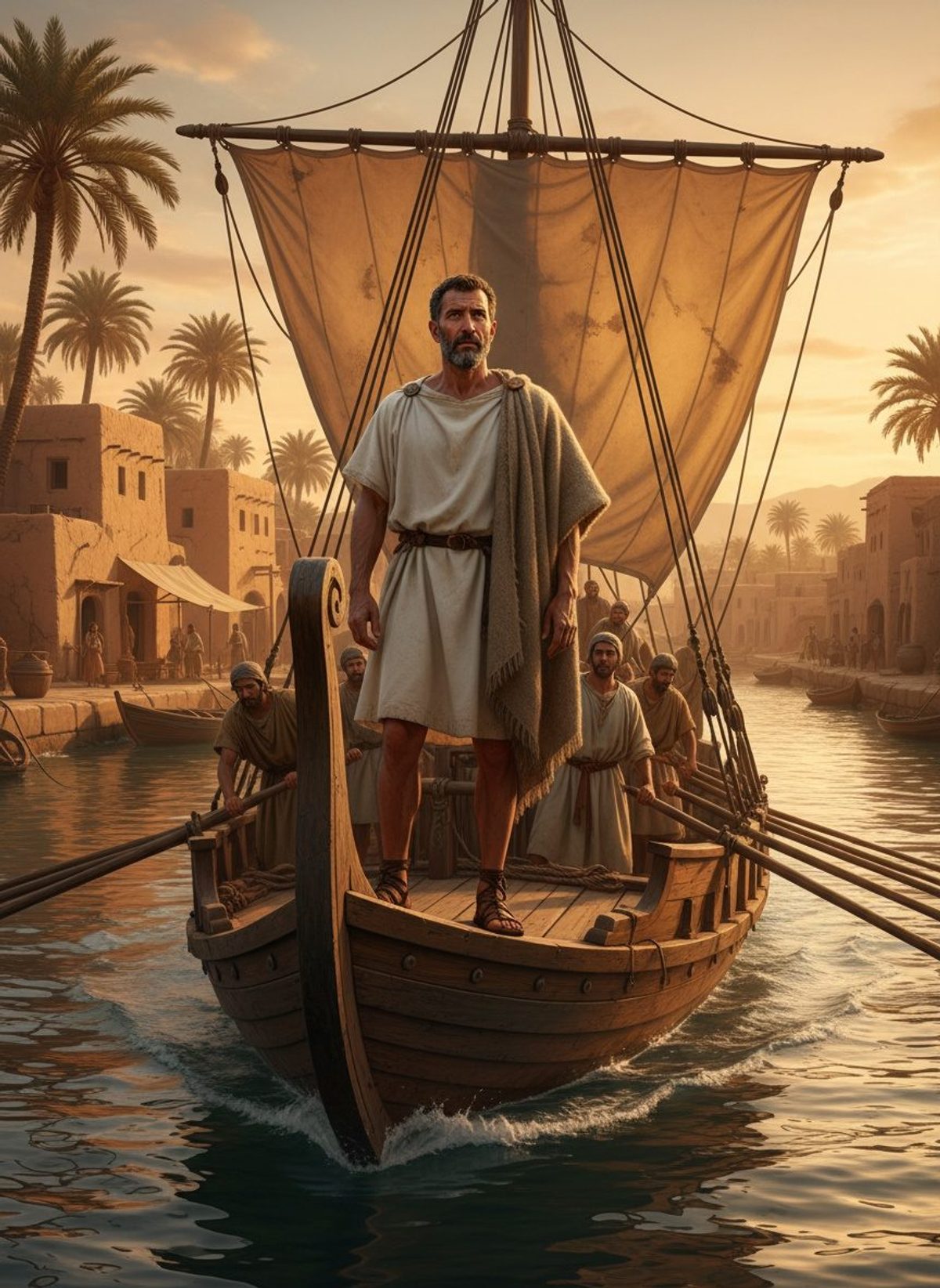
600 BCE. Pharaoh Necho II sent ships south. They sailed around the bottom of the world. Three years later they returned. They said the sun had moved to the wrong side of the sky. No one believed them. That detail proved they were right.
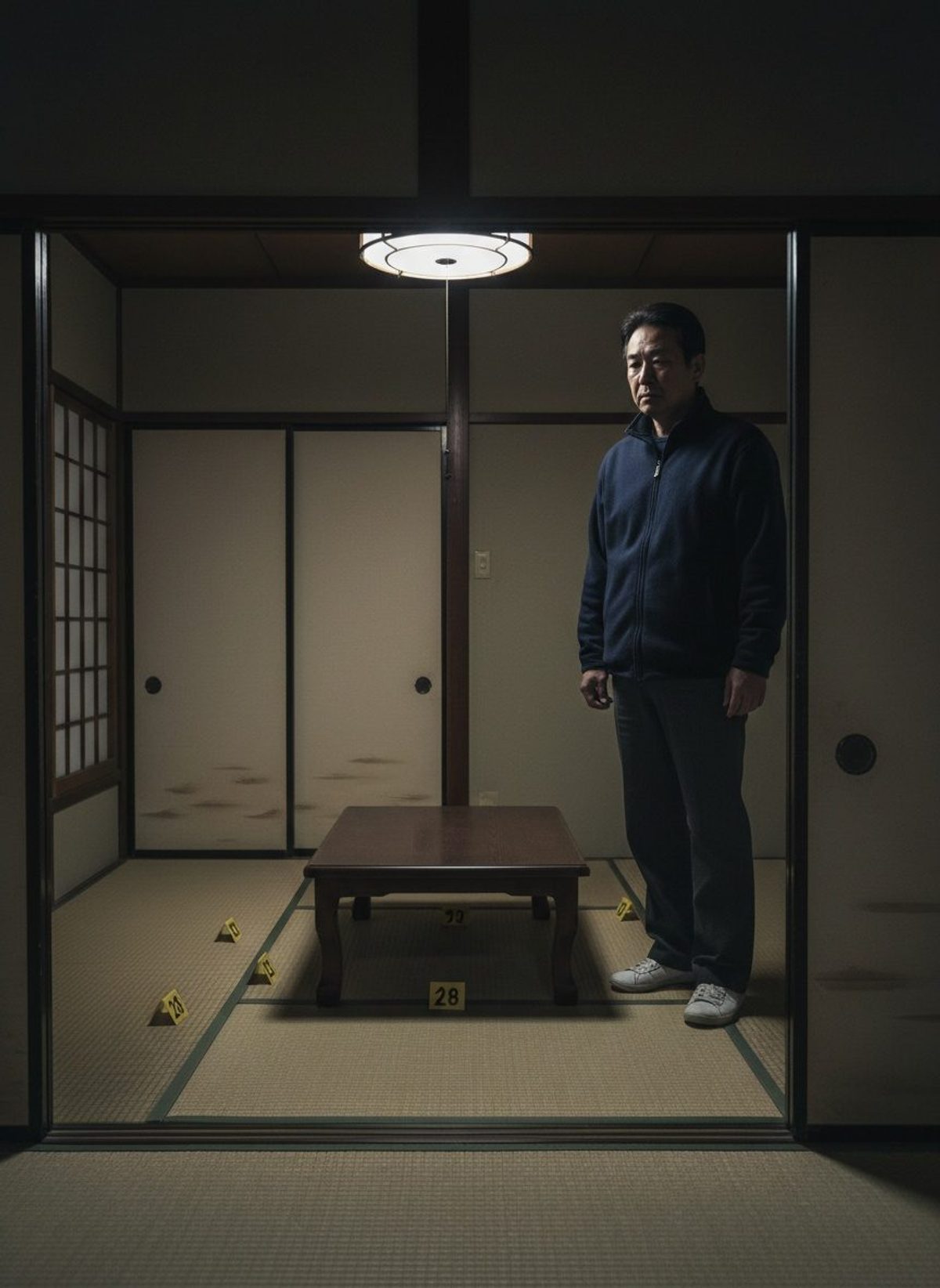
In 1999, Namiko Takaba was murdered in Nagoya. Her killer left blood behind. The science to read it did not yet exist. Her husband refused to let the room change. For 26 years, he paid the rent.
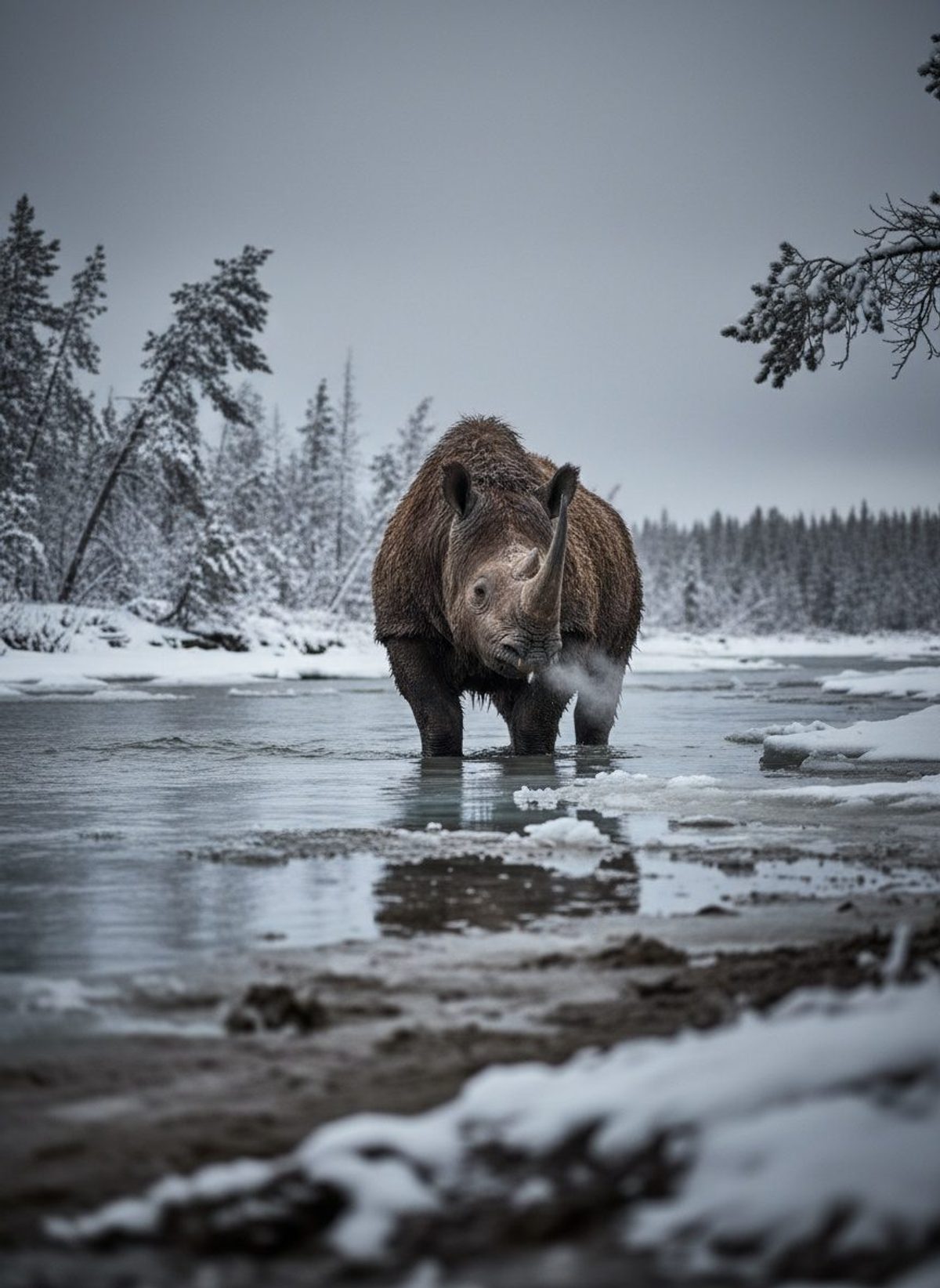
In Siberia, thawing permafrost revealed a juvenile woolly rhinoceros — 90% intact. Fur, skin, horn, soft tissue. All preserved. It died before agriculture existed. Before any known civilization.
Venice. 1440. A map appeared. It showed a vast Atlantic island. Scholars argued for decades. Then Columbus sailed. The island was never found. The map had been invented. One man fooled the world.
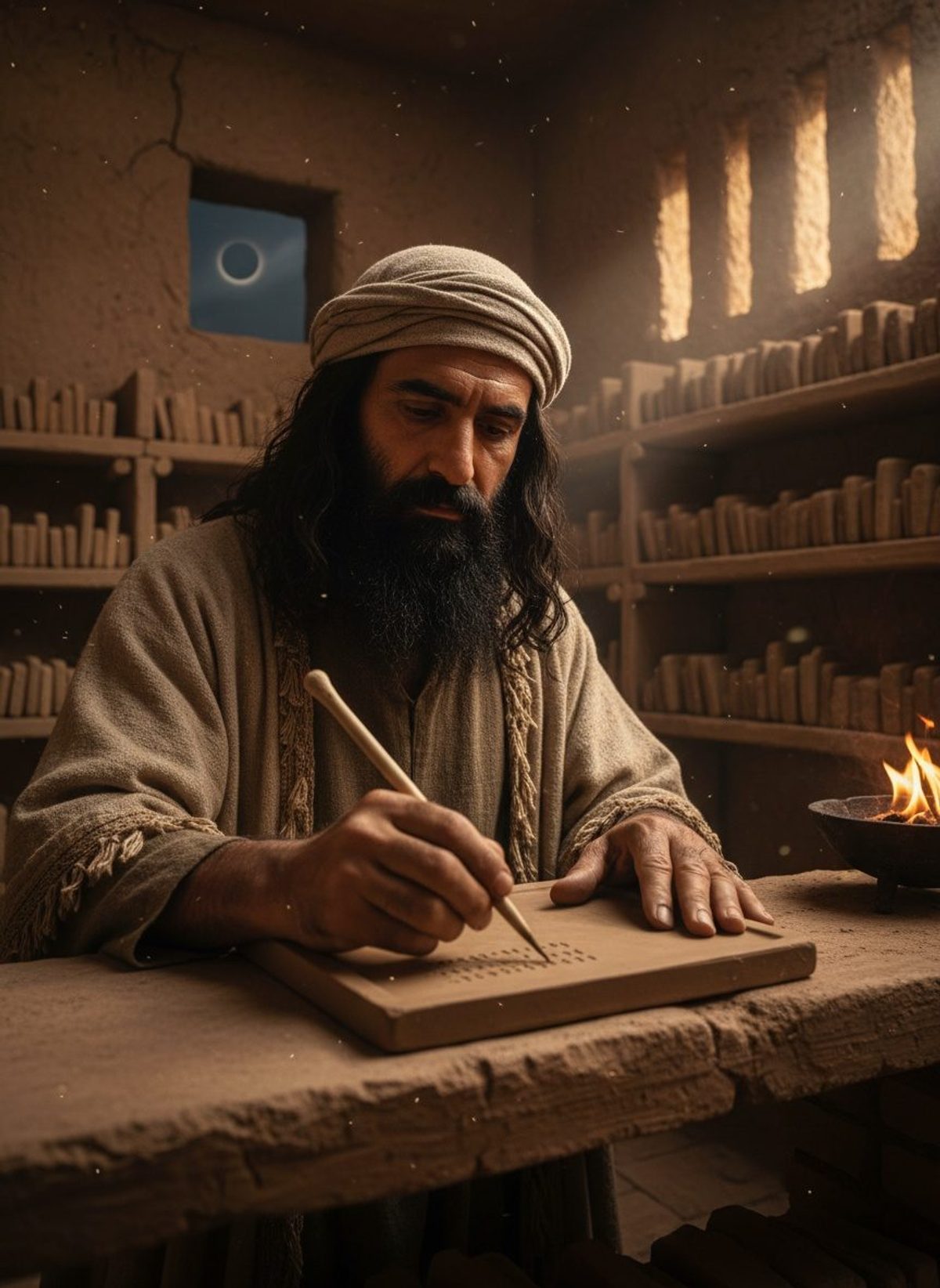
1879. A British Museum curator unwraps a clay tablet. It describes a solar eclipse. The date is exact. It matches a disputed date in the Book of Kings. One small tablet. One ancient sky. One answer the world had argued over for centuries.
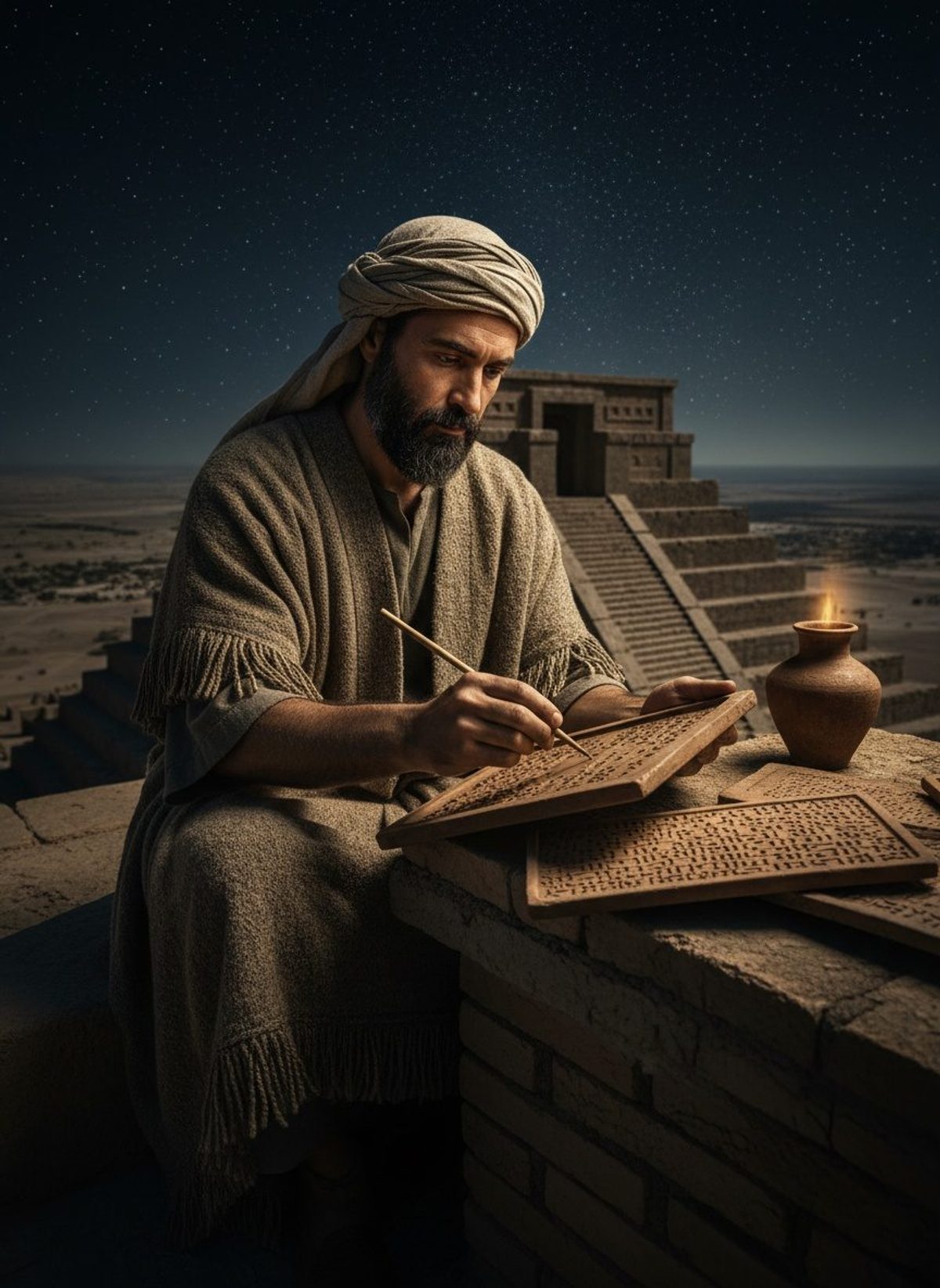
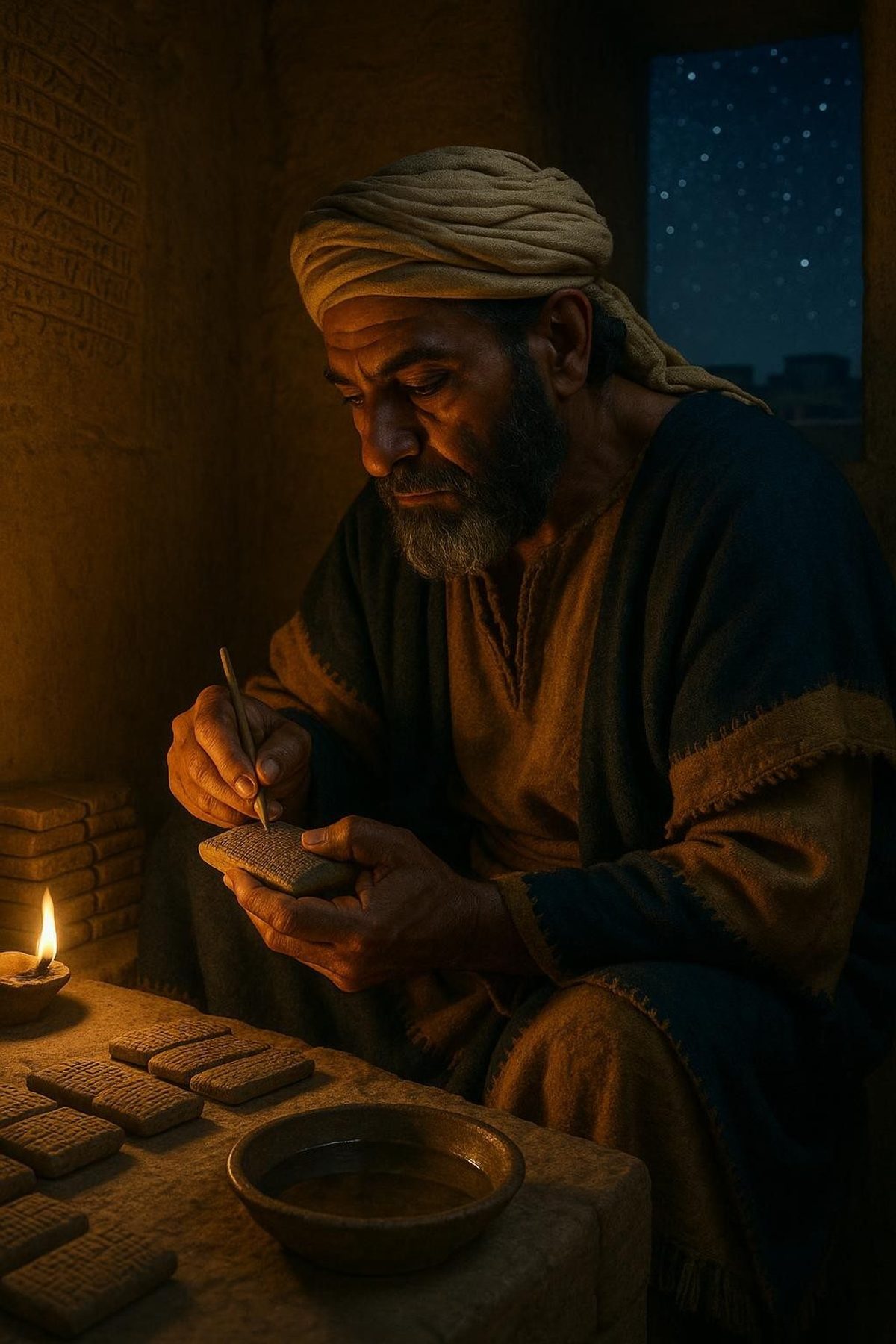
700 BCE. Babylonian astronomers recorded something strange. A star had vanished. Then returned. They wrote it down on clay. Centuries later, a scholar read their words. The star was real. The record was exact.
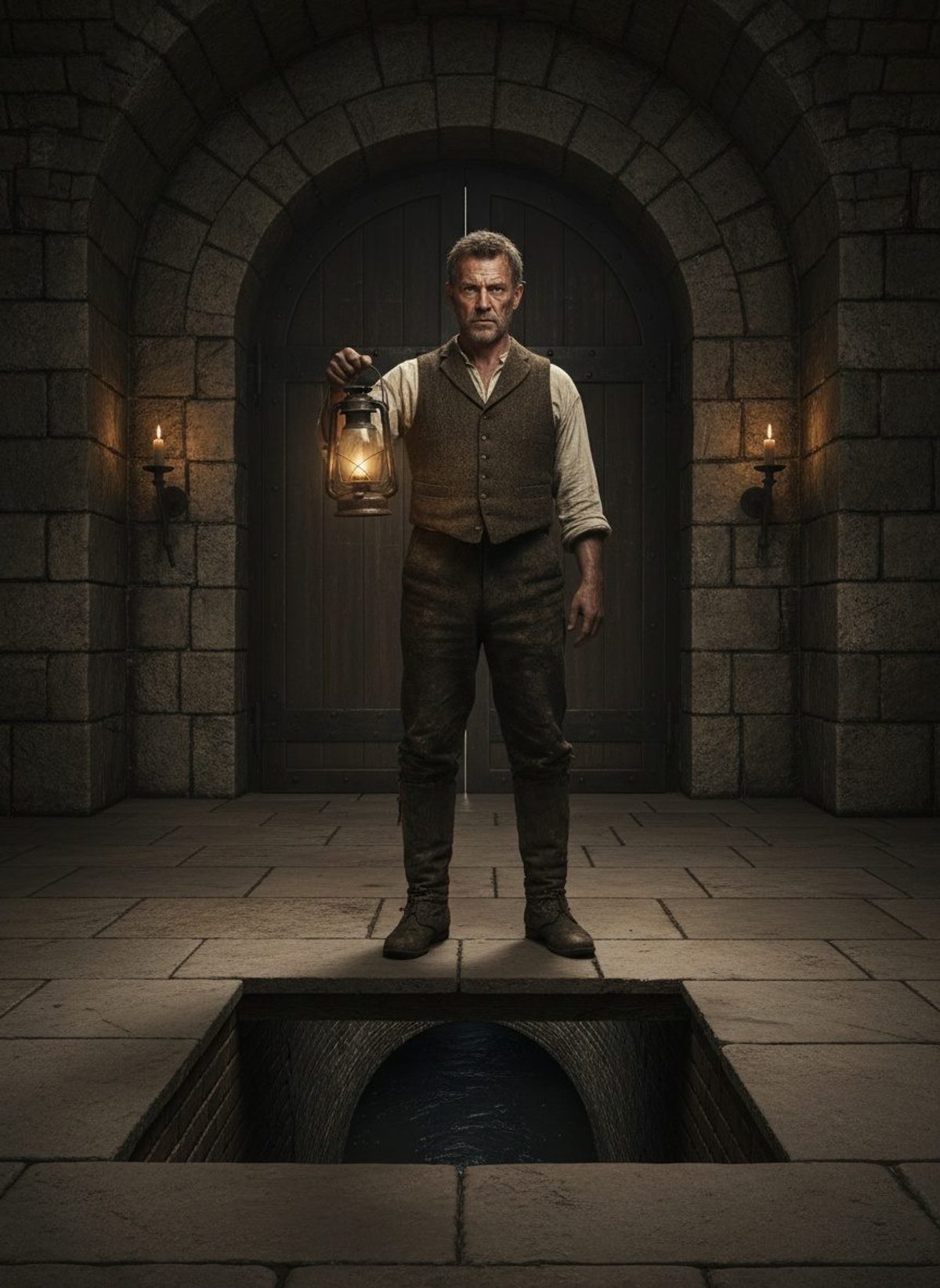
A sewer worker found a secret passage into the Bank of England's vault. He warned them. They ignored him. So he walked up through their floor and proved it himself.
A clay tablet. Written in 1800 BCE. It named a great city called Urkesh. Scholars laughed. Then they dug. They found it. Exactly where the tablet said.
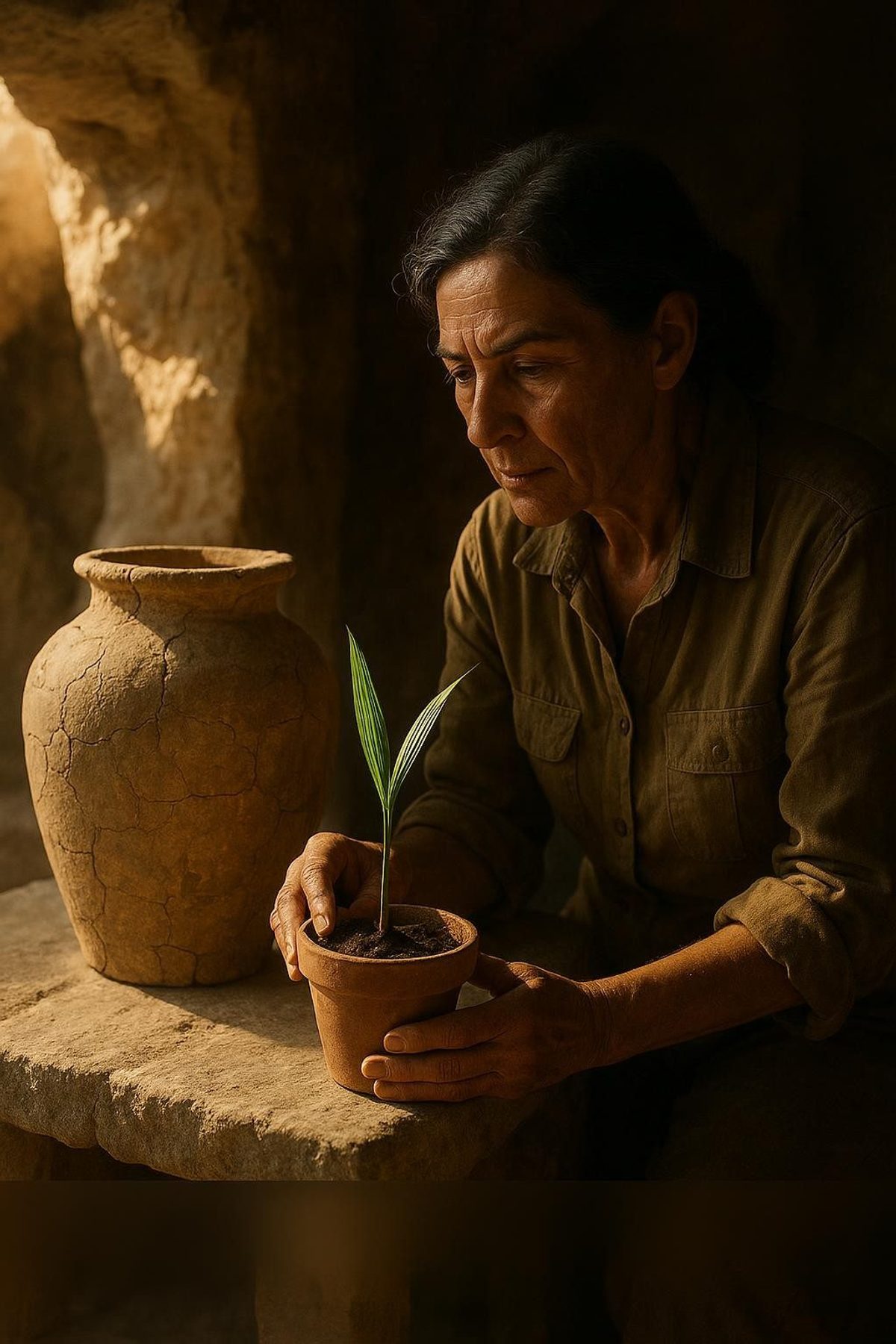
A cave near the Dead Sea. A sealed clay jar. Inside: a date palm seed. Buried for 2,000 years. Scientists planted it. It grew. They named it Methuselah.
213 BCE. The First Emperor ordered every book burned. One scholar hid the words inside his memory. He lived to recite them all. The classics survived.
1880. The British Museum. A clay tablet. 2,600 years old. It described a total solar eclipse over Nineveh. Date, direction, duration. Every detail exact. The Babylonians had predicted it. Centuries before science said it was possible.
For 500 years, every map showed it. A perfect island west of Ireland. Sailors searched for it. Some claimed they found it. The British Admiralty removed it in 1865. No one agreed why it was ever there.
323 BCE. Alexander the Great was dead. His admiral Nearchus had sailed the unknown ocean from India to Persia. No map existed. No Greek had done it. He came home anyway.
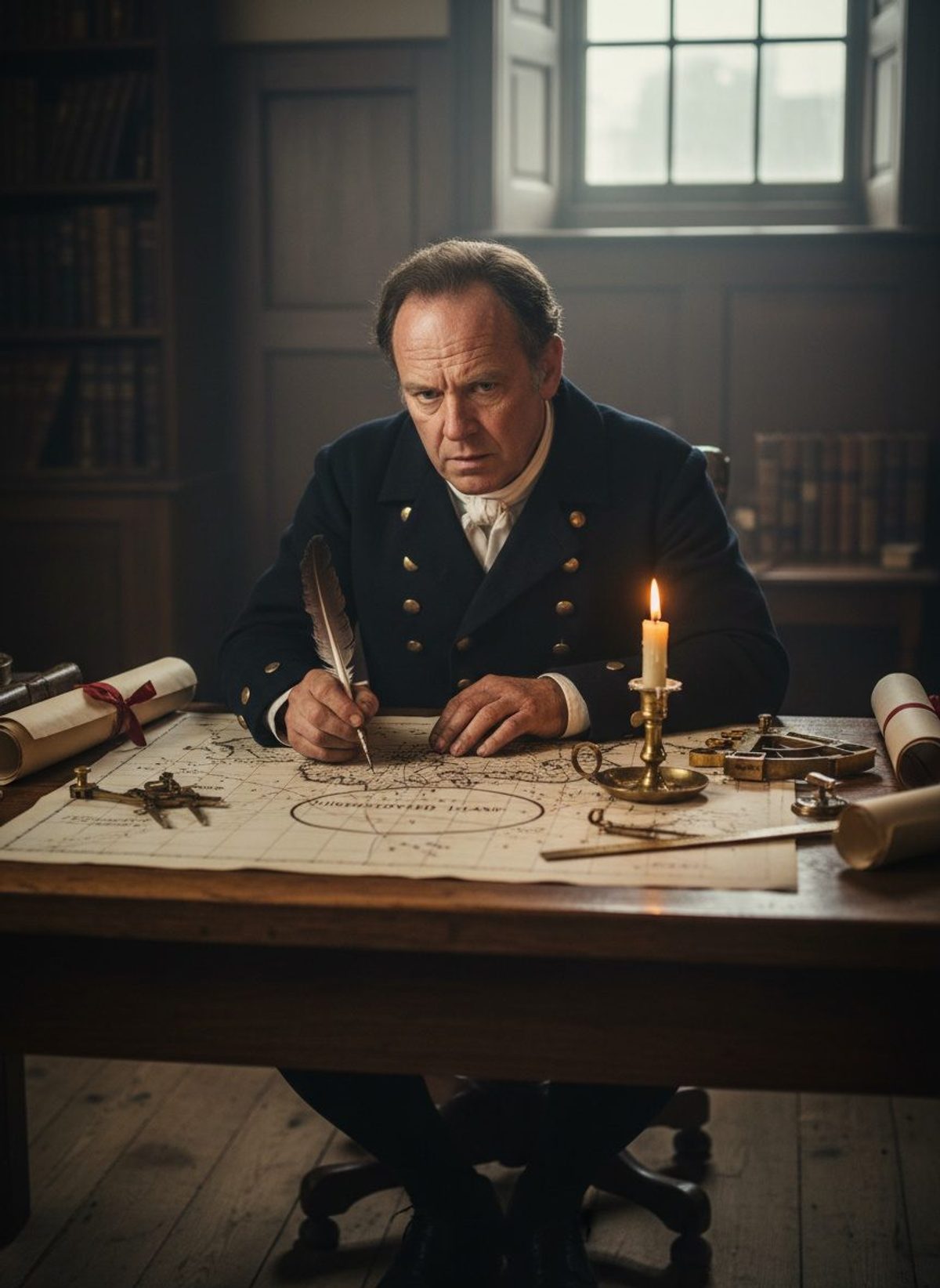
1830. Royal Navy charts showed an island in the Pacific. Ships sailed to it. Nothing was there. For decades, Britain debated. Had it sunk? Had it ever existed? The mystery haunted cartographers for a century.
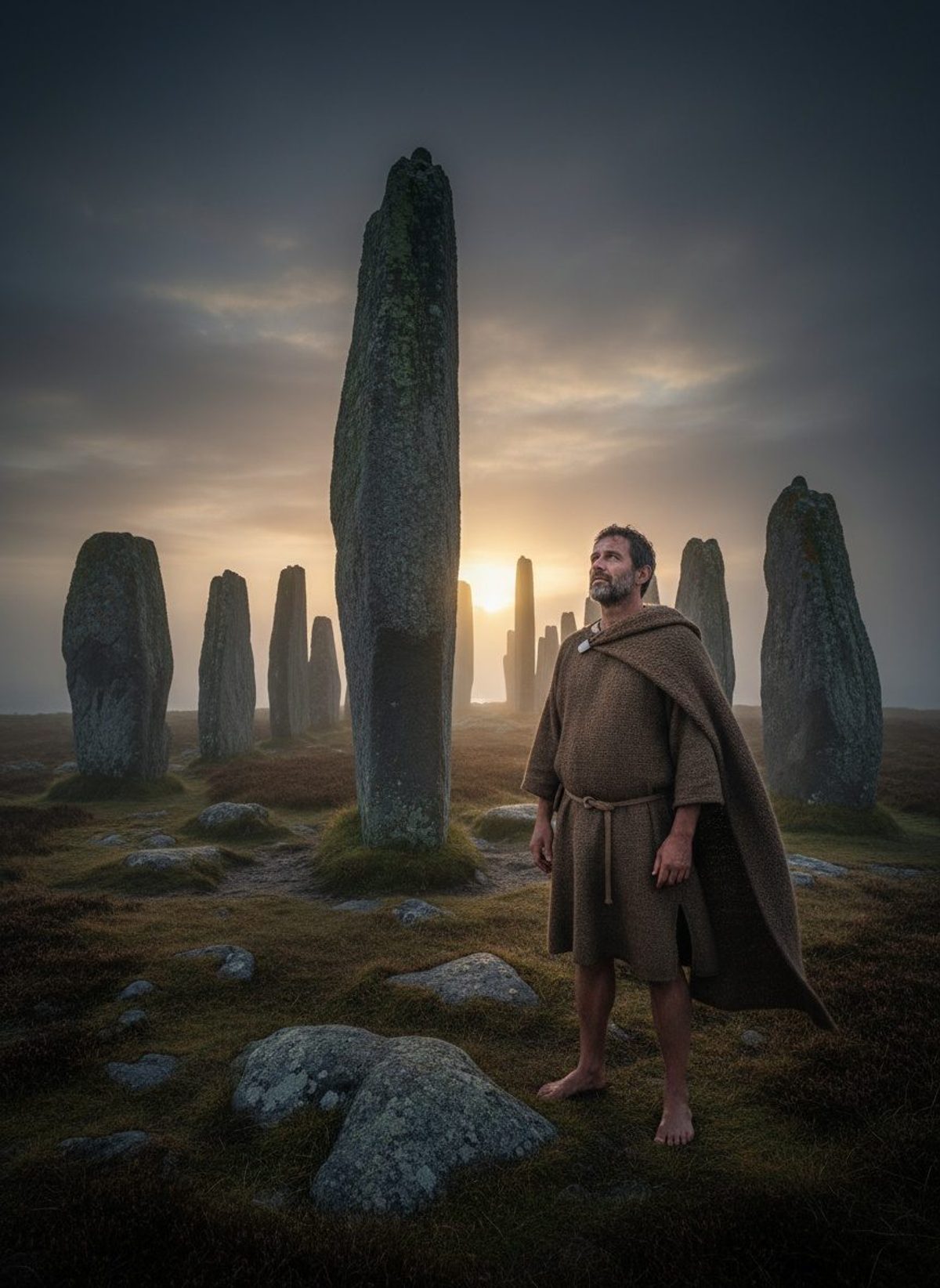
2500 BCE. A ring of stones appeared on a Scottish island. Older than Stonehenge. Aligned to the midsummer sun. No grave. No temple. No explanation. It simply stood. And waited.
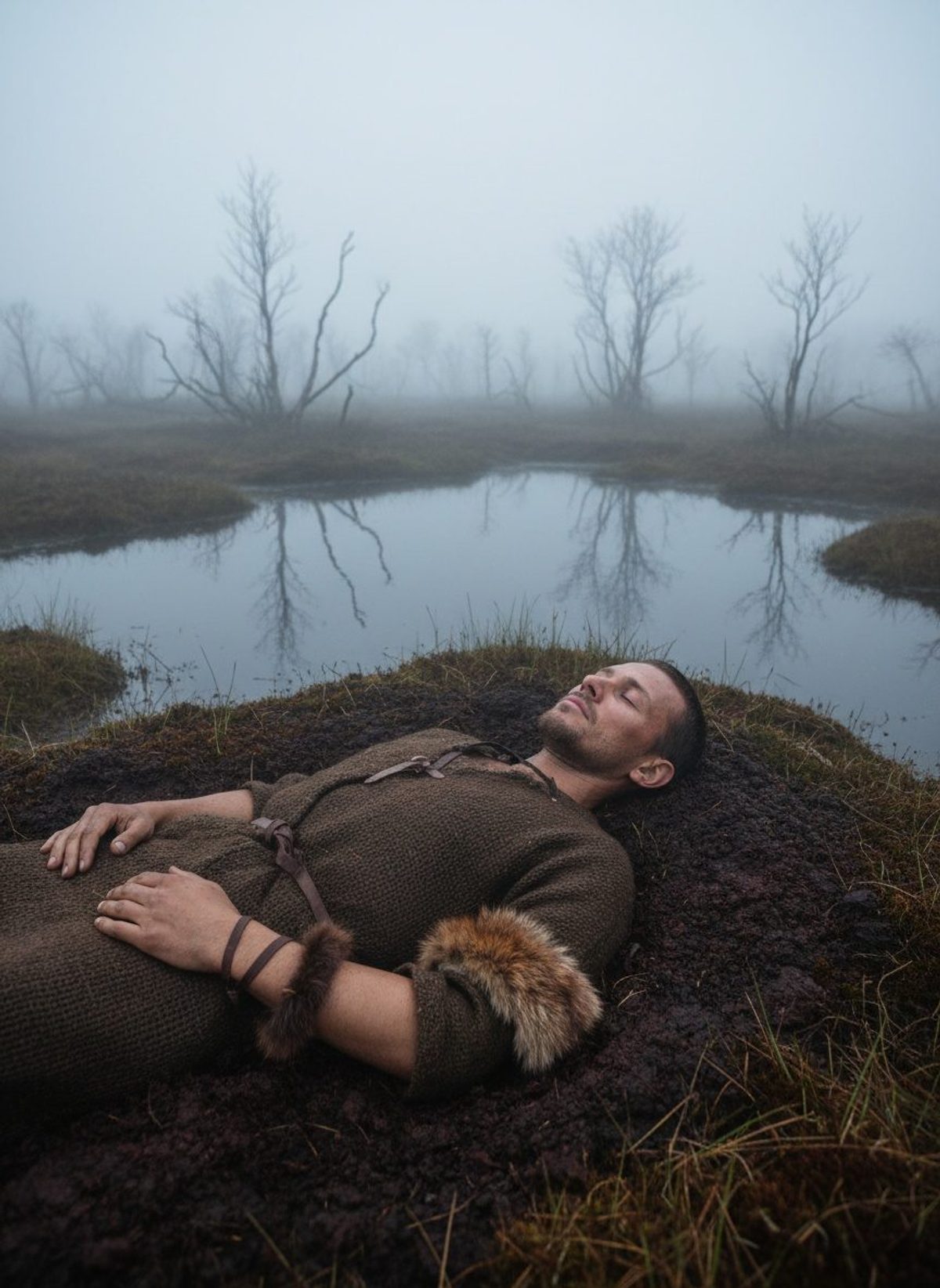
1984. A peat cutter's machine stopped. Lindow Moss, Cheshire. A human leg. Then a body. Two thousand years old. Perfectly preserved. His last meal was still in his stomach. His killers had never been found.
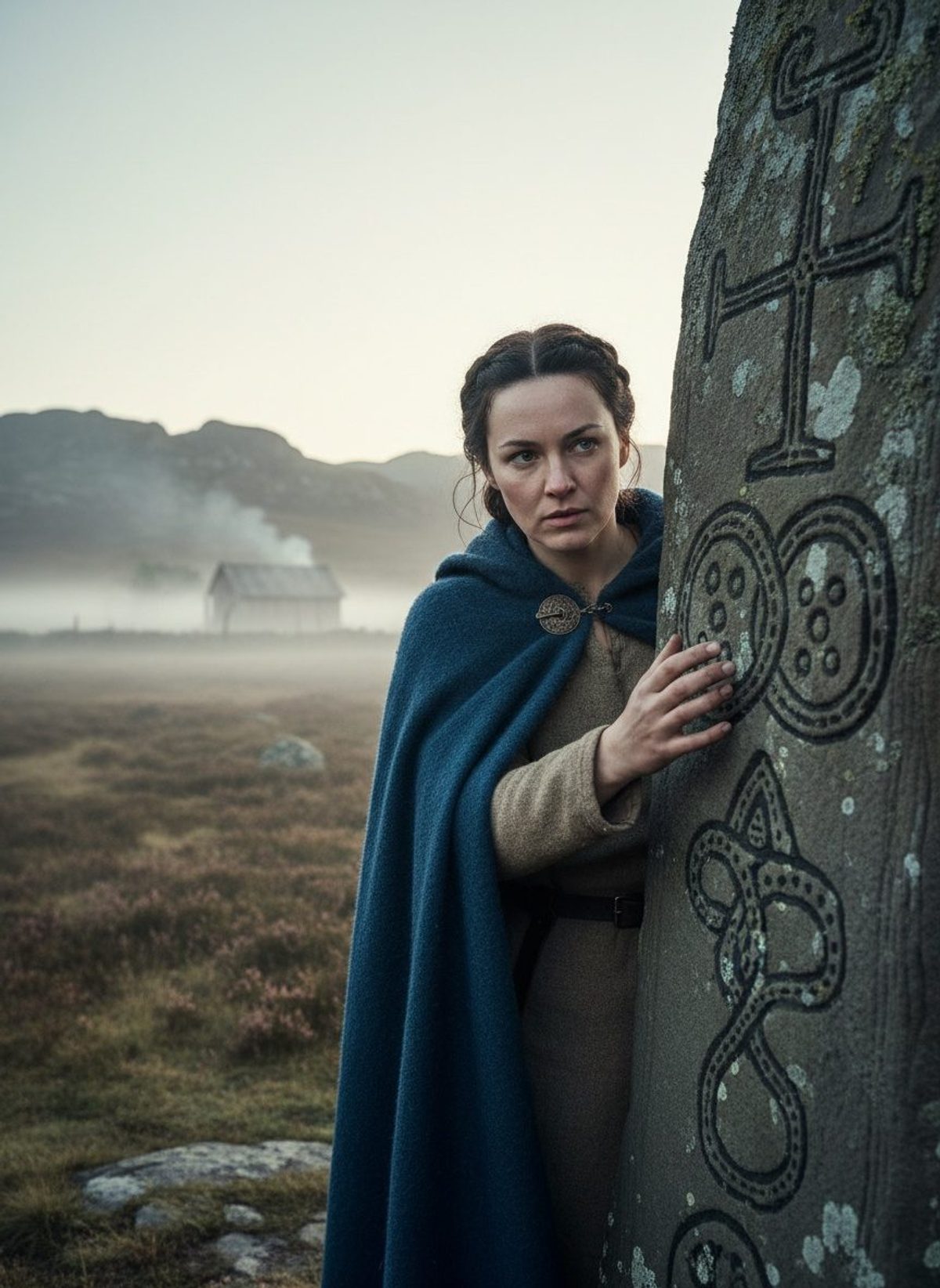
It appeared without explanation. A carved stone. Sitting in a Scottish field. No one knew its language. No one knew its people. The Pictish symbols had outlasted everything. Even memory.
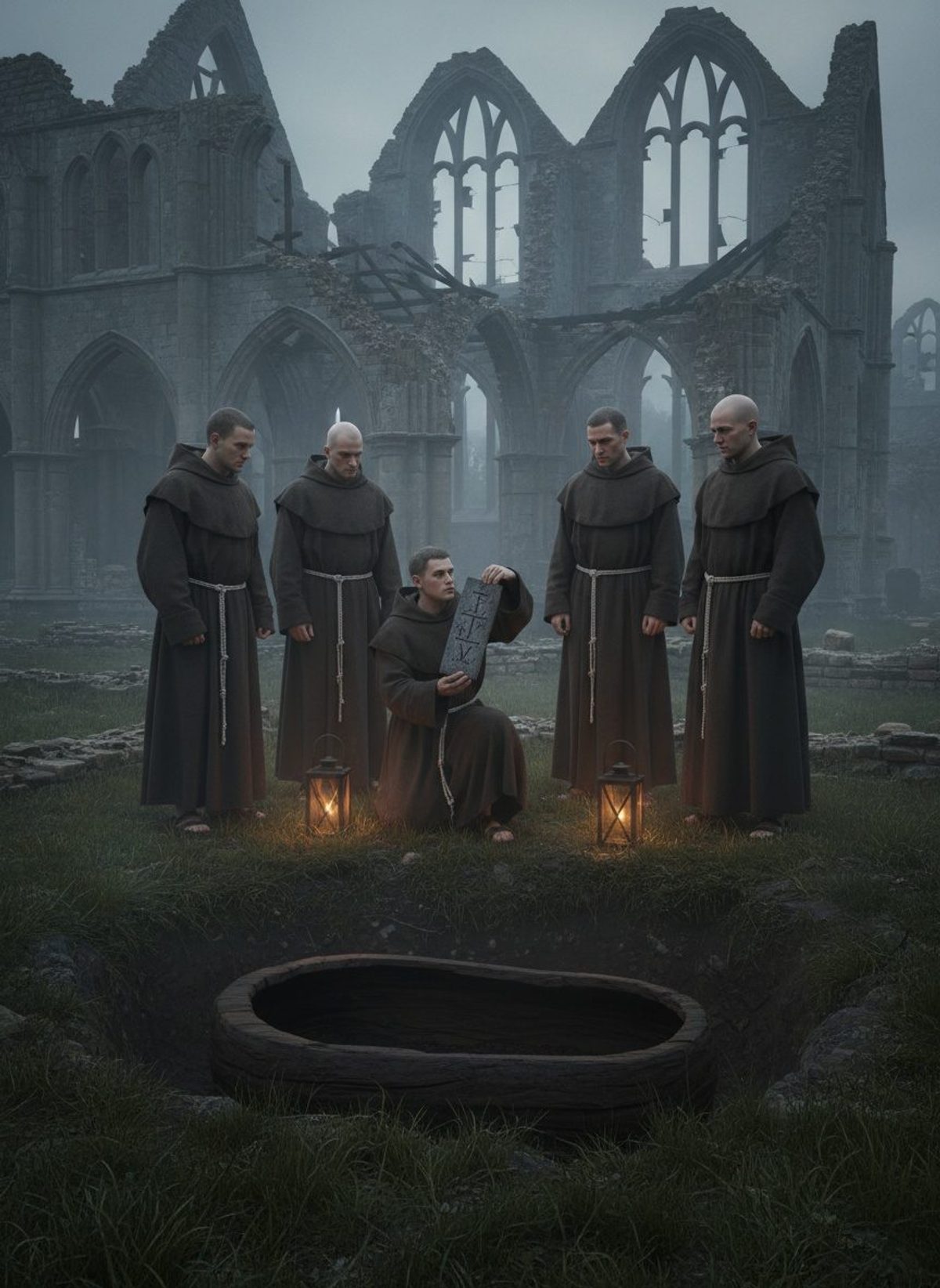
1191. Glastonbury Abbey had burned. The monks were desperate. Then they dug. Six feet down they found a stone slab. Beneath it, a leaden cross. It read: Here lies Arthur, King of Britain.
A mysterious sealed shaft in the Great Pyramid hides secrets after 4,500 years
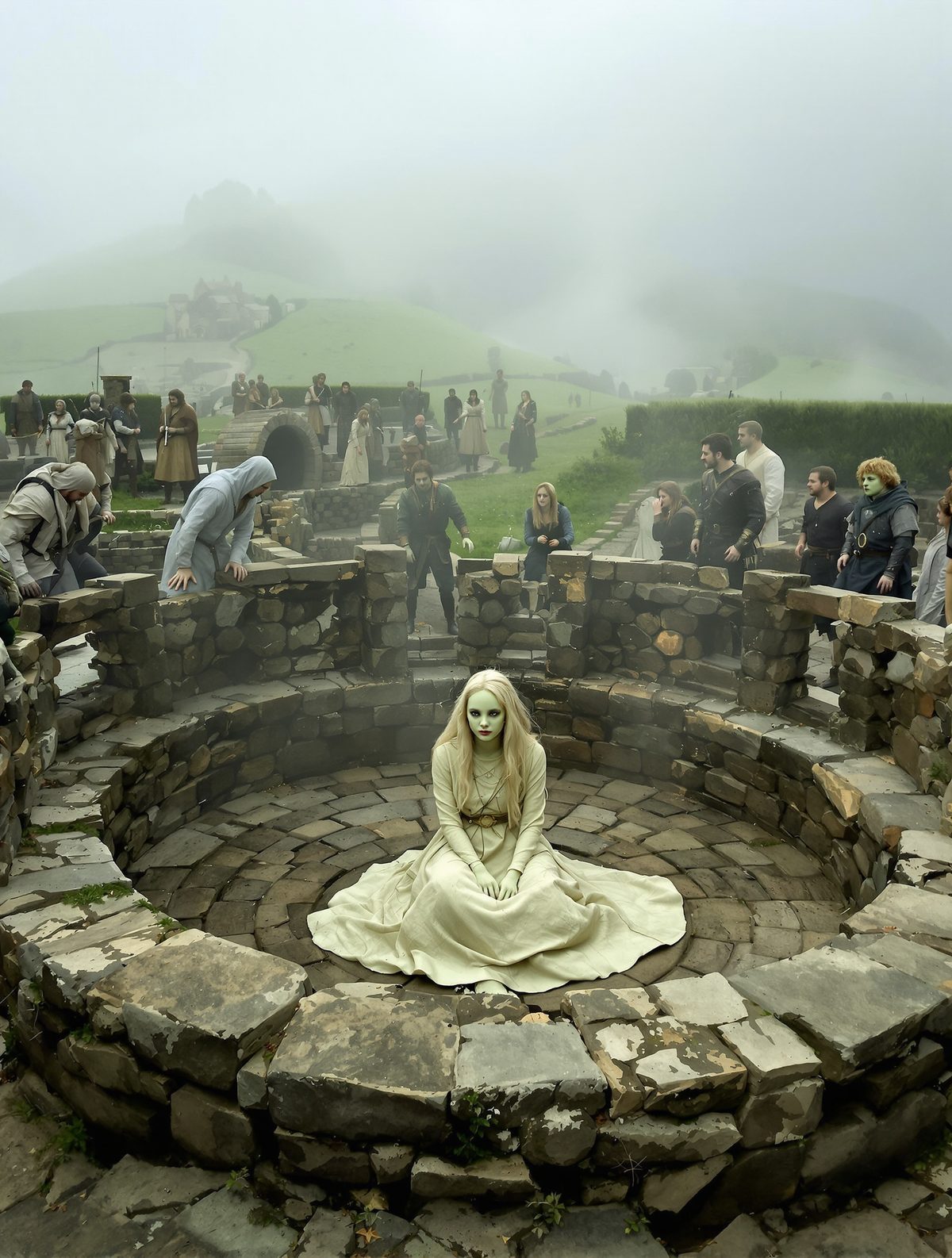
Two green-skinned children appeared in medieval England speaking an unknown language
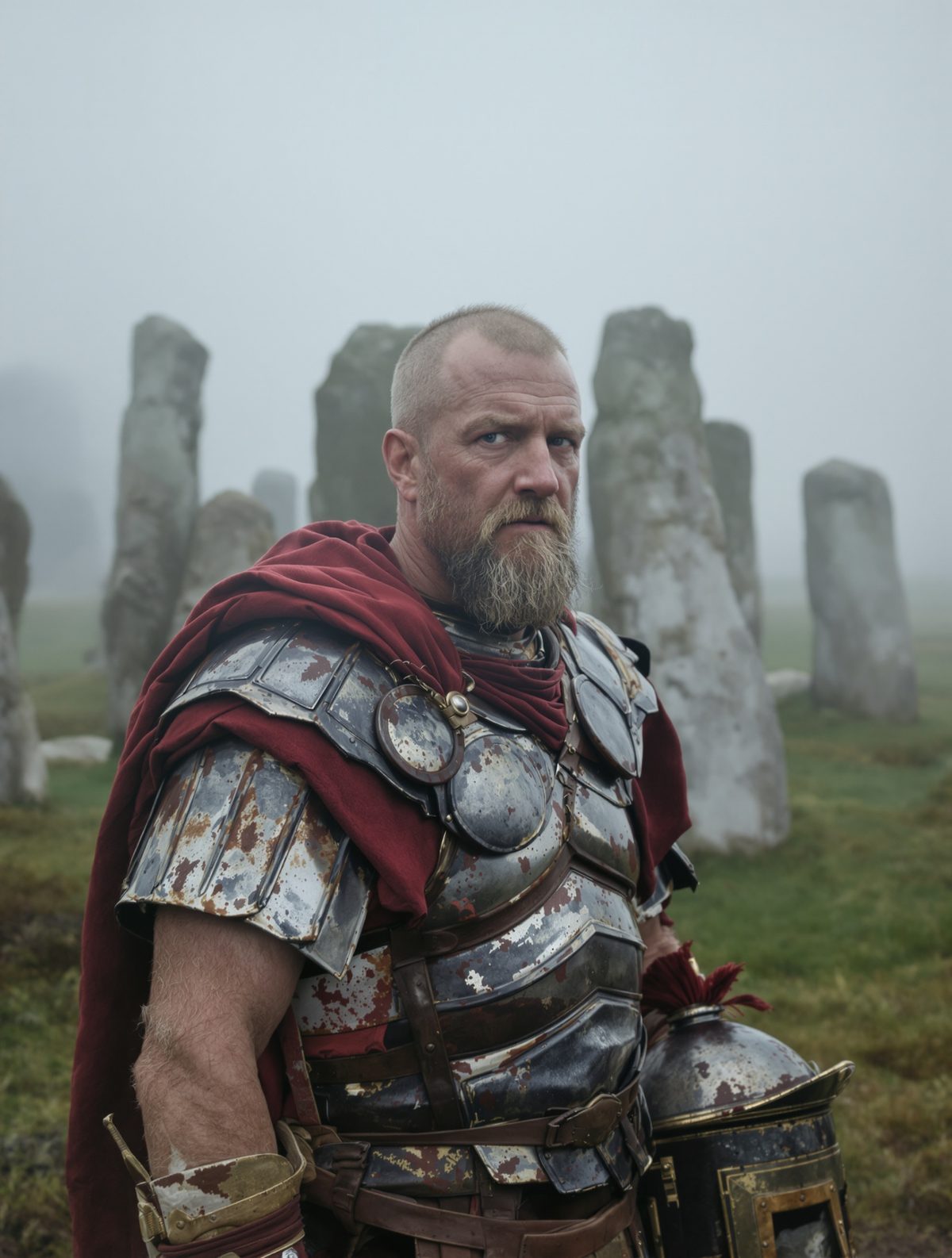
Marcus Caecilius led 5,000 men into Scotland's misty highlands. They were pursuing Pictish rebels beyond Hadrian's Wall. Three days later, his messenger horse returned alone. Blood on the saddle. No bodies were ever found.
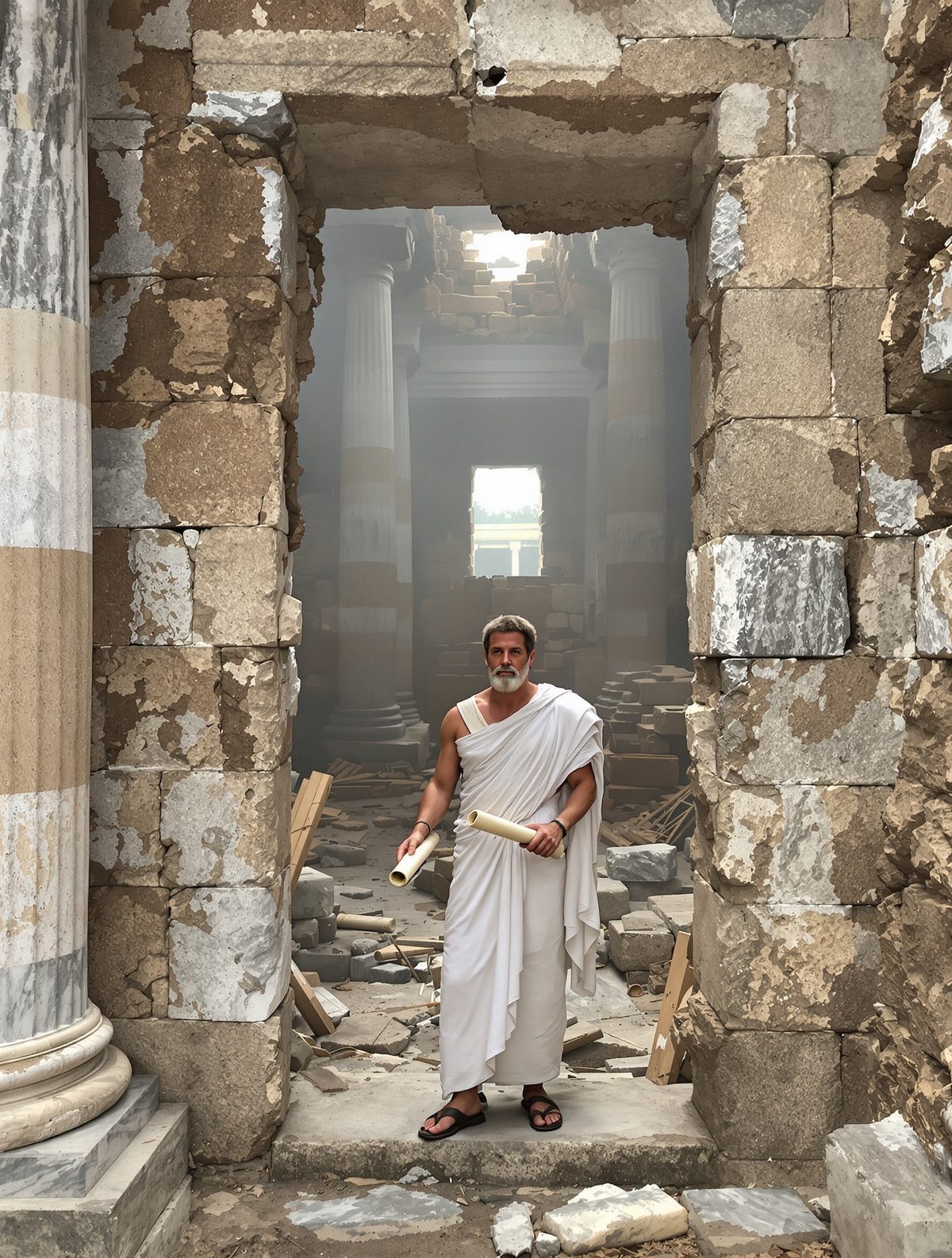
Apollodorus of Damascus was Rome's greatest architect. He designed Trajan's Column and countless monuments. But in 67 AD, he walked into his half-built temple in Antioch. And never walked out. The workers found his tools. His scrolls. Even his lunch. But no body.
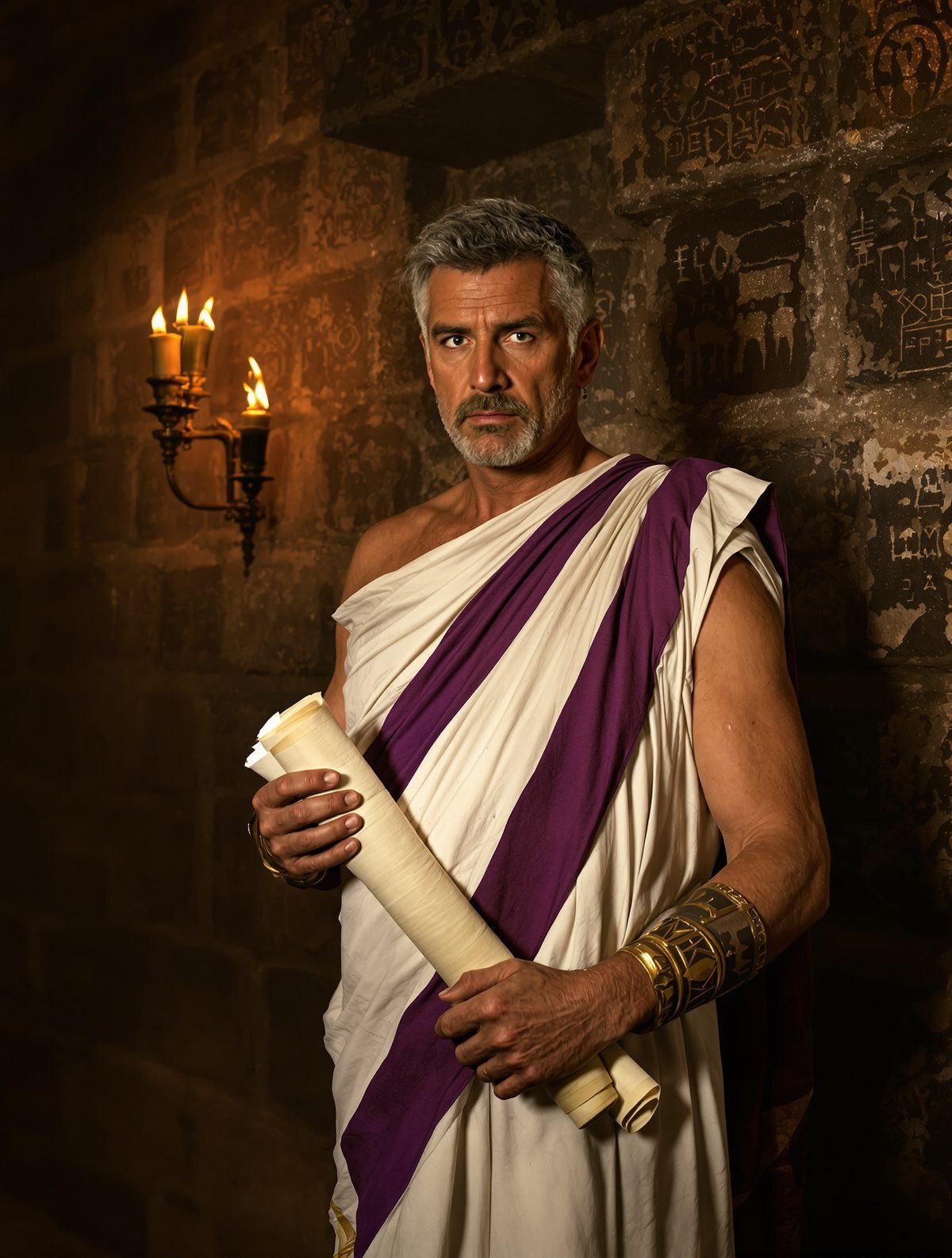
Senator Marcus Crassus Frugi entered the sacred vault beneath Rome's Temple of Vesta. He carried documents that could destroy Emperor Claudius. The heavy stone door sealed behind him. He was never seen again.
Princess Roxana traveled in a sealed golden palanquin across the Persian desert. When guards opened it at the next oasis, she had completely vanished. The palanquin never stopped moving. No footprints led away from the route.
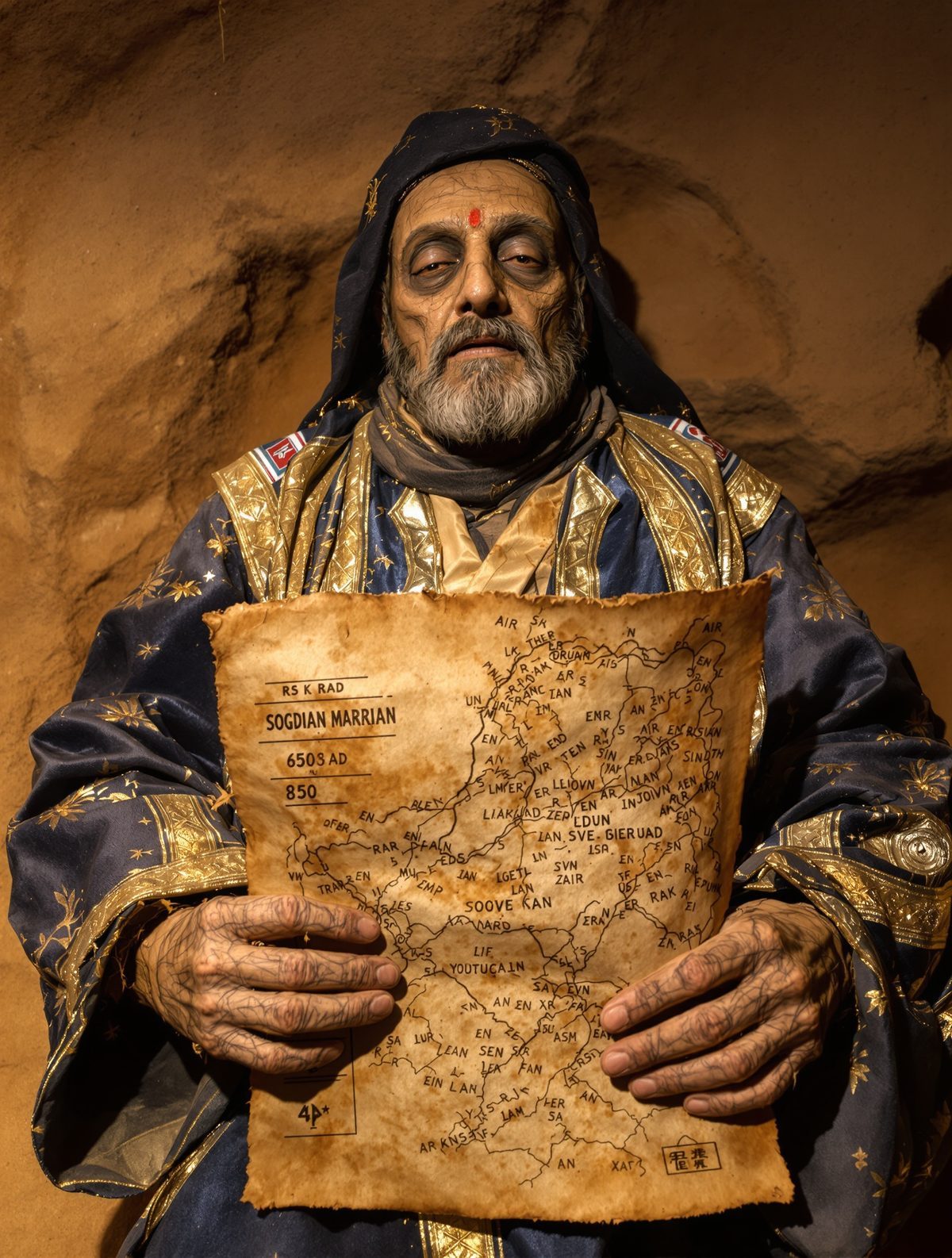
Marco Aurel left Dunhuang with 40 camels loaded with silk and jade. His caravan vanished in the Taklamakan Desert. 1,100 years later, archaeologists found his perfectly preserved body. Still clutching a map to a location that doesn't exist.
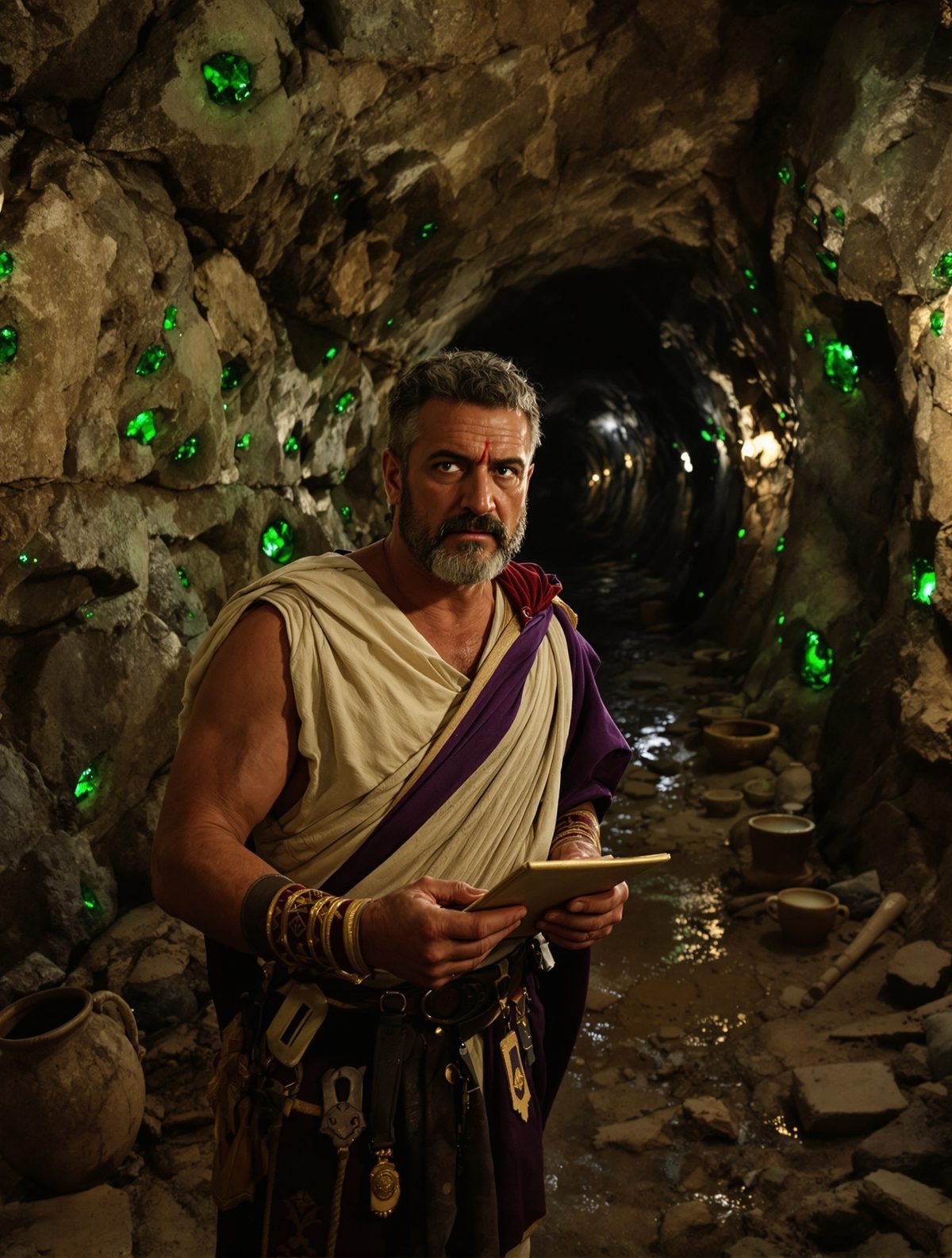
Marcus Crassus entered Egypt's cursed emerald mine to collect taxes. His seal was found pressed into wax at the entrance. His footprints led deeper underground. He was never seen again.
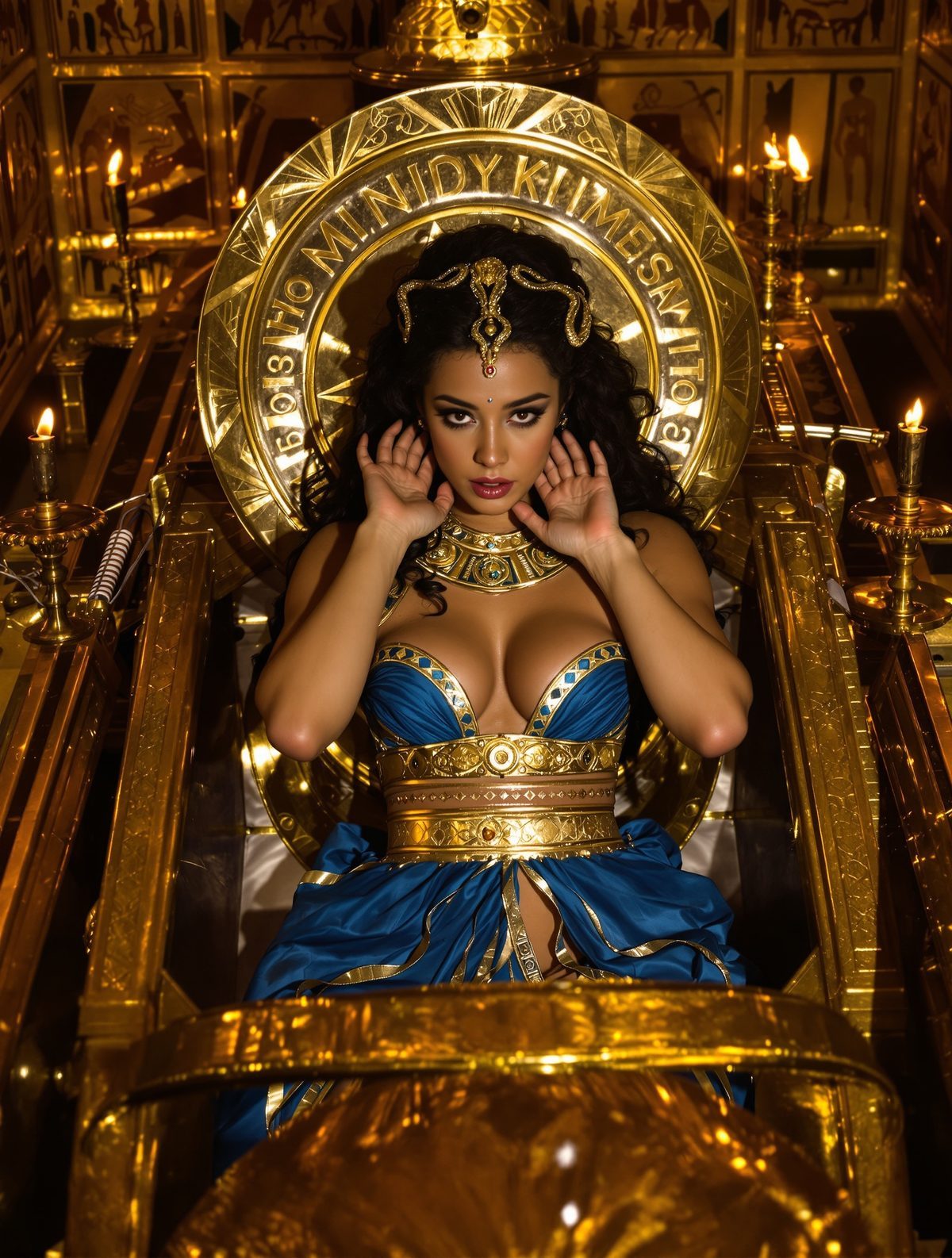
Princess Kyra of Knossos was entombed alive in her golden sarcophagus during a religious ritual. Guards sealed the tomb with molten bronze. When archaeologists opened it 3,400 years later, they found scratches on the lid. But no body.
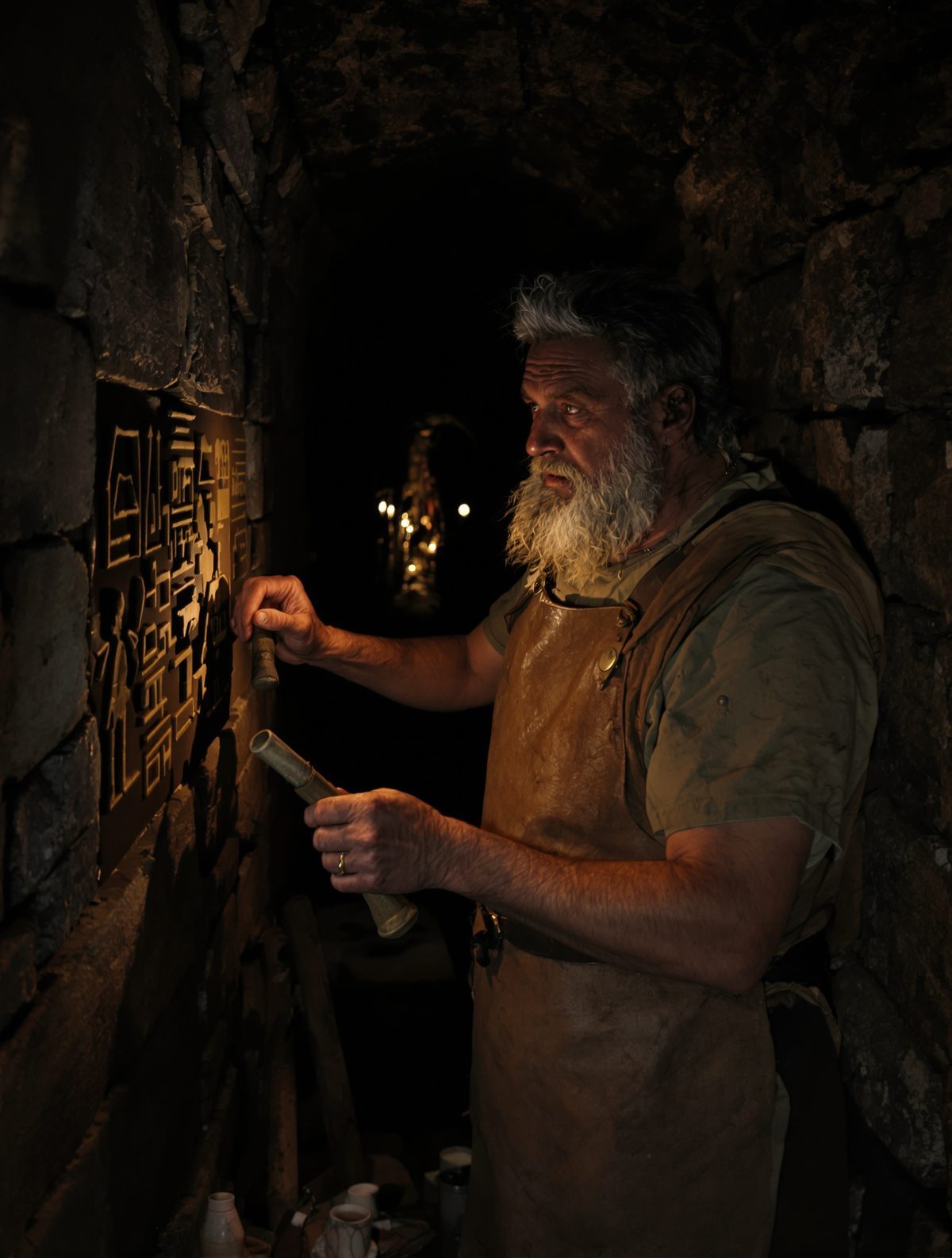
Gaius Valerius spent three years digging a tunnel under Hadrian's Wall. He carved detailed progress reports into the stone walls. Then he simply disappeared. His final carving reads 'The darkness whispers back.'
Marcus Crassus Flavius was entombed alive in his marble mausoleum outside Pompeii. When Vesuvius erupted, the ash preserved everything perfectly. Except his body was gone. The tomb remained sealed from the inside.
Amelia Earhart vanished over the Pacific on July 2, 1937. Her final transmission: 'We are running north and south.' But for years afterward, radio operators worldwide reported hearing her voice. Desperate distress calls. Pleas for rescue. All from a woman who had disappeared without a trace.
Tsutomu Yamaguchi was in Hiroshima on business when the first atomic bomb fell. He survived. Wounded and burned, he returned home to Nagasaki. Three days later, the second bomb dropped. He survived again.
December 1926. The world's most famous mystery writer disappeared from her car. No note. No explanation. Police launched a massive manhunt. Eleven days later, she was found at a hotel. Registered under a false name. She claimed complete amnesia.
Douglas Mawson's Antarctic expedition went horribly wrong. His two companions died. Alone on the ice, starving, he boiled and ate his leather boots. The soles of his feet fell off from frostbite. He walked 100 miles back to base camp anyway.
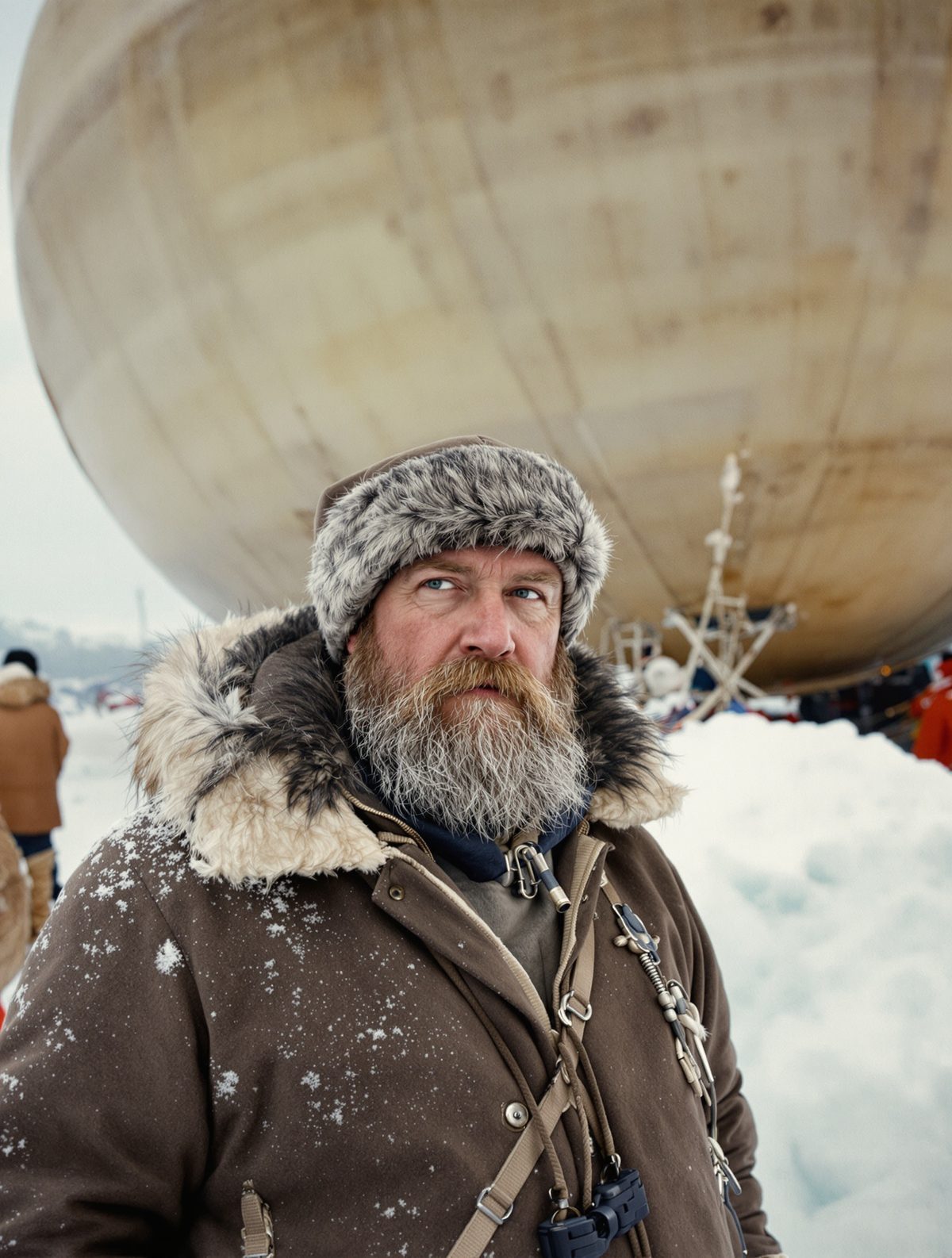
Salomon Andrée launched from Sweden in a hydrogen balloon to reach the North Pole. He carried carrier pigeons and champagne for the victory celebration. His balloon crashed on Arctic ice. His perfectly preserved camp was found 33 years later.
Chief Baker Charles Joughin felt the Titanic hit the iceberg. He drank a bottle of whiskey. Then rode the sinking ship down like an elevator. The alcohol kept his blood warm in the freezing Atlantic. He treaded water for two hours and lived.
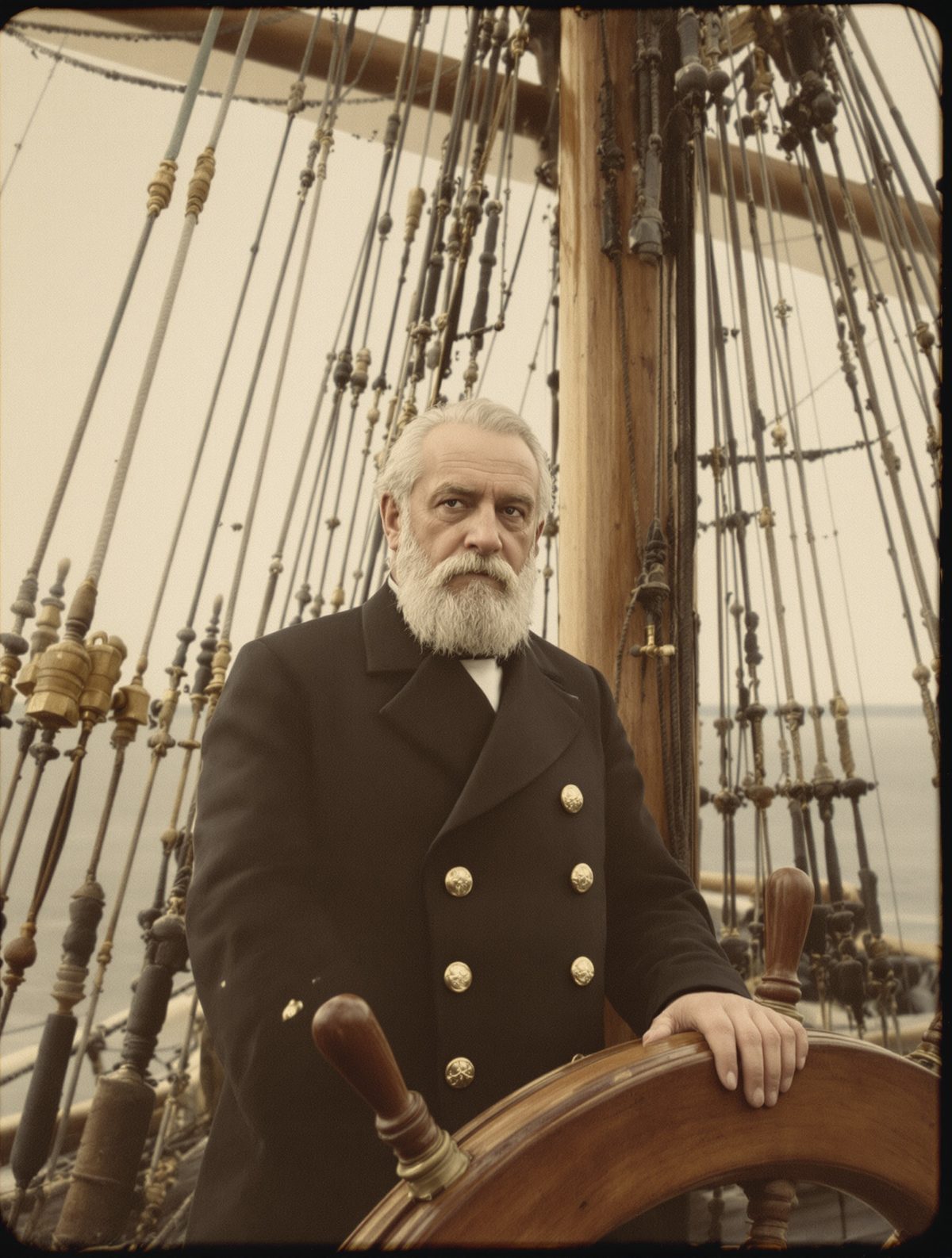
Captain Benjamin Briggs sailed the Mary Celeste with his wife and daughter. The ship was found drifting perfectly intact. All cargo secure. Navigation tools untouched. But every soul aboard had vanished without a trace.
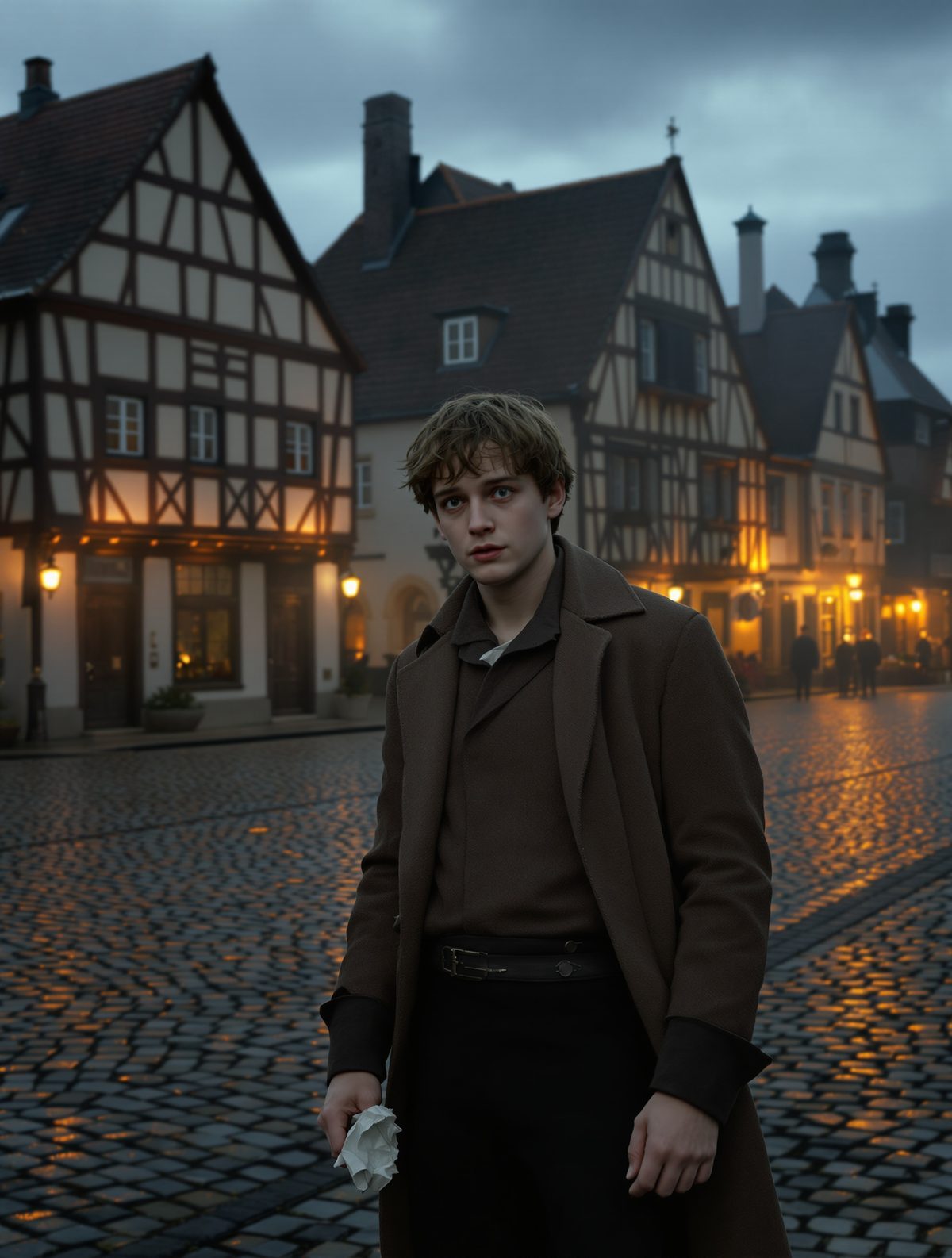
A teenage boy stumbles into Nuremberg's town square. He can barely speak. Claims he lived his entire life in a dark cellar. No one knows where he came from. Then someone tries to murder him.
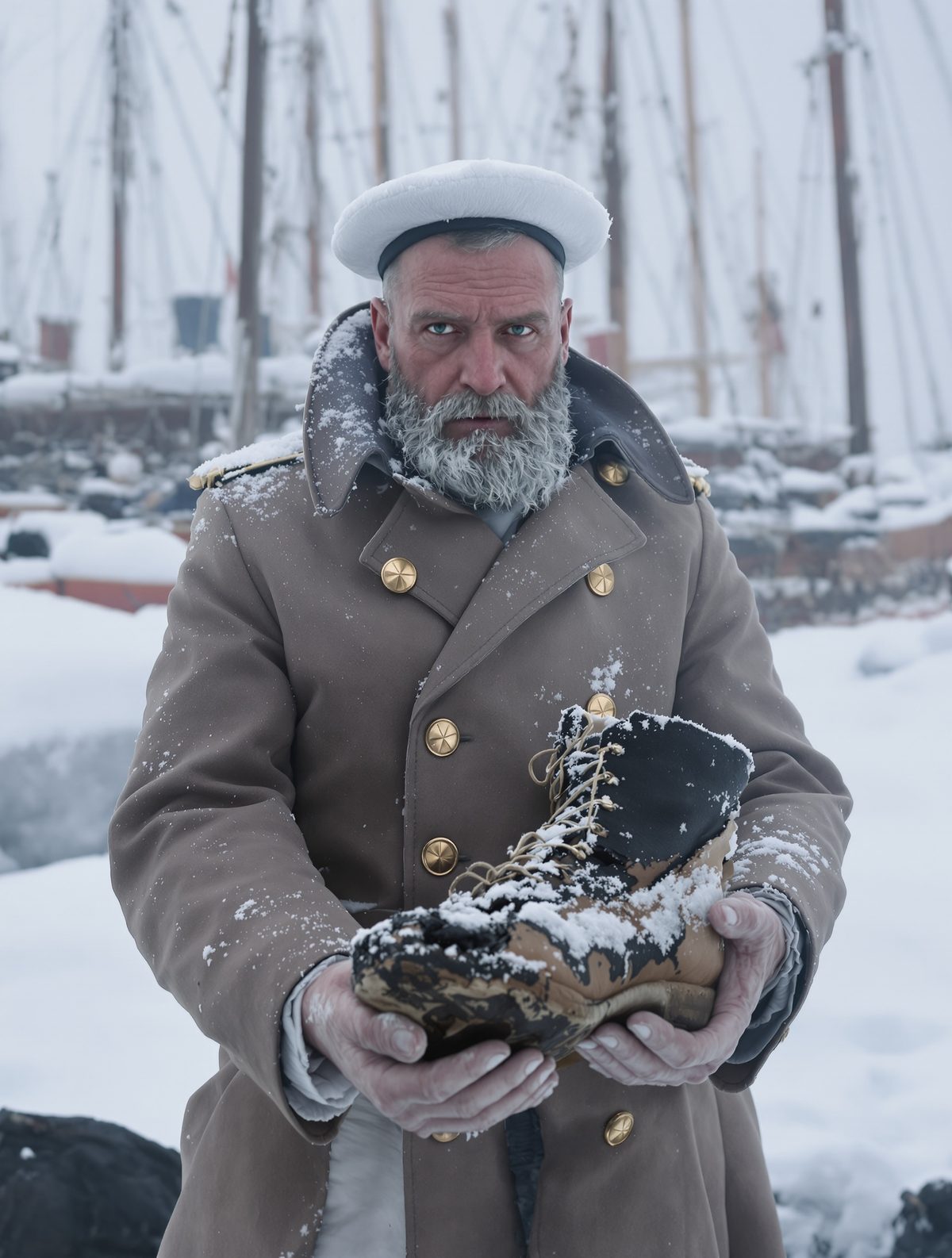
Sir John Franklin's crew vanished in the Arctic ice. Decades later, Inuit hunters found something horrifying. Leather boots. Chewed to shreds. The men had eaten their own footwear to survive.
Lord Lucan crept into his own home to murder his wife. He killed the nanny by mistake in the dark. His wife escaped screaming into the night. Lucan vanished forever that same evening.
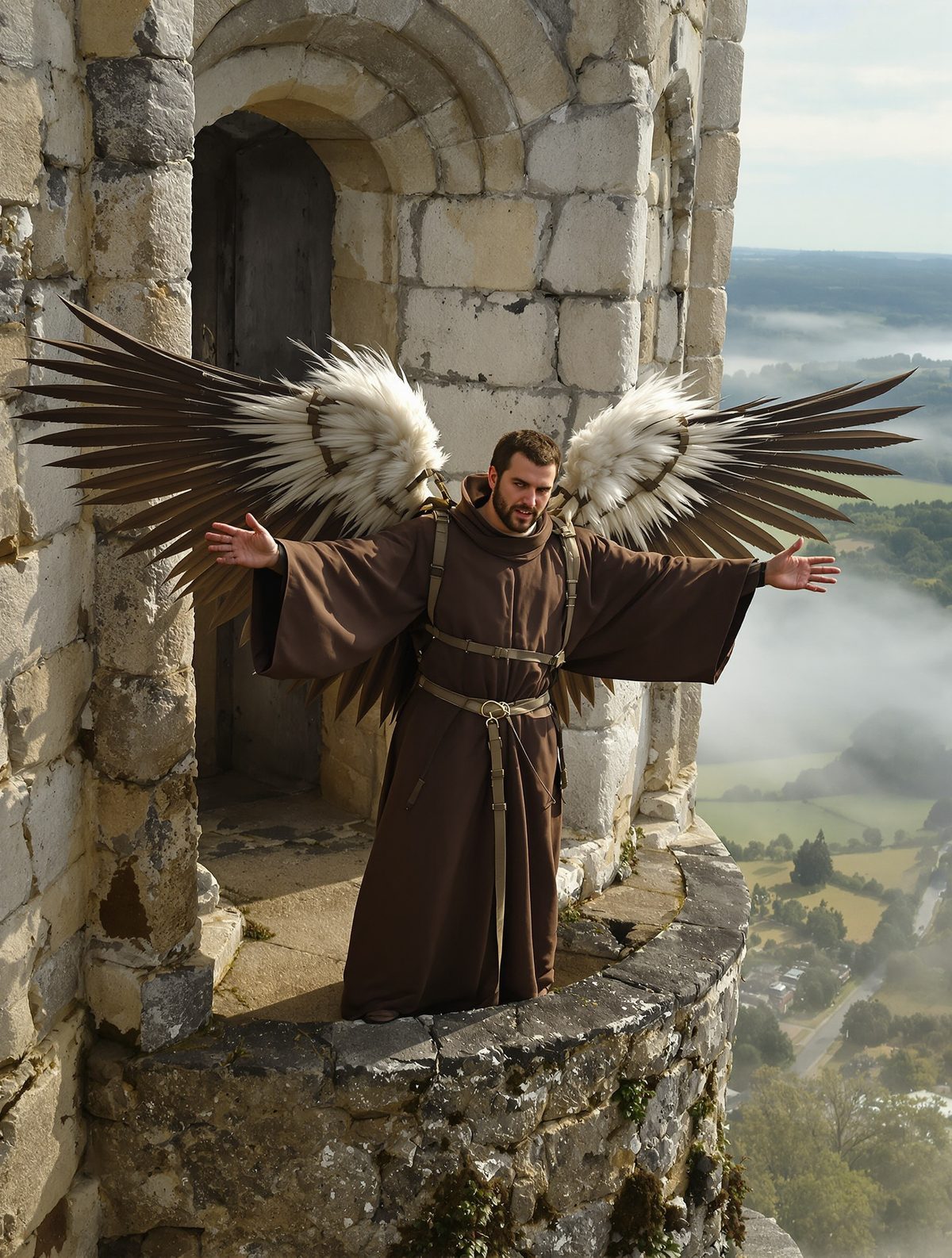
Eilmer of Malmesbury strapped wings to his arms. Leaped from a 60-foot abbey tower. Flew 200 yards before crashing. Broke both legs but survived. He blamed his failure on forgetting to add a tail.
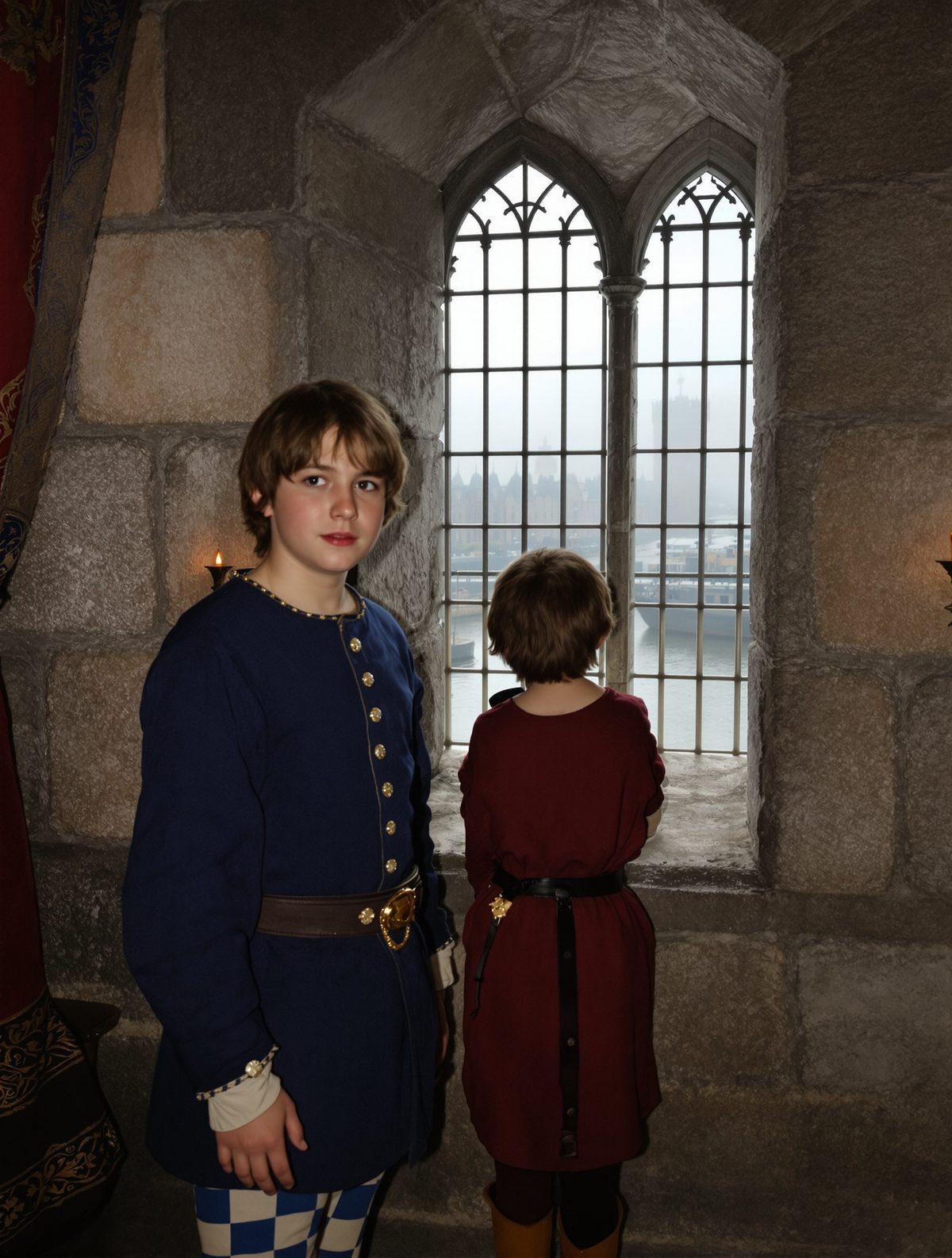
Two young princes entered the Tower of London in summer 1483. Edward V was twelve. Richard was nine. They were seen playing in the gardens. Then they disappeared. No one ever saw them again.
British diplomat Benjamin Bathurst stopped to change horses at a German inn. He walked around his carriage to check the wheels. His secretary waited. The horses stamped impatiently. Bathurst never appeared on the other side.
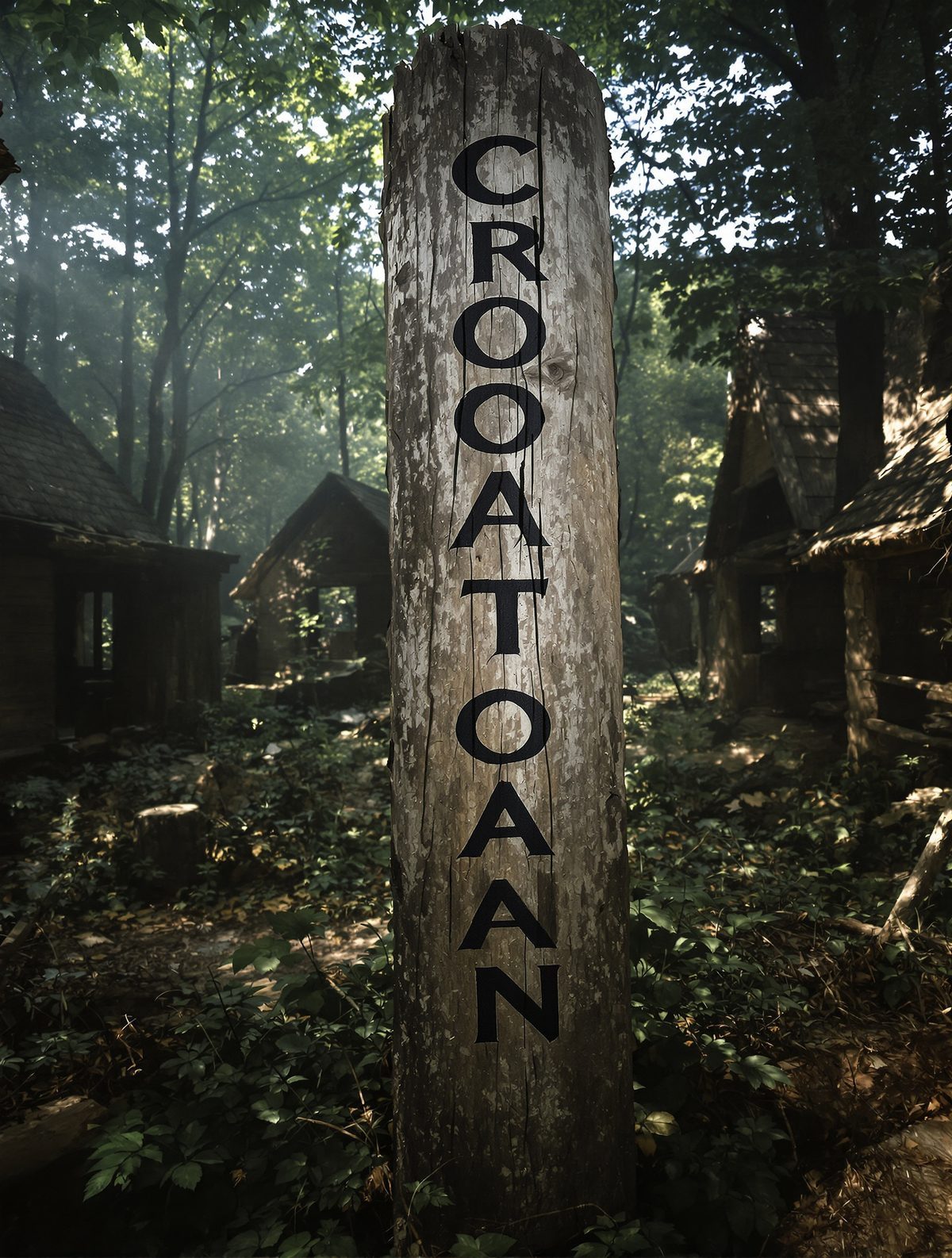
In 1590, rescuers found the lost colony of Roanoke completely empty. 115 men, women and children had vanished without a trace. Only one clue remained. The word 'CROATOAN' carved deep into a wooden post.
For 22 years, Hatshepsut ruled Egypt while young Thutmose waited. When she died, he became pharaoh at last. Then he systematically destroyed every statue, painting, and inscription of her. Her name vanished from history for 3,000 years.
Pythagoras faces his enemies in ancient Italy. They chase him through the streets. He reaches a field of beans and stops. He refuses to trample the sacred plants. His pursuers catch him. He dies defending his bizarre belief.
A Roman ship sank near Antikythera carrying precious bronze statues. Hidden beneath the cargo lay a mysterious bronze mechanism with dozens of gears. For 2,000 years it waited on the seafloor. When divers found it, they discovered the world's first computer.
Frau Troffea stepped into Strasbourg's market square. She began dancing. She couldn't stop. Within days, 400 people joined her deadly trance. Dozens danced themselves to death.
A medieval scribe finished his masterpiece. 240 pages of impossible text. Mysterious diagrams of unknown plants. Six centuries later, no one can read a single word. The world's greatest codebreakers have all failed.
Famous American writer Ambrose Bierce crossed into revolution-torn Mexico at age 71. He sent one final letter from the war zone. Then he vanished completely. His body was never found.
A mysterious prisoner arrived at the Bastille in 1698. His face was hidden behind a black velvet mask. He died in 1703. His real name was never revealed. Even the king's closest advisors didn't know his identity.
Francesco Petrarch climbed Mount Ventoux for no reason except curiosity. At the summit, he opened Augustine's Confessions. The random page warned against admiring earthly heights. He descended in stunned silence.
Louis Le Prince filmed the world's first movies in 1888. Two years before Edison. Then he boarded a train to Paris. The train arrived empty. His body was never found. Edison became the father of cinema.
Judge Joseph Crater stepped into a New York taxi on August 6, 1930. He was never seen again. His briefcase. His files. His entire life's work vanished with him. No body. No ransom. No trace.
Dorothy Arnold left her Manhattan mansion to buy a dress. She walked down Fifth Avenue in broad daylight. She was never seen again. No body. No ransom. No trace.
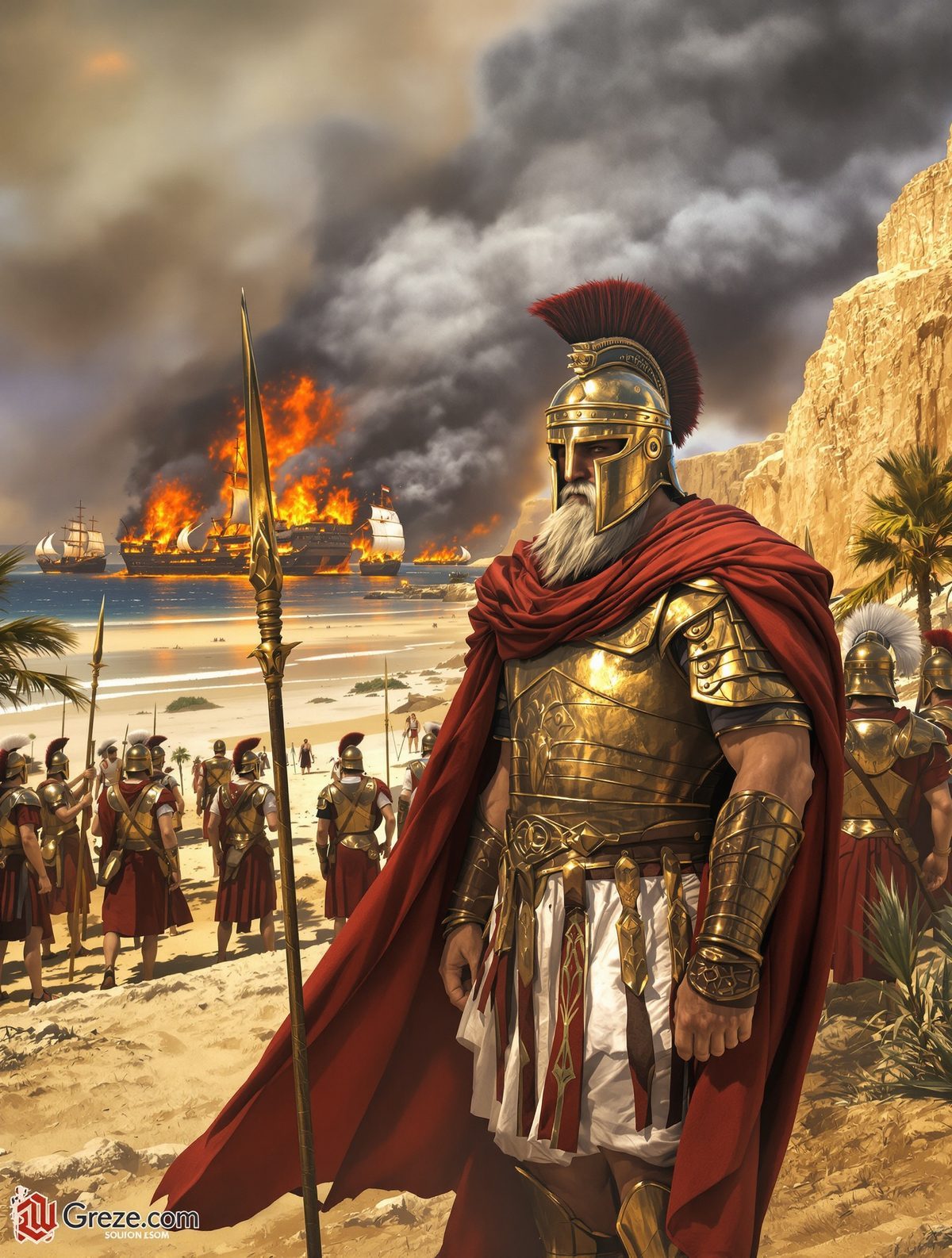
Agathocles landed in Africa with 14,000 men. Carthaginian armies surrounded him. No retreat possible. So he burned every ship. His men watched their only escape turn to ash. Now they had to conquer or die.
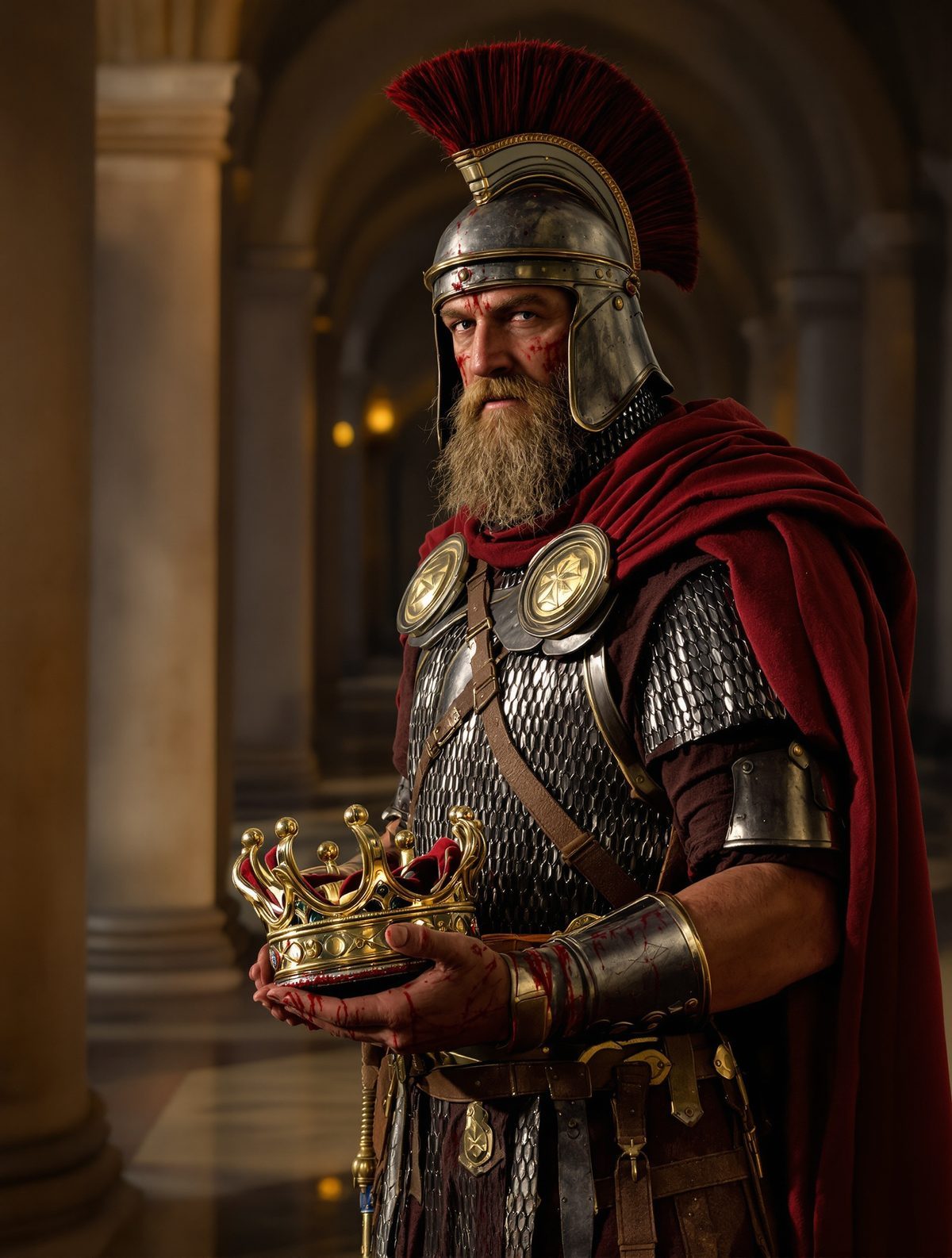
A Roman centurion watched his emperor flee from barbarians. He led a mutiny. Captured the palace. Then wore the crown himself for eight bloody years.
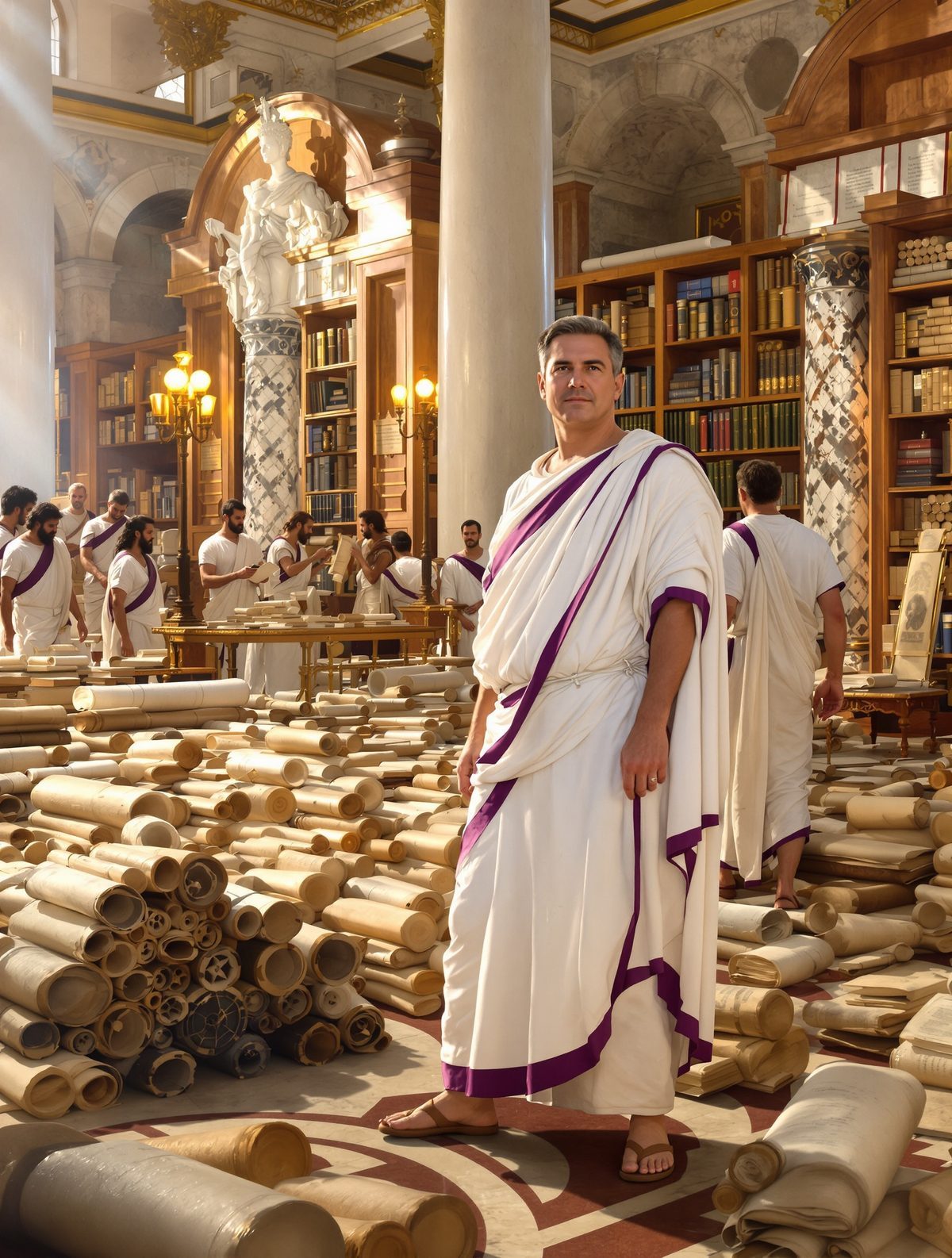
Rome's first public library opened in 39 BC. The founder? A battle-hardened general named Gaius Asinius Pollio. He built it with gold looted from his enemies. Knowledge funded by conquest.
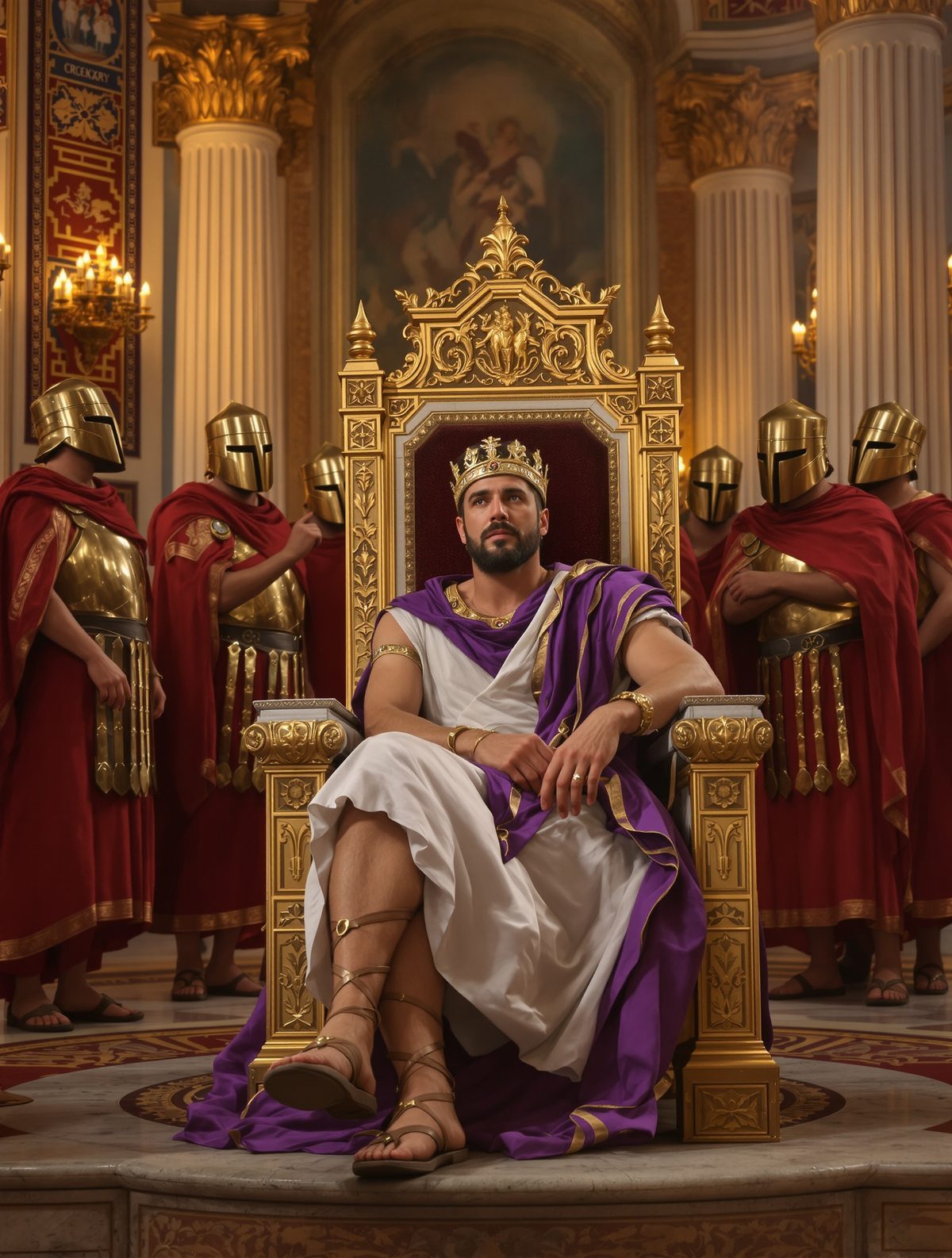
When Alexander the Great died, his empire needed a king. They chose his disabled half-brother Arrhidaeus. The man everyone ignored suddenly held the greatest throne on earth. For six years, the 'puppet king' watched generals tear apart what Alexander built.
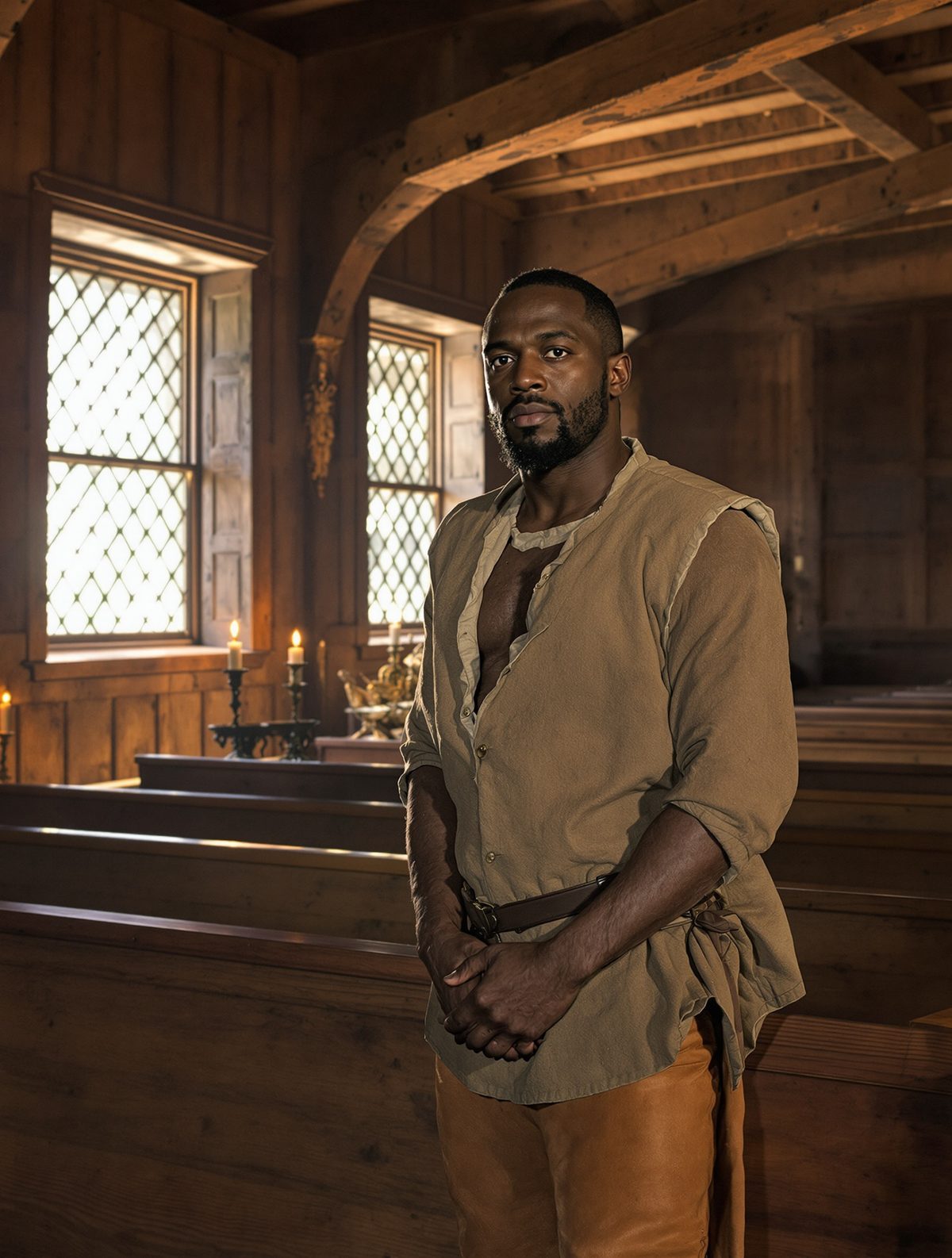
A Virginia court faces an impossible decision. John Casor claims he's a free indentured servant. Anthony Johnson says Casor is his slave for life. The judge's ruling creates America's first legal precedent for lifelong bondage.
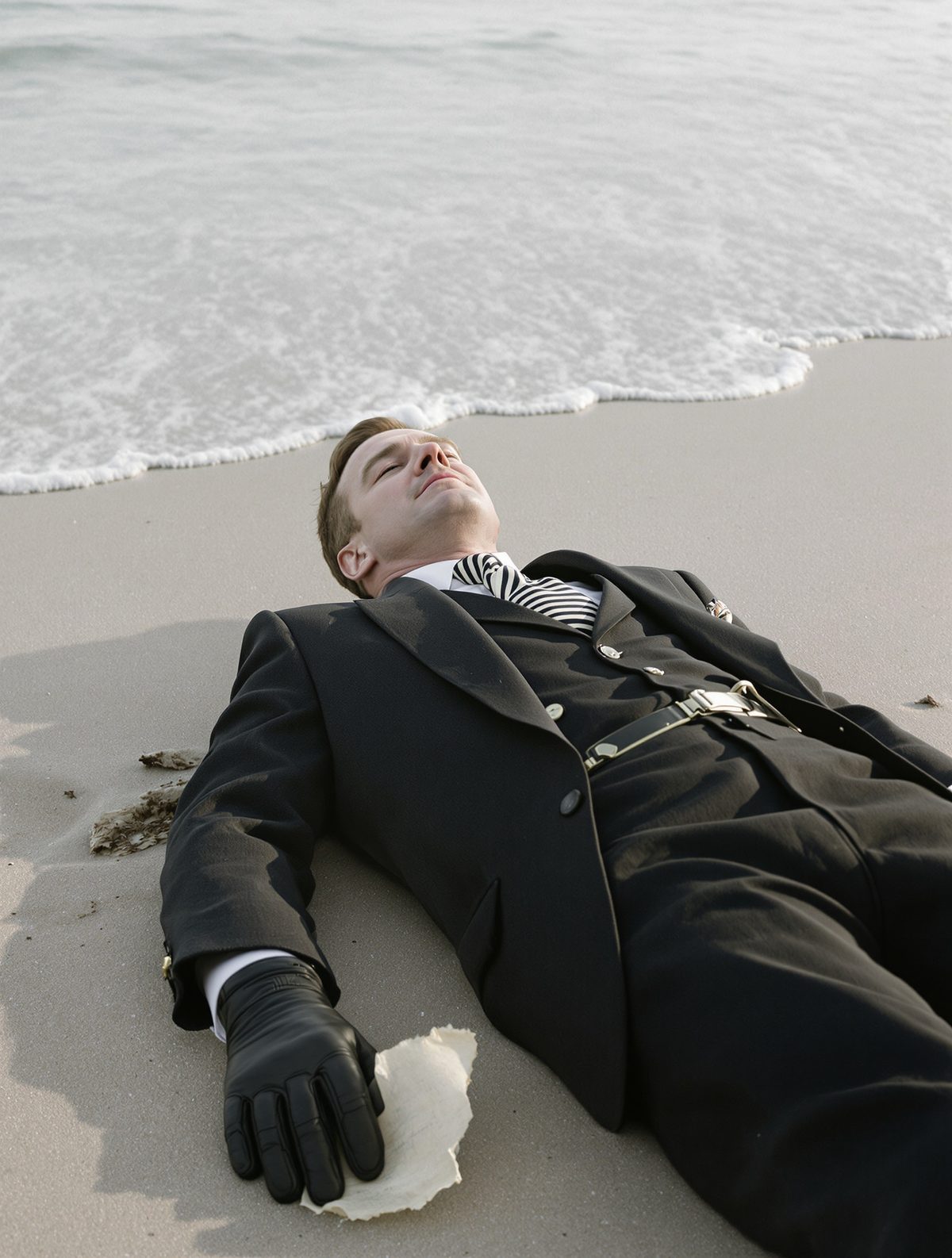
A man was found dead on an Australian beach. No ID. No cause of death. In his pocket: a torn scrap of paper with two Persian words. The case has never been solved.
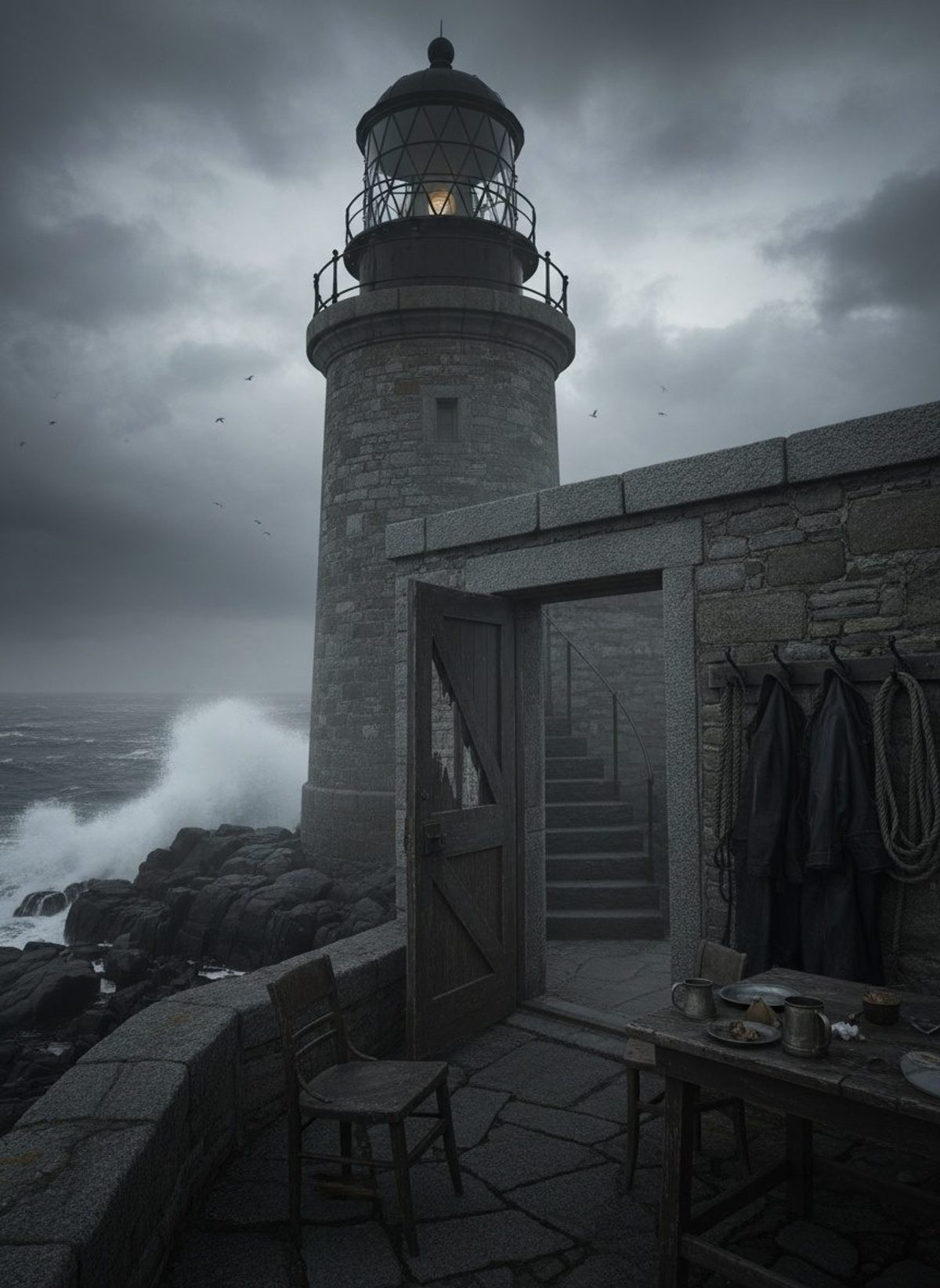
December 1900. A relief boat reached Flannan Isles. The lighthouse was empty. Three keepers. Gone. The lamp was cold. The last meal sat untouched. No body was ever found.
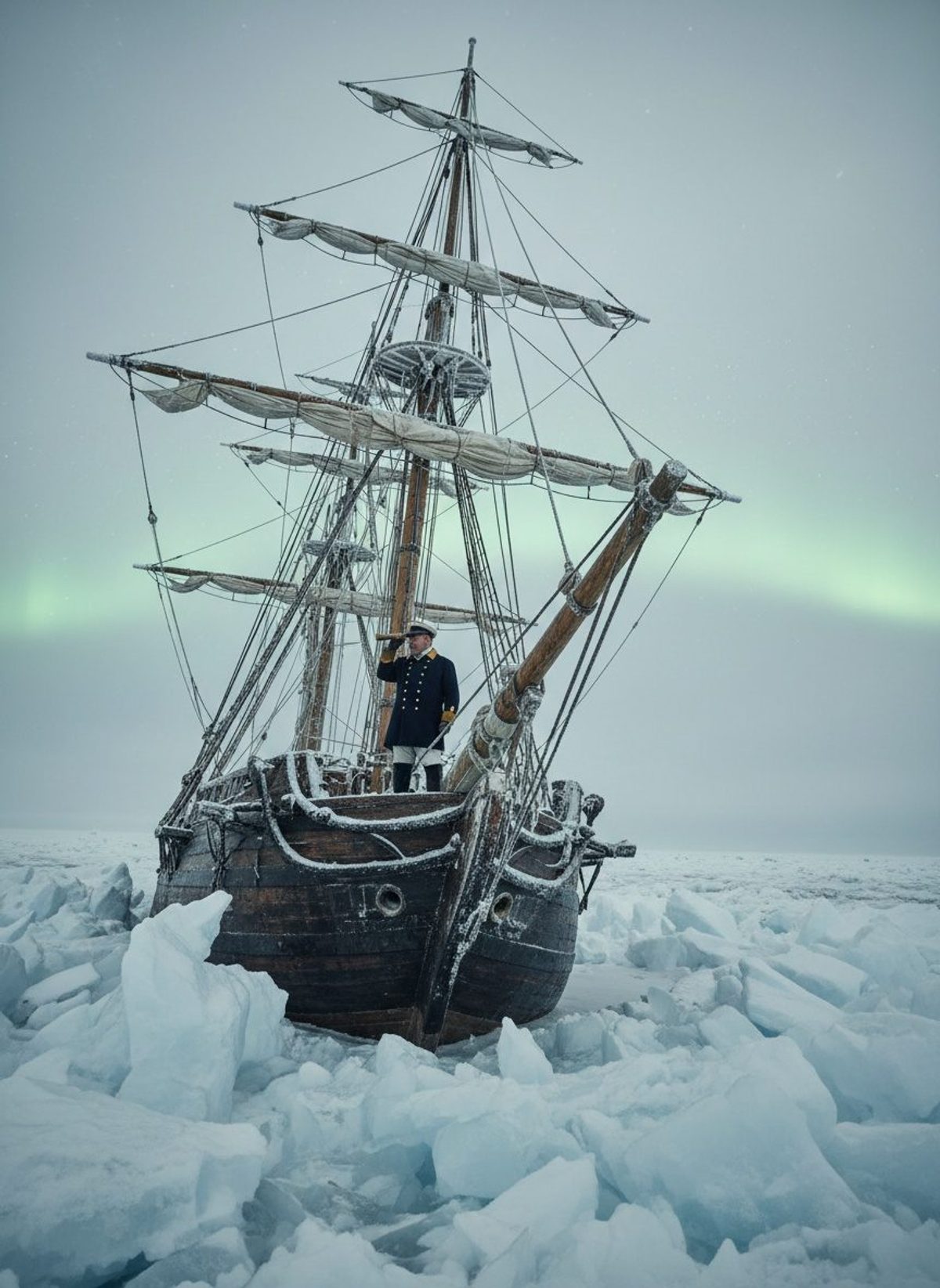
1845. Two ships sailed into the Arctic ice. HMS Erebus. HMS Terror. 129 men. None came back. The greatest mystery in Royal Navy history had begun.
Hand-picked from Britain Untold's archive. The stories you weren't taught at school. 3-minute read.
No spam. Unsubscribe in one click. We hate spam too. Privacy Policy.