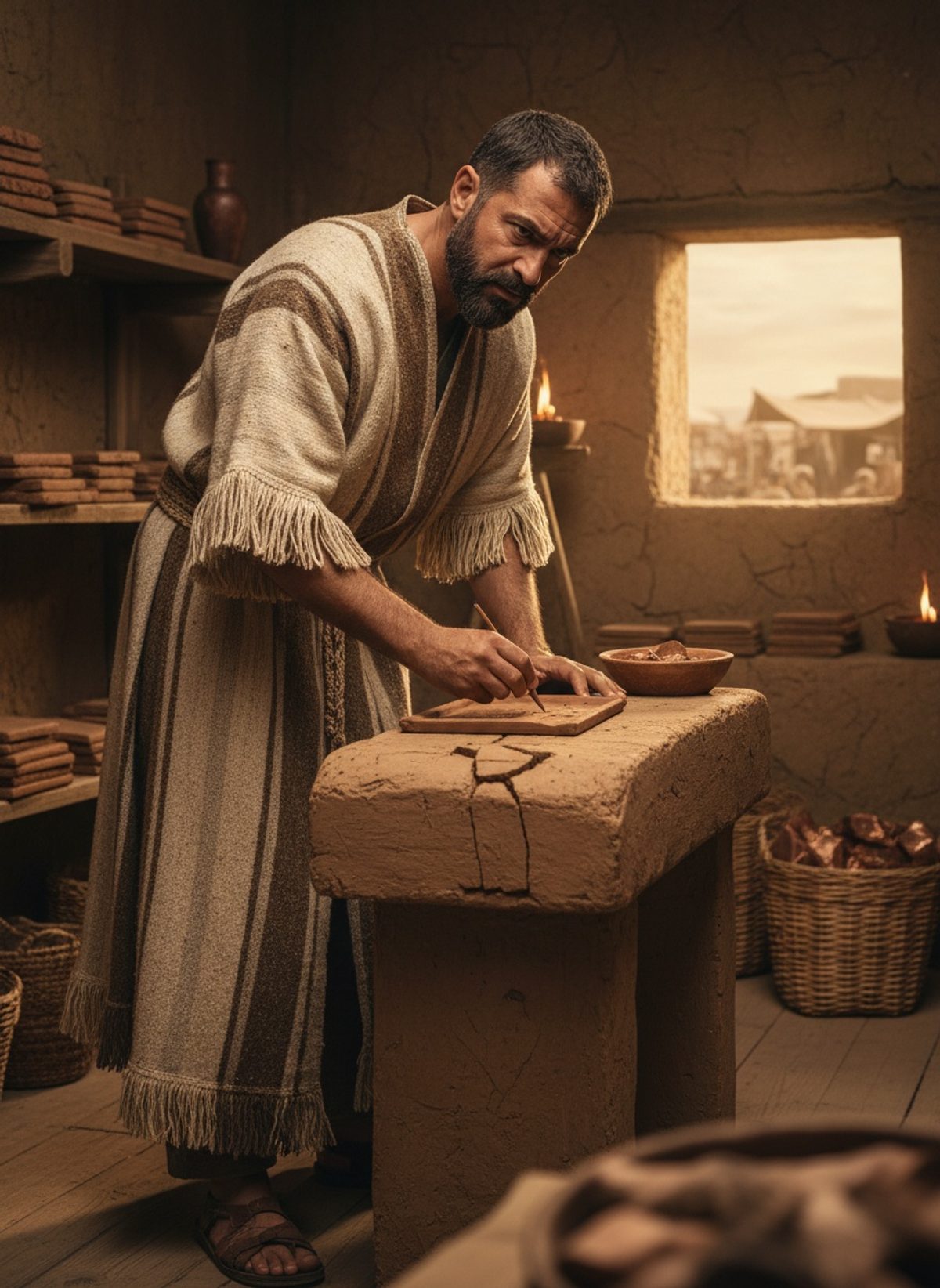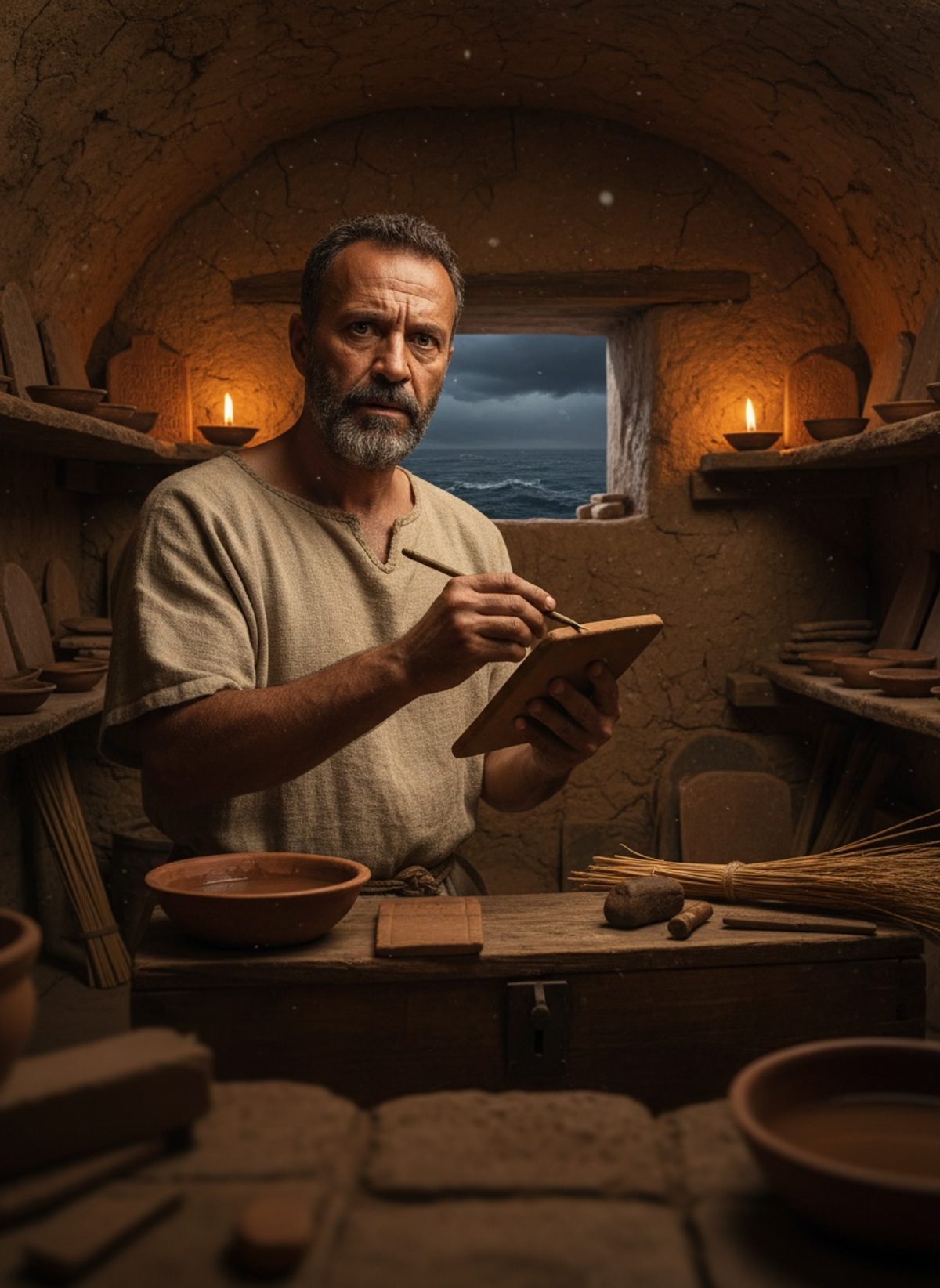
The courier knew the roads of Ugarit well. He had once navigated them swiftly in the golden days when the city bustled with merchants and laughter. He was twenty-three years old. He had never expected to witness the city’s ruin.
The Rise and Fall of a Trading Titan
Amidst the dazzling backdrop of the Late Bronze Age, Ugarit stood as a jewel of the ancient Near East. Nestled along the Syrian coastline, it was a hub of commerce and culture, where traders from all over the Mediterranean came to exchange goods and ideas. Ships filled with tin, copper, and luxury items routinely docked in its harbors, making Ugarit a wealthy and influential city-state. The wealth of Ugarit was not just in its gold but in its knowledge and connections, weaving a powerful network across the seas.
But then, seemingly out of the blue, disaster struck. Around 1200 BCE, just as the city teetered on the edge of unprecedented prosperity, the unthinkable happened. The bustling movement came to a standstill; whispers of trouble haunted the once vibrant streets. Harvests started to fail without explanation, and ships carrying vital goods simply vanished into the depths of the sea, never to return.
This sudden plummet into chaos wasn’t isolated to Ugarit. Across the Bronze Age world, once-mighty cities crumpled like castles of sand. Theories abound of what caused this widespread collapse—climatic change, foreign invasion, or perhaps a combination of disasters. All that’s certain is that Ugarit, this storied titan of trade, met its demise swiftly.
Read next: The Tomb Was Intact. The Name Inside Was Wrong.
The Desperate Plea
Amidst the chaos and uncertainty, a simple clay tablet bore witness to the city’s last cries for salvation. It was hurriedly written, sealed with urgency, yet never delivered. This artifact, interred beneath layers of downfall and soot, lay dormant for over three millennia. It wasn’t until 1929 that archaeologists uncovered this precious relic, uncovering secrets obscured by time and turmoil.
This tablet was more than just a communication; it was a symbol of desperation and impending doom. Addressed to a neighboring king, the letter within pleaded for aid amidst attacks from mysterious sea raiders. These "Sea Peoples" were a nebulous group whose origins remain unidentified, yet they were feared across the ancient Near East for their brutal raids and conquests. The letter detailed the attacks that were ravaging Ugarit’s lands, but it was too late for succor. By the time the tablet was found, Ugarit had already fallen to these unknown forces.
Its words echo through history, a testament to human vulnerability and resilience in the face of cataclysm. The dead language of the tablet could have vanished altogether, yet through linguistic reconstruction, scholars painstakingly pieced together its solemn message. It illuminated not just the historical trajectory of Ugarit but also gave insight into the apocalyptic events that reshaped the known world in that era.
The Signs in the Ashes
By examining the remnants of Ugarit, archaeologists discovered traces of what unfolded in those final days. The burnt layers of rubble and ashes found in the ruins tell the story of a city engulfed in violence and fire, hinting at a swift and brutal end. The archaeological site showed evidence of looting and destruction consistent with the ravages described in the clay tablet—a historical mystery unwrapped, revealing a fragment of the Bronze Age narrative.
But Ugarit’s story sheds light on more than just its own decline. It mirrors a broader cataclysm that swept through influential centers such as Mycenae, Troy, and the Hittites. These collapses mark the transition from the Bronze Age to the Iron Age, a shift that radically reshaped civilizations and cultures. While the evidence found within the layers of Ugarit reveals much, it still leaves historians debating the true causes and effects of this widespread societal upheaval.
The unseen forces that rose against Ugarit serve as both a warning and a lesson. They remind us that even the mightiest cities, with all their wealth and trade connections, are not immune to overwhelming outside forces. These clay-sealed messages from the past make us ponder the fragility of our own societies. How quickly could our own modern trade networks and cities collapse under the weight of unforeseen threats?
As new technologies and methods continuously illuminate the past, the tale of Ugarit remains an important puzzle in the historical fabric. It urges us to explore, understand, and learn from civilizations long gone, to protect our own from the unknown hazards that lie ahead.