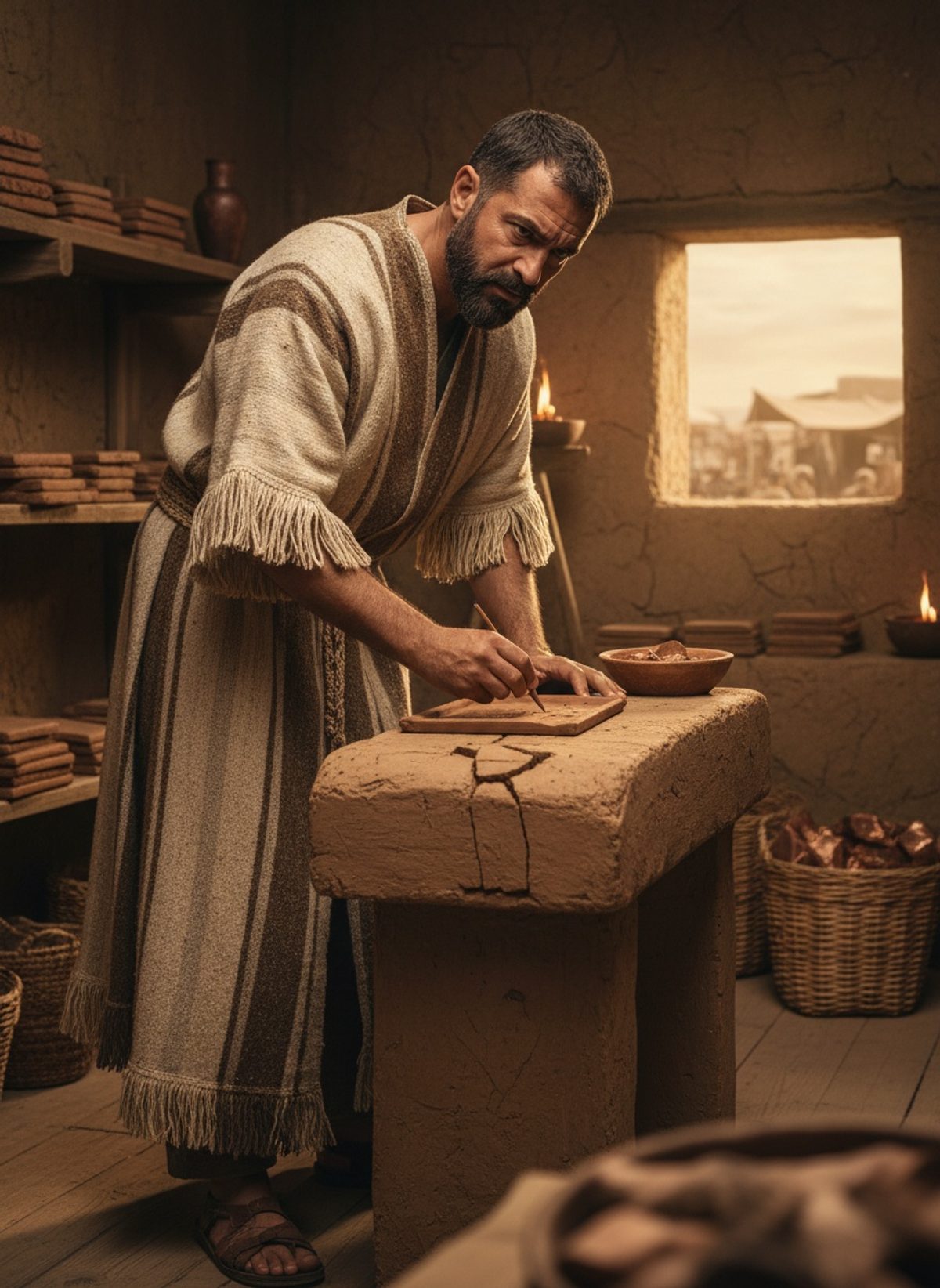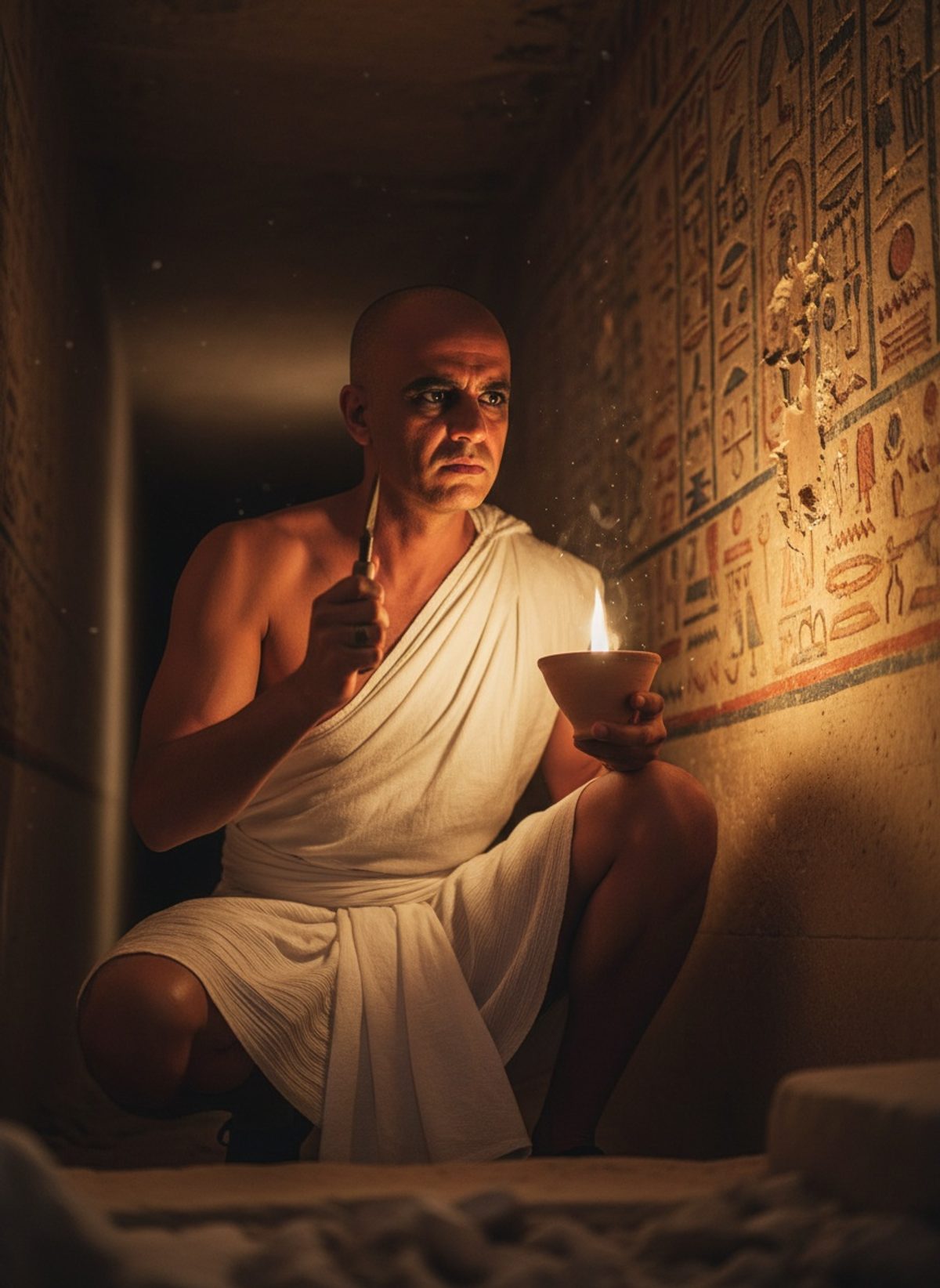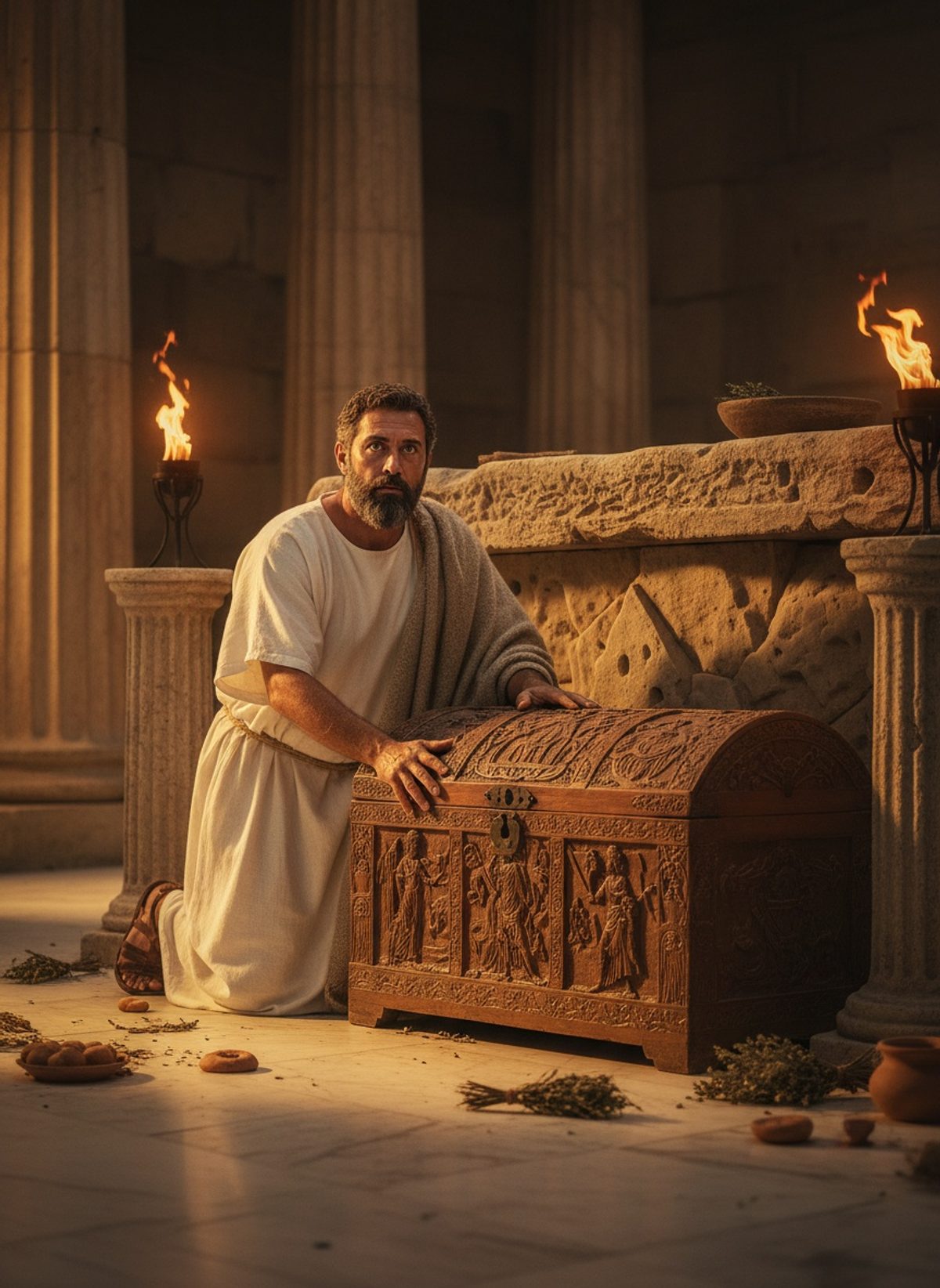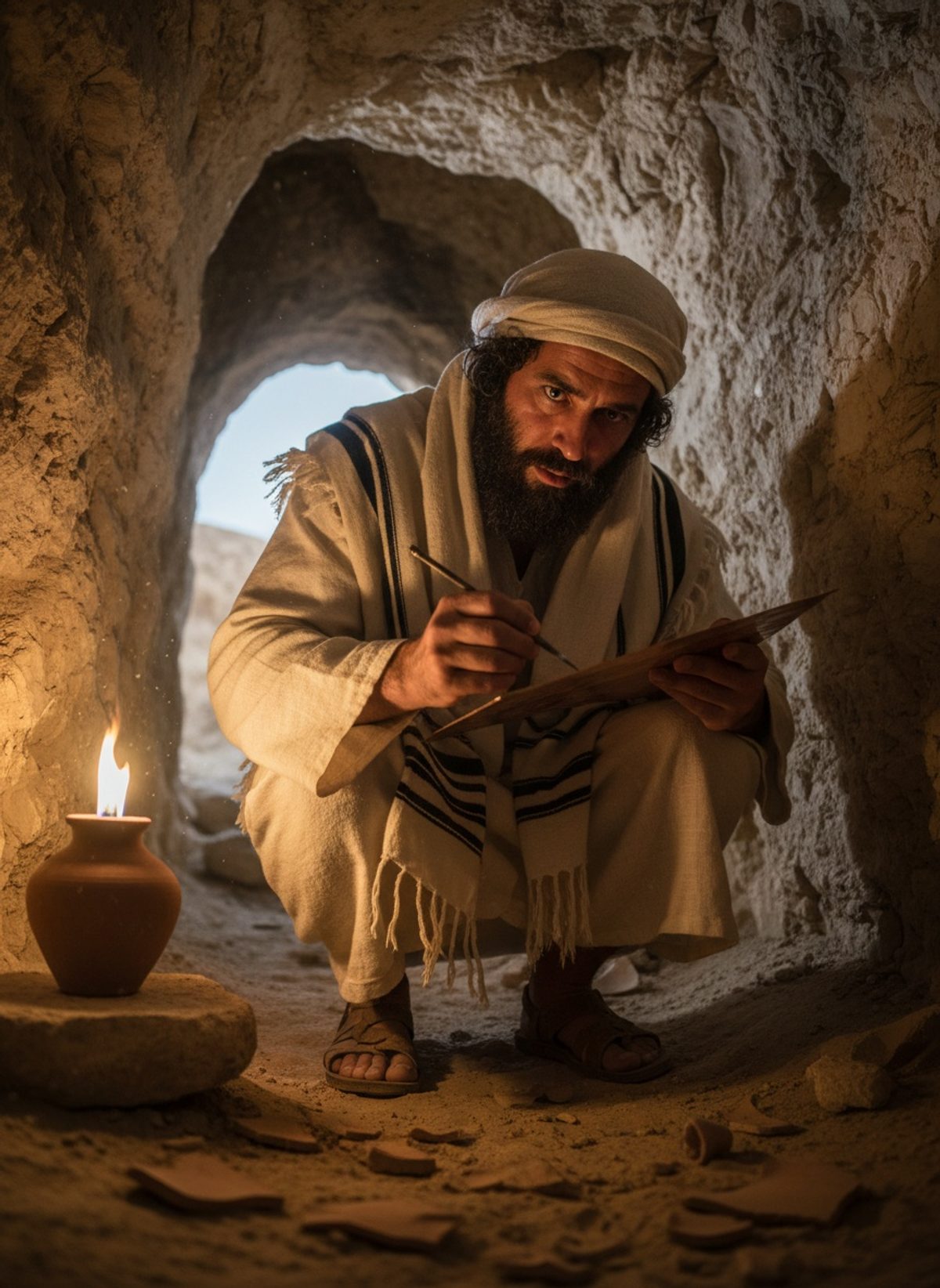
Most people have never stood in the barren wilderness of the Dead Sea region. Yet, it is home to one of the world's most enigmatic discoveries.
In 1952, a team of archaeologists working amid the arid caves above the Dead Sea made a find that would perplex scholars for decades. What they pulled from the rocky crevices was not the fragile papyrus or weathered leather typical of ancient scrolls but an entirely different beast—a scroll fashioned from pure copper. Unlike its counterparts bearing religious hymns, this one bore lists. Sixty-four very specific lists that spoke of buried treasures of immense proportions, secret hoards of gold, silver, and sacred artifacts. This was not a gentle whisper from the past; it was an outright challenge to treasure seekers around the globe.
The Copper Scroll's austere metal surface seemed to defy its fragile surroundings, suggesting secrets carefully preserved from the passage of time. Its composition, copper instead of perishable materials, hinted at the intention for longevity. The intricate Hebrew script etched into the copper plate describes treasures so vast that their discovery would eclipse even the tales of legendary King Solomon's mines. No priests' chants or kings' decrees, only a compendium of cryptic instructions—a treasure map like no other.
The discovery site, Cave 3, is part of an extensive network fringing the northwestern coast of the Dead Sea, a wilderness known for its mystical echoes and long-hidden secrets. By the middle of the 20th century, this desert landscape had already given up some of its ghostly occupants through the Dead Sea Scrolls, illustrating the complex tapestry of religious thought during a turbulent epoch in Judean history. Yet, the Copper Scroll stood apart, stubbornly resisting classification.
Read next: The Tomb Was Found Intact. No One Could Read It.
Imagine the painstaking work required to even unroll such a find. The copper sheets had oxidized and fused shut over centuries; it took modern technology in the 1950s, a saw-pressing device similar to those used in British Mint, to liberate the tightly-bound sheets. Once opened, scholars began the herculean task of deciphering its contents. The words read more like directions on a fated treasure hunt: "In the cistern which is in the courtyard of the peristyle at the bottom of the steps," or "In the tomb of the third hairless man." Each line a promise, cloaked in mystery.
Interpreting these described sites proved an archaeological conundrum. Hidden beneath the veneer of literal translation is meaning lost with the region's ancient landscapes, possibly obscured beneath centuries of shifting sands and vegetation. While speculation has tirelessly interpreted the scroll as a repository inventory during times of impending siege, perhaps those of the Jewish Revolt against Roman rule, others see a different narrative: a zealot's desperate attempt to evade catastrophe's clutch. Whoever composed it, the authors were meticulous in their specificity, suggesting a human connection, a tangible grasp on wealth nestled securely away.
Despite its list of riches amounting to tons of precious metals, the Copper Scroll remains largely dormant in the realm of undiscovered fortune. Scholars and adventurers alike have combed through theories, geography, and translation nuances, searching fruitlessly for these elusive treasures. A potential multifaceted reading of the scroll suggests a sacredness beyond mere mortal greed—the recorded treasures possibly intended for the re-establishment of ritual purity in a once-desecrated temple.
And then there's the astonishing lack of discovery—how in such a scrutinized part of the earth, could such wealth remain hidden? Part of the explanation lies in the secrecy surrounding ancient Jerusalism itself, where treasure was a vessel not just of physical wealth but of spiritual fortitude and identity. The scroll's true mastery isn't in its listed metal, but in the excavation of human legacy, fraught with turbulent conquest and the eternal struggle for preservation and identity.
So while prospective treasure hunters might be disappointed, it is in the peculiar fact of the Copper Scroll itself where we find its lasting impact. In an era intent on advancing technology to peer further into the past, it serves as a testament not just to what men buried but why they chose to do so. The deserts keep their own stories, whispered in harsh winds and mirrored, if only fleetingly, in the glimmer of sun against aged copper. As intrepid seekers ponder where these 64 locations may be mapped upon modern landscapes, they are invariably drawn into the broader enigma of human history begging to be uncovered, reframing our understanding of ancient perseverance.
Ultimately, this ancient scroll remains a humbling reminder that history does not yield easily to modern inquiry. Its riddles are as enigmatic now as they were when carved into metal nearly two millennia ago. And in that stubborn resilience—to hold onto secrets for generations, reflected in metal that refused to crumble to dust—lies the enduring allure of the Copper Scroll.