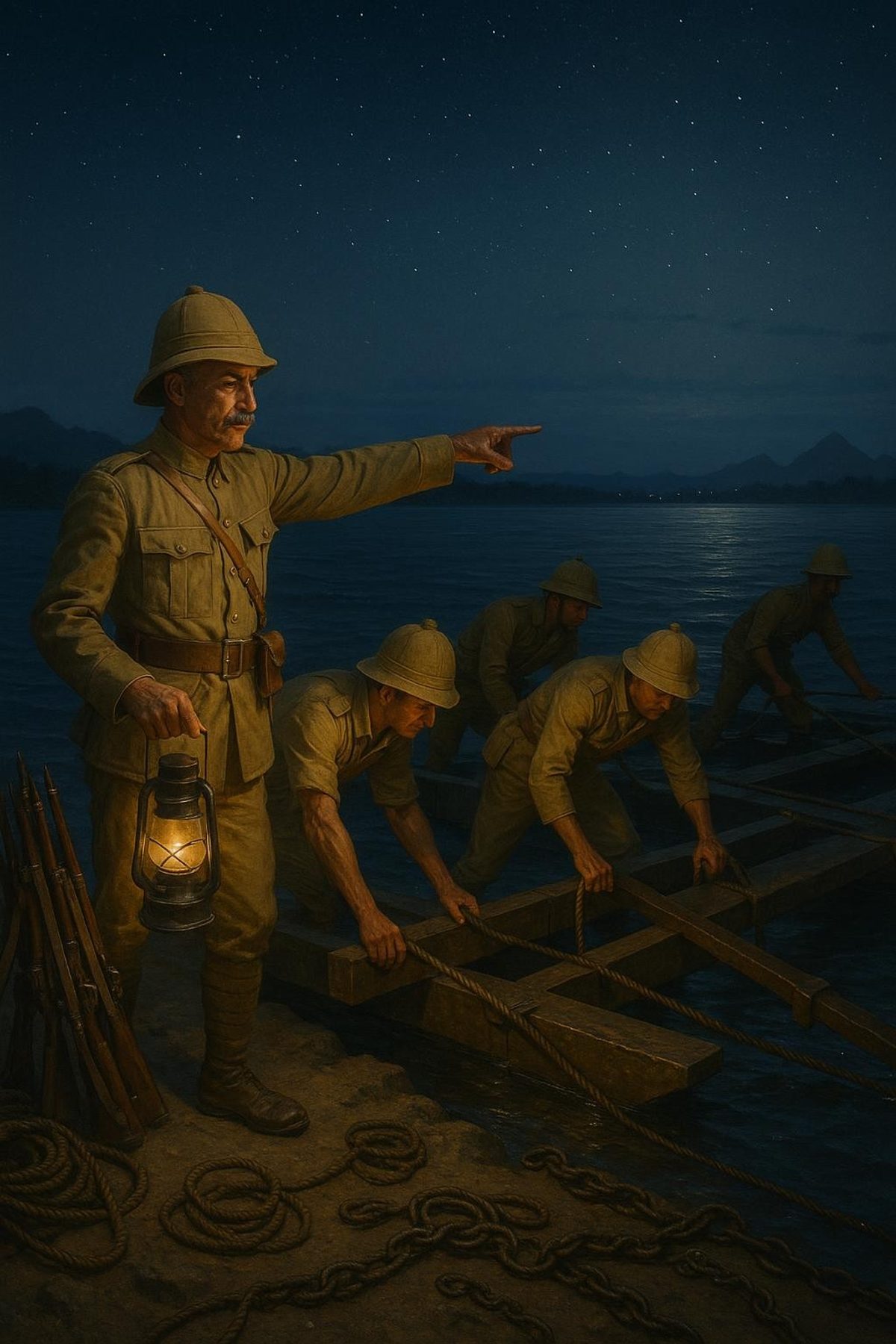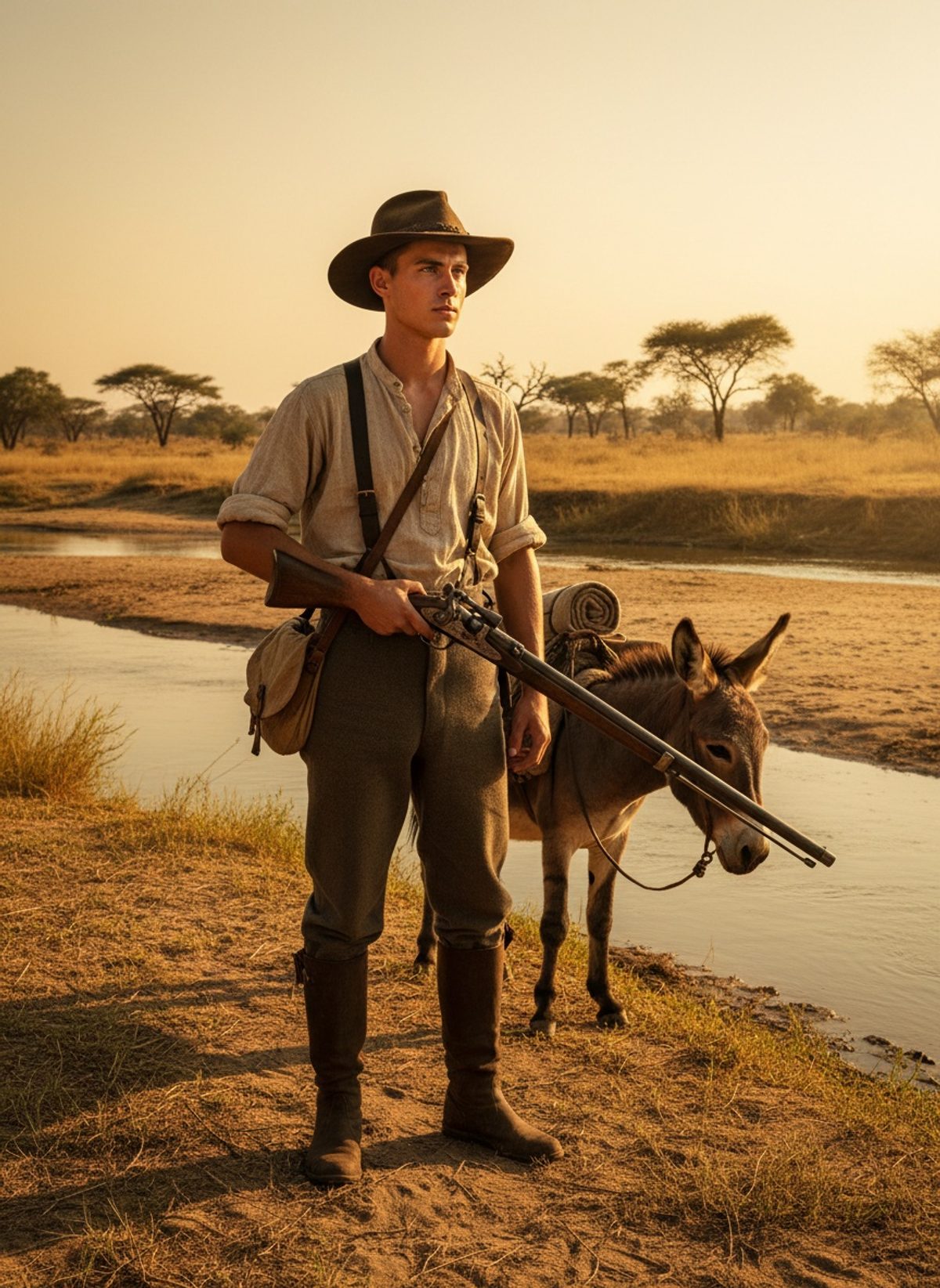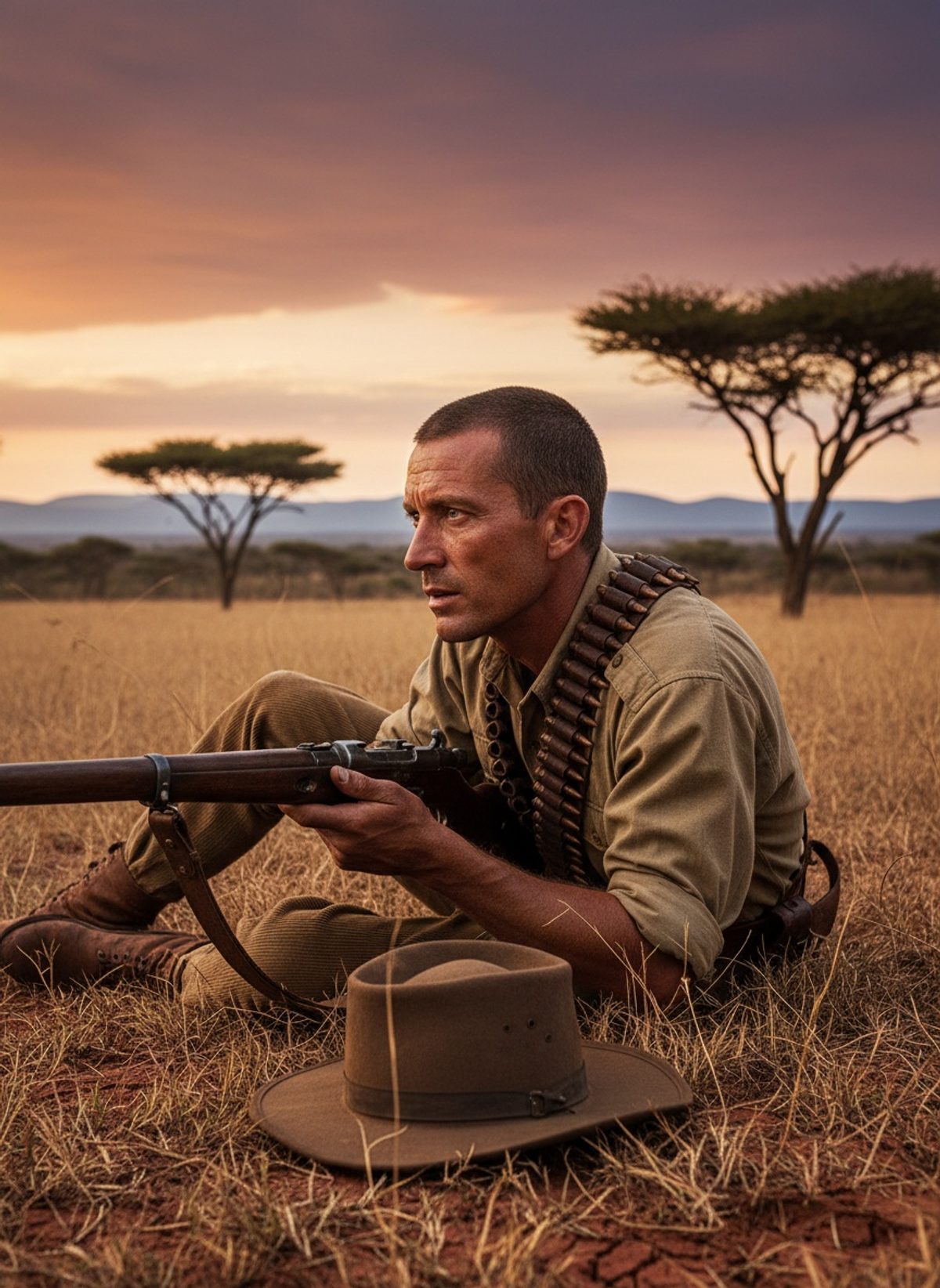
The African sun began its descent towards the horizon, painting the sprawling savannas in a fiery hue of oranges and deep purples. A distant call of wildlife punctuated the silence, as the wind carried whispers through the grasslands below. To the untrained, this was beauty untouched; to those placed in Matabeleland in 1893, it was a landscape of looming confrontation. The atmosphere was thick with anticipation and uncertainty, as an outnumbered British column sought to gain a foothold in these rugged expanses. Their lifeline came in the form of one man—Frederick Russell Burnham, an American scout with the audacity to ride alone into the unknown.
The Landscape of Destiny
Matabeleland, located in what is now Zimbabwe, sprawls in an austere majesty, dotted with stone kopjes and low-lying bushland. During the Victorian Era, this land was at the heart of the Scramble for Africa—a continent-wide dash by European powers to claim African territories. The British South Africa Company, led by men of imperial ambition, faced the mighty Matabele warriors. The Matabele, fiercely proud and adept at guerrilla tactics, knew this land intimately—a formidable advantage over the encroaching British. For the British, this was terra incognita, a critical but perilous advance filled with potential and peril.
It was here, amidst this grand tableau of conflicting destinies, that Frederick Russell Burnham emerged. A frontiersman by trade, Burnham was no stranger to the raw and untamed. His journey had spanned continents, but in Matabeleland, he was to etch his name into the annals of colonial history.
One Man's Valor
Frederick Russell Burnham wasn't a typical soldier. Born in America, he was a man of relentless curiosity and courage, gifted with skills honed in the vast American West. His keen observation and wilderness savvy were invaluable to a British column groping in the dark. His mission was simple but deadly: infiltrate the Matabele lines, assess their numbers, and locate their vulnerabilities—all while carrying nothing but nerve and a sharp mind.
Read next: When Garnet Wolseley Burned Kumasi and Walked Away, 1874
The night he slipped into enemy territory was suffocatingly quiet, the moon casting ghostly shadows across the veldt. Each step forward was a gamble, a Russian roulette with fate where he bore the sole burden of success or failure. Yet Burnham moved with the certainty of one who understood the stakes. A single misstep could lead his stalking enemies to him—and with them, swift death.
His mission played out like a shadow dance, a waltz between hiding and running, observing and retreating. Burnham's unprecedented skill at reading the land gave him an uncanny advantage, turning the Matabele's intimate knowledge of their own terrain against them. It was this mastery of stealth that allowed him to gather the prized intelligence that would tip the scales dramatically.
The Information That Changed Everything
Burnham's return to the British camp was as discreet as his departure. His insights, however, sounded alarms louder than war cries. The intelligence he conveyed painted a vivid picture: the location of Matabele forces, their numerical strength, and crucially, their lines of communication. Armed with this knowledge, the British weighed their immediate tactical options, formulating a strategy that would exploit the Matabele's weaknesses—something Burnham's observations had laid bare.
The information proved to be the catalyst for a series of decisive maneuvers. The British, equipped with modern weaponry and a newfound confidence, engaged the Matabele with explosive results. The campaign's momentum shifted sharply. What was once cloudy became intensely focused, all due to Burnham's lone venture into the heart of uncertainty.
Legacy of a Lone Scout
In Matabeleland's rolling hills and beneath its vast skies, the path to British victory was fortified by one man's daring gamble. Frederick Russell Burnham's journey was more than mere espionage—it was an embodiment of individual courage breaking through the fog of war. It serves as a reminder of how a single person’s actions can ripple through the fabric of history.
Reflecting upon Burnham's mission, one ponders the dynamics of bravery and its quiet, often unseen impact. Although textbooks may chronicle the broader wars and movements, it is tales like these—a lone man in the expansive African night gathering the threads of change—that reveal the textured undercurrents of our shared history.