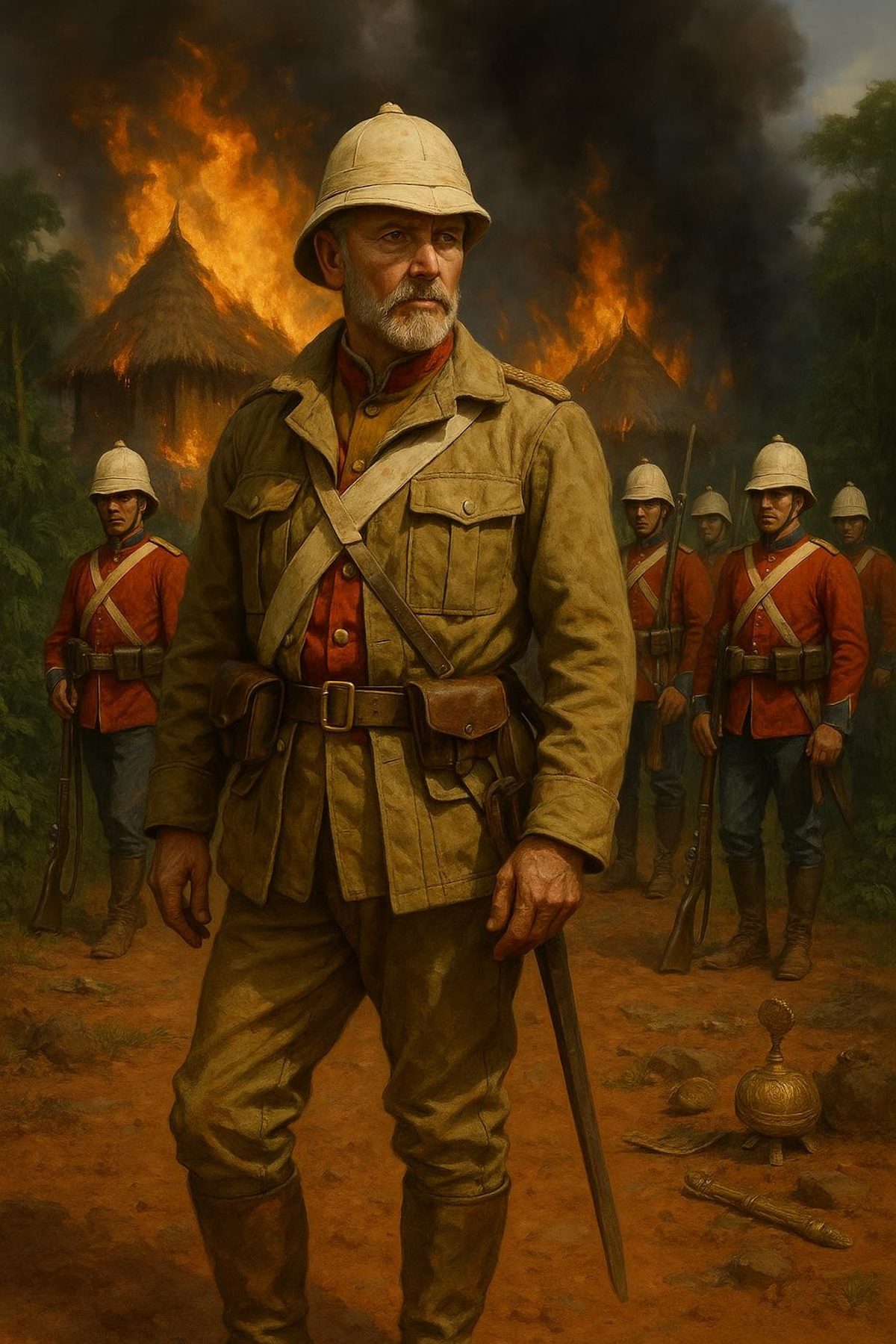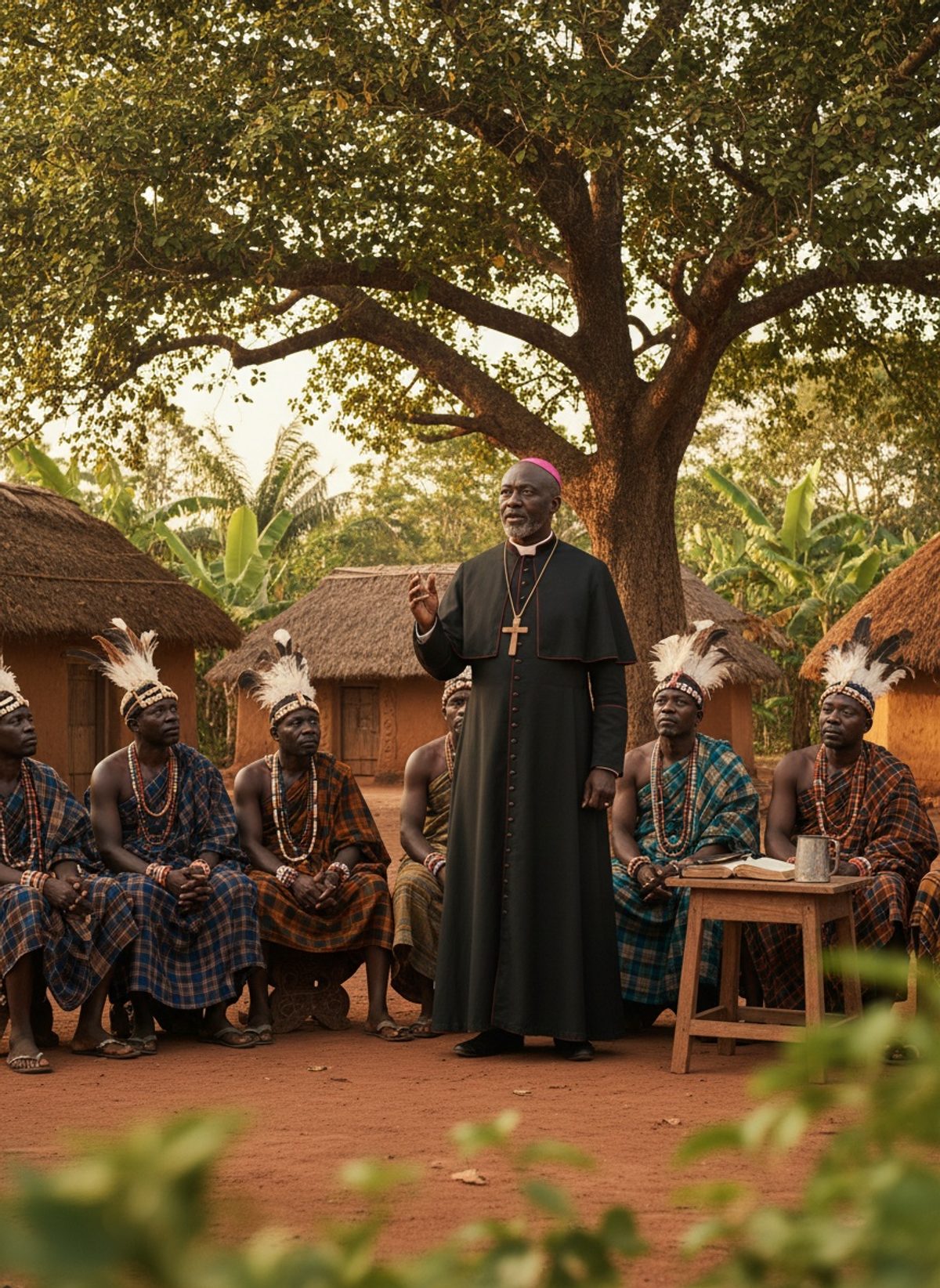
The gentle dust of the Harmattan wind swept across the plains of Kumasi, the air charged with an electric tension that mirrored the gathering storm in the Ashanti Empire. Within the palace walls, a cluster of Ashanti chiefs had gathered, their faces shadowed by doubt and tradition as the sun dipped below the horizon, casting long, dusky lines upon the earth. This tranquil evening, crackling with an unspoken urgency, witnessed a drama that would forever alter the narrative of resistance against colonial imposition. A demand so brazen it hung like an axe over sacred customs: the British governor's insistence on possessing the Golden Stool.
The Golden Stool: More Than Wood and Gold
The Golden Stool, or Sika Dwa Kofi, was not merely a physical object. It was the embodiment of the Ashanti people's soul, a spiritual throne crafted from gold, meticulously woven into their identity by their ancestors. According to Ashanti lore, it descended from the heavens into the lap of Osei Tutu, the first king, and its protection was paramount, above even their own lives. The notion that any foreigner, especially a British governor, could place himself upon it was anathema. This was not just an affront to cultural pride; it challenged the very essence of what it meant to be Ashanti.
Within this charged atmosphere, a figure stood — a woman whose stature and defiance would galvanize a people on the brink of acquiescence. Yaa Asantewaa, in her sixties, the queen mother of Ejisu, rose like a phoenix from the ashes of doubt that pervaded the room. Her voice, though aged, resonated with the fiery conviction of youthful defiance.
She saw the silence of the chiefs not as patience, but as paralysis. Their hesitation could sow the seeds of defeat not just in battle but in spirit. Yet, where kings faltered, a queen surged forward. Yaa Asantewaa did not merely request action; she demanded it. Rifle in hand, she was not only prepared to fight; she offered to lead the charge herself. A history dominated by male rulers was now reshaped by her tenacity. Yaa Asantewaa did what no man dared — she ignited the hearts of warriors with her resolve.
Read next: When Frederick Lugard Held Nigeria Together, 1903
The Siege of Kumasi
The months that followed her clarion call were ones of formidable struggle and resilience. By March 1900, the Ashanti were deep in the throes of resistance, and it was the women who took the front lines under Asantewaa's leadership. The Ashanti, renowned for their military prowess, were facing an empire whose reach seemed limitless. Yet, they had the terrain as their ally; the dense forests and rivers of the Gold Coast conspired against British guns and discipline.
The siege of Kumasi commenced with fierce skirmishes. The British forces, accustomed to linear warfare, found themselves ensnared in guerrilla tactics and ambushes, their lines of communication severed by an enemy intimately familiar with the land. Each encounter was a seesaw of gain and loss, but the Ashanti, bound by the sacred oath to protect the Stool, held fast. Asantewaa's strategy was not merely to fight but to outlast the colonial machine, to make each movement costly and morale-depleting.
The thick canopies sheltered warriors who flitted like shadows, striking swiftly before melting back into the greenery. It was a war of attrition, a countryside ablaze with determination. Yet, undeniably, the resources of the Indigenous fighters were stretched thin. The Ashanti were relentless, but the tales from this brutal stand continue to be whispered — of warriors who carried and fell with unfathomable courage on a hundred fronts, resisting but never yielding.
Yaa Asantewaa: The Reluctant But Resolute General
In the heart of battle, stories of Yaa Asantewaa's leadership reached almost mythical status. Her presence was more than symbolic; it was a living embodiment of the Ashanti spirit. She became a standard-bearer, a tactical mind that was both compassionate and cunning, rallying her people with speeches that brimmed with the energy of her convictions.
Despite her advancing years, Asantewaa's strategic acumen was both intuitive and learned — a result perhaps of witnessing decades of British interference. She anticipated movements, adapted to supply shortages by championing resilience, and maintained a morale grounded in unwavering tradition. Her leadership saw the Ashanti fight for months, a defiance that added a new chapter to the annals of resistance across colonial Africa.
Yaa Asantewaa's role was not merely that of a figurehead; she exemplified the potential of resistance against overwhelming odds, a rallying cry for all who dared to defy colonial subjugation. She confronted the cultural hegemonies imposed by an empire and emerged as a beacon for future generations.
The Unyielding Echoes of Defiance
By the close of the conflict, the Ashanti had left an indelible mark on the fabric of colonial history. Although the inevitable tide of British dominance eventually overwhelmed the Ashanti warriors, the legacy of Yaa Asantewaa and her people endured far beyond the battlefield. The war highlighted a truth well-known to the colonized world: that real power lies beyond the superficiality of gold and thrones — it dwells in the hearts of those bound to a common purpose.
Yaa Asantewaa, as a leader, transcended her role, crafting a narrative of female leadership seldom acknowledged yet profoundly influential. Her story is a testament to resolve and courage in the face of seemingly insurmountable challenges. Her voice reverberates through history with the simple yet potent message: the soul of a nation cannot be conquered, not when it resides in the people who give it life.
This was more than a fleeting moment of resistance; it was the rise of a new era where the spirit of defiance seeded future overthrow of colonial powers across Africa. Yaa Asantewaa demonstrated that the fight for cultural identity and autonomy was not a battle between two sides, but a continuous journey that transcends time — an eternal dance of resilience and power.