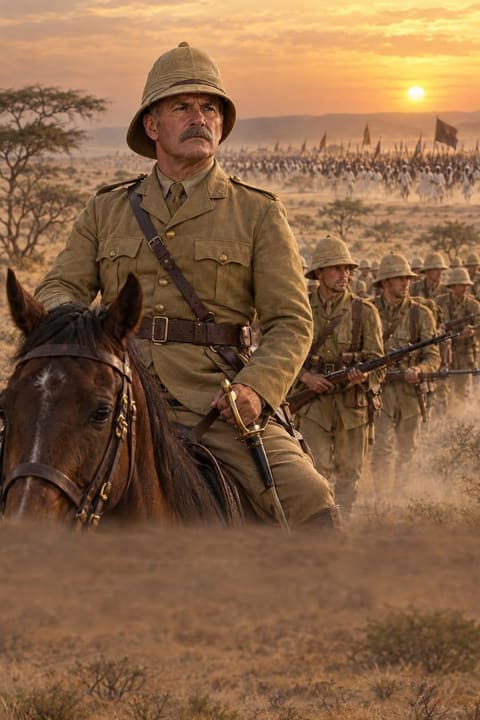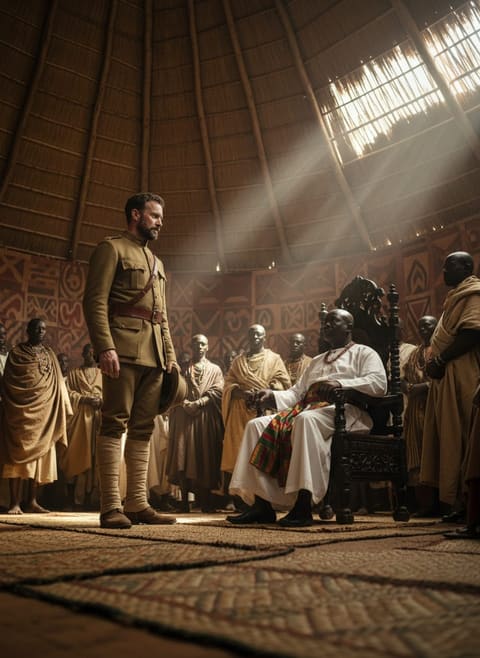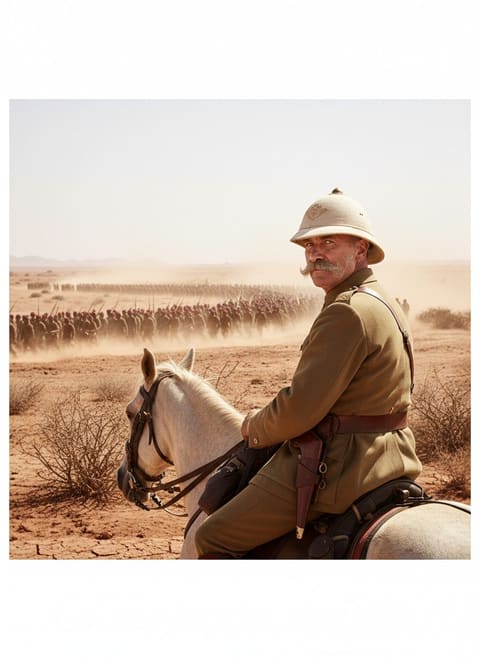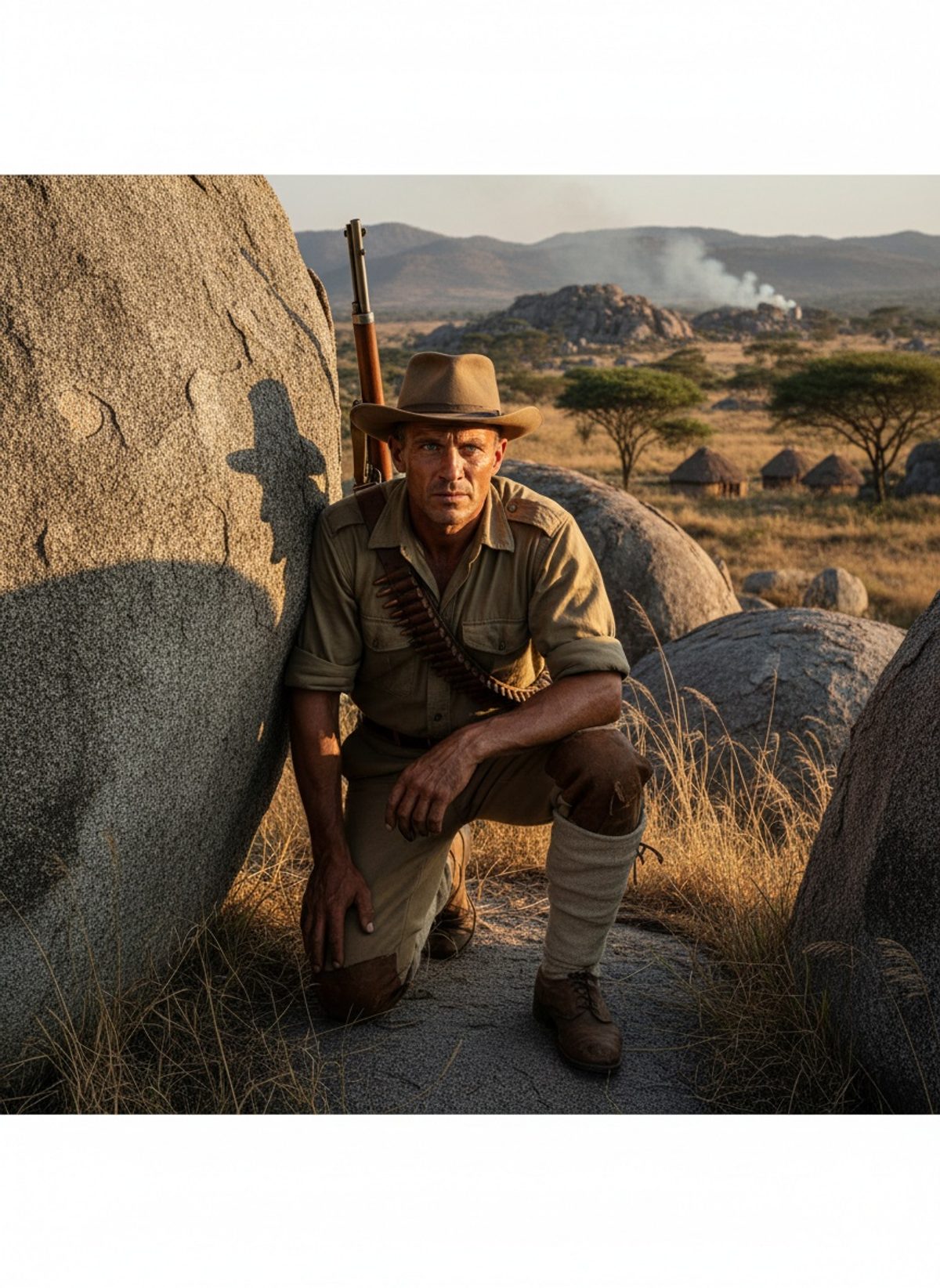
The African dawn was barely a whisper along the horizon when the brush underfoot rustled slightly, a movement imperceptible to all but the keenest of eyes. In this silence, Frederick Russell Burnham crept alone through the scrub of Matabeleland, his senses tuned like a predator’s. Here, amidst the rolling hills of Matobo, the uncanny stillness warned of unseen forces lying in wait. Burnham was not just any scout — he was a whisper in the wilderness, tasked with threading the fine line between life and death, shadow and substance.
Navigating the Matobo Maze
In 1896, the Matobo Hills of present-day Zimbabwe became the crucible in which the resolve of British power—and the cunning of its opponents—were tested to breaking point. The Second Matabele War, known to the Ndebele people as the First Chimurenga, had erupted with a ferocity that British colonial forces had initially underestimated. In this rugged terrain, patrols were bested at every turn, surrounded by the ghostly orchestra of Ndebele warriors’ chants echoing from the rocks. It was a war of wits, and for the British, winning required more than a show of might.
Enter Frederick Russell Burnham, an American scout in the British service, whose senses were honed by years of navigating hostile landscapes from the American West to the African veldt. The mission: infiltrate the rebel strongholds alone, map their positions, and pour desperately needed intelligence back into the staggering British efforts. To acheive this, Burnham had to blend into the land, embrace its dangers and disguises, operating like a phantom amidst phantoms.
Solitary Shadows and Silent Strengths
Concealing himself from watchful eyes required a mastery of the elements, becoming intimate with the earth and its shades. Burnham moved through guerilla territory as if a living part of the landscape. He studied the nuanced language of the hills, where shifting sands and winds whispered secrets. This seamless integration was his expertise — invisible to the Ndebele scouts, whose own skills in tracking and ambush were unmatched, yet suddenly matched by this solitary shadow.
Read next: When Garnet Wolseley Marched Into Kumasi and Burned It, 1874
At night, Burnham slept under the open sky, ears attuned to the rustlings that might signal danger. He had already encountered Ndebele informants, their hidden camps revealing formations and strategies invisible to the not-so-prying eyes of conventional warfare. By day, he charted bolts of inspiration on rough charts, sketching necks of valleys and blind cliffs that could swallow an army whole. Each day seized was a step deeper into the dragon’s lair.
Mapping the Unchartable
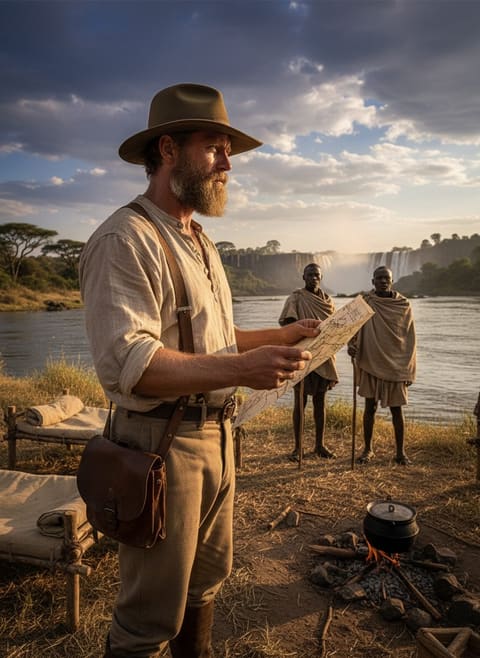
The knowledge Burnham accumulated turned the tides of war. His maps were intimate portraits of the land's treacheries and blessings, leveraging paths through the labyrinthine strongholds of the Ndebele. Where British maps marked emptiness, Burnham’s sketches came alive with tactical precision, illustrating pathways nicknamed “Lion’s Mouth” or “Serpent’s Backbone,” each marked by its own primal challenges. His reconnaissance was no less remarkable for its scientific contributions; Burnham’s journeys enriched the cartographic understanding of a region shrouded in colonial mystique.
Read next: When Samuel Baker Found a Lost Sea in the Heart of Africa
The return from these missions was no less harrowing, often requiring the same skill in evasion and subterfuge as his inward ventures. The Ndebele warriors were tenacious and cunning, capable of melting into the hills just as adeptly as Burnham. That he returned at all, unscathed and with treasure troves of knowledge, was a testament to a unique brand of audacity — that rare combination of courage and brains that defined successful scouts across history.
A Legacy in Shadows
The intelligence Burnham provided radiated through the ranks, altering strategies and shifting the course of confrontation. The British columns, rejuvenated with newfound insights, managed to avoid the heavily fortified strongholds and strike where least expected, turning the balance of attrition toward a winnable tilt. Burnham's adventures evoke broader contemplation on the underestimated power of knowledge, quiet courage, and perseverance. Such tales of individual cunning and stealth rarely make textbook headlines, yet they remind us that even war's vastest enterprises can hang by the thinnest threads of lone bravery.
This shadow war in Matabeleland resonates still because it underscores the intricate dance of survival when disparate worlds collide, when one man chooses to face the dark with nothing but his wits. Frederick Russell Burnham's solitary scouts remind us what’s often omitted from grand narratives: sometimes, the mightiest empires can depend on the deft footfalls of one quiet man in the vast, unmapped wilderness.