The air was oppressive with the scent of sweat and gunpowder as Samuel Baker knelt on the hardwood boards of the Khedive's palace. The flicker of flickering oil lamps cast long shadows over the clustered dignitaries around him, their faces a mix of expectation and skepticism. The Khedive, seated on his elaborate throne, looked down at Baker with equal measures of imperial authority and hope. For the British explorer, this moment was the culmination of an unyielding journey fueled by sheer determination. His next task was daunting: navigate the treacherous waters of the Nile and dismantle the thriving slave trade.
The Command of a Flotilla
The Khedive of Egypt, an ambitious ruler, had set his sights on shaping his nation as a beacon of modernization in a turbulent era. Egypt, at the time, intertwined with the legacy of ancient powers and the nascent ambitions of a modern state, found itself in a symbolic position at the crossroads of continents. The slave trade was a festering sore in this burgeoning hope—a trade route as old as the Nile itself. It fell upon Samuel Baker to venture into the depths of Africa and cut out this malignancy at its root.
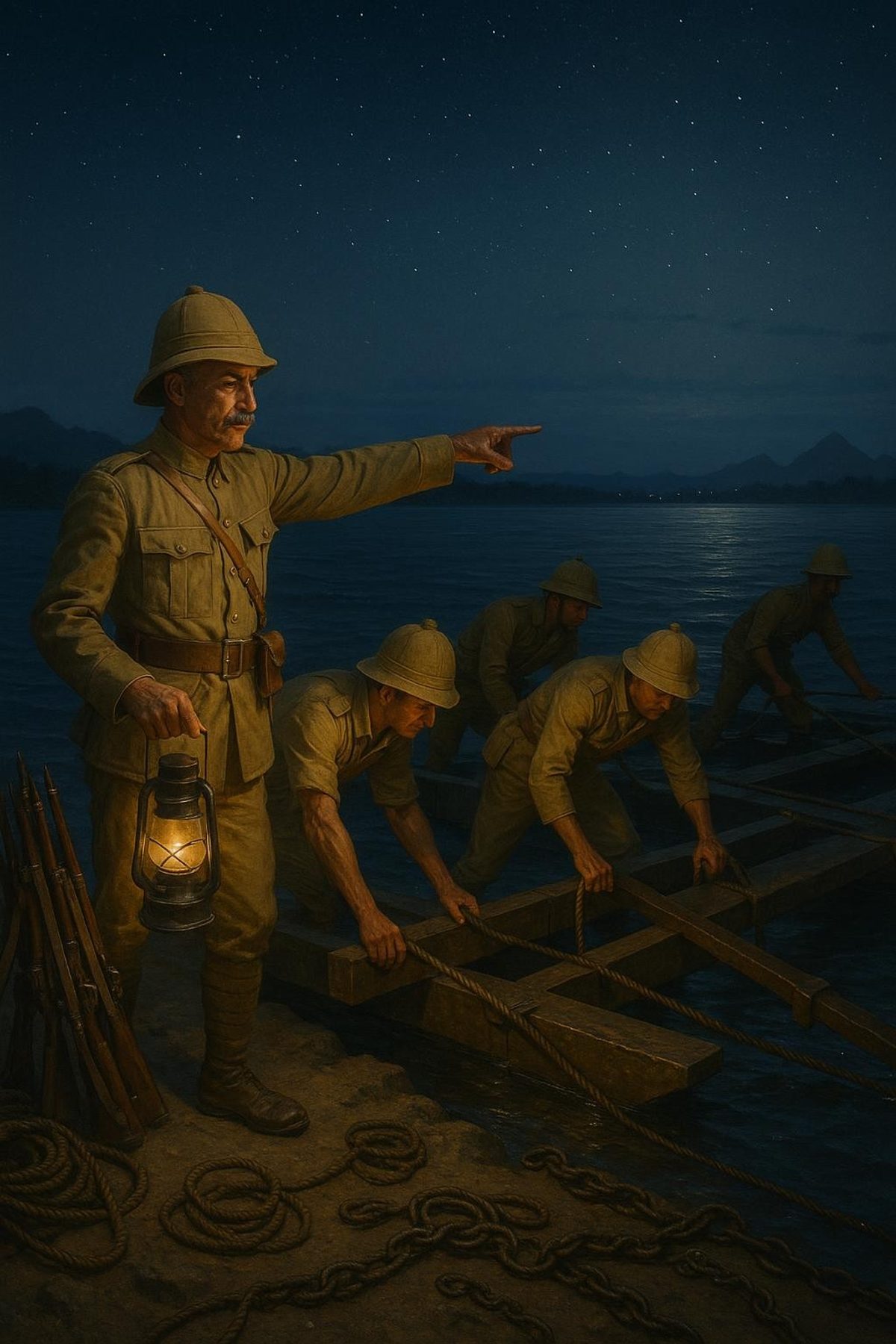
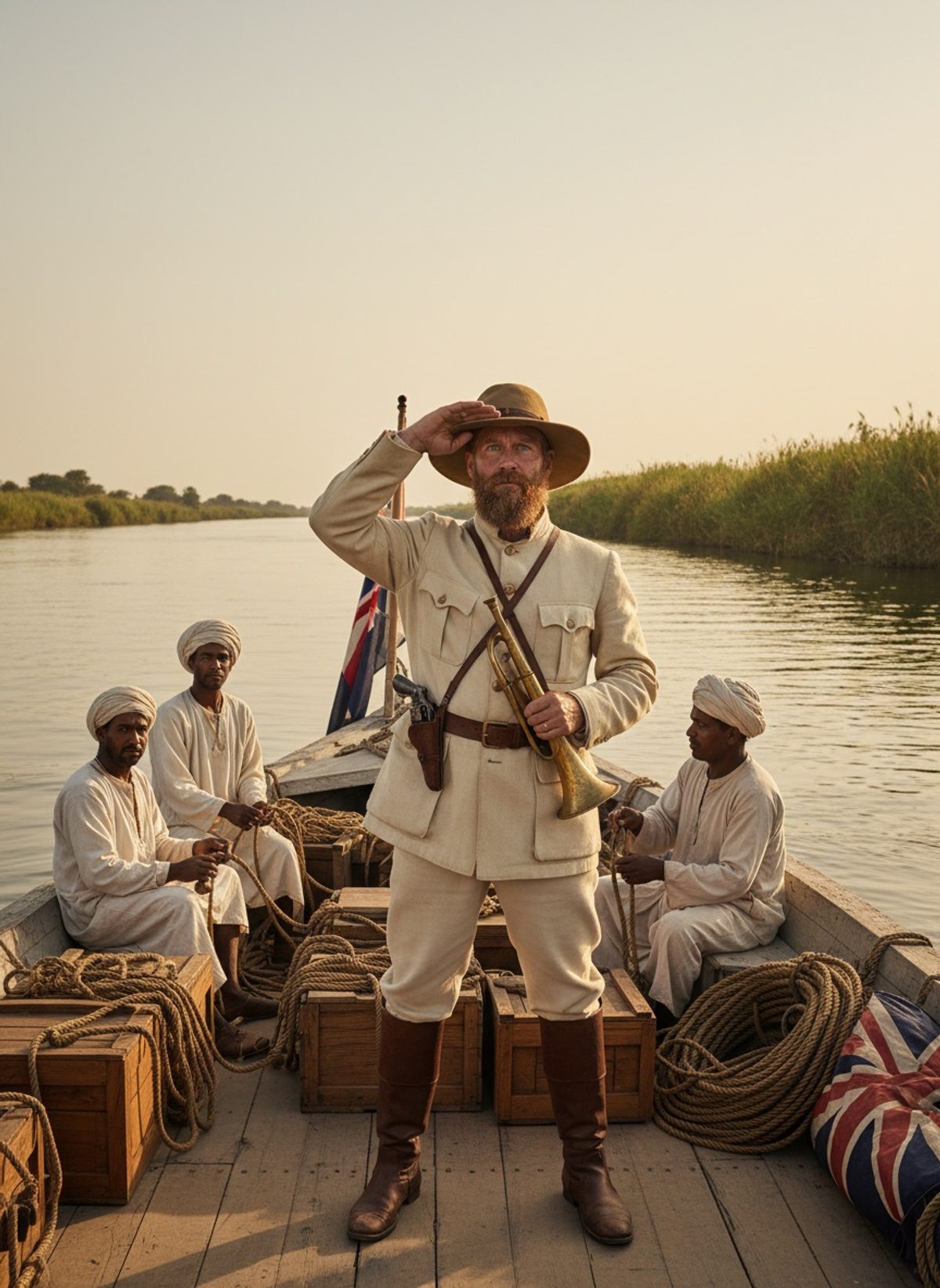
Equipped with a fleet that included four steamers, Baker's expedition was more than just a navigational endeavor; it was a diplomatic and military mission. To those unfamiliar with the intricacies of Nile navigation, steamers seemed anachronistic against the river’s ancient flows; yet, they were a strategic edge against the swift, stealthy dhows that transported human cargo along clandestine routes.
Baker’s previous endeavors had awarded him a reputation of resilient resolve, mapping previously uncharted territories of the Nile. His discovery of a lake that no European had documented was a testament to his unyielding spirit. Yet this undertaking was fundamentally different. Instead of seeking unexplored lands, Baker was tasked with confronting an empire rooted in age-old traditions. His mission was to reduce the trade into its constituent parts, to expose the complicity of established power structures that profited from human suffering.
Read next: When Frederick Selous Stood at the Limpopo, 1871
The Heart of Darkness
As Baker's small flotilla moved cautiously upriver, they were met with an impenetrable curtain of heat and humidity rather than any regal welcomes. The Nile, a wide, unpredictable path bordered by dense, whispering canopies and murmured secrets, was both guide and adversary. With every mile, Baker knew the chains that enslaved countless souls were not merely of iron and flesh but reinforced by the sinews of economic interests and fear.
The journey upriver tested his crew in ways the map-making missions never had. Disease was rampant, a brutal fact of life that whittled down the numbers of men longer than the talons of any beast. The harsh landscapes of Africa formed a landscape where human cries of anguish and the percussion of war drums echoed over the waters, warning symbols that resonated with the fierce resistance Baker would encounter. The locals, wielding the traditions of their ancestors, were skeptical of this foreign man who claimed to bring liberation accompanied by the armory of steel and fire.
An audience with local chieftains often placed Baker between handshakes and hidden daggers. Diplomacy on the Nile was as navigational as the water routes themselves, requiring the urgent translation of respect and authority. Yet, Baker was steadfast, understanding that the chains of the slave trade were not forged from local ignorance but from the distant ambitions of empires profiting from every life sold.
The Legacy of Liberation
As they pressed deeper into the heart of Africa, Baker and his party discerned that the slave trade was a hydra with many heads—one that thrived on human despair and authoritative complicity. The solution lay not only in capturing traders or liberating slaves but in undermining the socioeconomic foundations that sustained such an enterprise. Baker became more than just a sailor; he was a liberator, a commander, and in many places, an unwanted intruder.
The struggle for liberation on the Nile was not a tale of absolute victories. The societal chains were too deeply etched, and the settlers too unaware or too involved. Yet, through metaphorical and literal storms, Baker had piloted hope against a tide of apathy and malevolence. The echoes of Baker's struggles would ripple down the years, striking at the core of human dignity in an era blinded by fleeting power struggles.
The story of Samuel Baker's expedition is a haunting reminder of the ghosts of human exploitation, a chapter often missing from annals conveniently overlooking the darkness that accompanies historical landscapes. As Baker’s expedition revealed, real transformation required both courage and a profound willingness to confront uncomfortable truths. For the Khedive, this mission symbolized commitment to progressive change, but its true impact—deeply woven into the lives it touched—would only be measured by the silent epitaphs of those freed from chains. It calls upon us to question our own world, to illuminate the shadows where contemporary injustices still thrive.