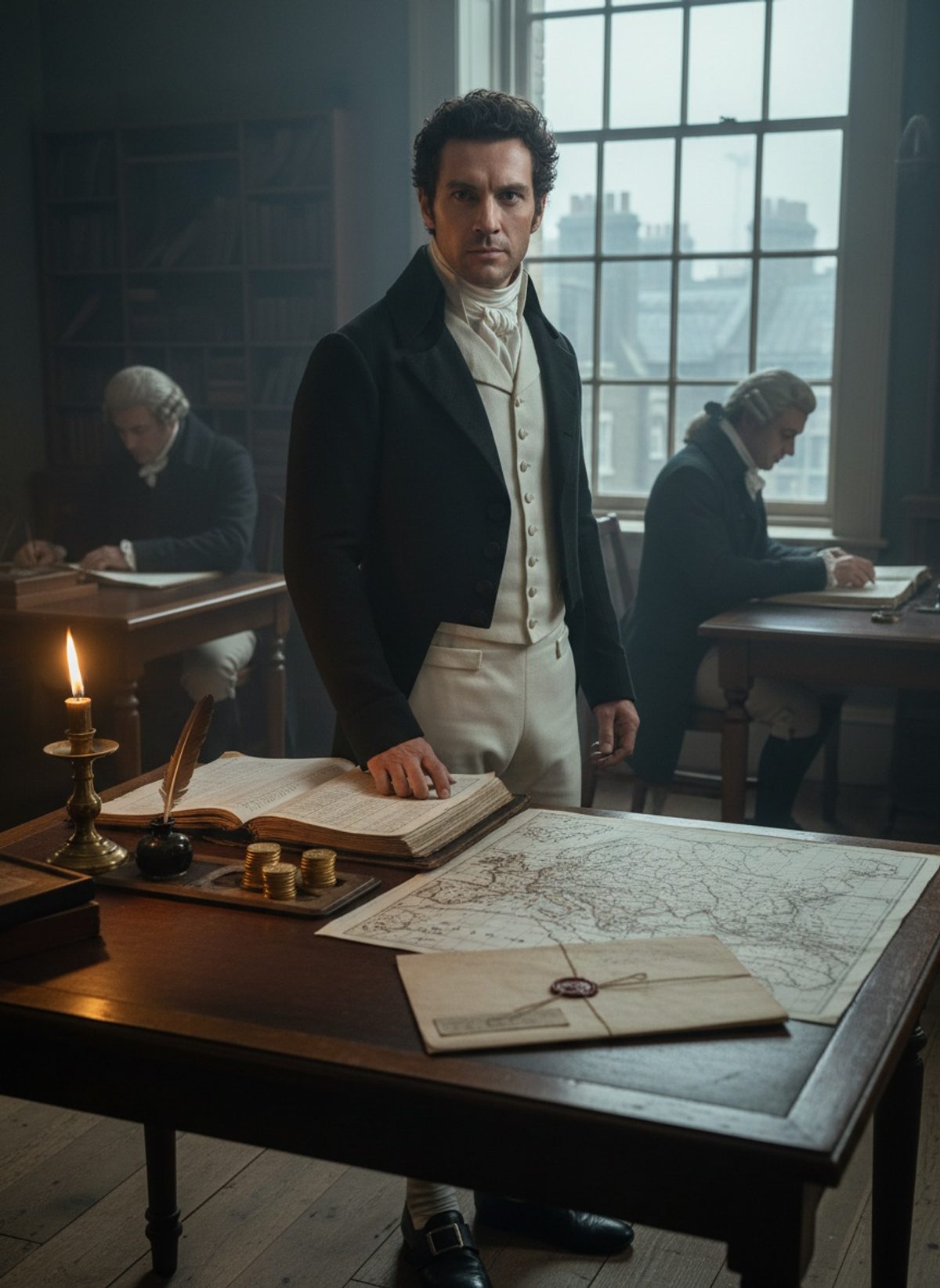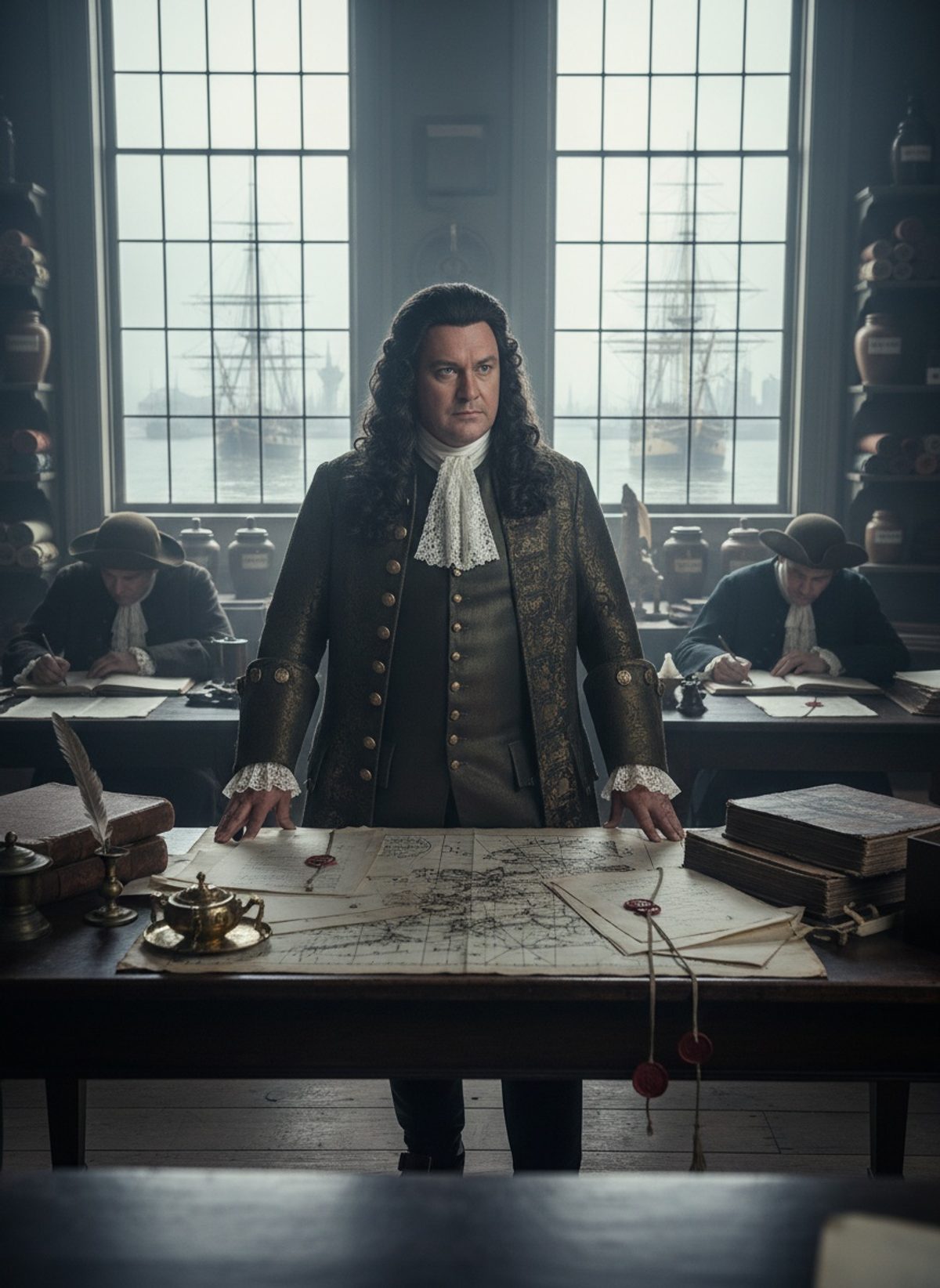
December 31, 1600. The cold London air bit through the woolen cloaks of the gathered merchants as they waited for the grand hall doors to open.
The Beginnings of a Merchant Empire
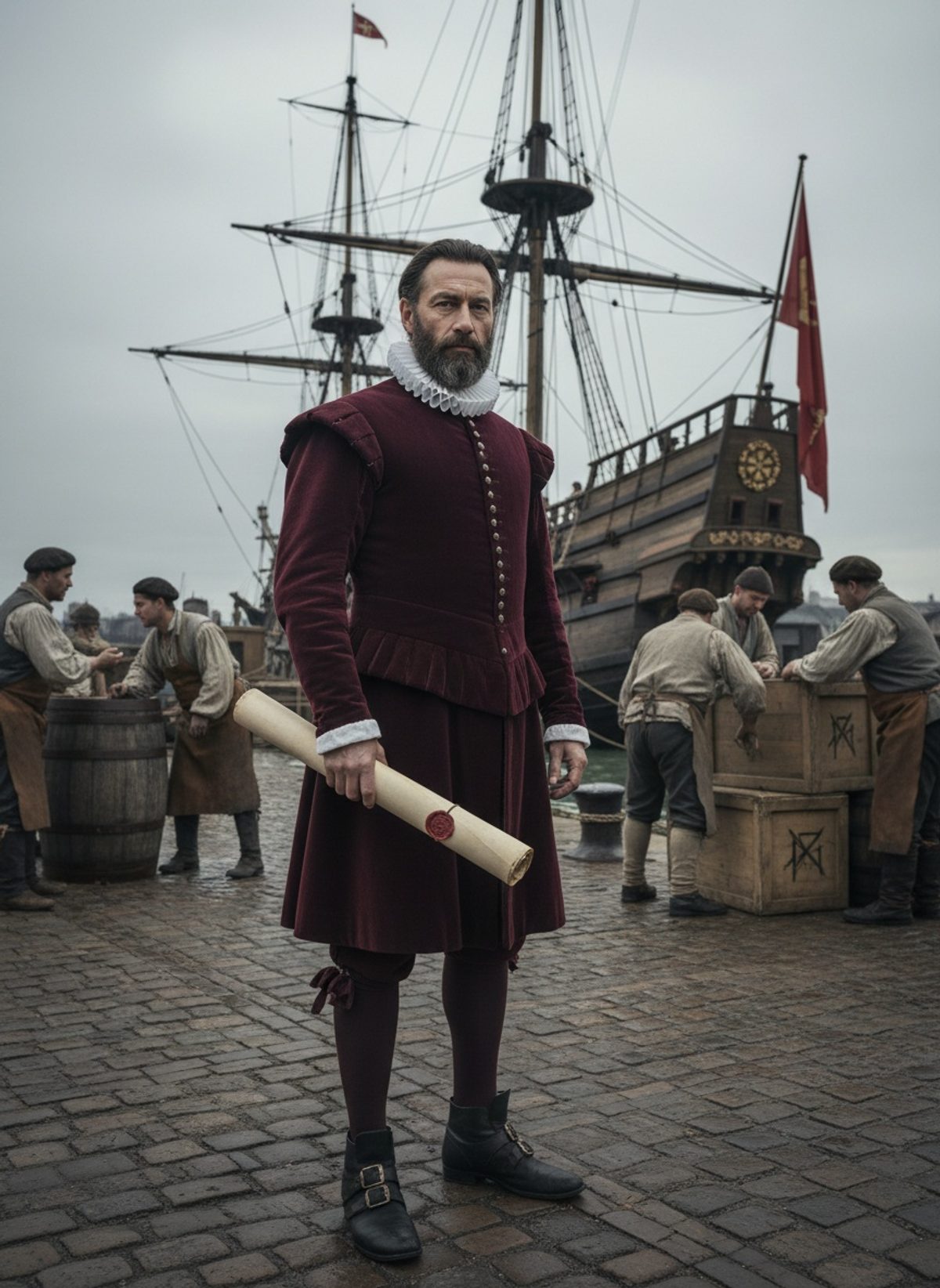
On the cusp of a new century, Queen Elizabeth I granted a royal charter to a group of London merchants, marking the birth of the East India Company. This document was their passport to the wealth of the Orient, enabling them to trade in spices, silks, and other exotic goods. The sights and sounds at the bustling docks of London must have been an intoxicating blend of ambition and enterprise. Masts creaked and sails snapped in the wind as ships prepared for long voyages into the unknown. The Company's traders, more adventurers than businessmen at times, embodied the spirit of an age hungry for discovery and profit.
Few could have foreseen then the enormity of what was set in motion. In an era where tea was as yet unknown in England, and the Taj Mahal merely a twinkle in Emperor Shah Jahan's eye, the Company set its first ships towards the Indian subcontinent. It was a world not just without Isaac Newton, who would later revolutionize science with his laws of motion, but without even a hint of the scientific revolutions that were to come.
From Merchants to Rulers
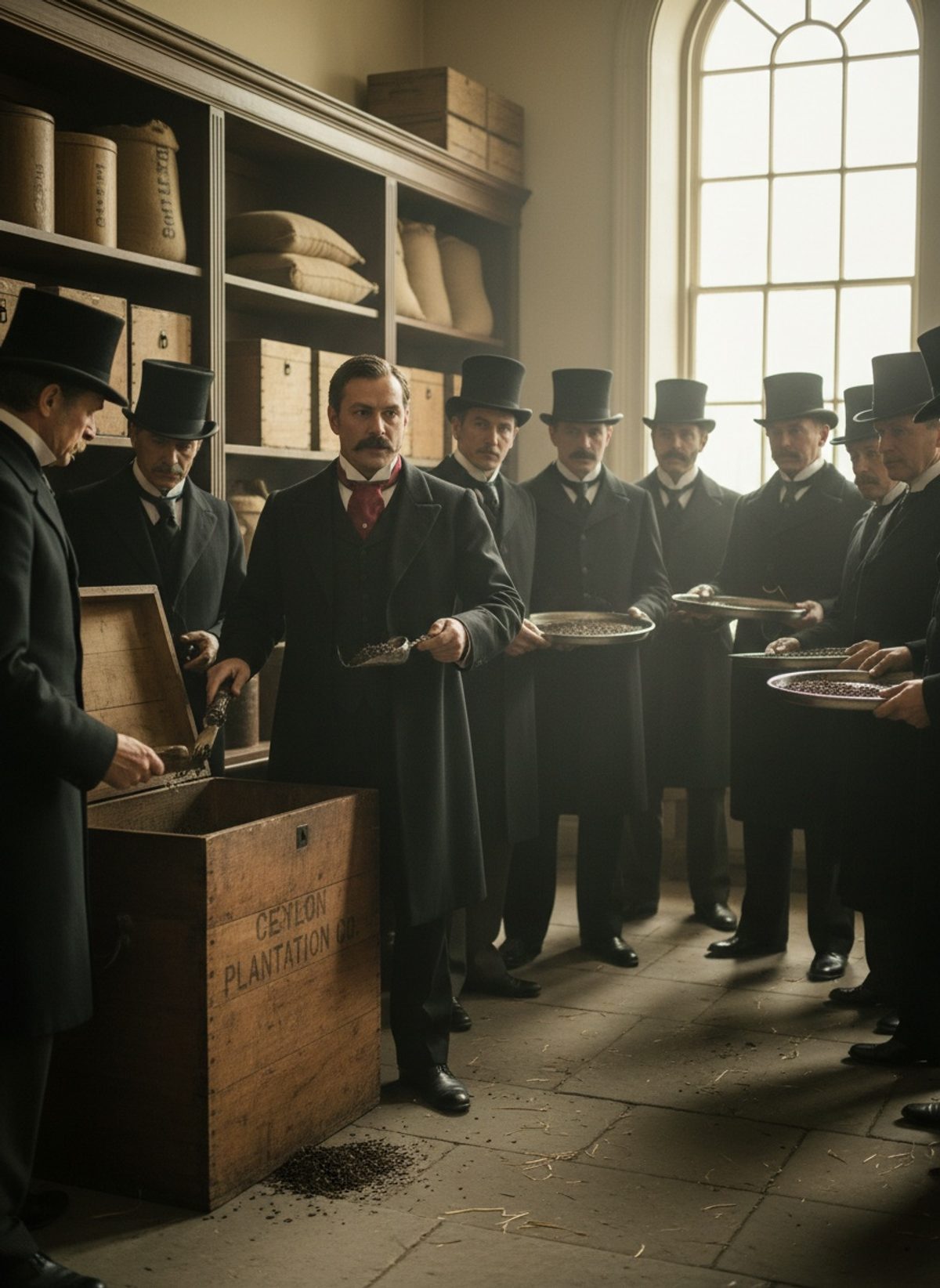
In the early days, the East India Company was but a player in the colossal game of European trade in Asia. However, as the seventeenth century unfurled, the Company's influence ballooned. The sip of coffee in European salons and the rustle of rich fabrics owed their presence to these early ventures. But beyond material goods, the power dynamics began to shift. The receding wave of the Mughal Empire allowed the Company’s brokers to edge from traders to power-brokers, and that nuance set the path to governing vast Indians lands.
Read next: When Thomas Waghorn Raced the Empire's Mail to India, 1835
So profound was the transformation that by 1757, the East India Company had shifted from merchant enterprise to a governing body, holding sway over entire regions. The Company’s officers, in their scarlet coats and braided gold, commanded respect and, at times, fear across half the subcontinent. It was military might, extraneous to its trading origins — its own armies, its own spies, under the red-and-white ensign of the Company.
Commanding a Nautical Empire
The Company didn’t just control territories; it commanded the seas. The Hooghly River, with its myriad of small bustling ports, became witness to fleets of Company's ships. Each vessel laden with spices or silks sailing to the far corners of the earth also bore messages of might. The East India Company's maritime enterprise was unrivaled, propagating its influence beyond mere coastal settlements.
The Company’s navy, though not yet the Victorian leviathan, was adept at both trade and conflict. Their competent sailors, grounded by stars and sextants, not only traversed the wild oceans but also battled competitors and pirates alike. This fusion of trade and military strategy, audacious for its time, signaled a new kind of empire — where commerce and sovereignty were inseparably aligned.
The Clock of Empires Ticks On
By the time Isaac Newton introduced his theories of gravitational force, the East India Company had already laid the groundwork for what would become one of history's most expansive and profitable empires. It solidified Britain’s global influence even before the nation amassed a debt so large that it required new taxes and eventually sparked revolutions.
The Company itself outlasted monarchs, saw the rise and fall of empires, and ultimately sowed the seeds for modern capitalism and colonialism. Until 1947, when India gained independence, the legacies of the East India Company were etched into the very fabric of world history. Its story is a reminder of how private enterprise can possess dominion beyond kingdoms and national borders.
The haunting lesson from the East India Company's tenure is its paradox as both purveyor of cultural exchange and catalyst for extensive domination. The intricate tapestry of alliances and enmities it wove served as a model and warning for global trade dynamics that resonate today. Its marble-floored halls may no longer govern, but its ghost walks the corridors of modern economics and influence.