James Lancaster was not a seasoned mariner from childhood. He only embarked on his ocean-faring career after spending years as an apprentice in London. This humble beginning would eventually lead him to tilt the balance of global trade forever.
The Audacious Vision of a Merchant Mariner
In the late 16th century, the world was still vast and unexplored, and the trade routes linking Europe to the East were firmly dominated by Iberian powers. Portuguese sailors, with their formidable fleets and exotic Eastern connections, effectively locked out other European nations from the lucrative spice trade, a trade rich in items more precious than gold. James Lancaster, however, was a man of vision. Unlike many of his peers, he was convinced that the formidable Portuguese could be challenged, and he believed that English merchantmen, with courage and cunning, could wrestle a share of the spice market for themselves.
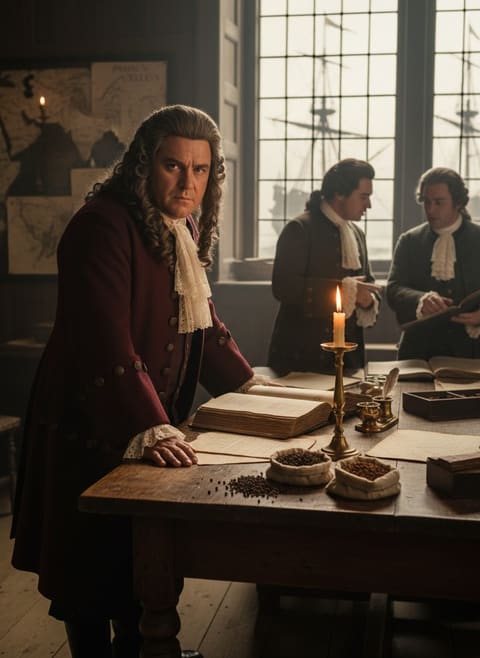
Lancaster’s 1601 voyage was nothing short of audacious. Armed with a charter from Queen Elizabeth I herself, he set sail for the spice-rich islands of Southeast Asia. The expedition was funded by the newly-formed East India Company, a syndicate of London merchants who were willing to gamble considerable fortunes on Lancaster’s success. Steering through stormy seas and hostile territories, Lancaster reached the Indian Ocean. His destination: the Malay Archipelago, the very heart of the pepper trade. Arriving in Aceh, he managed the delicate dance of diplomacy and trade, navigating languages and customs more foreign than any he had previously encountered.
A Black Gold of Another Sort
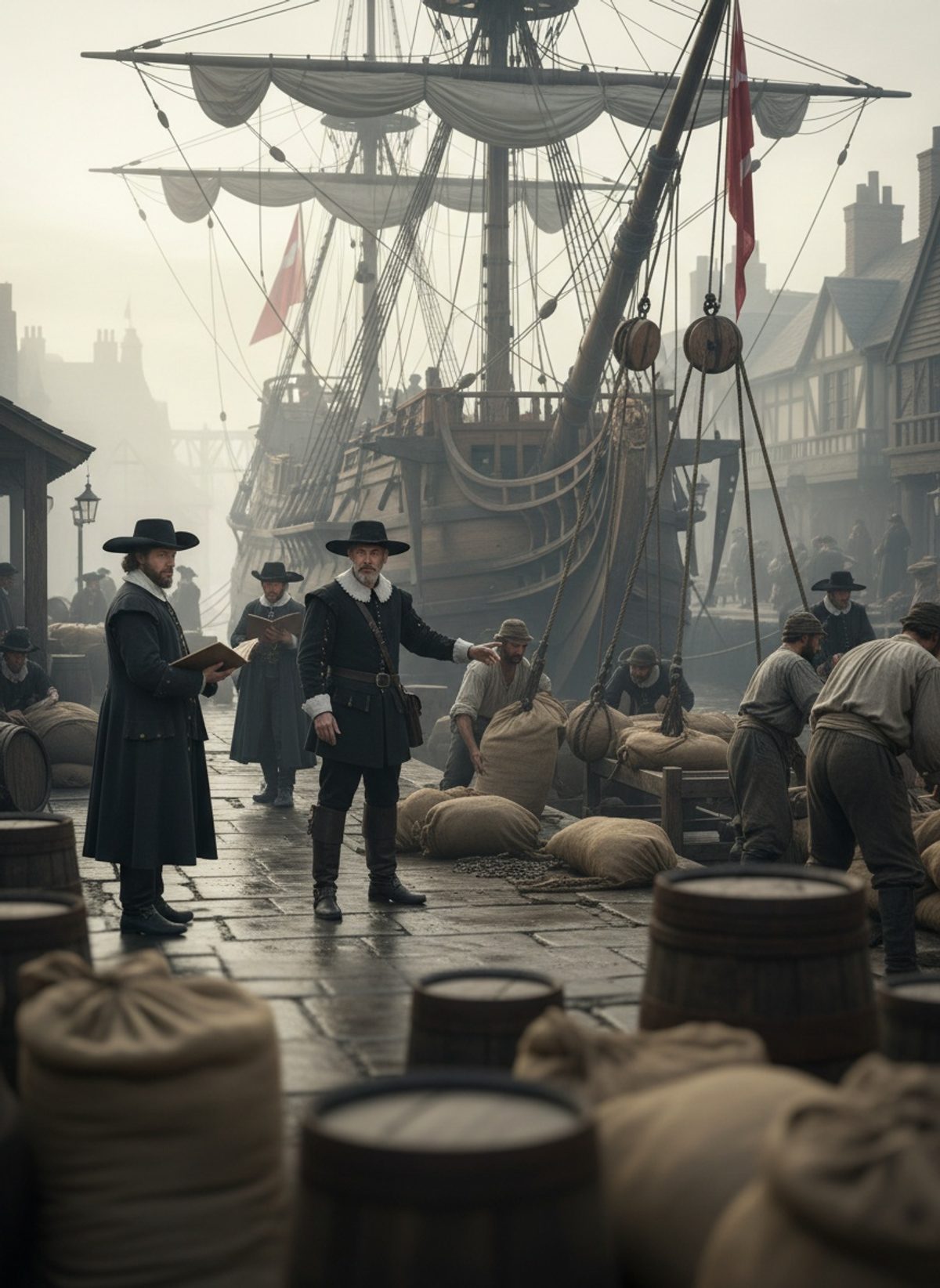
The bounty Lancaster brought back to England upon his return in 1603 was unprecedented. His fleet carried not just short tons of pepper, a staple turned luxury back home, but a promise of untold fortunes. It may seem baffling to modern readers that spice — particularly pepper — could catalyze conflicts, voyages, and economic revolutions. Yet, in an era before refrigeration and preservatives, pepper was invaluable. It transformed bland, preserved meats into palatable fare, masking the unsavory flavors of salted fish or beef. The huge supply of pepper Lancaster docked at the Thames, then, was akin to discovering barrels of crude oil in the midst of an energy crisis.
Read next: When Josiah Harlan Bluffed a Kingdom in Britain's Shadow, 1838
As Lancaster's ships breached the horizon of the Thames, teeming with the cargo of 'black gold,' it became immediately apparent that his voyage’s success was not merely a victory for his investors. The precious pepper pods manifestly signaled England's bold entrance onto the global stage as a formidable player in international trade. The return journey did more than just pay back its costs twentyfold; it delivered a bold statement to the world about English entrepreneurial ambition.
Strategic Inroads into the Spice Trade
The success of this first voyage validated James Lancaster's audacious theory: England could indeed break into the Eastern trade, throttling the Portuguese stranglehold on spices. But victory was not just in the cargo—Kalijati agreements and respect were also aboard those returning ships. The success of Lancaster spurred on commercial ventures that plotted and traded upon the very maps his exploration had defined.
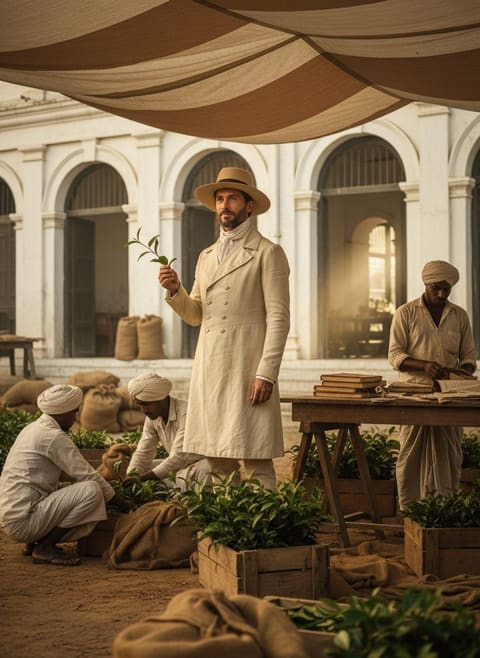
English entrepreneurial spirit caught fire. Seizing upon the momentum, the East India Company grew in leaps; the initial skeleton fleet burgeoned as braver and bolder ventures were set off. The riches of pepper were soon complemented by cloves, nutmeg, and that most aromatic spice, cinnamon. By the middle of the 17th century, the profits reaped from these expeditions served as a backbone for British economic expansion across the globe.
Read next: When Thomas Lipton Sailed Into New York and Undersold the World, 1893
The pepper from Lancaster’s voyage was but the opening salvo in a much larger campaign. His journey laid the groundwork for what would become the British Empire’s most powerful corporate entity, the East India Company—a behemoth with its own private armies and territories.
The Voyage that Transformed England
While his epic returns were truly extraordinary, what Lancaster brought back to England was greater than the pepper he had secured. He had brought back an idea: the confident resilience of a nation on the brink of colonial ascendancy, equipped with the vision to seek its fortunes in unfamiliar lands. This spirit of innovation and exploration set the tone for the centuries of British imperial ambition that followed.
Reflecting today on Lancaster's voyage, we are reminded that his success was not just about commodities—it was about grasping opportunity wherever one dares to venture. The pepper that filled Lancaster's holds represented more than spice. It was tangible proof that England could defy the odds and reshuffle the cards of destiny lying on the table of global trade. In the truest sense, Lancaster’s bold journey changed not just the spice trade, but the perception of what a determined nation could achieve against the odds. What began as a gamble ended as a template for global change.