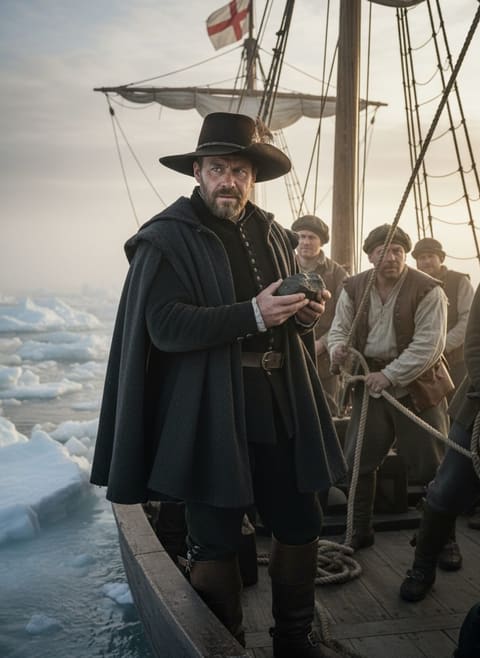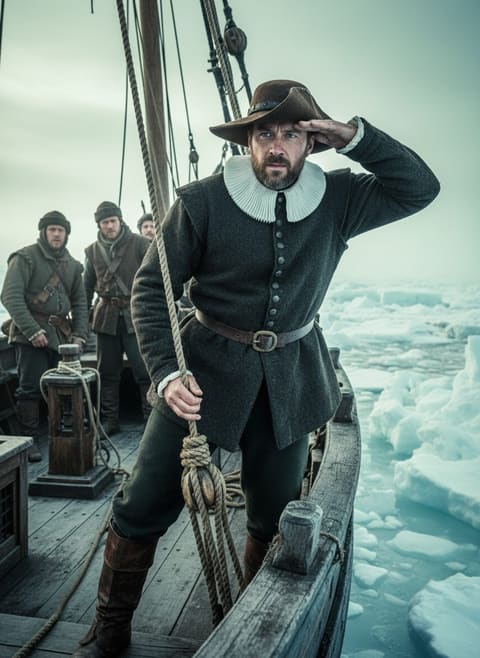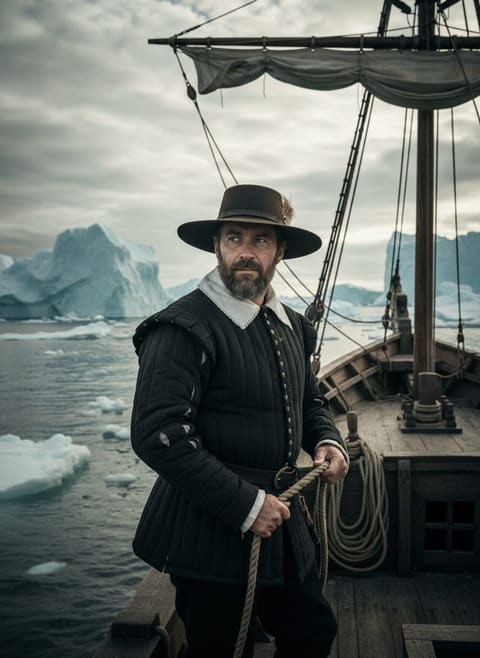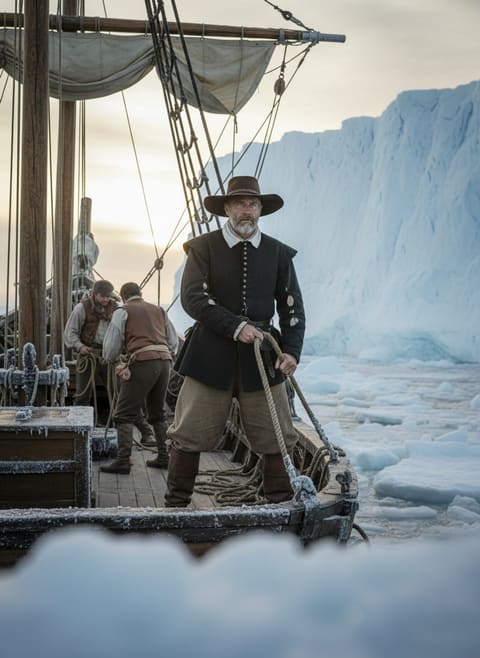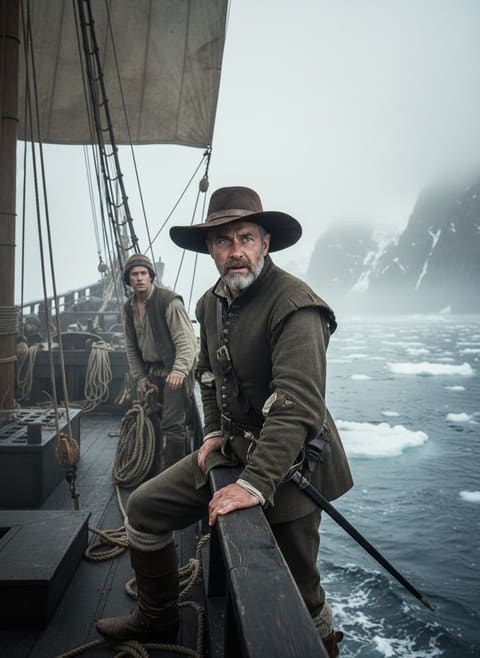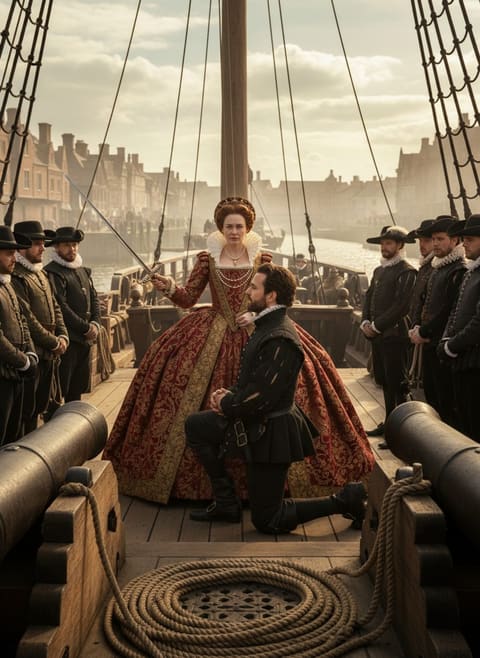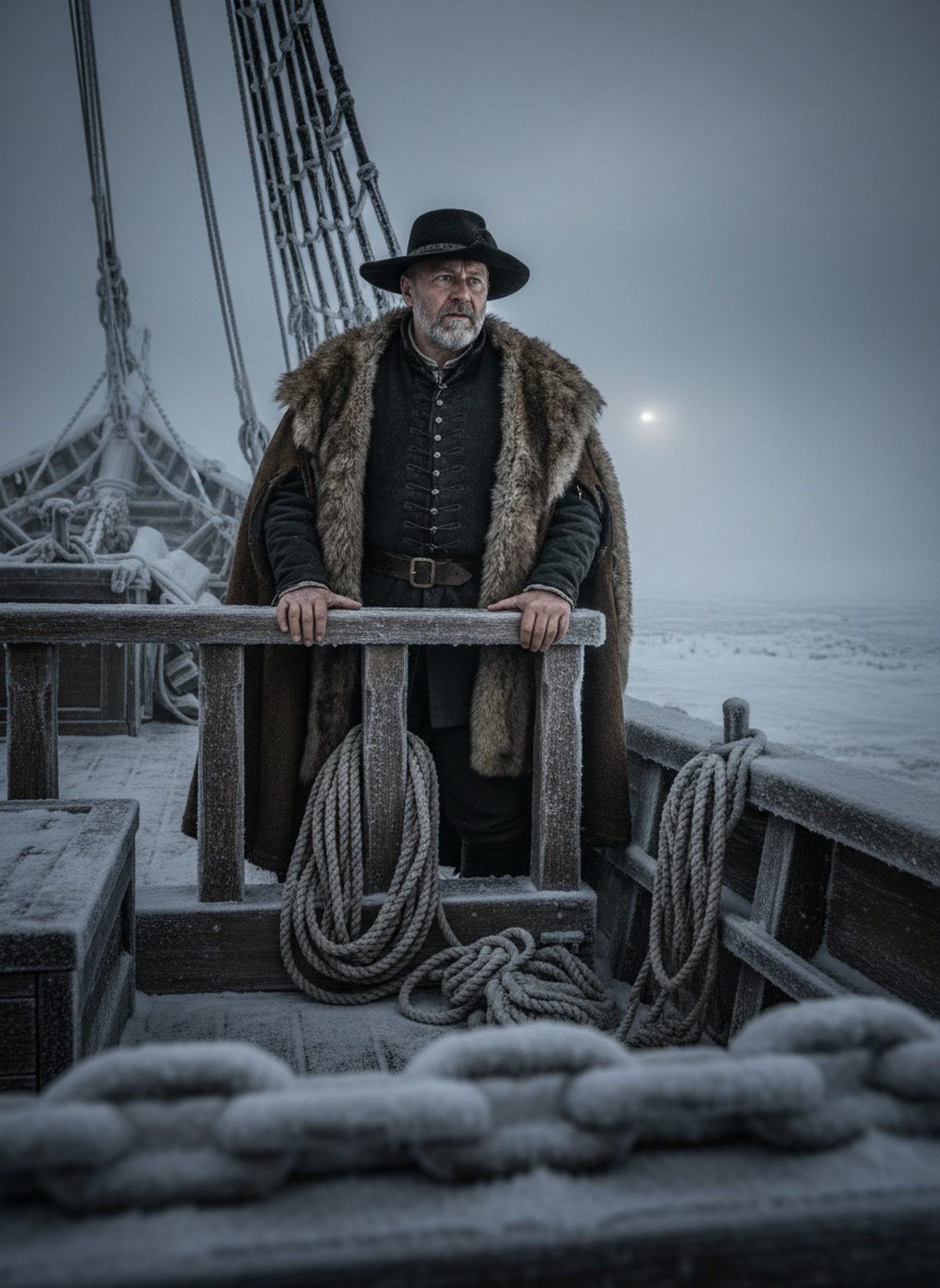
He had no prior experience navigating icy waters. Yet Sir Hugh Willoughby would lead an expedition into the unforgiving Arctic, searching for a passage that many doubted existed.
A Bold Venture into the Unknown
In the summer of 1553, England found itself emboldened by the dawn of a new age of exploration. The Tudor court seethed with ambition as they sought new opportunities to expand their influence and wealth. The allure of the Orient, known to them as Cathay, was irresistible.
Its spices, silks, and treasures could transform English wealth and power. Yet, reaching Cathay required finding a navigable route that eluded the continent's greatest seafarers. With the reign of Edward VI at its helm, England crafted an ambitious plan to chart a Northern Sea Route.
Sir Hugh Willoughby, a man of adventure yet lacking in maritime experience, was entrusted to lead a fleet of three ships on this audacious quest. While notable figures from the seas like Richard Chancellor, a seasoned navigator, were part of the mission, Willoughby was to helm the flagship. Departing from London, the vessels threaded their way through European waters, seeking the fabled passage across the top of the world—an untamed, ice-laden expanse that promised fortune yet whispered doom.
Read next: When Richard Chancellor's Ships Opened the Gateway to Russia in 1553
Fateful Choices and Perilous Waters
As the expedition pushed northward, the Arctic landscape unfolded its stark beauty and hazards alike. An endless stretch of icy seas and desolate coastline lay ahead, indifferent to the ambitions of men. Soon, the fleet was beset by fierce storms, and navigation became treacherous amid shifting ice.
It was under these grueling conditions that the expedition lost its cohesion. Storms and icy fog scattered the fleet, each ship forced to fend for itself. It was here, amid nature's icy wrath, that destiny unraveled for Willoughby and his crew.
Separated from his compatriots, Willoughby was soon engulfed by the untamed Arctic's brutal embrace. Lacking vital experience in these punishing waters, the crew's inexperience became their greatest enemy. Attempting to navigate an area where pinpricks of land loomed treacherously through fog and snow, they became trapped. The deserted shores of the Russian coast, which held no relief, offered only cold and isolation.
The Haunting Silence of the Last Entry
Marooned in wintry stillness far from their intended path, the crew faced the chilling onset of Arctic winter. No knowledge or preparation could shield them from the creeping cold that seeped into their very bones. Food supplies ran thin; prospects of retreat vanished swiftly as the fierce elements drew their icy net ever tighter.
Read next: When Richard Chancellor Sailed Into Ivan the Terrible's Court
By the spring of 1554, discovery of their fate came not from the men themselves but the words left behind. A Russian fishing vessel stumbled across the frozen mystery. Onboard, they found the crew frozen in deathly tranquility, preserved by the cold like relics of time.
More haunting still was the logbook: flipping open to the final entry, it recorded their journey until words ceased, the last silence captured by a hand that would write no more. The log offered a glimpse into the vanished lifeworld of those aboard—a tale suspended in ink and frost.
A Chilling Reminder of Imperial Ambitions
The story of Sir Hugh Willoughby's failed quest, etched in the pages of history, transcends mere tragedy. It holds a mirror to the determination of Tudor England and the time's insatiable drive for new horizons. Their venture laid the groundwork for England's ever-pressing march into imperial dominion, weathering costs both human and monetary to chart new courses.
Echoing across the centuries, the icy silence speaks to the human spirit's tenacity and the harsh lessons of nature's dominion. As we navigate our own ambitions—wherever they may lead—it is stories like Willoughby's that remind us to respect the boundaries we challenge. A blend of hubris and hope, the 1553 expedition remains a potent testament that in the quest to conquer the uncharted, we must listen closely to the call of the wilderness.