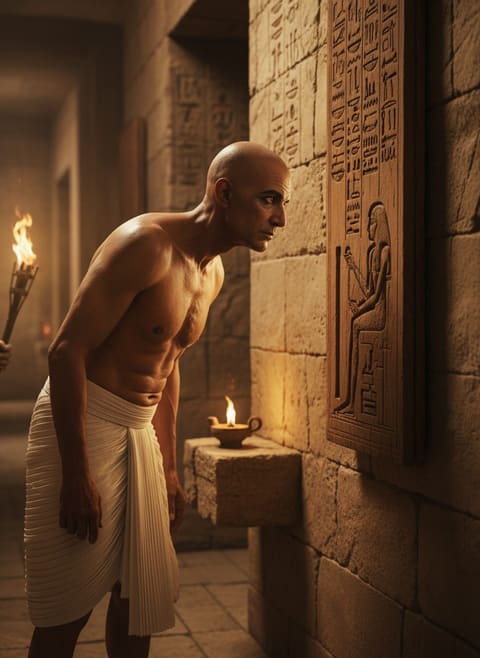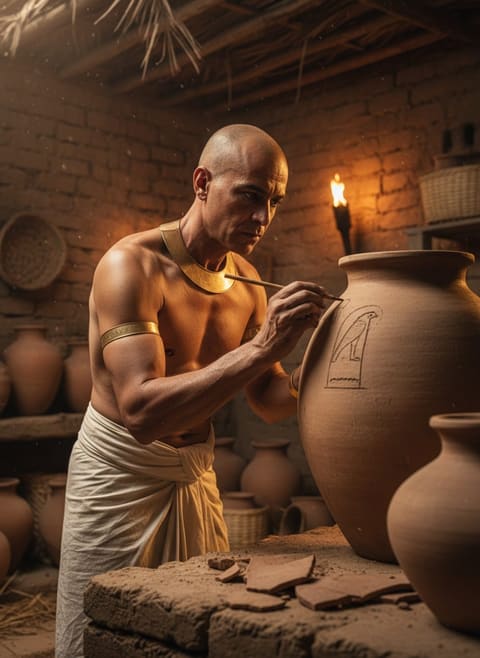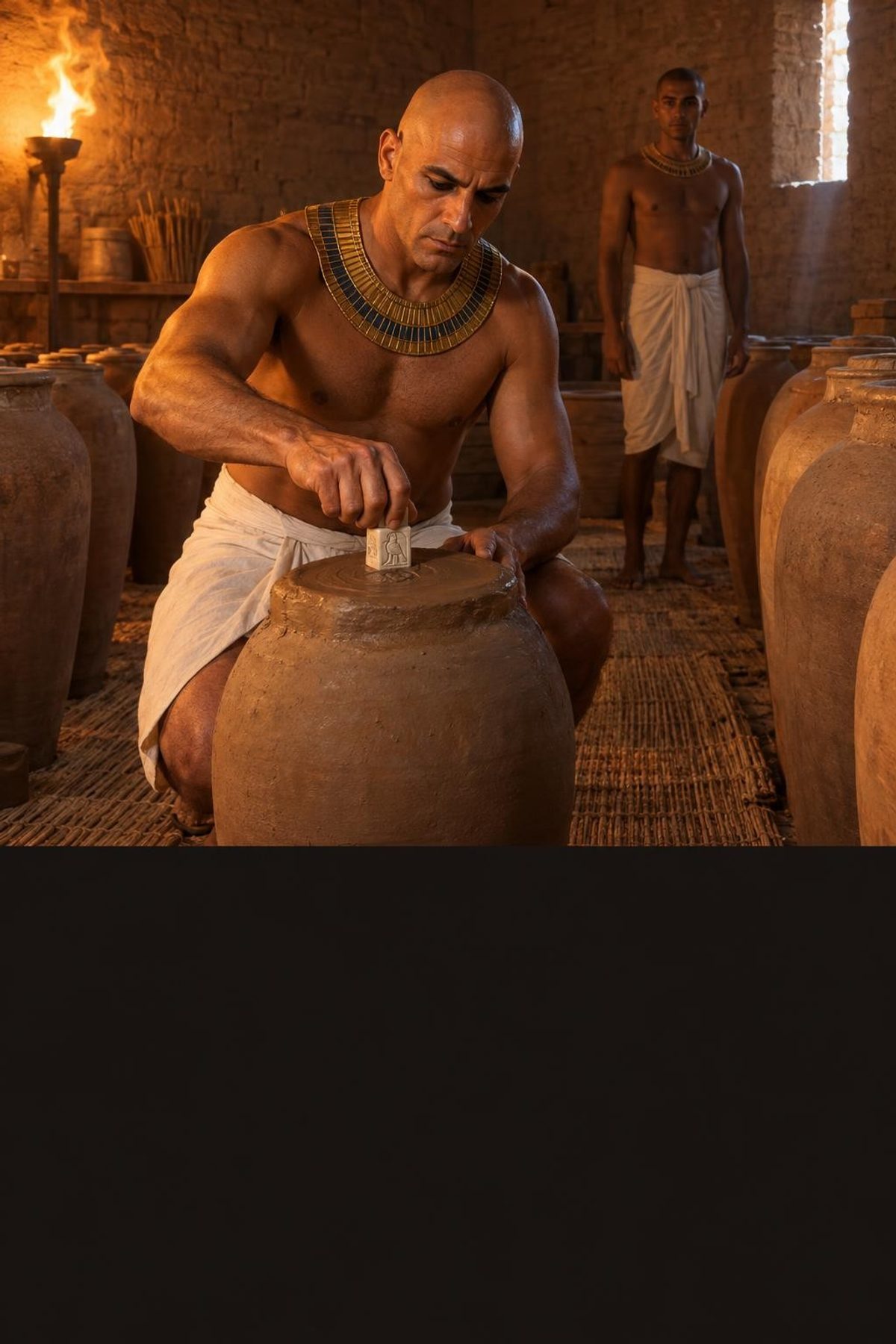
The afternoon sun blazes down on the ancient sands of Abydos, casting long shadows over a bustling settlement. Here, the air is thick with the aroma of wet clay drying in the sun, mingling with the distant echoes of chisels against stone. It’s a scene of industrious energy.
Craftsmen carefully press a seal into the soft surface of a jar, leaving an indelible mark. This impression carries the name of a king — Anedjib — and unbeknownst to those skilled hands, it becomes a defining act of a new era. Decisions like these will echo through millennia, whispering stories of power and legacy.
The Emergence of a New Tradition
In the twilight of the 4th millennium BCE, Egypt stood on the brink of monumental transformation. Anedjib, known also as Adjib or Hor-Adjib, ascended the throne of Egypt around 3050 BCE during the First Dynasty.
His reign was relatively brief, lasting about 8 to 10 years, yet it marked the dawn of a practice that was both simple and revolutionary: the inscribing of a monarch’s name upon objects. This move signified more than ownership; it was the birth of royal branding, tying the pharaoh's identity directly to tangible items that served as touchstones of his authority.
Read next: Imhotep Designed the Step Pyramid With No Blueprint Before Him
Vessel inscriptions bearing Anedjib’s name have been found carved into stone — schist, alabaster, breccia, and marble — speaking to the diversified craftsmanship of the era. These aren't mere relics; each piece is a testament to the innovative union of art and statecraft serving a greater purpose. From Abydos to Sakkara, Anedjib’s name crossed the sands, preserved through time, illustrating how the seemingly routine act of marking a jar became an archetype for royal magnificence and propaganda.
Power Written in Stone and Clay
The crafting of these objects was meticulous, their creation woven with the symbolism of power. Anedjib navigated the delicate consolidation of Upper and Lower Egypt, uniting these disparate lands under one emblematic rule. He innovated the Nebuy title, “The two lords,” derived from the divine patrons Horus and Set, signifying his reign as custodian of both regions. This duality is captured in the majestic falcon iconography, a brand revealing through artful imprints on every artefact.
Through his seal, Anedjib proclaimed his dedication not just to his own mighty lineage, but to the gods that sanctified his rule. The establishment of the royal fortress Hor nebw-khet and residence Hor seba-khet, dedicated “to the divine community,” demonstrated not merely a dedication to the divine but an architectural manifestation of his reign's security and permanence.
These structures likely thrived with activity, echoing with the footfalls of attendants and the hum of civic preparation, each pathway a witness to Anedjib’s governance.
A Festival of Disputed Legacy
Among the relics of Anedjib’s reign lies a controversy enshrined in royal festivity. The Heb Sed festival, a jubilee traditionally bespeaking thirty years of rule, shadowed Anedjib’s legacy with whispers of time’s manipulation.
Read next: Sylvan Goldman Bent a Chair in 1937 and Built a $150 Billion Industry
The festival adorned the reign of Anedjib more than once, but archaeological evidence tells a tale of usurpation, suggesting that objects displaying his name were displaced from King Den’s tomb. This act hints at a complex relationship between the king and his ancestor, perhaps gesturing at personal or political stratification that sought to rewrite longevity into authority.
Historians recognize a peculiar mark — ‘Qesen’ or “calamity” — etched onto these ceremonial artifacts, hinting at a turbulent denouement for Anedjib's rule. This allusion suggests a shift from reverent festivity to potential discord, leaving the end of his reign cloaked in enigma. Perhaps the true tale of Anedjib’s time as pharaoh is told between these etched lines of celebration and calamity, reflecting a king caught between the sands of legacy and the tides of expectation.
The Echoes of an Ancient Inscription
The name Anedjib, carved into stone and clay over 5,100 years ago, persists beyond its humble origins, speaking of an age where rulers began to tangibly affiliate their legacy with their dominions. This unassuming practice flourished beyond Egypt, inspiring the branding that punctuates civilizations worldwide. Understanding Anedjib’s innovation in personalizing authority imbues the smallest of symbols with the weight of history and highlights the malleable nature of power itself.
As we uncover the origins of such a pivotal practice, we're reminded that the smallest grooves fashioned in the softest clay might rival the mightiest pyramids for their influence on human storytelling. In the press of a seal and the echo of its impression, Anedjib’s legacy offers more than a glimpse into the past — it gestures towards the timeless human endeavor to shape identity, history, and destiny through the artful touch of creation.