As the morning mist clings to the ancient trees of the Teutoburg Forest, the air is thick with anticipation. Shafts of sunlight pierce through the dense canopy, dappling the ground where the underbrush crowds tightly around military trails. The silence is deceptive, a quiet before the storm. September 9 CE, a day that will reshape the destiny of empires, but for now, the forest holds its breath, whispering only to those who pause to listen. In moments, the chaos and clamor of battle will shatter this peace, forever darkening the heart of Rome.
A Trusted Ally
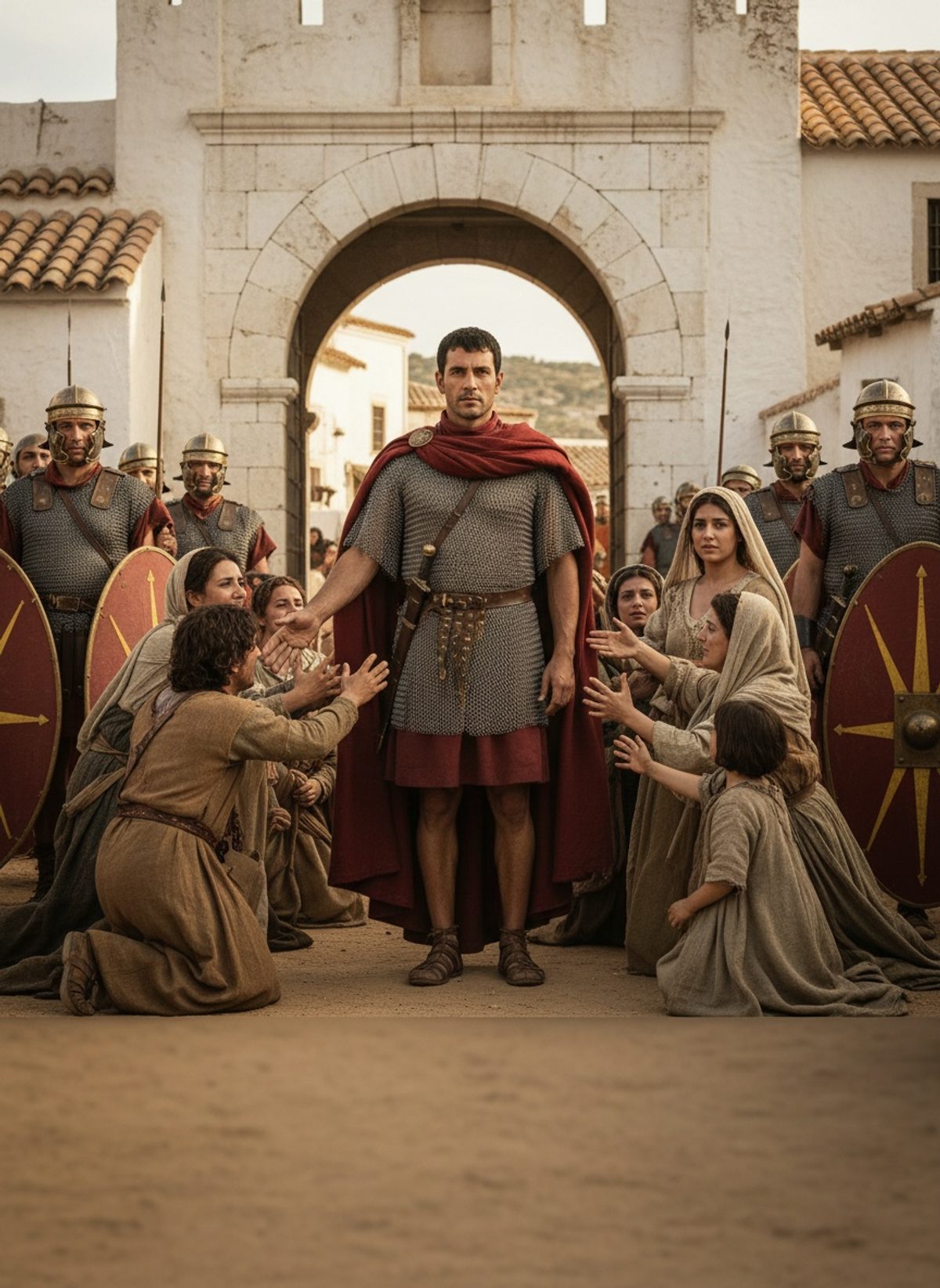
Arminius was not an outsider to the Roman way of life. Born a prince of the Cherusci tribe, Arminius was a young noble who had spent his formative years steeped in Roman culture. As a child, he was sent to Rome as both a hostage and a student, a common practice designed to ensure the fidelity of influential tribal leaders. He grew up in the shadow of the Roman eagle, learning their tactics, their language, earning their trust. In time, he would even gain Roman citizenship and the rank of a knight, a testament to how deeply he had been woven into the Roman fabric.
Arminius served with distinction in the Roman army, fighting in campaigns across the Danube. He was not just a soldier; he was admired for his tactical prowess and his understanding of the confusing and varied Germanic terrain. The legions he commanded looked to him as a trustworthy ally—an exemplary convert amongst the so-called "barbarian" tribes. Yet beneath his disciplined salute and Roman-structured armor, Arminius harbored a dream of freedom for his people. He envisioned a Germany that was not a province, subordinate to the Emperor, but a land governed by its own and free from the iron grip of Rome.
This vision simmered quietly, as Arminius planned meticulously with a circle of confidants. His charisma and reputation among the tribes allowed him to gather a coalition of Germanic warriors prepared to gamble everything for their liberty. The Romans, meanwhile, blind to the storm brewing within the ranks of their ally, saw only their ever-faithful officer, Arminius.
Read next: Lauren Grandcolas Called Home. She Said She Was Fine.
The Perfect Setup
The late summer days can be deceiving in the forest, where sweaty heat and cool breezes make for uneasy bedfellows. Romans, accustomed to more open battlefields and Mediterranean climes, found themselves out of depth as they marched deeper into this tangled labyrinth. Distances stretched, formations faltered, and the cacophony of armor and men drowning out the warnings whispered by the forest.
For Arminius, now was the opportune moment. He had spent years gaining the confidence of Roman generals, specifically Publius Quinctilius Varus, commander of the legions. Varus, unaware of the treachery, was confident of Arminius’s loyalty and accepted his guidance through the forest. Arminius cunningly led the legions into Teutoburg—a choice that, to Rome’s later regret, would ensure maximum disadvantage.
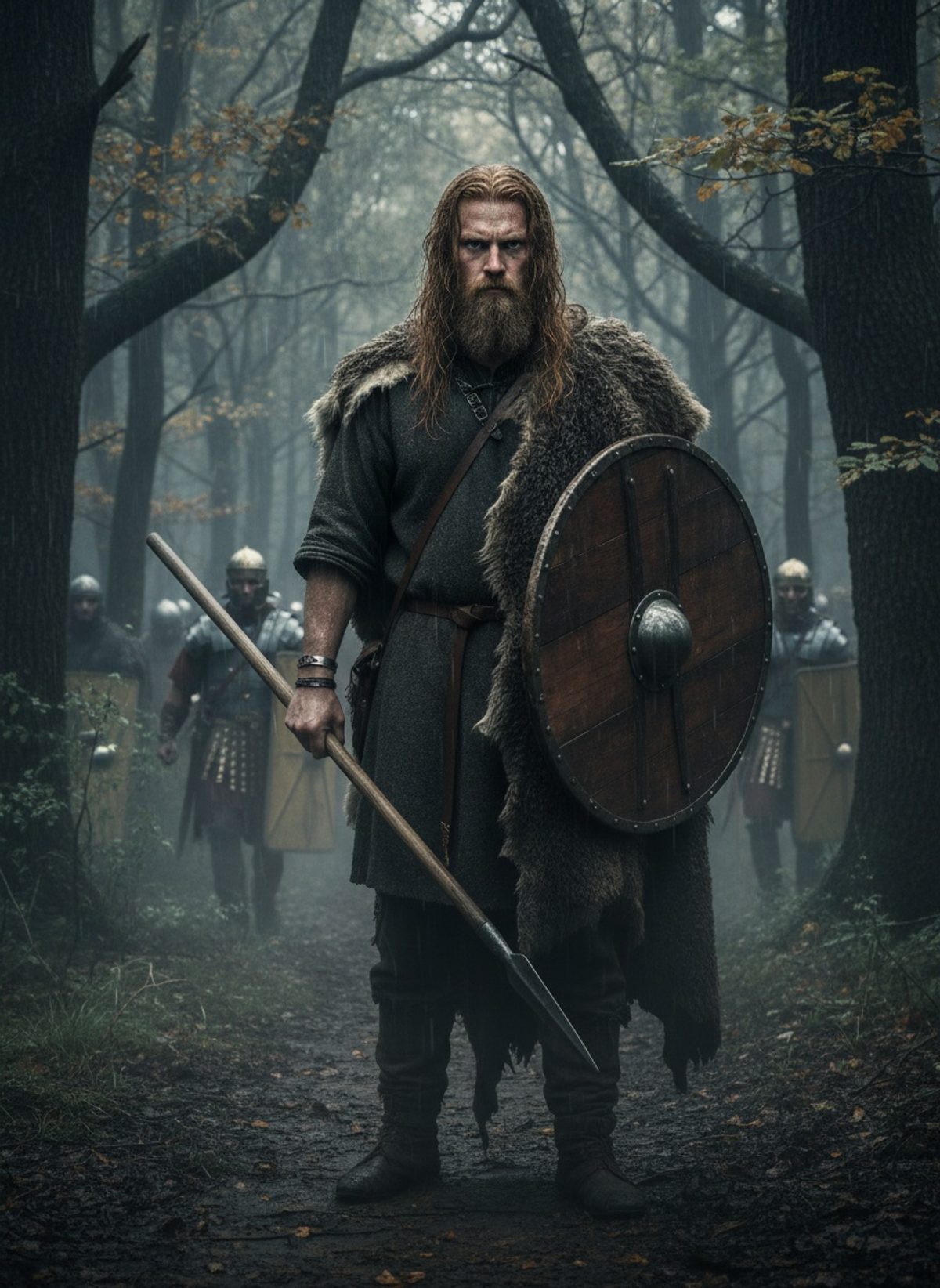
In this dense, unyielding forest, Roman discipline—a system built upon well-drilled maneuvers and battlefield order—was rendered useless. Branches broke with the sound of defeat underfoot and ancient roots twisted treacherously under step. From the shadows of the oaks, Arminius’s forces closed in, ready to strike with the ferocity of a tempest.
Rome’s often-mocking dismissal of Germanic tribes as “barbaric” proved a fatal miscalculation—the native’s deep understanding of their land and guerilla tactics neutered the Romans’ superior numbers and equipment. The ambuscade was prepared, and the legions walked predictably into a trap of tragic proportion.
The Execution of Betrayal
The clash, when it came, was brutal—and swift. Germanic warriors burst from the forest with lethal precision, their war cries piercing through the Roman column like the slashes of their swords. Panic set in among the ranks as discipline unraveled in the face of relentless, ambush-style assaults. Roman strategies floundered, reduced to mere survival as the legionaries attempted vainly to regroup, only to fall under the weight of confusion and lethality.
For Varus, realization of what unfolded around him was not slow in coming. His years of military service had lined him with victories but he found himself trapped, each decision a misstep leading deeper into despair. Some accounts suggest that Varus, grasping the hopelessness of the situation and tarnished legacy that awaited him, took his life amidst the chaos.
As night descended, the forest was bathed in silence once more, now a shrouded grave for the many who had marched headlong into destiny despite Arminius’s betrayal. Not a single Roman soldier was left to carry tales of this defeat back across the Rhine. The eagle standards, so proudly borne into battle, lay desecrated upon foreign soil.
Arminius’s strategic mastery had forever altered the balance—not merely a victory but a domino that underpinned the security of two continents. This was no mere skirmish. Rome, awed and chastened, retreated behind its borders, leaving its ambitions for Germanic lands in the humus of Teutoburg. Emperor Augustus himself reportedly grew melancholic, muttering, "Quintilius Varus, give me back my legions!" for months thereafter. The once irreversible advance of Rome had been met, at last, by a definitive boundary it dared not cross again.
This bear-trap of history matters because it marks the moment when the Roman Empire, that vast machine of the ancient world, learned the limits of its reach. Arminius, a singular figure oscillating between worlds, forged a story of defiance that reverberates through ages. His legacy is not just one of shadows and betrayal but a profound reminder for empires: expand not without acknowledgment of the power hidden in the fringes, recognizing that sometimes the most loyal ally harbors the deepest unrest. As the sun sets over ancient trees, Teutoburg stands as a ghostly echo of cunning and courage, forever etched into the looming woodlands of time.