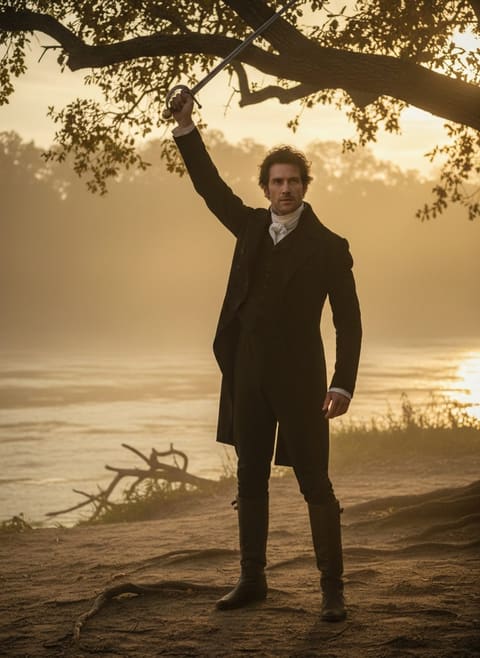
April 16, 2007. The Virginia Tech campus was waking up to a clear, calm morning.
The Holocaust Survivor Who Wouldn't Give In
Liviu Librescu's life was bookended by tragedies that would test anyone’s humanity, yet he continuously rose above. Born on August 18, 1930, in Ploiești, Romania, Librescu was thrust into a whirlwind of adversity early on. Growing up as a Jewish child in Romania, a country aligning itself with Nazi Germany, meant constant fear and persecution. His family was deported to a labor camp in Transnistria and later relocated to a ghetto in Focșani. Librescu’s early life was marred by hardships few could endure, yet, as those who knew him remarked, the experiences failed to erode his spirit. His cousin, Dorothea Weisbuch, remembered him from childhood as extraordinarily gifted and "of a rare modesty.”
The boy who survived the Holocaust would become a man dedicated to the advancement of science. Despite the oppressive environment in Communist Romania, Librescu pursued higher education with determination, obtaining a Master's degree in aerospace engineering and a Ph.D. in fluid mechanics. His career in Romania, though, hit a major obstacle when he refused to capitulate to Nicolae Ceaușescu's regime, which punished his defiance by blocking his professional growth.
Fleeing to a Promised Land
Frustrated and seeking freedom, Librescu was desperate to emigrate. After his career was essentially frozen for refusing to support the repressive Romanian government, he took a courageous risk. He smuggled a research manuscript to the Netherlands, which, against governmental pride, brought him international recognition in material dynamics. This tenacity caught the attention of those beyond Romania's borders. It was only around this time that the aid of Israeli Prime Minister Menachem Begin arrived, putting pressure on President Ceaușescu to allow Librescu and his family to leave for Israel. After years of pleading, the family emigrated in 1978.
Read next: Narses: The Eunuch General Who Crushed the Goths at Age 74
Once in Israel, Librescu immersed himself in academic life. He held professorships at Tel Aviv University and the Technion in Haifa, demonstrating his brilliance in aeronautical and mechanical engineering. Strikingly, his departure to the West marked not just a career transition but a hard-won freedom for his family.
From the Calm of Academia to Tragedy
In 1985, a sabbatical brought Librescu to the United States, where he decided to anchor his academic pursuits at Virginia Tech. His dedication to his field was matched by his commitment to his students, to whom he was much more than a professor. His engaging lectures in Engineering Science and Mechanics were well-regarded, and he held editorial roles with several scientific journals, shaping the future of academic discourse.
But it was on April 16, 2007, that Liviu Librescu's courage and selflessness would etch his memory into history. During that spring morning, as students settled into classrooms, a spree of violence shattered the Virginia Tech campus's serenity. Locked in Norris Hall, chaos erupted as gunshots rang out. Lives hung in the balance, and instinct took over.
The Heroic Stand
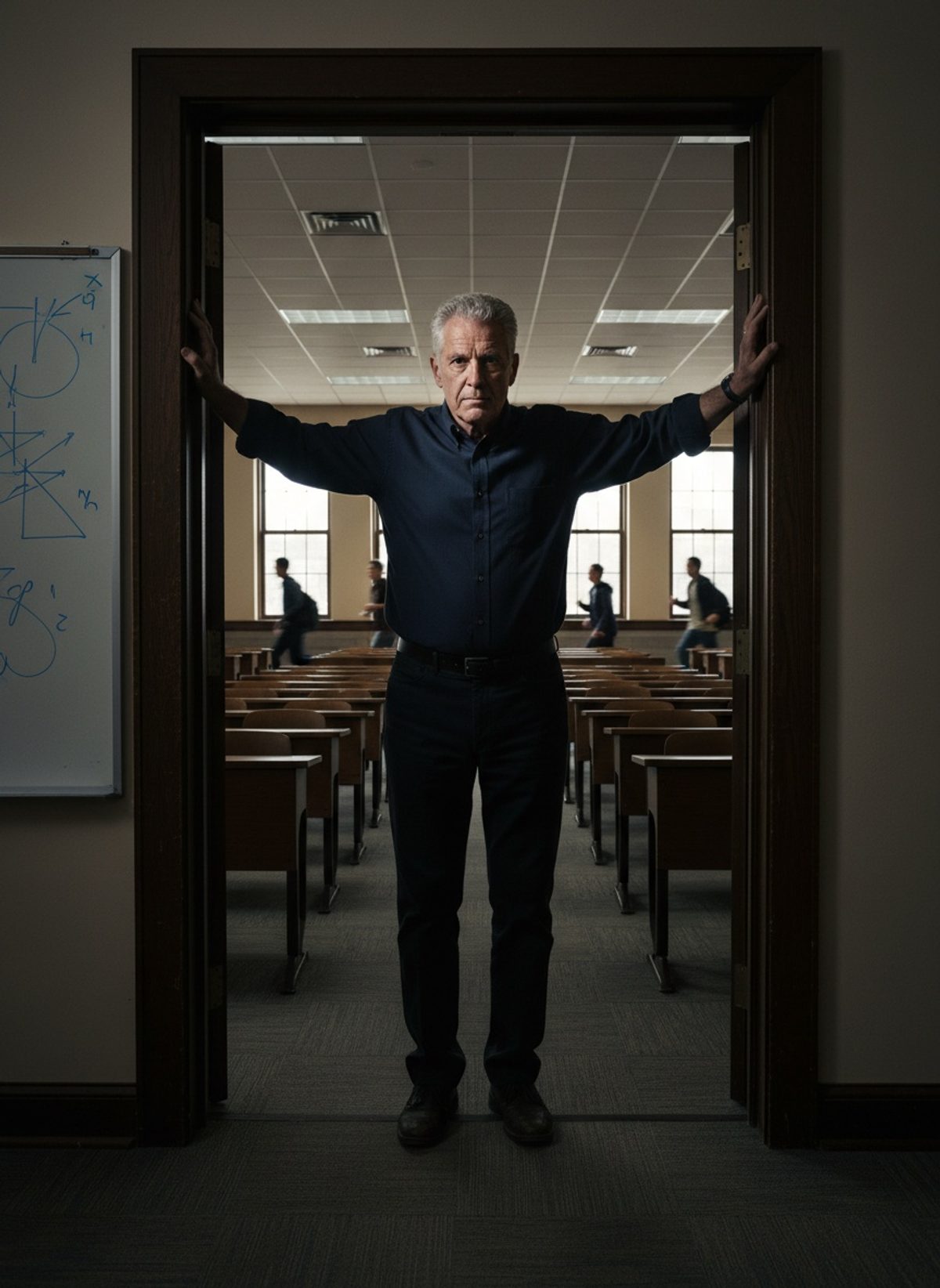
As the assailant approached Librescu's classroom, the 76-year-old faced a choice few could fathom. His response was swift, channeling a lifetime of bravery into one heroic action. Librescu barricaded the door with his body, urging his students to make their escape through the classroom windows. The students, inspired by their professor's courage, followed his directive. One by one, they climbed through the second-floor window to safety, the urgency palpable.
Read next: He Held the City's Fate. He Opened the Gates Himself.
The indelible moment of sacrifice held back the terrible advance. Librescu's steadfast presence at the door saved the lives of all but one student before the bullets tragically pierced through. His actions exemplified heroism in its purest form, devoid of the need for recognition or glory.
Why We Remember
Liviu Librescu's death on April 16, 2007, happened to coincide with Yom HaShoah, Holocaust Remembrance Day in Israel—a poignant synchronicity for a man who survived the Holocaust only to give his life in the protection of others. Posthumously, Romania awarded him the Order of the Star of Romania, their highest civilian honor, acknowledging his courage not only at Virginia Tech but throughout his life. His legacy is found in the simple but profound humanity that emerges in the darkest times, challenging us to ponder the potential harbored within the lives of those who, like him, survive history's trials and continue as beacons of hope.
Liviu Librescu's story is one that shakes us from comfort and asks us to reflect on what we might do when faced with our own crossroads of fear and bravery. It challenges us to be more—more compassionate, more courageous, more human. And in that reflection, we find the essence of his legacy.