206 BC. Dust-gilded soldiers bore the sun's weight as they trudged through the arid expanses of Iberia. The sharp commands of Publius Cornelius Scipio Africanus cut through the blistering air, rallying his beleaguered troops for what felt like an unwinnable war against the indomitable cavalry of Carthage.
The Cavalry Void in Roman Ranks
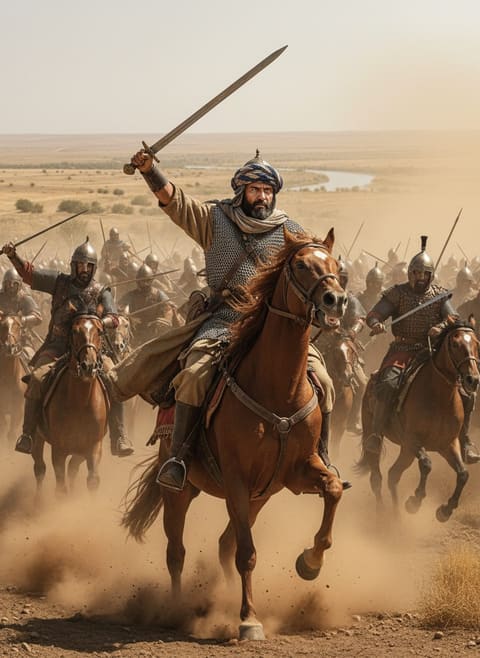
In the throes of the Second Punic War, Scipio Africanus faced a formidable challenge. While Rome’s infantry was noted for its rigor and discipline, the Romans found themselves outmatched in cavalry strength on the rugged Iberian terrain. The formidable Numidian horsemen, allies of Carthage, boasted unparalleled skills and astoundingly fleet horses that Rome’s foot soldiers simply could not counter. Carthaginian cavalry, swift and deadly, dominated the Iberian battlefields, leaving Roman morale in tatters.
As Carthage seemed poised to create a foothold in Rome's dearest strongholds, the Roman campaign teetered on defeat. Yet, Scipio, a man wise beyond his 29 years, had already established himself as a tactical genius, demonstrating unique strategies at every turn.
A Revolutionary Idea
Scrutinizing the battlefield, Scipio noted an overlooked opportunity amidst the chaos — the prisoners of war. Captured Numidian riders, once thought a liability, became an unexpected resource. Instead of discarding them or letting them languish, Scipio saw a chance to reshape the contours of Roman warfare. He proposed an unprecedented gamble: turn these captives into cavalry, perhaps even into effective weapons against Carthage itself.
Read next: Flavius Aetius Stopped Attila at the Catalaunian Plains in 451
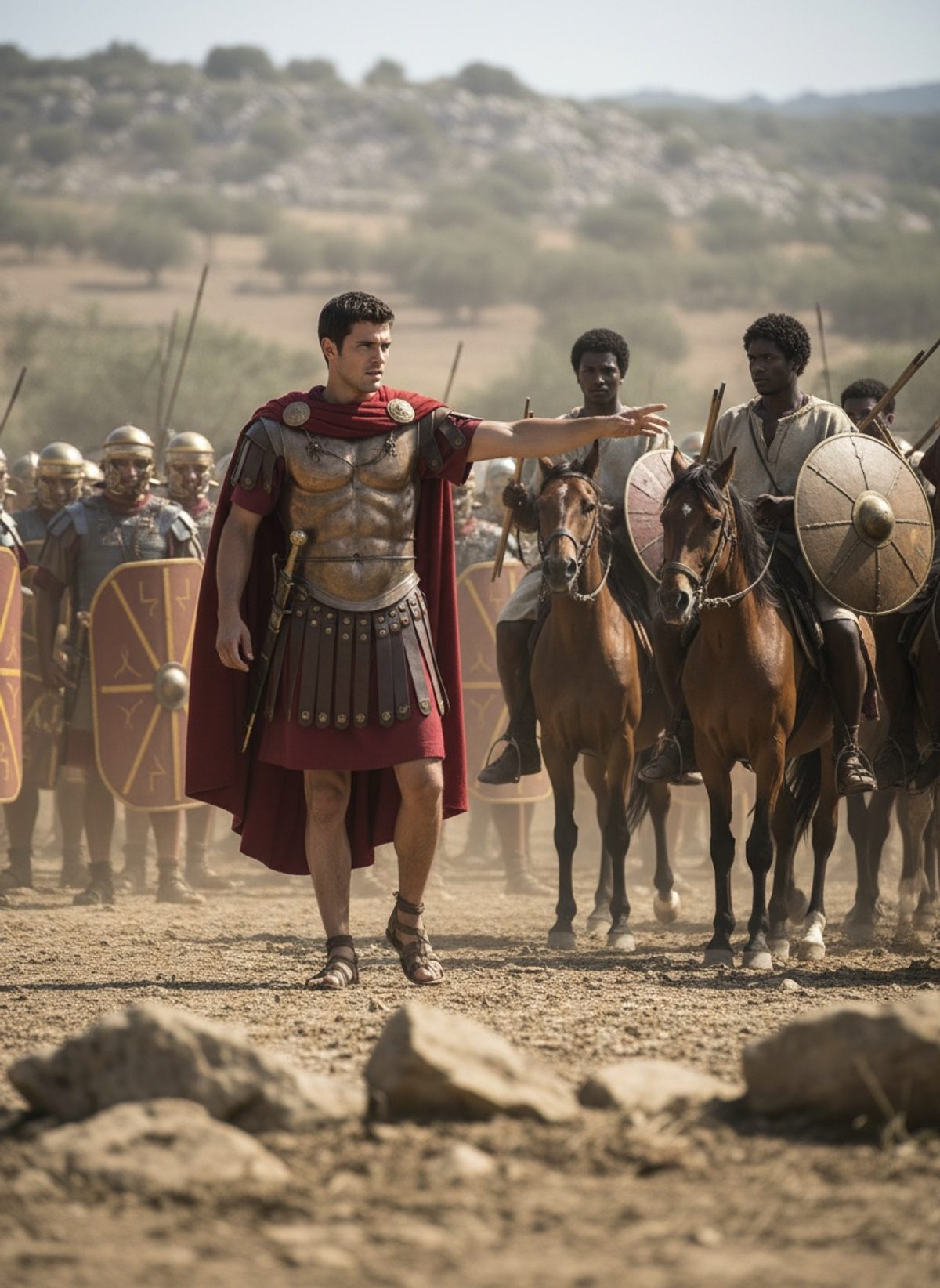
Rather than treat these soldiers with disdain, Scipio offered them a path to redemption. In a display of personal investment, he armed the Numidians at his own expense. This visionary attempt to integrate former enemies into his ranks was not without risks; trust hung precariously in the balance. But Scipio, aware of their unmatched horsemanship, believed in their potential to alter the theater of war in Rome’s favor.
The Birth of Rome’s Cavalry Strength
Riding high with their new Roman-issued armor, the Numidian cavalry did not disappoint. As battle loomed near Ilipa, Scipio's men watched in awe as these once-foes turned the tide. Their power, agileness, and knowledge of Carthaginian tactics breathed new life into the Roman legions, shifting the dynamics on the battlefield.
Yet the gamble was larger than military gain; it was a lesson in cultural and tactical integration. Scipio’s army was now a mosaic of Rome’s traditional might and the acquired prowess of these Numidian combatants. Scipio's successful transformation of prisoners into allies paved the way for a stunning victory at Ilipa in 206 BC. This critical triumph marked the beginning of the end for Carthaginian power in Iberian territories.
Read next: The Compiègne Wagon Where the First World War Ended at 5am
With every calculated engagement from the merging forces, Carthage felt the sting of betrayal as Rome's ranks, now emboldened with their former compatriots, unleashed strategic precision. Scipio had not only secured a military victory; he had rewritten the tenets of alliance and warfare.
Why This Matters
Scipio Africanus's daring strategy in harnessing the prowess of captured enemy cavalrymen was more than a military maneuver—it was an embodiment of adaptive leadership. By turning his adversaries into allies, Scipio redefined what it meant to be Roman in a world of constant evolution. Transforming captivity into cooperation highlights a pivotal lesson in resilience: innovation often lies in the audacious break from tradition.
This episode from the annals of the Second Punic War serves as an enduring reminder that strategic foresight and openness to change can shape the destinies of nations. As Scipio looked beyond the boundaries of conventional military wisdom, he etched a timeless lesson in adaptability and alliance, guiding Rome from the dust of desperation to the dawn of dominance in ancient warfare.