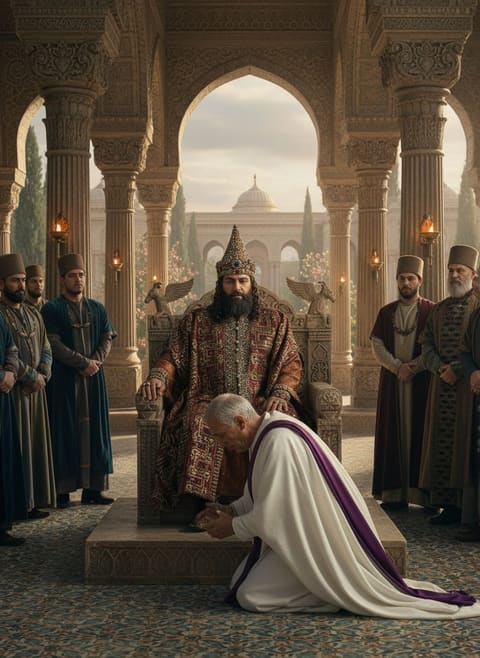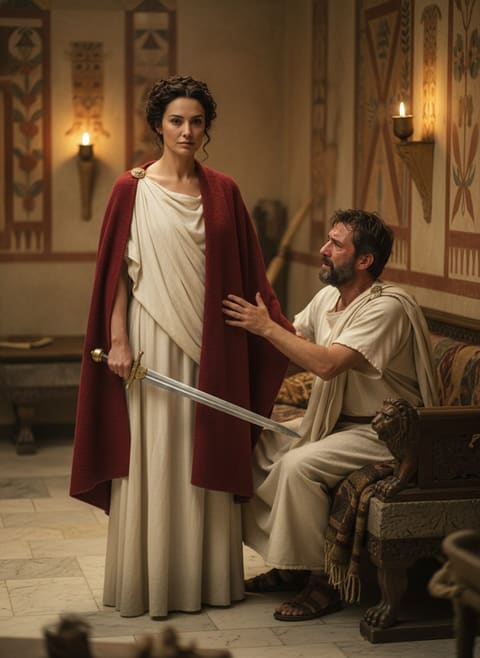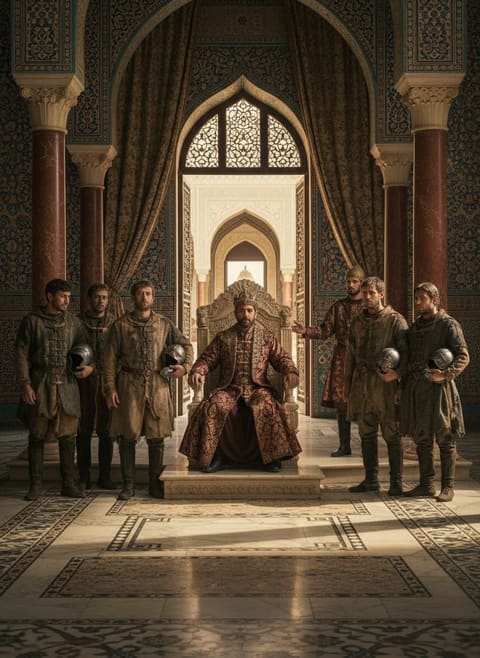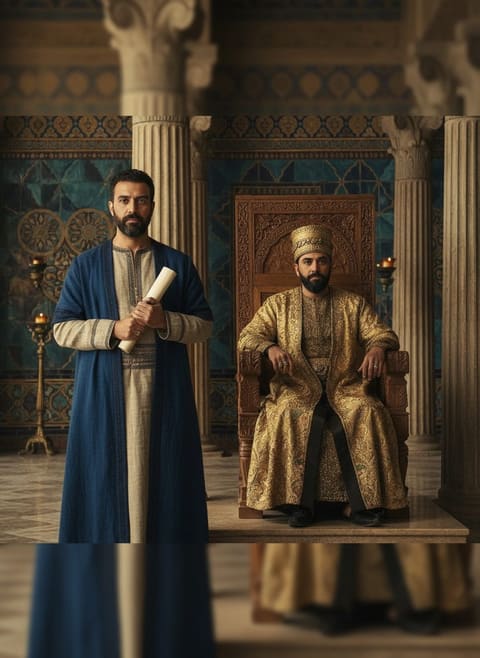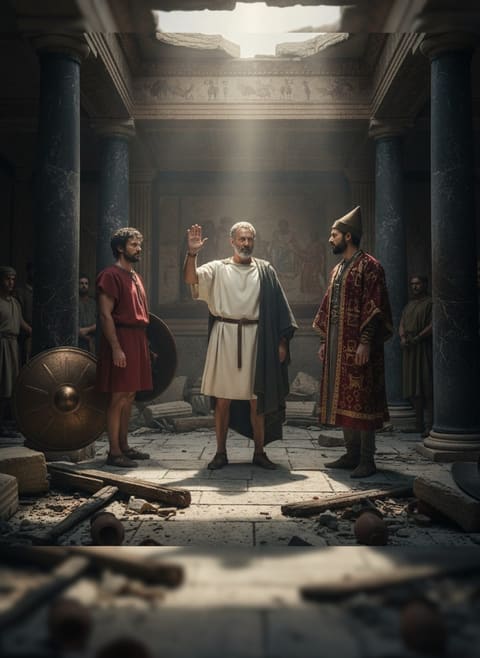
The crowd surged at the walls of Babylon like an unrelenting tide. Dust hung in the air as Cyrus the Great, the Persian conqueror, entered the revered city without resistance. It was an entry that defied the usual chaos of conquest — no clashing swords, no cries of the vanquished.
Instead, a quiet anticipation filled the ancient streets where, for centuries, people had lived under the shadow of oppression. Among the exiles held captive by Nebuchadnezzar’s heirs were thousands of Jews, gazing in disbelief upon their liberator.
The Conquest of a Fallen Empire
When Cyrus II stood at the gates of Babylon in 539 BC, he wasn't just facing a city steeped in history; he was confronting the legacy of an empire proud of its cultural and architectural wonders. Under Nebuchadnezzar II, Babylon had been formidable, its Hanging Gardens breathing life into lore. Yet, as its power-drenched twilight under a weakened regime, Babylon was ripe for a conqueror who promised a new dawn, albeit under his rule.
Cyrus’s invasion marked the end of the Neo-Babylonian Empire. He seized not just a city but one of antiquity’s greatest symbols of civilization. His victory was achieved without bloodshed, a testament to his strategy and perhaps the waning loyalty of Babylon’s populace who had grown weary of their rulers. The city's massive walls yielded, not to force, but to the momentum of history itself — a history Cyrus was rewriting with each decisive action.
Read next: Roxana of Bactria: The Captive Who Became Queen of the World
A King’s Unprecedented Decree
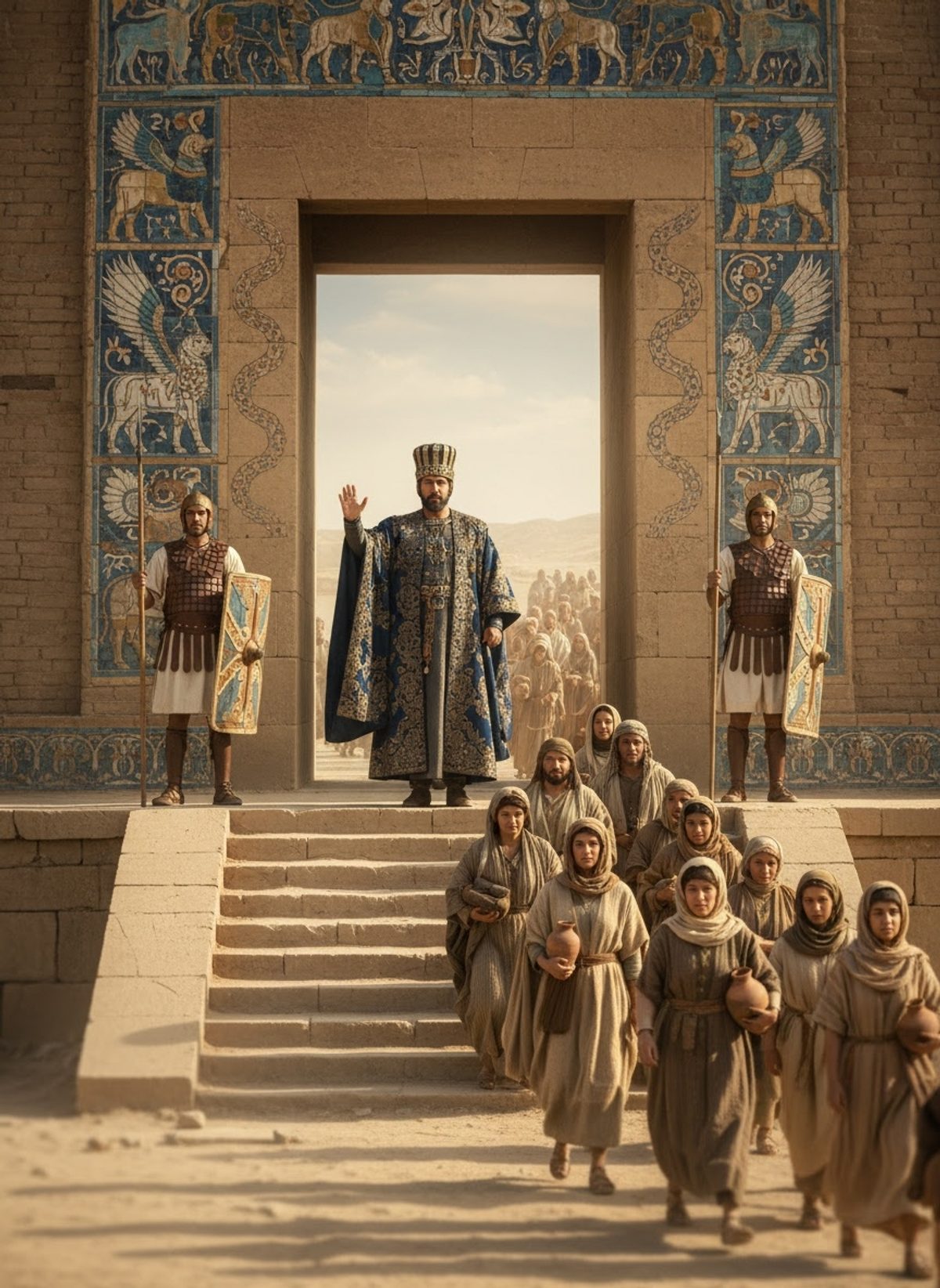
Yet, it wasn’t the fall of Babylon that set Cyrus apart in the chronicles of kingship. It was what followed that truly defined his legacy. With Babylon secured, Cyrus issued a decree unlike any the ancient world had heard. He would release the captives. All those who had been exiled and subjugated by Babylon’s past rulers were free to return to their homelands.
For the Jews held within Babylon's walls since the siege of Jerusalem in 597 BC, Cyrus's decree resonated as a divine providence. Forty-two thousand Jewish exiles prepared to return to a city they only knew through the stories of their elders. To them, Cyrus was no mere liberator; he was "the anointed one," a savior aligned with their God’s will. This designation became enshrined in their scriptures and hearts — a Persian king heralded as a vassal of the divine.
Rebuilding From Ashes
The journey home was long, traversing expansive and unforgiving landscapes. Yet the prospect of returning to Jerusalem injected hope into weary spirits. The Temple, once the heart of their cultural and religious life, lay in ruins, a stark reminder of past transgressions and the consequences of their people's path. Cyrus, who never converted to their faith, encouraged the reconstruction, providing support and resources drawn from the empire’s vast treasury.
Read next: Kartir Carved His Name in Stone. The King Obeyed.
The rebuilding of the Temple wasn't just architectural. It was spiritual renewal, a rebirth of identity forged in the embers of adversity. Here was a people, once fragmented and dispersed, converging to reclaim their past and chart a new course. Their efforts, documented meticulously in Biblical texts, laid the foundation for a resurgence of Judaic tradition and religious practice that would echo through the ages.
The Anointed of A Different God
Cyrus's motivations, while pragmatic, carried an aura of almost messianic benevolence. His policy of tolerance and respect for local customs and religions wasn’t merely an exercise in governance; it was a philosophy that proclaimed the strength of diversity within a unified empire. It solidified his legacy as a ruler of kindness who wielded power not through fear but through statesmanship.
His actions resonated through the corridors of time, leaving marks recorded not just in Persian annals but across various cultures and religions. The Jewish people remained eternally grateful, their reverence for Cyrus immortalized in their sacred texts. Through this, he achieved a kind of immortality in spirit, his story retold as an instance where power was tempered by wisdom.
Cyrus the Great’s legacy of liberation and restoration renders his empire a paradigm of governance where freedom supplanted conquest. It was a gesture that not only reshaped the fates of thousands but also softened the hardness of empires. The story of this ancient king and the profound effect of his decree serves as a reflection on leadership that dares to nurture rather than to crush, a lesson echoing through history that remains relevant today. As we look upon the ruins, once vibrant habitats of the human spirit, we are reminded that the greatest conquests often come not from swords, but from the careful shaping of human lives.