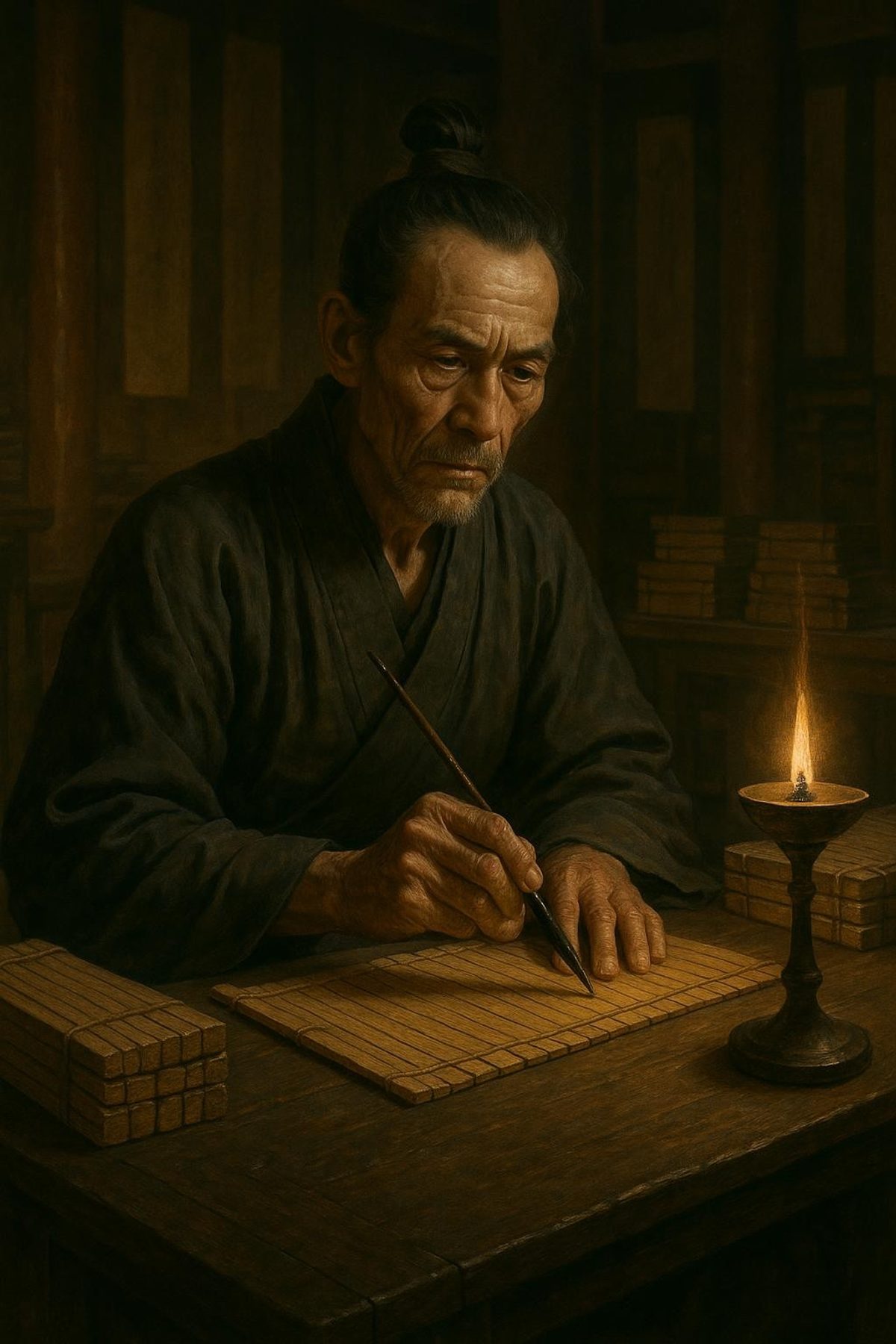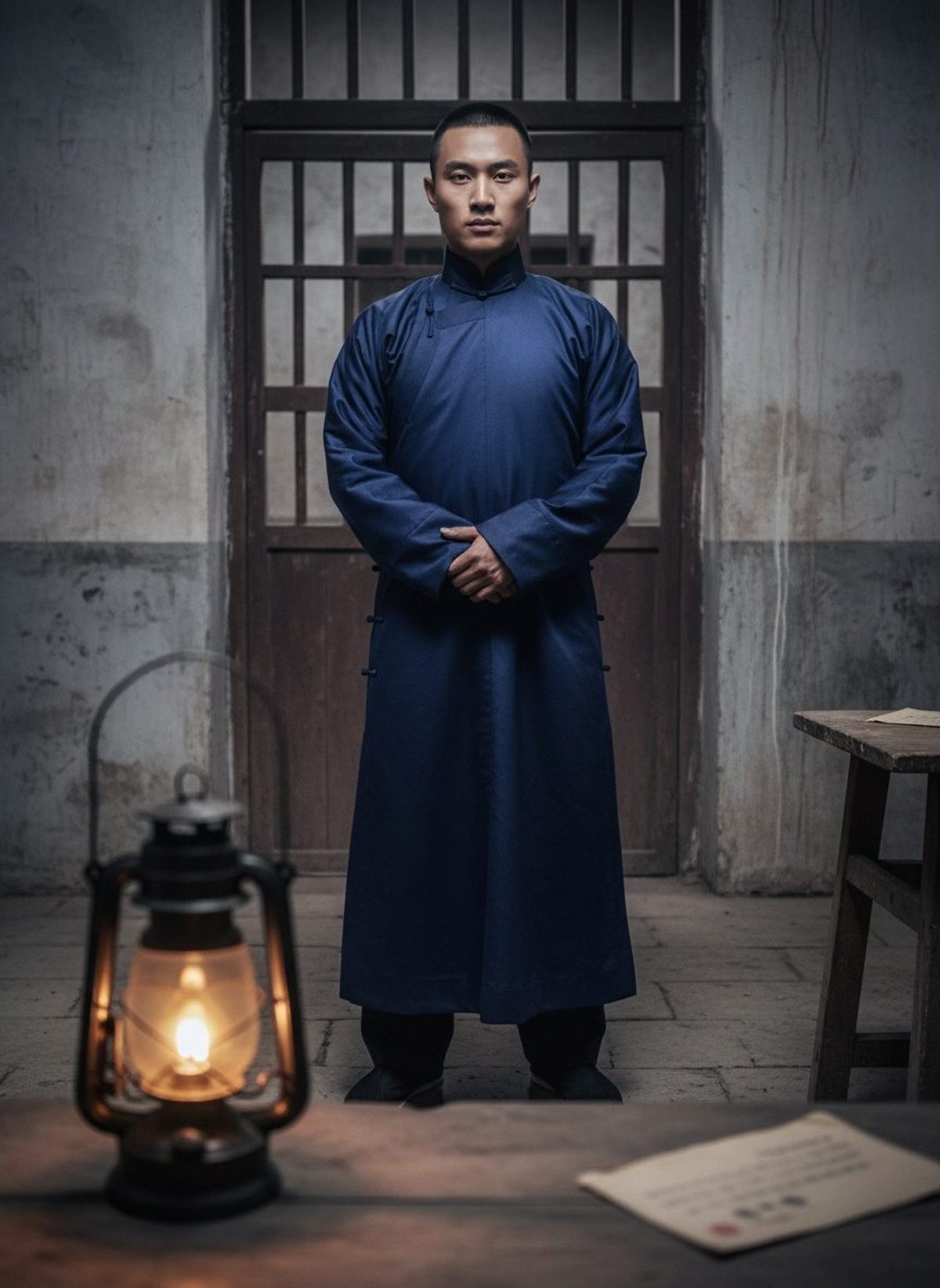
The brick dust hung in the early morning air as Tan Sitong walked with unwavering resolve, the sound of soldiers' boots echoing on the cobblestones behind him. The streets of Beijing were eerily quiet, save for the occasional clatter of a cart or the distant murmur of a marketplace. A once vibrant city now stood subdued under the weight of change that never came, and the reformer steeled himself for what lay ahead.
Just days before, the promise of a new China seemed within reach. Emperor Guangxu had embraced a wave of bold reforms suggested by energetic minds like Tan Sitong, young intellectuals who felt the pulse of a modern world racing far ahead of their own. For them, it was not merely about the survival of the dynasty but the rejuvenation of a nation left behind by the industrial leaps and imperial aggression of Western powers. Concepts like modernizing the military, transforming the educational system, and streamlining the bureaucracy brimmed with possibility. The air crackled with potential; the future whispered its tantalizing promises to anyone daring enough to listen.
But whispers could turn to shouts in the echoing halls of power. The Empress Dowager Cixi, matriarchal linchpin of the Qing dynasty, seized back control with a swift determination fed by decades of political cunning. She read the reforms as a threat to her authority, and, backed by conservative officials wary of change, maneuvered to restore the old order with ruthless efficiency.
The arrest orders were issued almost as swiftly as the reforms themselves had been suggested. Tan Sitong and five fellow reformers were thrust into the center of the storm. The news spread like wildfire: six men were sentenced to die for crimes against the state. Panic and fear rippled through their ranks. Desperation drives men to great lengths, and one by one, they scattered in search of refuge. Allies worked feverishly to spirit them away, to snatch them from the jaws of despair. For Tan Sitong, escape was offered, but acceptance refused.
Read next: Fang Xiaoru Faced the Usurper. He Handed Him Nothing.
“Change needs blood,” Tan remarked in what he knew could be one of his final dialogues with supporters. His heart, resolute and bound to a greater vision, pulsed with the fiery conviction that for progress to root deeply in the soil of tradition-bound China, his sacrifice would not be in vain. Here was a man who chose to stay in a cage while the door swung open, believing that his death could spark the flame of awareness and urgency among his countrymen.
The day arrived, clear and unremarkable, for a life anything but ordinary. The scent of incense clung heavily in the air as they led him toward the execution ground. His garments, once pristine and a mark of his status, were tattered but retained a dignity bestowed by the man who wore them. Onlookers gathered, their eyes reflecting a mixture of fear, sorrow, and incomprehension. The event was both ordinary in its grim repetition within imperial edicts and extraordinary in its potential ripples through history.
In those final moments, Tan Sitong’s thoughts may have traveled beyond the immediate injustice of impending death to the broader canvas of a nation he so desperately wanted to see transformed. What he dreamt of—a China propelled by innovation and fortified by modern ideas—lay not in the strict adherence to tradition, but a synthesis of age-old virtues and new principles. It was this vision that emboldened him as he stood on the brink of eternity.
The execution of the six reformers, swiftly dubbed the "Hundred Days' Reform", left a swath of bitterness and reflection in its wake. Tan's death, particularly, became emblematic, a profound statement about the beliefs for which he was willing to give the ultimate sacrifice. His willingness to face the executioner's blade stood as a stark reminder of the oppressive weight of an old regime upon the backs of its people, yet it also lit a beacon of hope for those looking toward a dawn of inevitable transformation.
And so, at the turn of the 20th century, China carried forward a legacy not merely of Qing imperial decline but of the ceded lives that catalyzed an unrelenting quest for modernization and resurgence. The inching reforms that followed across decades bore silent testimony to the sacrifices made under the shadow of executions in unyielding times. Nationalism gradually fermented into revolution, giving rise to seismic shifts in the political landscape. Shadows of Tan Sitong’s martyrdom stretched like long fingers into the future, touching every reform and rebellion that clawed at the monolithic empire that was China.
As history unfolded, one could unearth the echoes of Tan Sitong’s words, carried through time as quietly as the wind that blows through the silent paths of vanished empires. In choosing to face death, Tan offered more than just his life; he placed an unyielding bet on the power of transformation. It highlighted the stark reality that change, while often forged in the heat of fervent ideals, may need the cooling depths of sacrifice to truly take hold.
This tale of unwavering determination amid a backdrop of tumult and trepidation serves as a poignant lesson in the history of change. For those pursuing progress, it presents a sobering, yet inspiring imperative: Sometimes, the path forward is only illuminated by the courageous few willing to abdicate their own futures to shed light on a better tomorrow for others. Tan Sitong’s legacy is one woven into the broader tapestry of human defiance against stagnation and a profound testament to the enduring spirit of those who seek to carve a destiny beyond themselves.