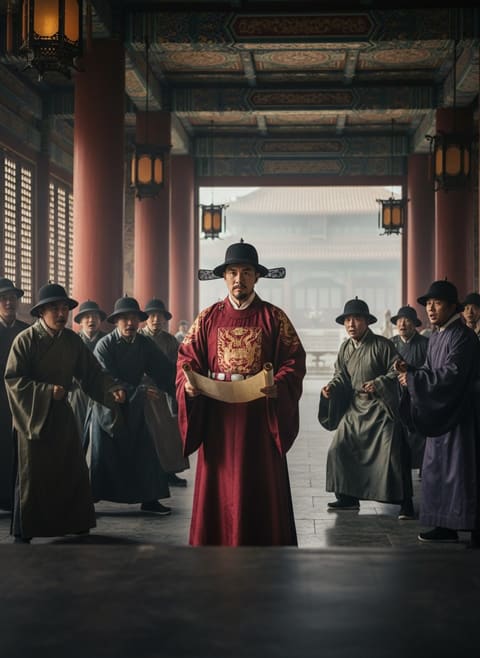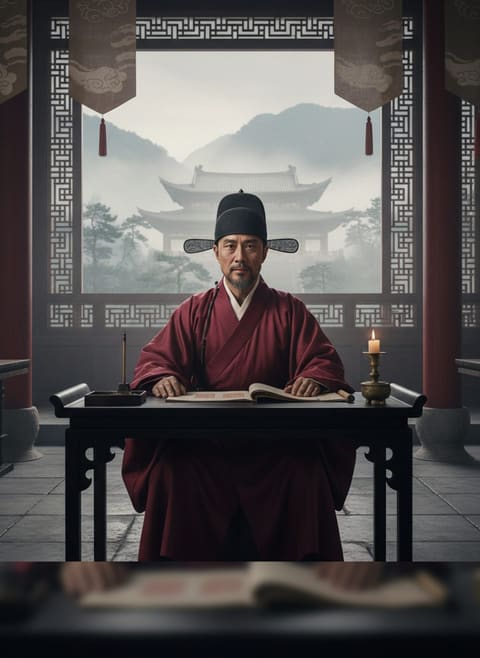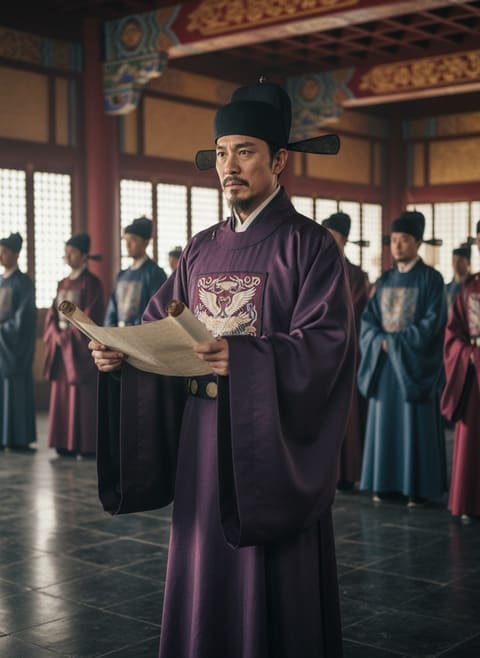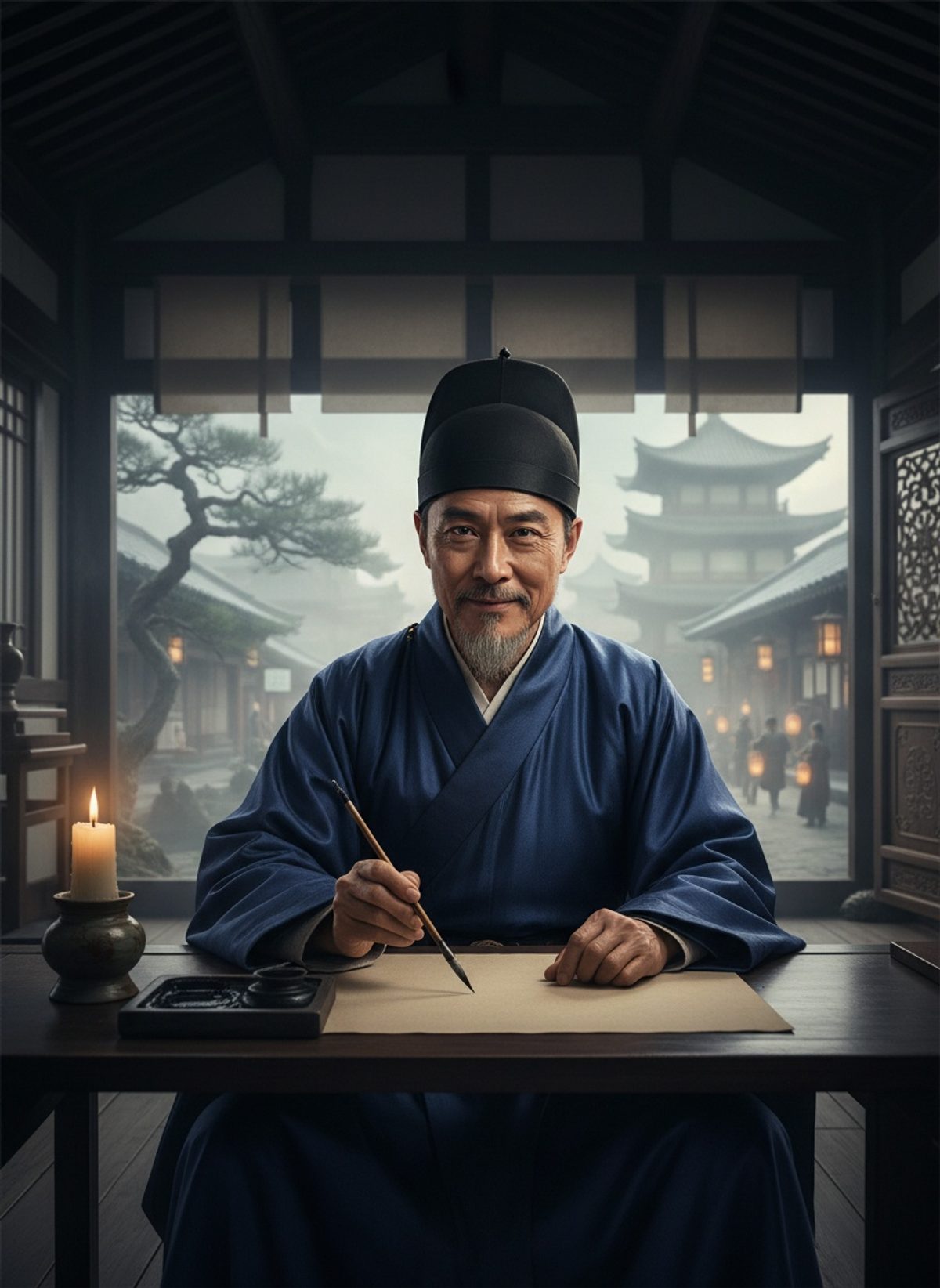
The sun dipped low behind the imposing city walls of Chang'an, casting long shadows across the bustling streets. The air was crisp, a gentle breeze carrying the aromas of street vendors meticulously preparing evening meals. As the city hummed with a symphony of voices, horse hooves clattered against the stone roads, mingling with the faint beating of distant drums. It was in this vibrant city, the heart of Tang Dynasty China, that Meng Jiao quietly etched his place in history with a single moment of reflection.
The Elusive Dream of the Jinshi
Meng Jiao was born in 751, in the province of what is now Zhejiang, China, during a tumultuous era marked by conflict and political instability. As a youth, Meng was more drawn to the contemplative life of poetry than the world of politics and bureaucracy. However, fame and fortune in Tang China often demanded success in the imperial examinations, the arduous path to esteemed governmental positions.
These examinations, particularly the jinshi level, were grueling tests designed to select the brightest minds for bureaucracy. Achieving a jinshi degree was akin to unlocking a life of stability and respect, yet for Meng Jiao, it remained agonizingly out of reach. Twice he attempted and failed, each defeat deepening his poverty and the sense of unspoken shame that lingered around unfulfilled expectations.
A Life of Quiet Resolve
In southern China, Meng Jiao found solace in the companionship of Zen Buddhist poet-monks, where he spent years as a recluse. His life was marked by scarcity, yet his commitment to the art of words blossomed in seclusion. Luoyang eventually beckoned, its teeming streets offering a rich spectacle of culture, debate, and ideas. It was within this bustling metropolis that he aligned himself with a vibrant circle of poets, including the famed Han Yu, who recognized Meng's raw, untempered talent.
Read next: Wei Yuan Mapped the World China Thought Did Not Exist
This intellectual community offered Meng Jiao refuge from the biting cold of socio-economic aspirations unmet. It was here, among kindred spirits, that Meng continued to hone his craft, producing works celebrated for their stark, vivid imagery and emotional intensity.
The Quiet Triumph
At the age of forty-six, Meng Jiao finally passed the jinshi examination in 796 AD, a feat perceived by many as long overdue. While others might have marked the occasion with lavish celebrations, for Meng, the moment was an introspective chapter rather than the triumphant conclusion of a relentless pursuit.
Instead of revelry, Meng Jiao rode solemnly through the streets of Chang'an on horseback, his heart laden with thoughts of a deeper bond—the maternal sacrifice that had underpinned his relentless journey. Meng's perspective was not one of personal triumph but of gratitude, a tribute to the silent, steadfast support of his mother throughout his trials.
Read next: He Read the Death List. He Wrote His Own Name First.
Words That Immortalized
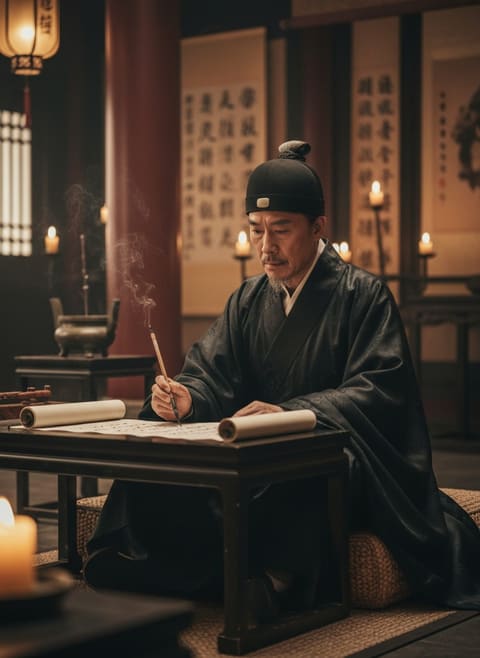
It was in this reflective state that Meng penned "After Passing the Examination," a poem capturing not his relief or satisfaction, but the selfless love of his mother. The eight lines of the poem spoke not of academic victory but of a filial piety that resonated deeply with a society that venerated family bonds above individual fame.
The opening lines, imbued with emotion, outline the tender image of a mother sewing clothes for her son, a metaphor that transcended personal narrative to touch the souls of many. It is this brief composition that cemented Meng Jiao's legacy, his words enduring long after the struggles of his mortal life faded away.
A Timeless Reminder
Meng Jiao's story, deceptively simple, offers a profound reminder of values that transcend time. In a world where success is often measured by status and wealth, Meng's humble recounting of a mother's love challenges such notions and champions an enduring truth—the power of human connection and the sacrifices quietly made in the shadows. Decades later, as scholars recite his cherished verses, Meng Jiao's life continues to resonate as an ode to fidelity and devotion, enriching the tapestry of Tang cultural history.