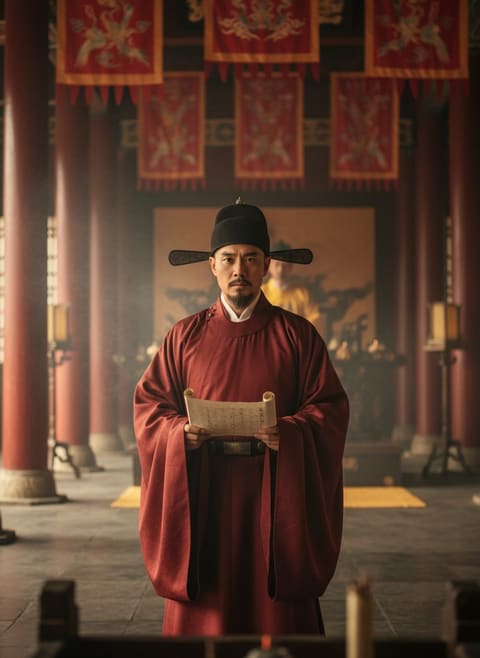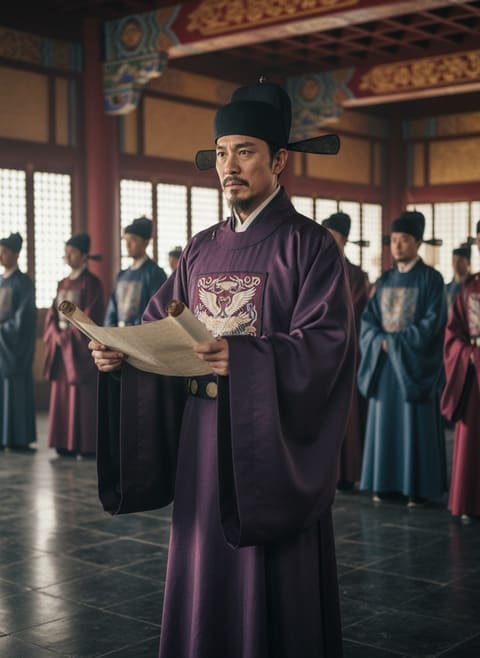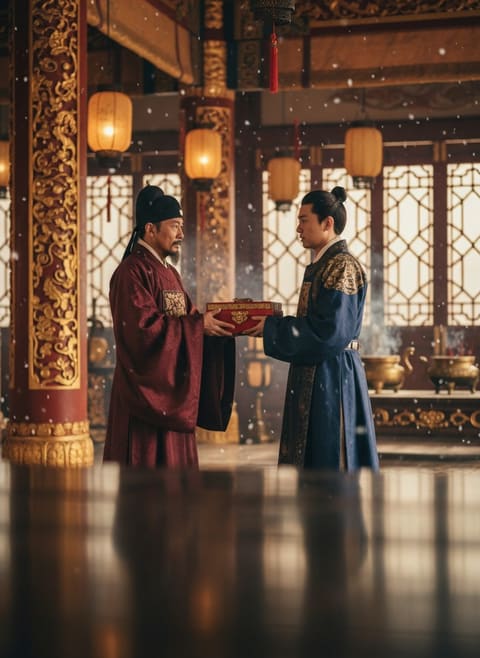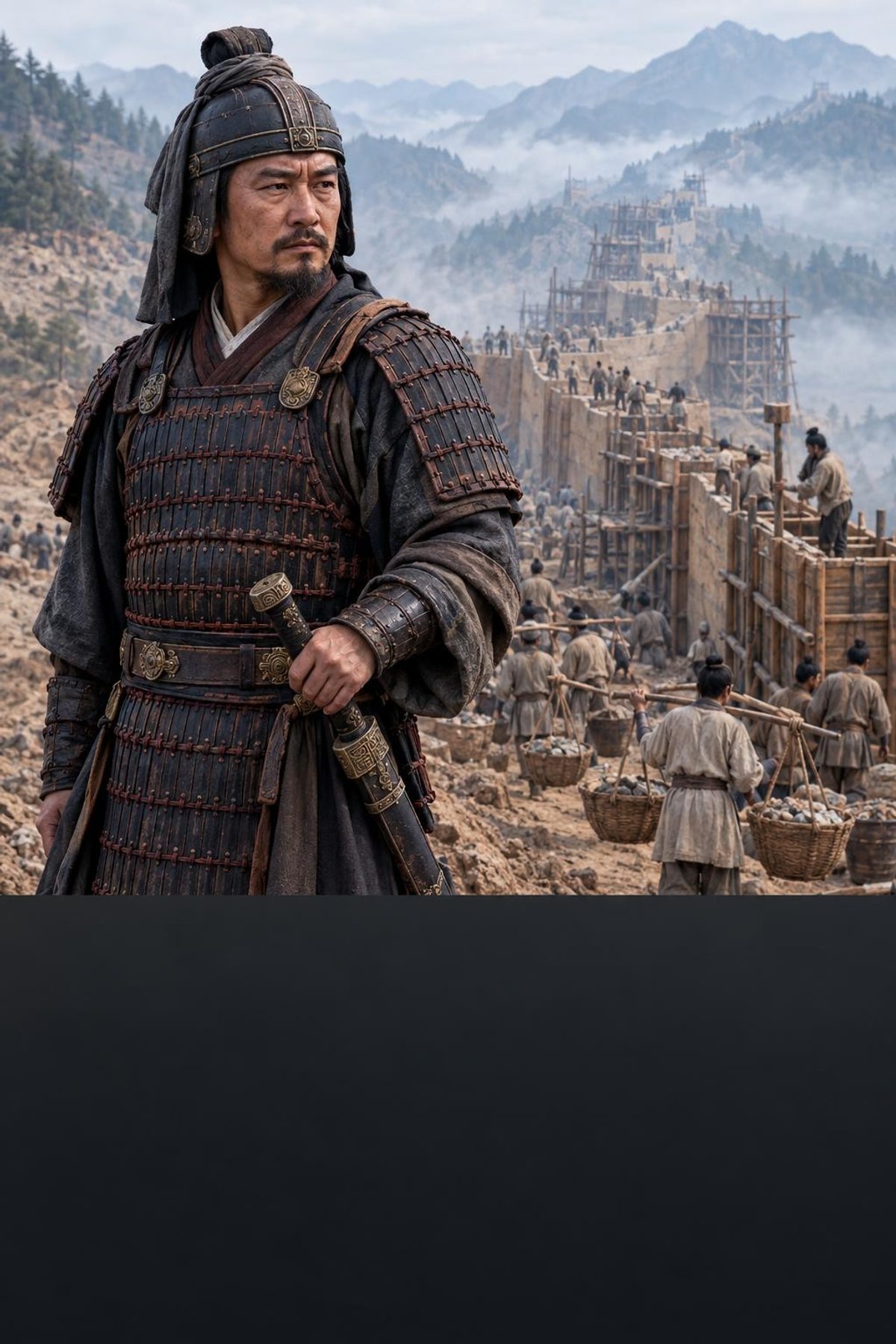
The Great Wall of China is often celebrated as one of the most remarkable architectural feats in human history. Yet, it stands less as a monument to human ingenuity than as a colossal testament to the grueling labor of 300,000 men commanded by General Meng Tian under the Qin Dynasty. In 221 BCE, the first emperor of a unified China, Qin Shi Huang, had set his vision beyond mere conquest; he envisioned a fortified barrier that would shield his empire from the relentless incursions of the Xiongnu tribes. He entrusted Meng Tian with an impossible mandate: to construct this monumental wall stretching thousands of miles through rugged terrains with the sheer might of human effort.
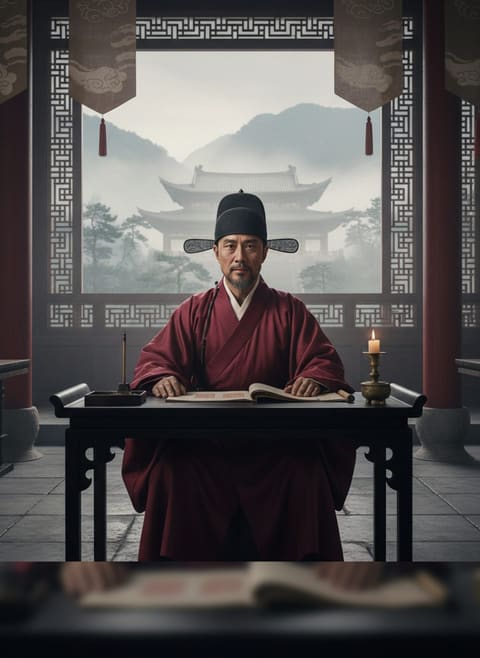
Meng Tian, a figure born into a lineage of military acumen and strategic brilliance, was no stranger to such formidable tasks. His own grandfather, Meng Ao, and father, Meng Wu, were both distinguished military leaders, inculcating in him a deep understanding of wartime strategies and logistics. Despite this background, the scale of the project ahead was daunting. How does one rally an army not just to fight but to build — and build something so immense with basic tools and materials like earth and stone?
When Qin Shi Huang consolidated his dominance over a newly unified China, the Xiongnu posed a significant threat from the north. They were unchecked and expanding rapidly in all directions. Meng Tian's mission was clear: drive them back at least 1,000 li (approximately 416 kilometers) from the Chinese heartland and ensure they would have no easy way to return. Tasked with this herculean responsibility, Meng Tian spurred his army — consisting not just of soldiers but an unprecedented number of laborers and convicts pressed into service — deep into the northern wilderness.
The reality of constructing a wall over untamed terrain, crisscrossing rivers and weaving through mountains, was only possible through an uncanny understanding of geography and sheer human perseverance. Meng Tian displayed a masterful command of topography, leveraging the natural contours of the land to bolster the wall’s defensive capabilities. Where possible, rivers became moats, and mountains formed natural barriers. These strategic decisions not only expedited the construction process but also amplified the wall’s deterrent strengths against invaders.
Read next: He Read the Death List. He Wrote His Own Name First.
From the Ordos Loop in the west to the Yellow Sea in the east, the wall stretched an estimated 10,000 li (over 4,000 kilometers) when completed. Every sunrise saw masses of men hefting baskets of earth, tirelessly building layer upon layer, while others quarried stone and compacted soil under the watchful eyes of Meng Tian’s overseers. These laborers were driven by either duty or chains — many paid the ultimate price, dying from exhaustion, harsh weather, or starvation. Historical records hint at the brutality of the conditions and the ferocity of punishments meted out to those who faltered.
Despite the overwhelming labor and resource challenges, Meng Tian’s tenure oversaw innovations that would outlive their builder. His work not only included the wall itself but also an interconnected system of roads that linked the disparate regions of the burgeoning empire. This arterial network vastly improved communication, military logistics, and economic exchanges across the formerly fragmented kingdoms. These roads afforded swift troop movements and relayed imperial edicts at unprecedented speeds, knitting the empire together more tightly than had ever been possible before.
Read next: He Held the Death List. He Crossed Off Every Name.
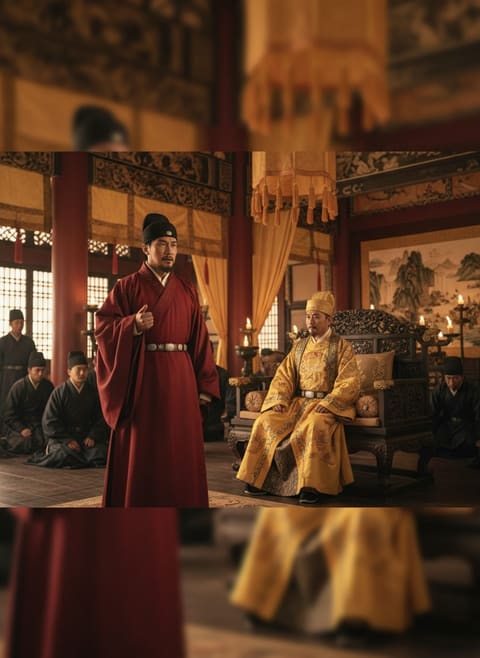
It is perhaps one of history's ironies that Meng Tian, celebrated for his contributions to China's security and infrastructure, would meet a grim end not in battle but through political intrigue. When Fusu, the emperor's eldest son, was exiled for his dissent, Meng Tian found himself at the northern frontier not just as a general but as an unwilling participant in courtly vendettas. Following the death of Qin Shi Huang, the manipulative eunuch Zhao Gao seized the moment to eliminate rival power figures. Meng Tian was forced into suicide, his line extinguished by the same imperial ambitions that had driven him to build the Great Wall.
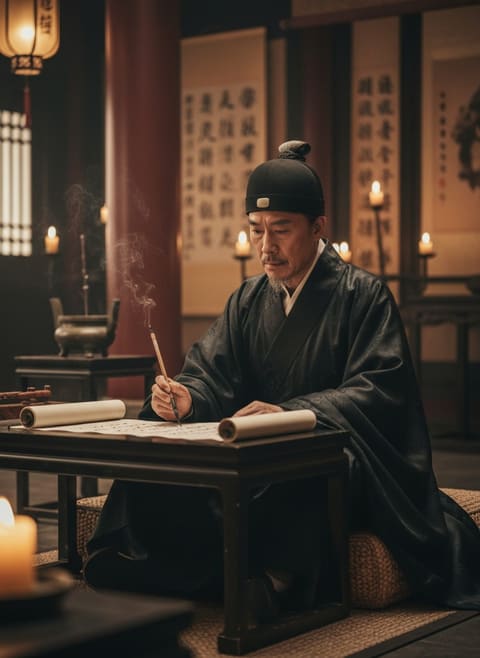
Meng's tragic demise did not erase his footprint from history. While his contributions to military architecture and logistics are unrivaled, a touch of legend surrounds his legacy — tales of his invention of the ink brush and the guzheng musical instrument. Though these claims are historically debated, they underscore the enduring allure of his persona in both historical and cultural narratives across China.
The Great Wall Meng Tian helped erect endures as a poignant reminder of the human cost behind great achievements. It represents not just a physical boundary but a cultural demarcation — the line between civilization and those beyond it, a complex symbol of ambition and sacrifice. As with many grand historical constructions, the wall speaks to the resilience and command of Meng Tian while echoing a centuries-old truth: the dreams of the mighty are often built on the lives of the humble. Understanding this balance, between visionary leadership and the humanity of those who toil, enriches our appreciation of history. Through Meng Tian’s story, one sees both the brilliance and burden of shaping a dynasty's destiny against the backdrop of time.