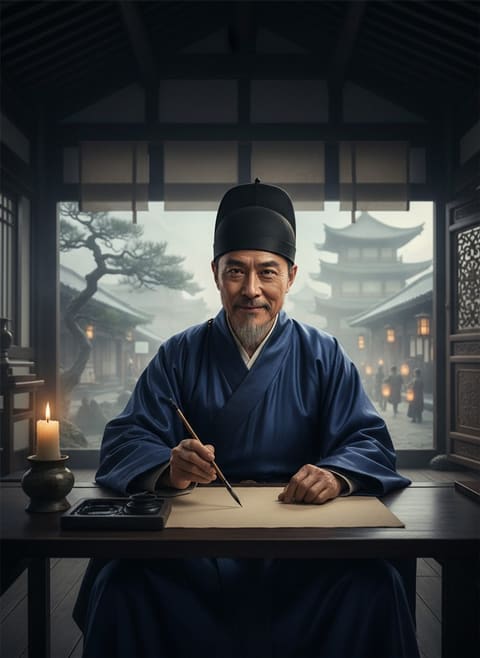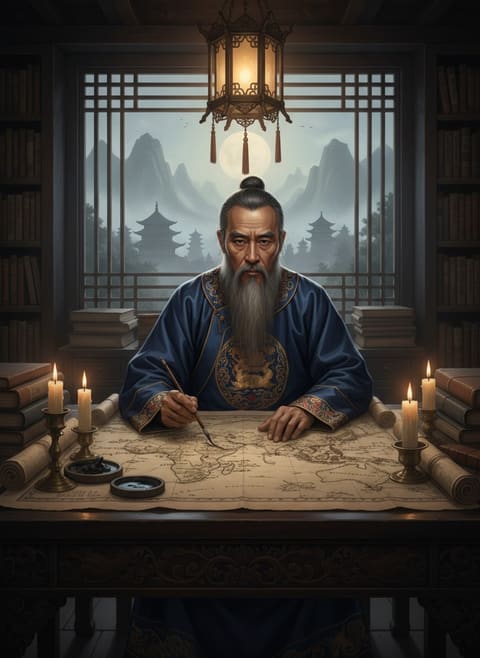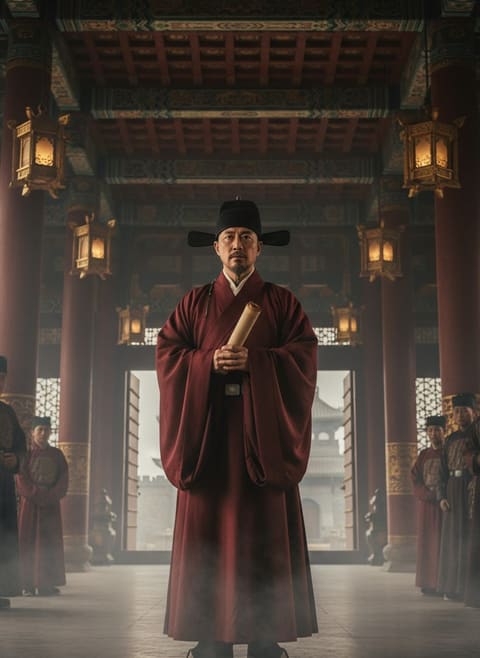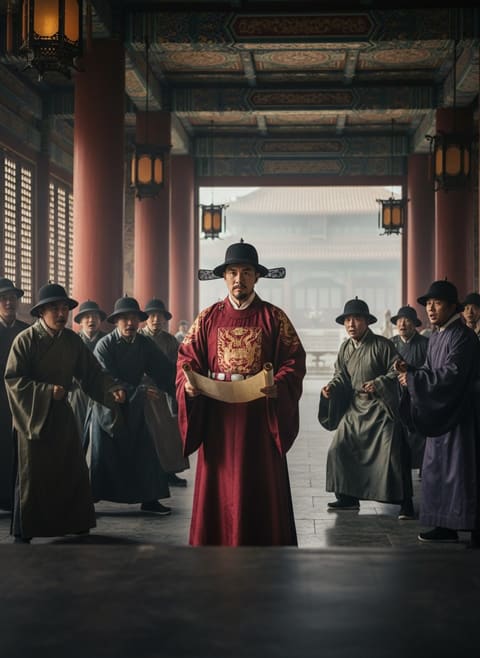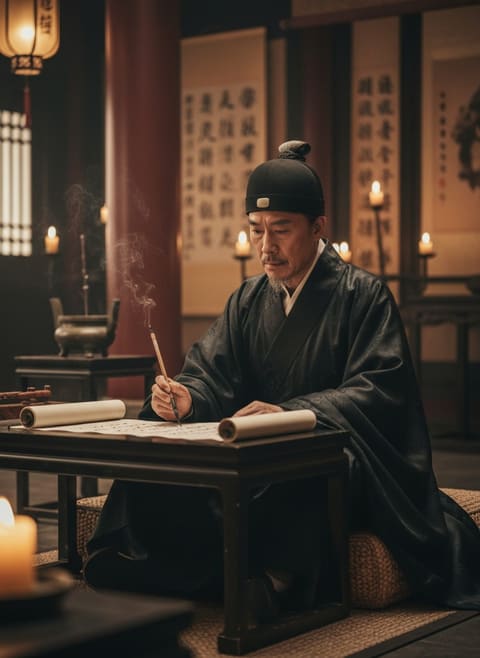
In the grand halls of China's imperial past, the emperor's word was law. Yet in 1565, a solitary voice dared to wield the power of dissent, not through rebellion, but through written word. After decades of unquestioned rule, the Jiajing Emperor was faced with an audacious challenge, one that emanated from an unexpected corner.
A Coffin and a Quill
Imagine a county magistrate who understood the perilous path of truth. Hai Rui, born on January 23, 1514, in Haikou, Hainan, was no stranger to perseverance. His father passed away when he was a mere child, and his upbringing by a single mother of Hui Muslim descent instilled in him a conscientious sense of duty. Despite failing the Imperial examination multiple times, Hai Rui finally began his career at a humble clerical position in Fujian when he was 39.
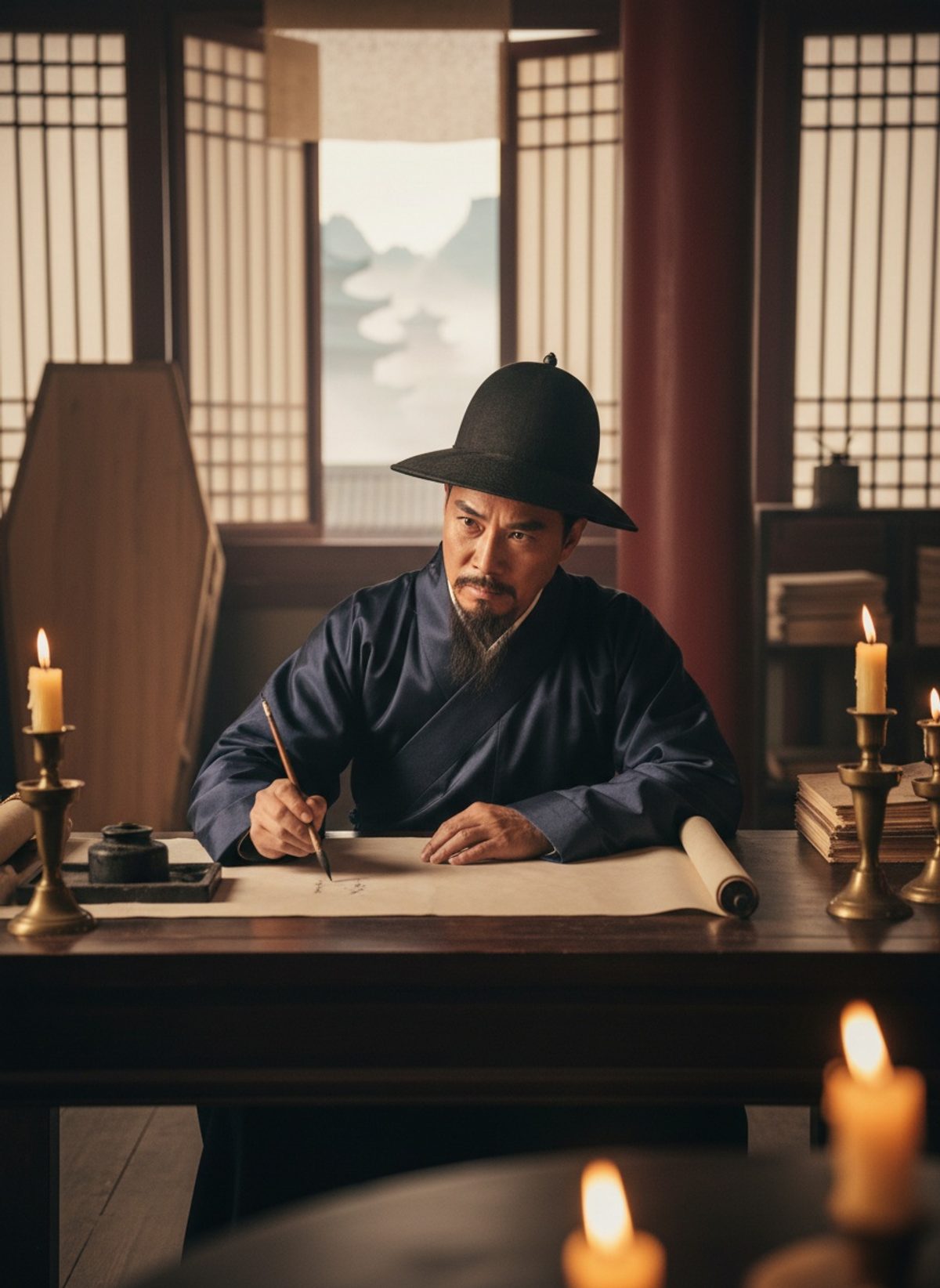
Renowned for his unwavering integrity, Hai was not one to be swayed by corruption or favoritism. In a sea of officials who often relished perks and patronage, Hai remained anchored to the ideals of honesty and fair governance. His ethics earned him admiration from the public but critically set him at odds with the bureaucracy, culminating in a pivotal moment in 1565 when he bought his own coffin, prepared to meet death as he wielded his pen to accuse the Son of Heaven.
The Controversial Memorial
On a crisp day in 1565, Hai Rui submitted a memorial to the Jiajing Emperor, a bold documentation that could only be accompanied by the anticipation of his own demise. Sparse in official memory was any voice that dared to pierce the imperial veil with such directness. The memorial was a scathing critique, vehemently decrying the emperor's thirty years of misrule, neglect, and opulence.
Read next: Fang Xiaoru Refused the Usurper's Decree — and Paid With His Clan
It was not just a political document; it was an act of moral defiance wrapped in Confucian language, underscoring neglect of governmental responsibilities, greed that fattened imperial coffers while draining the nation dry, and a heartless disregard for the welfare of the people. That a low-ranking official summoned the resolve to condemn the emperor's indifference was in itself an act of political sacrilege. Hai Rui had prepared for death, yet unknown to him, his missive would ripple across the fabric of imperial China in a manner he hadn't anticipated.
Tears of the Son of Heaven
What transpired next was nothing less than extraordinary. On receiving the memorial, the Jiajing Emperor did not issue the expected decree for execution. Instead, the imperial court was astounded as the emperor wept. The raw sincerity and moral gravity of Hai Rui's words breached the sacred barriers of rhetoric and reached the emperor's conscience. The court, which had long been accustomed to intrigue and flattery, found itself in a moment of arresting silence.
Although the execution order was given in 1566, this unexpected emotional response signified a monumental disturbance within the imperial psyche. Here was a testament to the unyielding spirit of Hai Rui, whose actions underpinned a deeper message—that even the mightiest of rulers could be moved by the simplest of truths.
Aftermath and Redemption
Hai Rui’s fate seemed sealed until fortune swayed with the emperor's death in 1567. Released from the grips of impending doom, he was reinstated by the Longqing Emperor, yet his overzealous approach continued to echo through his career. Hai Rui's uncompromising pursuit of justice saw him being accused of overreach in addressing land tenure abuses, leading to his premature resignation in 1570.
Read next: Zhang Juzheng Reformed China's Tax Code and Fed the Empire
Through relentless investigation, Hai had uncovered layers of corruption where moneylenders exploited impoverished landowners, a task many deemed too perilous, yet he remained undeterred. Such was the paradox of his life—a ceaseless struggle against systemic corruption constraining even his own standing among peers, ultimately reducing his lifespan to that of a brief service once more in Nanjing until his death in 1587.
A Legacy of Uncompromising Valor
Hai Rui’s audacity remains etched in the annals of history, an emblem of fortitude that transcended his era. His story draws a stark line under the unfaltering power of truth. Revered posthumously as Zhong Jie, his life inspired not only his contemporaries but also ignited cultural and political upheaval centuries later during the Cultural Revolution with Wu Han's portrayal in the play "Hai Rui Dismissed from Office."
In the narrative of Hai Rui, modern audiences find echoes of courage that resonate beyond borders and time. He stands as a singular reminder of the ethos that even the smallest voice, when fortified by sincerity and courage, can spark great change. In a world often driven by compliance and quietude, Hai Rui’s defiance is not just history—it's a call to integrity, a challenge to rise beyond the fear of authority and history's own inclinations, to address wrongs. His story is a compelling reassurance that justice, though oft obscured, remains within reach, emerging when least anticipated.