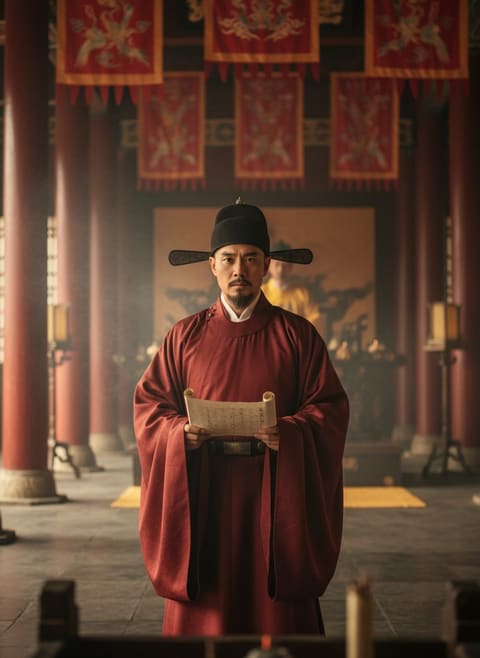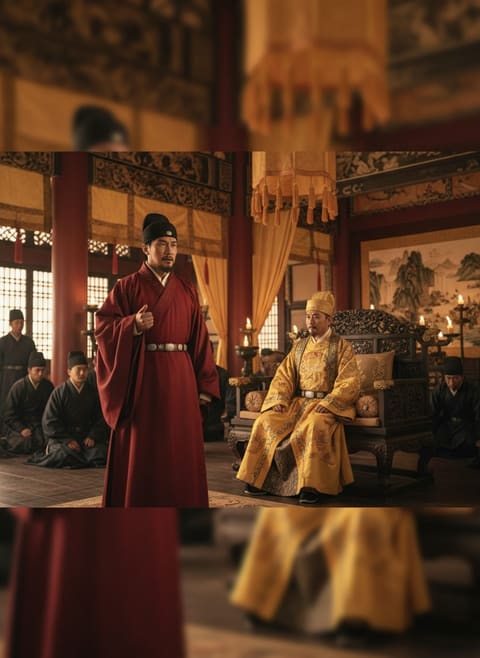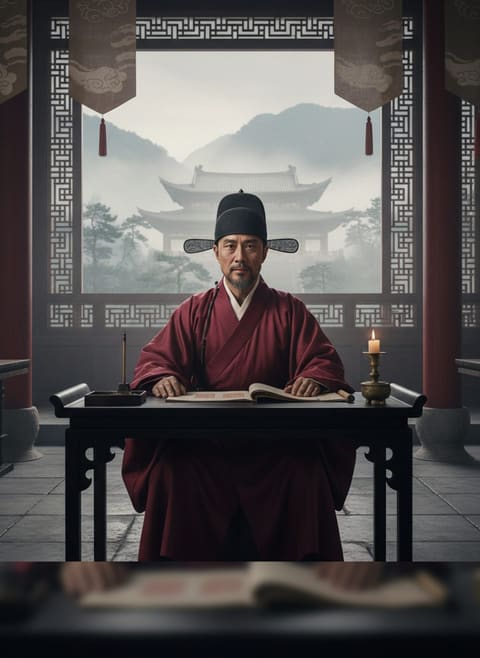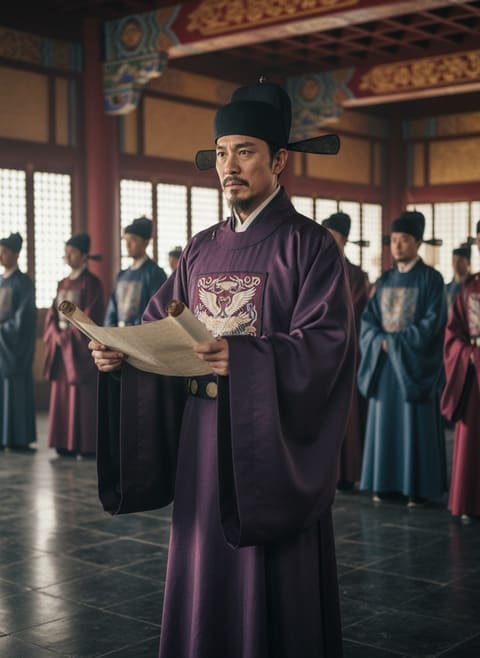
He was forty-nine years old. Wei Yuan had never left China, yet he was about to map the entire world.
In 1844, China was reeling from its defeat in the First Opium War, a catastrophe that had torn apart the nation's pride and exposed its vulnerabilities. For decades, China had viewed itself as the center of civilization, the Middle Kingdom around which the world revolved. Its emperors expected foreign ambassadors to acknowledge their submission by performing the ritual kowtow. But the Opium War—a battle fought not just with weapons, but also with ideas and arrogance—had shattered that illusion. A nation that had once believed it was unmatched was forced to admit its weaknesses, and out of this chaos emerged Wei Yuan, a scholar-official from Shaoyang, Hunan, determined to enlighten his people.
Wei Yuan was no ordinary scholar. Born as Wei Yuanda in 1794, he was a man of contrasts: deeply steeped in Confucian tradition, yet open to the winds of change blowing from the West. He had spent his early years climbing the bureaucratic ladder, passing the provincial-level imperial examination in 1822 and becoming a scholar in 1825. Despite failing the metropolitan examination, a setback that might have dissuaded lesser men, Wei continued to cultivate his intellect and ambitions. In Yangzhou, Jiangsu, where he settled in 1831, Wei listened to new ideas and grew increasingly aware of China's perilous ignorance of the wider world.
It was the years following the Opium War that galvanized Wei into action. Working closely with Lin Zexu, a man whose staunch opposition to the opium trade had both incited admiration and incited wrath, Wei realized that China’s underestimation of the West had been a fatal flaw. A vast empire had been humbled by Britain’s small yet technologically superior forces. The message was clear: It was time China "opened its eyes to the world."
Read next: He Held the Death List. He Crossed Off Every Name.
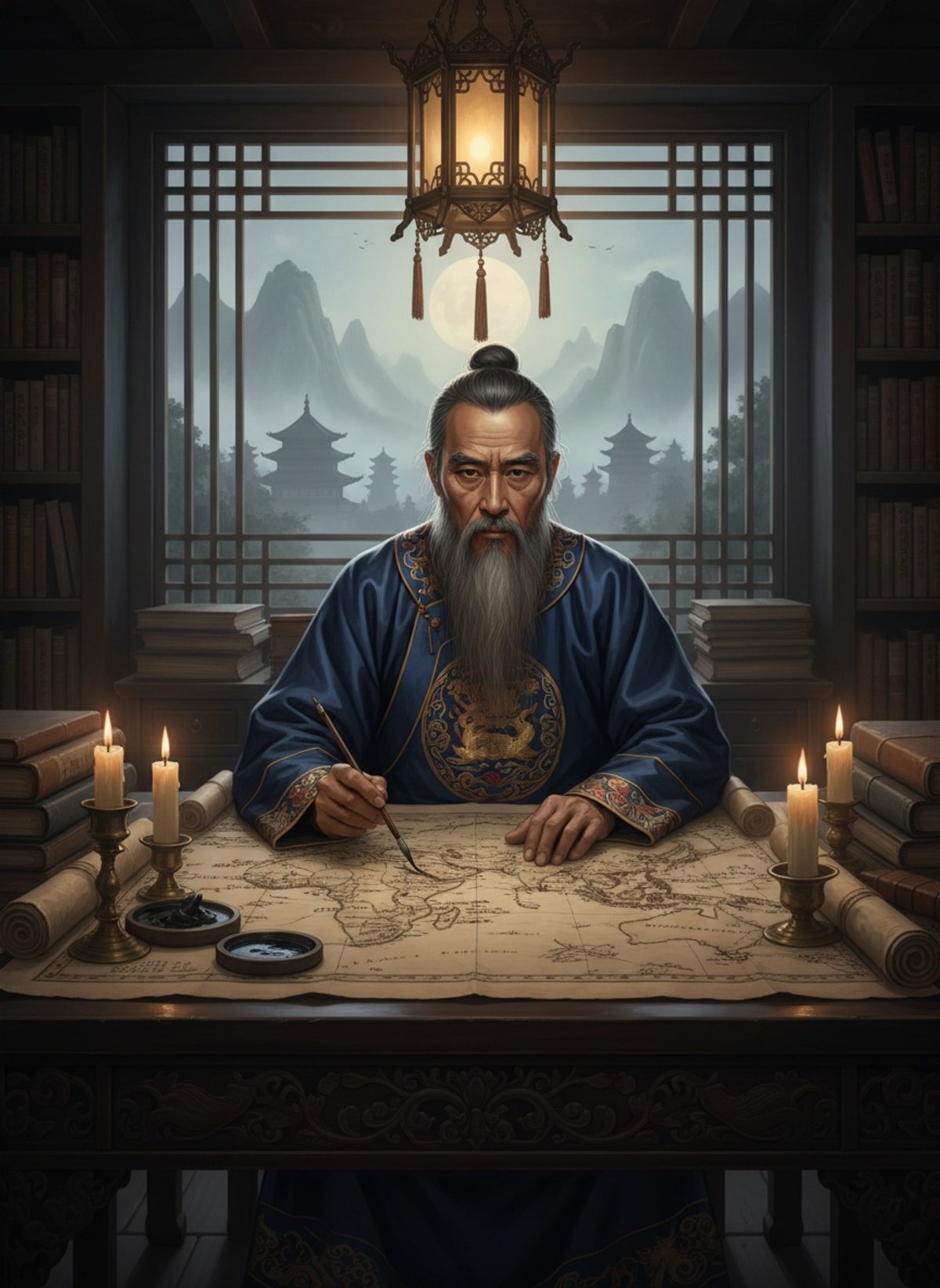
In a radical departure from tradition, Wei set about creating what would become known as the "Illustrated Gazetteer of the Maritime Countries" (Haiguo Tuzhi). This monumental work was a geographical and historical atlas intended to map the entire world—a world that many in China, even in the highest echelons of power, still doubted existed. Wei compiled meticulous descriptions of foreign countries, their borders, their fleets, and their armies. He charted coastlines and identified strategic maritime routes. It was a work born from an insatiable curiosity and an understanding that China's future depended on learning from these once-foreign, now undeniable neighbors.
Wei’s geographical project was more than just an academic exercise. It was a political weapon aimed at reshaping China’s perception of itself and its place in the global order. In painstaking detail, the atlas named every nation, from the great powers like Britain and France to smaller, lesser-known countries. Wei was especially concerned with the advanced naval technologies of the West, clearly depicting their warships and recognizing that China’s naval defenses were desperately outdated.
Despite his groundbreaking work, Wei Yuan faced substantial resistance. Many within the Qing Dynasty clung tenaciously to traditional beliefs and dismissed calls for reform. However, Wei’s persistence resonated with a small yet growing group of reformists who saw the urgent need to modernize. His writings would later lay the intellectual groundwork for the Self-Strengthening Movement, a significant 19th-century reform initiative aimed at incorporating Western knowledge and technology into Chinese society.
Wei Yuan’s atlas also confronted the Qing with a sobering revelation: power was not simply a matter of territory, but of economic strength, technological prowess, and military capability. Through his detailed charts and incisive commentaries, Wei challenged the very foundation of Chinese thought, urging the empire to embrace practical knowledge and innovation. His work suggested that a pragmatic embrace of global realities could transform China from a fractured relic of antiquity into a modern, resilient state.
Read next: He Held the Emperor's List. He Crossed His Own Name Off.
The impact of Wei’s work extended far beyond his death in 1857. While his proposals for immediate military reforms were not fully realized in his lifetime, his vision gradually permeated the corridors of power. The seeds of change that he planted would blossom after his passing, inspiring generations of reformers who would echo his call to engage deeply with the rest of the world. As China grappled with its identity and sought to reforge its path in the late 19th and early 20th centuries, it was to Wei Yuan that many looked for the initial spark of reawakening.
This vision that Wei Yuan mapped out was not merely a geographical one. It was a psychological blueprint for a nation grappling with its place in a rapidly changing world. The images he penned and the knowledge he distilled encapsulated a broader truth: that isolation, while safe on the surface, can become a prison. Through the pages of his atlas, Wei whispered a radical truth into the heart of China—a truth that would, over time, ignite transformation.
In an era of unprecedented technological and cultural exchange, Wei Yuan’s pioneering work reminds us of the timeless need to confront reality, however disillusioning it may be. It challenges modern societies to look beyond their borders and learn from one another, drawing parallels between the 19th-century world of Wei and today’s interconnected globe. It serves as a testament to intellectual courage and the profound impact one individual can have in the tides of history, teaching us that understanding the world is the first step to shaping our destiny within it.