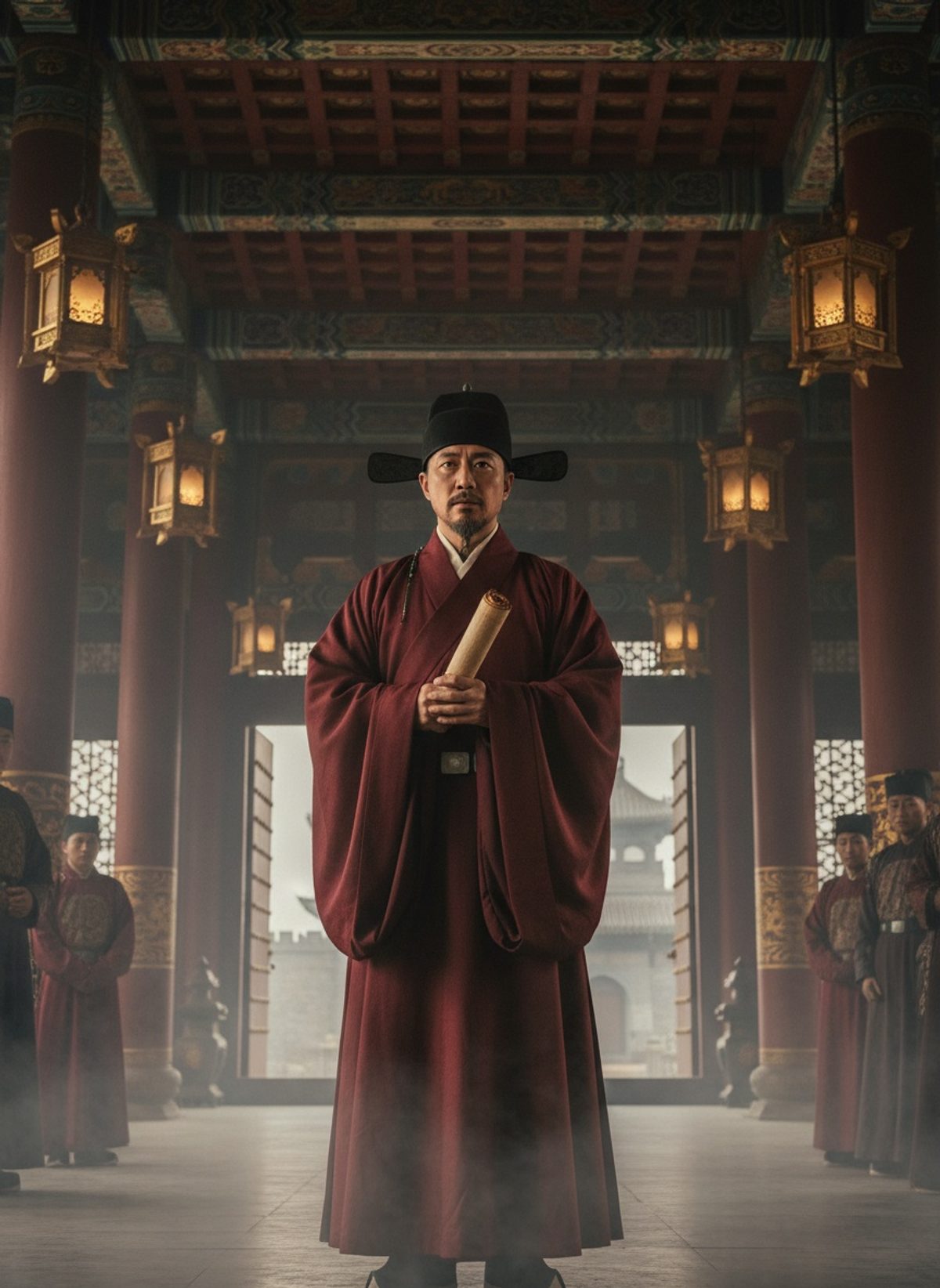
August 4, 1449. The summer sun hung like a molten coin over Beijing, casting long shadows across the crumbling city walls.
The Capital Under Siege
In the heart of China's sprawling capital, a crisis loomed larger than the searing summer heat. The once vibrant city of Beijing was teetering on the brink of annihilation. Just days earlier, the Ming Emperor Yingzong had been captured by the formidable Oirat Mongols in the disastrous Battle of Tumu. It had been a reckless decision for the emperor and his troops to engage the Mongols underestimating their strength, and now, with Yingzong seized, the kingdom faced a perilous abyss—its ruler a prisoner, its throne usurped, its sovereignty threatened.
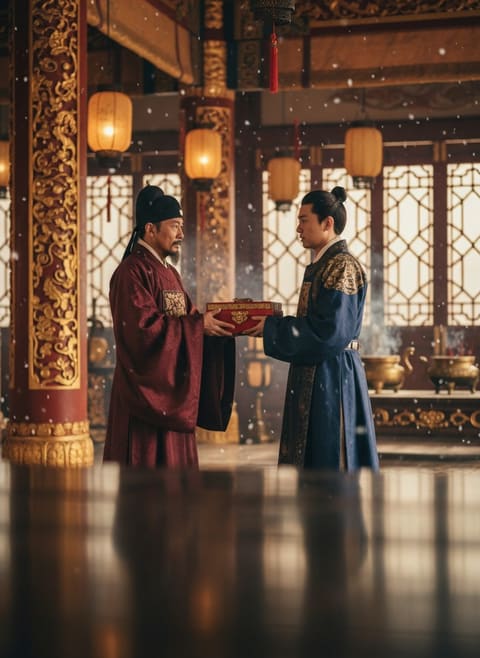
Beijing, surrounded by the Mongol forces, buzzed with a mix of fear and defiance. In the court, amidst the intricate eaves and ornate columns, the air was thick with anxiety. Panic spread among the officials like a rising tide, their sweaty faces reflecting the inner turmoil of minds racing with desperate thoughts. The decision was monumental: surrender and face humiliation, or resist and risk destruction.
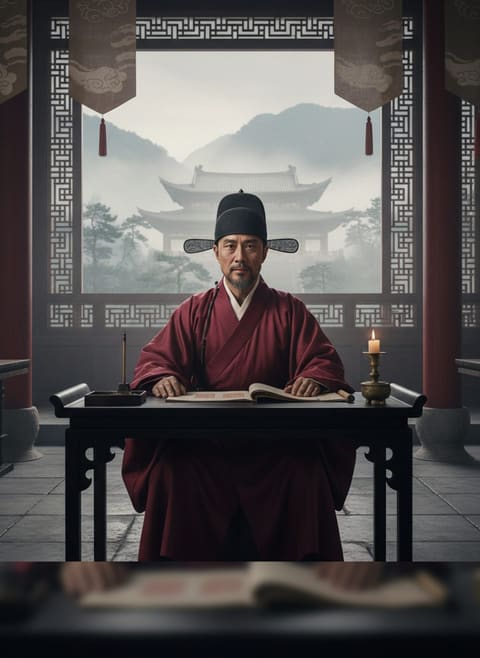
Amid this turmoil, a solitary figure stood out—a man defined by stoic resolve and a sense of unyielding duty. Yu Qian, then a vice minister at the Ministry of War, was about to etch his name indelibly into the annals of Chinese history. With a presence belying the chaos surrounding him, Yu Qian stepped forward, eyes filled with conviction, as he prepared to address the assembled ministers. A hush descended upon the room—the anticipation more palpable than the oppressive August heat.
Read next: He Held the Emperor's List. He Crossed His Own Name Off.
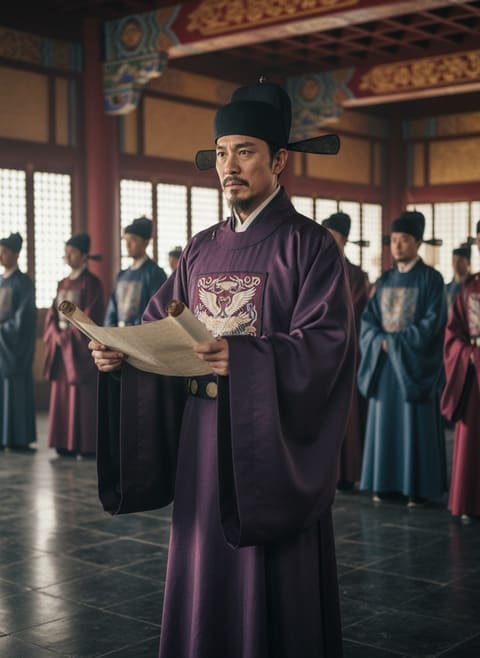
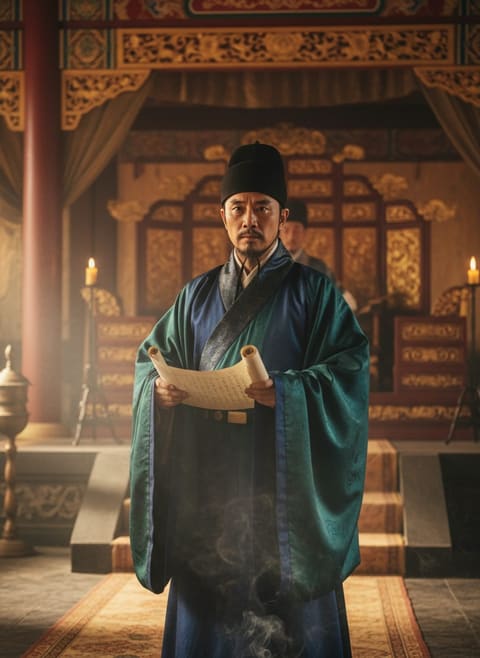
With deliberate calmness, Yu Qian presented a death list. It was not merely a list; it was a declaration of resolve. On it were the names of officials who should face the ultimate price, should defeat befall the once-mighty city. Yet, in an extraordinary act of courage and self-sacrifice, he placed his own name first. The room exhaled its collective breath—such was the gravity of his defiance.
Yu Qian: Between Loyalty and Martyrdom
Yu Qian was a man shaped by years of service and duty. Born in Qiantang County, Hangzhou, Zhejiang in 1398, Yu had risen through the ranks of the Ming civil service, marking his journey through steadfast loyalty and unwavering principles. After achieving jinshi status in the prestigious imperial examinations in 1421, he had embarked on a long, fruitful career punctuated by moments of both triumph and adversity.
His early years saw him earn the favor of the Xuande Emperor for his role in quelling a rebellion—a feat that showcased his tactical acumen and dedication to the security of the realm. But it was his encounter with Emperor Yingzong's reign that proved pivotal. It was during this time he had crossed swords with the influential court eunuch, Wang Zhen, resulting in imprisonment. However, fate had conspired to secure his later release, paving the way for his eventual appointment as Minister of War.
When Yu Qian found himself at the epicenter of the crisis in 1449, he faced a moment of truth that would transcend individual ambition—one that summoned the timeless virtues of loyalty, bravery, and integrity. The Mongols had besieged the city, their presence a visceral threat. Yet Yu Qian knew surrender was not an option. He communicated his resolve through both words and deeds, sending the unmistakable message that Beijing would stand its ground.
Yu Qian's strategic genius was equal to his courage. With limited resources and command, he organized an effective defense of the capital. His rallying cry was not just for survival, but for the preservation of a way of life, of a dynasty steeped in cultural and historical legacy. By positioning troops strategically along the city's defenses and rallying the citizens to the cause, he fortified the city's resolve against their powerful aggressors.
Read next: He Held the Emperor's Verdict. He Tore It Up Himself.
The Cost of Conviction
Against incredible odds, his leadership steered Beijing through its darkest hour. His successful defense not only thwarted Mongol advances but also restored a sense of sovereignty and pride to a shaken society. In the aftermath, Emperor Yingzong's brother, the Jingtai Emperor, recognized Yu's efforts, elevating him to the role of the Crown Prince's Guardian and Tutor—a position reflecting Yu Qian's instrumental contribution to the empire’s continuity.
Yet, in a cruel twist of political fortunes, Yu Qian's steadfast loyalty would later seal his fate. In 1457, Emperor Yingzong returned to reclaim his throne from his brother, marking the beginning of his second reign. This coup was shrouded in political intrigue and retribution, and Yu Qian became a victim of a vindictive political climate. Accused unjustly of treason, he was executed, a grim end to a life distinguished by honorable service.
In the years that followed, Yu Qian's legacy endured. Recognizing his loyalty and contributions, subsequent emperors posthumously honored him, a testament to his enduring influence and the respect he commanded. Shrines and memorial halls in Beijing and Hangzhou stand as silent witnesses to his indomitable spirit.
Yu Qian's story resonates across the centuries, a vivid reminder of a pivotal moment when the ideals of courage, honor, and loyalty transcended personal sacrifice. His actions not only saved a city but reignited the spirit of a nation—an enduring narrative that continues to inspire. As history casts its discerning gaze, Yu Qian emerges as a figure whose steadfast resolve amidst adversity offers compelling insights into the timeless struggle for justice and integrity.