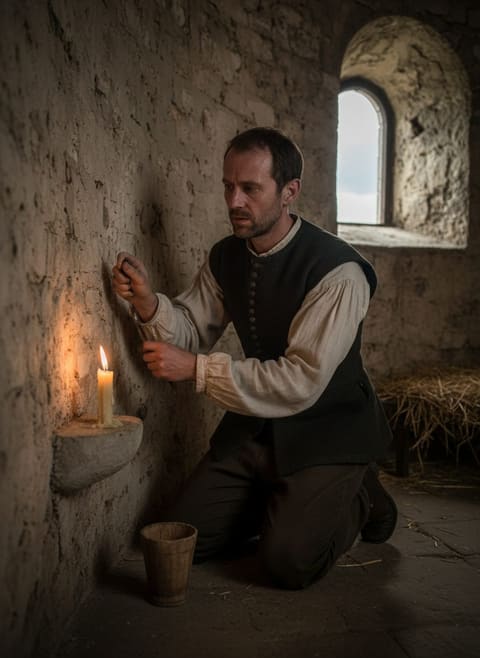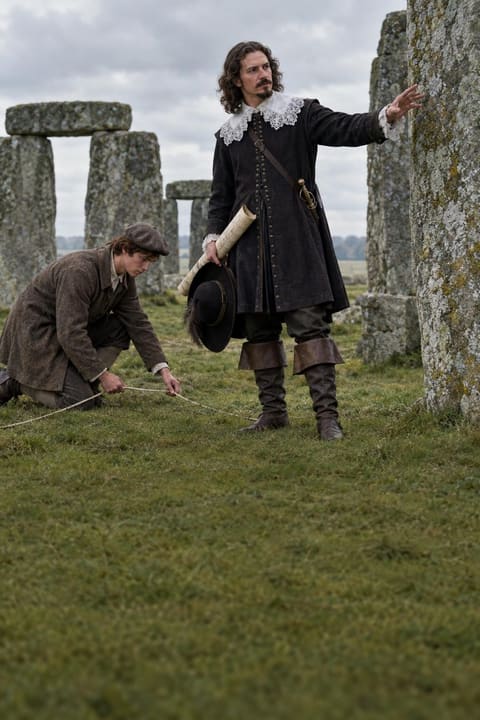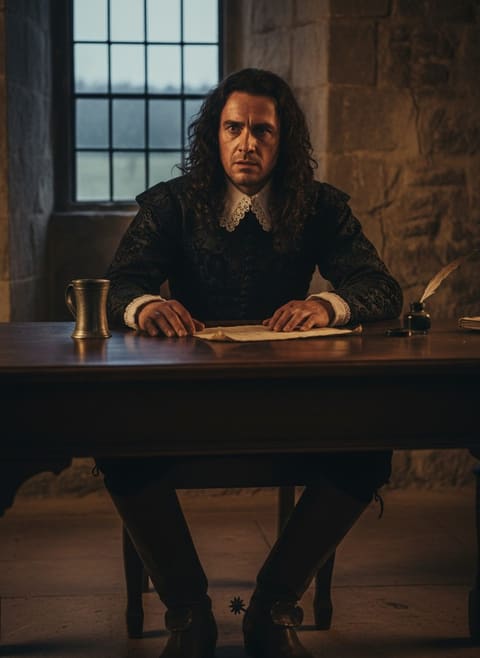
August 28, 1628. The morning sunlight danced across the cobbled streets of Lancaster.
The Path to Martyrdom
The early Stuart period in England was a time of unsettling tension. Amid intense religious conflict, the Protestant monarchy viewed Catholicism with deep suspicion. Under the rule of King James I and his successor, King Charles I, Catholics navigated a precarious existence, risking arrest for practicing their faith. Amid this backdrop stood Edmund Arrowsmith, a Jesuit priest whose life embodied defiance and conviction.
Born in 1585 in Lancashire to a devoted Catholic family, Edmund was destined for a life fraught with peril. Raised during the height of anti-Catholic sentiment, his path to becoming a Jesuit in 1616 was one of danger and determination. Returning to England after his ordination, Arrowsmith ministered covertly to Catholics in the north. His work was arduous, marked by constant evasion of authorities seeking to suppress his activities.
His fate was sealed in 1628. Betrayed by an informer, Arrowsmith was captured and tried for his priesthood—a capital offence at the time. His trial was a formality, ending in a foregone conclusion. Yet, as he stood in the dock, Arrowsmith radiated a serenity that baffled all who witnessed it. What could prompt a man to smile as shackles tightened around his wrists?
Read next: The Man Who Should Have Been King — But Never Was
The Execution at Lancaster
At dawn on August 28, 1628, Arrowsmith was led to the gallows in Lancaster. A throng gathered to witness the execution, their whispers filling the air. Some attended out of obligation, others out of morbid curiosity. For the clandestine Catholic community, it was a moment of grim solidarity.
Mounted on the scaffold, Arrowsmith addressed the crowd. His words were calm, imbued with a firm faith that resonated despite his imminent fate. Unyielding in his beliefs, he forgave his betrayer—a gesture that underscored his inner peace. Eyewitnesses would later speak of a smile that never left his lips, even as the noose tightened.
The brutal sentence was carried out: hanged until nearly unconscious, then disembowelled and quartered. In those fiercely sectarian times, his execution was intended to serve as a deterrent. Instead, it cemented Arrowsmith’s status among Catholics as a martyr for their beleaguered faith.
The Hand That Healed
A macabre twist followed his death—one that would turn an anatomical fragment into a symbol of enduring faith. After Arrowsmith’s body was cut down, sympathetic Catholics clandestinely retrieved his severed hand. They understood its significance; to them, it embodied the indomitable spirit of their resistance.
Preserved as a relic, the hand of Edmund Arrowsmith became a focal point of veneration. Hidden away in secret yet revered whispers, it ventured through generations of Catholic households in the north of England. Families entrusted with the relic bore the responsibility with reverence, knowing discovery could spell dire consequences.
In time, tales of the hand’s curative powers began to circulate. Stories emerged from the obscured networks of the faithful, speaking of miraculous healings attributed to its touch. Whether these accounts were products of faith or fact mattered little; they inspired hope in an oppressed community yearning for divine intervention.
Across Generations
As centuries unfolded, the relic's significance evolved with each new generation. Post-Reformation England remained a perilous place for Catholics, but as enforcement ebbed, the clandestine became embraced. The Arrowsmith hand remained a tangible connection to their heritage, a testament to perseverance and devotion.
Read next: The Book Katherine Parr Published Under Her Own Name
Its travels were marked by secrecy yet splendor. The hand was loaned discreetly to those in need, transported by shadows of night to the afflicted. No official record existed; its movements chronicled instead in the hushed annals of oral history. Hand to hand, it passed onward, capturing the imagination of those seeking refuge in faith.
Even as laws gradually shifted, its legend endured. The Arrowsmith relic found a more prominent place among believers, eventually enshrined in St. Oswald's Church in Ashton-in-Makerfield, Wigan. There, it continued to inspire awe and devotion, a relic now openly venerated, no longer enshrouded by secrecy and fear.
Why This Story Endures
The tale of Edmund Arrowsmith and his hand is more than a narrative of religious persecution. It speaks to the human spirit’s capacity for resilience and hope amidst adversity. It's a reminder of the profound impact one life can have, resonating across centuries, transcending time and circumstance.
In today’s world, where divisive ideologies still ignite conflicts, this story echoes with relevance. It's a manifestation of courage and conviction amidst oppression, resonating with those who find themselves battling for their beliefs. The relic may lie at rest within the confines of a church, yet its message extends far beyond, touching hearts with its silent testament of faith.