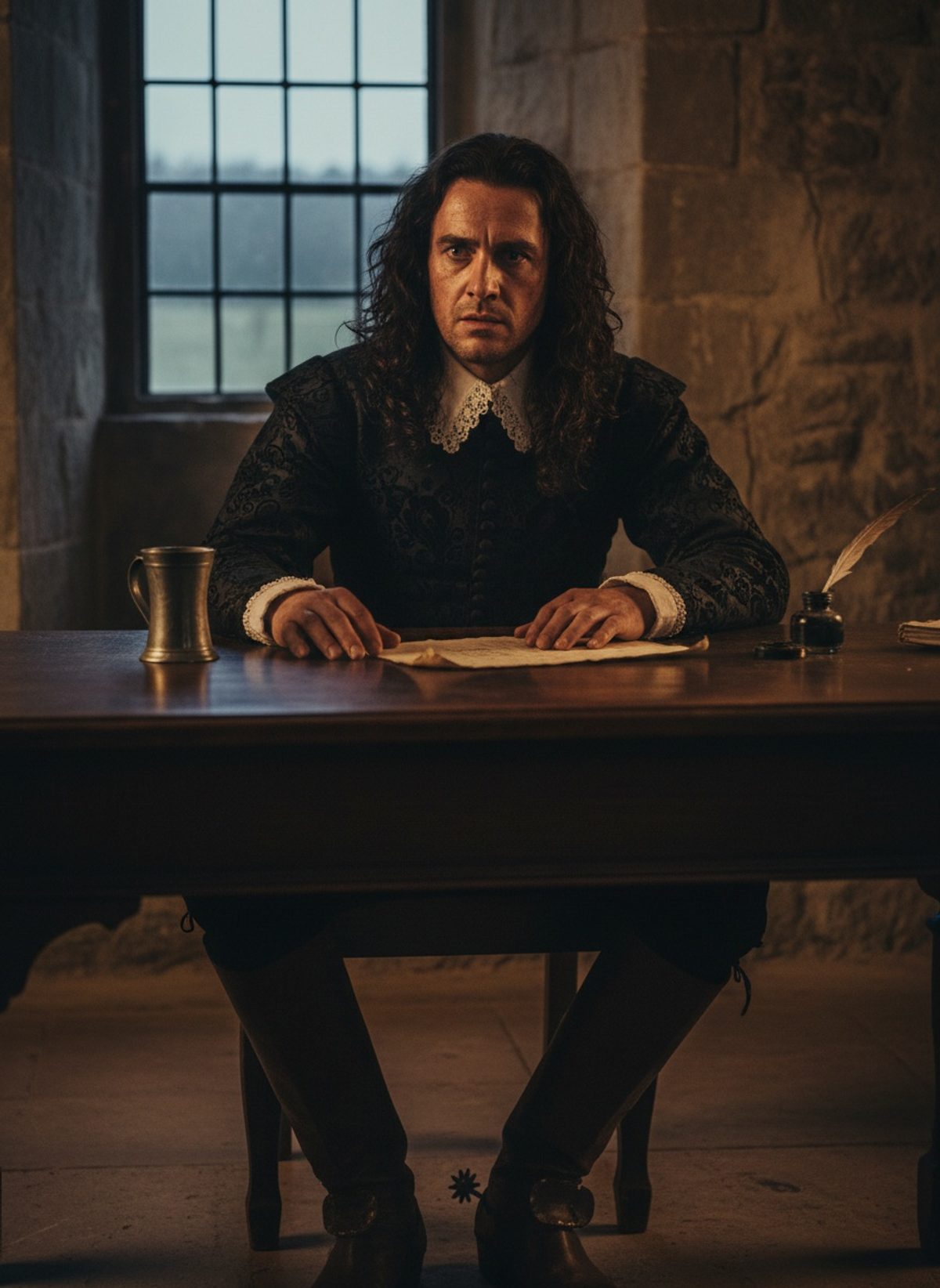
The November air around the Tower of London in 1605 was thick with moisture, a low fog hanging over the massive grey stones as if holding the fortress in a damp embrace. The cries of the ravens echoed off the walls, mixing with the whisper of the Thames as it flowed relentlessly by.
This fortress, watched by so many menacing eyes, hid the unfolding of a drama that could have swayed the future of England. Under its shadow, the fate of Francis Tresham was sealed, a man caught in a web of conspiracy and betrayal.
The Twisting Threads of Treachery
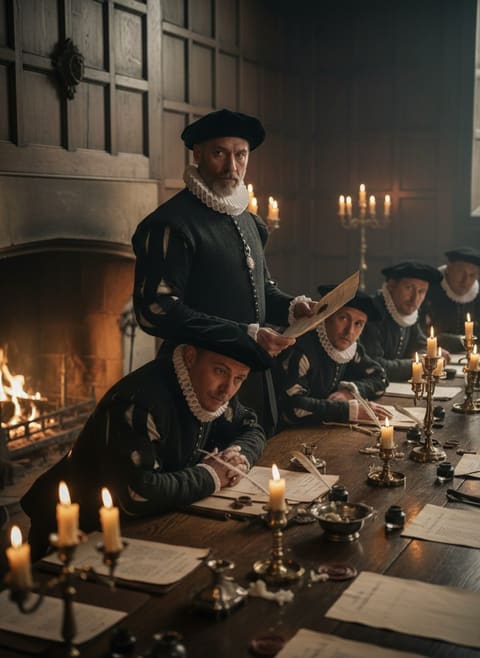
Francis Tresham was no stranger to the brutal dance of political intrigue. An admitted member of the Gunpowder Plot, Tresham promised to ignite the change James I’s England required at the time. But his role was tangled, leading some to believe he was a mere pawn in a larger game. The star chamber of intrigue was densely populated, and Tresham found himself weaving through it, entangled by motives both personal and political.
The infamous letter that altered everything was brought to light in early November when Lord Monteagle, Tresham's brother-in-law, received a mysterious note warning him to stay away from Parliament. The words were cryptic, urging him to "retire yourself into your country" on the day of the opening session. The note set off a chain of inquiry that would unravel the Gunpowder Plot before it even began.
Read next: The Room Where Henry VIII Rewrote England Forever
Did Francis Tresham’s familial bond outweigh his loyalty to the cause? Evidence remains scarce, but the suspicion is hard to ignore. Tresham's arrest followed soon after, a spectacle that painted him as either a failed hero or a cunning traitor. But before the weight of a trial could define his fate, death claimed him within the confines of the Tower.
A Chilling End Within the Fortress Walls
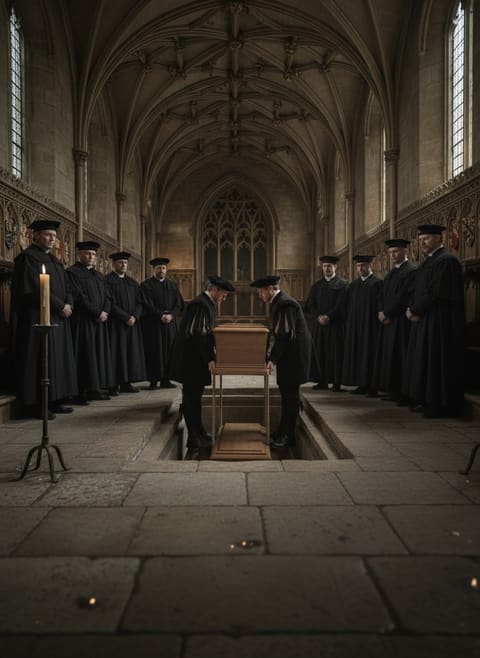
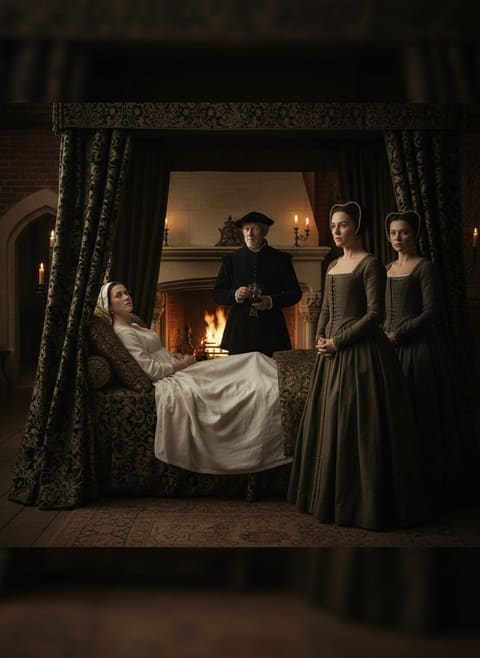
Death came quietly to Francis Tresham, sneaking into his secluded corner of the Tower of London in December of 1605. Presented as a result of a urinary ailment, his passing was shadowed by skepticism and whispered conspiracies. Was this the sound of silencing before a more damning revelation could surface? No trial, no public scaffold, just the cold, quiet end of a life marked by secrets.
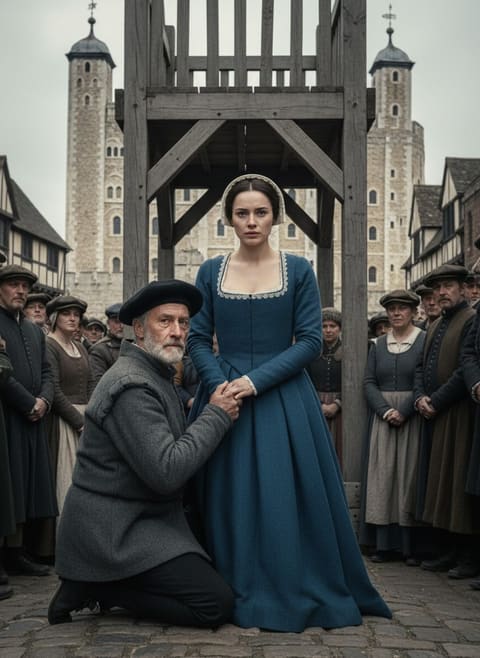
The Tower, cold beyond the walls, colder still within the hearts of its captives. For Tresham, the ravens that croaked their bleak songs were likely the only witnesses to his final breaths. Unlike his fellow conspirators, he did not face the crowd's judgment, a dance with the hangman, or the headman's axe. This evasion of justice, a strange mercy or perhaps another layer of punishment, left more questions than answers.
A Brother’s Survivor’s Guilt
Outside these fortress walls, Tresham’s brother William found himself entangled in different dimensions of fallout. The intrigue surrounding Francis's death must have weighed heavily on William, who remained 'outside' the plot. For him, the enigmatic letter was a lifeline and a noose, a dual-force sparing him yet condemning his brother with a suggestion of betrayal.
Read next: The Secret Marriage That Shook the Stuart Throne
The complexities of survival during such politically volatile times bear scrutiny. William’s survival, amidst the chaos of accusations and condemnations, underscores the intricate dance of family ties. How does one reconcile the safety of personal circles with the broader narratives of public and political consequence? These are questions he carried with him, shackled invisibly to his brother's spectral chain.
Why We Remember Francis Tresham
The Gunpowder Plot may have crumbled into history as a near-miss, but Francis Tresham remains a symbol of the ripple effects of political machinations. It reminds us that even small cracks in the armor of shared resolve can lead to profound change. As we reflect on moments like these, the pressing need becomes clear: to scrutinize the dance of secrecy and loyalty.
This past holds mirrors up to our present and future. Tresham, his secrecy enveloped by uncertainty, serves as a whispered reminder — that trust and betrayal don’t often wear the colors we expect. His death before judgment leaves a storied silence, urging future generations to untangle the threads of truth among rhetoric and reality.
In facing history's specters, we remember Francis Tresham not just for his betrayal but for the layered cautionary tale he embodies vividly, even through time’s damp veil. His story echoes with the lessons of history, urging due vigilance against shadows within one's own circle.