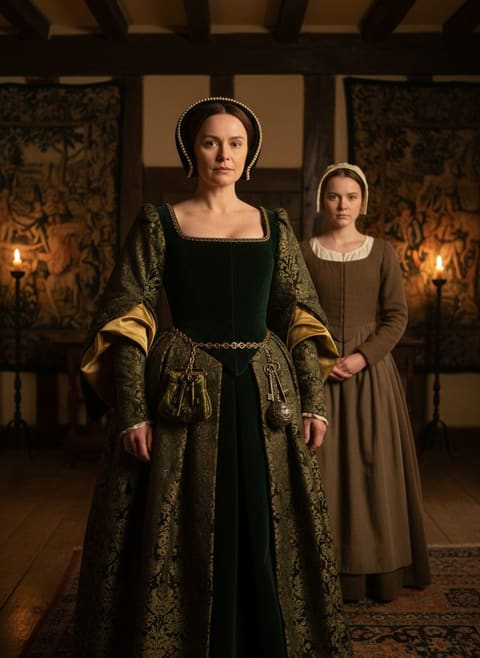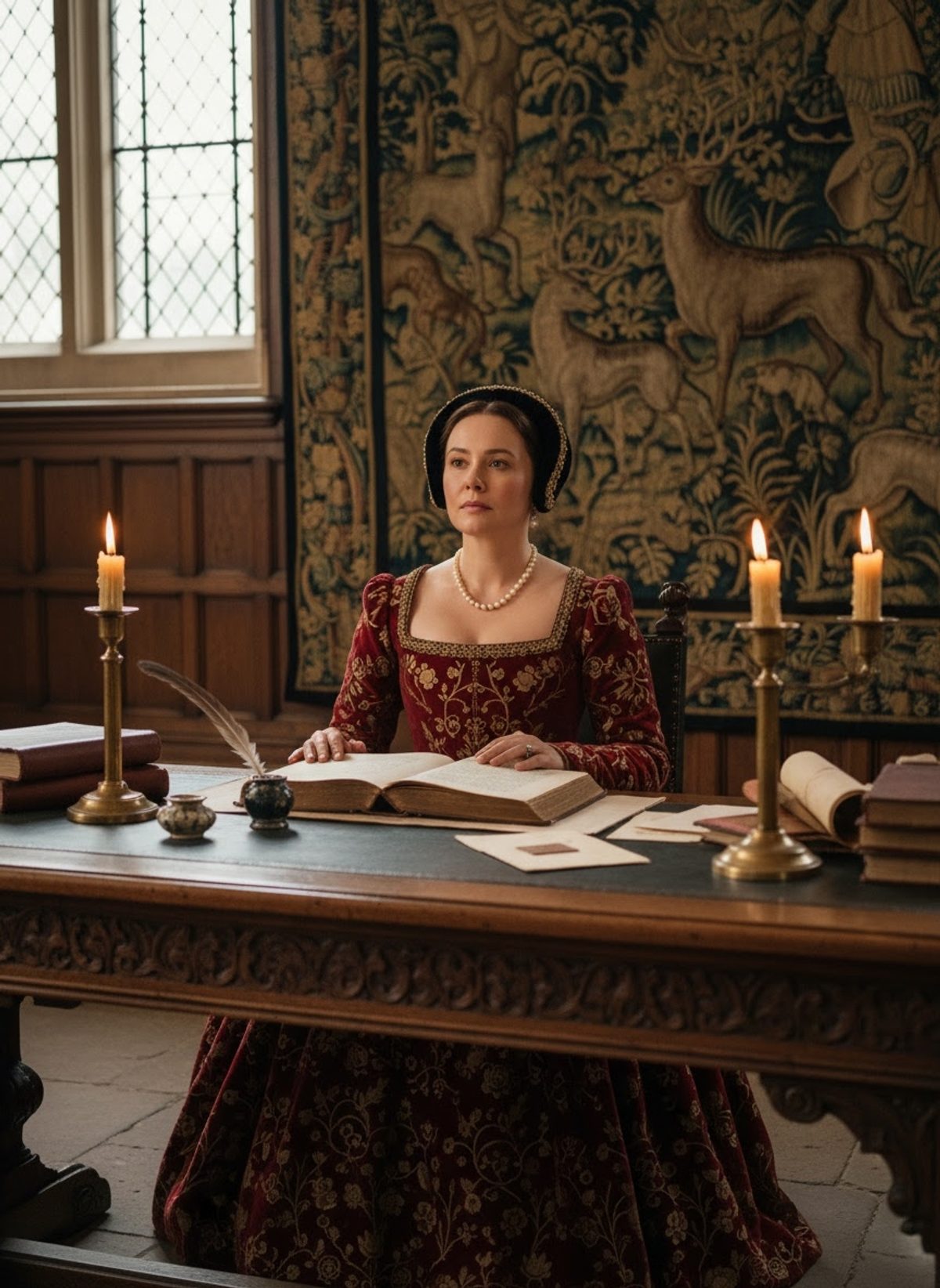
1545. The cold air of the English winter bore down upon the stone walls of Hampton Court Palace. Inside, however, whispered anticipation was brewing — not over the political machinations of the day, but over a book, one that bore the name of Katherine Parr, Queen of England.
An Unprecedented Venture
Until the middle of the 16th century, the thought of a queen penning and publishing her own work was as unlikely as snow in June. Yet Katherine Parr, the sixth wife of the formidable Henry VIII, defied convention.
Prayers or Meditations was more than just a collection of devotional literature; it signaled a seismic shift in the role of women, especially those ensnared within the gilded cage of Tudor royalty. In 1545, as war drained England's treasury and the King's health declined, Katherine emerged not simply as a queen consort but as a voice of spiritual guidance.
Katherine, known for her intellect and piety, was inspired by the Reformation sweeping through Europe. Guided by her convictions, she set out to craft a text accessible to all, offering comfort and spiritual reflection in turbulent times.
Read next: The Royal Bastard Whose Blood Ran Through a Princess
Her work was radical not for its content, which adhered to traditional devotional themes, but for the fact that a woman dared to place her name upon it. Katherine's Prayers or Meditations would not hide behind the cloak of anonymity typical for women writers of her era. It was a bold declaration of agency and authority.
A Literary Achievement
Prayers or Meditations wasn't just any book — it was among the best-sellers of its day. Rapidly running through nineteen editions, its appeal was undeniable. The public, starved for grace in the embers of Henry's reign, found solace in its pages. Unlike many tomes of the time laden with dense theological treatises, Katherine's work spoke with a clarity and warmth that resonated widely.
The publication's success was as much a testament to Katherine's astuteness as it was to the changing tides of literacy and religious curiosity among the Tudor populace. Her writings capitalized on the burgeoning printing trade, which had begun to sprinkle the seeds of accessible literature across the social spectrum. At a time when personality and power were intertwined, Katherine's venture marked a significant crossover of these domains.
The Tudors and the Power of Words
In the grand tapestry of Tudor England, where power often carved its place through acts of might and political maneuvering, Katherine Parr's literary achievement was a quiet revolution. The Tudors understood the potency of the written word — how it could shape, sway, or subdue. Katherine wielded this understanding masterfully, embedding her personal reflections within a broader spiritual message.
At court, reactions to her publication were undoubtedly mixed. Some saw her foray into authorship as a remarkable beacon of enlightenment, others as a defiance of gender roles. Yet her husband, Henry VIII, perhaps in a rare measure of approval, allowed the endeavor. Here was a woman navigating the treacherous waters of courtly life with an integrity and strength forged through education and an unwavering faith.
Read next: The Stone That Spoke: What Philip Howard Carved and Why
Katherine's Legacy Beyond Print
While history books often sing of those who claimed glory through battlefield conquests or regal policies, the quieter victories remain equally profound. Katherine Parr's literary contribution preambled the later avalanche of women authors who would make their mark upon history. She laid a precedent for the ability of queens and women alike to step beyond curtains of compliance.
Katherine's work also provided a fleeting glimpse into her own tangled mind and spirit, offering historians today a piece of personal reflection uncommon in royal narratives. Her efforts in the literary field underscored an evolving role of queenship — one that extended beyond silent counsel and childbearing, into realms of influence previously confined to men.
A Queen's Echo
Why does this literary milestone matter today? Katherine Parr's decision was not only an act of piety and humility, but a declaration of her identity. It shattered silent expectations and sent ripples through time's tapestry, resonating with a quiet defiance. Queen Katherine's Prayers or Meditations was both a seed of change and an enduring resonance in women's history.
In an age where the spoken word was gold and women were often spectators to their destinies, Katherine's written work reminds us of the silent beginnings of equality. Her pen drew the future with whispers — whispers that today we recognize as a proclamation.