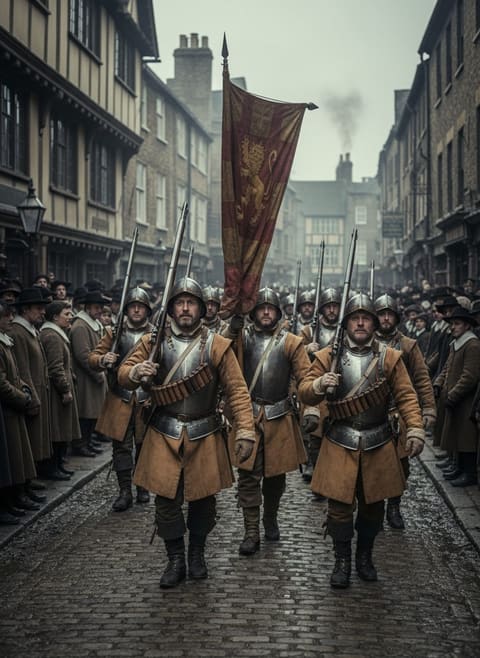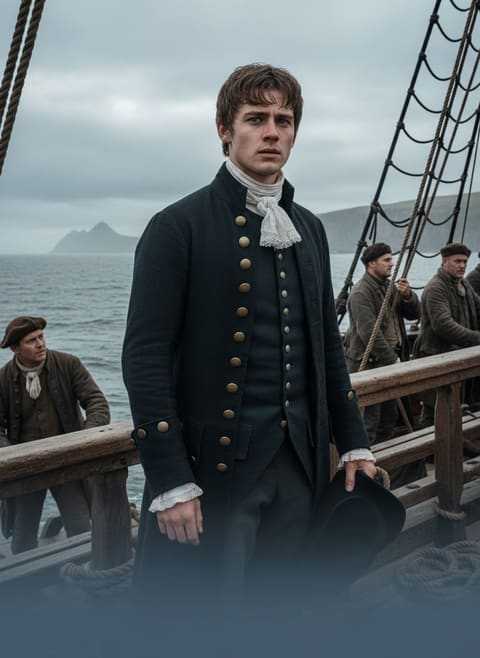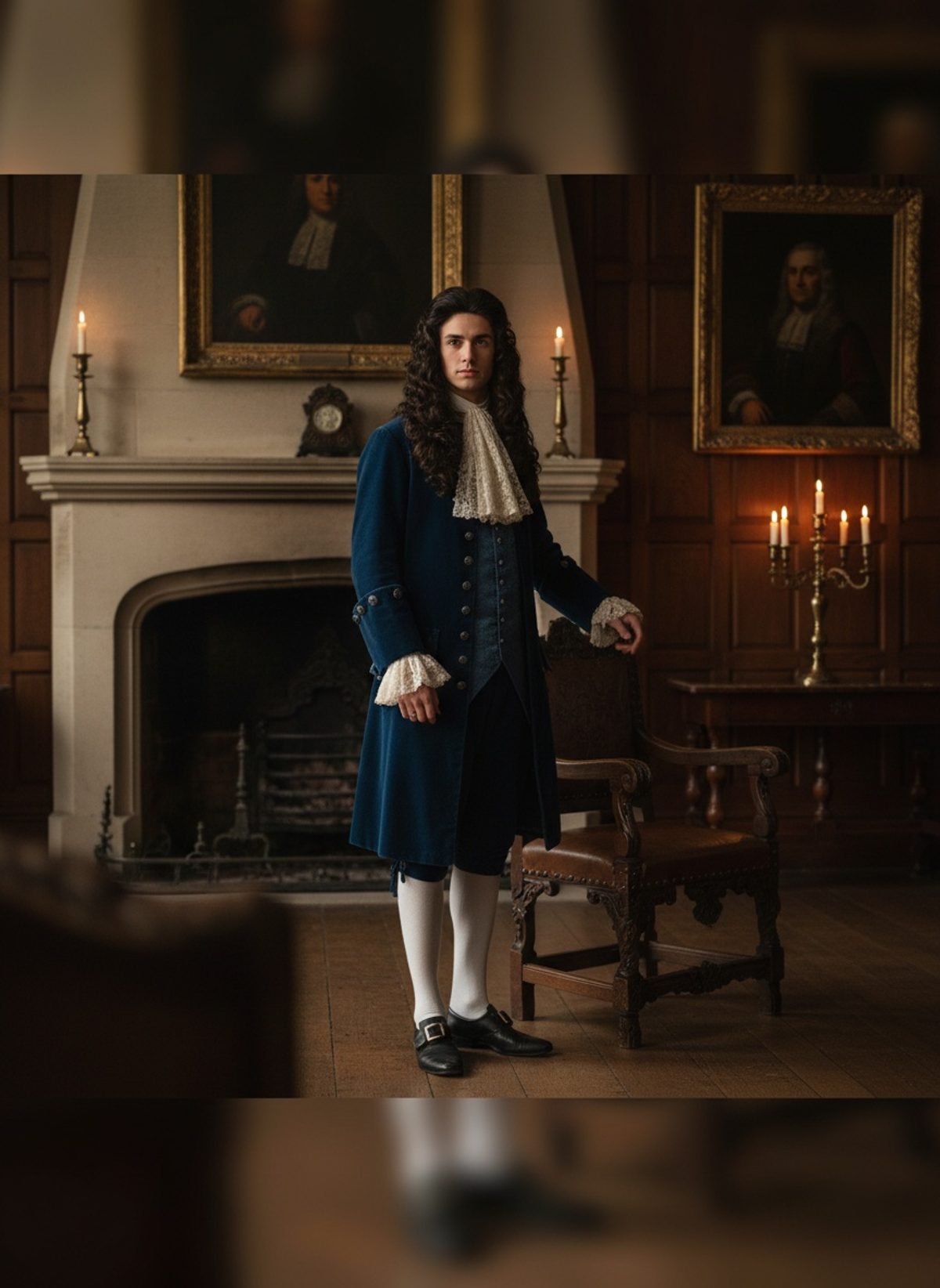
The clang of swords echoed through the air as soldiers clashed in the fierce battle outside the city walls. Among the chaos, a young Henry FitzRoy, Duke of Grafton, fought valiantly. At just twenty-seven, his face bore the intensity and determination of a man with royal blood despite his right by birth being denied. His heart raced as he dodged a musket shot, moving deftly like an actor on a stage destined never to see the final curtain.
The King's Shadow
Charles II, the Merry Monarch, was renowned as much for his charismatic charm as for his lack of legitimate heirs. His reign was a period of restoration and indulgence after the bleak days of the Commonwealth. Public theaters thrived, coffee houses burgeoned, and science flourished, but behind his affable demeanor lay a tapestry of personal liaisons that weaved through the fabric of England’s nobility.
Among his many acknowledged illegitimate children was Henry FitzRoy. Born to the infamous Barbara Villiers, Duchess of Cleveland, Henry was recognized by Charles and elevated to lofty titles. He received not only acknowledgment but status, with the king bestowing upon him the title of Duke of Grafton.
Despite lacking the status of legitimacy, Henry was groomed to fit into the highest echelons of aristocracy. Such was Charles’s affection for him that many said Henry walked in his father's shadow, exuding the same sprightly wit and promising future that a legitimate prince would command. It was the king's tacit acknowledgment that Henry could carry forth a legacy, if not the throne itself, then certainly the bloodline.
Read next: The Day a London Actress Walked Onstage and Saved the Theatre
The Battlefield and Beyond
As he led his men with composed courage, Henry FitzRoy's brief yet illustrious life reached its tragic conclusion. His untimely death at the Battle of Cork left an indelible mark not only on his family but echoed throughout the halls of history. Yet, the Duke’s story was far from over.
In life, Henry's role as soldier and nobleman was clear. His exploits were tales told in the courts and whispered in the corridors—an enduring testament to his vibrant spirit. In death, it was the lineage he left behind that continued his story. His marriage to Isabella Bennet, the heiress of the Earl of Arlington, ensured that his line would persist among the aristocracy.
Little did the world know, a future icon was tied to his bloodline—a connection that would capture the public imagination centuries later. Through generations and stories unwritten in most textbooks, the royal tapestry of his descendants interweaved with that of the Spencers.
A Line Unbroken
Decades later, in the opulent drawing rooms and stately homes of England, the legacy of Henry FitzRoy simmered quietly, infusing the lineage of the Spencer family. This bloodline rhymes like poetry through history, threaded with tales of highs and lows, triumphs, and tragedies. It was from this rich tapestry that Diana Spencer emerged.
Read next: The Day a Gardener's Son Gave the World Its First Weather Forecast
Though predominantly recognized as the People's Princess, Diana's familial connections were as blue as could be. Duchess of Cleveland’s son linked with time, eventually bequeathing the Grafton legacy to Diana's veins. Her marriage to Charles, Prince of Wales, reignited the ancient ties that stretched all the way back to the era of the Restoration.
Henry FitzRoy’s life was more than a fleeting moment in history; it was an echo of the Stuart legacy. A legacy sometimes overshadowed by scandal and whispers, yet it was undeniable. The blood that ran through his veins had quietly made its journey, finding new paths across centuries, lending an imperial brush to the modern era.
What Matters in Legacy
In considering Henry FitzRoy’s life and lineage, one must look beyond the simple chronicles of birth and death. It is a narrative that defies the boundaries of textbook history, proving that the legacies that endure are those born of passion, choices, and unintended consequences. For Charles II, acknowledging his son was a personal affair, yet one that, though quiet in his time, rippled through centuries to shape a future few could predict.
In a world where royal blood defined much and meant everything, the journey from Henry FitzRoy to Princess Diana is not only one of historical intrigue but a reflection of how the stories we leave behind persist through those who follow. It's a reminder that while many go unrecorded by historians, they play pivotal roles in the grand tapestry of history. The royal bastard’s blood that ran through a princess serves as a vivid example of history's unpredictable elegance.