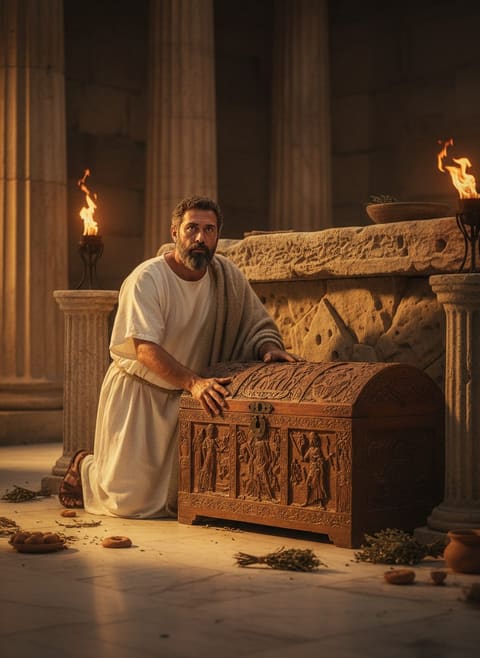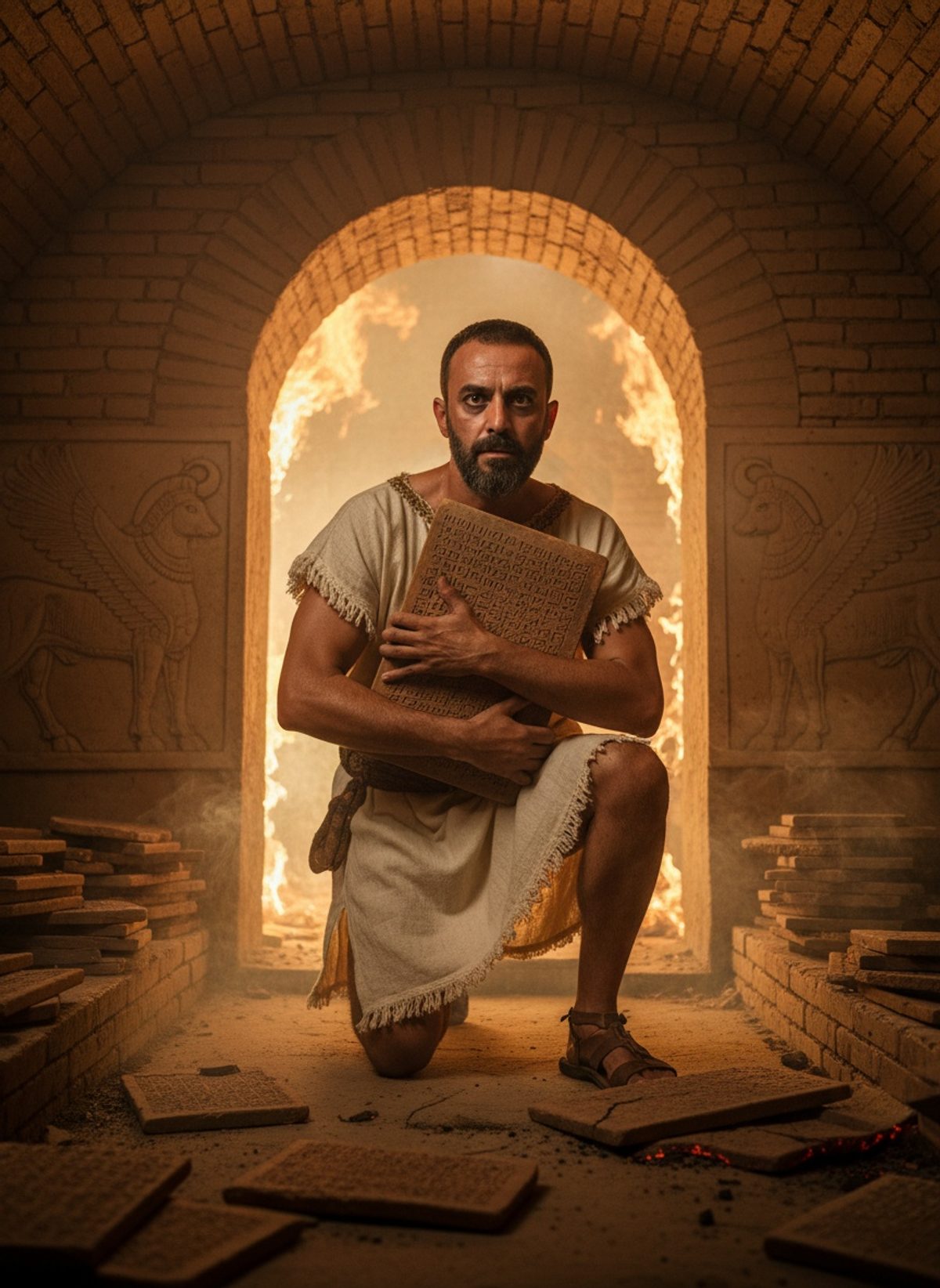
Nineveh was the jewel of the Assyrian Empire. By 612 BCE, it lay in ruins.
The Great Library of King Ashurbanipal
At the heart of Nineveh, the proud capital of the Neo-Assyrian Empire, stood a repository of knowledge unparalleled in its time: the Library of Ashurbanipal. Named after the Assyrian king who reigned from 668 to 627 BCE, the library housed a vast collection of clay tablets inscribed with cuneiform script. These tablets contained everything from administrative records and legal documents to scientific treatises and literary works. They were the Google of their day, the center of an intellectual world.
King Ashurbanipal was more than a warrior king; he was a scholar. Unlike many of his contemporaries, Ashurbanipal could read and write, granted privileged access to the wealth of knowledge stored within the walls of his formidable fortress. He collected works from Babylonia, Akkad, Sumer, and beyond, celebrating cultures and civilizations that had risen and fallen before his time. Under his reign, this library grew to boast upwards of 30,000 tablets.
Yet, a greater treasure was the library's organization. Tablets were meticulously cataloged, with many bearing colophons—types of bibliographic notes etched onto each tablet that functioned like a library card, listing the tablet's title, the series it belonged to, and even offering an incantation for blessings over the object. The library stood as a testament to human achievement in an age where survival often trumped scholarship.
Read next: The Map Was Buried for Centuries. The City Was Real.
The Fall of Nineveh
In 612 BCE, the unthinkable happened. Nineveh fell. The coalition of Babylonian and Median forces stormed the city, driven by a desire for conquest and retribution against Assyrian dominance. For three years, they had laid siege to the capital. On that fateful day, the mighty walls were breached. Forces from both empires swept through the city, leaving destruction in their wake.
The Library of Ashurbanipal had been a symbol of Assyria's intellectual triumphs. As if by design, its downfall came at the hands of this vengeful coalition. The conquerors toppled the shelves of clay tablets, shattering countless relics about the floor. Fire followed chaos, consuming whatever wooden fixtures and oil lamps fell victim to the ensuing inferno. What was one of the largest collections of knowledge now lay buried beneath rubble and ashes.
Yet, in this chaos, the actions of the Assyrian scribes prior to the fall of Nineveh were almost prophetic. Intent on preserving the intellectual assets, scribes had copied texts and disseminated them throughout the kingdom. Some tablets had been duplicated as much out of reverence as necessity, given the natural wear of clay tablets over time. Other copies found themselves transported along trade routes and to partner states in diplomatic gestures. Literacy extended to Babylon and Persia, sowing seeds of knowing far beyond the erstwhile great city. In the depths of destruction, this foresight ensured survival.
Read next: The Tablet Was Dug Up. The City Was Still There.
The Words That Outlived a City
Though Nineveh's physical library was gone, its spirit lived on. The presence of Ashurbanipal's vision was felt across distant lands. A copy of "The Epic of Gilgamesh," one of the oldest surviving works of literature, turned up incomplete in Nineveh only to have sections discovered elsewhere. It is among the most substantial literary inheritances from that age that has seen modern readers marvel at these epic tales of heroism and humanity.
Ironically, the act of obliterating the library—intended to silence an empire—intensified scholarly interest. Archeological expeditions in the 19th century, notably by Austen Henry Layard, unearthed scores of fragmented yet recoverable tablets, salvaging yet more pieces of a deeply interconnected civilization. Cuneiform scholars painstakingly pieced fragments back together, breathing new life into ancient syllables penned thousands of years before. Today, these discoveries engrave themselves into humanity's shared narrative, inviting study and reflection.
Why does the story of Nineveh's library still resonate today? In an epoch colored by digital impermanence, where bytes can vanish with a keystroke, the saga of these resilient tablets proves that human knowledge is hardier than we often suspect. Attacked by armies and time, the library taught an essential truth: the thirst for understanding, the drive to listen and learn, can surpass momentary devastation. While Nineveh's walls crumbled, its vast legacy of knowledge stood resilient, reminding us that the thirst for knowledge is one of humanity's most formidable forces—one not so easily quenched or forgotten.