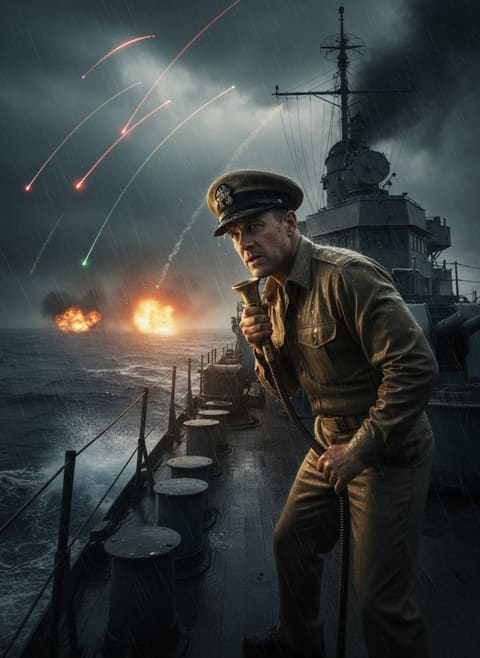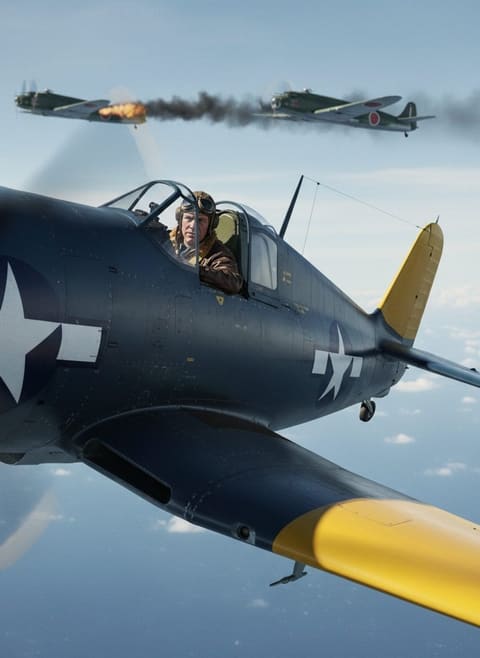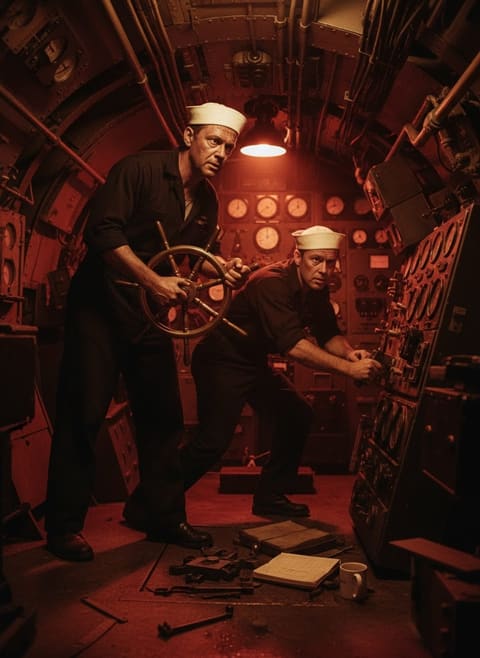
November 25, 1944. The sky over the Philippine Sea was eerily serene amid the chaos raging below. As the USS Intrepid, an Essex-class aircraft carrier, cut through the waters, her crew remained vigilant. They knew the ever-present threat of a kamikaze attack loomed large on the horizon.
The Unseen Enemy
That day, beneath the seemingly calm veneer of the vast ocean, the enemy lay in wait. The Battle of Leyte Gulf had drawn Japan's forces into desperate tactics. Kamikaze pilots, revered as divine wind by their superiors, had been weaponized — human missiles aimed at inflicting maximum damage. The Intrepid, known as the "Fighting I," had endured its share of assaults. Yet, the war had forged an ethos among its sailors: steadfastness.
In the late afternoon, alarms shrieked through the corridors of the carrier. Two kamikaze planes breached the horizon, plunging towards the enormous vessel. The first strike was sudden and brutal, igniting a furious blaze across the wooden deck. The second followed swiftly, reinforcing the devastation. As flames climbed higher, crew members worked fiercely to contain them, their faces ash-streaked but determined.
Amongst the cacophony of battle, lives were lost. Their names etched into the memories of those who survived, their stories often swept aside by the tide of history.
Read next: The Nurse Stayed Behind. The City Burned Around Her.
The Heart of the Ship
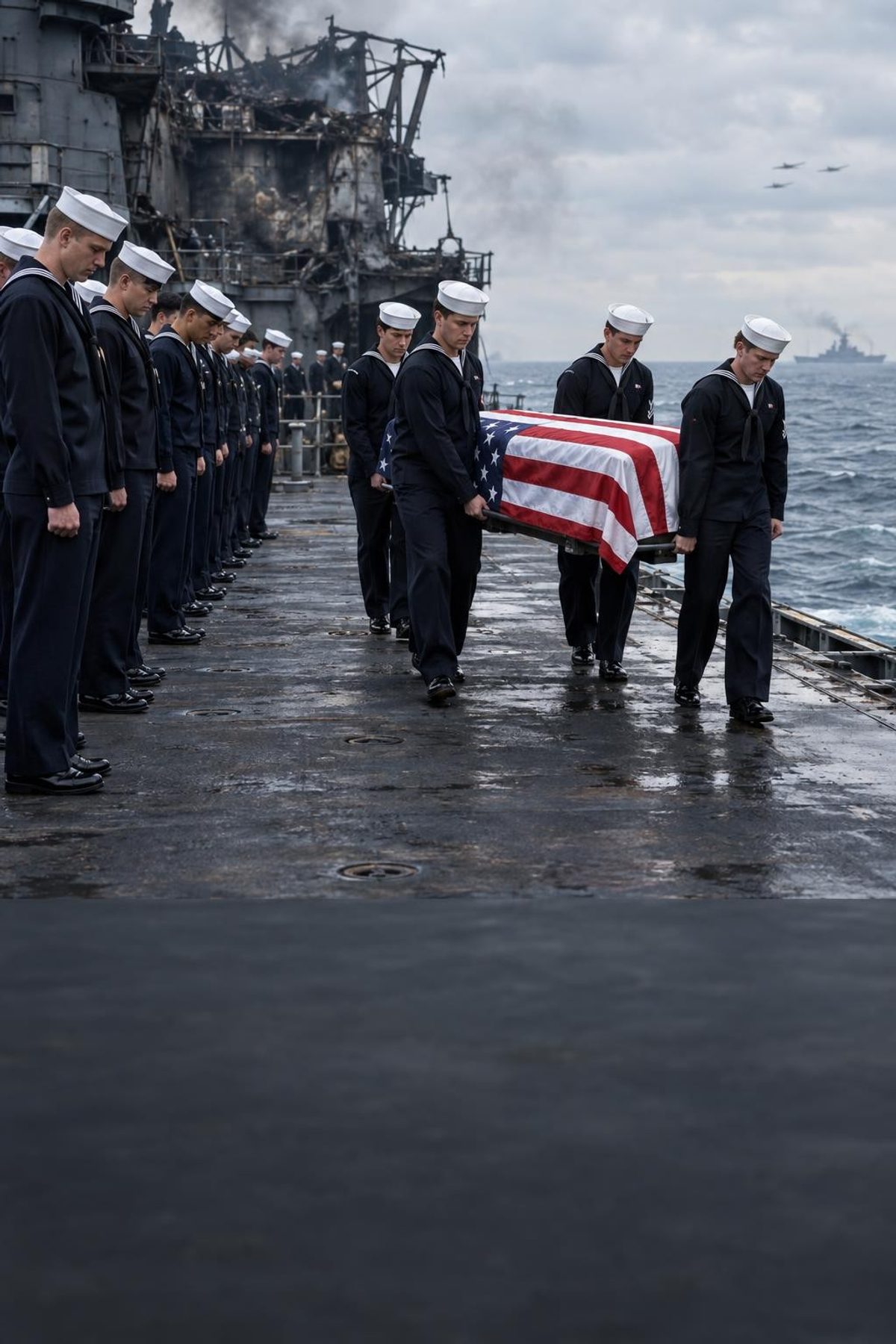
By morning, the Intrepid was transformed. Amongst the charred remains and soot-covered steel lay the hangar deck—in an extraordinary rewiring of purpose. This vast space, typically reserved for the fleet of aircraft, now harbored silence. It was here, amidst the scattered remnants of war machinery, that the crew gathered with heavy hearts.
The hangar deck became a sacred ground. Draped in the Stars and Stripes, the fallen sailors were meticulously laid out, escorted by their mates. As an integral part of naval tradition, they would receive a burial at sea—an honor reserved for their valor and sacrifice. It was a mournful testament to bonds forged in battle, yet echoing the resilience of a fighting unit that refused to falter.
The chaplain's voice rose solemnly, the sea breeze carrying his words through the echoing expanse. The intonation of prayer mingled with the rhythmic lapping of waves, creating a timeless requiem. Those left standing viewed this ceremony as both an homage and a poignant reminder of their fragile mortality.
Saying Goodbye
As the rituals concluded, each body was committed to the depths, slipping silently beneath the waves in union with the ocean that had borne witness to their last stand. The atmosphere was thick with a solemn gravity; each splash resonating with the respectful acknowledgment of lives dedicated to duty.
Read next: A Shell Hit the USS Wisconsin. The Navy's Reply Was Theater.
In the wake of this grief, the sailors found solace in their shared purpose. Their ship, the "Decrepid" as some called her, remained afloat and aching with scars. More than a vessel of war, she had now become a vessel of memory and resolve. Her symbolic transformation on that fateful day extended beyond the immediate crew, marking the Intrepid’s narrative throughout time.
Aboard the Intrepid, stories circulated—of bravery and loss, of sacrifice, and unyielding spirit. There lay an unspoken acknowledgment that although challenges continued, they would endure. Each sailor carried within them the strength of their fallen comrades.
The Legacy of November 25
The trials of that November day hold a mirror to the broader story of the Intrepid and her crew. Through fires, repairs, battles, and heartaches, she survived as a symbol of perseverance and unity. The experiences shared aboard fostered an indelible legacy etched into history as a testament to generations. The actions on the hangar deck reflected a rare human resilience, underscoring both the unity of service and the profound personal cost of conflict.
History rarely salutes the silent sentinels who endure beside those marked for remembrance. Yet, in the chaotic, bittersweet heart of war, they stand as crucial contributors to the gallant chronicles that unfold. The Intrepid’s story on November 25, 1944, is not one merely of battle but of enduring humanity—where courage, vulnerability, and solidarity wove a tapestry of remarkable fortitude, inspiring those who would follow in its wake.