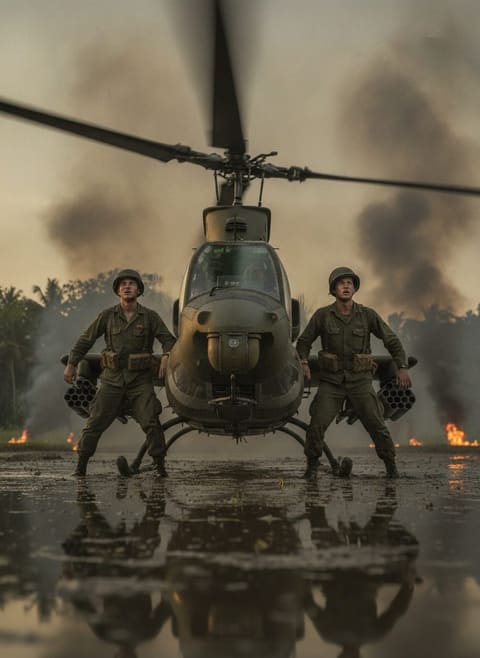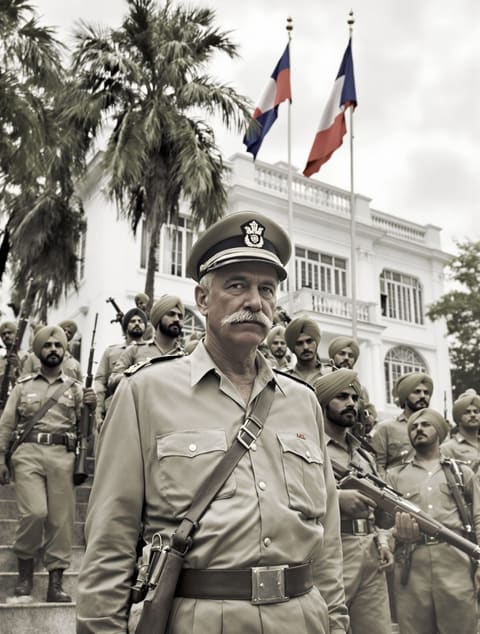
March 13, 1954. A shrouding fog clung to the valley floor of Dien Bien Phu. Few believed it would prove to be the setting for a decisive turn in the First Indochina War.
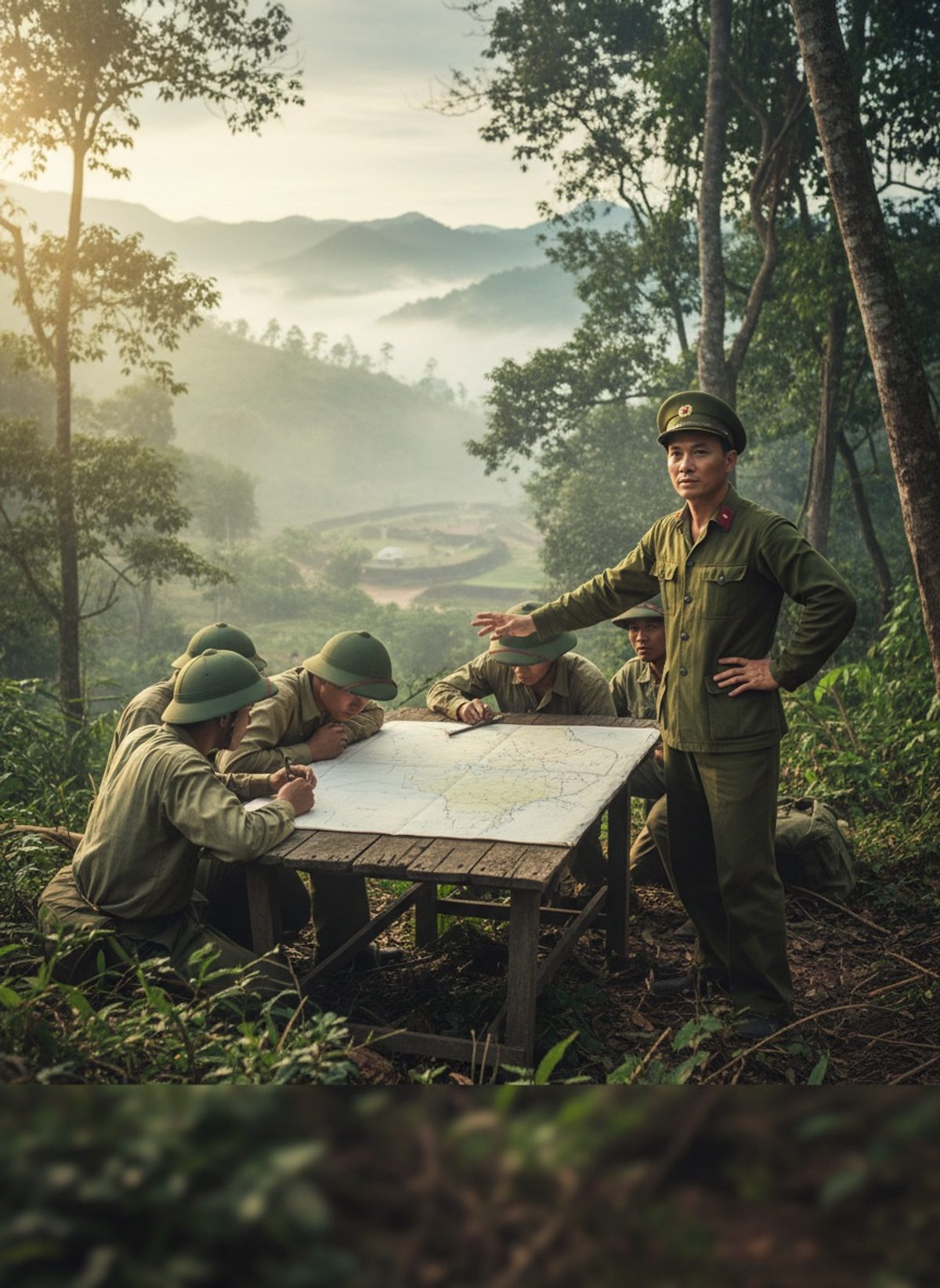
Nestled between green-clad mountains, the French garrison, a seemingly formidable force of 16,000 troops, prepared for a fight they naively thought would affirm their colonial authority over Vietnam. Little did they suspect, hidden just beyond their gaze, lay a meticulous and audacious plan by a Vietnamese general named Vo Nguyen Giap, ready to rewrite their fate.
A Supposedly Impregnable Fortress
At the heart of the French strategy was the assumption of invulnerability. Positioned in the remote outpost of Dien Bien Phu in northwest Vietnam, the garrison's vantage point seemed impervious to heavy artillery strikes. French commanders believed the surrounding jungle and steep terrain made it impossible for any sizeable attack force to penetrate. This overconfidence was entrenched within their fortifications and their faith in air superiority, rendering Dien Bien Phu seemingly untouchable.
The French perception had been influenced by their underestimation of the Viet Minh's capabilities, a force that had been underestimated for decades. In their eyes, the dense jungle and rugged mountains were impenetrable obstacles, a barrier neither man nor machine could cross while in combat. But Vo Nguyen Giap was no ordinary adversary. Renowned for his strategic brilliance, Giap was prepared to challenge every preconceived notion held by the French, using the very elements they dismissed against them.
Read next: He Had No Weapon. He Walked Into the Fire Anyway.
The Herculean Feat of Logistics
Vo Nguyen Giap's ingenuity lay not just in military strategy but in logistics. Understanding the hurdles presented by the jungle terrain, he set about doing the unthinkable. Over the next several months, Giap mobilized his forces, creating an army 50,000-strong, supported by a staggering 100,000 civilians.
These porters carried artillery piece by piece, through the dense Vietnamese jungle, up steep and treacherous mountains, by hand, at night. French intelligence had failed to detect what Giap achieved under the cloak of nightfall and the cover of the canopy.
Despite the French belief that their location was impregnable, the Viet Minh slowly constructed their network of trenches. Disguised by vegetation, these earthen defenses inched towards the French positions, imperceptibly enclosing the garrison. Underground, an army silently labored, a web of tunnels and trenches wrapping around Dien Bien Phu under watchful eyes, every night shifting closer.
The Siege Begins
When Giap finally unleashed his artillery on March 13, 1954, it marked the beginning of a 56-day siege that shattered French illusions of invulnerability. Artillery shells rained down from the mountains — each one a testament to Giap's extraordinary logistical effort. Panic rippled through French lines as the valley turned into a crucible of fear and confusion. The Viet Minh artillerymen, who had been drilling silently and consistently, executed their onslaught with stunning accuracy from invisible positions hidden in the greenery.
Read next: Trung Trac Lost Her Husband. She Raised an Army
Day by day, the French defenses crumbled under continuous pressure and relentless assault. Supplies dwindled and reinforcements faltered. Resilient as they were, the garrison's silence was only broken by desperate pleas for reinforcements that would never come. Dien Bien Phu had become a cauldron of claustrophobia and despair as the Viet Minh forces tightened their grip with overwhelming determination.
The Fall and Its Impact
On May 7, 1954, after 56 arduous days, Dien Bien Phu fell. With their fortifications overrun, the French garrison capitulated. The airwaves carried the grim news of surrender, echoing the end of French colonial presence in Asia. Giap's impressive triumph had not just broken the garrison but had shattered the concept of European military superiority in colonial fields, compelling the world to reconsider its understanding of asymmetrical warfare.
The defeat at Dien Bien Phu was a pivotal moment — a somber prelude to the greater conflict that would soon engulf Vietnam, known in the United States as the Vietnam War. This watershed moment demonstrated that sheer ingenuity could overcome perceived military invulnerability, laying bare the impact of underestimating determined opposition.
The siege of Dien Bien Phu serves as a reminder of the complexities of warfare where human spirit, ingenuity, and strategic innovation can bend history's narrative against seemingly insurmountable odds. Giap's victory over the French wasn't just a military triumph; it was a seminal affirmation of national resilience, symbolizing the end of an era and the dawn of a nation's aspiration for independence.