The early morning light draped the dockside of Aden in a haunting serenity, the sun casting long shadows over the worn wooden planks. A cool sea breeze brushed against weathered faces, carrying with it the faint scent of salt and the turbulent echoes of a retreat long overdue.
Here, against the backdrop of a sky shifting from the purplish hues of night to dawn's glow, the British Empire stood at its vanishing point. In this charged moment, the last act of imperial retreat played out not with grandeur, but with the lone, mournful notes of a bagpipe.
Echoes of Empire
For 128 years, British boots had marched through Aden — a strategic hold on the Arabian Peninsula, invaluable for its geostrategic position by the Red Sea. Once the cornerstone of British maritime self-assurance, Aden was a bustling hub nestled in a nexus of trade and military significance. The deep harbor glistened beneath the Middle Eastern sun, cradling vessels in its protective arm, a hidden treasure amid barren hills and sandy expanses. Yet, by November 1967, the tides were shifting.
The world had changed, and the empire's reach was receding. Newfound nationalism and anti-colonial sentiment swept across continents, rendering previous lines of power blurred and obsolete. As insurgencies brewed and civil unrest fanned the flames of independence, the realm of Great Britain found itself at the brink of relinquishing its control, and Aden — the resplendent jewel in the Empire's crown — was no exception.
Read next: When the Guns Fell Silent Above Stanley, 14 June 1982
The Silent Departure
Crowds gathered with a sense of unsettling quiet. They watched as the last battalion of the Argyll and Sutherland Highlanders stepped away from the sun-beaten terrain that had become both battlefield and home. The soldiers, faces etched with fatigue and resolve, formed ranks to cover the evacuation. No glorious departure ceremony was scheduled. There were no extravagant speeches or ceremonial gun salutes to mark the end of an era.
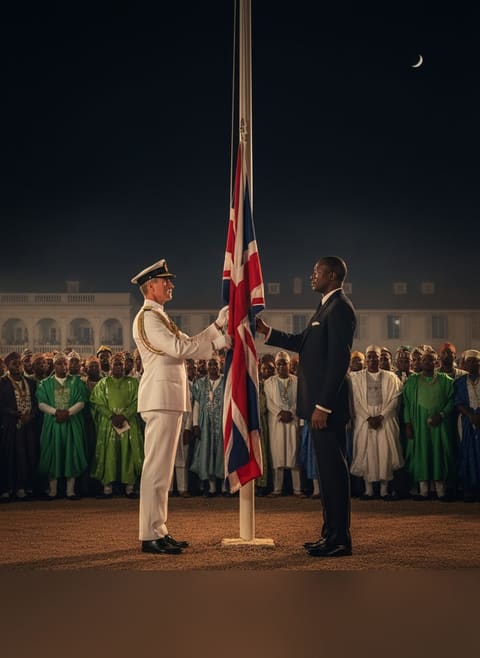
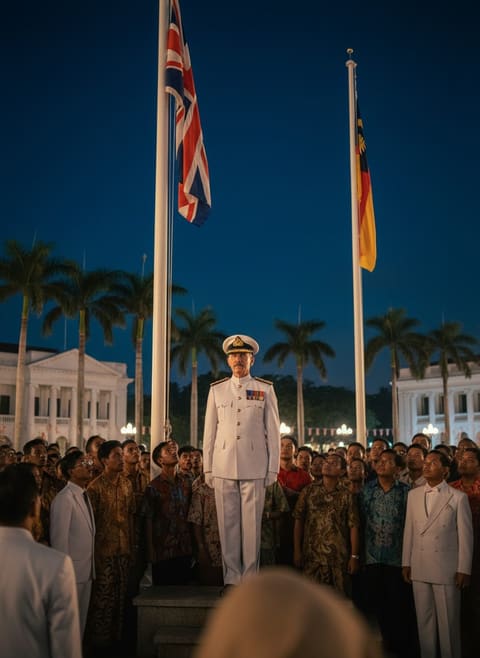
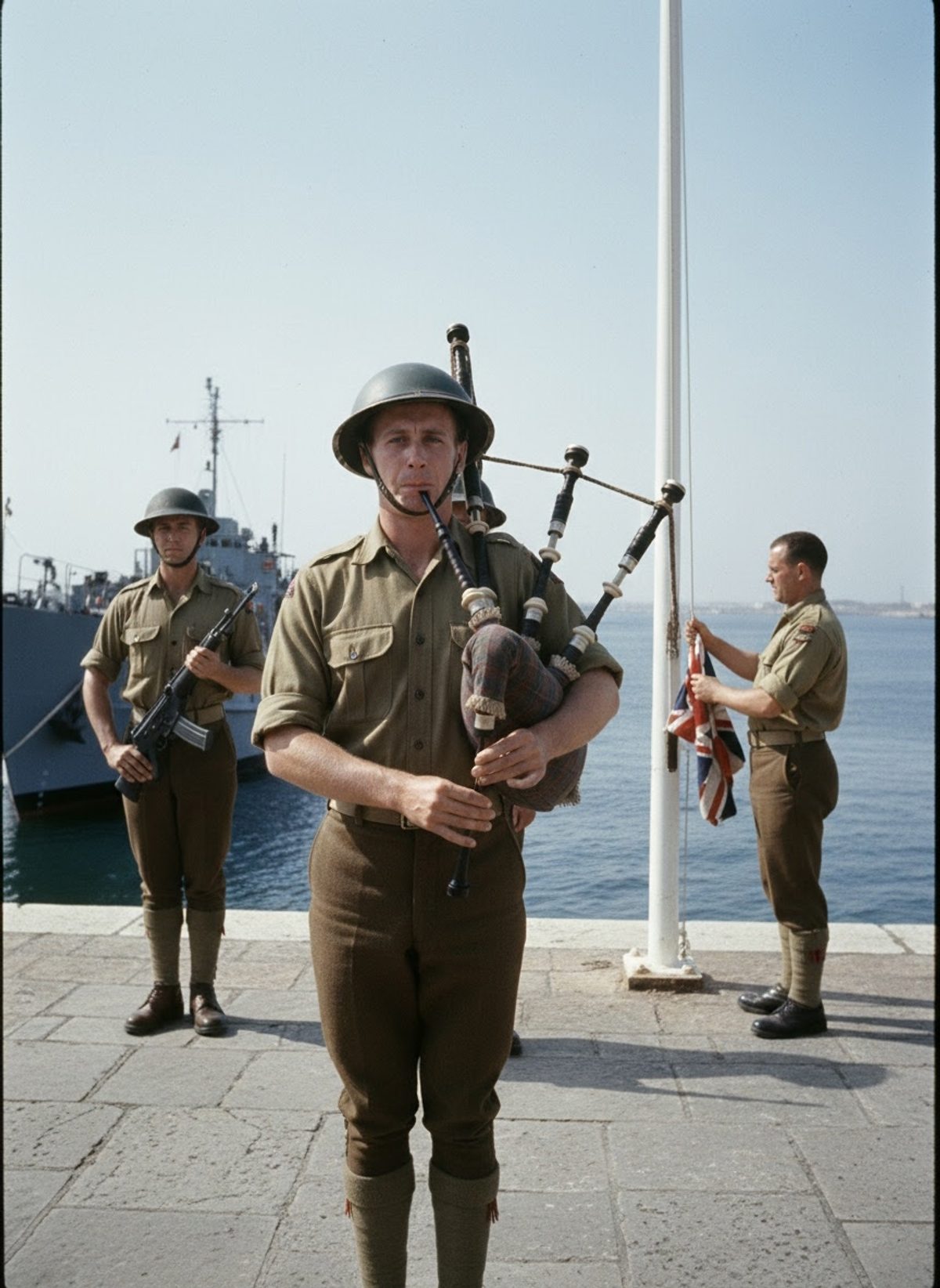
The setting was poignant and somber. As the Union Jack — the emblem of past glory — fluttered one last time against the brisk morning air, a different kind of tribute unfolded before the observers. A lone piper, clad in full Highland dress, took his place. The instrument's drone sliced through the morning stillness, a lamentation echoing across the waters. The haunting melody of the bagpipes filled the void left by centuries of imperial dominance.
Notes on the Wind
The piper's tune, a symbolic farewell, drifted into the ether like a whispered secret shared between the past and an uncertain future. For those present, the music served as an emotional bridge, a vivid bookmark in the chapter history opted to turn. More than an auditory moment, it was an emblematic gesture that conveyed what words failed to capture — the complexities of departure, the pull of place, and the persistence of memory.
The bagpipes' soulful notes carried tales of battles fought and concessions made, resonating with unspoken acknowledgments of an era ended. As the Union Jack descended sorrowfully, those gathered on the quayside, both British and Adeni, faced an ambiguous dawn — fraught with anxieties of what the impending days might hold.
Read next: When Operation Musketeer's Paratroopers Jumped Into Port Said, 1956
A World Shifting
Transitioning away from Aden symbolized more than the end of British colonial aspirations. It mirrored global shifts enveloping the 1960s. Decolonization swept across Africa and Asia, dismantling centuries-old power structures, and reshaping international diplomacy in its wake. As colonial authority diminished, new nations carved their paths, heralding an age of independence and self-determination.
Aden's farewell was but one chapter in this wider story of transformation. It served as a testament to humanity's ability to evolve and redefine identity amidst upheaval. The echoes of that moment — a single piper's lament intertwined with nostalgic remembrances — continued to unsettle and inspire, remaining embedded in the tapestry of global narrative.
A Whisper of Legacy
As the last strains of the bagpipe's tune melded into the Aden's brisk morning air, the imagery of the event remained vivid. This quiet withdrawal illuminated the complex dance between power and its relinquishment, reminding onlookers of the enduring impact of historical tides. Britain’s departure from Aden marked not only the end of its reign over the Arabian Peninsula but also encapsulated the broader ebb of an era defined by empire.
This resonant moment in 1967 invites reflection on the shifts that continue to shape our present. As cultures intertwine and new paradigms arise from history's shadow, the stories of the past beckon us to listen more closely, reminding us of the harmonies and discordances that time repeatedly composes.