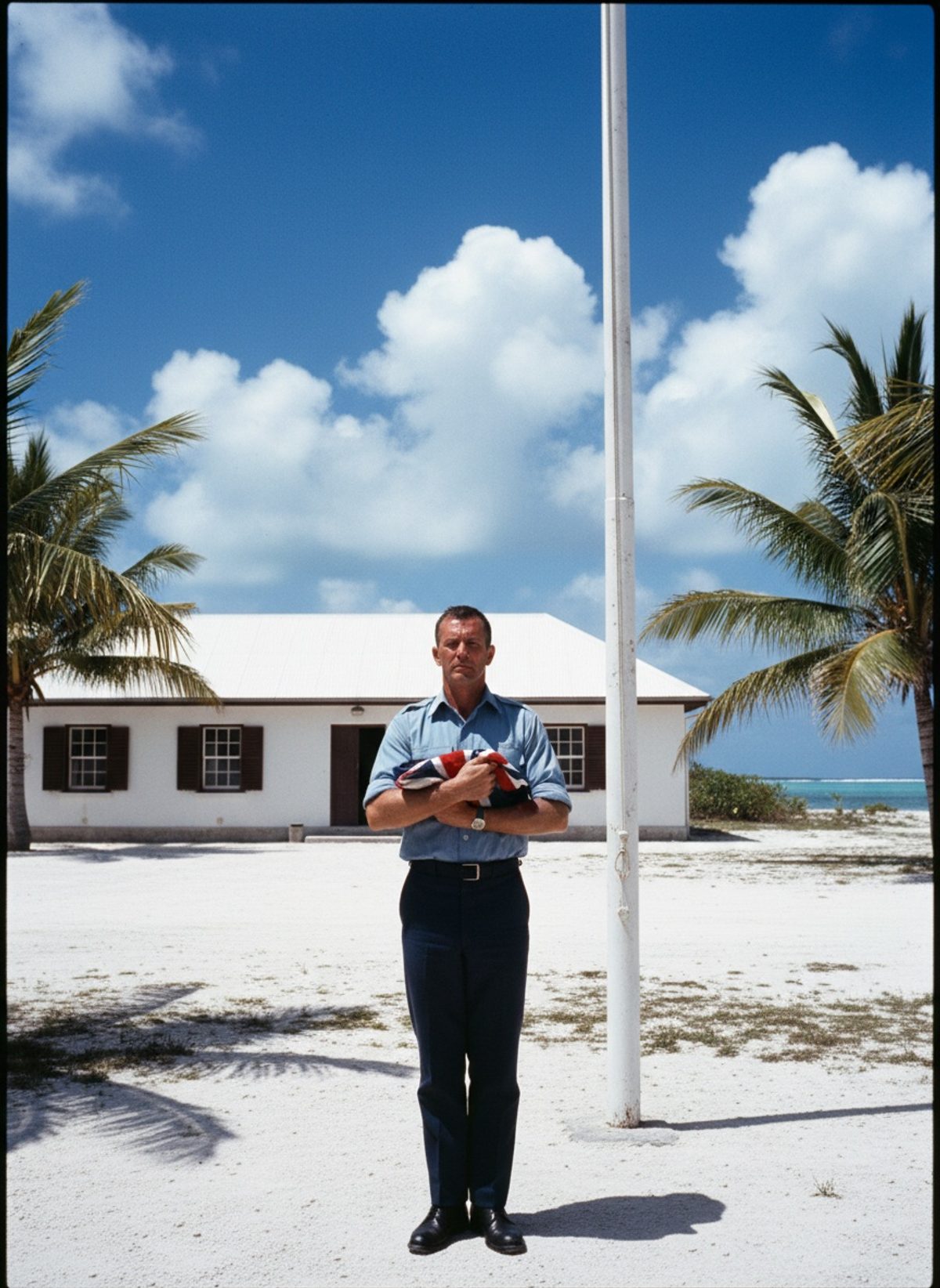
March 1976. A relentless heat enveloped the airstrip, as unyielding as the ocean that encircled it.
RAF Gan, a small coral-studded outpost on the Addu Atoll nestled in the Indian Ocean, was a bastion of British influence and military might during its thirty-year tenure. From this isolated enclave, Britain extended its watchful gaze over pivotal sea lanes. The strategic location made the atoll a jewel in the crown of empire, a hub from which the Royal Air Force projected the reach and reassurance of Britain far beyond its shores.
But in 1976, times had changed. The geopolitical landscape that once demanded a British presence so far from home had shifted, rendering this lone garrison redundant. The world moved on, and the airmen stationed at Gan were called to pack up and return to the comforts of a Britain eager to consolidate closer to home.
The departure from RAF Gan was significant, both ceremonially and symbolically. The island held not only strategic importance but also a deep personal resonance for those who served there. For decades, these airmen had carved a life amidst the palm trees and azure waters, creating a living link to a shrinking empire.
Read next: When Britain Handed Gold Coast Its Flag at Midnight, 1957
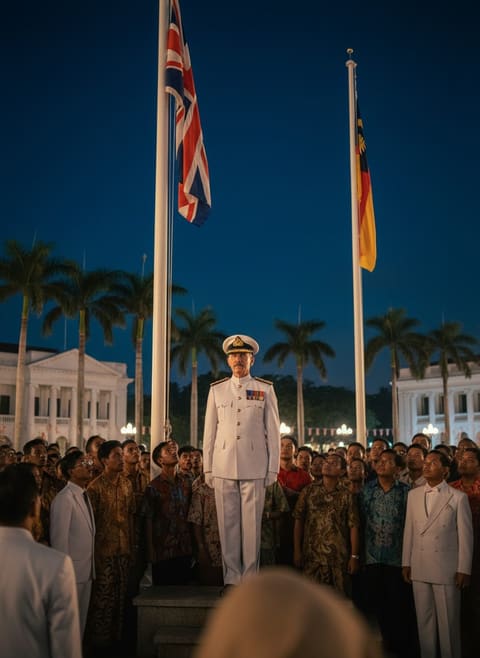
At the moment of departure, the airmen lined the sun-scorched runway—a scene replete with poignant emotion and controlled formality. A single Union Jack fluttered in the breeze, then descended one final time, marking the end of an era. The silence that followed felt profound as if the vast expanse of the Indian Ocean had swallowed the last lingering echoes of imperial presence.
RAF Gan was not just a military base; it was home to a unique community. Life on this speck in the ocean was simultaneously challenging and idyllic. Airmen and their families lived with mod cons alongside palm birds and ocean views, navigating isolation with camaraderie and resourcefulness. Social clubs, sports events, and the strange juxtaposition of British customs in a tropical setting fused to form a distinctive culture that made leaving all the more bittersweet.
The base's strategic importance was woven into its very fabric. During the Cold War, Gan's airstrip and accompanying facilities stood at the ready, playing an unsung part in the broader geopolitical chess game. A steady stream of military aircraft used Gan as a vital stopover, a point of refueling and refreshment as they transited between the heartlands of empire and far-flung outposts. Its radar systems scanned the skies and waters, their invisibility cloaked operations crucial against ever-present threats.
However, as the British Empire was redefined, the need for positions like Gan waned. In many ways, the exodus was simply an acknowledgment of shifting realities. With Britain’s focus realigning to Europe, and post-colonial nations asserting their independence, the rationale for maintaining such remote bastions diminished.
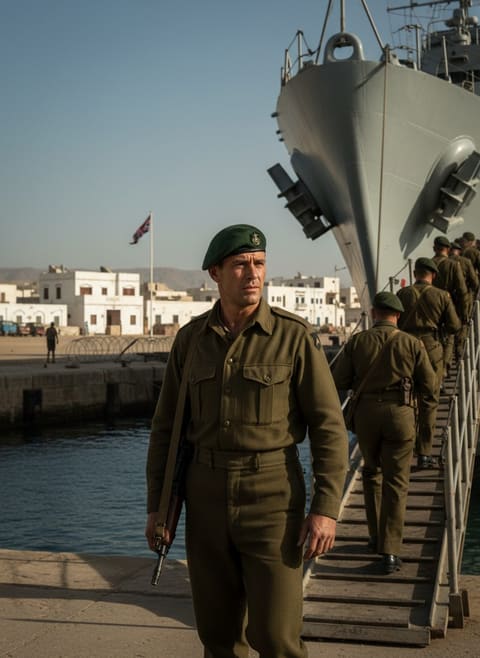
On this fateful day in March, the airmen journeyed along the length of the runway, a slow and deliberate procession toward their awaiting aircraft. This was not a retreat but a silent acknowledgment that the world had changed—and with it, the parameters of national interest. As they stepped aboard, there was an unspoken understanding: they were witnesses and stewards of the final chapter in a story of imperial ambition and transition.
The Indian Ocean lapped gently against the atoll’s shores as the final engines bit into the thick air. The sight of the last aircraft lifting from Gan’s strip, shrinking into the distant horizon, captured a transitory moment frozen in the sands of time—not one of defeat, but of strategic recalibration.
Read next: When Britain Handed Kenya Its Flag at Midnight, 1963
With the last pilot’s departure, Gan truly slumbered. The buildings and infrastructure lay silent, taken over by nature, a testament to the inevitability of change. The dense palm canopies and thriving reefs reclaimed their domain, wrapping the concrete scars of human presence in layers of lush anonymity.
As the Union Jack’s descent faded into memory, the story of RAF Gan became one of many threads in the complex tapestry of Britain's post-war era. The tales of camaraderie, isolation, and duty from this tiny atoll tangle with the grand narrative of an empire refocusing inward.
This historical scene is one that the textbooks gloss over—yet it exemplifies a gradual and respectful retreat; a nation acknowledging the inexorable march of change, releasing its grasp on territories far-flung. Gan’s story mirrors the larger diplomatic shifts that enabled more equitable global relationships to develop from the ground once trodden by empire.
The retreat from RAF Gan is a lesson in humility and adaptation. As the world continues to navigate the complexities of geopolitics, this atoll's silence whispers a timeless truth: the structures of power are ever-changing, swelling and receding like the tides. And sometimes, the most poignant stories emerge not from the triumphs of conquest, but from moments of quiet withdrawal, where an era concludes, and the future awaits in patient anticipation.