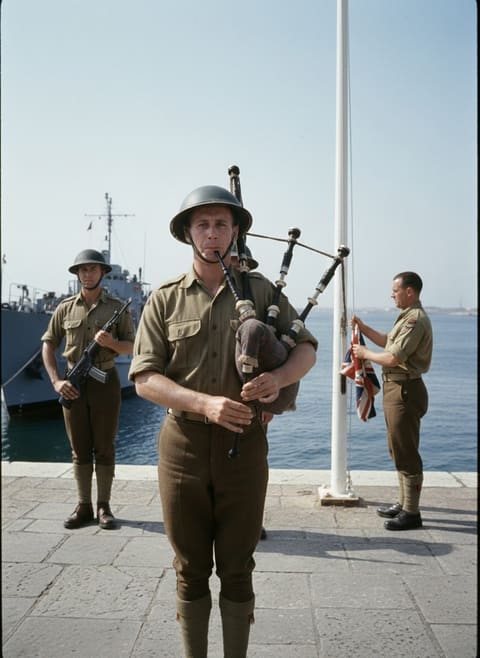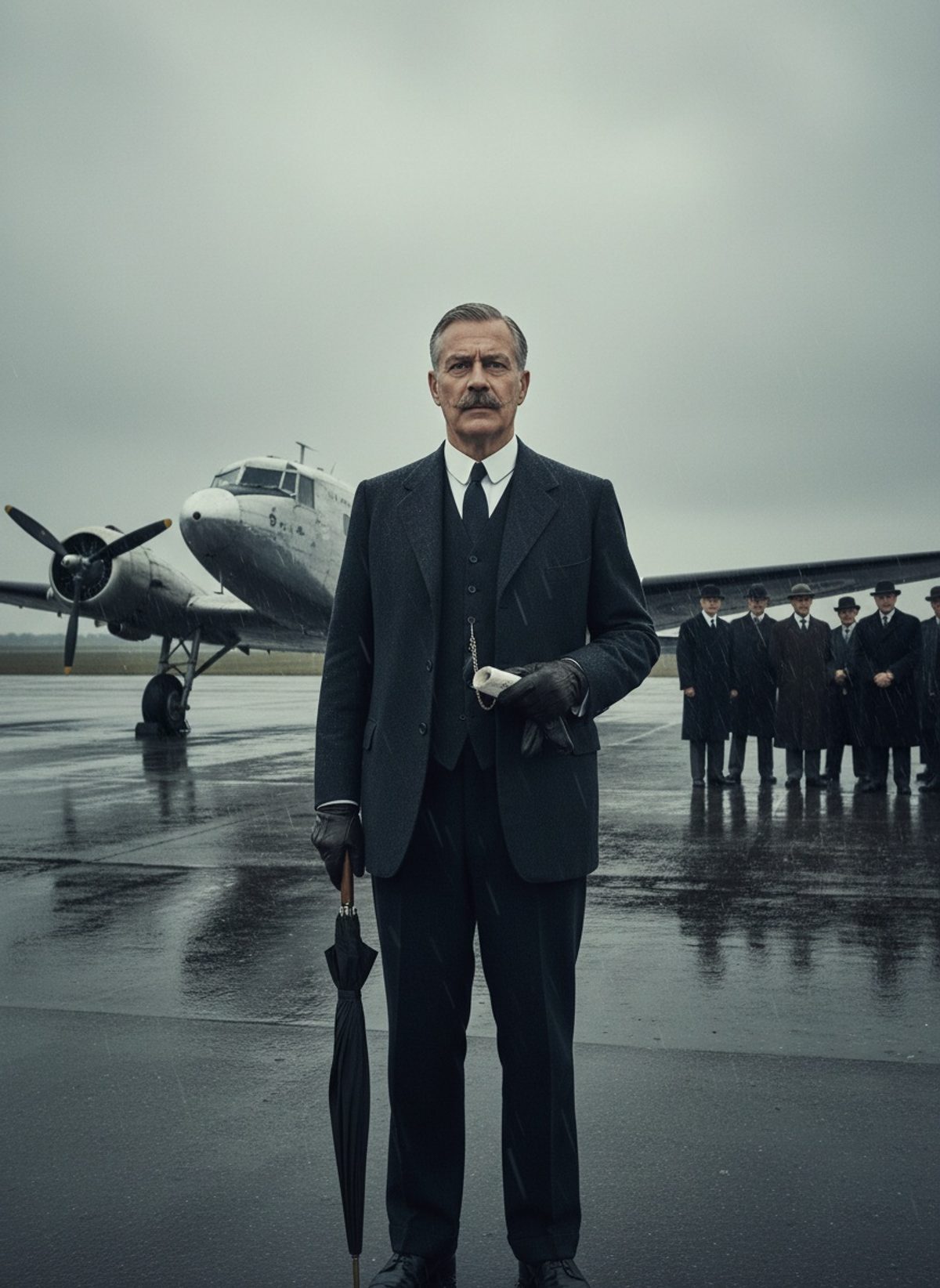
September 30, 1938. The morning air in Munich carried a sharp chill, hinting at the cusp of autumn.
Chamberlain's Quest for Peace
The aviation hum that accompanied Neville Chamberlain's flight to Munich marked not just a journey across countries but across a continent teetering on the brink of war. Prime Minister Chamberlain embodied the hopes of a nation weary from the scars of the Great War, desperate to avert another. His mission was both simple and daunting: to negotiate with Adolf Hitler over Czechoslovakia's fate and secure peace for Europe.
Chamberlain's determination was palpable, yet so was the weariness on his face. After years of Britain's non-intervention in European affairs, this meeting was a departure from the norm. The stakes were high, as Hitler's demands grew bolder. The German leader had fixed his ambitions on the Sudetenland, an area of Czechoslovakia rich with German-speaking inhabitants—perfect fodder for his expansionist aims.
What many forget is that Chamberlain had made this trip not once, but three times in quick succession. Each meeting with Hitler brought hope for a peaceful resolution only to shatter against the German leader’s unyielding demands. The Munich Agreement, however, appeared to be the culmination of his peacemaking efforts. Chamberlain's fervent belief in diplomacy guided him, even as the clouds of doubt gathered on the horizon.
Read next: The Morning Churchill Asked the King for Permission to Save Britain
The Room Where It Happened
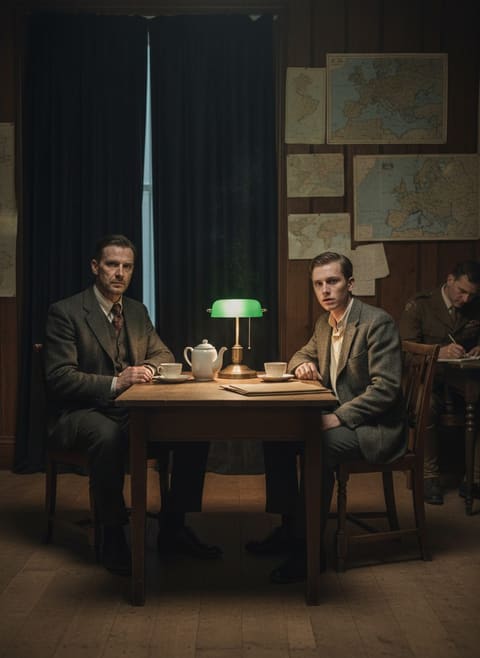
The negotiations in Munich were tense and fraught with urgency. In the opulent surroundings of the Führerbau, Hitler wielded the upper hand, his presence overwhelming. British officials and Chamberlain's German counterpart looked on as the two leaders attempted to reach accord. A fragile understanding was stretched thin over language barriers and conflicting ideologies.
The crux of the agreement was sacrifice. The fate of Czechoslovakia hung on the words exchanged in that room; its independence weighed against the promise of peace. Overlooked amidst grand gestures and polished diplomacy were the lives of the Czech people. In the diplomatic calculus, they became pawns moved at will by the hands of Europe’s leaders.
When Chamberlain emerged, paper in hand, he proclaimed victory for peace. To those watching back home through the burgeoning wonders of radio broadcasts and newspaper excerpts, this was a welcome end. Critics, however, were already acutely aware of the agreement's fragility and the voices of dissent echoed the fears of many. The ink on the agreement was barely dry before its weakness showed.
A Homecoming of Hope and Disillusionment
Landing in the UK, Chamberlain faced a nation divided. Waving the now-famous piece of paper bearing Hitler's signature, he greeted the crowd with optimism. "Peace for our time," he declared, his voice buoyant yet tinged with the tremor of uncertainty. For a brief moment, the specter of war seemed to recede beyond the horizon.
Yet, the promise of peace failed to placate all. Winston Churchill and other dissenters saw Munich as a dangerous appeasement, a temporary reprieve that would embolden rather than constrain Hitler. The British Empire, vast and complex, was less united in its perspective than appearances suggested. Chamberlain’s radiance of relief met the tempest of criticism that foresaw inevitable conflict.
Read next: The Night Rudolf Hess Fell From the Sky Into Scotland
The daily life of ordinary Britons reflected this tension, as families tuned into wireless radio transmissions and conversed in hushed tones, attempting to grasp the implications of distant negotiations. Newsprint freshly inked with headlines of peace was only temporary comfort for a public still grappling with memories of the horrors of the Western Front.
Lessons Unheeded
Just eleven months later, war broke out regardless of Munich's fragile agreements. As Britain and its empire were plunged into conflict, the optimism of 1938 crumbled, revealing stark realities that Chamberlain's hopes had temporarily masked. Convincing the masses of peace, he secured only delay and, in some eyes, compounded the threat posed by Hitler's regime.
The legacy of Munich lies not only within its headlines but also in the shadows of decisions made too hastily that resigned Czechoslovakia’s sovereignty for a fleeting dream. In classrooms and common rooms alike, the narrative of appeasement and its consequences serves as a pivotal lesson in the tragic cost of misplaced faith. For Chamberlain, his vision for a peaceable future remains overshadowed by the war that followed.
The Munich Agreement's place in history challenges us to consider not just the agreements we make, but the values we compromise to achieve them. In seeking peace, Chamberlain inadvertently set the stage for conflict, reminding us of a critical truth in diplomacy: absence of war is not always the presence of peace. The lessons Munich left untold echo still—a steadfast reminder for those who steer the course of nations.