The chill of a Scottish evening in May 1941 crept like a whisper across the fields near Eaglesham as dusk descended. The sky was a fading canvas of navy and indigo, punctuated by the gentle shushing of wind through the grass. Yet above, in the cool expanse, a single engine's murmur hinted at a staggering anomaly in the theatre of World War II.
The Descent into Mystery
At approximately 11 p.m. on 10 May 1941, an unfamiliar specter appeared overhead—an aircraft from the Third Reich. As Rudolf Hess, Adolf Hitler's enigmatic second-in-command, plummeted from the sky, his parachute billowing against the Scottish breeze, the chill was rendered insignificant compared to the cold, calculated gamble of his heart. Hess had come under a cloak of secrecy, hoping to be the architect of peace in a conflict tearing Europe asunder.
The landscape below him was a tapestry of thriving agricultural land. The distant outlines of rural homes and the winding roads spoke of a tranquility now pierced by Hess's extraordinary intrusion. Yet, this was no ordinary mission; it was an audacious, albeit quixotic, attempt to negotiate peace between the warring powers of Britain and Germany, initiated by a man operating outside the directives of his Führer.
A Decision Against the Tide
Within the corridors of power in Nazi Germany, Hess's decision was nothing short of treasonous. Known for his unwavering loyalty to Hitler, he had nonetheless grown distinct beliefs about the futility of the war with Britain. In his own understanding, the war was a familial conflict—as Hess saw the British and Germans as brothers, linked through a shared ancestral lineage. This sentimental view fueled his belief that peace could be brokered if he could only communicate directly with the Duke of Hamilton, a figure he believed would be sympathetic to his cause.
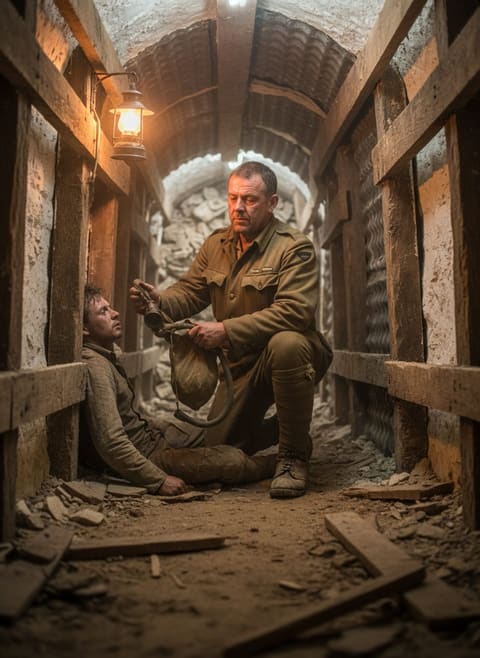
Read next: The Day a British Stretcher-Bearer Refused an Order to Save Lives
On the eve of his flight, Hess prepared meticulously, a mind racing with the enormity of his venture; one that pivoted on trust in intuition over political reality. Climbing into a Messerschmitt Bf 110, he enacted this bold plan alone, driven by a vision to single-handedly influence both the war's trajectory and his own apocalyptic destiny.
A Landing Shrouded in Starlight
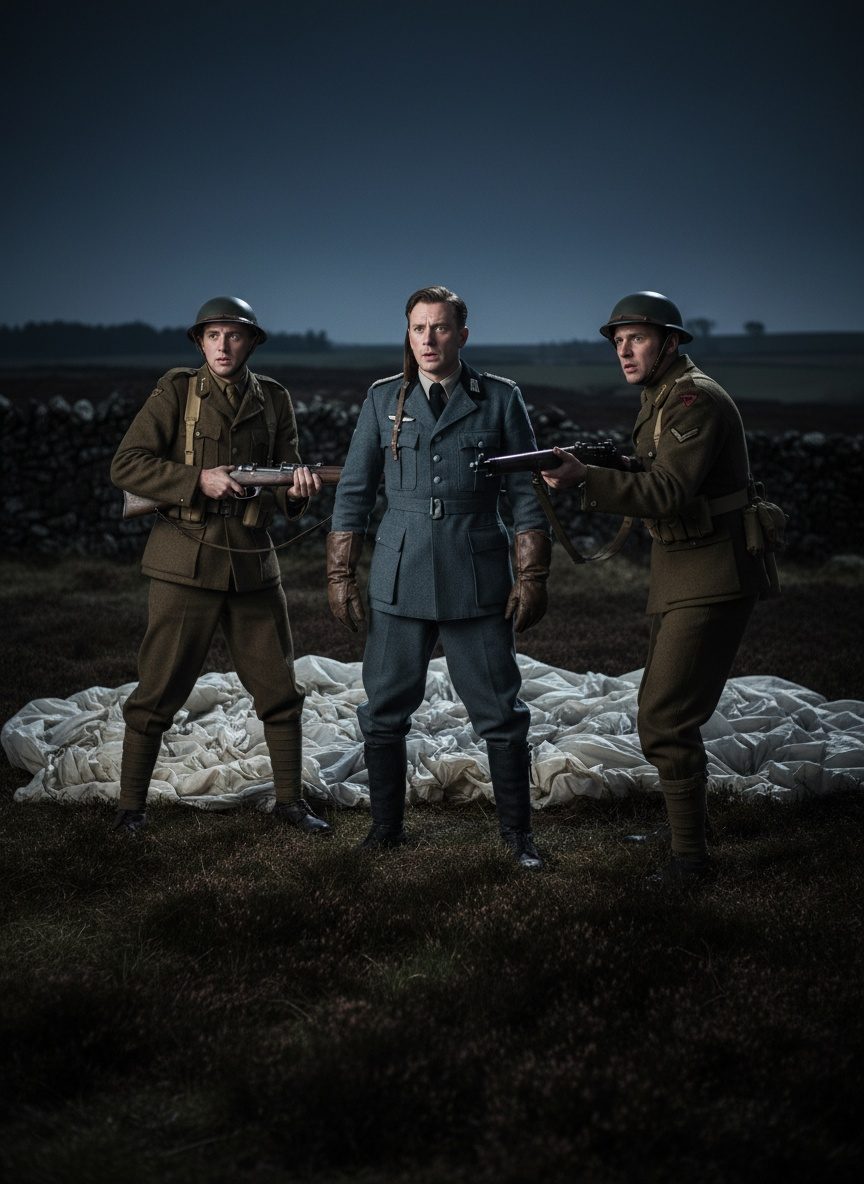
When Hess finally landed in the farm field of Mr. David McLean, the startled farmer could hardly believe his eyes. Under the pale light of a Scottish night, a Wehrmacht officer had seemingly fallen from the sky. McLean's subsequent encounter with Hess was surreal—a conversation rife with bewilderment as voices carried softly across the fields, mingling with the bleat of distant sheep. Hess presented himself as "Alfred Horn," a codename that attempted to mask the true gravity of his mission.
Within hours, local authorities and military intelligence had been alerted, thrusting this clandestine arrival into the annals of military history. Hess’s intentions were met with a mixture of skepticism, curiosity, and near disbelief from British officials, whom the Nazis considered archenemies yet whom Hess saw as potential allies for peace.
The Diplomatic Enigma Unraveled
Back in Germany, news of Hess's flight sent shock waves through the Nazi regime. Hitler was enraged, fearing Hess might betray state secrets or undermine the Axis efforts. Meanwhile, British intelligence struggled to decipher the symbolic, subversive gesture this represented. Some British officials viewed the flight as a desperate act, a sign of a splintering resolve among the upper echelons of the Nazi leadership. Churchill himself was cautious, even suspicious, recognizing the propagandistic value of such a high-ranking capture.
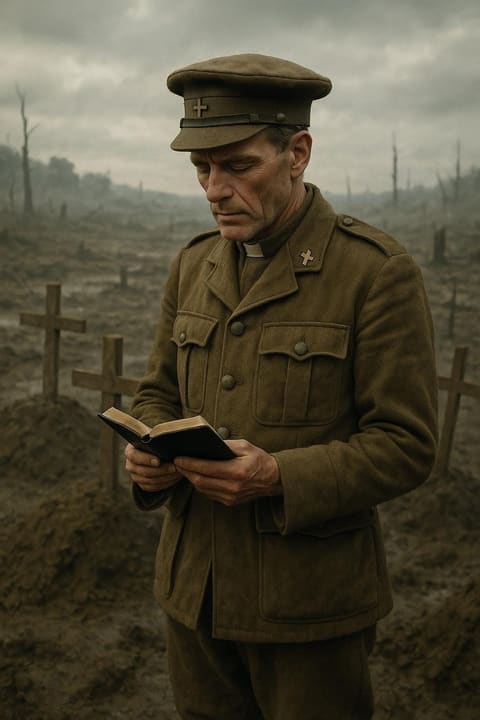
Read next: The Day a Army Chaplain Gave His Coat to a Dying Stranger
Hess, detained and interrogated by British forces, found himself isolated from the world he knew. His once-determined visage showed the strain of a man caught between the cogwheels of historical warfare and the ideals of reconciliation that had driven him into the cold Scottish sky.
A Historical Footnote’s Enduring Echo
The ramifications of Hess's solo mission were profound in their absurdity and intrigue. Officially, Hitler denounced Hess as mentally unstable, a narrative that was as convenient as it was dismissive. British officials were left with more questions than answers; was this genuine? Was it a ploy? And most importantly, what could this mean for the war effort?
Such an unusual episode holds a torch to the complexities and contradictions of human conflict. It unveils a chapter where desperation transcended the calculated machinery of warfare—an individual’s quest for peace amid the cacophony of destruction. While this attempt ultimately failed to change the course of history, its audacity serves as a persistent reminder of the human element in the epic narratives of war: how personal conviction can, sometimes, soar through the darkest clouds of enmity and emerge as the most curious expressions of hope.