The art of deception is an ancient craft. But during World War II, British intelligence turned it into an art form.
The Game of Deception
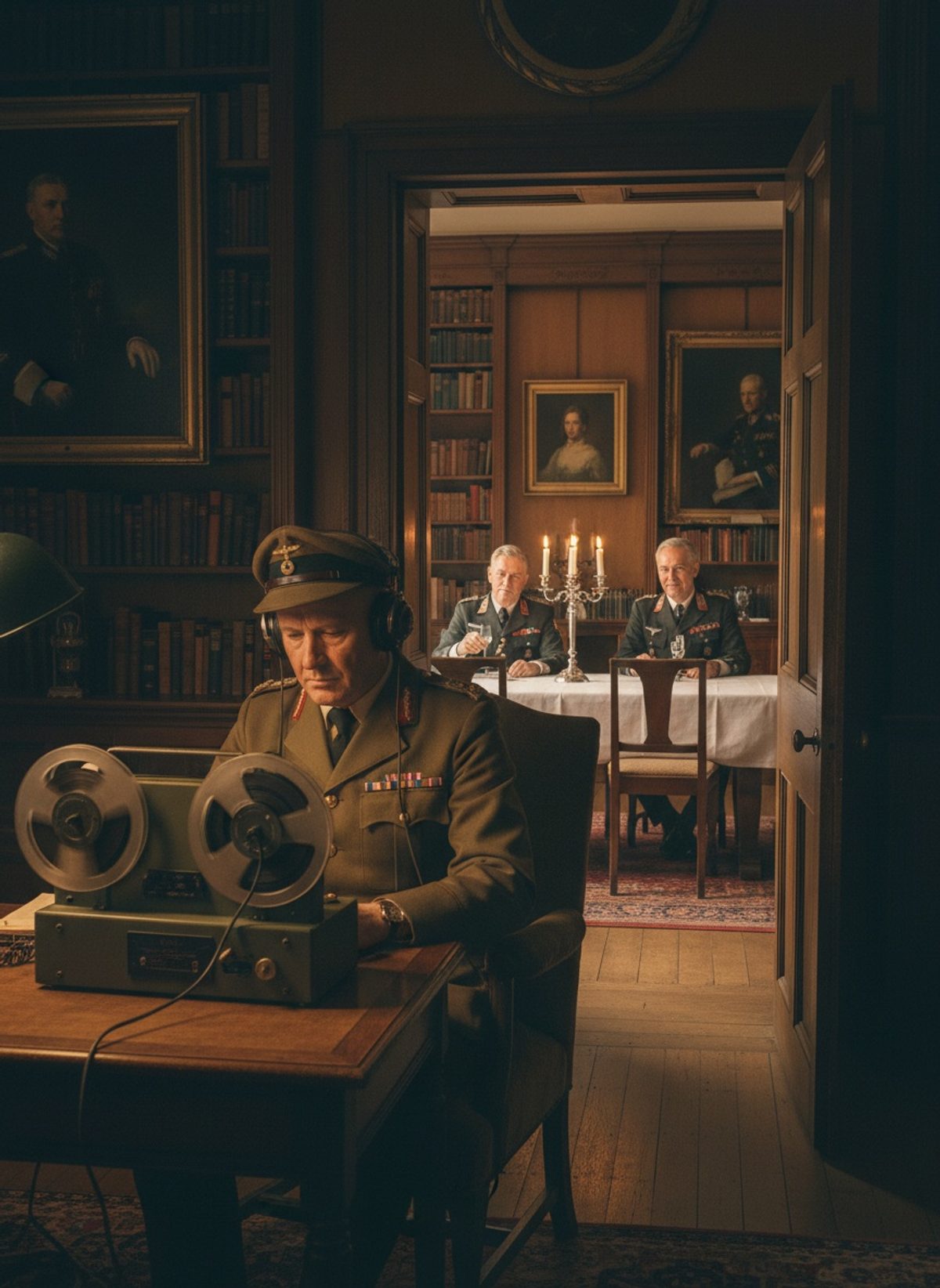
In the shadowy world of espionage, the Germans believed they were masters. They had meticulously set up spy networks across Europe, spinning webs of information that they hoped would guarantee victory. Yet, unbeknownst to them, by 1941, every single German agent operating in Britain was working for the British. It was a staggering achievement orchestrated by the UK's internal security service, MI5, through the audacious Double Cross System.
The Double Cross System was as daring as it was ingenious. MI5 had captured or successfully turned every German spy sent to the British Isles. These captured agents, believing they were still serving the Reich, became pawns in a grand deception game. Their reports full of fabricated information were sent back to Germany, painting vivid yet entirely false pictures of Britain’s defenses and military plans. The willing cooperation of these "turned" agents ensured that Germany was continually misinformed, with every missive serving up meticulously crafted fiction.
Tea and Treachery
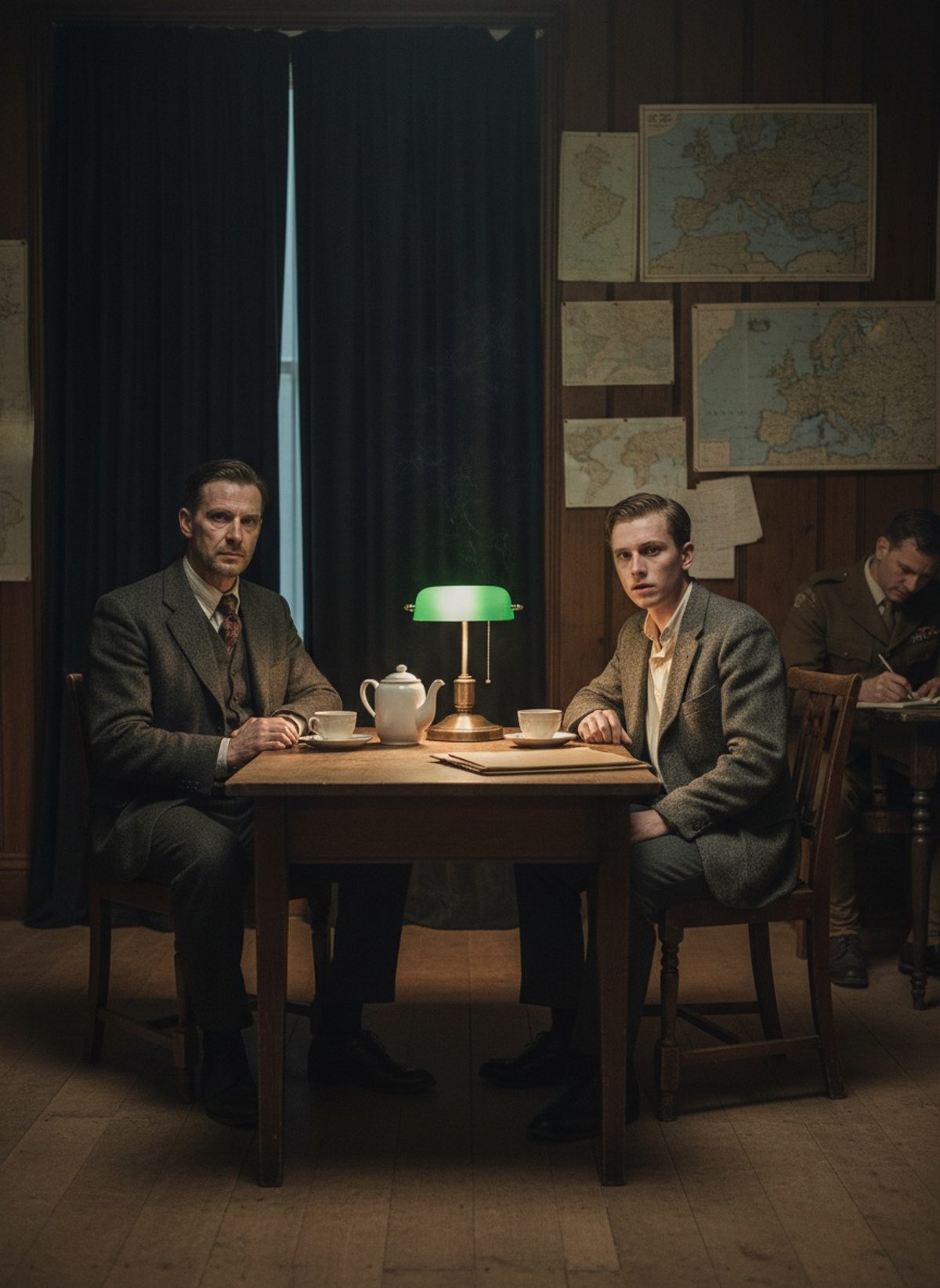
Amidst the smoke-filled, book-lined rooms of MI5's secret headquarters, a peculiar British weapon rose to prominence: the teacup. Meetings with turned agents often involved a quintessentially British tradition — tea. Over these cups, MI5 officers employed sharp wit and keen psychological insight to ensure that their captives remained committed to the role assigned to them. It might seem an unlikely battlefield, shaped around discussions warmed by Earl Grey and the soft clink of porcelain, but these moments were pivotal in maintaining the facade.
Read next: When Jack Cornwell Stood at His Gun and Did Not Run, 1916
This subtle manipulation extended beyond mere hospitality. MI5’s case offers turned agents both genuine opportunities and deception, ensuring loyalty and fostering the illusion of continued allegiance to their former masters. For the British intelligence officers leading the charge, it wasn’t just about thwarting Hitler's plans; it was a complex psychological game, with stakes that weighed as heavily as a battle's artillery.
D-Day Deceptions
The climax of this intricate web of deceit was reached in 1944, as preparations for Operation Overlord — the D-Day landings — loomed near. The success of this operation was critical for the Allies, and secrecy was paramount. Through the Double Cross System, MI5 fed the Germans false information about the intended invasion site of the Allied forces. German intelligence was convinced by reports that the critical assault would come via the Pas de Calais, far from Normandy's beaches where the real attack would occur. This strategic misinformation helped to disperse German forces, reducing the impact on the actual landing zones.
As the invasion played out, the effectiveness of the Double Cross System was laid bare. Adolf Hitler himself was so misinformed by his agents that the German response was fractured, delayed, and ultimately ineffectual. The carefully woven fabric of lies had held, influencing the course of history and hastening the fall of the Third Reich.
A Chess Game in an Intelligence War
The story of MI5’s triumph during World War II is more than just espionage; it is a testament to the power of intellect over brute strength. It highlights an incredible strategic and psychological battle, where the players knew they could not afford a single misstep. When the dust settled on the European continent, Britain's control over German intelligence was nothing short of astonishing, a feat unmatched in the annals of warfare.
This episode reminds us of the immense power that knowledge and understanding confer — the ability to control not just the hearts and minds of individuals but also the tides of war. As we reflect on the subtleties of human behavior and the art of persuasion, MI5's tale of cunning sits as a reminder that, sometimes, even the grandest of conflicts can pivot on a simple act of sharing tea. In the often brutal arena of war, this story of guile and deception offers a glimpse into a quieter, yet no less critical, battlefield.