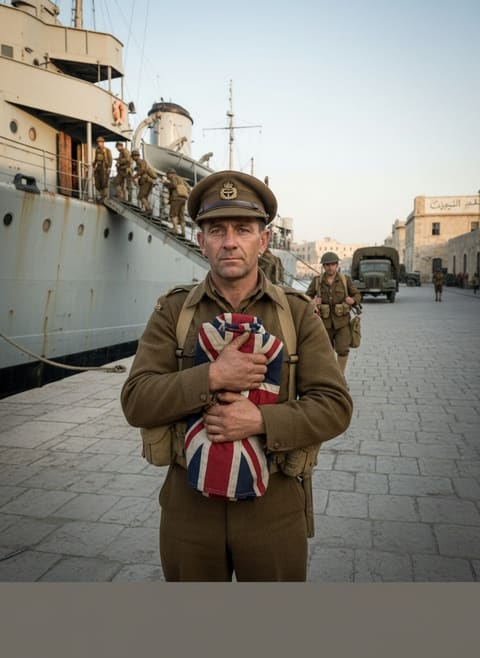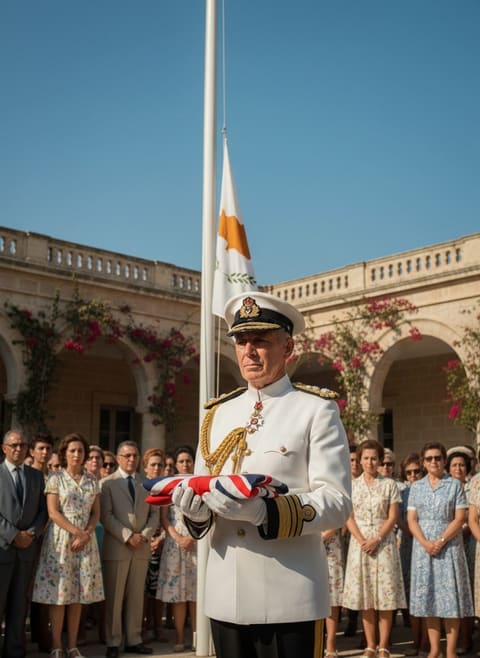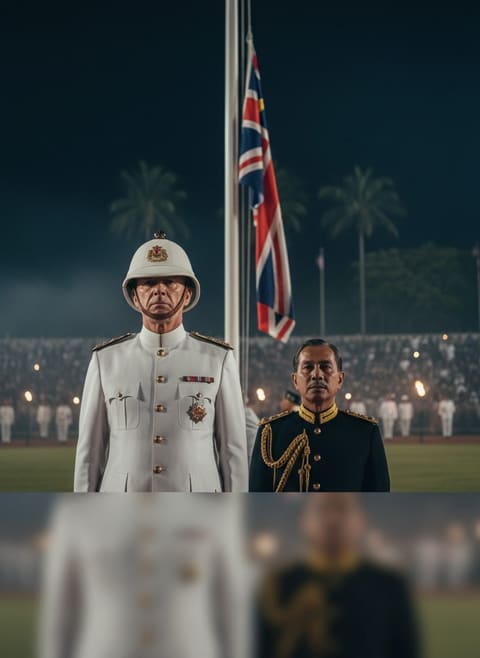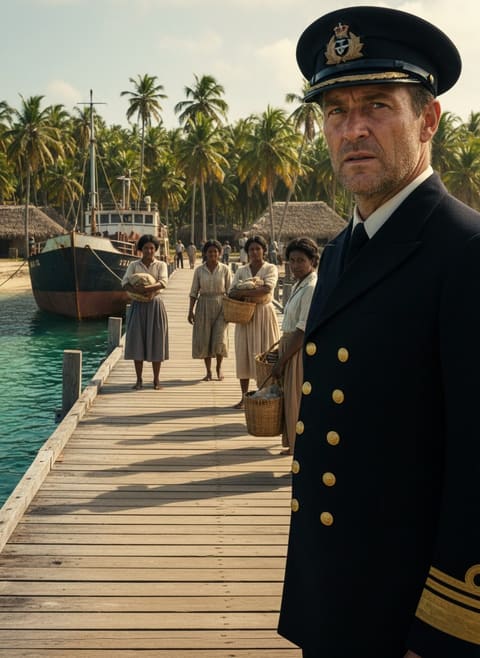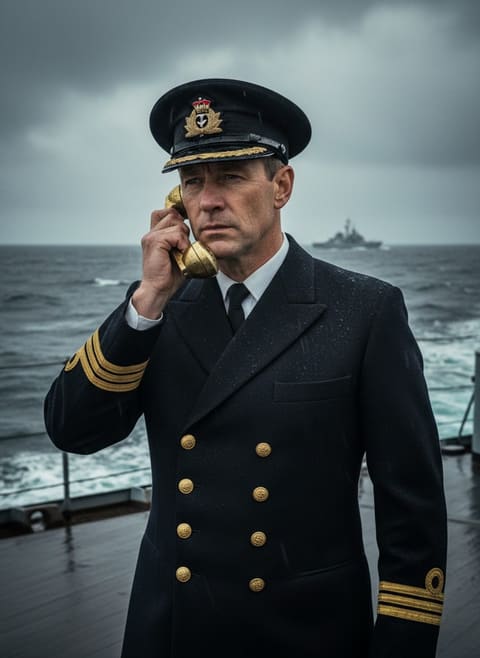
He was not a soldier nor a politician. The man who completed Britain’s withdrawal from Malaya was a quiet civil servant tasked with witnessing history. On that warm night of 31 August 1957, in the heart of Kuala Lumpur, he stood by the flagpole, bearing the weight of history on his shoulders as thousands watched the symbol of British rule come down, replaced by the new flag of Malaya.
The Night the Union Jack Fell
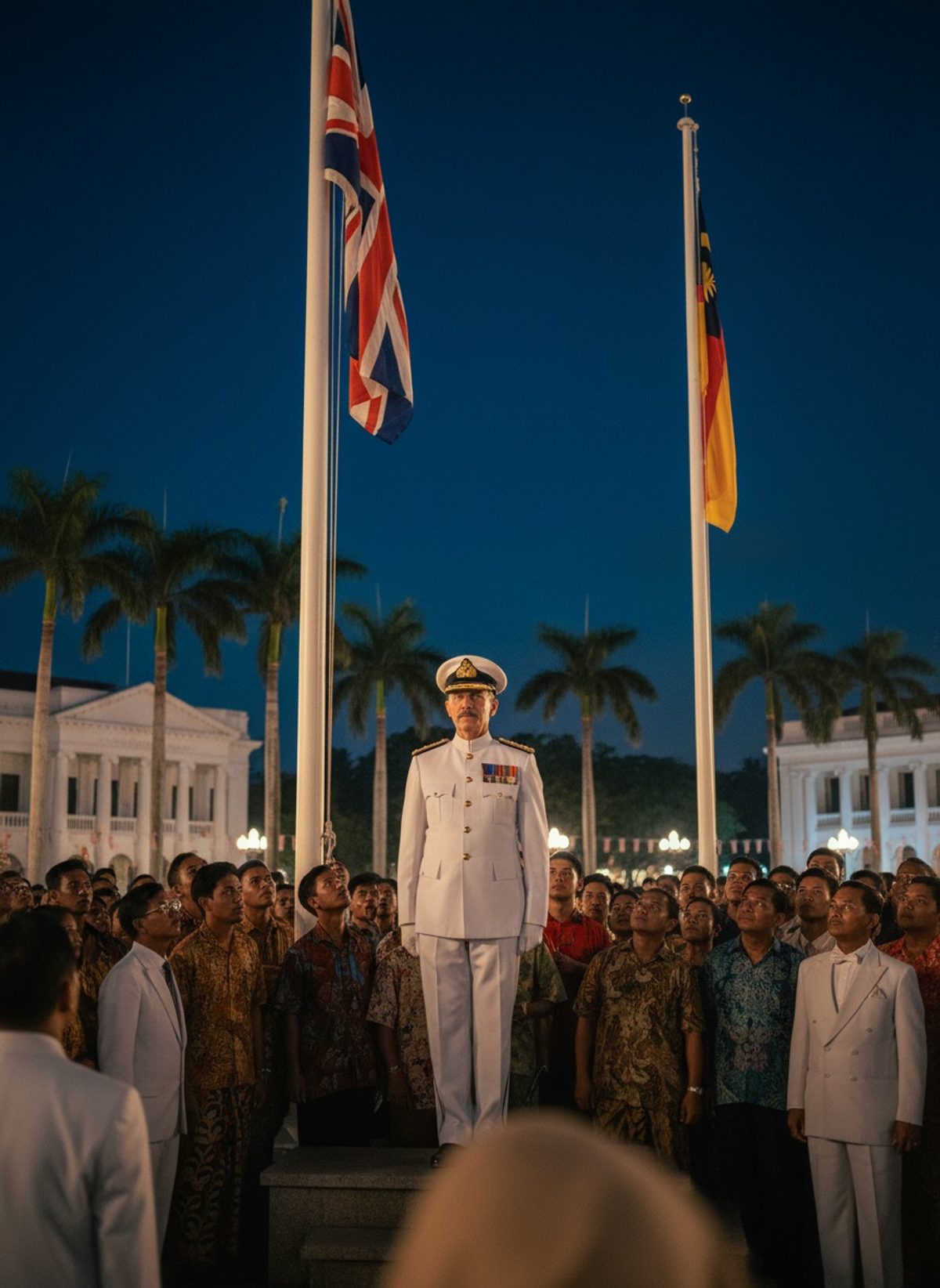
The air hung heavy with anticipation in Kuala Lumpur as the clock neared midnight. The Padang, an open field that had witnessed many colonial spectacles, was now the venue for an unprecedented transition. Bathed in flickering torchlight and the glow of street lamps, crowds gathered, some with families, others carrying signs of national unity and hope. It was a peaceful assembly, yet the sense of profound change was palpable. Watching over them, a British officer prepared for the delicate task of lowering the Union Jack.
As the minute hand struck midnight, a hush descended—a silence so deep it felt physical. With a precise, practiced motion, the Union Jack began its descent. It was not a defeat or the end of a war, but a ceremony; a carefully negotiated and peaceful transition that marked the end of British colonial rule in Malaya. As the British flag sank lower on the pole, rising to take its place was the vibrant red, white, and blue of Malaya’s own banner. The sudden eruption of cheers shattered the silence, echoing through the streets and into the hearts of all Malaysians. This handover, witnessed by a quarter of a million people, marked the first time a Southeast Asian colony gained independence without bloodshed.
From the balcony of the nearby Sultan Abdul Samad Building, leaders and dignitaries watched, some brushing away tears, while others allowed themselves a small smile of satisfaction. Each held their breath for what this newfound autonomy would mean for the nation they loved. Malaya was the torchbearer, setting an example for other colonies in the region and beyond.
Read next: When Keith Mills and 22 Marines Stood Their Ground at Grytviken, 1982
The Quiet Negotiations Behind the Scenes
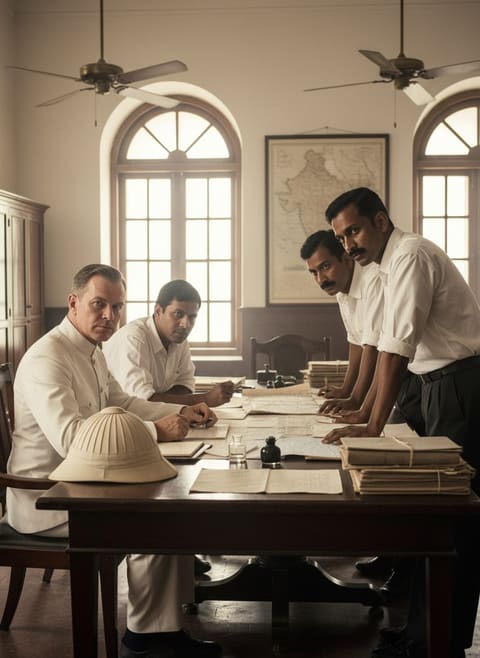
In the years leading up to that historic midnight, the journey to independence had been as deliberate as it was unconventional. The post-war world brimmed with change, as former colonies sought self-determination. Yet, unlike many of its counterparts, Malaya pursued its freedom through negotiation rather than conflict. Central to this was the careful diplomacy on both sides—British pragmatism meeting Malayan determination.
The tables were sometimes contentious, with Britain seeking to balance its interests while acknowledging the global shift away from colonialism. Meanwhile, Malayan leaders, diverse in ethnicity and religion, unified under a singular vision for self-rule. They presented reasoned arguments and clear infrastructure plans, demonstrating that their nation was ready to stand on its own. Yet, these talks were not without challenges; they hinged on mutual trust and a shared vision for a peaceful transition, an achievement not often showcased in the annals of decolonization.
Malaya's bid for independence was also unique in its inclusivity. It was a harmonious tapestry woven from the threads of various ethnic groups—Malay, Chinese, Indian—that had settled in the peninsula over centuries. Their leadership emphasized unity, acknowledging the strength in diversity long before it became a modern catchphrase. This unity was both a source of strength and a test of resolve, requiring constant negotiation to ensure that every community felt represented in the future governance of the nation.
Read next: The Pseudo Force That Broke the Mau Mau From Within
The Dawn of a New Chapter
As the new Malayan flag rose that night, it symbolized more than the birth of a nation; it was a beacon of possibility for others under colonial governance. The post-independence period would not be without its challenges. The new government had to navigate different cultural expectations, manage a burgeoning economy, and solidify its identity on the international stage. Yet, there was a palpable sense of destiny felt by Malayans and seen by those around the world. It was an era of unprecedented hope.
This peaceful handover shifted the narrative for decolonization worldwide. It was a template for transitioning power without the pangs of warfare, showing that dialogue could achieve what arms could not. Consequentially, the success of Malaya’s transition set the stage for other colonies endeavoring for independence, reinforcing the promise that freedom, respect, and negotiation could indeed coexist.
In retrospect, the events of 31 August 1957 stand not only as a monumental moment in Malayan history but as a lesson in peaceful transformation and collaboration. As nations today grapple with their colonial pasts, Malaya’s story offers a compassionate model of strategic diplomacy and community-driven unity. The midnight flag exchange remains a vivid tableau, echoing its quiet yet powerful reminder that empires can end with dignity, and countries can be born in peace.