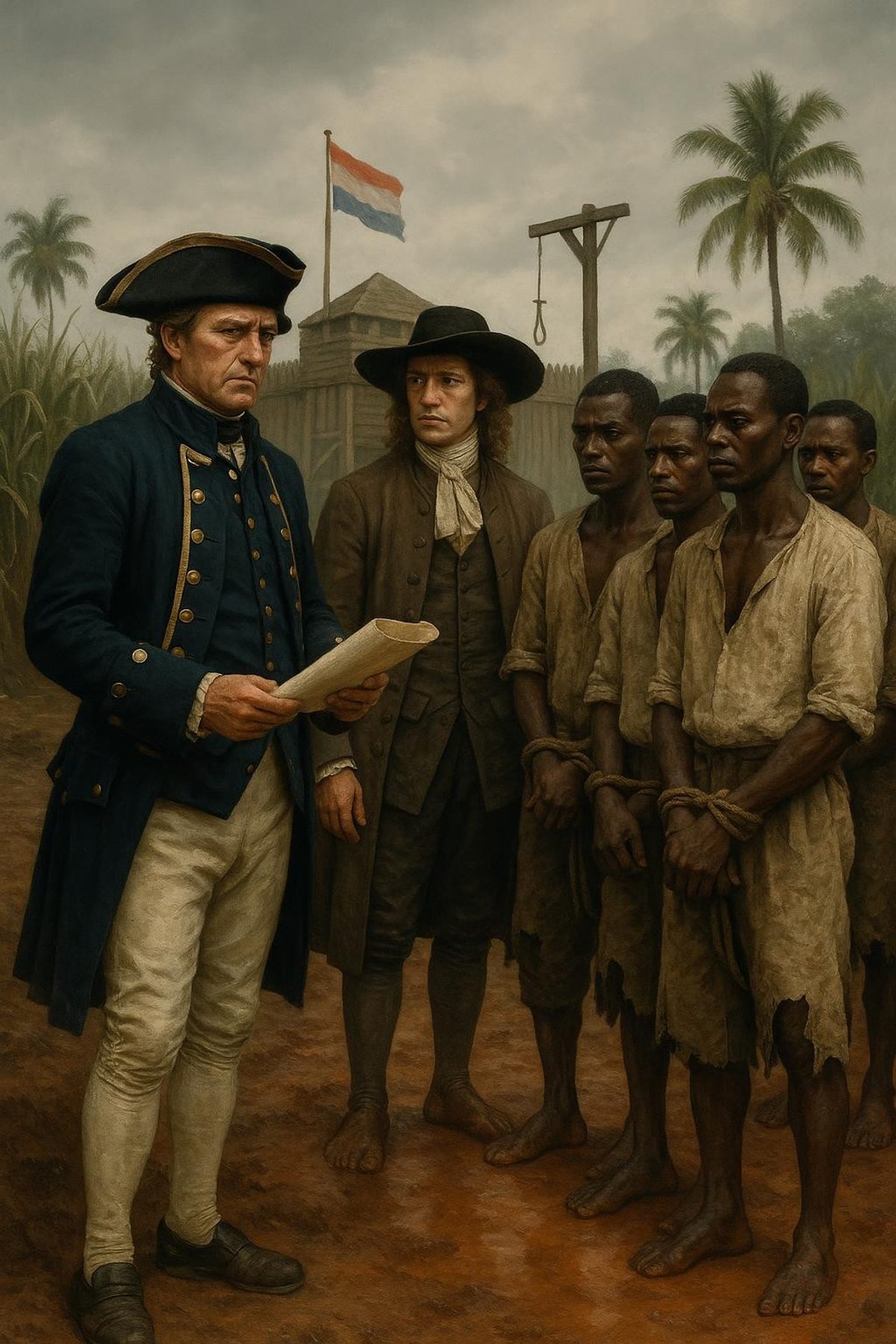
Kinjikitile Ngwale was a healer, not a soldier. His weapon of choice was water, not a rifle.
With whispers of rebellion brewing in the sultry air of Tanganyika’s Ngarambe region, Kinjikitile’s proclamation resonated like a clarion call among the wavering hearts of oppressed African communities. It was the dawn of a new century, and the continent was fragmented under the shadow of European empires. Here, in 1905, the rumblings of discontent against the German colonial rulers metamorphosed into what would later be inscribed in history books as the Maji Maji Rebellion. This was neither an insular skirmish nor a hurried uprising; more than ten thousand warriors, imbued with a staunch hope and fervent fervor, emerged, clutching not swords or spears but millet stalks steeped in a holy elixir. This water, Kinjikitile assured them, would transmute bullets to mere droplets of impotent liquid.
The stage was set in the richness of the Rufiji delta's sprawling landscapes—the earth thrummed with the rhythm of expectation and risk, embracing under its sun-drenched skies an unprecedented convergence of faith and defiance. Here, the backwater village of Ngarambe had become a focal point of revolutionary sentiment. Kinjikitile, the spiritual shepherd in this tale of insurrection, became the human bridge to an ancient belief that human resilience, when spiritually endowed, transcends any form of imperial bondage.
But who was this man who dared to inspire a rebellion against one of Europe's mightiest empires? Kinjikitile Ngwale was no mere zealot; his life was a tapestry woven with spiritual experiences and a deep connection to his land and people. Legend mingled with reality, as stories spoke of his apparent possession by the spirit of Hongo, imbuing him with arcane wisdom and reportedly the ability to commune with ancestral spirits. It was this spiritual potency that endowed him with influence over such a diverse assembly of tribal factions across Tanganyika. People spoke of seeing in him the living embodiment of their collective soul, armed with an intangible invincibility that transcended the kinetic prowess of colonial machinery.
Read next: When the Sepoys of Vellore Stormed the Barracks, 1806
The irony is that many of those who followed Kinjikitile into battle had known him only briefly. Yet his message was simple and compelling enough to eclipse any doubts: the promise of driving out the usurpers and reclaiming autonomy over their exploited land. As the August sun bore down on the red earth, the Maji Maji warriors charged. Their feet pounded synchronously over the rugged terrain, their harmonic war cries slicing through the heavy air—men unified by mysticism, bonded by the desperation of the oppressed.
Yet, destiny chose a day of harsh realities. The power of prayer and purpose met the grim finality of German Mauser rifles. The blessed water failed to work its supposed magic; bullets pierced chests, and dreams collided with an unyielding truth. For the brave souls rallying under Kinjikitile's vision, the magic dissolved into the tangibility of lead and blood.
As twilight descended upon Ngarambe, the sobering aftermath left the survivors in an eerie silence. Euphoria had swiftly given way to a melancholic introspection: What of the magic that was to protect them? Kinjikitile himself was absent from the battlefield, already apprehended and taken to face German justice far away from the bustling front lines of revolution.
He was hanged before the year’s last harvest was in. The air, pungent with the scent of spices and ripening grain, bore silent witness to the execution of the man whose promise had briefly liberated a people's spirit from hundreds of years of imposed subservience. Kinjikitile was gone, yet his story did not end with the snap of the gallows. The Maji Maji Rebellion rolled over the years, spilling beyond Tanganyika, a virulent wave of insurrection that would not extinguish until 1907.
Much of the Western world missed the heartbeat of this story—the reverberations of which radiated out from Africa into the broader canvas of colonial resistance narratives. Maji Maji, a phrase now carrying both the name and the spirit of water, underscores the paradox of faith against firearms; it serves as a perennial symbol of collective valor against formidable forces. Even as the German Empire would attempt to erase this uprising, its legacy forged an indelible mark on history.
It's easy now to see Kinjikitile and his water as a quaint footnote in the larger dossier of colonialism—a misplaced belief swiftly extinguished. Yet it’s more than a relic of what might seem futile defiance. In his story, there lies a deeper tale—a struggle for dignity, the indomitable spirit of community, and the enduring aspiration for self-determination. Today, those millet stalks soaked in sacred waters remind us not simply of the past battles fought on distant fields but of the continuous flow in humanity's yearning for freedom and faith in the unseen. In their sacrifice and Kinjikitile’s vision, the Tanzanian landscape was imbued with an eternal legacy, a beacon for untold empires left out of the textbooks. Their tales, though often effaced, flourish where collective memory dares defy silence.